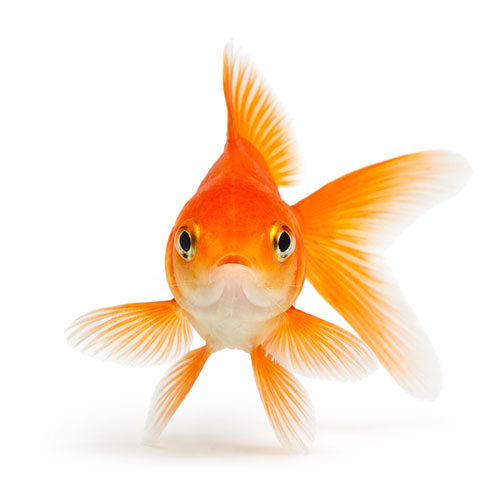

Goldfish are the kind of pets that make you feel like a responsible adult without the whole “remember vet appointments” drama. They look calm, they swim in graceful circles, and for the most part they’re pretty hardy. That said, keeping a comfy water temperature is one of the simplest ways to keep them healthy, active, and well-behaved at feeding time. Let’s dive into what the aquarium temperature for goldfish really means and how to manage it without turning your tank into a science lab.
## Aquarium Temperature For Goldfish: The Basics
Goldfish are coldwater fish in the sense that they don’t need tropical temperatures, but “coldwater” doesn’t mean they enjoy dips into Arctic waters. The correct aquarium temperature for goldfish supports metabolic function, immune health, and normal behavior. Too warm and you speed up their metabolism and reduce dissolved oxygen. Too cold and digestion slows and immune defenses can be impaired. Stability matters as much as the number on the thermometer.
### Ideal Temperature Ranges
Most common varieties of goldfish (comet, common, fantail) do well in the range of roughly 65–72°F (18–22°C). Fancy varieties with compact bodies or delicate gill structure often prefer the slightly warmer end of that range, around 68–72°F (20–22°C). If you keep water consistently within these ranges, you’ll be supporting normal appetite, growth, and activity.
Note: If you keep goldfish outdoors in temperate climates, seasonal variation is expected. Outdoor wintering is feasible for hardy types as long as the pond stays oxygenated and doesn’t freeze solid. Indoor tanks should avoid dramatic swings—goldfish can tolerate slow seasonal change, but sudden shifts of more than a few degrees over a few hours are risky.
### How Temperature Affects Goldfish Physiology
Temperature controls metabolism. In cooler water, goldfish use energy more slowly; digestion is slower and activity levels dip. Warmer water accelerates metabolism, increasing oxygen demand and waste production (ammonia, nitrite). That means a warmer tank often requires more filtration and more frequent water changes. Also, many pathogens thrive at higher temperatures—so an unexpectedly warm tank can increase disease risk.
#### Effects On Oxygen And Filtration
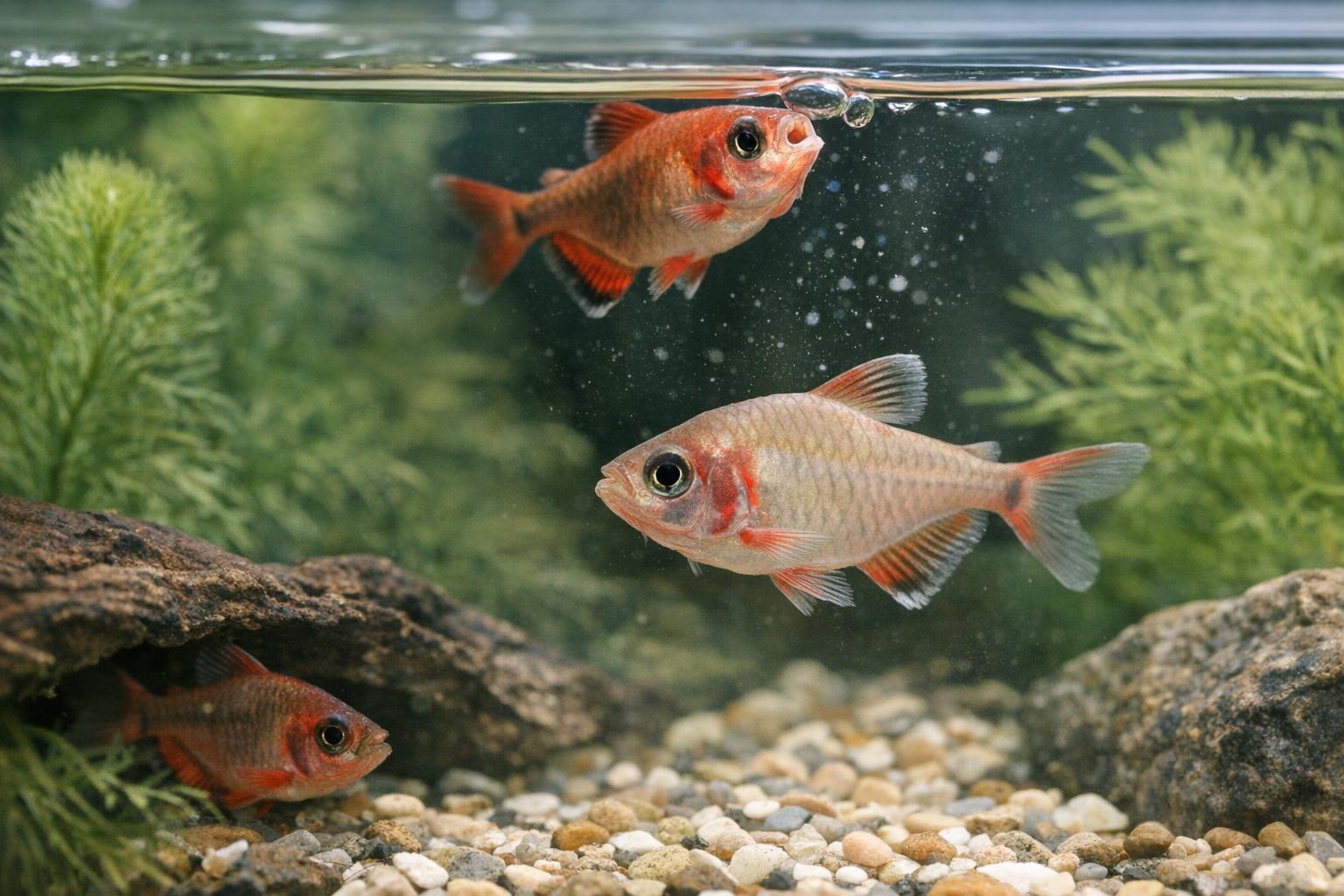
Warmer water holds less dissolved oxygen. If your aquarium temperature for goldfish is pushed too high, you must compensate with better aeration (air stones, surface agitation) and possibly a more powerful filter. Biological filtration efficiency also shifts with temperature—beneficial bacteria generally perform across a range, but extreme shifts slow their processing of ammonia and nitrite.
#### Recognizing Temperature-Related Stress
Symptoms of temperature stress can be subtle: reduced appetite, lethargy, gasping at the surface (low oxygen), clamped fins, or erratic swimming. Rapid temperature changes can also cause shock and make fish more susceptible to fungal and bacterial infections. If you see these signs, check your thermometer first—sometimes the fix is as simple as returning water to the proper temperature range.
## Choosing Equipment To Control Aquarium Temperature For Goldfish
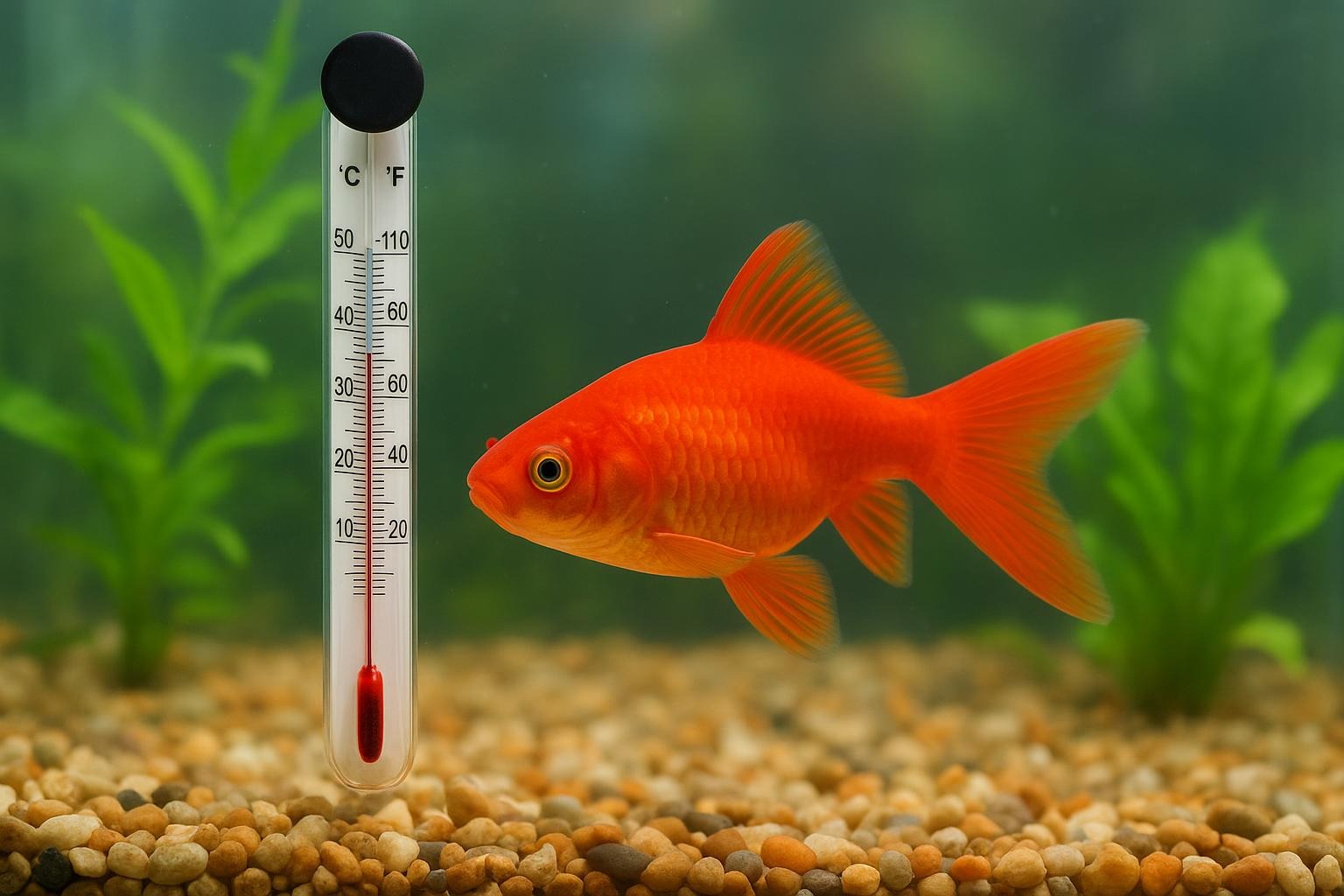
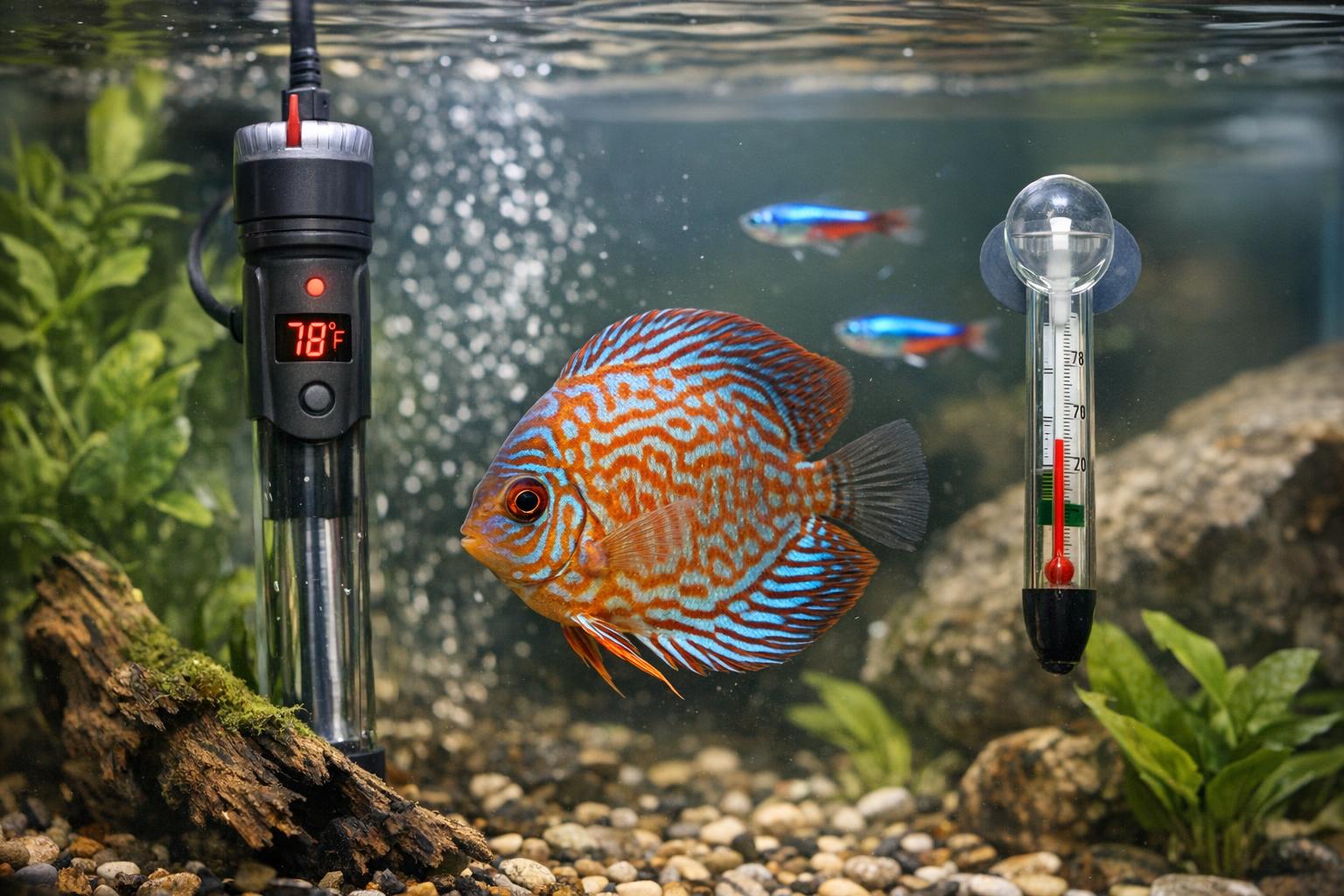
A stable aquarium temperature for goldfish requires reliable tools: an accurate aquarium thermometer, a properly sized heater (if you live in a cool climate), and sometimes a chiller or improved aeration (if your tank gets warm). Don’t skimp on the thermometer—stick-on strips are cheap, but digital probes give more clarity.
### Thermometer Options And Placement
There are three common types: stick-on strips, glass thermometers, and digital probe thermometers. Digital probes placed near the center of the tank, away from direct heater output, give the most useful readout. Stick-on strips can be influenced by room temperature and aren’t as reliable. Glass thermometers are accurate but fragile.
#### Where To Place Equipment
Place the heater where flow from the filter circulates water past the element so the warmth distributes evenly. The thermometer probe should be on the opposite side to verify even temperatures. Avoid placing the thermometer directly next to the heater—otherwise it will report hotter-than-average local temperatures.
## Remedy: Stabilize Aquarium Temperature (Step-By-Step)
Below is a practical remedy to stabilize aquarium temperature for goldfish when you detect drift or an off-target reading. This section is presented in a formal, clear style to ensure precise application.
Materials Required
– Accurate digital aquarium thermometer (probe type)
– Submersible aquarium heater with thermostat rated for your tank size
– Adjustable aquarium fan or small chiller (if addressing high temperatures)
– Air stone and air pump (for increased aeration)
– Buckets for water changes (food-grade, clean)
– Thermometer for verifying bucket water temperature (optional but recommended)
– Towels and gloves (for handling equipment and splashes)
– Optional: aquarium controller/thermostat for larger setups
Step-By-Step Procedure
1. Confirm Current Temperature: Place the digital probe in the tank center and allow one hour for stabilization. Record the reading. If it drifts more than 1–2°F over an hour, there is instability that must be addressed.
2. Inspect Heater Placement And Function: If the tank is cooler than the target range, check the heater’s rating (wattage) relative to tank volume. A general guideline is 2.5–5 watts per gallon, adjusted for room temperature. Ensure the heater is fully submerged to its minimum immersion mark and near circulation flow.
3. Calibrate Or Replace Faulty Thermometers/Heaters: If readings vary between devices, calibrate against a known reference or replace unreliable equipment. Faulty sensors are a common source of misreads.
4. Correct Low Temperature: Increase heater setting incrementally. Wait 30–60 minutes and recheck. Avoid raising the temperature by more than 1–2°F per hour to prevent thermal shock.
5. Correct High Temperature: For temperatures above target, increase surface agitation or add an air stone to improve oxygenation. Use a small aquarium fan to blow across the water surface, which enhances evaporative cooling. For persistent heat, consider installing a chiller or moving the tank away from direct sunlight/heavy room heat sources.
6. Perform Partial Water Changes If Needed: If temperature drift is due to localized heating (e.g., a new heater causing hotspots) perform a 20–30% water change with water matched within 1–2°F of tank temperature. Use the thermometer to confirm bucket water temp before adding.
7. Monitor Over 24–48 Hours: Keep continuous logs of temperature and behavior. If instability persists despite proper equipment and placement, consult with a specialist; electrical issues or environmental heating/cooling patterns may be at play.
Follow these steps carefully and avoid rapid correction attempts—slow, controlled adjustments are safer.
## Seasonal And Environmental Considerations
Room temperature is a major factor. During hot summers, place tanks away from windows and direct sunlight. Use curtains or blinds and consider a fan or chiller for prolonged heat waves. In cold weather, avoid placing tanks against exterior walls or near drafty doors. Insulating the back of the tank or using a cabinet can reduce heat loss.
### Behavioral Adjustments And Feeding
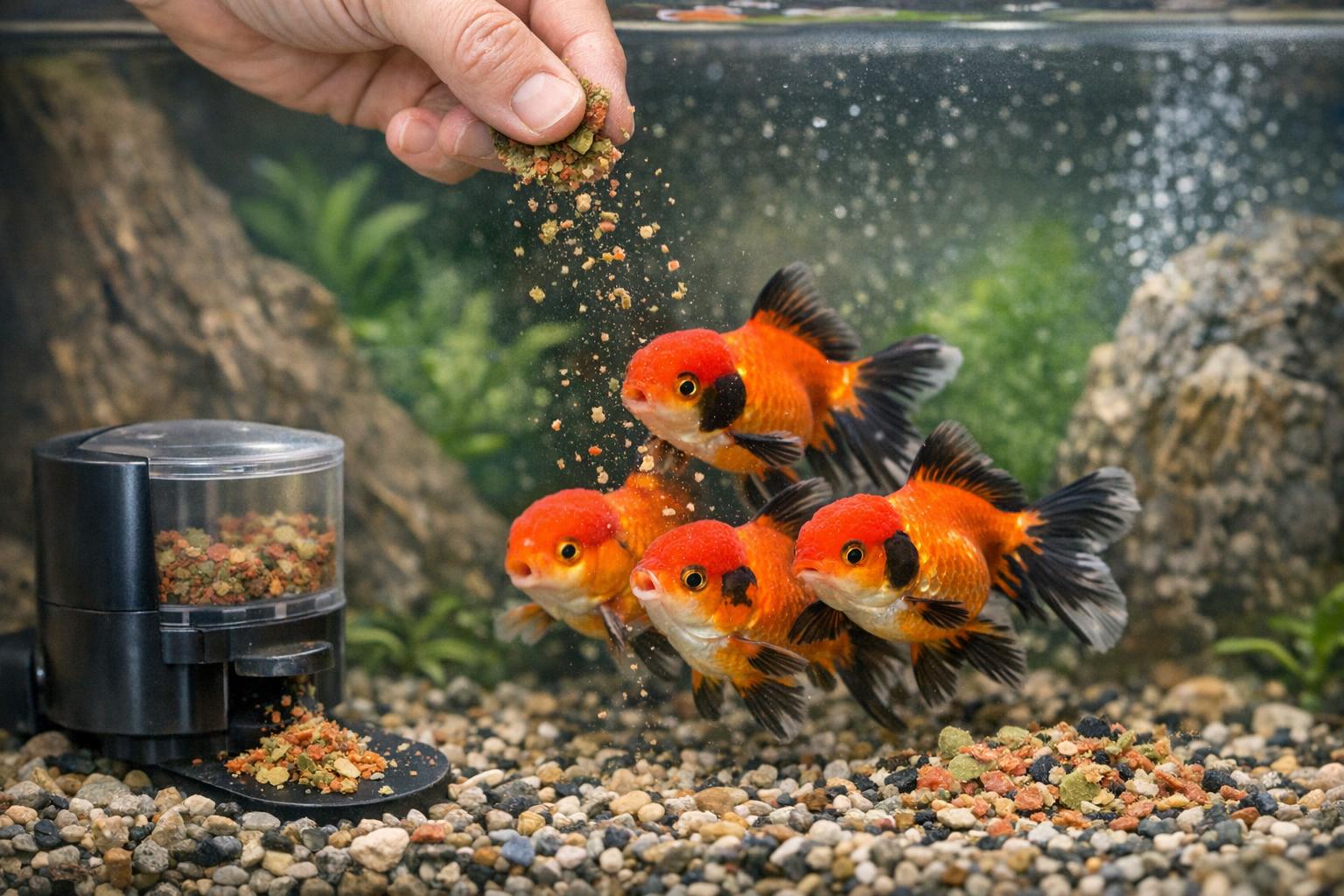
Because temperature affects metabolism, adjust feeding accordingly. If water is cooler, feed smaller amounts more often to prevent uneaten food and digestive stress. In warmer tanks, feed with attention to increased appetite and faster waste production—clean more frequently.
#### Monitoring Water Quality Alongside Temperature
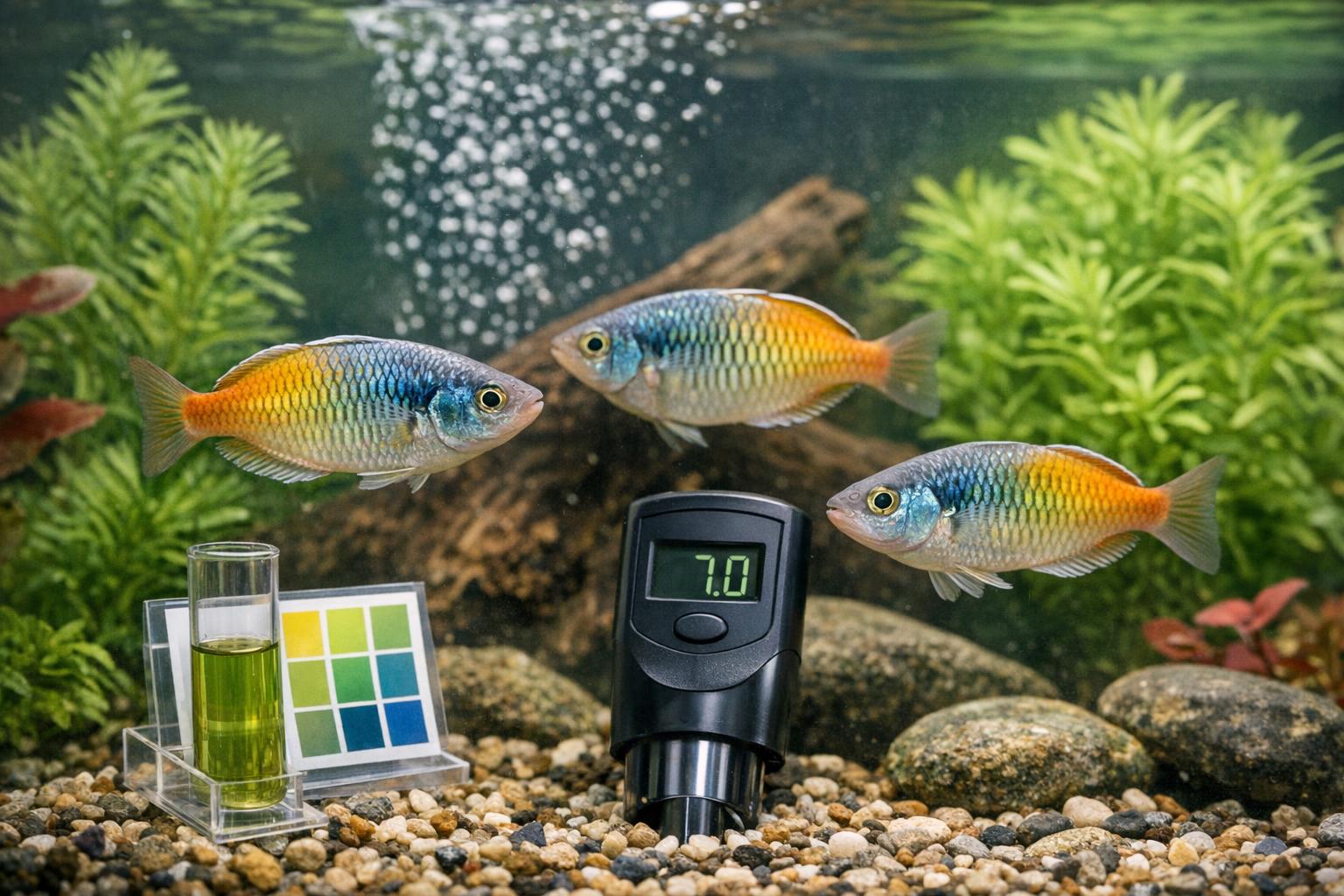
Any change in temperature should prompt a quick check of water parameters: ammonia, nitrite, nitrate, and pH. Elevated temperatures can increase waste production and affect the nitrogen cycle. Regular testing ensures imbalances don’t sneak up on you.
## Practical Tips And Troubleshooting
– Duplicate Thermometers: Keep one permanent tank thermometer and a portable one as a backup to verify readings.
– Avoid Overheating: Never set the heater to the maximum as a quick fix. Heaters should be set to the ideal temperature and adjusted slowly.
– Emergency Cooling: If temperature unexpectedly spikes and you don’t have a chiller, perform partial water changes with cool, dechlorinated water and increase surface agitation. Do not pour ice or very cold water into the tank—that causes shock.
– Heating In Large Tanks: For larger volumes, use multiple lower-wattage heaters distributed around the tank rather than a single high-wattage unit, ensuring even heating and redundancy.
– Automation For Peace Of Mind: If you travel often or keep sensitive specimens, an aquarium controller with temperature alerts can prevent issues before they escalate.
Keep in mind goldfish are forgiving compared to many tropical species, but stable aquarium temperature for goldfish is still essential to prevent chronic stress and disease. A little attention to equipment, placement, and slow corrections will keep your watery buddies comfortable—and you can keep enjoying those calming circles without the drama.










Leave a Reply