
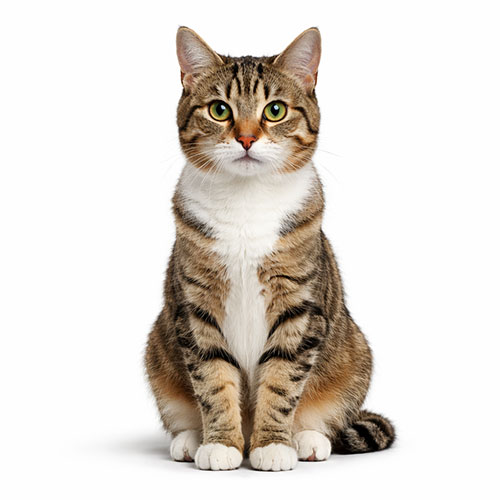

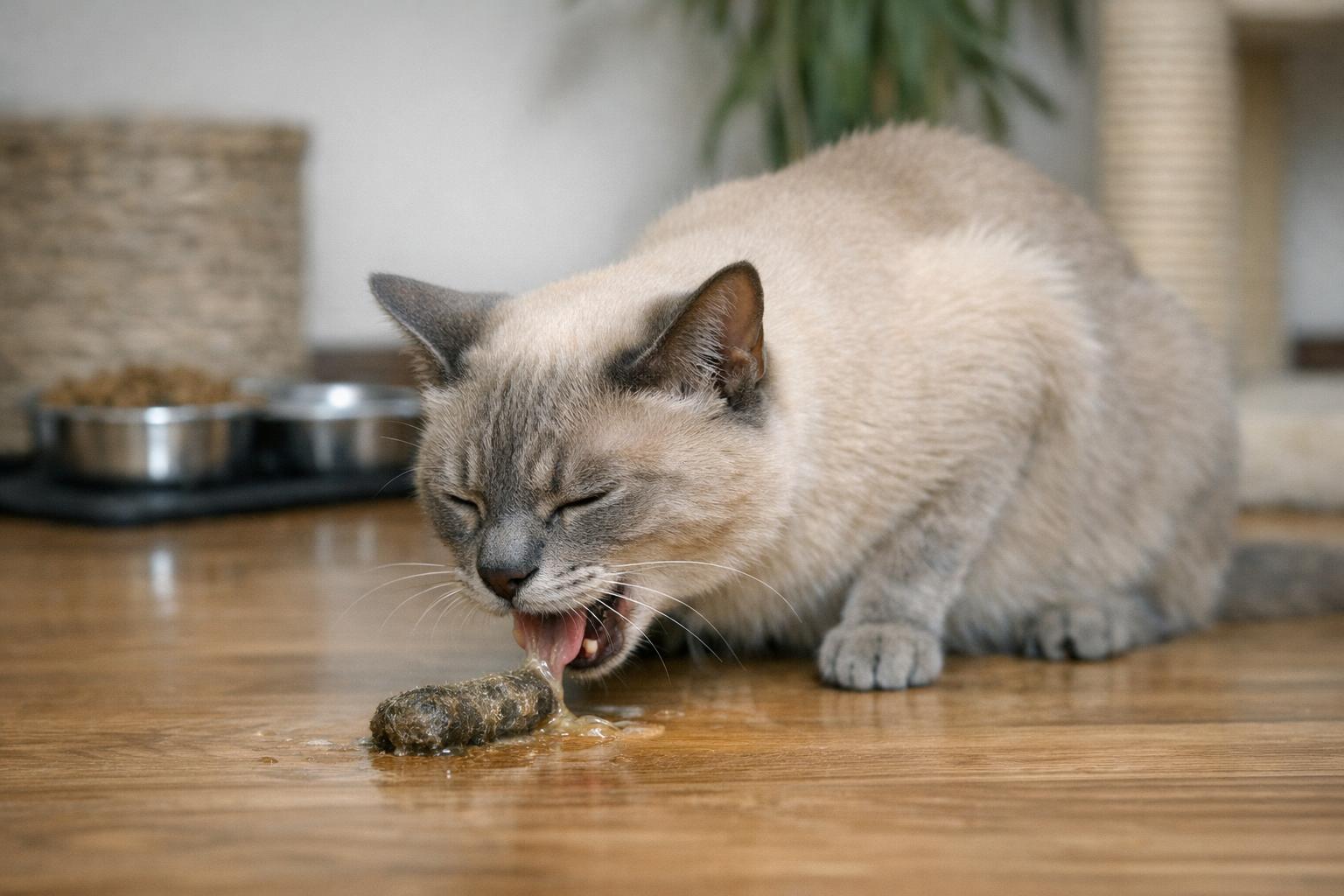
If your cat has ever looked at you with the calm disdain of a small furry dictator moments before plant matter appears on the carpet, you are not alone. Hairballs are a routine (if messy) part of being a cat parent. This guide covers clear, realistic ways to help when your cat puking up hairballs becomes a frequent or uncomfortable problem — with natural remedies, grooming tactics, and lifestyle tweaks you can try at home.
## Cat Puking Up Hairballs: What’s Normal And When To Worry
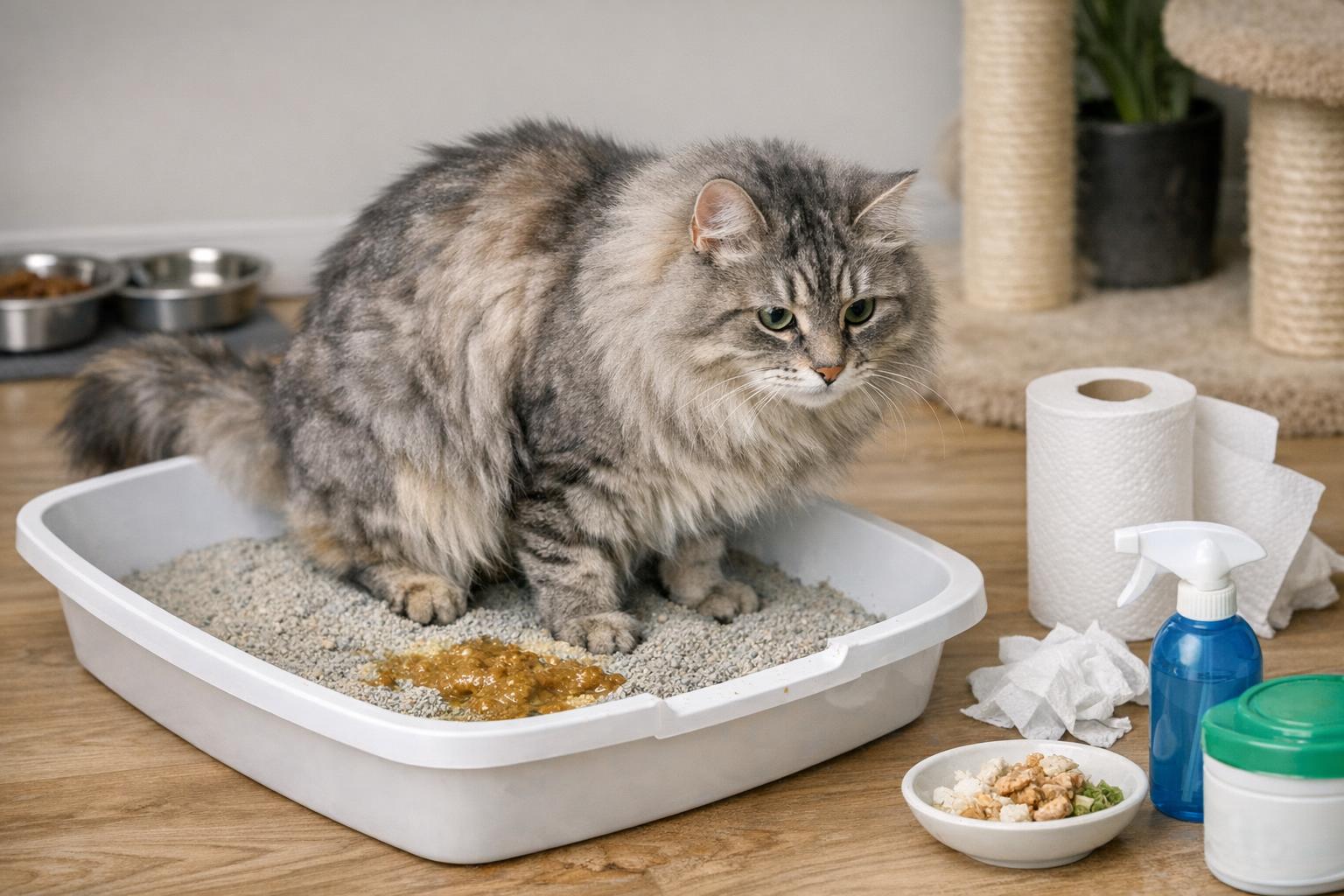
Hairballs occur because cats groom themselves a lot. They swallow loose fur, which can form into a compact mass in the stomach and then be retched up. Occasional hairballs — a few times a month for long-haired breeds, less for short-haired cats — are normal. But frequent vomiting, lethargy, loss of appetite, constipation or evident pain are signs you should see a vet. If you’re searching for practical ways to reduce how often your cat puking up hairballs, the natural techniques below can help keep things moving and reduce irritation.
### Why Cats Vomit Hairballs
Cats use their tongues to groom, and the barbs on the tongue naturally collect shed hair. Most swallowed hair passes through the digestive tract with feces. But when hair accumulates in the stomach, a cat’s body triggers a vomiting reflex to expel the mass. Factors that increase hairball frequency include heavy shedding seasons, insufficient grooming, skin conditions (that increase shedding), and individual differences in digestion or motility.
### Signs That It’s More Than A Hairball
Not every vomit event is a harmless hairball. Watch for these red flags:
– Repeated hacking without producing a hairball
– Straining to defecate or lack of feces
– Lethargy, decreased appetite, or obvious abdominal pain
– Weight loss or dehydration
If you notice these symptoms, seek veterinary care promptly — what looks like a hairball problem could be gastrointestinal obstruction or another medical issue.
## 1 Natural Remedy: Lubricating Hairball Paste
When your cat puking up hairballs becomes a frequent problem, a safe, gentle lubricant can help hair pass through the GI tract more readily. Here’s a simple, vet-friendly DIY approach using plain mineral oil or food-grade alternatives and fiber.
### Ingredients And Materials
– Food-grade mineral oil (1–2 tsp per dose) OR canned plain pumpkin (unsweetened) as a fiber-rich alternative
– A cat-safe, unscented vegetable oil (optional, small amount)
– A small syringe without a needle (for accurate dosing) or a teaspoon
– Clean bowl for mixing
– Soft treats for positive reinforcement
### Preparation And Application
1. Confirm Weight And Dosage: Consult your veterinarian about the right amount for your cat’s weight. Typical guidance: 1 teaspoon of canned pumpkin per 10 lb, or 1/2–1 teaspoon of mineral oil for small cats. Always get vet approval before using mineral oil.
2. Mix If Needed: If using pumpkin, it can be given as-is. For mineral oil, you can mix a small amount with a little wet food to mask texture. Do not mix mineral oil with the cat’s regular dry food because it may coat kibble and reduce palatability.
3. Administer: Use the syringe or teaspoon to place the mixture at the side of the cat’s mouth (not forced down the throat) and let the cat swallow naturally. Reward with a treat or gentle praise to create a calm routine.
4. Frequency: Start with once every 48–72 hours during heavy-shedding periods or as directed by your vet. Overuse of lubricants can interfere with nutrient absorption, so follow professional guidance.
5. Monitor: Track stool quality and vomiting frequency. If stool becomes greasy, or vomiting increases, stop and consult your veterinarian.
When discussing remedies like this, be precise and conservative: mineral oil can be effective but should be used under veterinary guidance because ingestion risks exist if a cat is aspirating or has certain health conditions. For most owners, canned pumpkin is safer and provides fiber without the downsides of mineral oil.
## 2 Natural Remedy: Dietary Adjustments And Fiber
Diet plays a big role in how well hair moves through the digestive tract. A gradual, thoughtful change can reduce the number of times your cat puking up hairballs.
### Materials And Food Choices
– High-quality cat food formulated for hairball control (optional)
– Unsweetened canned pumpkin
– Psyllium husk powder (very small amounts and only with vet guidance)
– Wet food to increase hydration
– Fresh water bowl or pet fountain
### Preparation And Application
1. Evaluate Current Diet: Look at your cat’s current food for fiber content and overall quality. Many mass-market formulas are low in moisture and fiber.
2. Increase Moisture: Add a bit of wet food to dry kibble or feed more canned food. Adequate hydration softens stool and helps hair transit.
3. Add Natural Fiber: Mix 1–2 teaspoons of unsweetened canned pumpkin into meals several times per week (adjust by size and tolerance). Pumpkin adds soluble fiber and moisture. Psyllium may be more potent but only use under vet advice to avoid bowel motility issues.
4. Consider A Hairball Formula: These diets often contain added fiber and oils that support hair passage. Transition slowly over 7–10 days to avoid GI upset.
5. Monitor Results: Watch frequency of hairballs, stool consistency and weight. Dietary changes often take several weeks to show effects.
When implementing dietary remedies, maintain precise dosing and observe your cat’s tolerance. Sudden diet shifts can cause diarrhea or refusal to eat, so proceed gradually and consult your veterinarian for cats with chronic issues.
## 3 Natural Remedy: Regular Grooming Routine
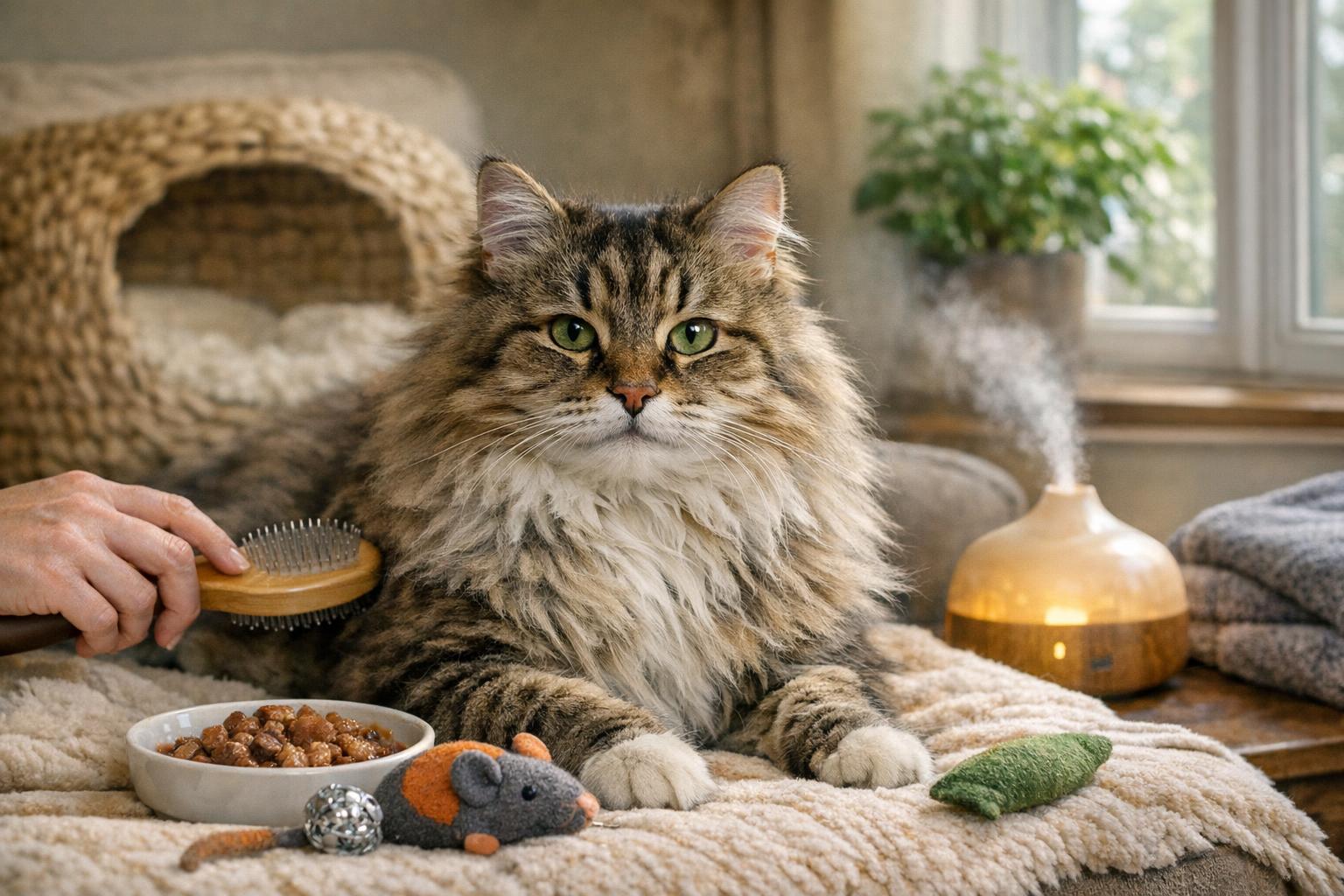
Grooming is the frontline defense against the need to toss hairballs. Reduce the amount of loose fur your cat swallows by making brushing a pleasant, consistent habit.
### Required Materials
– Appropriate brush for coat type (slicker brush for long hair, bristle brush for short hair)
– Rubber grooming glove for gentle daily grooming
– Nail clippers (optional, for trimming if mats form)
– A comfortable spot and treats
### Step-By-Step Grooming Plan
1. Choose Tools: Match brush type to your cat’s coat. A slicker brush or undercoat rake for long-haired cats; a bristle brush or grooming glove for short-haired cats.
2. Establish Routine: Brush long-haired cats daily during shedding seasons; short-haired cats every other day. Keep sessions short (5–10 minutes) to avoid stress.
3. Remove And Dispose: Collect loose fur and dispose of it rather than leaving it around the house where the cat might re-groom and re-ingest it.
4. Check Skin And Coat: Look for signs of irritation, fleas, or mats. Address mats carefully — do not cut without knowledge; seek a groomer if needed.
5. Reward And Maintain: Use treats and calm praise to make grooming a positive experience. Regular brushing reduces how often your cat puking up hairballs and improves bond time too.
#### Frequency And Additional Tips
– Long-haired breeds (Maine Coon, Persian): Daily brushing, monthly trimming if mats form.
– Short-haired breeds: Brushing 2–3 times weekly plus a rubber glove session to lift loose fur.
– Outdoor cats or those with skin conditions: More frequent checks and potentially medicated shampoos as advised by your veterinarian.
### When To Use A Vet-Approved Product
If natural tactics and grooming aren’t enough, talk to your vet about commercial hairball pastes, lubricants, or prokinetic medications. Vet-approved products are regulated for safety and dosing. Provide the vet with a log of vomiting frequency, stool quality, grooming frequency, and any changes in behavior. This documentation helps determine whether a product, prescription, or diagnostic tests (x-rays, ultrasound) are needed to rule out obstruction or other causes.
## Environmental And Lifestyle Tips To Reduce Hairballs
Small lifestyle adjustments can make a big difference. Increase environmental enrichment to reduce stress-related over-grooming, provide multiple water stations or a fountain to encourage drinking, and vacuum or lint-roll furniture frequently to remove loose fur. For multi-cat households, establish grooming and feeding routines for each cat because stress and competition can drive excessive grooming.
If your cat puking up hairballs suddenly increases after introducing a new pet, a new food, or a change in routine, consider those changes as potential triggers and address them gently. Regular vet check-ups during shedding seasons are a good preventive strategy, particularly for older cats or breeds prone to matting and heavy shedding.









Leave a Reply