



Hi there — if your whiskered roommate has turned into a one-cat grooming machine, you’re in the right place. This friendly guide covers why cats over groom, how to spot trouble early, and three practical home remedies (plus behavioral fixes) to calm that fur-nipping frenzy. A little humor, a lot of empathy, and some straightforward, formal instructions for the remedies to follow.
## Cat Over Grooming: Why It Happens
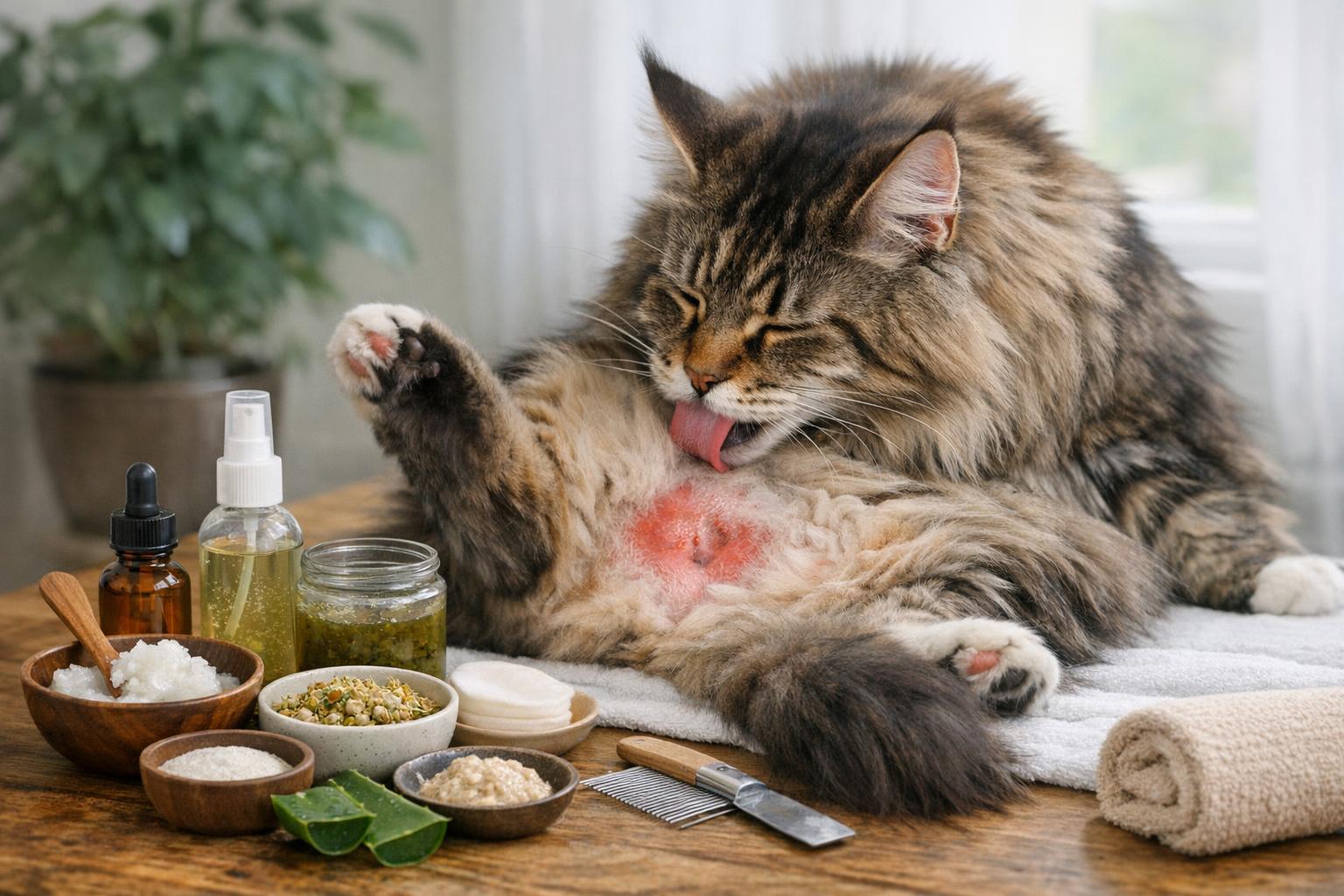
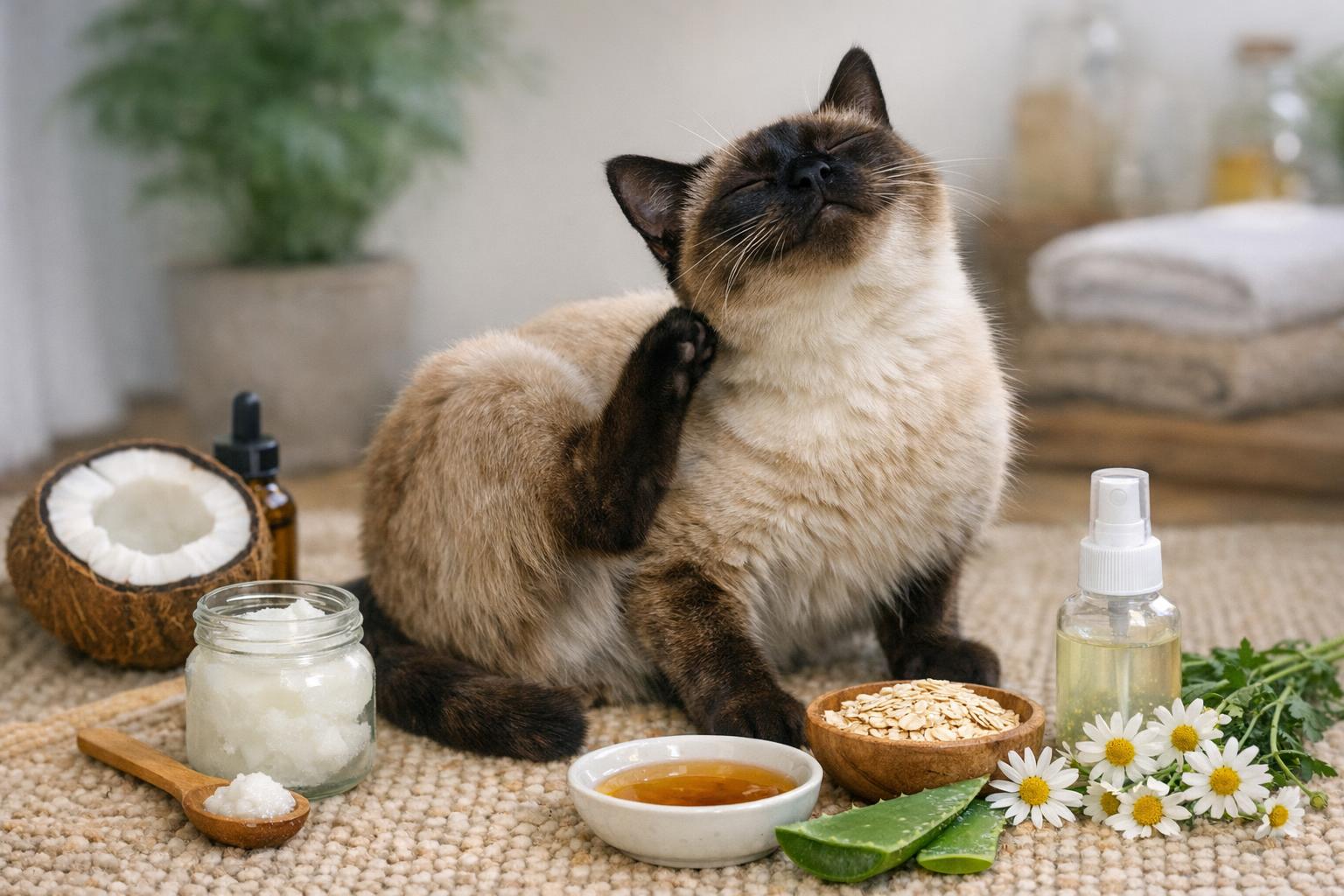
Cats clean themselves — it’s basically their job description. But when normal grooming becomes excessive, bald patches, irritated skin, and behavioral changes can follow. The term cat over grooming describes persistent, excessive licking, chewing, or scratching that damages skin or fur. Causes range from medical to emotional, so pinning down the root cause matters for a lasting fix.
### Medical Causes Versus Behavioral Causes
Distinguishing between physical and psychological triggers is the first step.
– Medical causes: fleas, mites, fungal infections (like ringworm), allergies (food or environmental), pain (arthritis, injury), or endocrine disorders.
– Behavioral causes: stress, boredom, changes to household routine, new animals, or separation anxiety.
If you don’t rule out medical issues first, you might spend a lot of time rearranging cushions while your cat quietly suffers. Always consider a vet visit if the problem is sudden, severe, or worsening.
### Signs To Watch For
Look for more than just bald spots. Signs that your cat over grooming include:
– Repeated licking or chewing the same area.
– Redness, scabs, or open sores.
– Clumped or thinning fur.
– Changes in appetite, sleep, or litter box habits.
– Increased irritability or hiding.
If you see raw skin, bleeding, or signs of infection, pause the home experiments and call your vet.
## Remedy 1: Oatmeal Soothing Spray
Using a gentle, chilled oatmeal spray can soothe irritated skin and reduce the urge to lick. This is supportive care — not a cure for parasites or severe infections.
Ingredients/Materials:
– 1/2 cup colloidal oatmeal (or finely ground plain oats)
– 2 cups distilled or boiled-and-cooled water
– 1 teaspoon aloe vera gel (pure, without alcohol or additives)
– Spray bottle (clean)
– Fine mesh strainer or cheesecloth
Creation And Application:
1. Prepare the Oatmeal Water: Bring the water to a boil, remove from heat, and whisk in the oatmeal. Let steep for 20–30 minutes until milky.
2. Strain Carefully: Use a fine mesh strainer or cheesecloth to remove all solids. Solids can clog the spray nozzle and are unnecessary.
3. Add Aloe: Once cooled to room temperature, stir in the aloe vera gel. Mix thoroughly to combine.
4. Bottle It: Pour the liquid into a clean spray bottle. Label with date; use within 5–7 days refrigerated.
5. Application Protocol: Lightly mist the irritated area 1–2 times daily. Allow cat to air dry — don’t rub. Use a single spritz; the goal is soothing, not drenching.
6. Monitoring: If skin improves within a week, continue as needed. Discontinue immediately if irritation worsens or if your cat reacts poorly.
Safety Note: Avoid any products that contain alcohol, fragrances, or essential oils. Many essential oils are toxic to cats.
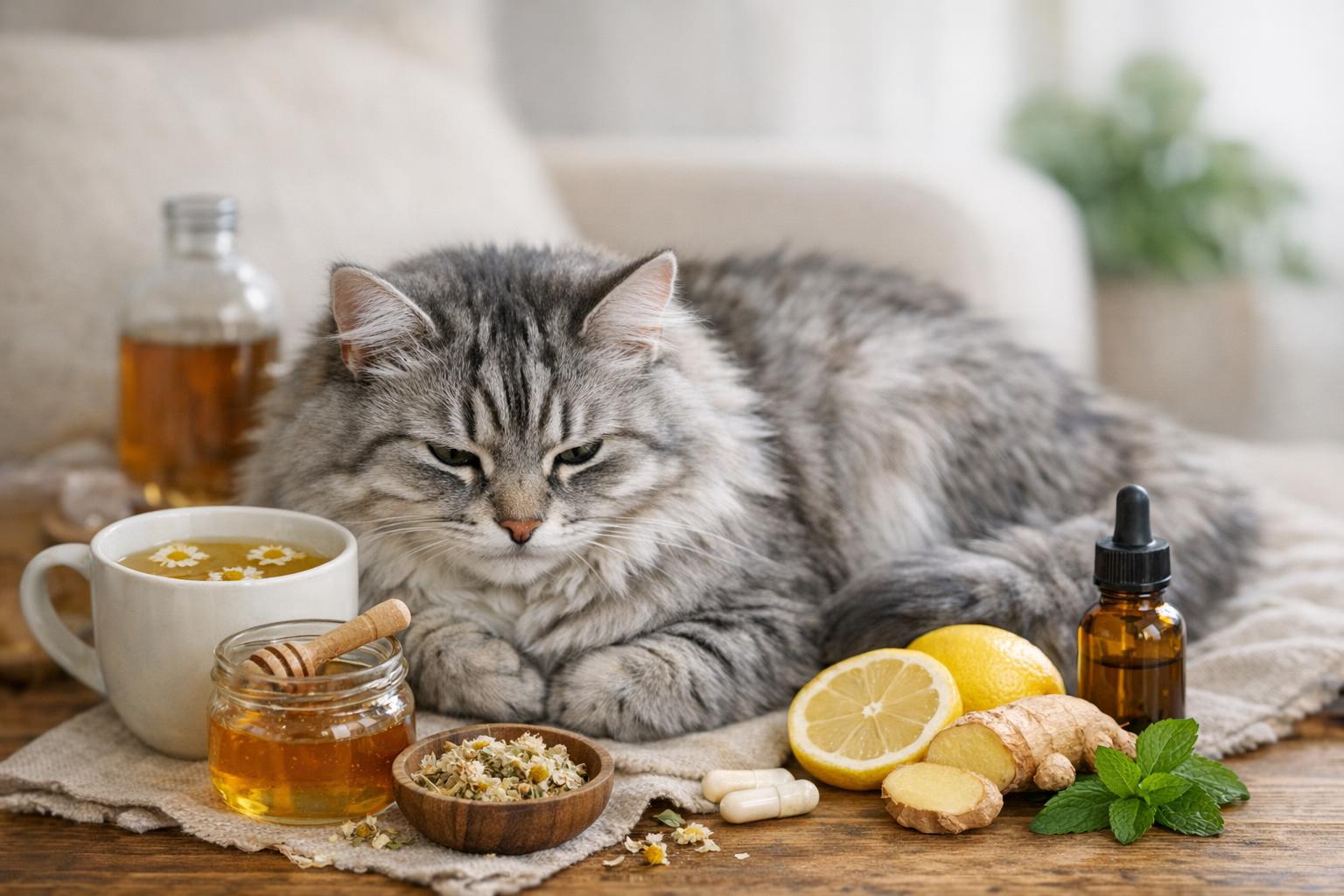
## Remedy 2: Chamomile And Green Tea Compress (For Focal Irritation)
A focused compress can reduce inflammation and provide calming relief. This is best for small irritated patches rather than widespread issues.
Ingredients/Materials:
– 1 chamomile tea bag and 1 green tea bag (decaffeinated preferred)
– 1 cup boiling water
– Clean cloth or gauze pad
– Small bowl
– Timer
Creation And Application:
1. Steep Tea: Place both tea bags in the bowl with boiling water. Allow to steep for 10–15 minutes to extract the anti-inflammatory compounds.
2. Cool To Warm: Remove tea bags and allow the liquid to cool to a comfortably warm temperature (not hot).
3. Prepare Compress: Dip the cloth or gauze into the tea, wring out excess liquid until damp.
4. Apply Methodically: Hold the compress gently over the affected area for 3–5 minutes. Repeat 2–3 times per session.
5. Frequency: Perform compresses 1–2 times daily for up to seven days. If irritation shows no improvement or worsens, discontinue and seek veterinary assessment.
6. Hygiene: Use a fresh cloth each time to prevent contamination.
Clinical Note: Chamomile has mild anti-inflammatory and anti-itch properties; green tea is rich in catechins that can support skin healing. These effects are supportive — they do not replace antiparasitic or antibiotic therapy when needed.
## Remedy 3: Homemade Bitter Spray To Deter Licking
If licking is the main problem and no medical cause is found, a mild bitter-tasting deterrent can reduce the habit. Use this only on fur (not open wounds) and stop use if your cat shows signs of distress or allergy.
Ingredients/Materials:
– 1 cup distilled water
– 1 teaspoon plain apple cider vinegar
– 1/8 teaspoon bittermelon tincture or commercially available bittering agent safe for pets (optional; consult your vet)
– Spray bottle
Creation And Application:
1. Mix Ingredients: Combine distilled water and apple cider vinegar; if using a bittering agent approved for pets, add it in the recommended dilution.
2. Test Spot: Spray a small area on the outside of a collar or on your own skin to confirm scent is mild and non-irritating.
3. Apply To Fur Only: Lightly mist areas where your cat tends to lick (flanks or base of tail). Avoid face, genitals, or any raw skin.
4. Reapply As Needed: The solution may wear off with grooming; reapply once or twice daily. Monitor your cat’s behavior for signs of increased anxiety.
5. Discontinue If Problems Arise: If the cat becomes more stressed or starts licking other areas obsessively, stop and consult a behavior-savvy vet.
Veterinary Caution: Bitter deterrents are behavioral tools — not treatments for underlying causes. Always rule out medical issues first.
### Supporting Measures: Environment, Enrichment, And Grooming
Addressing boredom and stress often reduces cat over grooming. Consider:
– Increasing play sessions (10–15 minutes, 2–3 times daily) focusing on interactive toys that mimic prey.
– Providing vertical space (cat trees, shelves) and hiding spots.
– Rotating toys to reduce novelty loss.
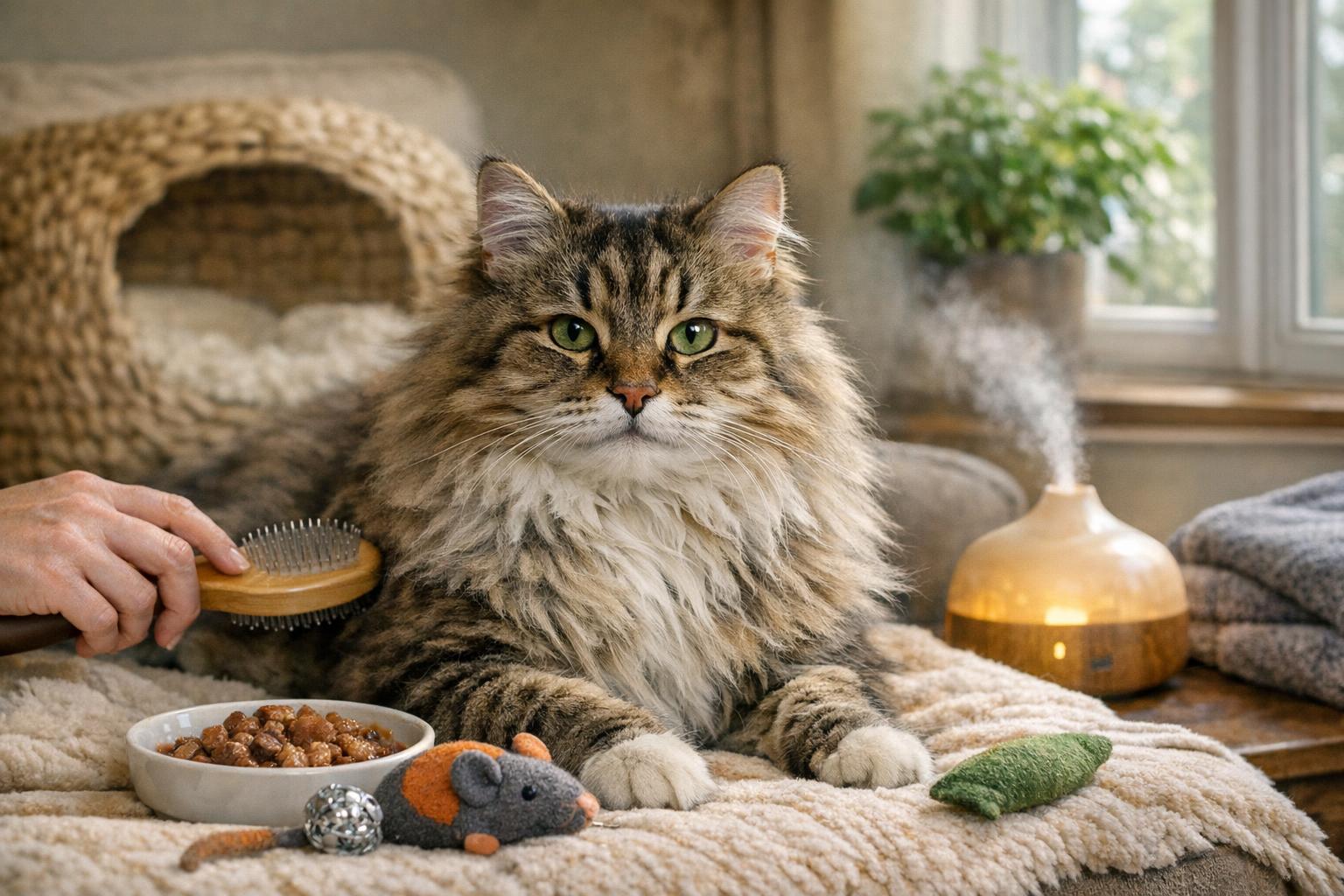
– Ensuring regular, gentle brushing to remove loose fur and provide tactile satisfaction — be mindful of sore areas.
– Maintaining a calm household routine; cats appreciate predictability.
#### Flea Control And Regular Health Checks
Fleas are a leading cause of over grooming. Work with your vet to choose safe flea control tailored to your cat’s age and health. Keep up with yearly vet exams and discuss allergy testing if symptoms persist.
### When To See The Vet Immediately
Seek veterinary care if you observe:
– Open, bleeding, or infected wounds.
– Rapid spread of hair loss.
– Signs of systemic illness (fever, lethargy, decreased appetite).
– Severe changes in behavior or toileting habits.
A vet will check for parasites, run skin cytology or cultures, and may recommend hypoallergenic diets, topical therapies, or behavior modification plans.
## Preventing Relapse And Long-Term Management
Even after improvement, maintaining a low-stress environment and consistent routine helps prevent the return of cat over grooming. Keep a diary of flare-ups to look for patterns (seasonal allergies? a neighbor’s noisy renovation?). Small, consistent changes often make the biggest difference.
### A Final Practical Tip
If your cat persistently targets a single spot, consider temporary protective measures like a soft e-collar or medical pet shirt while you follow the remedial plan. These prevent further damage while the skin heals — think of them as a fashion statement that also saves fur.
If you’d like, I can tailor one of these remedies to your cat’s age, coat type, or any medical conditions they have — tell me a bit about your cat and the spots you’ve noticed, and we’ll make a safe plan together.















Leave a Reply