
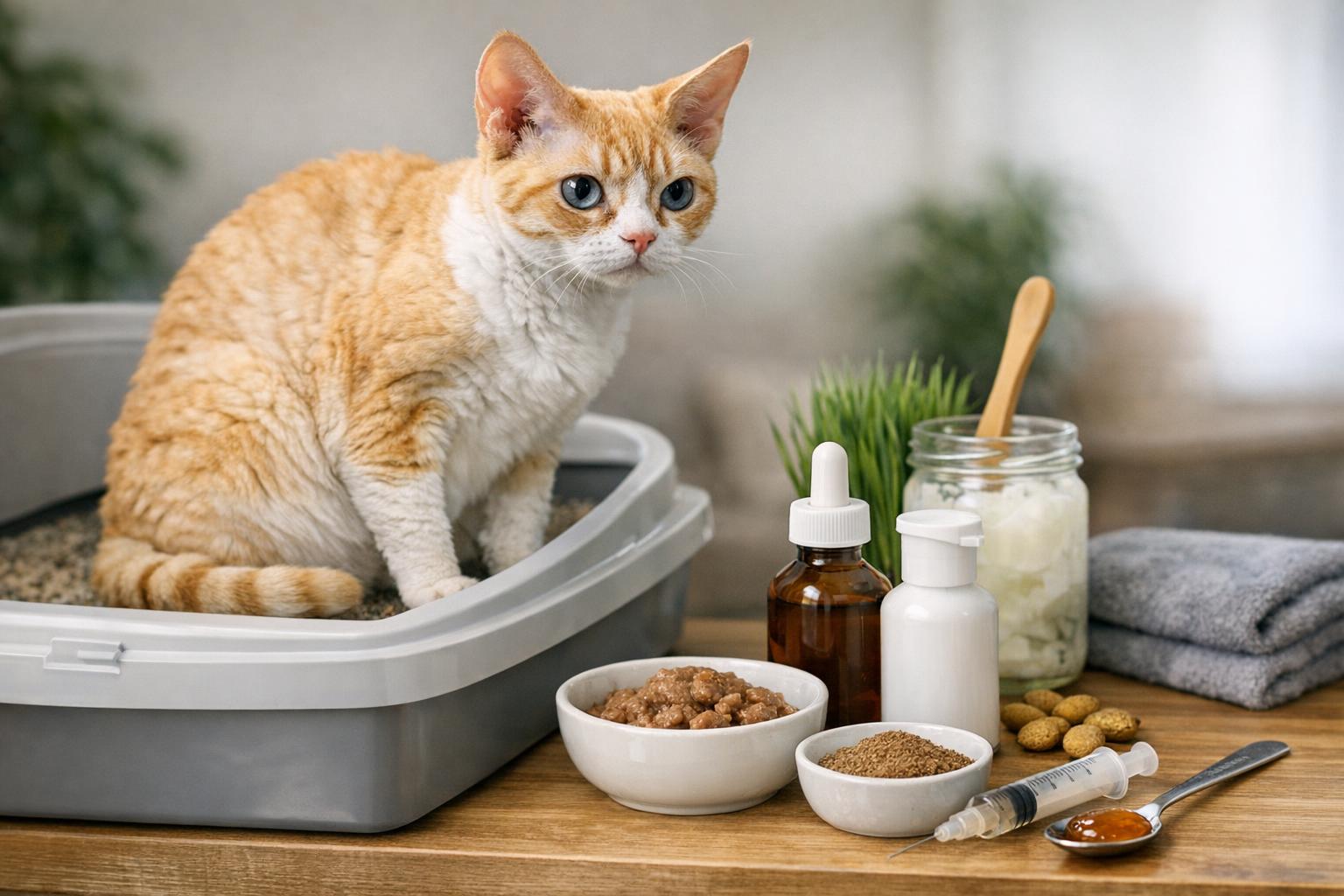
Seeing your cat not pooping for a day or two is the kind of thing that makes a pet parent start checking the litter box like it’s a smoke detector. It’s uncomfortable to watch, and while many cases are mild and fixable at home, constipation in cats can sometimes signal something more serious. This guide will walk you through why your feline might be struggling, when to call the vet, and three practical at-home remedies you can try — with clear ingredients and step-by-step instructions for each.
## Cat Not Pooping: Why It Happens
Constipation in cats happens when stool becomes hard, dry, or difficult to pass. The reasons vary: diet changes, dehydration, hairballs, pain from arthritis that makes posture painful, or more serious problems like megacolon or intestinal obstruction. Older or overweight cats are at higher risk because they may drink less, groom more (leading to hairball buildup), or move less.
### Common Causes To Know
– Low-fiber diet or abrupt dietary changes.
– Dehydration — cats often don’t drink enough, especially indoor cats.
– Hairballs and excessive grooming.
– Painful joints or mobility issues that make squatting uncomfortable.
– Medications that slow gut motility.
– Underlying health conditions like kidney disease, hypothyroidism, or neurological issues.
#### How Duration Affects Urgency
If your cat not pooping for 24–48 hours, monitor closely — try the home remedies below. If it’s been more than 48–72 hours, or if your cat vomits, is lethargic, or appears in pain, seek veterinary care immediately.
## When To Call The Vet
Knowing when to escalate is crucial. If your cat not pooping is accompanied by any of the following, call your veterinarian:
– Vomiting, especially repeated.
– Severe abdominal pain, yowling, hunching.
– Refusal to eat or drink.
– Bloody or very small, hard stools.
– Signs of distress during attempts to defecate.
A vet can perform a physical exam, abdominal palpation (they may feel a firm colon), X-rays or ultrasounds, and bloodwork to rule out obstruction or systemic disease.
## Remedy 1: Gentle At-Home Hydration Boost
Formal Tone: Increasing hydration is a primary and safe approach to ease mild constipation. Rehydration softens stool and supports intestinal motility.
Materials
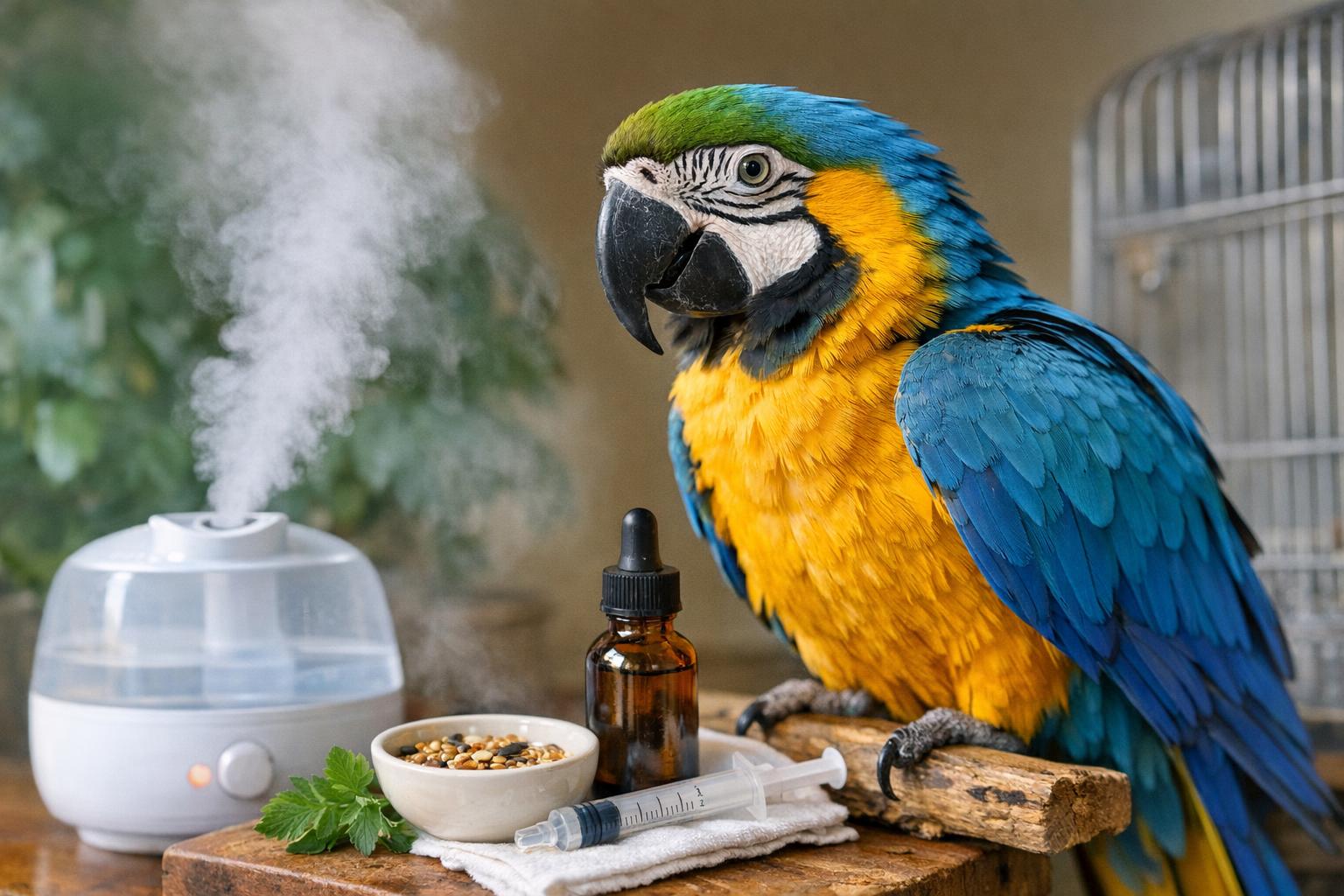
– Unflavored electrolyte solution for pets or low-sodium chicken broth (cups as needed).
– Clean water bowl(s) — shallow, wide preferred.
– Water fountain (optional, encourages drinking).
– Syringe (5–10 ml) for assisted water intake if recommended by your vet.
Step-By-Step Application
1. Offer fresh water in multiple locations around the home. Cats often drink more if water is moved away from the food bowl.
2. Replace a portion of wet food with water or add warm low-sodium broth to the wet food. Aim for a soupy consistency to increase fluid intake.
3. If your cat is reluctant to drink but is alert and able to swallow, offer 5–10 ml of electrolyte solution or water via syringe every few hours. Only use this method if the cat is calm and cooperative; do not force.
4. If you have a pet water fountain, set it up where your cat spends time — running water attracts many cats.
5. Monitor litter box output over 12–24 hours. If no improvement or any distress appears, stop home interventions and contact the vet.
## Remedy 2: Mild Fiber Supplement (Numbered Remedy)
Formal Tone: Introducing soluble fiber can help retain moisture in the stool, easing passage. Use conservative dosing and maintain hydration.
Ingredients
– Pumpkin puree (plain, canned; not pumpkin pie filling) or psyllium husk powder.
– Measuring spoon.
– Small bowl.
Preparation And Administration
1. For pumpkin: Mix 1 teaspoon per 10 lb (4.5 kg) body weight into your cat’s wet food once daily. For a 10 lb cat, start with 1 teaspoon. For larger cats, up to 1 tablespoon may be used once daily under guidance.
2. For psyllium: Use a veterinary-recommended dose (generally much smaller than human doses). Start with 1/8 to 1/4 teaspoon mixed into wet food once daily; consult your vet for exact dosing.
3. Feed the supplemented food at the usual mealtime. Make sure fresh water is available — fiber without adequate water can worsen constipation.
4. Monitor stool consistency and frequency for 48–72 hours. If stools soften and frequency returns to normal, continue for a short course. If little or no change, or if vomiting or bloating occurs, discontinue and consult your vet.
## Remedy 3: Warm Soothing Massage (Numbered Remedy)
Formal Tone: External abdominal massage can stimulate colonic motility when performed gently and correctly. This is supportive care and should not be used if the cat shows signs of severe pain or abdominal tenderness.
Materials
– Warm towel.
– Quiet, comfortable surface.
– Calm demeanor and patience.
Technique And Steps
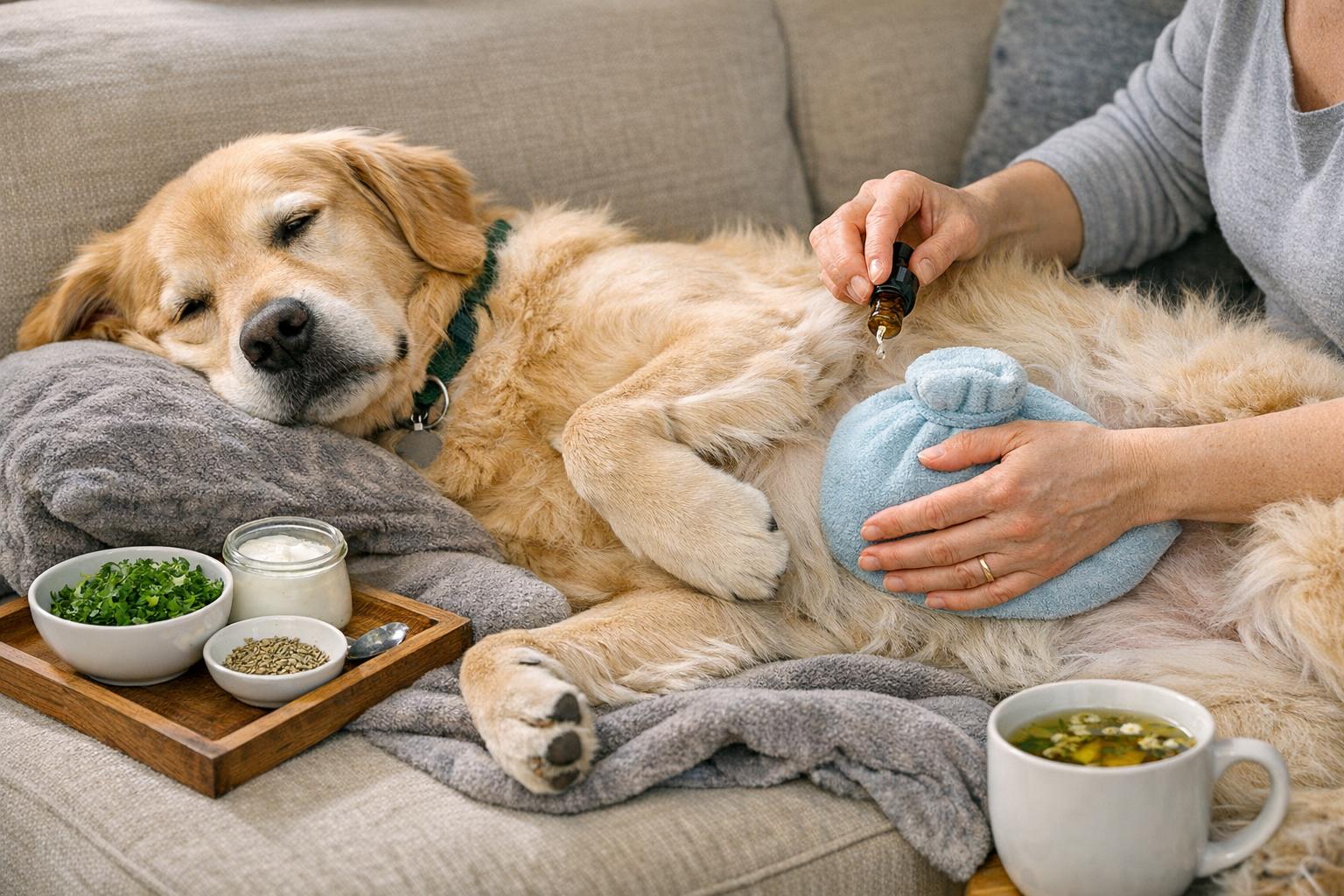
1. Have your cat relax on a soft surface. Place a warm (not hot) towel over the lower abdomen for 1–2 minutes to relax muscles.
2. Using the pads of your fingers, apply gentle circular motions to the lower abdomen, moving clockwise (the direction of intestinal transit). Keep pressure light — you should not press deeply.
3. Massage for 3–5 minutes at a time, once or twice daily. Stop if the cat resists or seems uncomfortable.
4. Follow massage with hydration and, if used, fiber-supplemented food to encourage stool passage.
5. If massage causes vocalization, withdrawal, or heightened distress, stop immediately and contact a vet.
## Lifestyle Fixes To Prevent Recurrence
A few steady changes can reduce the chances your cat not pooping becomes a chronic or repeated issue.
### Diet And Exercise
Switching to a diet with moderate fiber and high moisture content (canned food or kibble rehydrated with broth) helps. Encourage play and gentle exercise several times daily to stimulate bowel function. For overweight cats, gradual weight reduction under vet supervision can improve motility.
### Litter Box Tips
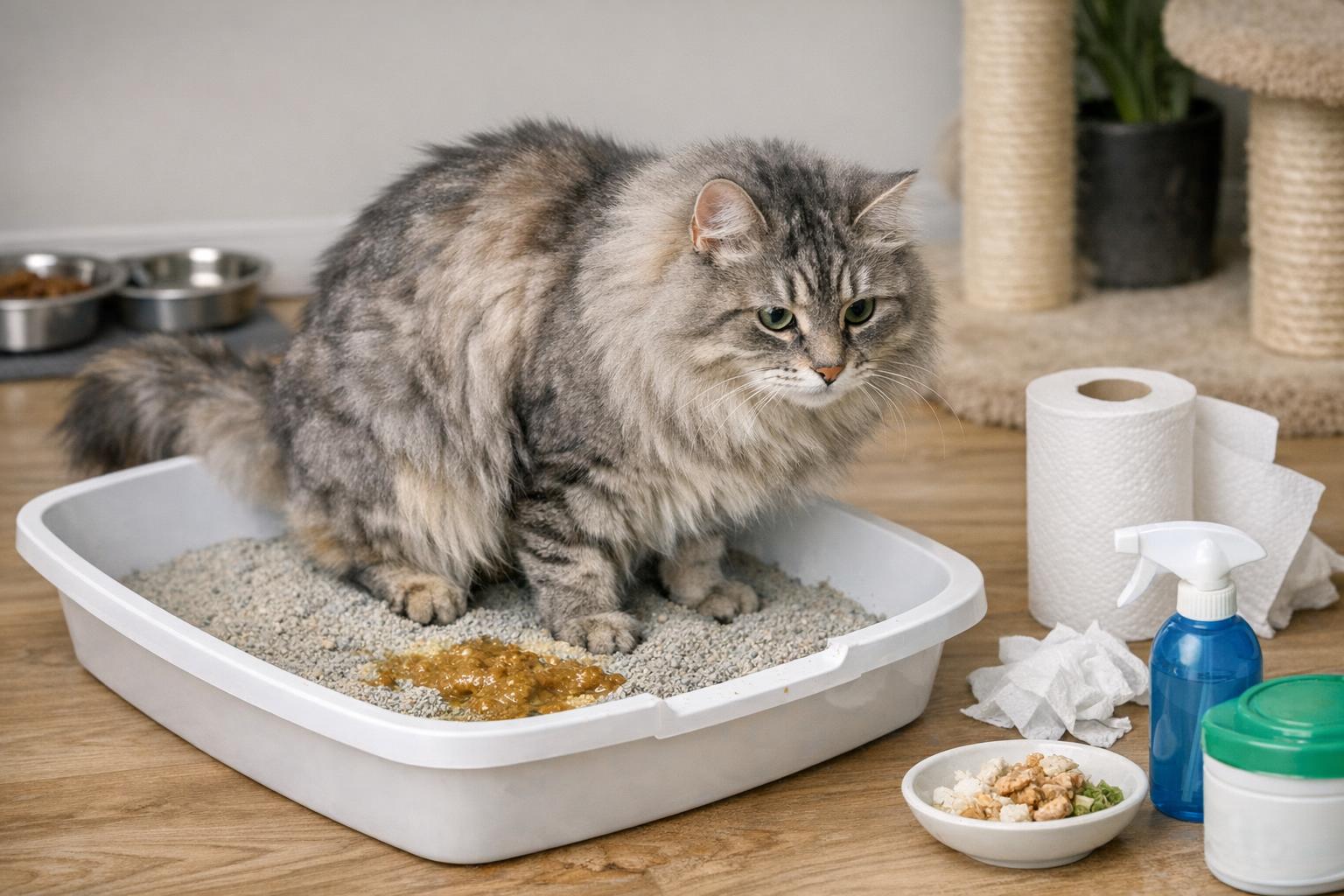
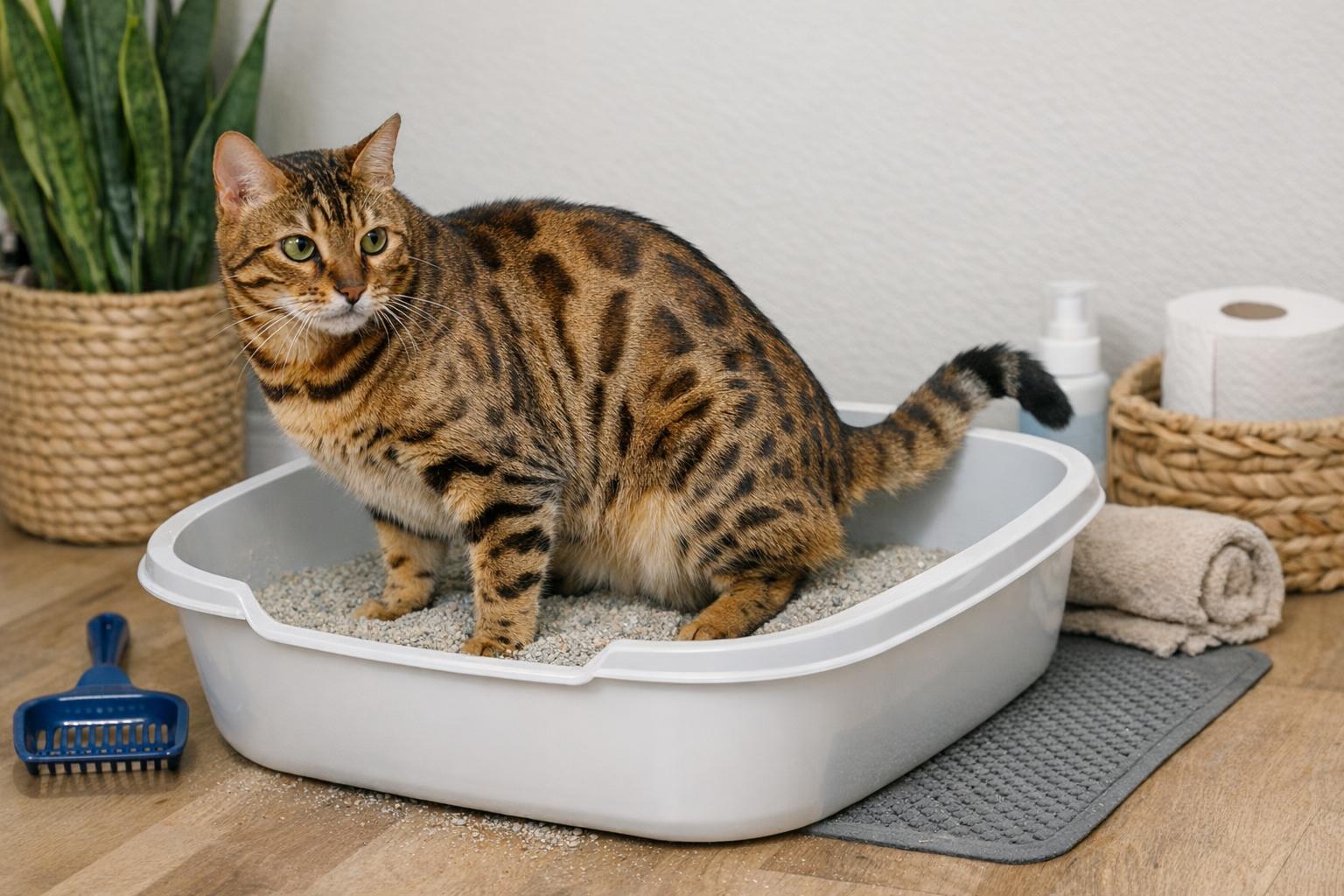
Keep the litter box clean, in a quiet accessible location, and use a low-sided box for older cats with mobility issues. Some cats avoid the box if it’s dirty or in a noisy area; this can cause stool withholding that worsens constipation. Offer multiple boxes if you have multiple cats.
### Grooming And Hairball Control
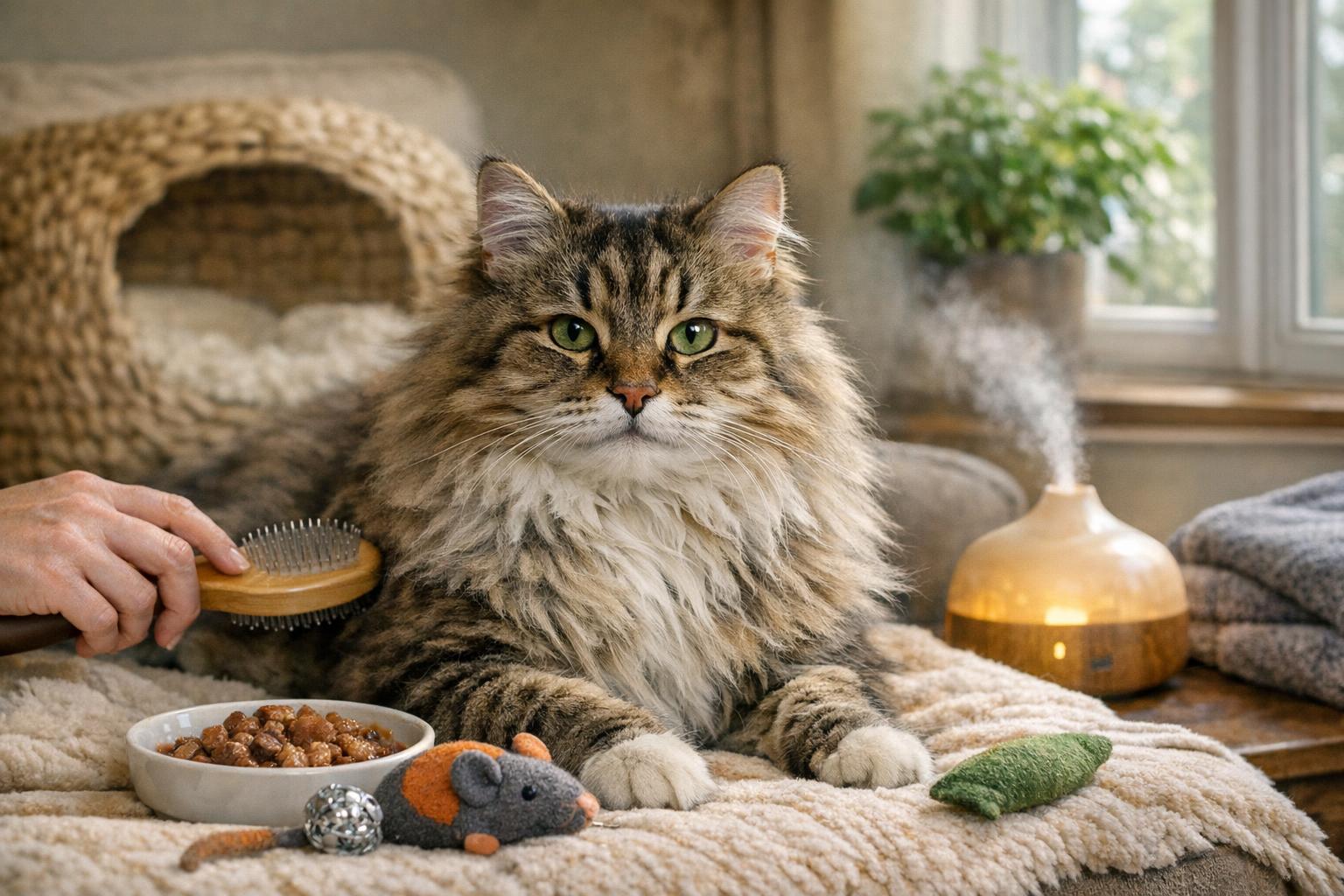
Regular brushing reduces hair ingestion. For long-haired cats, daily grooming prevents hairball buildup that can contribute to intestinal blockage. If your cat grooms excessively, check for skin irritation or allergies as an underlying cause.
## Monitoring And When Home Care Isn’t Enough
If short-term home measures don’t produce improvement within 48 hours, or if any red-flag symptoms appear, contact your veterinarian. They may recommend a laxative like lactulose, a manual removal under anesthesia for impacted feces, or other medical therapies. Never give human laxatives or enemas unless prescribed by a vet — some are toxic to cats.
If your cat not pooping becomes a recurring problem, ask your vet to evaluate for chronic conditions such as megacolon, hypothyroidism, or neurological issues. Long-term management may include dietary changes, scheduled stool softeners, or even surgical options in extreme cases.
A bit of patience, careful monitoring, and the right home remedies can often get your kitty back to business. If you try the hydration, fiber, or massage techniques, keep notes on timing and any changes — vets appreciate specifics and it helps tailor further care.


Leave a Reply