





Dogs have a knack for turning anything into a chew toy and pretending that minty dog breath is a badge of honor. But behind the slobber and wagging tails, poor oral health can quietly lead to pain, infection, and systemic illness. Knowing how to prevent dental disease in dogs at home saves money, keeps kisses friendlier, and spares your pup from unnecessary discomfort.
## Preventing Dental Disease In Dogs With Simple Home Care
Dental disease in dogs is one of the most common health problems vets see — plaque hardens into tartar, gum inflammation turns into periodontal disease, and bacteria can even enter the bloodstream. Early prevention is surprisingly doable with consistent home practices: regular brushing, appropriate chews, and a few safe DIY supplements can make a big difference.
### Why Daily Habits Matter
Daily plaque control prevents the mineralization that leads to tartar and root problems. If your dog tolerates it, a quick daily brush is the single best thing you can do. But I get it — not every pup is a toothbrushing enthusiast. That’s why I’ll give a few gentle, evidence-friendly home remedies that work alongside brushing.
### Daily Brushing: The Gold Standard
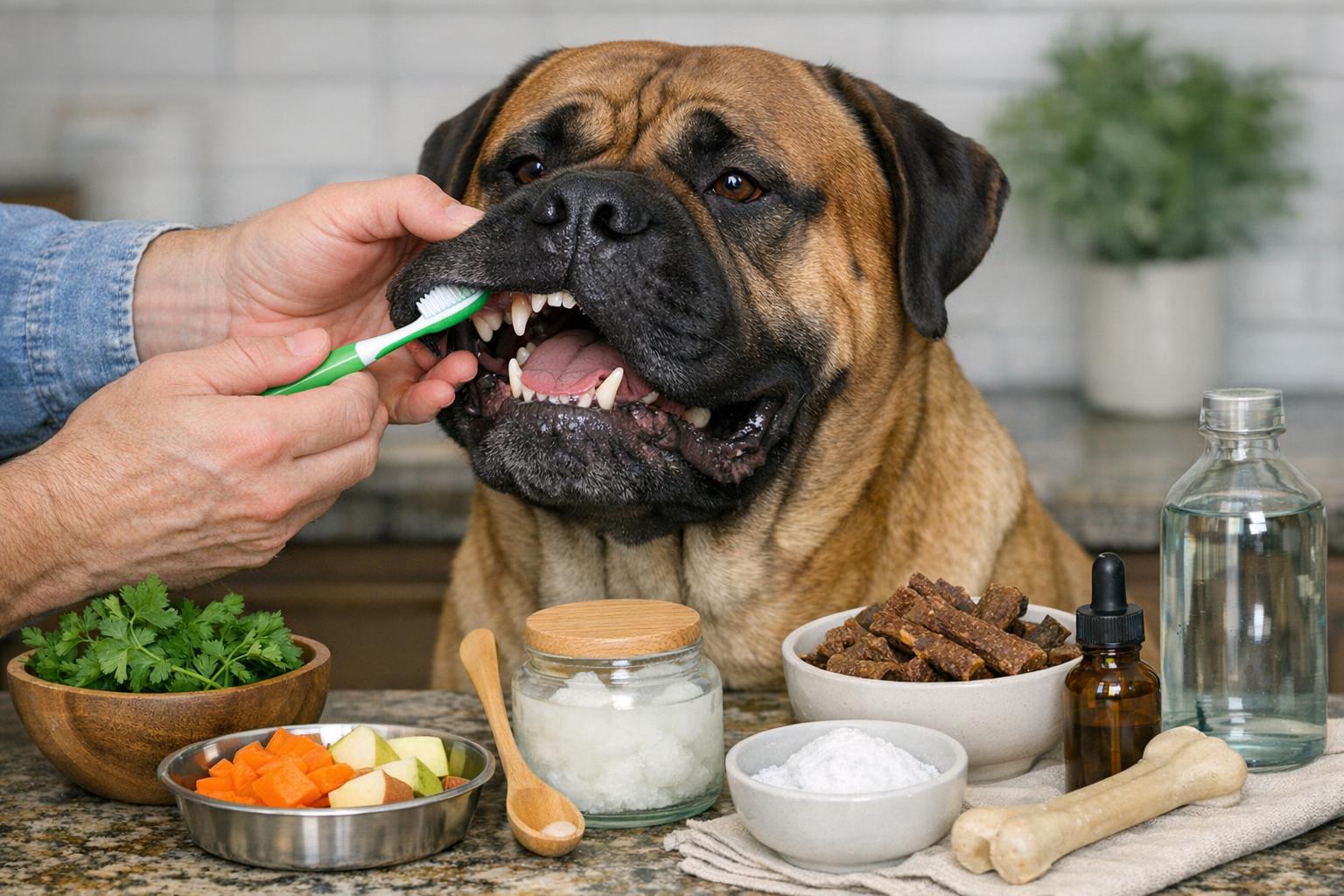
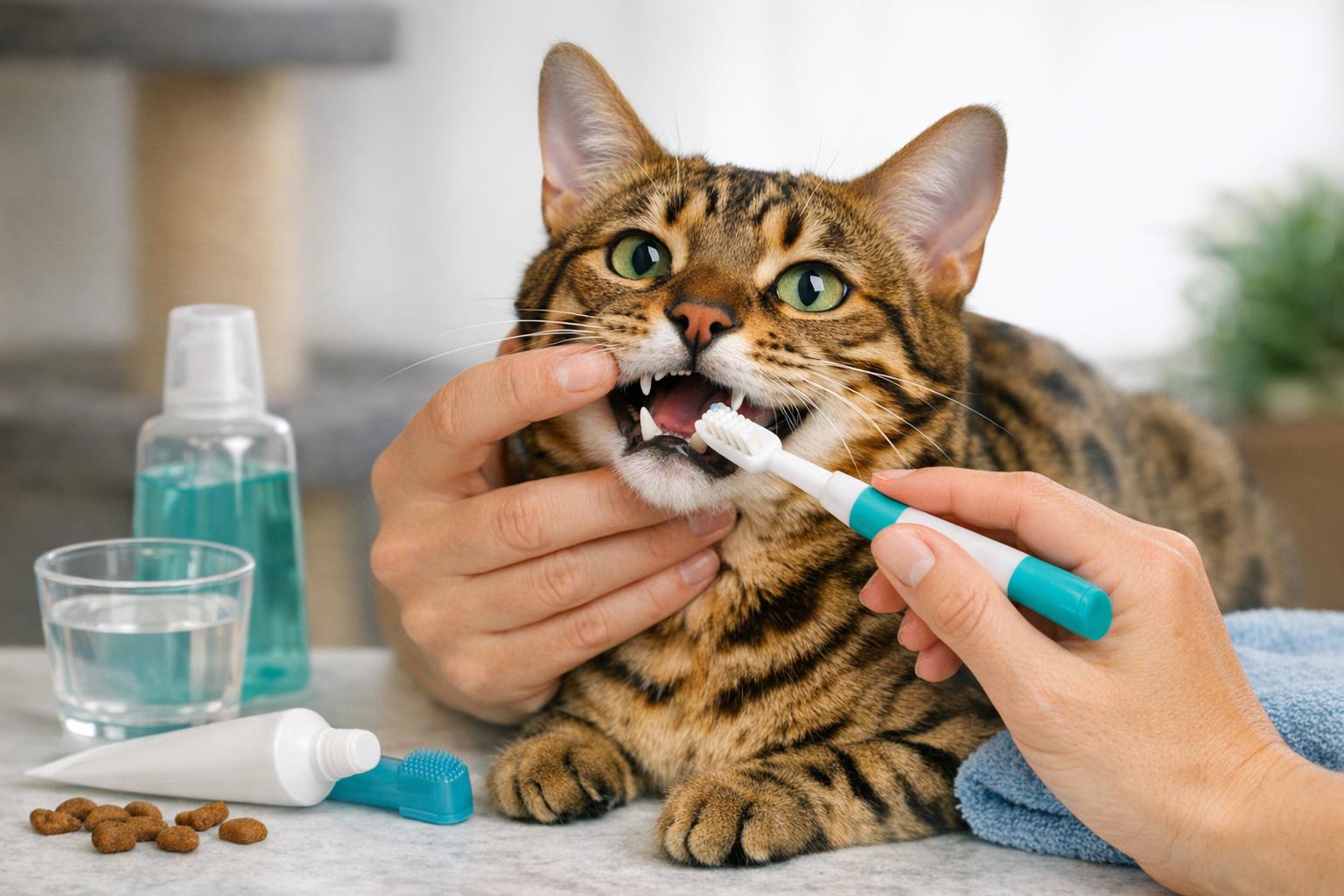
Brushing removes plaque mechanically; no spray or miracle paste can replace that action. Use a soft-bristled brush or a finger brush with a toothpaste formulated for dogs. Human toothpaste is out — the foamy flavors and fluoride can be harmful if swallowed.
– Start slow: let your dog lick the toothpaste, then gently rub a finger along the gumline.
– Work up to two minutes total, focusing on the outer surfaces where plaque accumulates.
– Aim for at least 3–4 times a week if daily isn’t realistic.
#### Choosing A Brush And Toothpaste
Choose a brush small enough for your dog’s mouth; silicone finger brushes are great for skittish pups. Dog toothpastes come in appealing flavors (chicken, beef, peanut butter) so it’s easier to get cooperation.
## 3 Home Remedies To Prevent Plaque And Freshen Breath
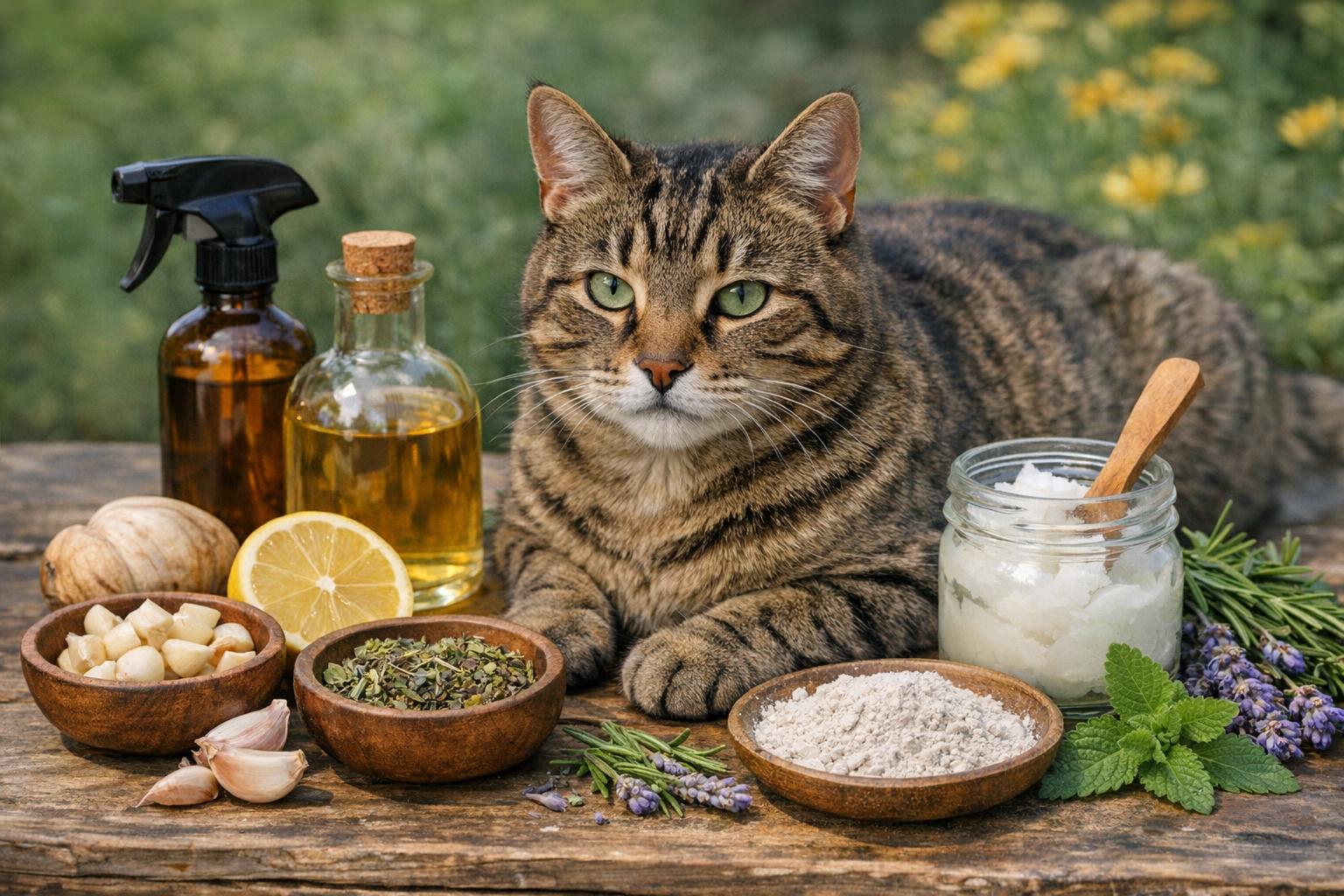
Below are three practical, safe remedies to use alongside brushing. Each remedy includes ingredients and step-by-step creation and application instructions.
### Remedy 1: Coconut-Pet Tooth Paste (Makes Brushing Easier)
Ingredients/Materials:
– 1 tablespoon virgin coconut oil
– 1/2 teaspoon baking soda (optional; use sparingly)
– 1 teaspoon finely chopped fresh parsley (for breath)
– Small jar and a small spoon or spatula
– Soft toothbrush or finger brush
Step-by-Step Creation:
1. Warm the coconut oil slightly until liquid (hold the jar in warm water for a minute).
2. Mix in baking soda and parsley until uniform. Baking soda is mildly abrasive and helps neutralize odors; use only a small amount.
3. Transfer to a small jar and allow to solidify at room temperature.
Application:
1. Apply a rice-grain-sized amount for small dogs, a pea-sized amount for larger dogs onto the brush.
2. Gently brush the outer tooth surfaces and gumline for up to two minutes.
3. Use 3–7 times per week. Avoid frequent use in dogs with sodium-restricted diets (baking soda contains sodium); omit baking soda if unsure.
Notes: Coconut oil is palatable and can reduce bacterial load modestly; parsley adds a breath-freshening lift. Be formal about measurements and frequency — small is better than too much.
### Remedy 2: Frozen Veggie & Broth Chew Cubes (Daily Enrichment And Abrasion)
Ingredients/Materials:
– 2 cups low-sodium chicken or beef broth (homemade if possible)
– 1 cup grated carrot or chopped apple (no seeds)
– Ice cube tray or silicone molds
Step-by-Step Creation:
1. Mix broth with grated carrot or apple and pour into trays.
2. Freeze solid (4–6 hours or overnight).
3. Pop out one cube and give it as a supervised treat.
Application:
1. Offer one cube as a short-lived chew that cools gums and provides gentle abrasion.
2. Use daily or a few times per week as a supplement to brushing.
Notes: Crunchy veggies and frozen broth encourage chewing and can help mechanically dislodge food. Avoid grapes, raisins, onions, and garlic — stick to carrots and apples without seeds.
### Remedy 3: Green Tea Oral Rinse Spray (Antibacterial And Breath Freshener)
Ingredients/Materials:
– 1 green tea bag
– 1 cup hot water
– 1 cup cold water
– Small spray bottle (2–4 oz)
– Fine mesh strainer
Step-by-Step Creation:
1. Steep the green tea bag in hot water for 3–5 minutes, then remove the bag.
2. Allow to cool, then dilute with the cold water.
3. Strain into the spray bottle to remove any particulates.
Application:
1. Spray the solution into the mouth or onto the teeth and gums (1–3 sprays per side), or apply with a soft cloth.
2. Use 1–2 times daily after brushing or meals.
Notes: Polyphenols in green tea have mild antibacterial properties. Don’t let the spray replace fresh water; this is an adjunct oral rinse.
### Practical Rotation
Rotate these remedies so your dog gets mechanical cleaning (brushing and chews) plus chemical support (green tea). Together they reduce the progression of dental disease in dogs and keep your job of pet-parenting more pleasant.
### Signs Of Trouble: When Home Care Isn’t Enough
Even with great home care, some dogs develop significant dental disease in dogs due to genetics, age, or underlying health problems. Watch for:
– Persistent bad breath
– Red, swollen, or bleeding gums
– Loose or missing teeth
– Pawing at the face or difficulty eating
– Yellow/brown tartar buildup at the gumline
If you see these, schedule a vet appointment. Professional cleaning under anesthesia is sometimes necessary to fully remove tartar below the gumline and evaluate tooth roots.
#### What To Expect From A Vet Visit
Your vet will assess gum health and may recommend dental radiographs. Treatment can include scaling, polishing, and extractions. For dogs with systemic disease, dental care is even more critical because oral bacteria can exacerbate other conditions.
### Diet And Chews: Smart Choices
Large, hard chews (like hard nylon bones or cow hooves) can crack teeth in some dogs. Choose vet-recommended dental chews with a texture that encourages chewing without excessive hardness. Raw carrots, apple slices, and specially designed dental chews can help reduce plaque when used in combination with brushing.
### Warnings And What To Avoid
– Never use human toothpaste. Swallowed fluoride and foaming agents can be harmful.
– Avoid xylitol-sweetened products — xylitol is toxic to dogs.
– Skip essential oils like tea tree and clove for direct oral use; some are toxic systemically.
– Don’t rely solely on breath mints or sprays; they mask odor without addressing plaque.
– If your dog has kidney, liver, or electrolyte issues, check with your vet before using baking soda-containing remedies.
### Making Oral Care Fun, Not Fearful
Turn oral care into a positive routine. Pair toothbrushing or spray application with high-value treats, short play, and lots of praise. Use calm handling and gradually increase exposure so your dog learns to expect a pleasant outcome.
### Regular Checkups And Professional Cleanings
Home remedies reduce risk but don’t eliminate the need for veterinary oversight. Schedule dental checks during annual exams and follow your vet’s advice about the timing of professional cleanings to prevent the progression of dental disease in dogs.
Keep it gentle, keep it regular, and use these remedies as reliable helpers. Your dog will thank you in tail wags, and your nose will thank you with fewer olfactory surprises.


















Leave a Reply