



Friendly Tip Before You Start: Lizards Read Body Language, Not Brochures. Approach Calmly.
Handling a lizard at home can be one of those quietly rewarding experiences — like befriending a tiny, scaly old-soul who doesn’t care about your Wi‑Fi password. Whether you have a curious bearded dragon, a swift leopard gecko, or a delicate anole, knowing how to handle a lizard safely builds trust and keeps both of you happy. Below are practical, pet‑safe tips and one practical remedy for a common handling issue.
## How To Handle A Lizard: Gentle Lifting And Support
When you learn how to handle a lizard, remember that the goal is to make your pet feel secure and supported. A lizard’s spine and limbs are delicate; dropping or improper grip can cause stress or injury.
### Read The Lizard’s Signals
Most lizards communicate with posture and movement rather than sound. Before you try to pick one up, watch for:
– Relaxed body and tail (not puffed-up or thrashing).
– Eyes open and tongue flicking (curiosity).
– No rapid, jerky movements or attempts to flee.
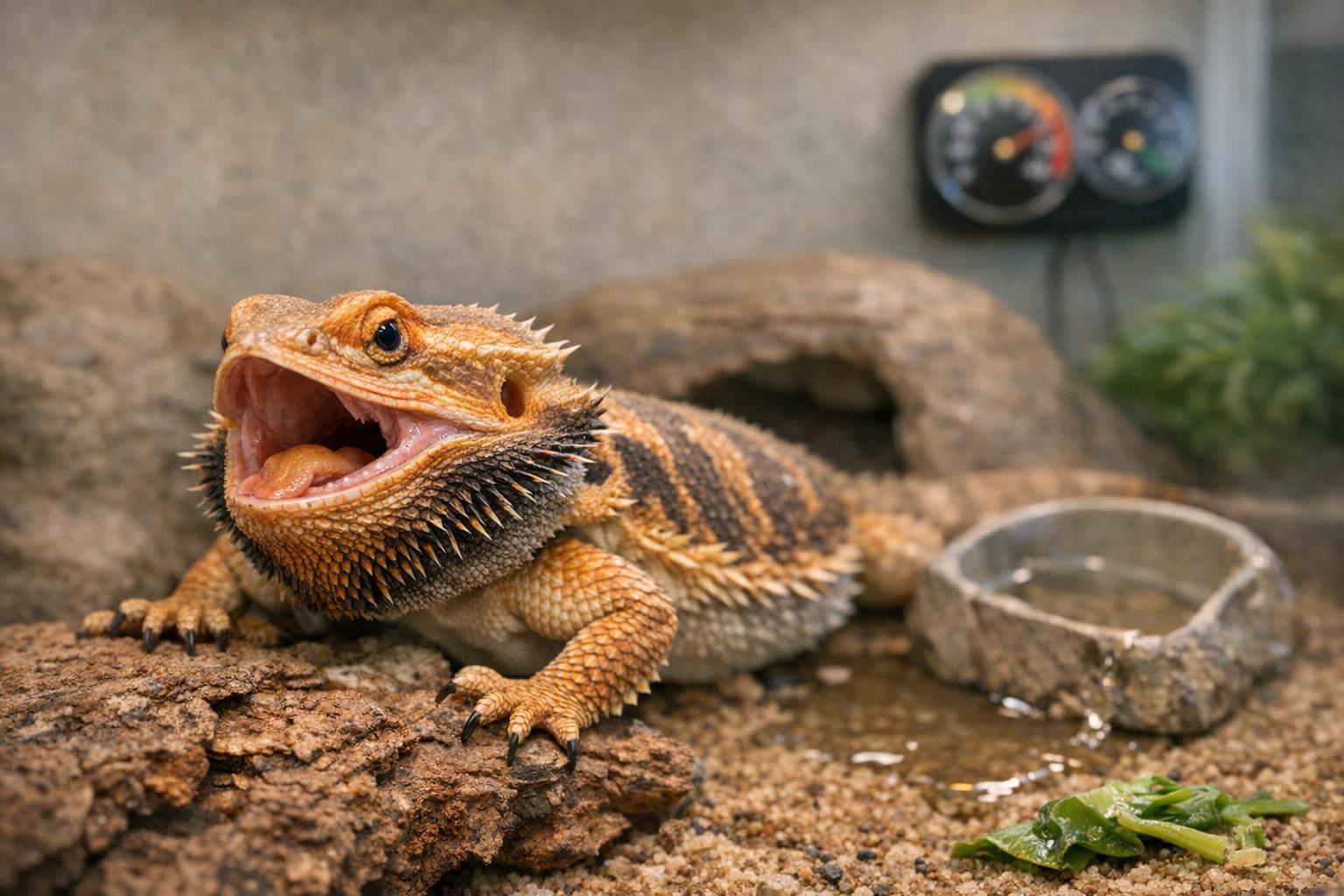
If you see puffing, hissing, dark stress colors (for species that change color), or tail flicking that’s frantic, it’s not a good time. Back off and let the animal settle. This is a core part of learning how to handle a lizard: timing matters as much as technique.
### The Clean, Calm Approach
Move slowly and avoid looming over the enclosure like an enormous, shadowy predator. Speak softly if you like — your lizard won’t understand the words, but the calm tone helps keep the environment quiet and less startling.
#### Step 1: Open The Enclosure Quietly
Stand to the side, not directly in front of the heat lamp, and open the top or door gently to avoid sudden drafts or bright changes.
#### Step 2: Offer Your Hand First
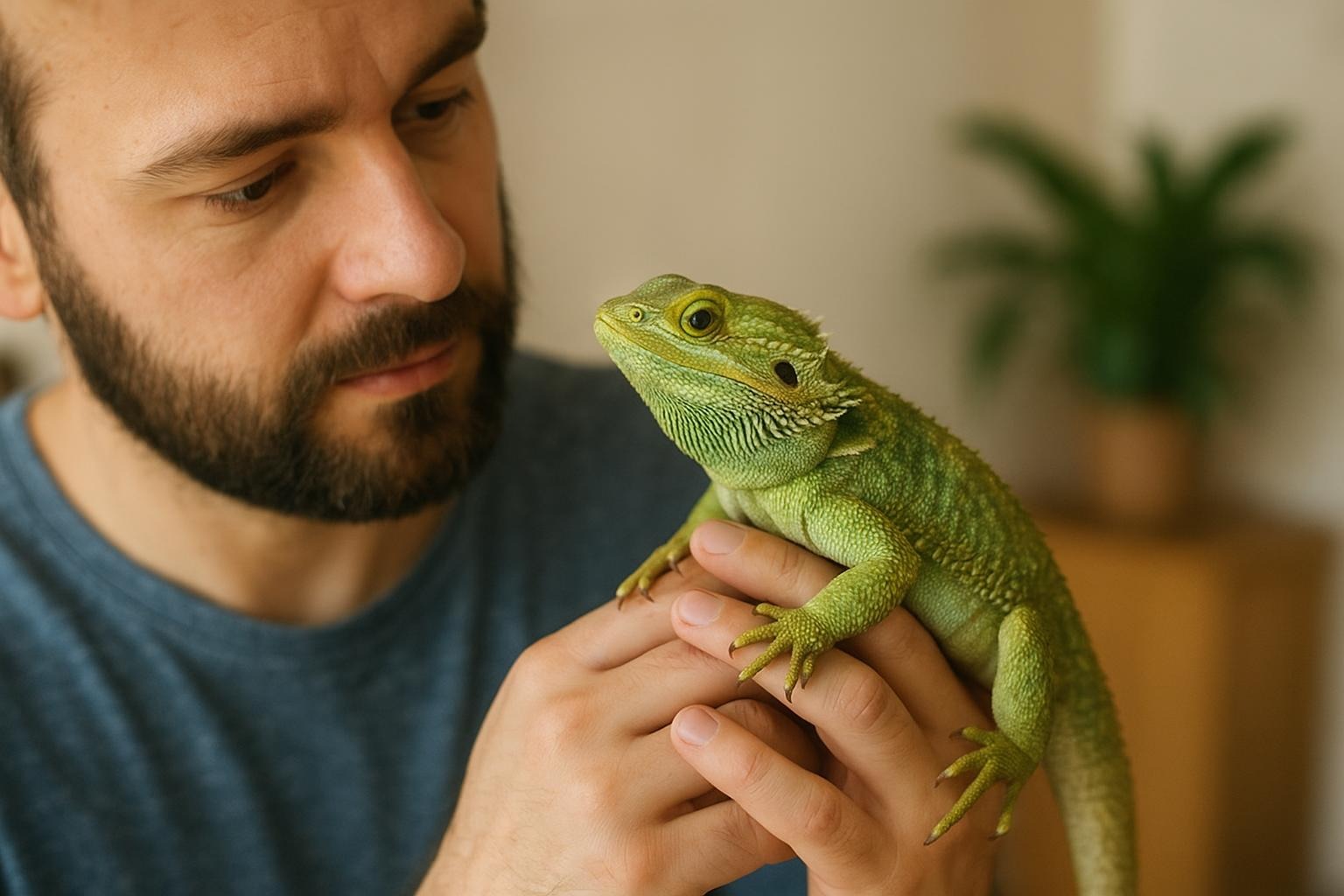
Let your lizard step onto your hand. For shy species, rest a flat hand in the enclosure with a small piece of food (if training allows) to create a positive association.
#### Step 3: Support The Belly And Base Of Tail
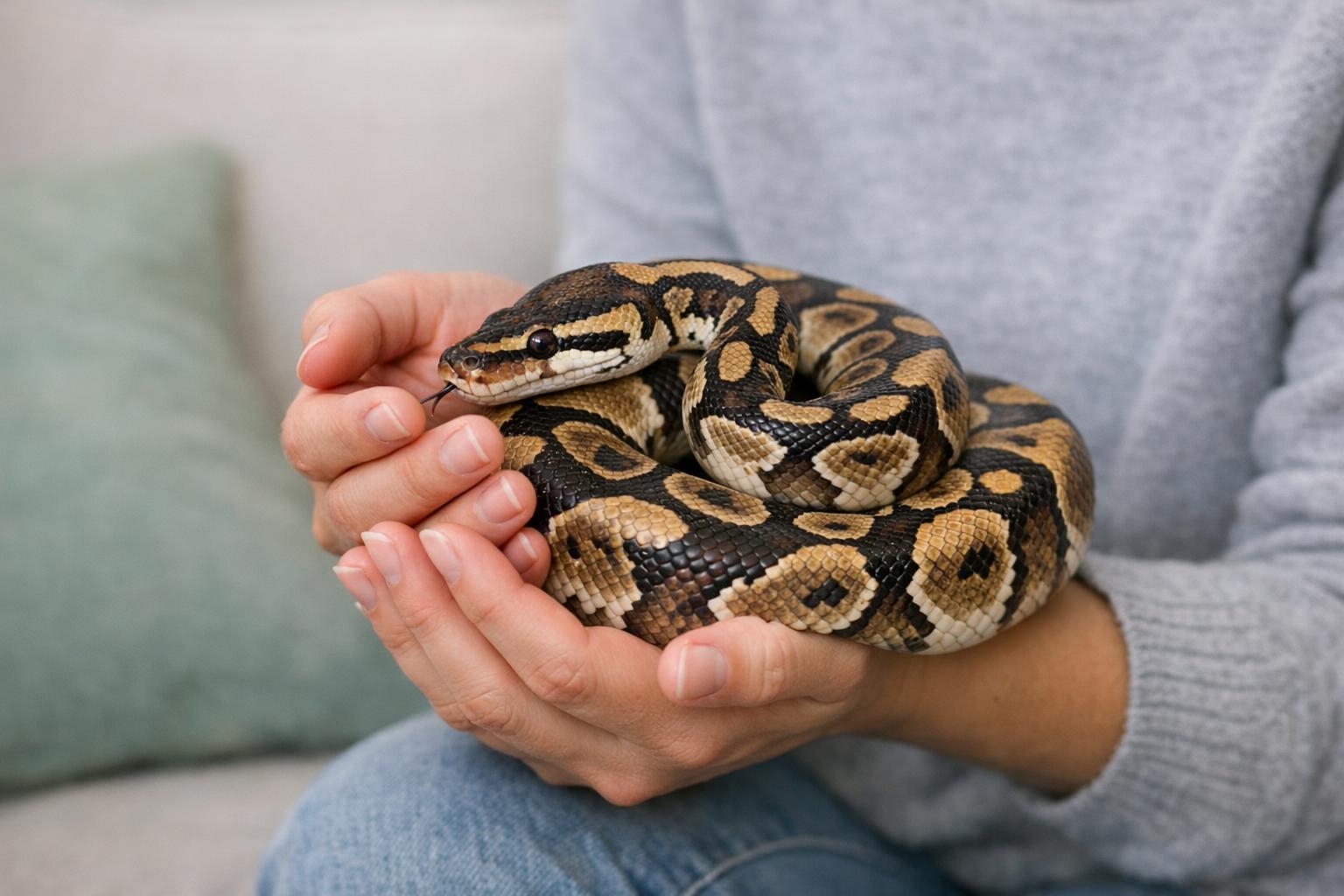
When lifting, slide your other hand under the lizard’s body so the belly and chest are fully supported. Support the base of the tail with your palm. Never grab by the tail — many species can autotomize (drop) their tail as an escape response.
## Preparing The Environment Before Handling
One key to knowing how to handle a lizard well is setting the stage. Temperature and timing are crucial.
### Warmth And Activity Window
Lizards are ectotherms: their activity depends on body temperature. Handle during their natural active period (diurnal species in warm part of day; crepuscular species at dawn/dusk). Make sure the lizard has been basking for at least 20–30 minutes so it’s alert and reactive, not sluggish or cold.
### Create A Calm Space
Turn off sudden noises (lawnmowers, music) and bright flashes. If you plan to handle outside the enclosure, create a soft, low table or bed of towels to catch a jump safely.
## Common Mistakes To Avoid When Learning How To Handle A Lizard
A few errors repeat among new keepers. Avoid these to prevent stress or harm.
– Grabbing Around The Neck Or Tail: Never apply pressure to the neck or pull the tail.
– Overhandling: Short sessions (5–15 minutes) are better than prolonged, stressful interactions. Watch the lizard’s tolerance and stop if it becomes tense.
– Sudden Movements Or Loud Voices: Quick human reflexes can trigger prey or fear responses.
– Handling After Feeding: Give at least 24–48 hours after a large meal to avoid regurgitation, especially for snakes and larger insectivores.
## Handling Different Species: Tips For Specific Lizards
Different species have gentle variations in how to handle them.
### Bearded Dragons
Bearded dragons tolerate handling well when socialized. Support the full length of their body and walk them around on your lap for gentle enrichment.
### Geckos (Leopard, Crested)
Geckos are delicate; avoid covering their eyes and never restrain their toes. Crested geckos can jump — make sure you’re close to the ground or over soft towels.
### Skinks And Tegus
Bigger-bodied skinks and tegus require stronger, two-hand support and sometimes a second person for initial training sessions.
### Anoles And Small Arboreal Lizards
Provide vertical surfaces and handle them close to your chest or over a soft surface. Their grip is lighter; hold gently but securely to avoid falls.
## Remedy: Gentle Soak For Retained Shed (Materials And Steps)
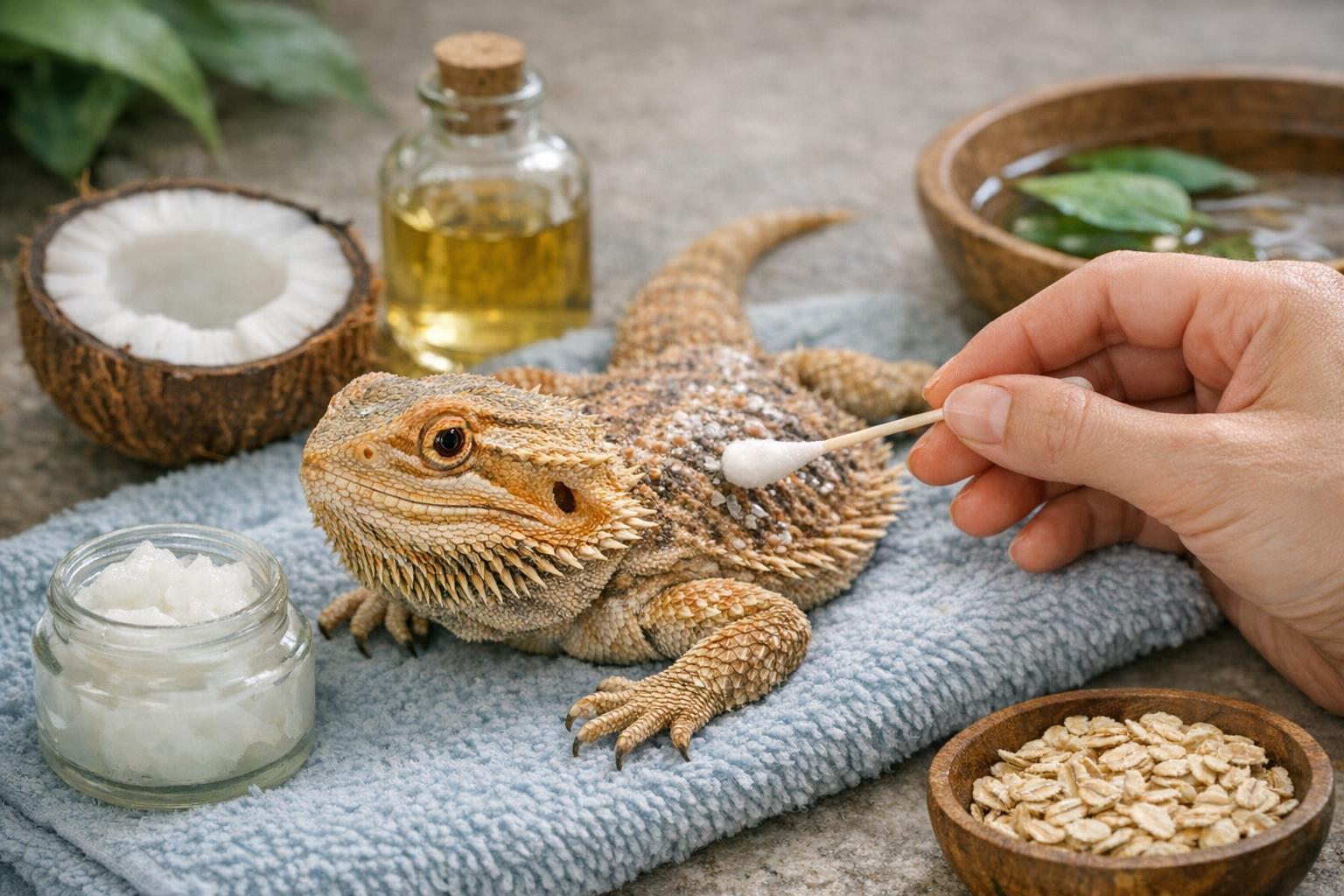
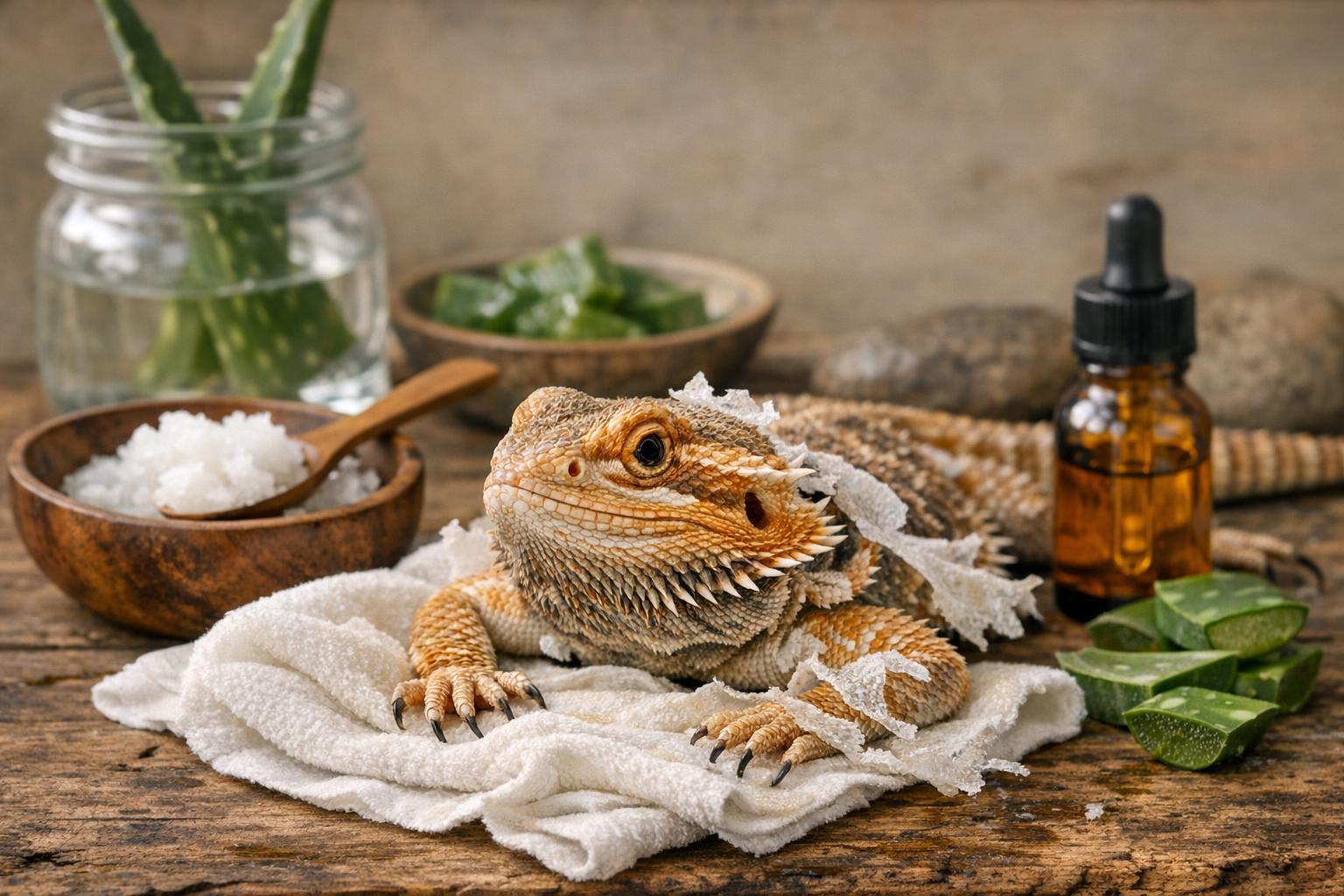
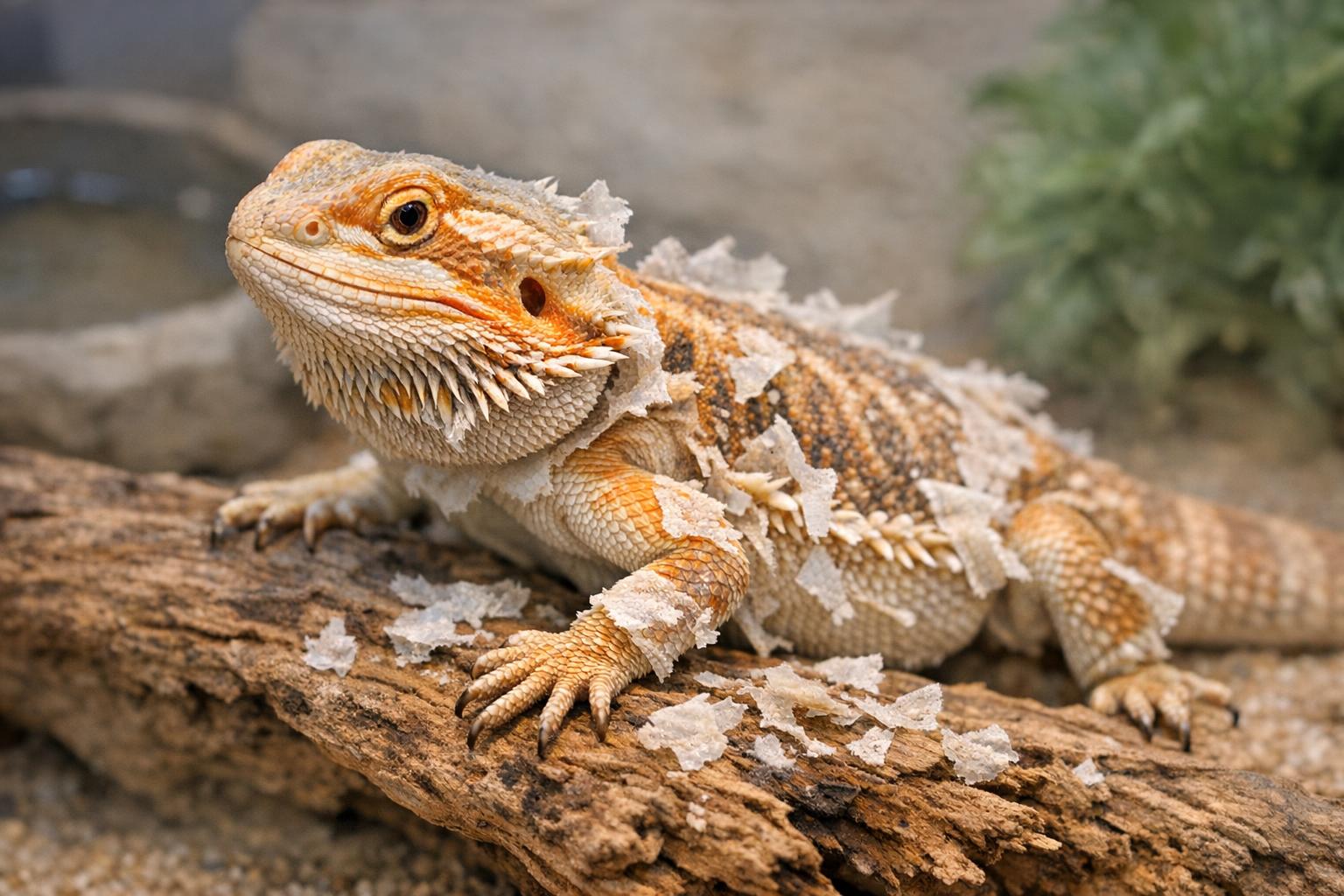
One practical home remedy you may need after learning how to handle a lizard is aiding a stuck shed. Retained shed (especially around toes, tail, or eye pits) can cut circulation and needs prompt, careful treatment.
Materials Required:
– Shallow plastic or ceramic container (large enough for the lizard to rest)
– Lukewarm water (temperature matching the lizard’s warm side; typically 28–32°C / 82–90°F for many species — check species needs)
– Clean, soft toothbrush or cotton swabs
– Soft towel
– Optional: reptile-safe moisturizer (e.g., aloe vera gel with no added scents or alcohol — vet recommended)
– Timer or clock
Formal Procedure (Creation And Application):
1. Prepare The Soak: Fill the container with lukewarm water to a shallow depth — enough to cover toes and lower limbs but not submerge the head or allow the lizard to drown if it struggles. Test temperature with an accurate thermometer.
2. Calm The Animal: Gently and securely transfer the lizard into the container. Keep movements slow and reassuring. Set a timer for 10–15 minutes.
3. Observe Continuously: Do not leave the lizard unattended. Monitor breathing and signs of stress. If the animal panics, remove it and try again later at a calmer time.
4. Assist The Shed: After 10 minutes, take the lizard out and gently pat dry with a soft towel. Use a damp, soft toothbrush or cotton swab to very gently roll and loosen the softened skin — always in the direction away from the body, and avoid pulling if there’s resistance.
5. Repeat If Needed: If the shed remains stuck after the first attempt, repeat the soak once more. Persistent or severe retained shed (especially constricting toes or tail) requires veterinary care.
6. Optional Soothing: Apply a tiny amount of reptile-safe moisturizer recommended by your vet to the affected area if indicated. Do not use human creams or antiseptics without veterinary approval.
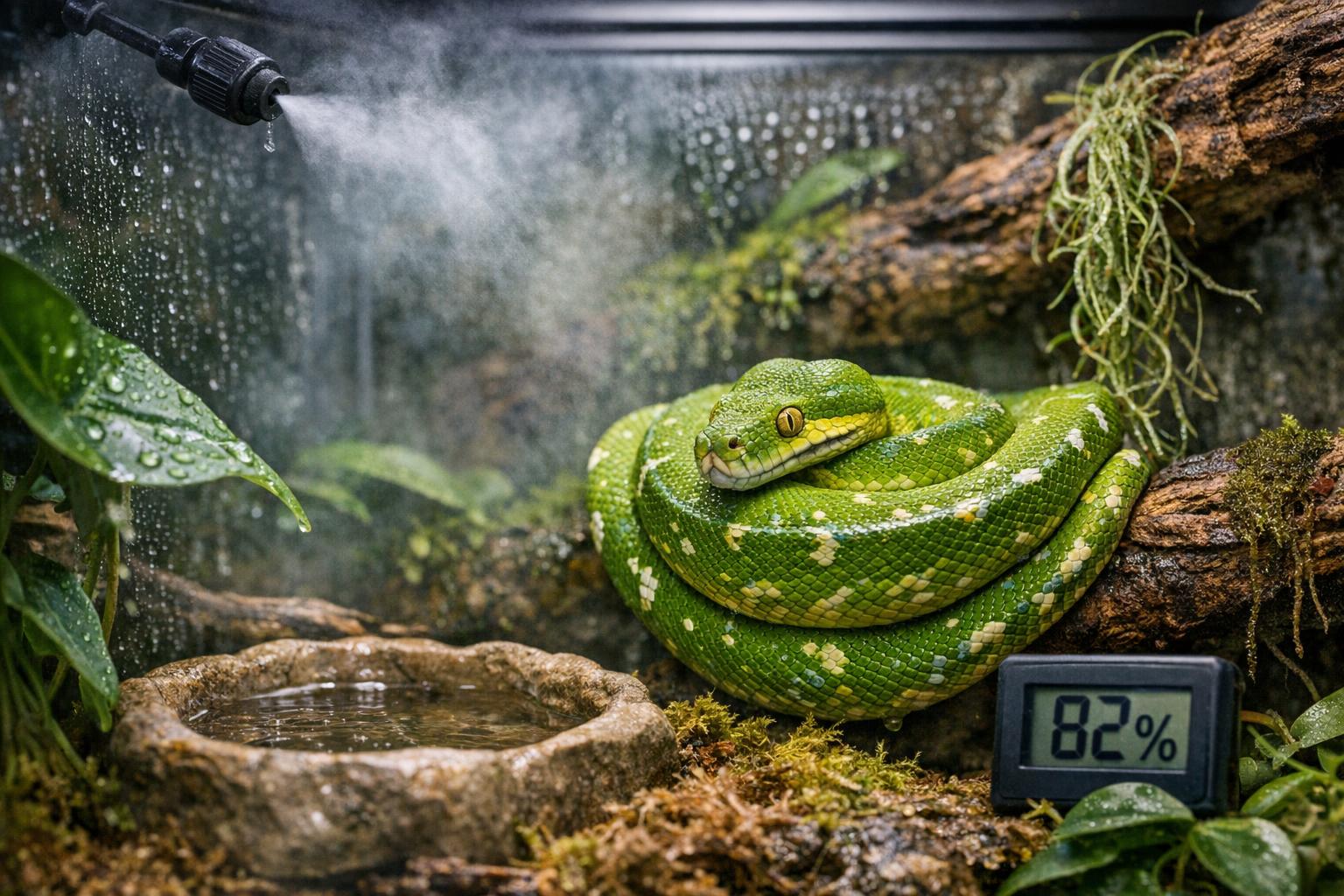
7. Preventative Measures: Adjust humidity in the enclosure (for species that require it) and provide rough surfaces like hide boxes with textured interiors or appropriately sized rocks to help natural shedding.
Safety Notes (Formal Tone):
– Never forcefully pull shed. This risks tearing underlying tissue.
– Do not use oils, hydrogen peroxide, or substances not approved by an exotic vet; these can irritate or poison.
– If toes or tail show swelling, black discoloration, or prolonged constriction, seek emergency veterinary attention.
## Aftercare And Positive Reinforcement
Handling shouldn’t end the moment you put the lizard down. Good aftercare builds a willing, trusting pet.
### Reward The Calm
Offer a small favorite treat or place the lizard back into a basking spot it prefers. Consistent, calm experiences teach your lizard that handling predicts positive outcomes.
### Keep Sessions Short And Frequent
Short daily sessions are better than long, infrequent ones. Gradual desensitization to hands and new surfaces is the humane way to teach a lizard that human interaction is safe.
### Record Behavior And Adjust
Keep a simple log of handling sessions: date, duration, and any unusual behavior. Over weeks you’ll detect tolerance changes and know how to handle a lizard better each time.
## When To Call The Vet About Handling Injuries Or Stress
If, despite careful technique, your lizard shows any of the following after handling or an attempted remedy, contact an exotic‑pet veterinarian promptly:
– Lethargy or lack of appetite beyond 48 hours (depending on species).
– Evidence of broken bones, swelling, or bleeding.
– Persistent retained shed causing color change or loss of circulation in toes or tail.
– Significant behavioral changes: hiding constantly, sudden aggression, or unresponsiveness.
Learning how to handle a lizard is part technique, part timing, and a lot about developing mutual trust. Keep it slow, support the body, respect the species’ needs, and have a towel handy — and remember, you’re not just moving scales around: you’re building a relationship.





















Leave a Reply