

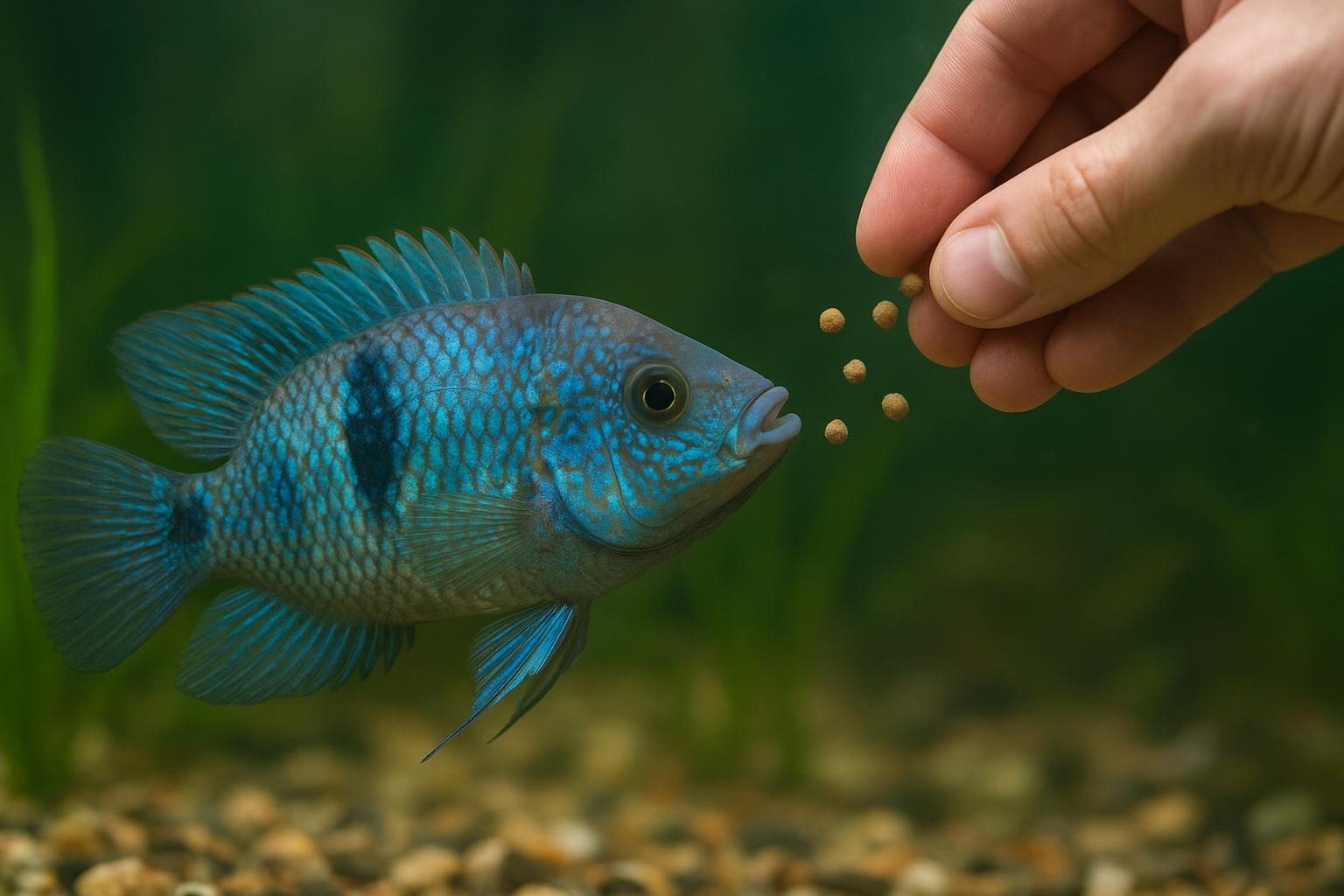
Keeping fish happy is easier than keeping a houseplant alive — but one common slip-up will sabotage both: fish overfeeding. It’s easy to think you’re doing your finned pals a favor by tossing extra flakes or pellets, but that generosity often creates a mess above and below the waterline. This guide is a relaxed, friendly walkthrough of why overfeeding happens, how to spot it, and practical, do-it-at-home remedies to stop it for good (with a few formal, step-by-step solutions you can actually follow).
## Why Fish Overfeeding Happens
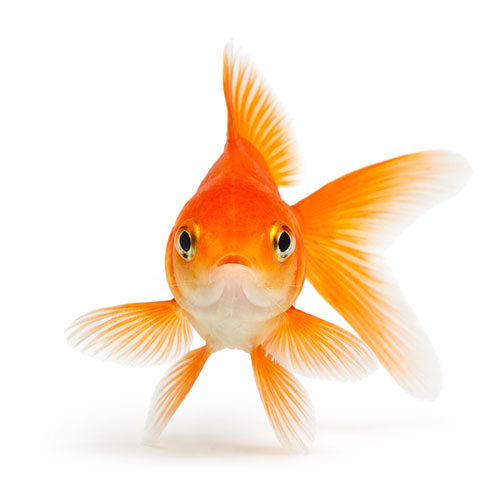
People feed their fish for all the right reasons: bonding, boredom relief, or because the goldfish looked at you with perceived puppy-dog eyes. But frequent reasons behind fish overfeeding include not knowing proper portion sizes, feeding out of routine rather than observation, and confusing healthy appetite with hunger. Left unchecked, the cycle becomes automatic: more food, more waste, cloudy water, and stressed fish.
### Signs You’re Feeding Too Much
If you’re wondering whether the problem is the food or your generous instincts, watch for these signs:
– Uneaten food floating on the surface minutes after feeding.
– Cloudy or green water and a persistent film on the surface.
– Excessive algae growth.
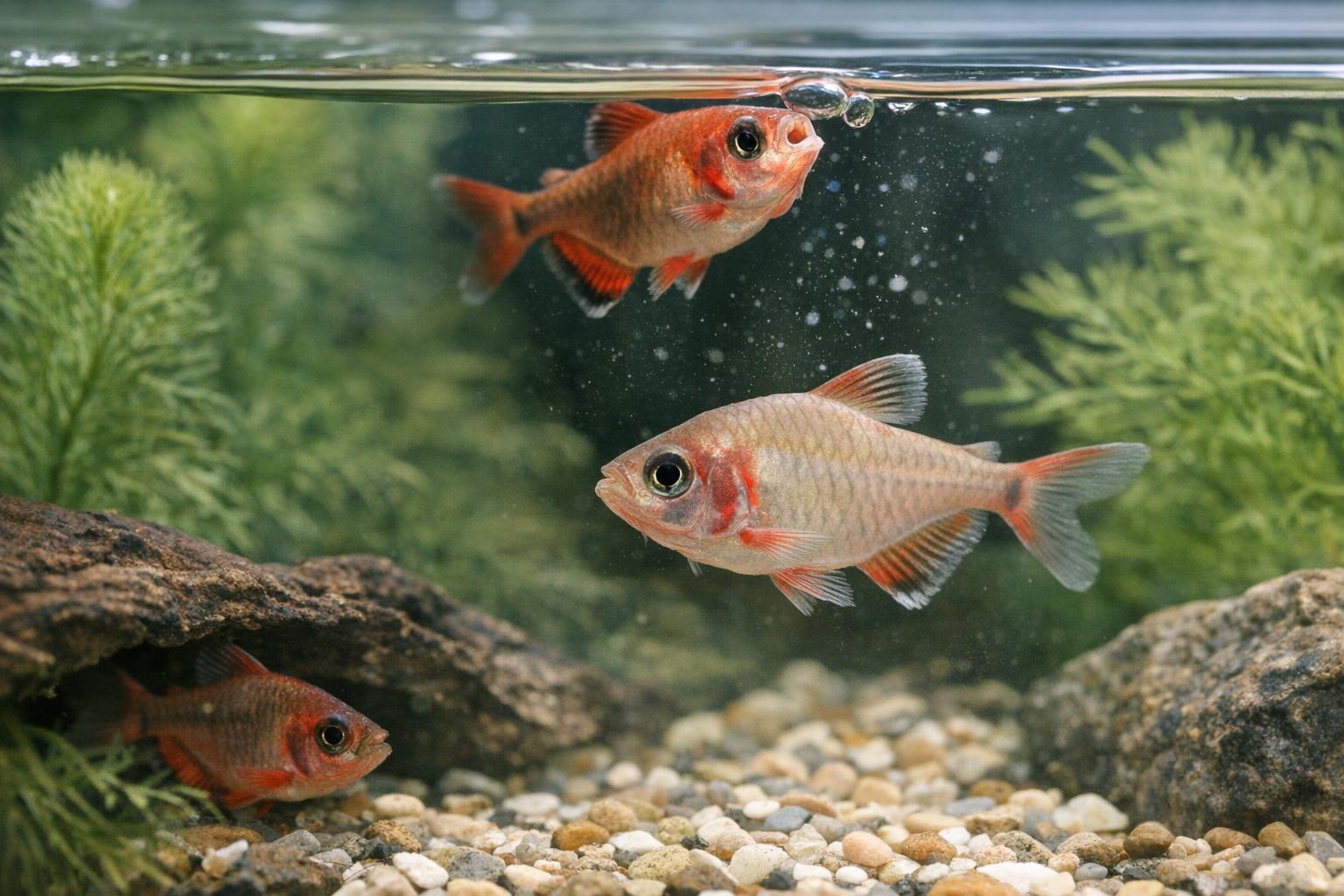
– Fish showing sluggish behavior, bloating, or swollen bellies.
– Rapid ammonia or nitrite spikes in water tests.
These indicators often point directly to fish overfeeding, not just bad luck.
### Hidden Consequences For Fish And Tank
Beyond a messy tank, overfeeding causes biological trouble:
– Decomposing food increases ammonia and nitrite that harm gill function.
– Excess nutrients fuel algae and cyanobacteria blooms, reducing oxygen at night.
– Overfeeding can lead to constipation and swim bladder issues in fish, which affects buoyancy and overall health.
– Frequent water changes to counteract the mess stress the fish and disrupt the biological filter.
## Preventing Fish Overfeeding: Practical Strategies
Preventing fish overfeeding is more about structure than willpower. Use portion control, scheduled feeding, and simple DIY tools to keep amounts consistent. Below are three numbered home remedies you can use right away. When describing each remedy, the instructions are formal and precise so you can implement them safely.
### Remedy 1: DIY Portion-Control Feeding Blocks
This method creates small, controlled feeding blocks you can break or thaw to prevent accidental overfeeding.
#### Ingredients Or Required Materials
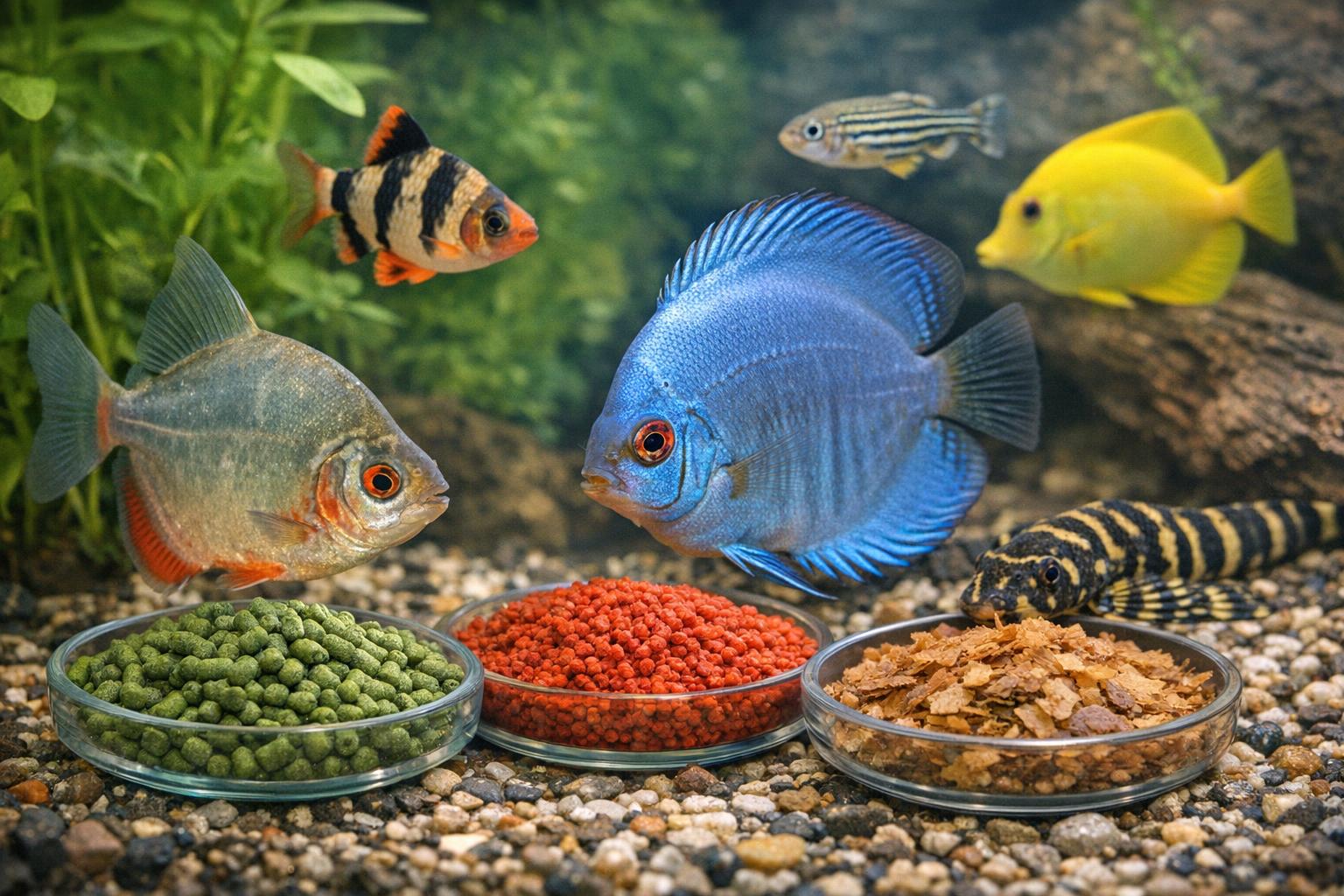
– High-quality flakes or pellets that your fish normally eat
– Gelatin powder (unflavored)
– Small silicone ice cube tray or silicon mold
– Warm dechlorinated water
– A clean mixing bowl and spoon
– Optional: blanched vegetables (peas/spinach) for herbivores
Creation And Application (Step-By-Step)
1. Prepare Base: Measure the daily quantity of dry food your tank actually needs. As a rule of thumb, feed what fish can consume in 2–3 minutes. Multiply this by the number of feedings planned per day for total volume.
2. Mix Gelatin: For every cup of food, dissolve 1 tablespoon of gelatin in 1/2 cup of warm dechlorinated water. Stir thoroughly until fully dissolved; avoid boiling water that could denature nutrients.
3. Combine: Fold the dry flakes or pellets (and optional blanched vegetables) into the gelatin mixture until evenly coated. Allow the mixture to hydrate for a minute so that flakes soften slightly; this helps them bind.
4. Mold: Spoon the mix into the silicone tray, pressing lightly to compact. Aim for portions that equal single feedings.
5. Set: Refrigerate until solid—about 30–60 minutes. For longer storage, freeze portions in labeled bags.
6. Serve: Thaw one cube per feeding in a small cup of dechlorinated water if frozen. Drop a cube into the tank and remove uneaten bits after the fish finish (2–5 minutes).
7. Monitor: Adjust cube size or number based on consumption. If leftover remains regularly, reduce portion size.
Notes: This approach formalizes portions and prevents “eyeballing” meals, significantly reducing leftover waste that contributes to fish overfeeding.
### Remedy 2: Automatic Feeder And Timer Protocol
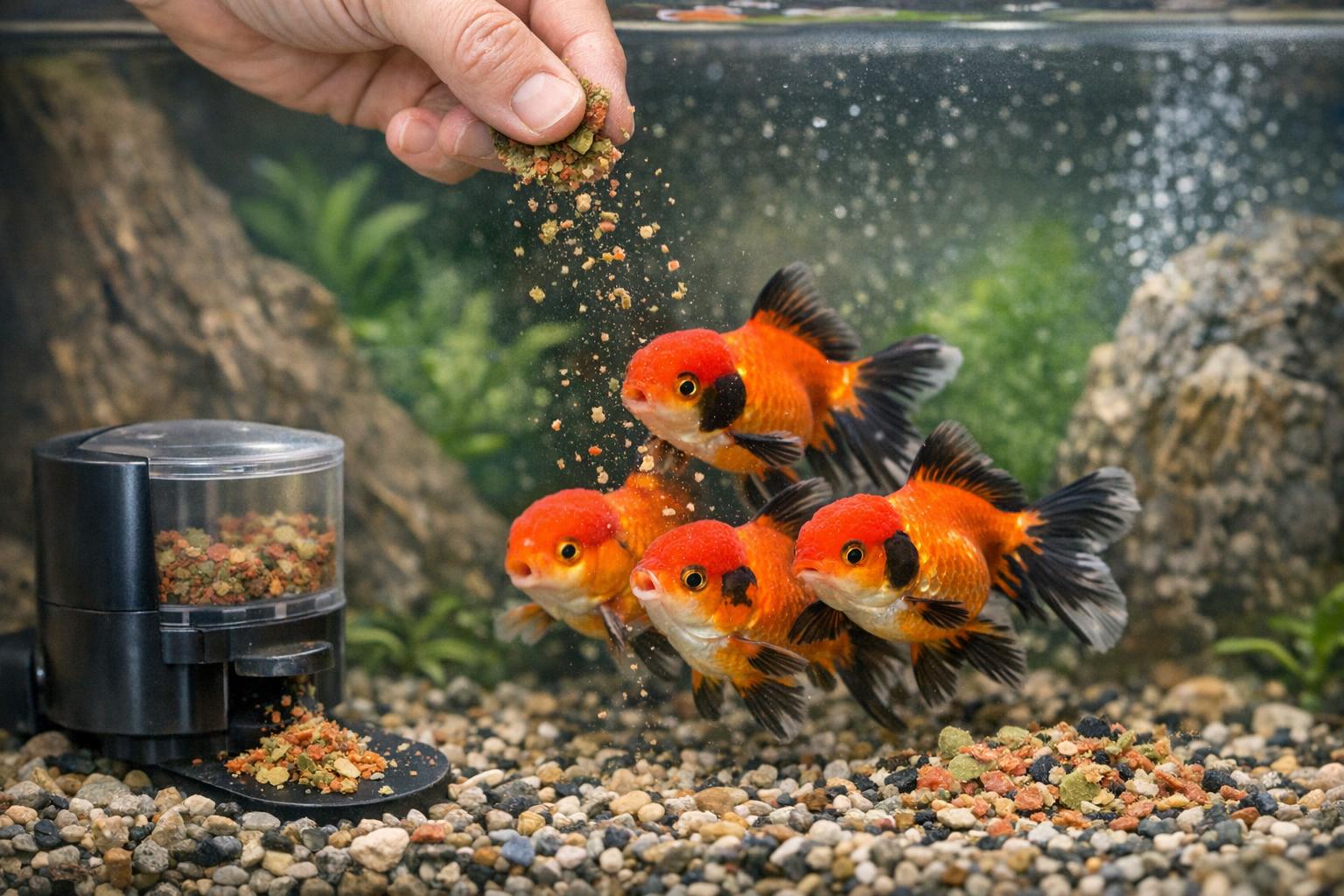
An automatic feeder can remove human enthusiasm from the loop — but it must be used right. Follow a clear program to avoid compounding the problem.
#### Ingredients Or Required Materials
– Reliable automatic feeder compatible with your feed type
– A timer or smart plug (if feeder plugs in)
– Measuring scoop or small balance scale
– Observation notebook or digital log
Creation And Application (Step-By-Step)
1. Choose The Feeder: Get an automatic feeder rated for your tank size and food type (flakes, pellets, or frozen crumb). Read manufacturer specs for portion control accuracy.
2. Calibrate: Use a scoop or scale to measure the exact amount dispensed per cycle. Run dry tests over several days to account for clumping or humidity effects.
3. Program Frequency: Set 1–2 feedings per day for most community tanks; fry and certain species may need more. Avoid programming multiple small feedings unless you’ve accurately calibrated portion size.
4. Use Water-Safe Placement: Mount the feeder so it doesn’t get splashed and so the mechanism remains dry.
5. Log And Adjust: Keep a short log for two weeks: amount fed, fish behavior, and any leftover food. Adjust scoops or settings formally, in increments of 10–20% as necessary.
6. Maintain: Clean the feeder regularly to prevent jams and inaccurate dispensation.
Notes: An automatic feeder prevents impulse feeding and keeps portions consistent, directly tackling the root of fish overfeeding related to human error.
### Remedy 3: Scheduled Feeding Chart And Behavioral Training
A predictable routine reduces overeager feeding and trains fish to eat efficiently without leftovers.
#### Ingredients Or Required Materials
– Calendar or printable feeding chart
– A small feeding cup or target ring (optional)
– Treats for training (single regular portion)
– A notebook or app for tracking
Creation And Application (Step-By-Step)
1. Create The Chart: Decide on feeding times and durations that fit your schedule (e.g., 9:00 AM, 5:00 PM). Write them on a visible chart near the tank or on your phone calendar.
2. Determine Portion Sizes: Use the “2–3 minute” rule as a baseline. Measure portions and record quantities beside each scheduled slot.
3. Train With Consistency: Use the feeding cup or gently sprinkle food in the same area each time to encourage the fish to eat quickly and efficiently. If you want to train to a target, use a small floating ring to drop food within — fish will learn to go straight to it.
4. Monitor And Reduce: After a week, if there’s no leftover, try decreasing each portion by 10% and observe for another week. If fish show signs of less vigor or start missing meals, revert or adjust slowly.
5. Assign Responsibility: If multiple people care for the tank, post the chart and require checkmarks to avoid duplicate feedings.
Notes: The formal structure of a scheduled chart reduces randomness and interpersonal overfeeding — a major cause of fish overfeeding at home.
### Tank Management To Reduce Overfeeding Risk
Even with strict feeding controls, tank maintenance helps catch problems early and makes prevention easier:
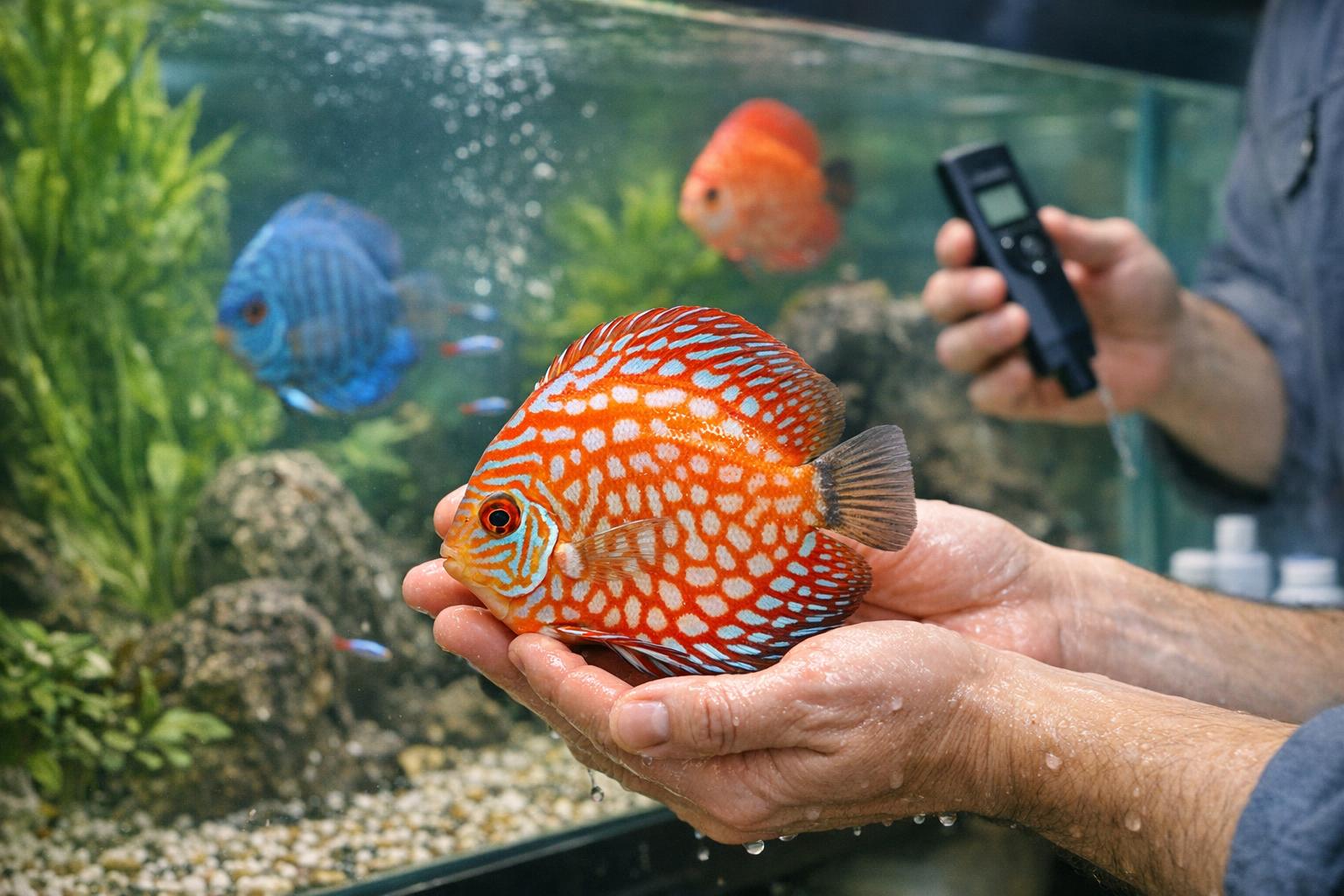
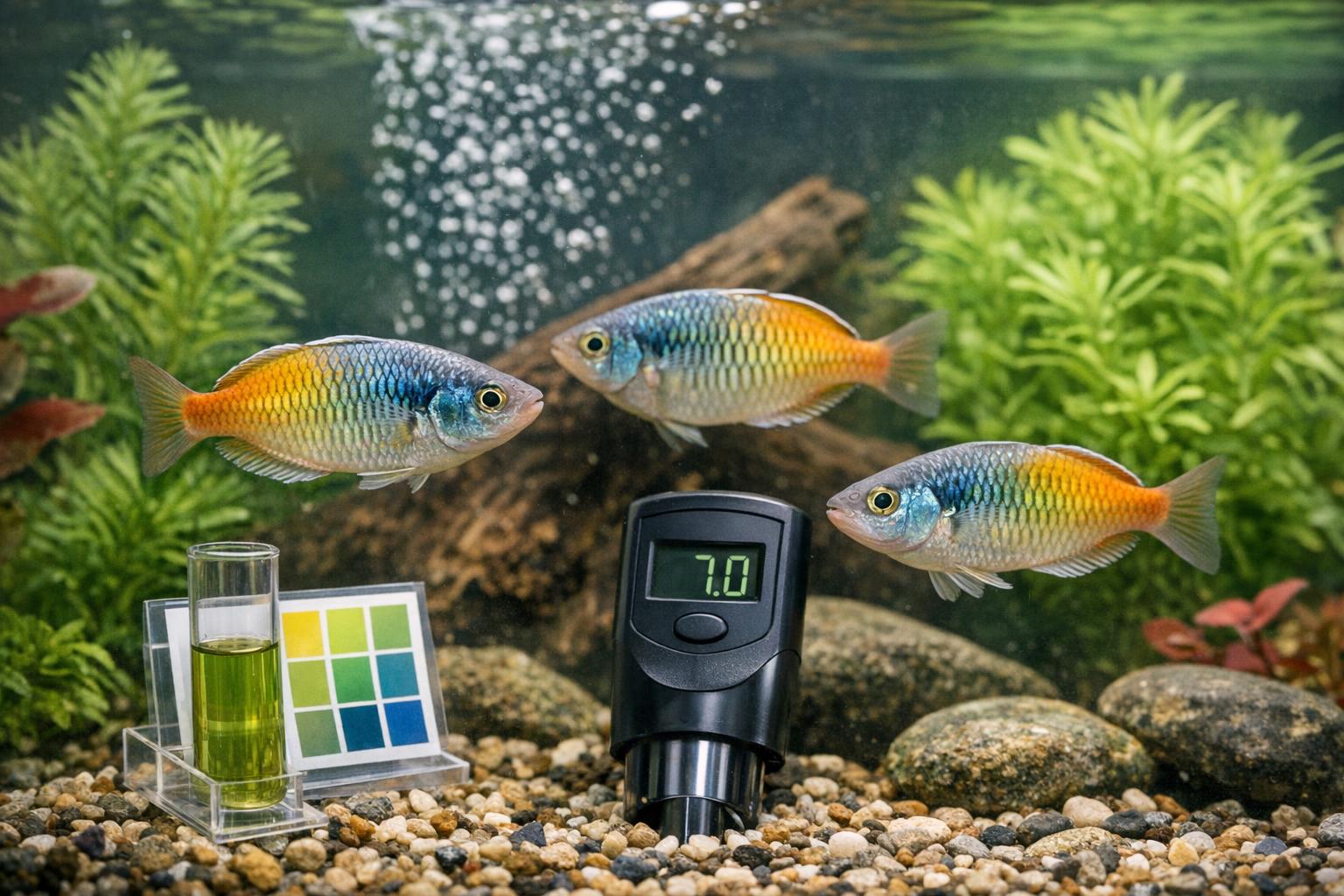
– Test water weekly for ammonia, nitrite, and nitrate. Promptly address spikes with partial water changes.
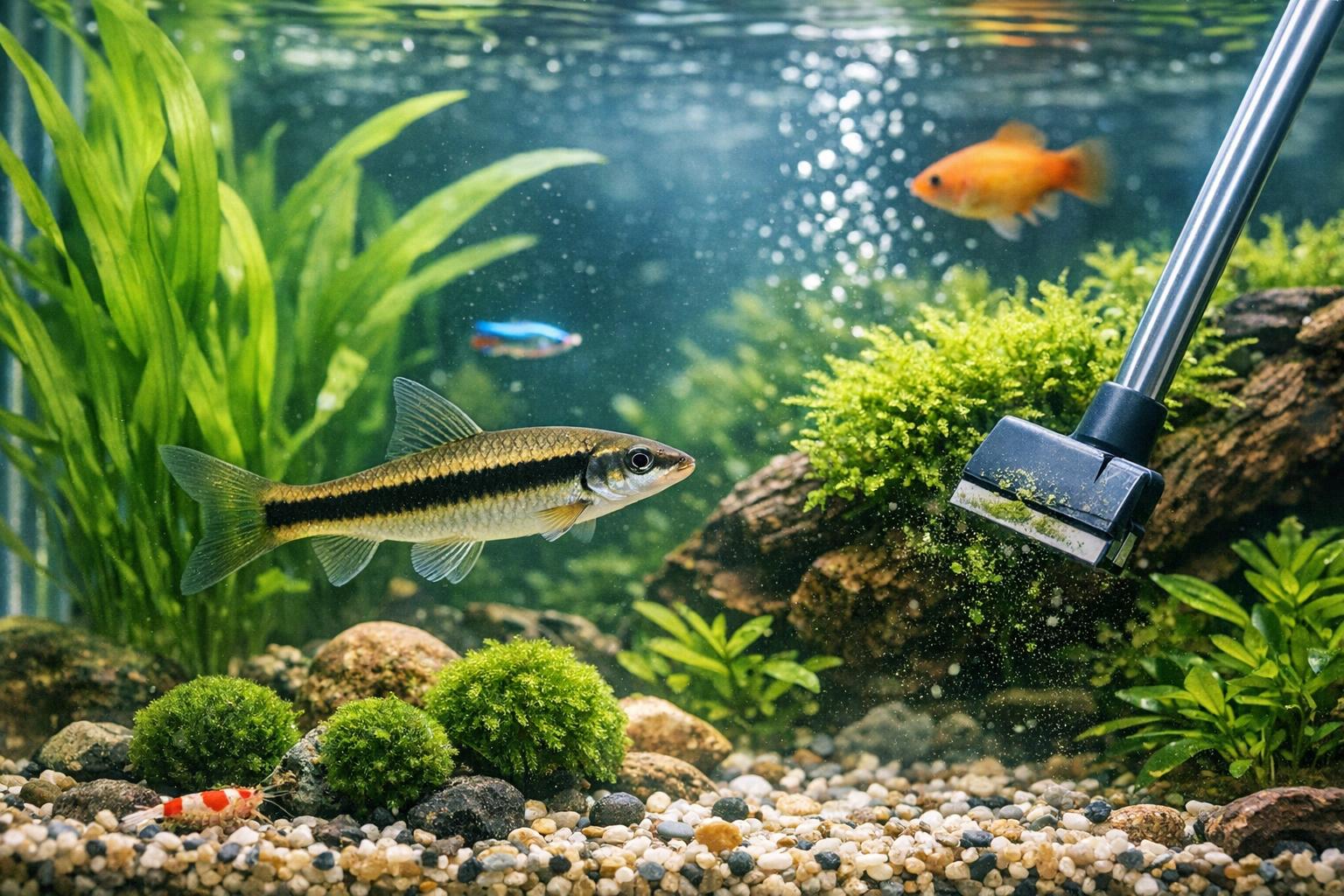
– Vacuum substrate during water changes to remove trapped uneaten food.
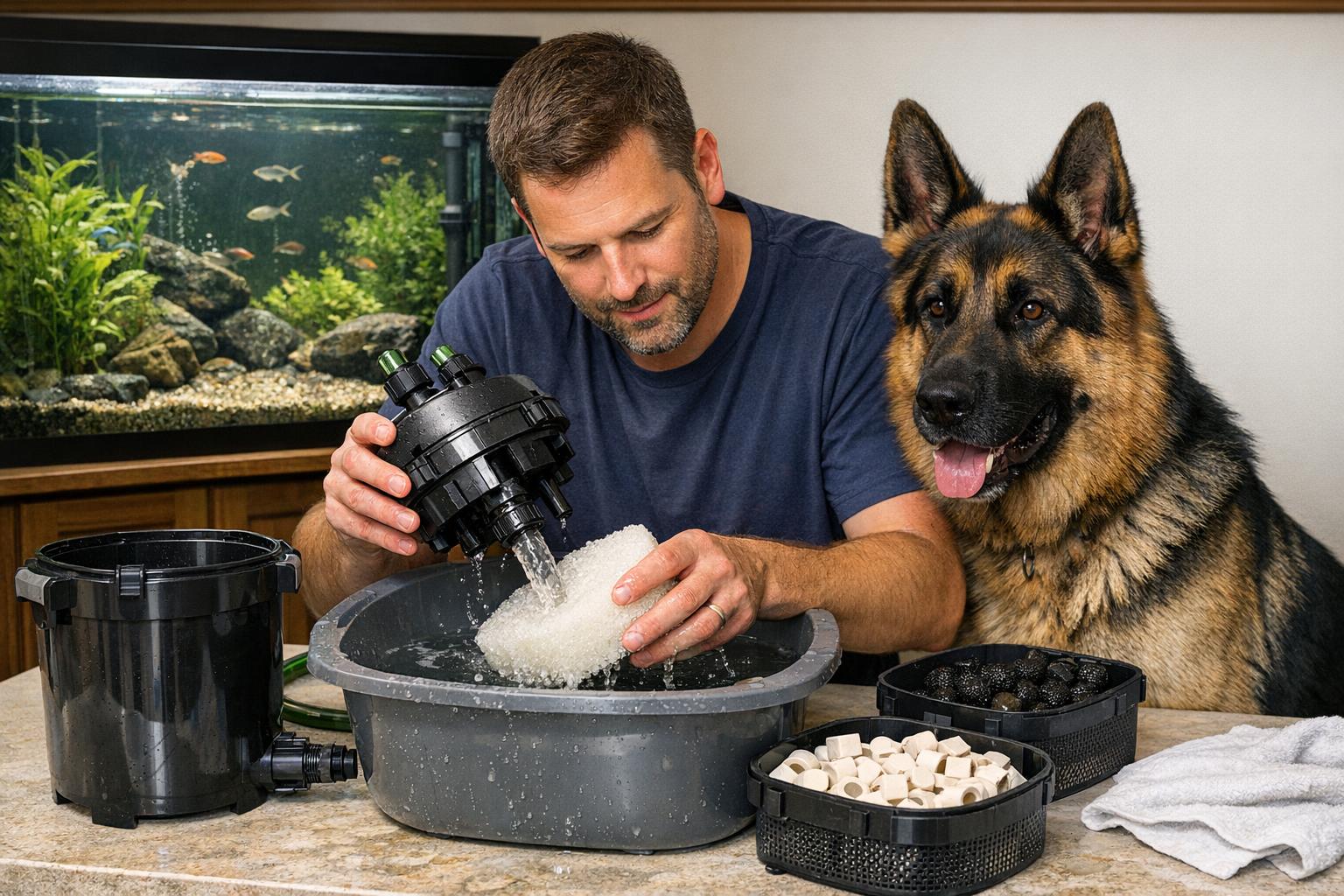
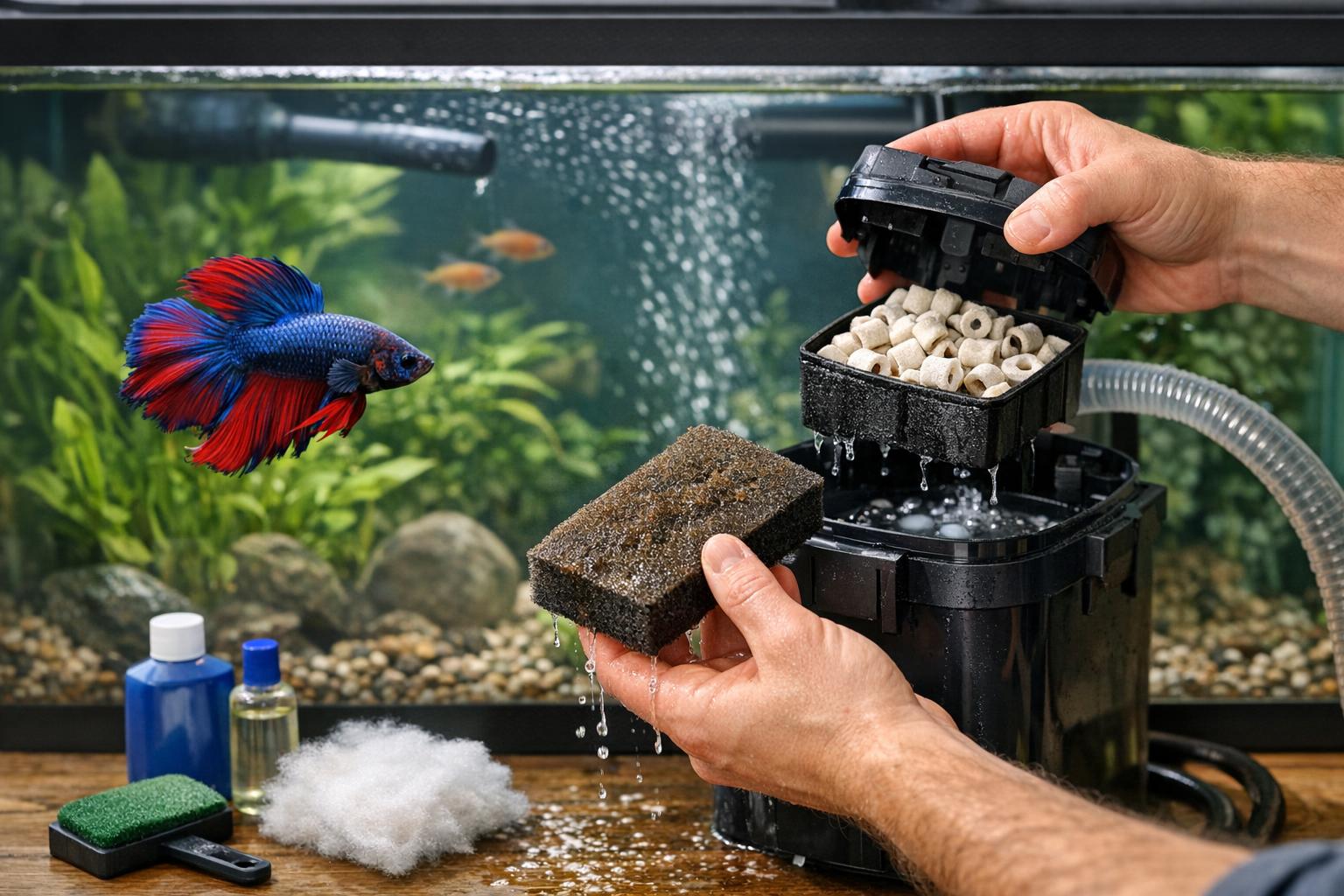
– Keep a consistent filter maintenance schedule and replace media as recommended.
– Consider stocking adjustments; a slightly overstocked tank increases the risk that any extra food will cause harm.
These management steps are procedural: schedule them like feedings and follow specific water-change percentages (e.g., 20–30% weekly) depending on your tank’s bioload.
#### Quick Troubleshooting Tips
If you encounter persistent cloudy water or ammonia spikes despite controls:
1. Reduce portion sizes by another 10–20%.
2. Perform a 30% partial water change and vacuum substrate.
3. Re-check filtration capacity — upgrade if necessary.
4. Temporarily increase water testing frequency until stable.
Keeping the process systematic and documented helps prevent slips back into fish overfeeding habits. Implement one remedy at a time, measure results, and then layer another if needed — slow, steady changes are kinder to the tank than enthusiastic overhauls.
Now go wash your hands, measure those portions, and give your fish the disciplined diet they deserve. They’ll thank you by not clouding your water or staging a tiny, soggy food revolt.





















Leave a Reply