
If you keep guppies, you already know they’re tiny bundles of color and personality — and they’re surprisingly picky about their spa temperature. A steady guppy fish water temperature is one of the simplest, most important things you can control to keep them healthy and happy. Think of it as setting the thermostat for a very small, very judgmental underwater apartment.
## Guppy Fish Water Temperature: Why It Matters
Guppies are tropical fish that evolved in relatively stable warm-water habitats. Their metabolism, immune system performance, digestion, breeding cycles, and behavior are all temperature-dependent. When your guppy fish water temperature drifts too low, metabolism slows, making fish sluggish and more vulnerable to infections. When it’s too high, oxygen levels fall and stress spikes, which can also lower disease resistance.
Even small fluctuations can trigger problems: lowered appetite, clamped fins, faded color, or increased aggression. For breeding tanks, temperature affects fertility and fry survival. Because guppies are small and have fast metabolisms, they feel temperature changes more quickly than larger fish, so keeping that guppy fish water temperature consistent is key.
### Signs Your Tank Is Too Cold Or Too Hot
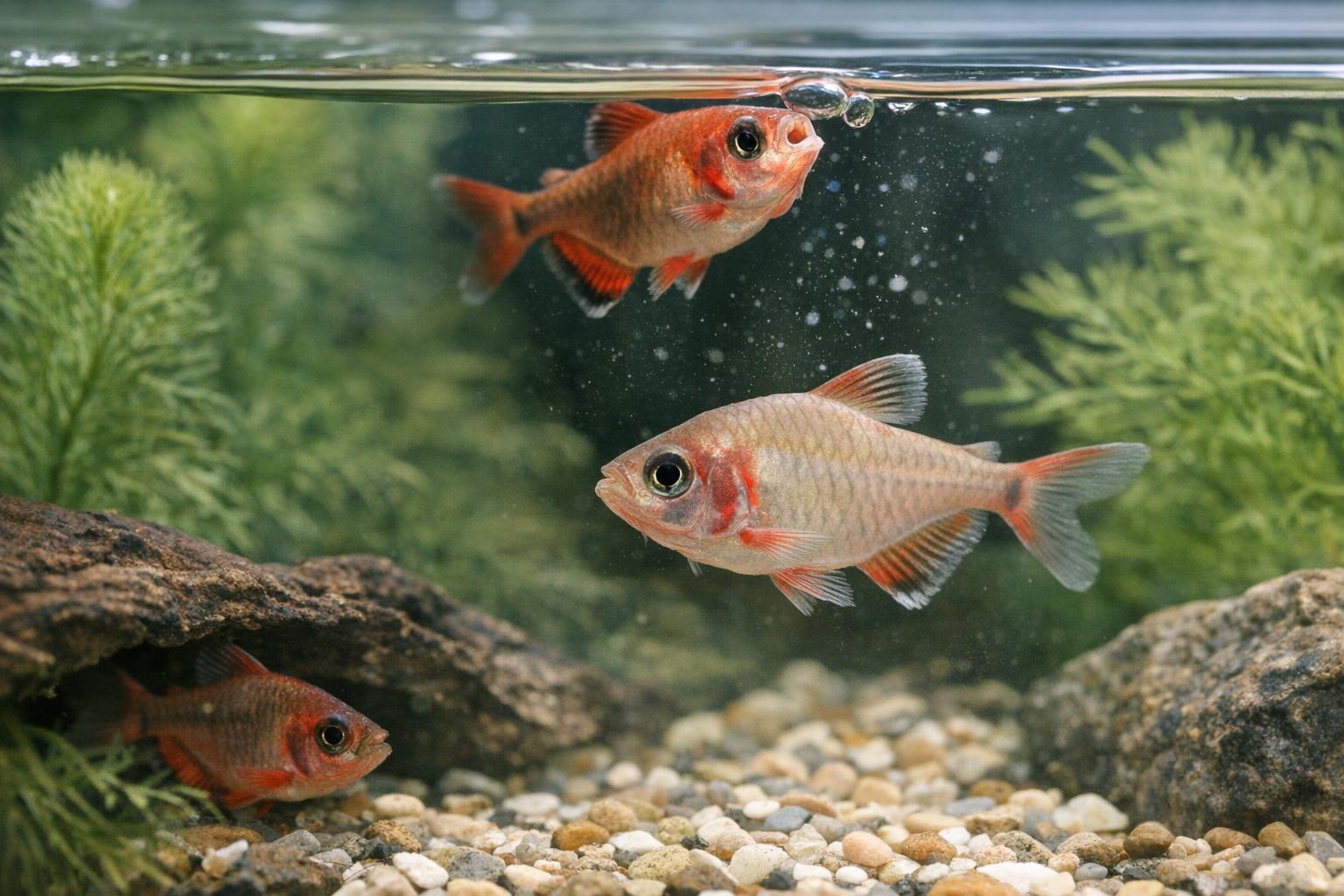
Watch your fish as a living thermometer. Common signs of a tank that’s too cold include lethargy, reduced swimming, slower respiration (gill movements), and less interest in food. For overheated water, look for rapid breathing, gasping at the surface, erratic swimming, and increased hiding. Both extremes can bring on secondary issues like ich or bacterial infections.
A good rule of thumb: sudden behavior changes, especially following ambient temperature swings in your home, often point to water temperature problems rather than mysterious illnesses.
### Safe Temperature Range For Guppies
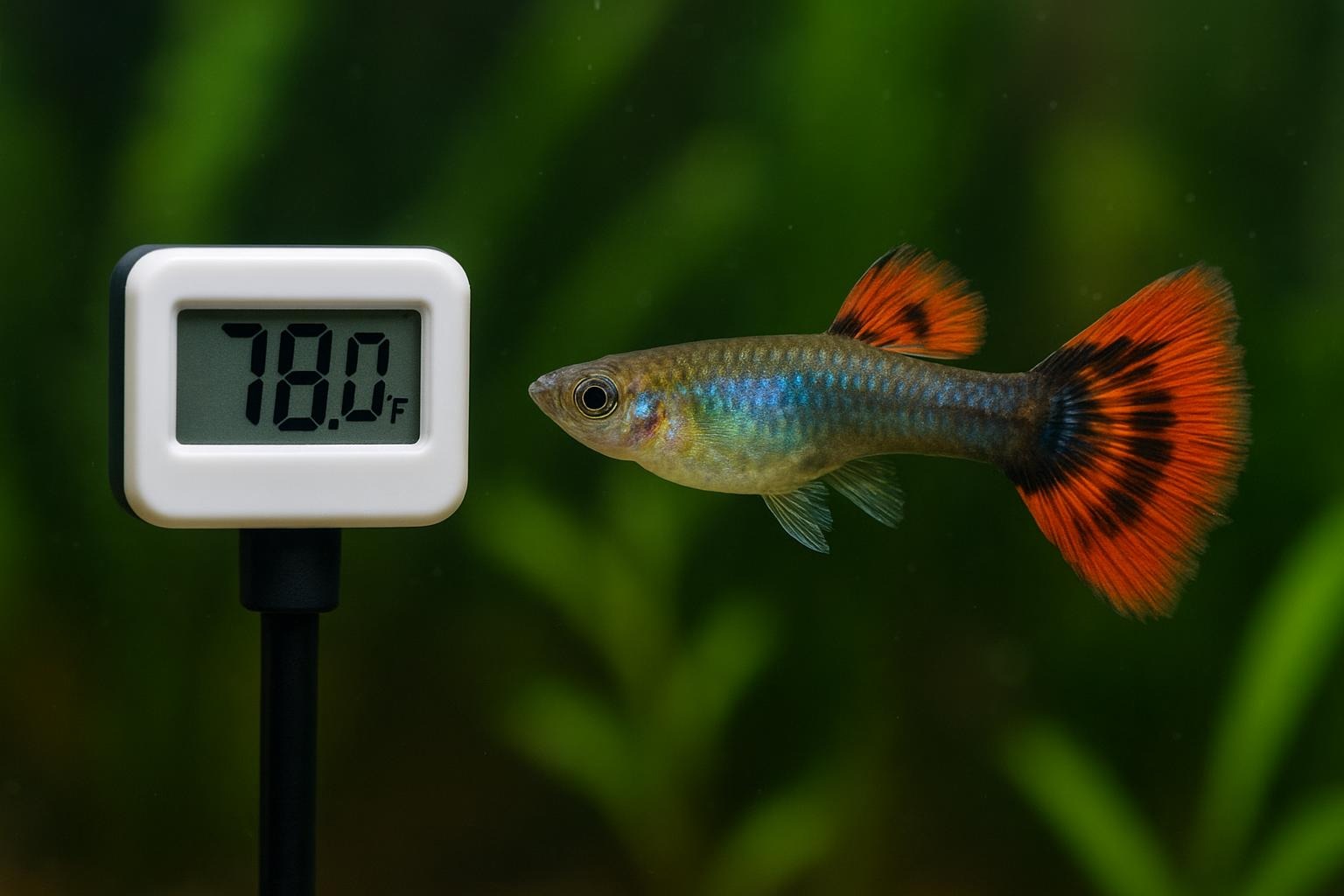
Guppies do best in a narrow band. Maintain a guppy fish water temperature between 74°F and 82°F (23°C–28°C). Most hobbyists settle around 76°F–78°F for a balance of health and breeding activity. Keep a reliable thermometer visible on the tank and check it daily — consistency is as important as the number itself.
## Quick Remedies (1) Temporary Warmth For Chilly Tanks
When a cold snap or a malfunctioning heater leaves your tank too cool, act calmly and quickly. Below is a formal, step-by-step emergency remedy to raise the guppy fish water temperature safely without stressing the fish.
Ingredients / Required Materials:
– Submersible aquarium heater (rated for your tank volume) or a temporary immersion heater
– Digital aquarium thermometer (backup)
– Clean buckets (plastic, dedicated to aquarium use)
– Warm tap water or pre-warmed water (matched to tank parameters where possible)
– Hand towel or aquarium-safe glass lid for reducing heat loss
Step-By-Step Creation And Application:
1. Assess Current Temperature: Confirm readings with your digital thermometer. Note ambient room temperature and tank temp.
2. Prepare Warm Water: If you plan a partial water change, heat replacement water to about 2–4°F (1–2°C) warmer than the tank. Avoid water hotter than 82°F to prevent shock.
3. Partial Water Change Method (Safer): Remove 20–30% of tank water using a clean siphon and immediately replace with pre-warmed, dechlorinated water. Do this gradually over 15–30 minutes to avoid thermal shock. Re-measure tank temperature.
4. Add a Temporary Heater If Needed: If the tank has no working heater or needs faster warming, place a rated submersible heater set slightly below target (e.g., 75°F if aiming 76–78°F) to avoid overshooting. Use the thermometer to monitor.
5. Reduce Heat Loss: Cover exposed tank top with a towel or lid, leaving some ventilation to avoid ammonia buildup. This slows heat dissipation while the heater works.
6. Monitor Continuously: Check temperature every 10–15 minutes until stable. Watch fish behavior—if they appear distressed (rapid breathing, erratic swimming), make adjustments slowly.
7. Restore Regular Setup: Once temp is stable in range, reduce heater setting to standard and remove any temporary heaters. Perform another small water change if necessary to balance chemistry.
Be precise and avoid rapid jumps; a controlled, incremental rise is safer for guppies than blasting heat into the tank.
## Long-Term Solutions (2) Stable Temperature Control
For ongoing stability and fewer emergency fixes, invest in systems and routines designed to keep guppy fish water temperature steady year-round. These approaches reduce stress and health issues over time.
Ingredients / Required Materials:
– Quality adjustable aquarium heater sized for your tank (use wattage calculator: ~3–5 W per gallon as a general guide, adjust for room conditions)
– Backup heater or dual-heater setup for redundancy
– Reliable thermometer (stick-on and digital probe combination recommended)
– Heater guard/cover and adequate circulation pump or filter
– Timer or temperature controller (optional for advanced setups)
Step-By-Step Creation And Application:
1. Select an Appropriate Heater: Choose a well-reviewed, adjustable submersible heater sized for your tank volume. For stability, many experienced keepers use two smaller heaters instead of one large one, placed on opposite sides for even heat.
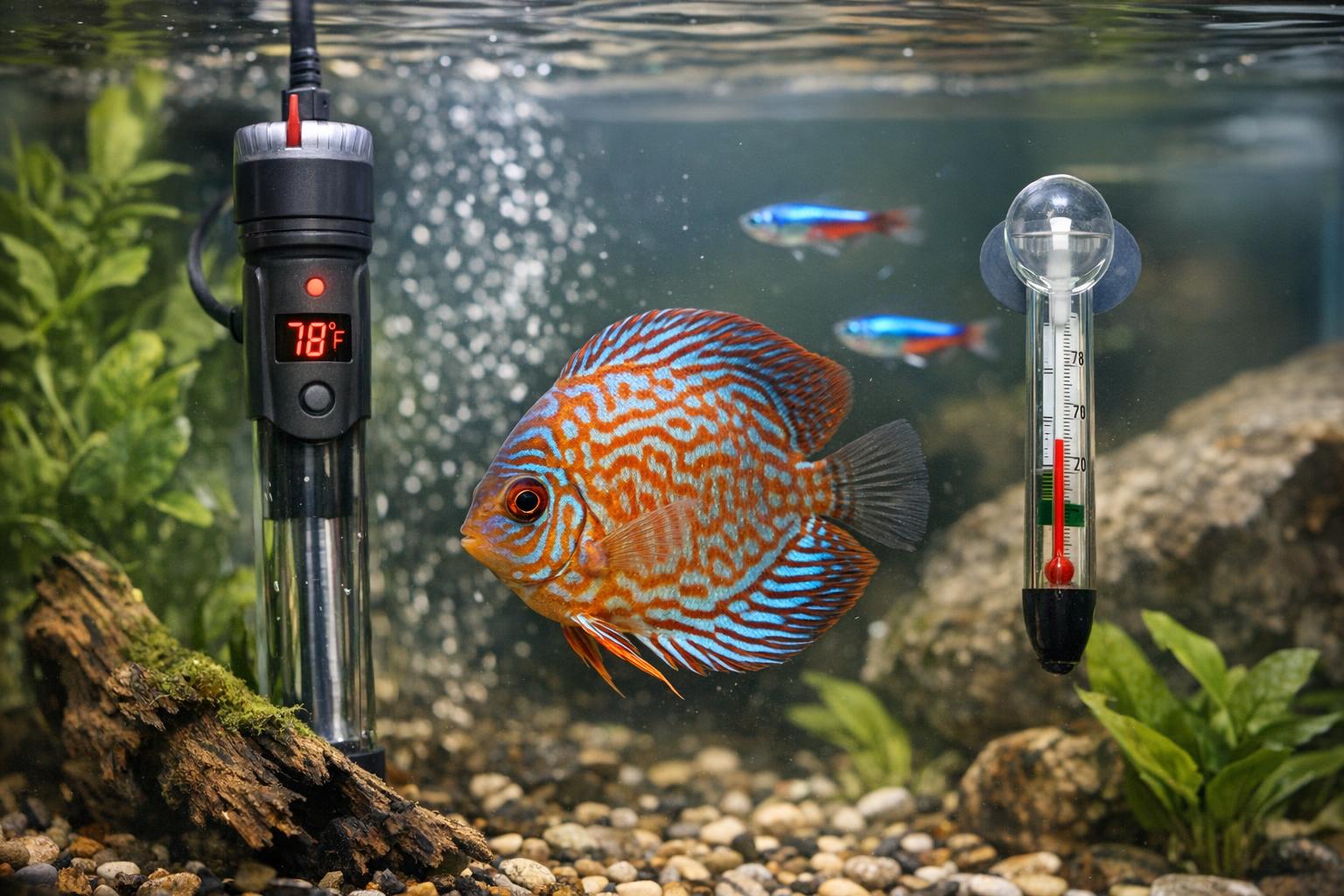
2. Install Thermometer And Positioning: Install a digital probe thermometer at mid-water level, away from direct heater flow to avoid false hot spots. Use stick-on thermometer as a quick visual check, but rely on the probe for accuracy.
3. Heater Placement And Guarding: Place the heater horizontally or vertically as manufacturer suggests, ensuring water flow moves the heated water around. Use a guard to prevent fish contact and accidental damage.
4. Set Target Temperature: Program the heater to your chosen target (e.g., 77°F). If using two heaters, set them slightly apart (both to same setting is fine) to ensure redundancy but avoid conflicting thermostats.
5. Use A Controller Or UPS For Safety: If your house experiences power fluctuations, a temperature controller with alarm or a small UPS battery backup can prevent dangerous drops or spikes during outages.
6. Maintain And Monitor: Check equipment weekly for buildup, ensure the heater’s thermostat is functioning, and replace older heaters every few years. Record temperatures daily for the first few weeks after setup to confirm stability.
7. Seasonal Adjustments: If your home experiences large seasonal shifts, increase monitoring frequency and consider insulating the stand or room slightly rather than continually altering heater settings.
This formal approach minimizes temperature swings and creates a predictable environment for guppies to thrive.
### Monitoring And Best Practices
Consistent monitoring prevents most temperature-related issues. Use a dual readout system: a stick-on thermometer for glance checks and a digital probe for accuracy. Place thermometers away from direct heater contact and away from filters that suck in cooler water. Acclimate new fish slowly to your tank’s guppy fish water temperature by floating their bag and gradually mixing tank water over 20–30 minutes.
Avoid sudden adjustments. When changing tank temperature, aim for no more than a 1–2°F shift per hour. Keep records of temperature trends, especially during HVAC changes or seasonal transitions.
#### Heater Safety Tips
Always unplug heaters during tank maintenance when removing fish or equipment. Do not operate a heater dry — ensure it remains fully submerged if it’s designed to be submersible. Secure cords to prevent chewers (curious cats and dogs) and use a drip loop to keep outlets dry. Replace heaters showing erratic behavior; they’re inexpensive compared to the cost of a sick tank. Remember that a well-chosen, well-maintained heating setup is the backbone of reliable guppy care.
#### Emergency Cooling Tips
If the tank overheats, move fast but calmly. Partial water change with cooler (but not cold) dechlorinated water is the safest immediate step. Increase surface agitation and add ice-pack wrapped in plastic into the water temporarily if you need a quicker drop; monitor parameters to avoid rapid swings. Turn off room heat sources and use fans to promote evaporative cooling, but avoid creating drafts directly on the tank for long periods.
Keep in mind that prevention — via steady guppy fish water temperature practices — is far easier than emergency correction. A reliable heater, a good thermometer, and a routine inspection beat panic and fish drama every time.
Now go check that thermometer — your guppies will appreciate the cozy consistency, and you’ll sleep better knowing you didn’t accidentally host a tropical sauna for your tiny roommates.








Leave a Reply