

Hello there — glad you stopped by. Fish can’t tell us when they’re feeling grim, but they do send signals (through frantic tail flips and sulky hiding spots) that something’s off. This article walks you through how to recognize stress in aquarium fish and gives a few simple, safe home approaches you can use right away. Expect friendly tone, a little cheer for encouragement, and when it’s remedy time I’ll switch to clear, formal steps so you don’t have to guess.
## Fish Stress Treatment: Common Indicators To Watch
Fish stress treatment starts with spotting the signs early. Stress weakens immune systems, so catching issues fast often prevents disease. Watch for these common indicators and take action quickly.
### Behavior Changes
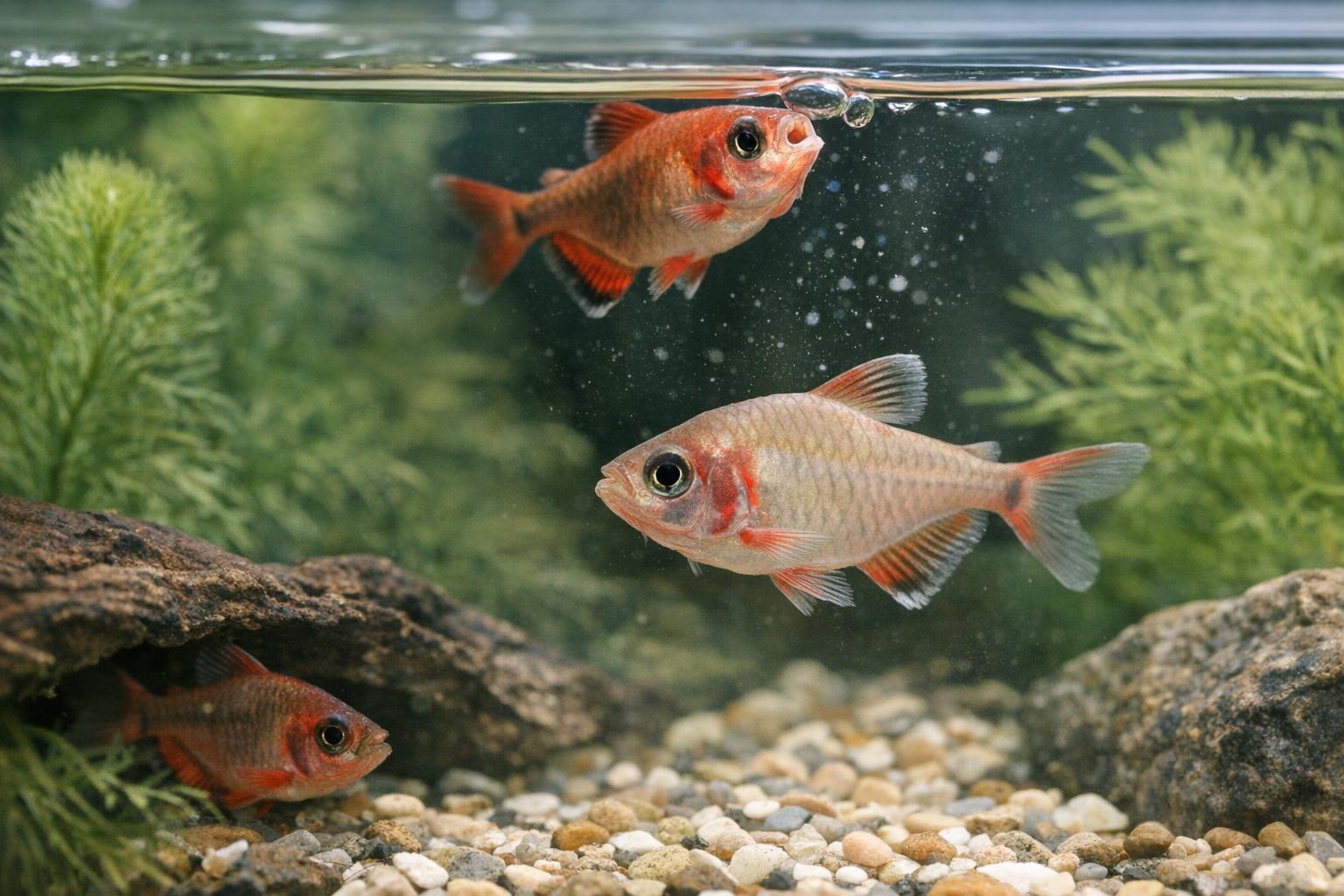
– Rapid gill movement (fast breathing) or gasping at the surface.
– Loss of appetite or refusal to eat.
– Erratic swimming: twitching, darting, or hanging at odd angles.
– Excessive hiding or lethargy (spending long periods resting on the bottom).
### Physical And Visual Cues
– Clamped fins (fins held tight against the body).
– Pale or faded color and loss of vibrancy.
– Flashing or rubbing against objects (sign of parasites or irritation).
– Visible lesions, frayed fins, cloudy eyes, or unusual mucus.
### Environmental Triggers
Water chemistry, temperature swings, poor filtration, overcrowding, aggressive tankmates, and recent moves or transport are common causes. A good fish stress treatment begins with assuming it’s an environmental issue until proven otherwise.
## 1. Epsom Salt Bath For Rapid Relief
Epsom salt is a cornerstone of many home fish stress treatment routines for freshwater species. It can help reduce mild swelling, ease constipation, and calm osmotic stress when used correctly. Do not use this treatment for marine/saltwater fish without consulting an expert.
Ingredients / Materials
1. Pharmaceutical-grade Epsom salt (magnesium sulfate).
2. A separate hospital/quarantine tank or clean container (no treatments added).
3. Dechlorinated water that matches tank temperature and pH.
4. Net, thermometer, and aeration (air stone or filter).
5. Timer and towel for brief handling, if needed.
Step-by-Step Application
1. Prepare the Hospital Tank: Fill the quarantine tank or container with dechlorinated water that matches your main tank’s temperature and pH as closely as possible to avoid shock.
2. Dissolve Epsom Salt: For a short dip, dissolve 1 teaspoon of Epsom salt per gallon of water. For a longer hospital soak, use 1 tablespoon per 5 gallons (approximately). Always dissolve fully before adding the fish.
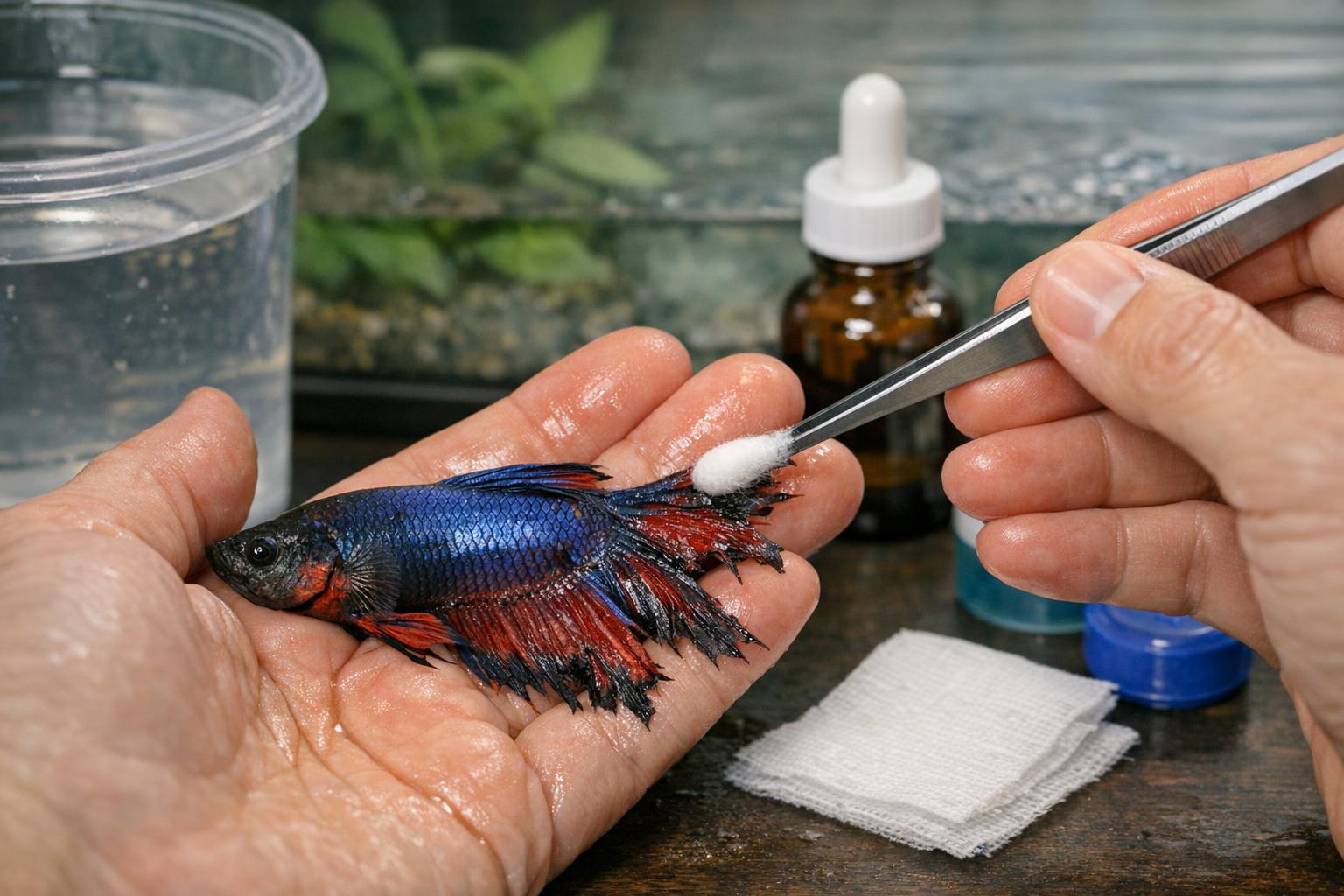
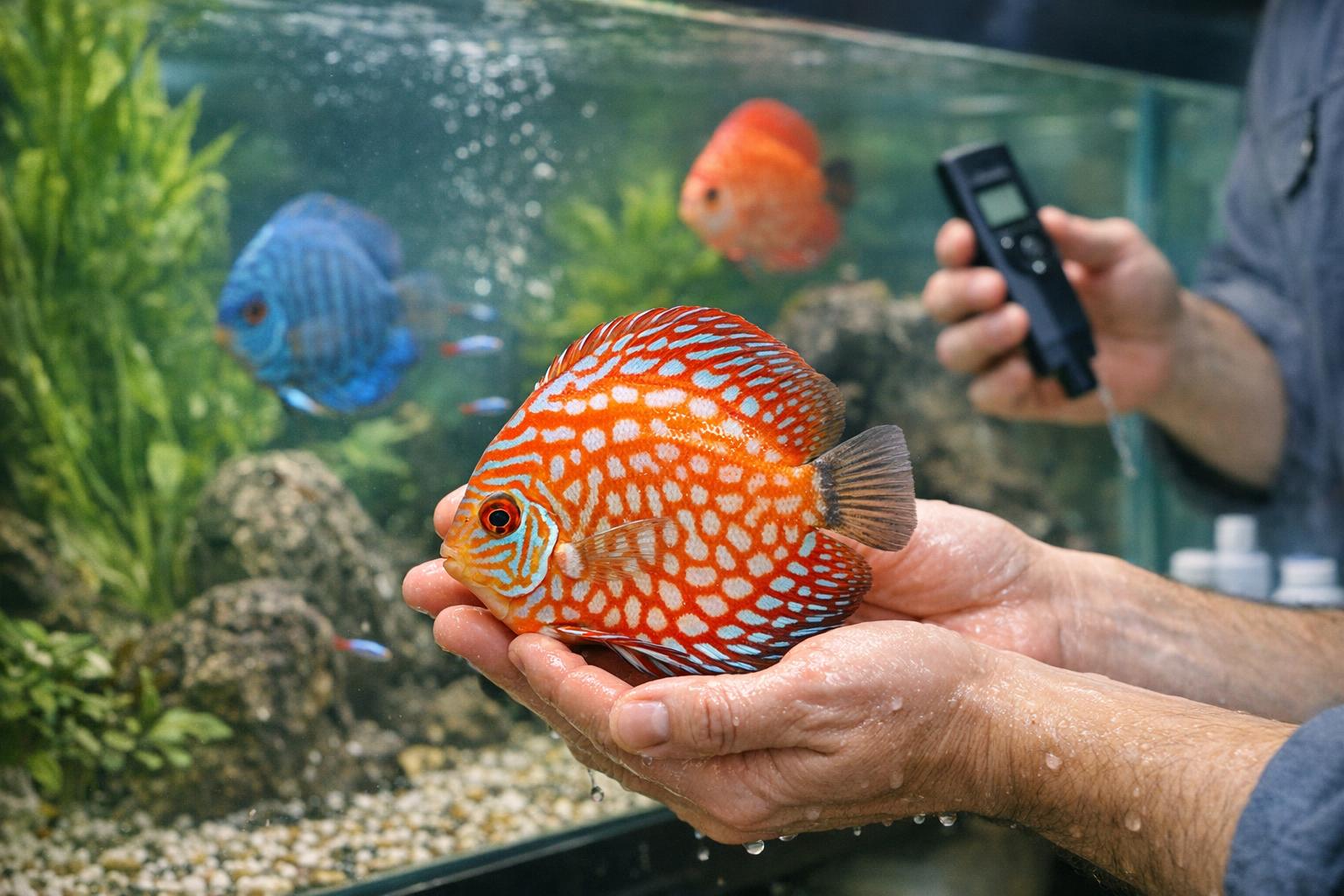
3. Transfer Gently: Net the stressed fish and place it in the prepared solution. Avoid scraping or squeezing. Minimize light and noise during the process.
4. Monitor Closely: For a short dip, observe for 10–15 minutes. For hospital tank treatment, maintain the solution and monitor for 24–48 hours, checking ammonia and oxygen levels. If the fish shows distress (increased gasping, darkening, frantic behavior), remove it immediately and return to clean water.
5. Water Changes: If you keep the fish in the Epsom-treated hospital tank, perform partial water changes (25%) daily and redose to maintain therapeutic levels if necessary.
6. Return Procedure: When the fish is visibly improved (better swimming, appetite returns), acclimate slowly back to the main tank by gradually mixing small amounts of the main tank water into the hospital water over 30–60 minutes.
Notes: Use conservative dosing and always match temperature and pH to prevent added stress. Epsom salt is not a cure-all but a supportive measure often used in a broader fish stress treatment plan.
## 2. Indian Almond Leaves (Catappa) For Soothing The Water
Indian almond leaves are a natural, gentle fish stress treatment favored for their tannins, mild antibacterial and antifungal properties, and ability to create a calm, “shaded” environment that mimics many natural waters.
Ingredients / Materials
1. Dried Indian almond (Catappa) leaves (available online or at fish stores).
2. Small mesh bag (optional).
3. Boiling pot (optional for faster release) or a jar for tea.
4. Tongs and container for steeping.
Step-by-Step Application
1. Prepare Leaves: Rinse the dried leaf to remove dust. You can use whole leaves or break into pieces for faster release.
2. Make a Tea (Optional): For quick tannin infusion, boil 1–2 leaves in a liter of water for 10–15 minutes, then cool and add to the aquarium or hospital tank. Alternatively, place leaves directly in the tank.
3. Dosage: Add one medium leaf per 10 gallons as a starting point. Expect the water to tint amber; that’s normal and beneficial in moderation. Adjust quantity based on the level of tint and your inhabitants’ needs.
4. Place Strategically: Put leaves in a mesh bag or tuck them into a corner. Fish will often explore and rest among the leaves.
5. Replacement: Replace leaves every 2–4 weeks or when they decompose. Remove large debris during water changes to keep ammonia low.
Notes: Indian almond leaves are safe for most freshwater fish and provide a mild, sustained fish stress treatment by reducing surface tension, releasing beneficial tannins, and giving fish an environment that can reduce cortisol levels.
## 3. Quick Water Fixes And Habitat Adjustments
Sometimes the best fish stress treatment is fixing what’s wrong with the tank. Quick, careful adjustments often resolve stress without medications.
Required Materials
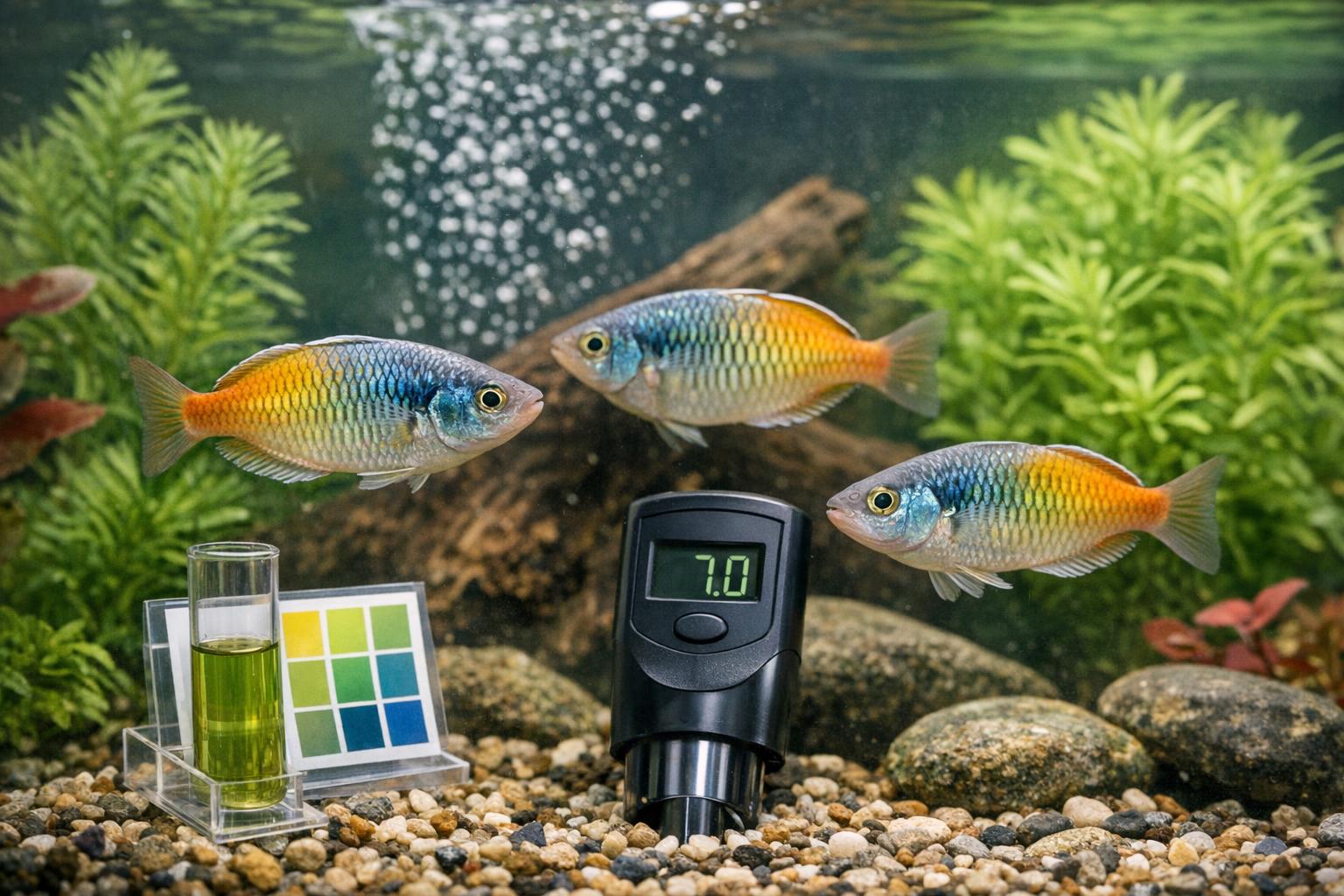
– Liquid test kit for ammonia, nitrite, nitrate, pH, GH/KH.
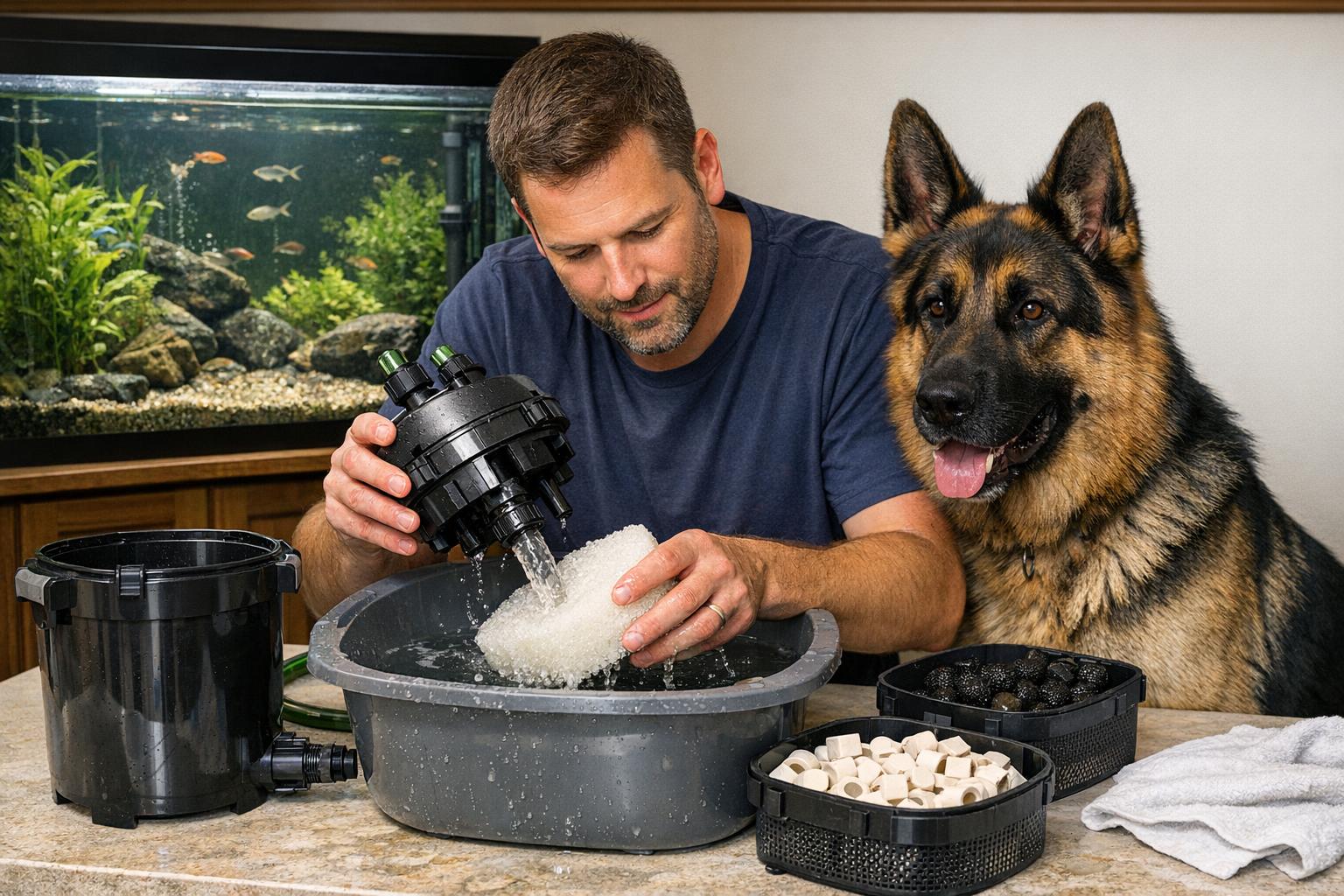
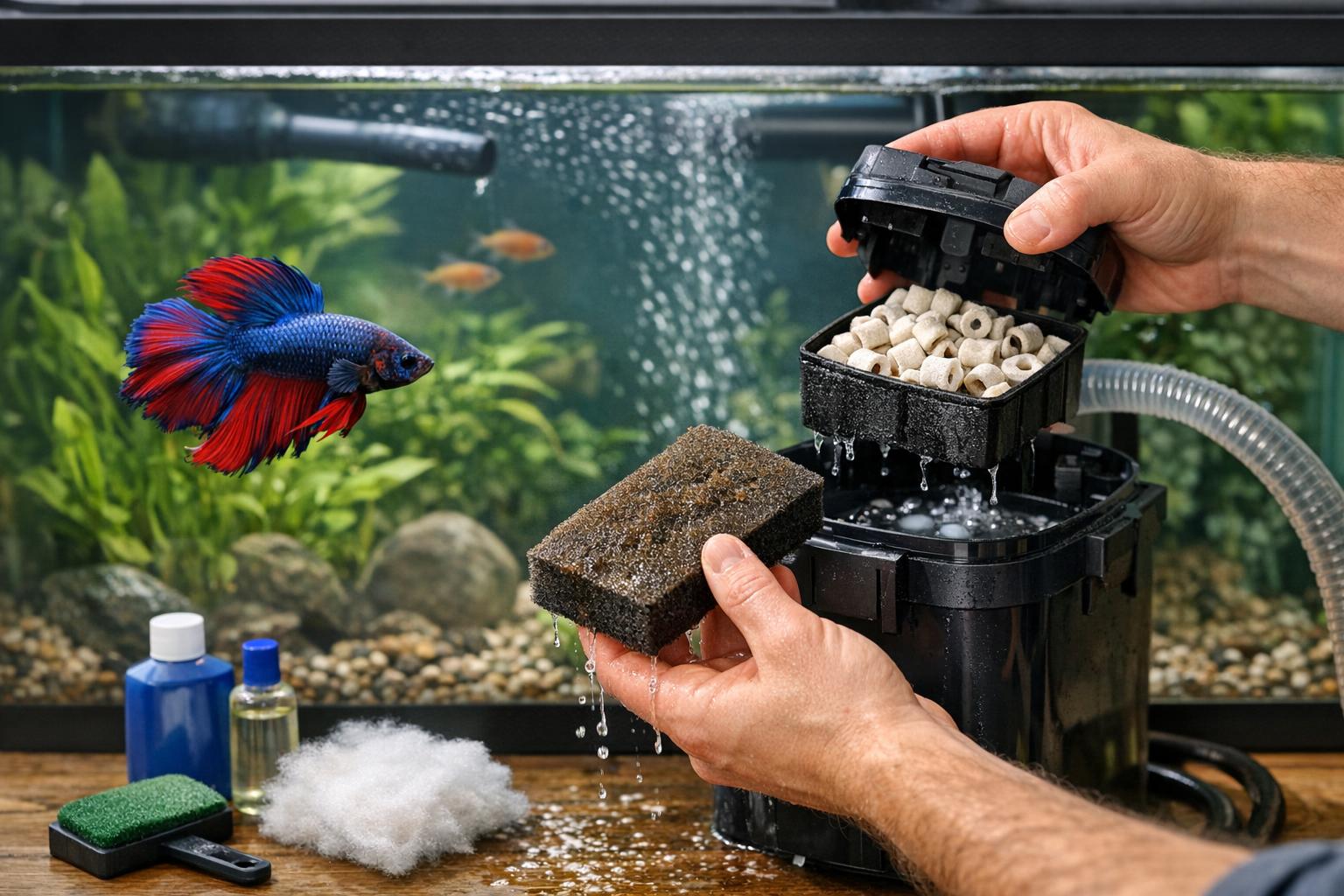
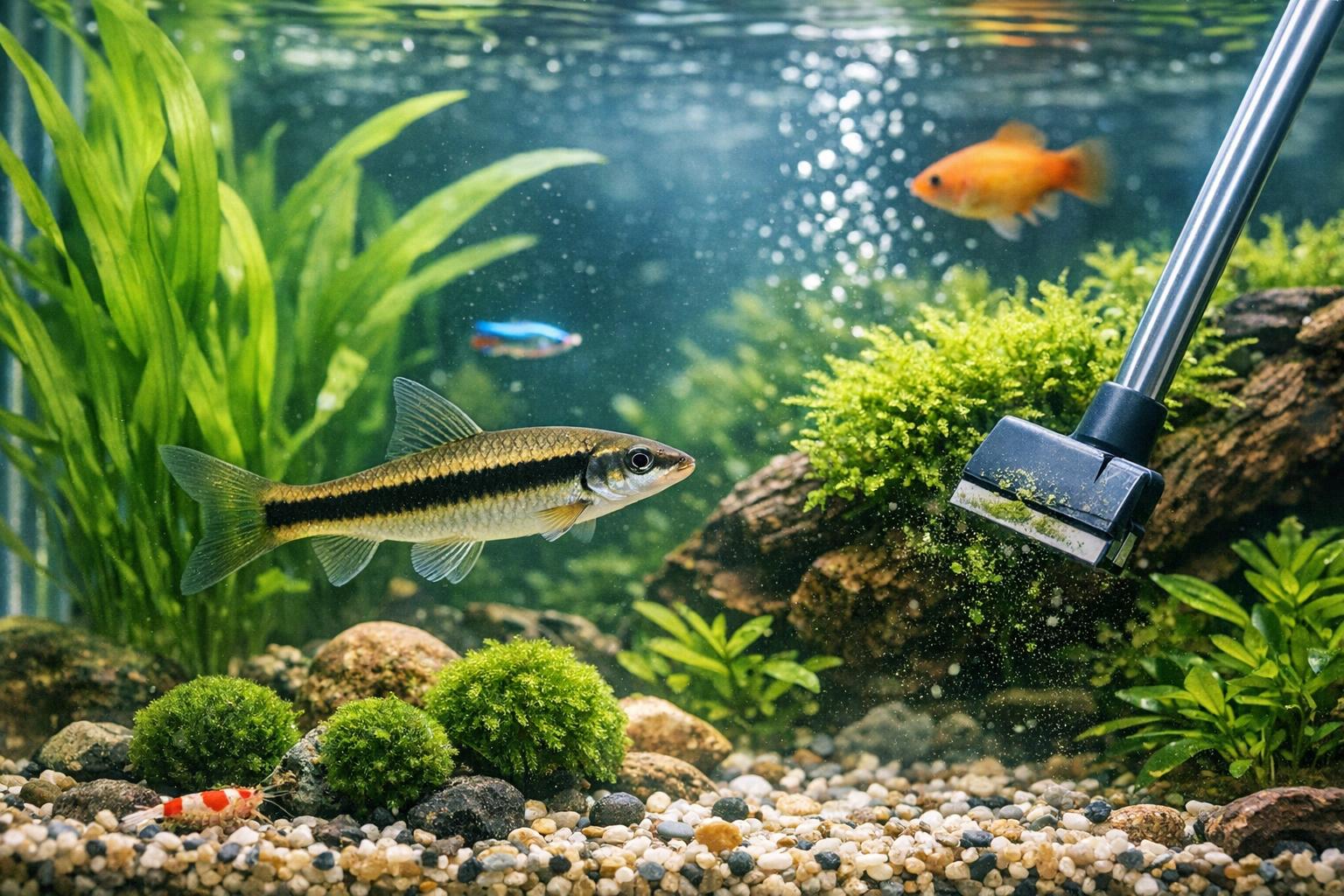
– Siphon and bucket for water changes.
– Dechlorinator/water conditioner.
– Air pump with an air stone or improved filter flow.
– Hiding places (plants, caves) and dimmable lighting.
Step-by-Step Actions
1. Test First: Before doing anything else, test the water. Ammonia or nitrite above 0 ppm is an emergency; perform a partial water change immediately (25–50%) using dechlorinated water.
2. Partial Water Changes: Do a 25–40% water change to lower toxins and refresh oxygen. Match the temperature and add dechlorinator as needed. Avoid changing water too rapidly in temperature or chemistry.
3. Increase Aeration: Add an air stone or increase surface agitation to boost oxygen. Stressed fish often breathe rapidly; better oxygen can reduce that symptom quickly.
4. Create Shelter: Add or rearrange décor to give the fish retreat spaces. Dim the lights or cover part of the tank to reduce bright exposure and let fish recover in low stress conditions.
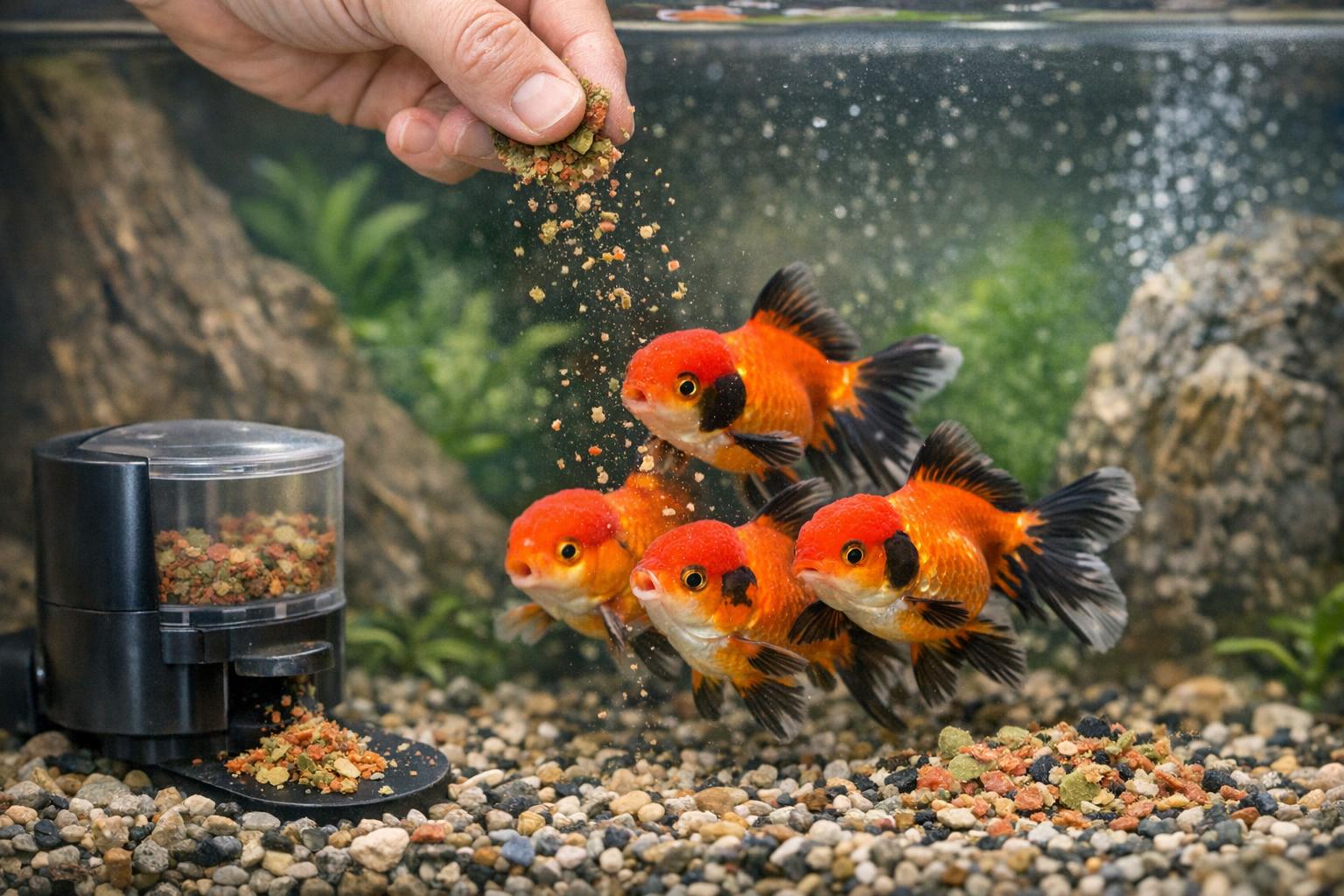
5. Reduce Feeding: If fish refuse food, stop feeding for 24–48 hours. If you do feed, offer small, easily digestible portions like thawed frozen foods or high-quality flakes.
6. Check Compatibility and Stocking: If stress is due to bullying or overcrowding, plan to rehome aggressive individuals or reduce numbers to match your tank’s capacity.
### Temperature And Acclimation Considerations
Rapid temperature changes are a frequent cause of stress. If you need to raise or lower temperature for treatment:
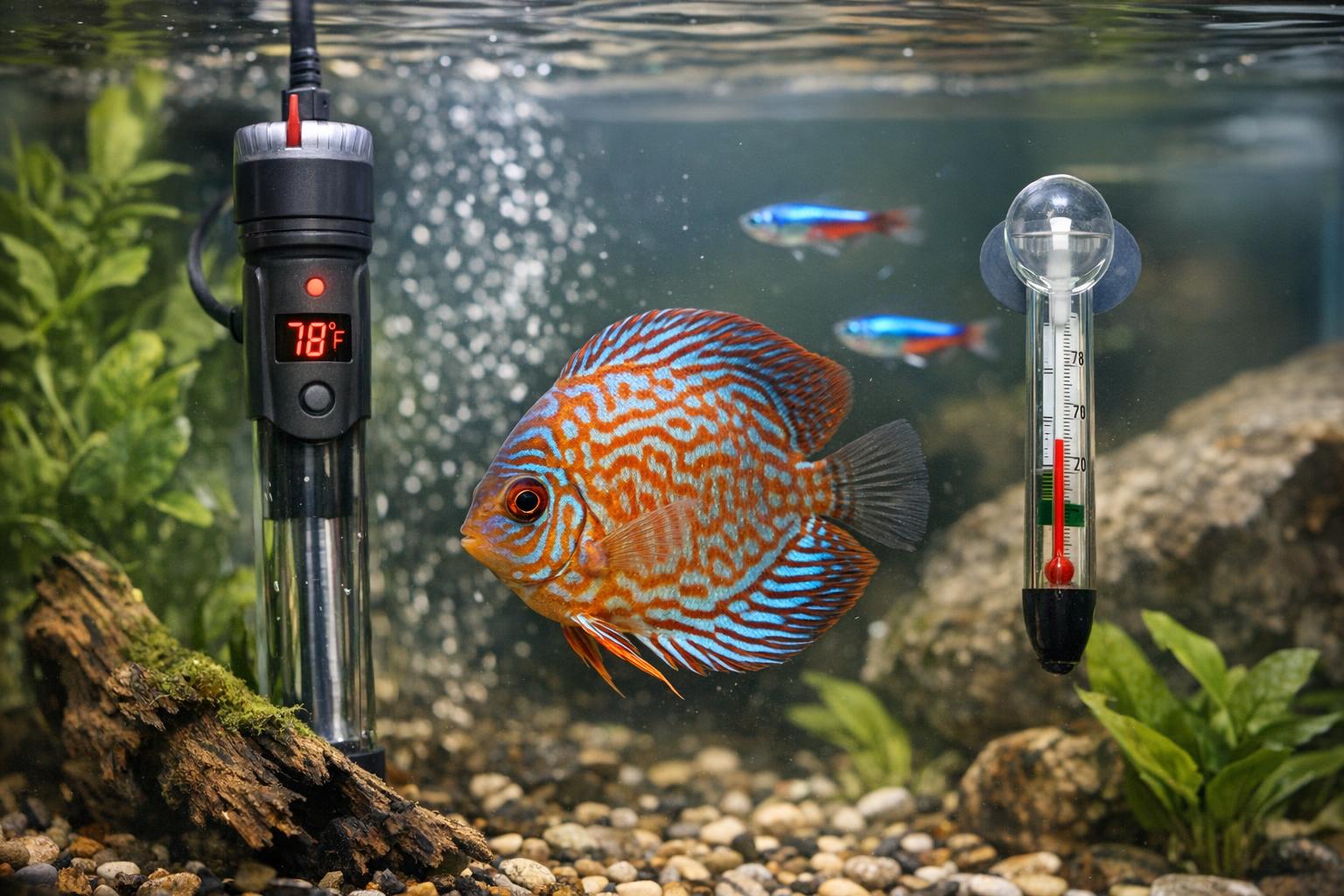
– Change temperature gradually (max ~1°F / 0.5°C per hour) until the desired range is reached.
– Use a separate, preheated quarantine tank when possible to avoid shocking the entire main display.
## When To Escalate Care
If home fish stress treatment steps (water change, Epsom soak, tannin addition, aeration, hiding spots) don’t show improvement within 48–72 hours, or if signs worsen (severe breathing, large lesions, erratic spiral swimming), seek advice from a veterinarian experienced with fish or an aquatic specialist. Some conditions require prescription medications or professional intervention.
There you go — a friendly guide to spotting stress and three practical, mostly natural fish stress treatment approaches you can use at home. Follow the steps carefully, monitor closely, and you’ll give your finned friend the best chance to bounce back.





Leave a Reply