
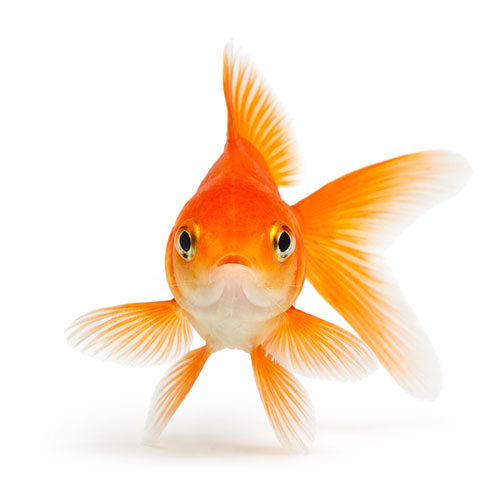

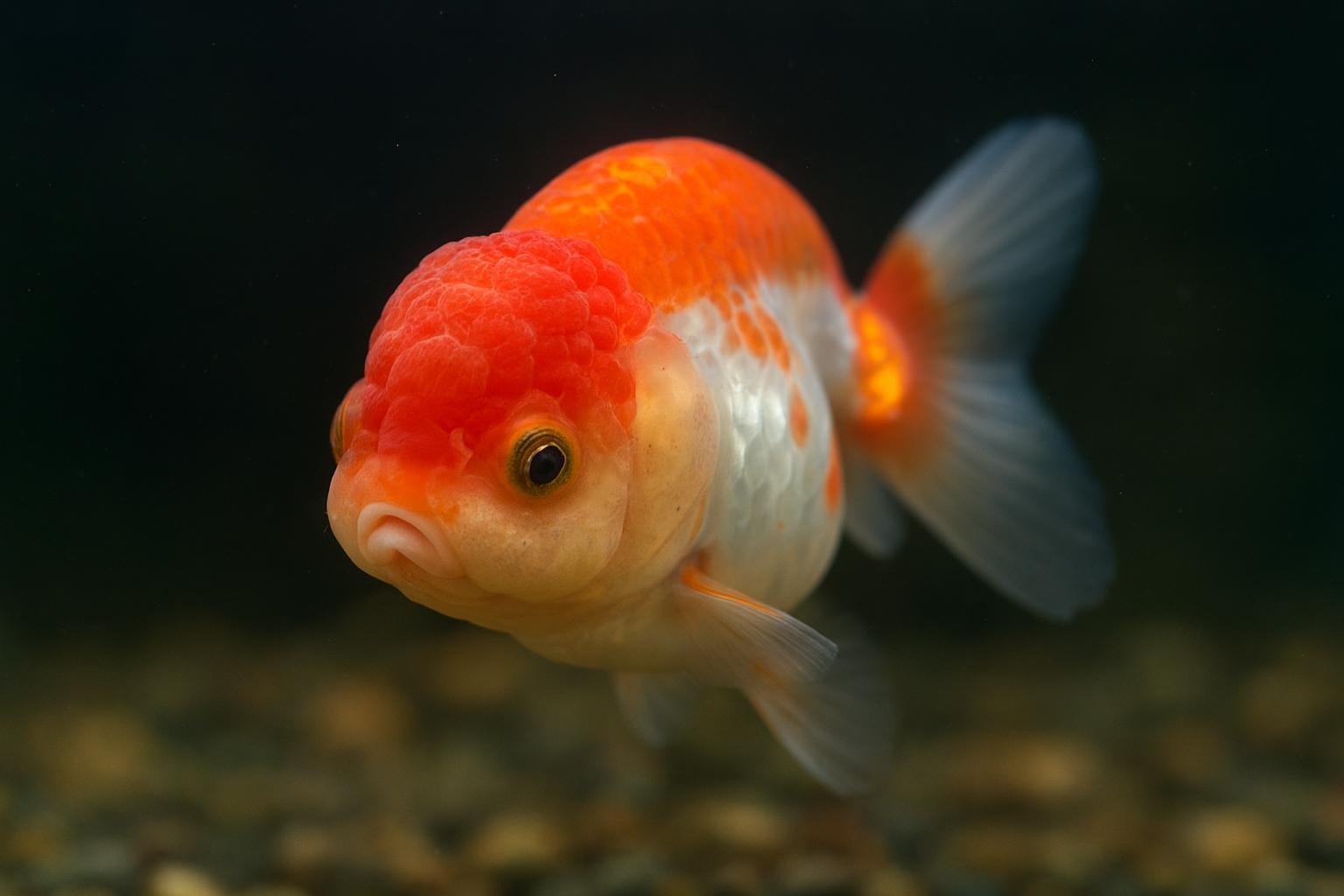
If your fish have been acting like tiny underwater drama queens — gasping at the surface, hiding behind the fake castle, or suddenly looking pallid — it’s likely they’re trying to tell you something. Fish can’t text us or roll their eyes theatrically, so we have to learn to read their signals. Below are clear indicators of stress in fish, why they happen, and two practical, natural remedies you can use to help your aquatic pals bounce back.
## Stress In Fish: Common Signs And What They Mean
Stress in fish shows up in ways that are both obvious and subtle. Knowing the difference between normal behavior and stress responses helps you act sooner and more effectively. Here’s what to watch for.
### Behavioral Signs
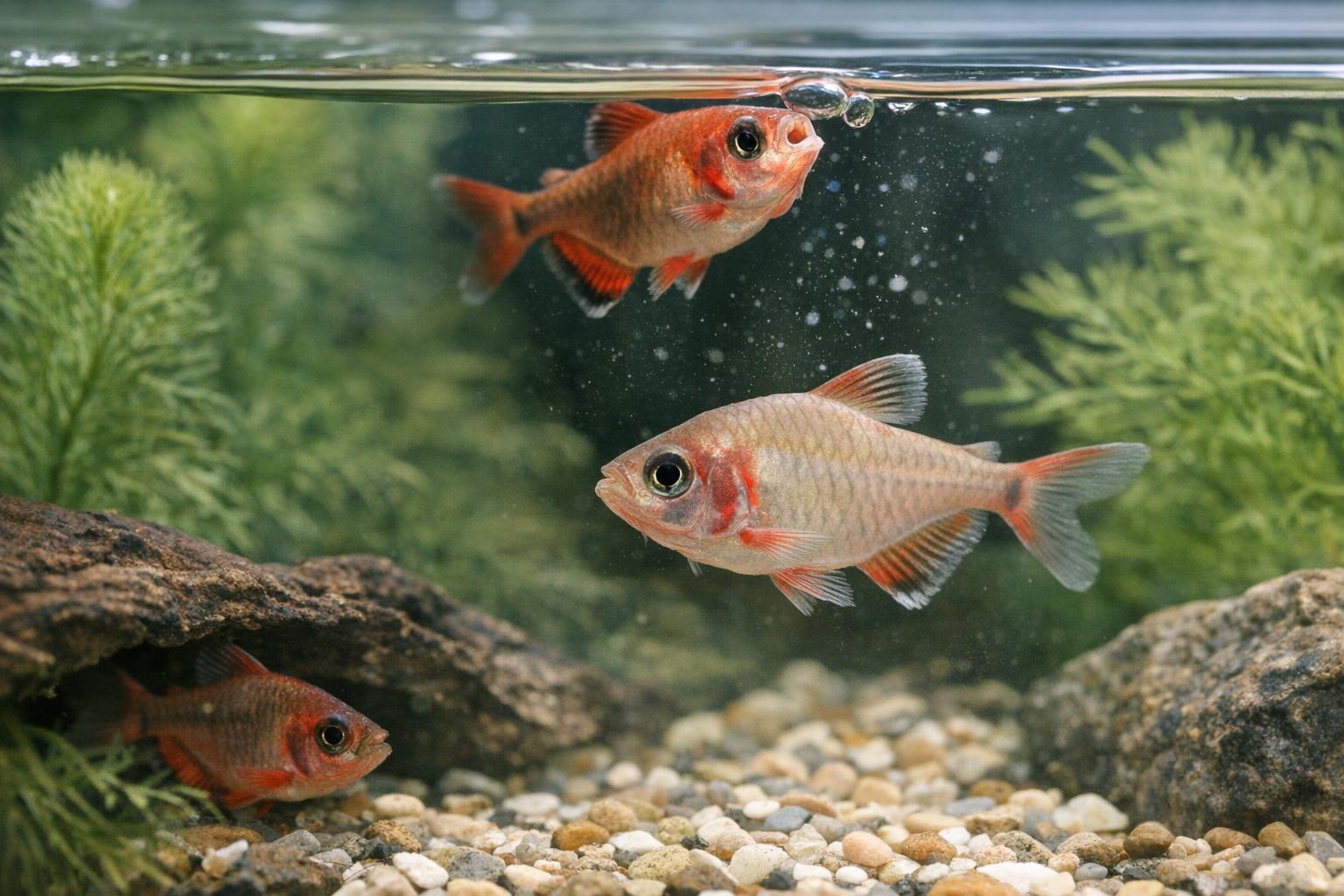
– Gasping At The Surface: When oxygen is low, fish will hang out near the water surface where gas exchange is greater. This can be a hallmark of poor water quality or low oxygenation.
– Lethargy Or Loss Of Appetite: A stressed fish may stop eating or become unusually sluggish. Over time this weakens immune response.
– Erratic Or Fragile Swimming: Darts, spirals, rubbing against objects (flashing), or swimming at odd angles can mean irritation, parasites, or neurological distress.
– Excessive Hiding Or Clinging To Decor: Too much hiding indicates fear or discomfort from aggressive tankmates or sudden environmental changes.
### Physical Signs
– Clamped Fins: Fins held close to the body instead of fanned out show stress or illness.
– Pale Or Faded Colors: A sudden loss of vibrant color is a common physiological stress response.
– Rapid Gill Movement Or Labored Breathing: This is a red flag for oxygen issues, high ammonia/nitrite, or disease.
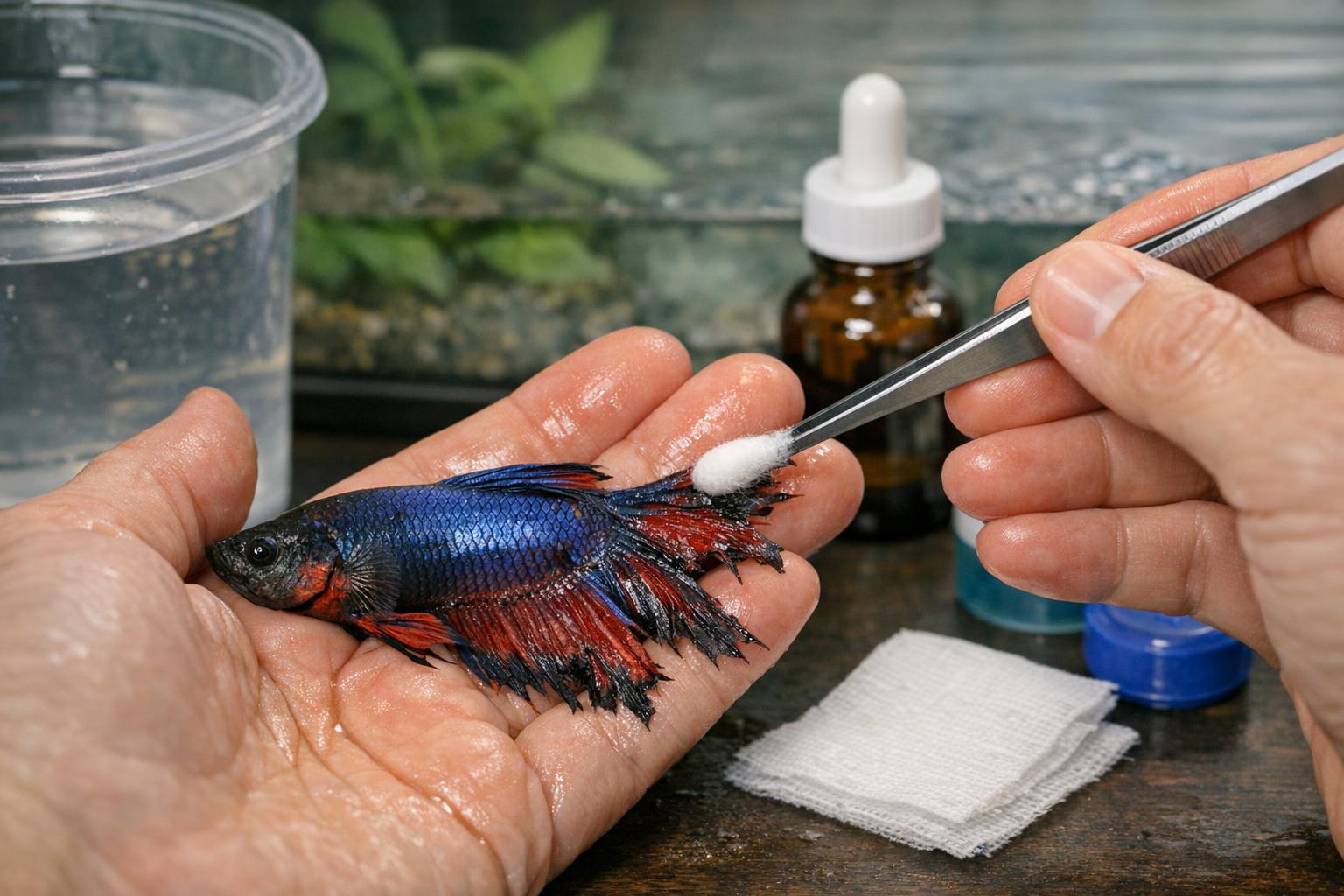
– Visible Lesions, Spots, Or Frayed Fins: These can be secondary signs after stress weakens the fish’s defenses.
### Environmental Triggers
Stress in fish usually traces back to one or a combination of environmental issues:
#### Water Parameters
Ammonia, nitrite, nitrate, pH swings, and temperature fluctuations are major stressors. Even “marginal” levels can pile up over time.
#### Tankmates And Overcrowding
Aggression or competition for food and space can cause chronic stress.
#### Poor Oxygenation And Filtration
Lack of surface agitation or inadequate filtration reduces water quality and oxygen levels.
#### Sudden Changes
Rapid water changes, new decor, or abrupt lighting shifts can spook sensitive species. Fish prefer predictable routines.
## 2 Remedies For Stress In Fish: Water, Environment, And Natural Treatments
When implementing remedies for stress in fish, be precise and cautious. Sudden corrections can cause further shock. Below are two effective remedies: the first focuses on stabilizing water quality and environment; the second emphasizes natural, supportive treatments and enrichment. Follow the materials lists and step-by-step instructions exactly.
### 1) Remedy 1 — Water Quality Stabilization And Environment Optimization
Intent: Remove immediate chemical and physical stressors. This is the primary, non-negotiable step for stressed fish.
Materials / Ingredients:
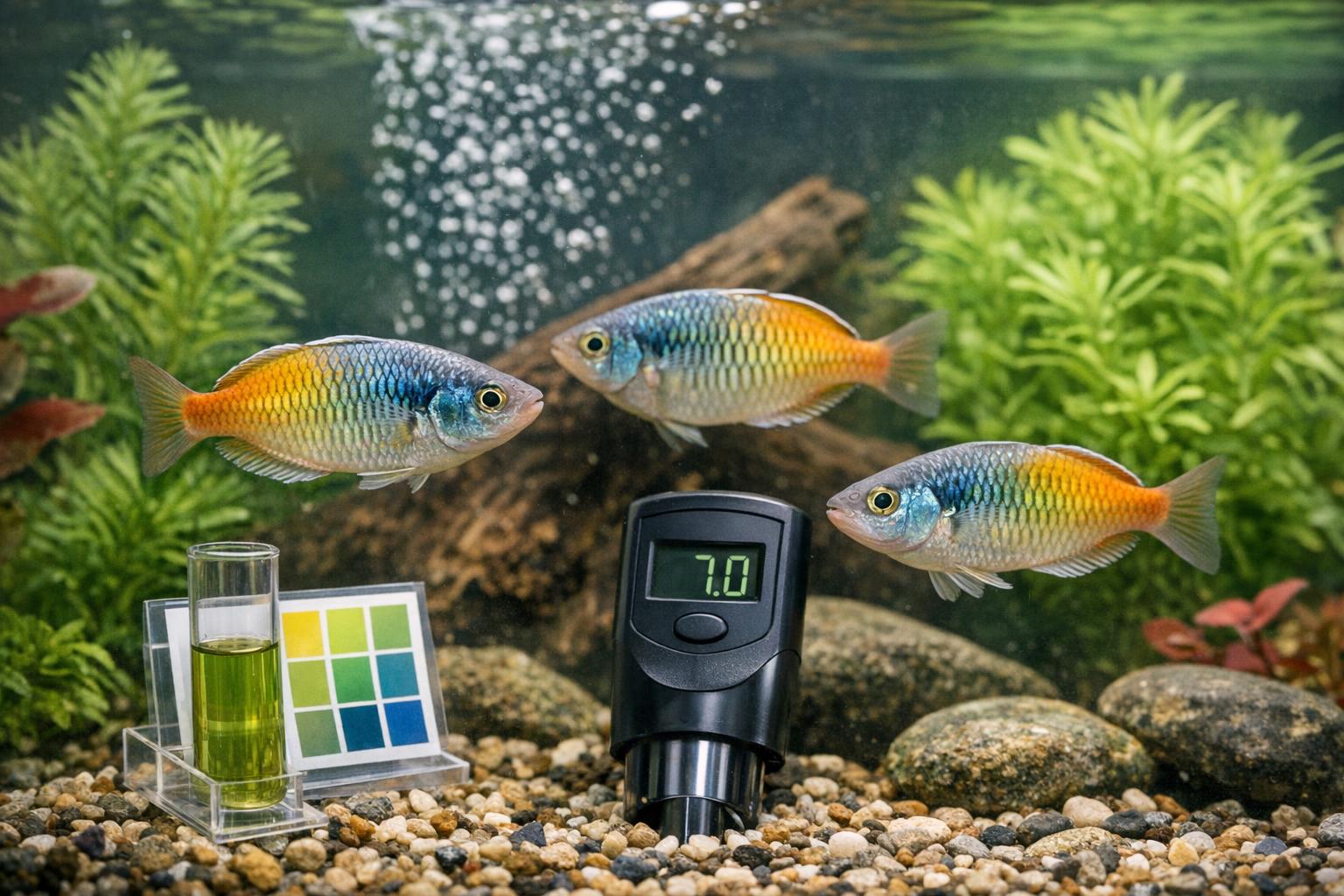
– Reliable liquid test kit (ammonia, nitrite, nitrate, pH)
– Dechlorinator/neutralizer appropriate for your tap water
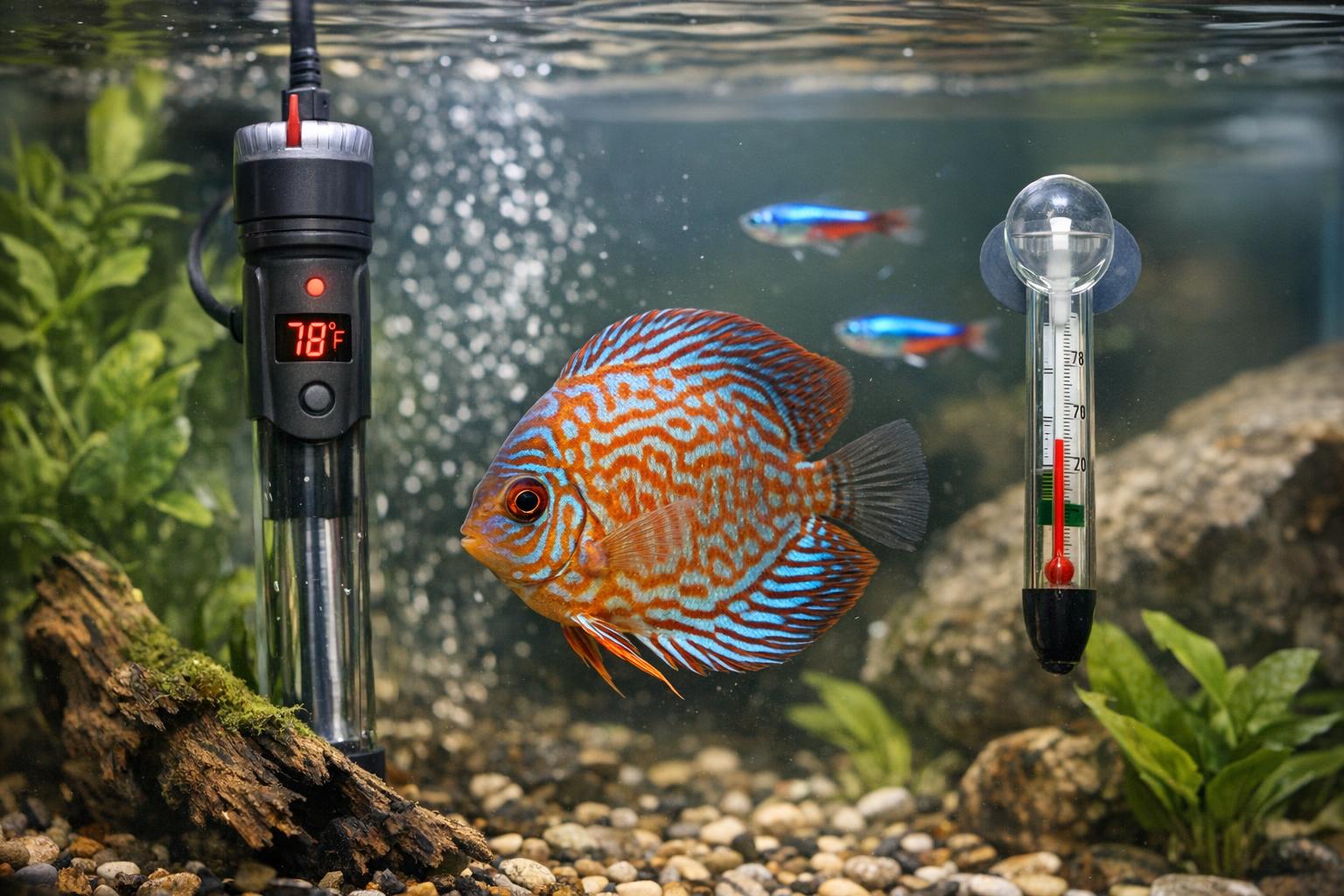
– Aquarium heater with thermostat (if species require stable temperature)
– External or internal filter rated for tank size
– Siphon for partial water changes
– Clean bucket used only for aquarium maintenance
– Aquarium-safe thermometer
– Optional: sponge or biological filter media for quick establishment
Step-by-Step Creation And Application:
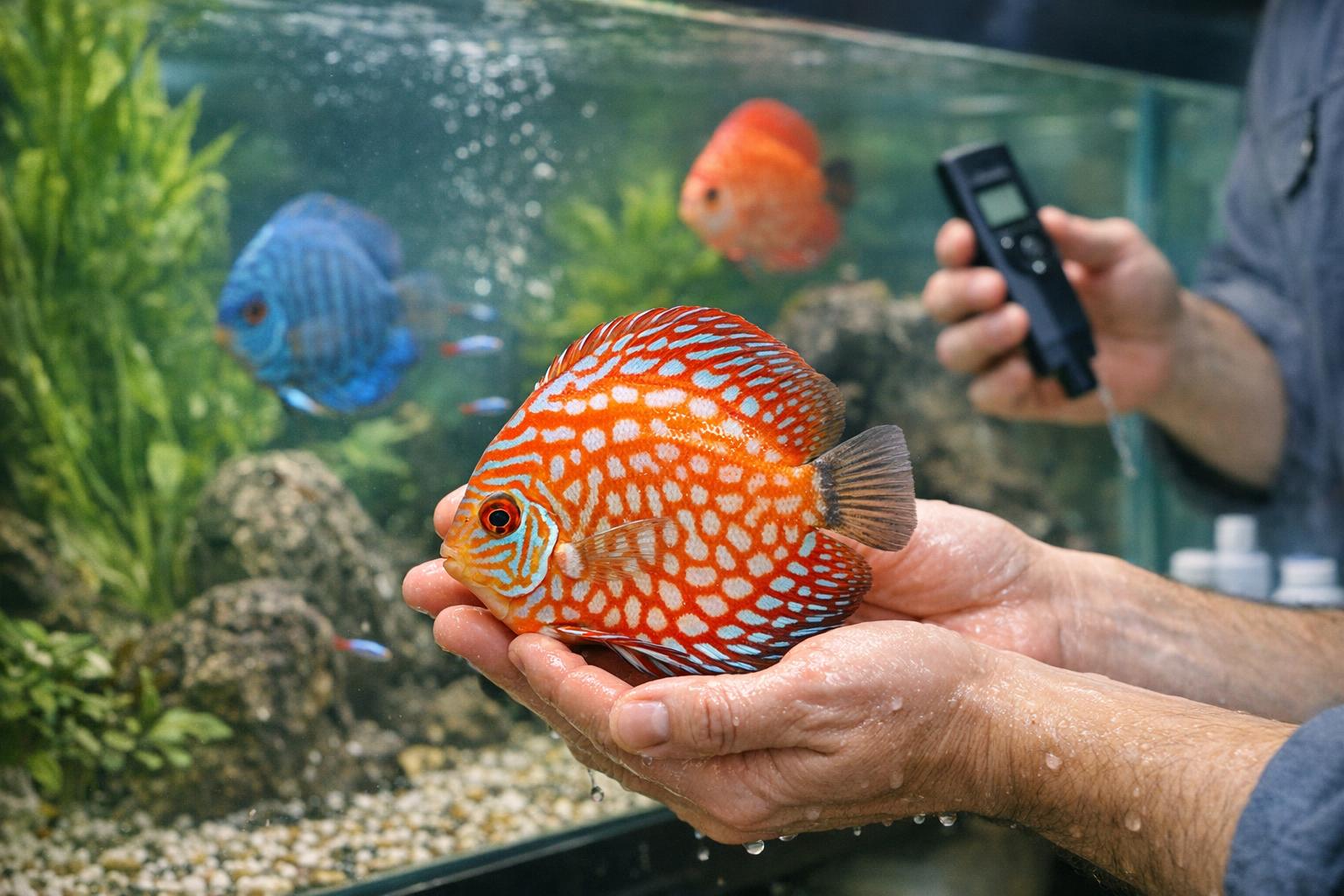
1. Test Water Parameters Immediately: Use the liquid test kit to measure ammonia, nitrite, nitrate, and pH. Record values. If ammonia or nitrite is above 0 ppm, this is an emergency.
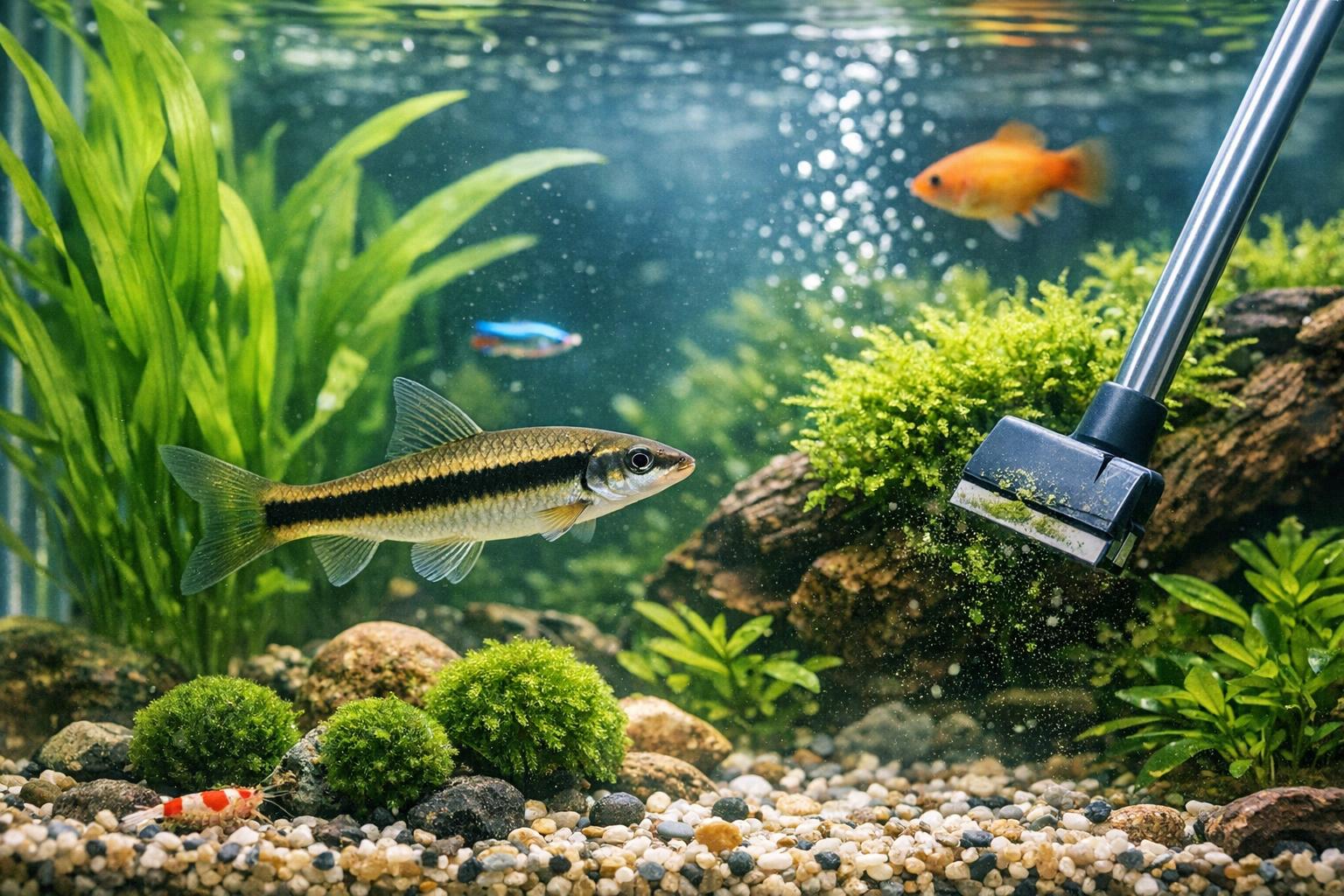
2. Perform a Partial Water Change (25–50% as Needed): Use the siphon to remove water and gently vacuum substrate to remove waste. Replace with dechlorinated water matched to tank temperature. Avoid changing more than 50% at once to prevent further shock.
3. Dechlorinate New Water: Add the correct dose of dechlorinator to replacement water per product instructions to neutralize chlorine and chloramine.
4. Adjust Temperature Gradually: If temperature is too low or high, adjust heater setting slowly (no more than 1–2°C per hour). Sudden temperature shifts cause thermal shock.
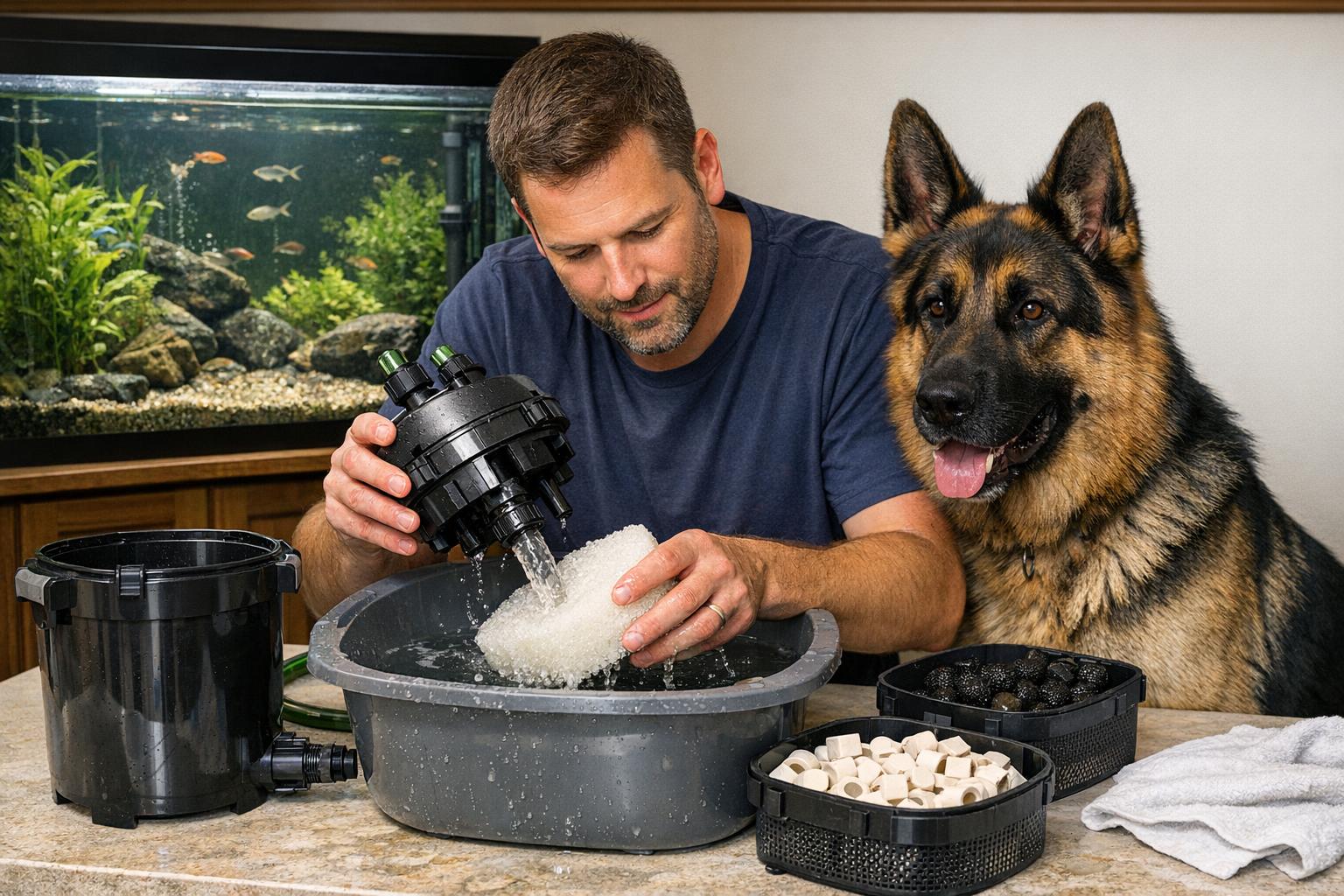
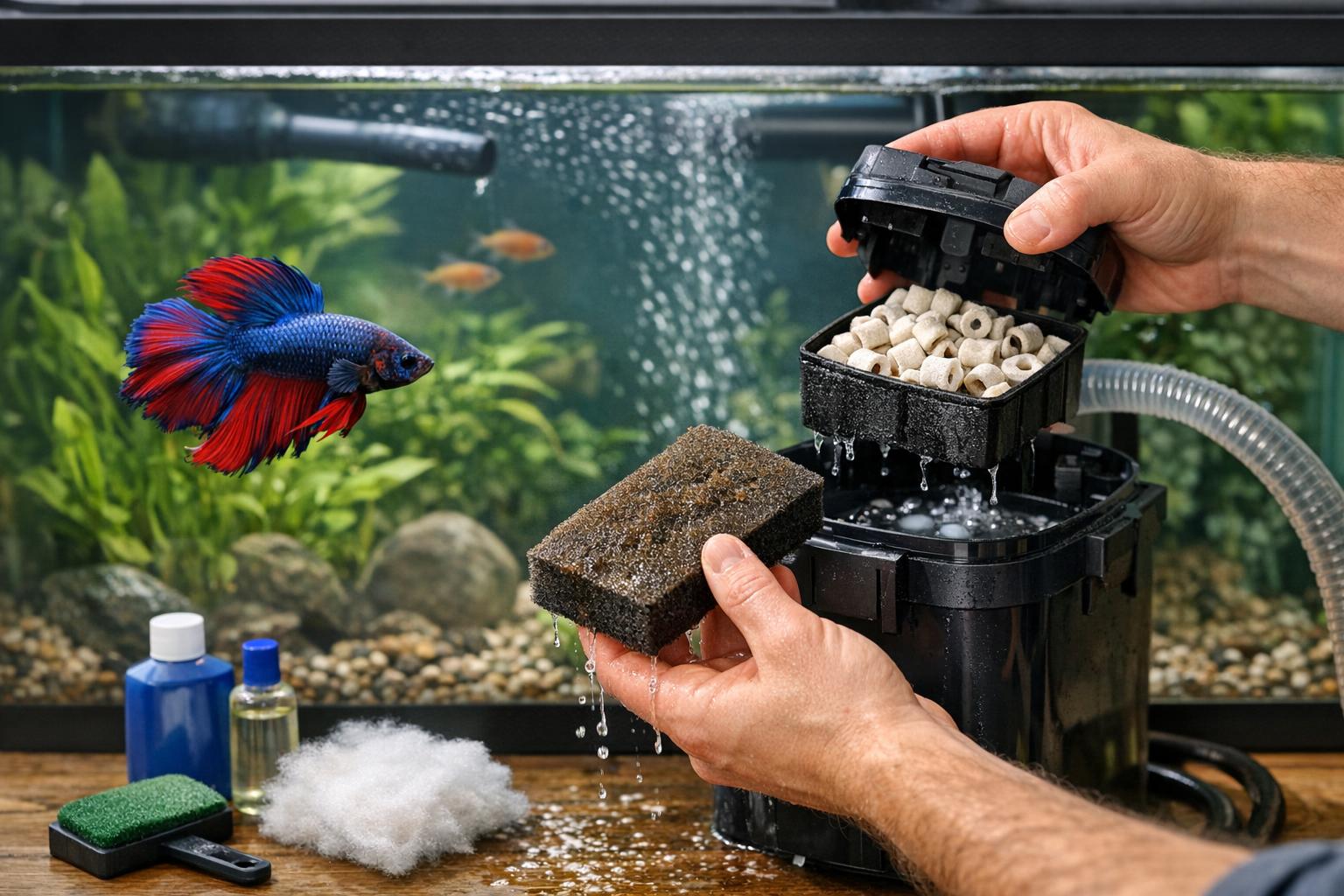
5. Boost Filtration And Oxygenation: Ensure filter media is clean but not sterile; biological media should remain seeded if possible. Increase surface agitation with powerheads or by adjusting outflow to improve oxygen exchange.
6. Re-Check Parameters After 12–24 Hours: Monitor ammonia and nitrite closely. Repeat partial water changes if levels remain elevated. Stabilize pH if it’s outside species-specific ranges using gradual methods or manufacturer-recommended buffering products.
7. Reduce Stressors: Dim bright lights for a day, remove aggressive tankmates to a separate quarantine tank if needed, and add hiding places to reduce visual stress.
Follow these steps methodically. Stabilizing water chemistry and physical environment is the most effective immediate treatment for stress in fish.
### 2) Remedy 2 — Natural Supportive Treatments And Enrichment
Intent: Provide ongoing support to help immune function, reduce anxiety, and restore natural behaviors.
Materials / Ingredients:
– Aquarium salt (only if species tolerate salt; consult species guide)
– Live or silk plants (for cover and natural filtration)
– Natural hiding decor (rock caves, PVC, driftwood)
– High-quality, species-appropriate food (include occasional live or frozen options)
– Probiotic or immune-supportive supplements formulated for aquaria (follow label)
– Soft sponge or pre-filter cover to protect fry or delicate species (optional)
Step-by-Step Creation And Application:
1. Confirm Species Salt Tolerance: Research whether your fish tolerate low levels of aquarium salt. Some freshwater species benefit from 1 tsp per 5 gallons as a temporary tonic; others (like certain catfish and plants) are sensitive. Do not add salt without confirming.
2. Introduce Hiding Spots Gradually: Place plants and decor to create natural shelters and visual barriers. This reduces aggression and gives stressed fish retreat zones. Use silk or live plants rather than plastic ones that can tear fins.
3. Add Aquarium Salt Carefully (If Appropriate): Dissolve salt in a small amount of tank water first, then slowly introduce to the aquarium over several hours. Monitor fish closely for adverse reactions.
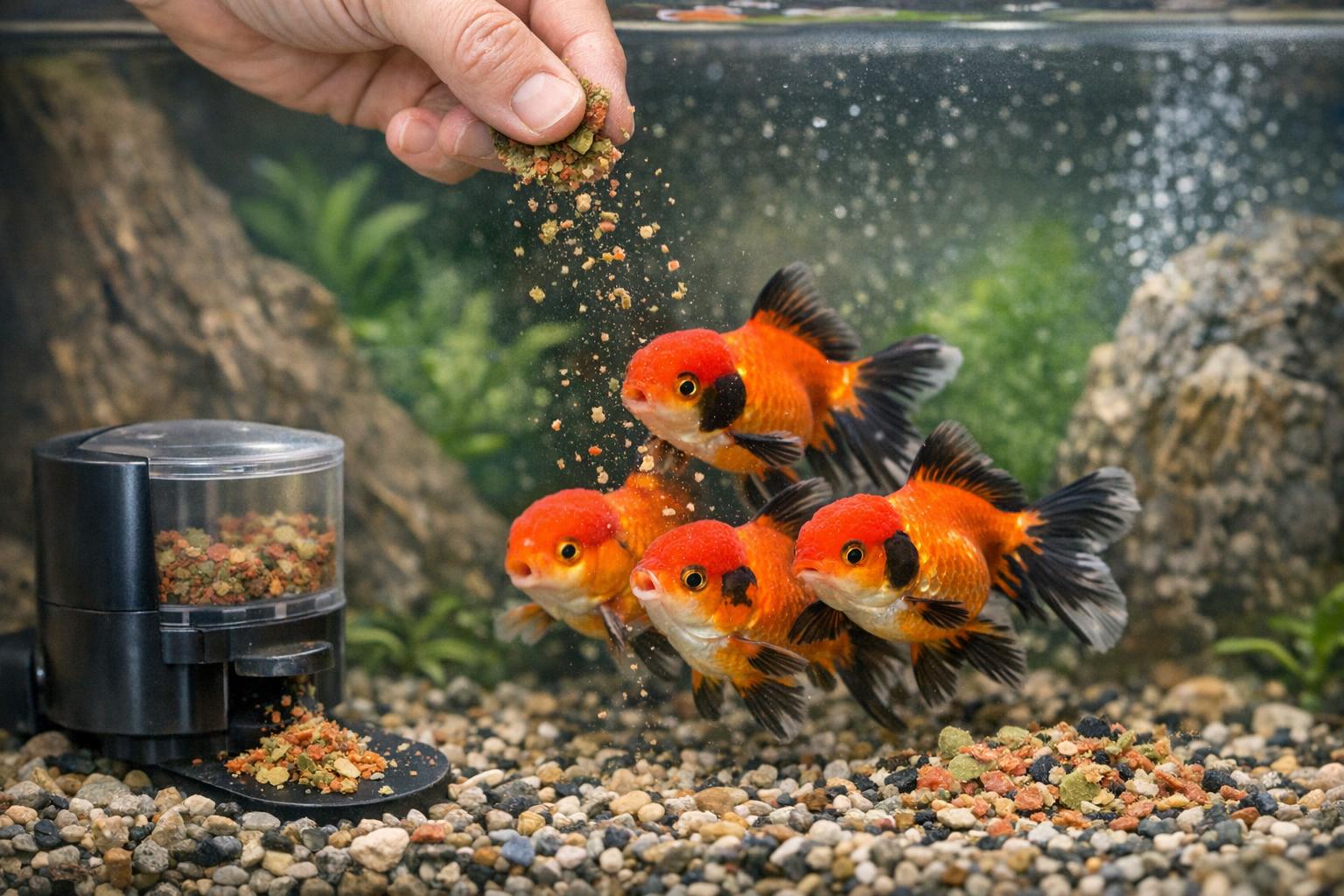
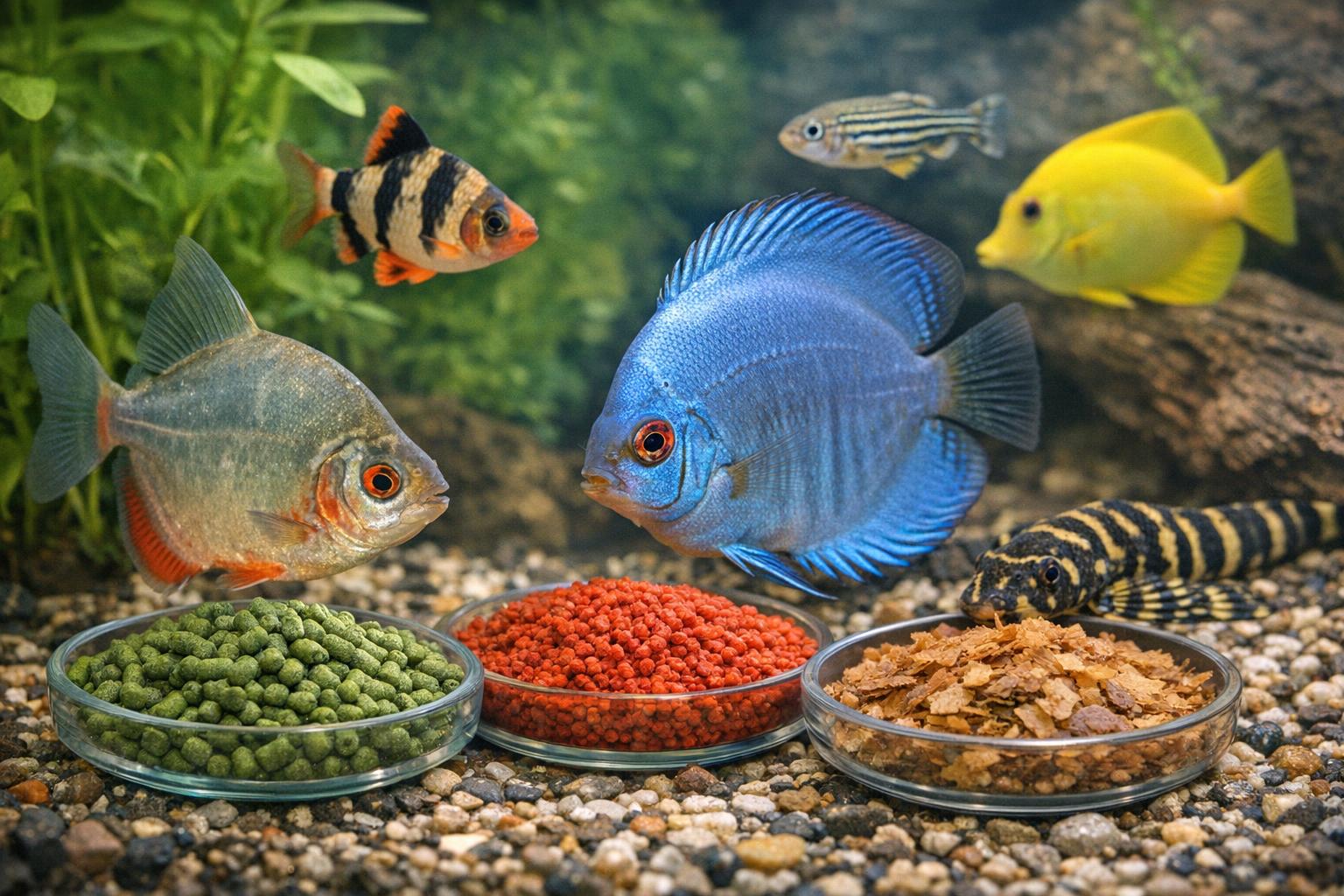
4. Improve Diet And Offer Probiotics: Feed easily digestible, nutrient-rich foods for several days. Consider a short course of aquarium probiotics as directed by the product to support gut health and immunity. Avoid overfeeding.
5. Reduce Light And Keep Routine Predictable: Maintain consistent feeding and light schedules. Lower intensity lighting for a few days to reduce stress.
6. Monitor Behavior And Health Daily: Track appetite, respiration, and interaction with tankmates. If physical symptoms worsen (lesions, severe labored breathing), prepare for targeted treatment or consult a veterinarian.
7. Avoid Unnecessary Medications: Medicate only if you have a clear diagnosis. Many medications stress the tank’s biological filter and are best used in a quarantine tank.
### Practical Notes On Application And Safety
– Always Quarantine New Fish: Introducing new individuals is the most common way to bring stressors and pathogens into a tank. Quarantine for at least two weeks and monitor.
– Be Conservative With Interventions: Rapid, repeated changes (too many water changes, excessive medications, or sudden temperature shifts) can worsen stress. Make adjustments incrementally.
– Documentation Helps: Keep a simple log of water parameters, changes made, and fish behavior. Patterns reveal underlying issues.
## When To Get Professional Help
If stress indicators persist after implementing the above remedies for 72 hours, or if multiple fish show severe symptoms (severe gasping, uncontrollable clamped fins, visible internal distress), contact an aquatic veterinarian or an experienced aquarist for diagnosis. Some conditions mimic stress but have infectious or parasitic causes that require targeted pharmaceutical therapies.
Remember: fish are resilient little swimmers, but they rely entirely on you for a stable environment. With careful observation, gentle corrections, and the two remedies above, you’ll be well on your way to reducing stress in fish and helping your aquarium return to happy, colorful normalcy.












Leave a Reply