



Hey there — if you’ve ever watched your betta linger listlessly at the tank glass and felt your heart sink a little, you’re in the right place. This article walks you through clear signs your fish is under pressure and gives practical, home-based remedies you can use today. Think of it as a calming tea and an instruction manual rolled into one — for fish.
## Betta Fish Stress Signs That Signal Home Remedy Action
Betta fish stress isn’t always dramatic. Sometimes it’s subtle, like a muted color or a slight slowdown during feeding. Other times it’s obvious, such as frantic surface gasping or shredded fins. Recognizing betta fish stress early means you can step in with simple, safe fixes before small problems become big ones.
### Lethargy And Loss Of Appetite
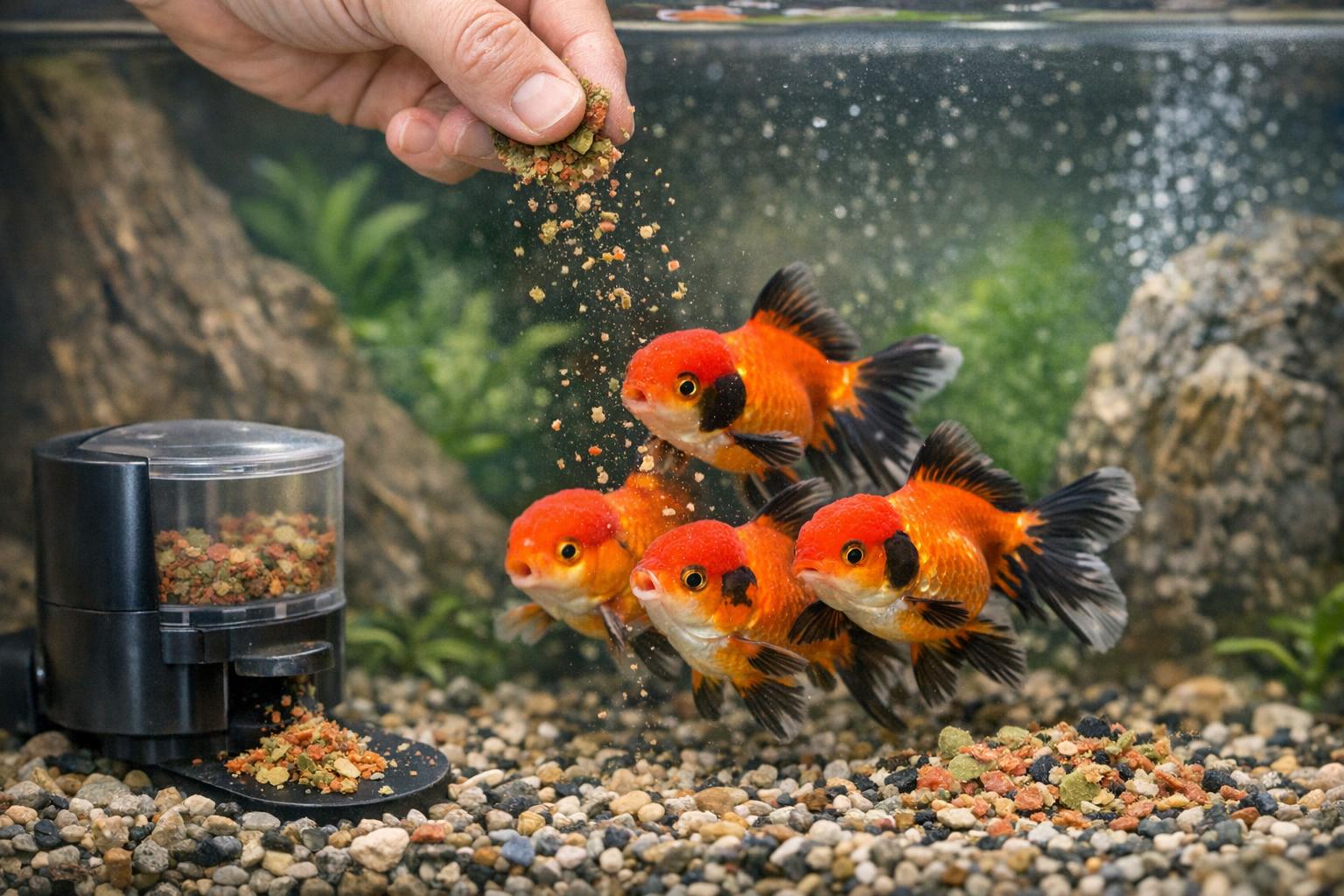
A healthy betta flits around during feeding time and brightens with curiosity. When appetite drops and swimming becomes sluggish, betta fish stress may be at play. Causes range from poor water quality to inappropriate temperature, and even boredom. If your fish ignores food for more than a day or two, observe water parameters and behavior closely.
### Faded Colors And Clamped Fins
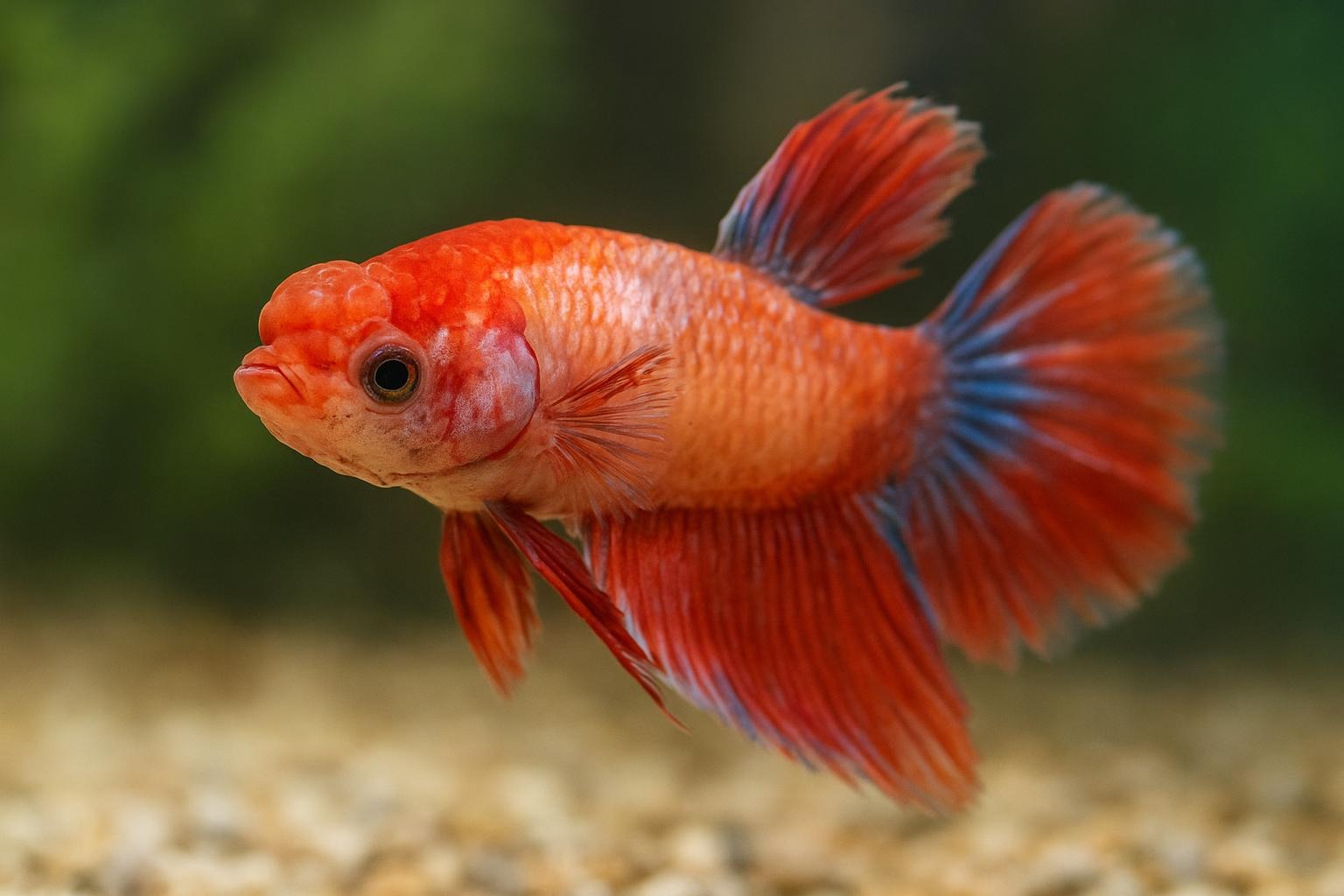
One of the easiest ways to spot betta fish stress is color loss. A vibrant male turning dull or holding fins tightly against the body (clamped fins) is a red flag. Chronic stress weakens immunity, making your betta more vulnerable to infections. Lighting and frequent water changes can help restore color, but address the underlying trigger first.
### Erratic Swimming, Hiding, Or Rubbing
Darting around, crashing into decorations, or repeatedly rubbing against gravel can indicate parasites or irritants. Conversely, hiding for long stretches and refusing to come out suggests discomfort or fear. Tortuous swimming patterns often point to ammonia spikes or sudden water chemistry changes — classic culprits behind betta fish stress.
### Gasping At The Surface Or Rapid Gill Movement
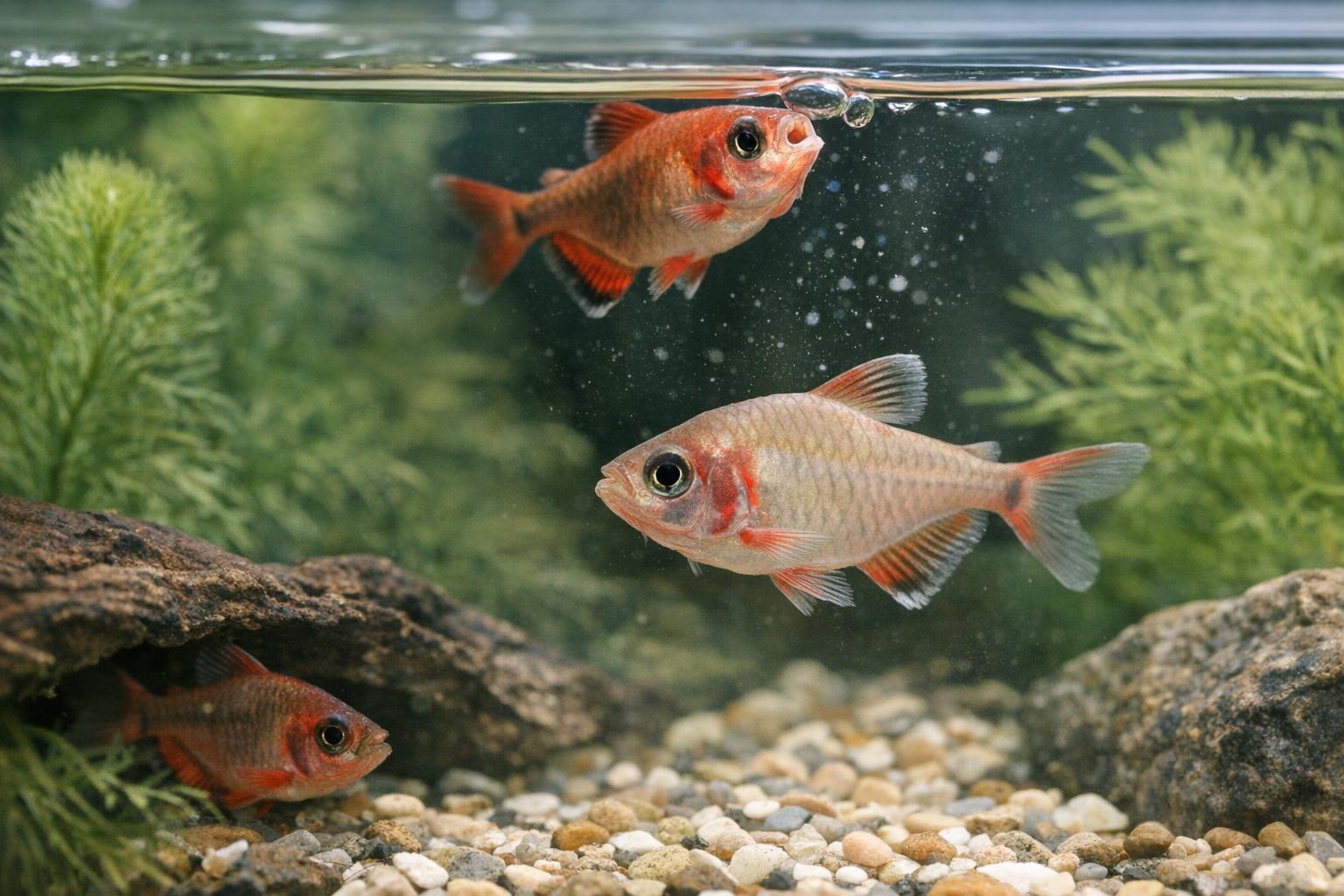
Bettas are labyrinth breathers and will occasionally surface to gulp air, but persistent gasping is a problem. Rapid gill movement or lingering at the surface signals low oxygen, poor water quality, or high ammonia/nitrite levels. Test your water immediately and read on for correct home remedy steps.
## Remedy 1: Water Reset And Partial Change (Best Immediate Action)
When betta fish stress is linked to water issues — and it often is — the fastest effective response is a controlled partial water change and stabilization.
#### Materials Required
– Dechlorinated water (or tap water treated with a water conditioner)
– Bucket reserved for aquarium use
– Thermometer
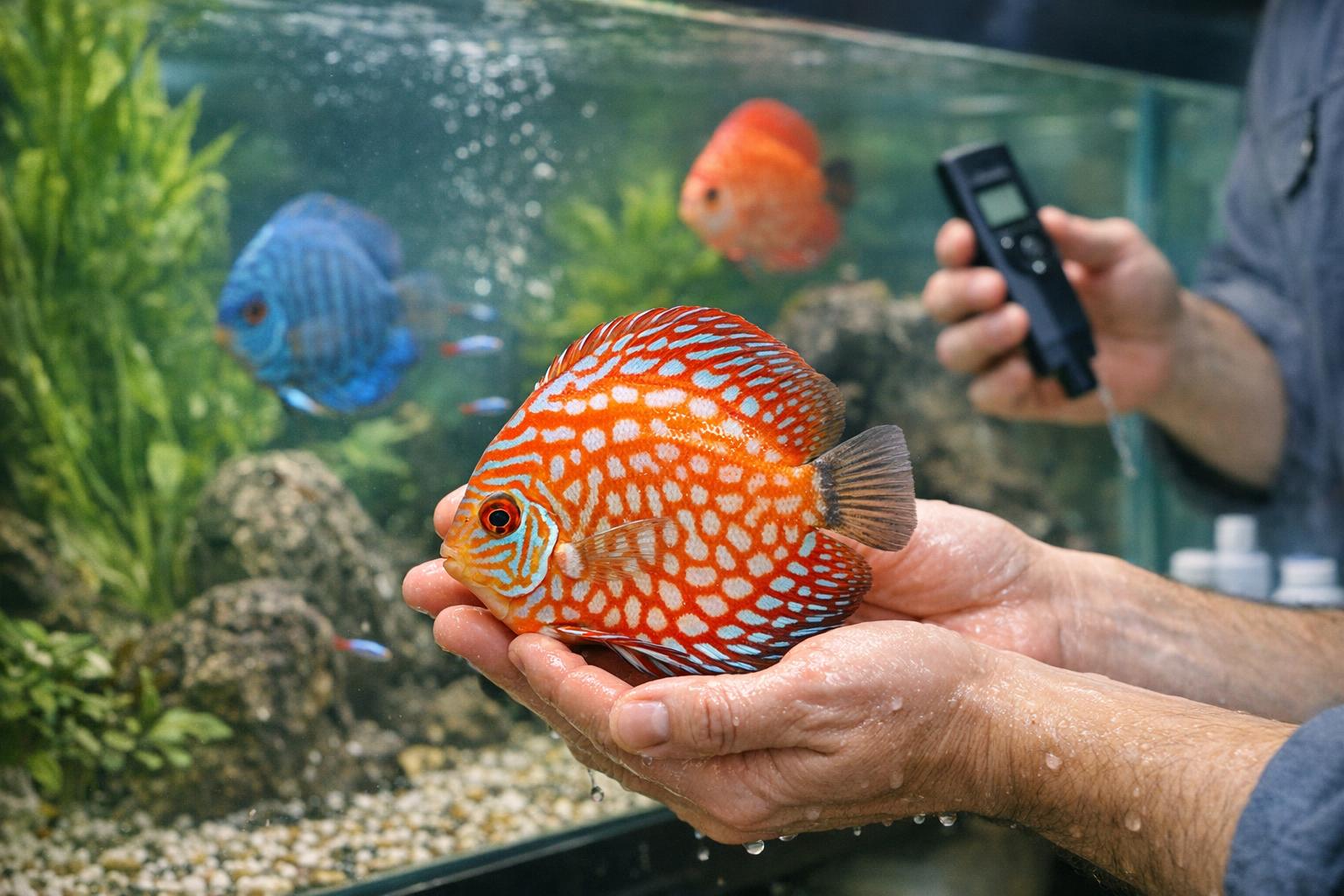
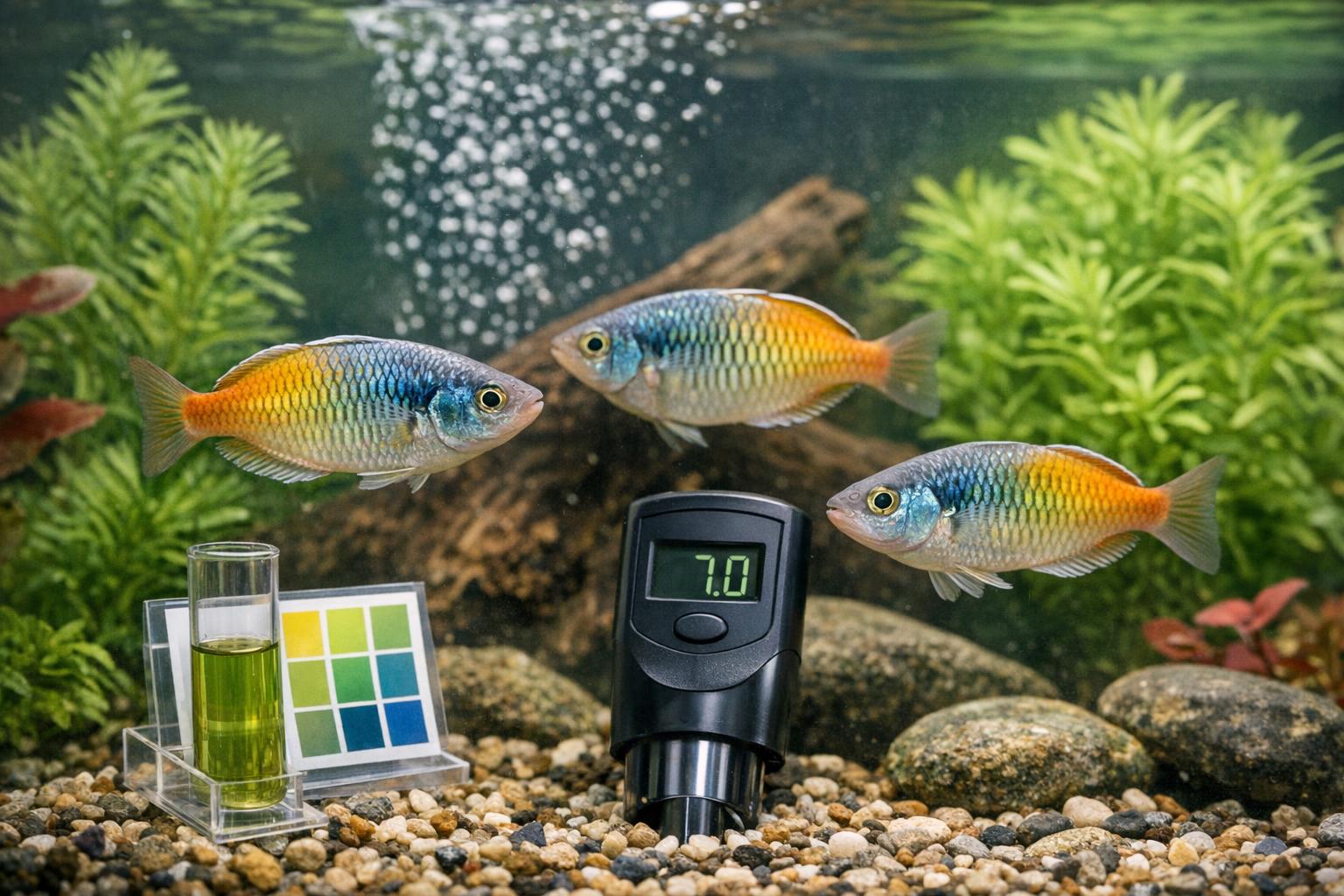
– Aquarium water test kit (ammonia, nitrite, nitrate, pH)
– Gravel vacuum or siphon
#### Step-By-Step Creation And Application
1. Test the water for ammonia, nitrite, nitrate, and pH to confirm the problem. Record readings.
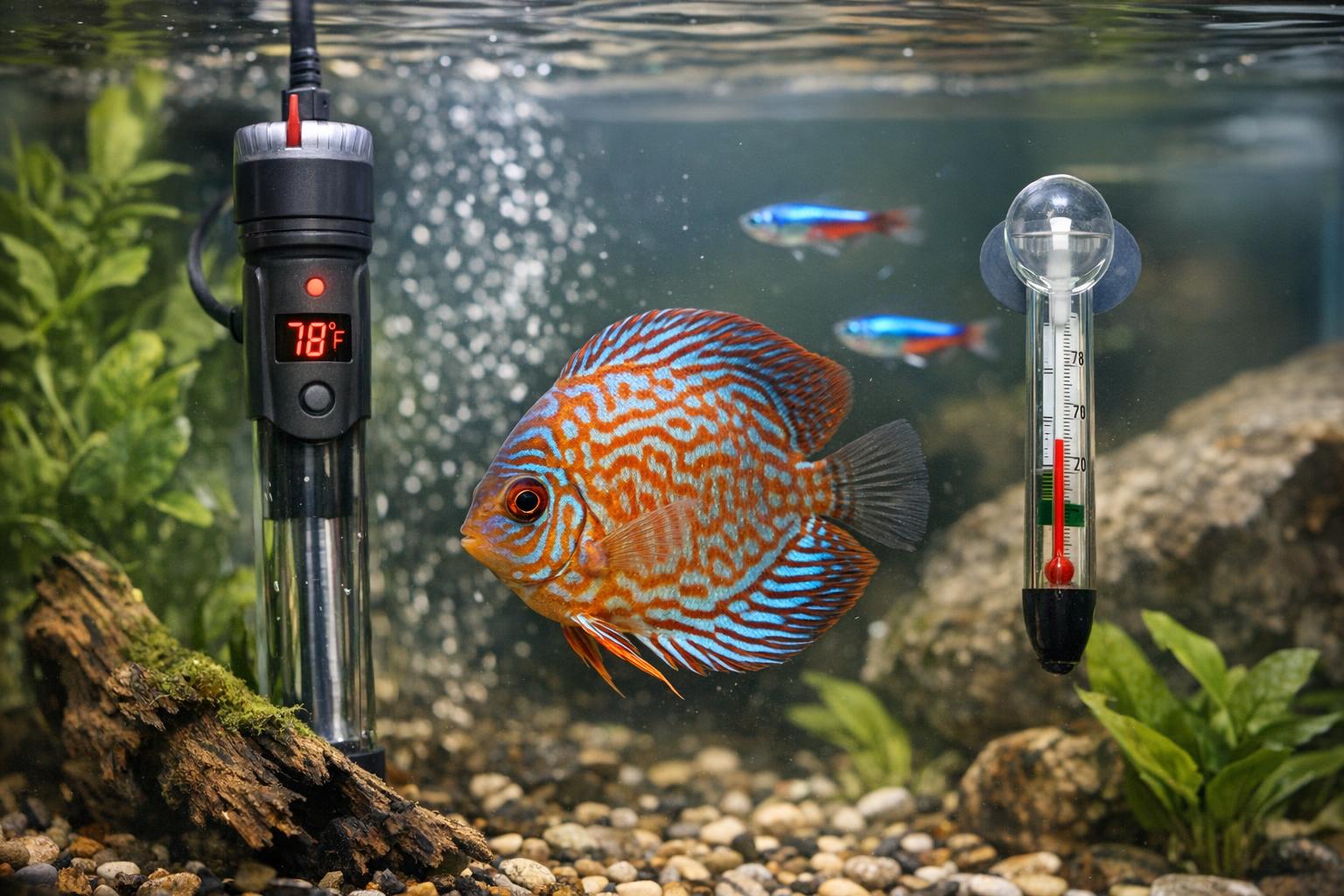
2. Warm replacement water to the tank’s temperature (within ±1°F/0.5°C). Sudden temperature shifts cause stress.
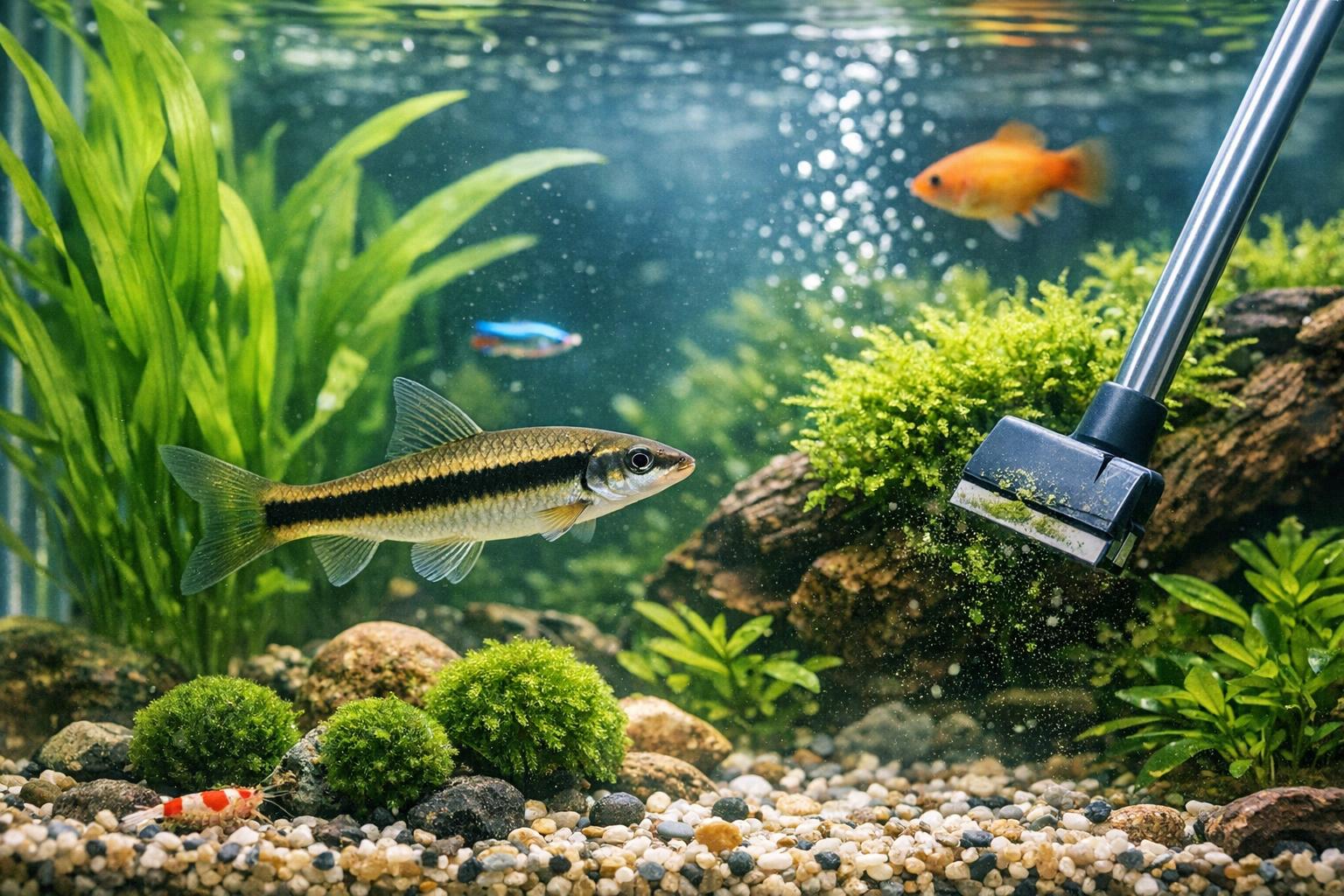
3. Remove 25–40% of the tank water using the siphon, vacuuming debris from the substrate as you go. Use gentle motion to avoid disturbing beneficial bacteria excessively.
4. Add conditioned replacement water slowly, pouring onto a plate or over a decoration to minimize surface agitation.
5. Re-test water after one hour and again the next day. If ammonia or nitrite remain elevated, perform smaller additional water changes (15–20%) rather than a single large change to preserve biological filtration.
6. Monitor the betta for improvement in activity and breathing over 24–72 hours. Keep feeding light until appetite returns.
Follow this remedy precisely. Overdoing changes or using untreated tap water can worsen betta fish stress rather than relieve it.
## Remedy 2: Tank Environment Enrichment And Stress Reduction
Often bettas are stressed by boredom, lack of hiding spots, or too much activity around the tank. Improving environment is a low-risk, high-reward approach.
#### Materials Required
– Live or silk floating plants (e.g., java fern, anubias tied to decor, or duckweed)
– Smooth, betta-safe decorations and hiding caves (no sharp edges)
– Soft lighting or a dimmable lamp
– Timer for lights
– Optional: gentle sponge filter or low-flow filter media
#### Step-By-Step Creation And Application
1. Inspect current decorations for sharp edges. Remove anything that can tear fins.
2. Introduce one or two hiding spots placed away from heavy traffic areas (room doors, windows) to offer retreat without rearranging the whole tank.
3. Add floating plants to create shaded zones; this reduces stress by mimicking calm shallow waters.
4. Adjust lighting to a predictable schedule with a timer: 8–10 hours of light daily helps maintain routine and reduces startle responses.
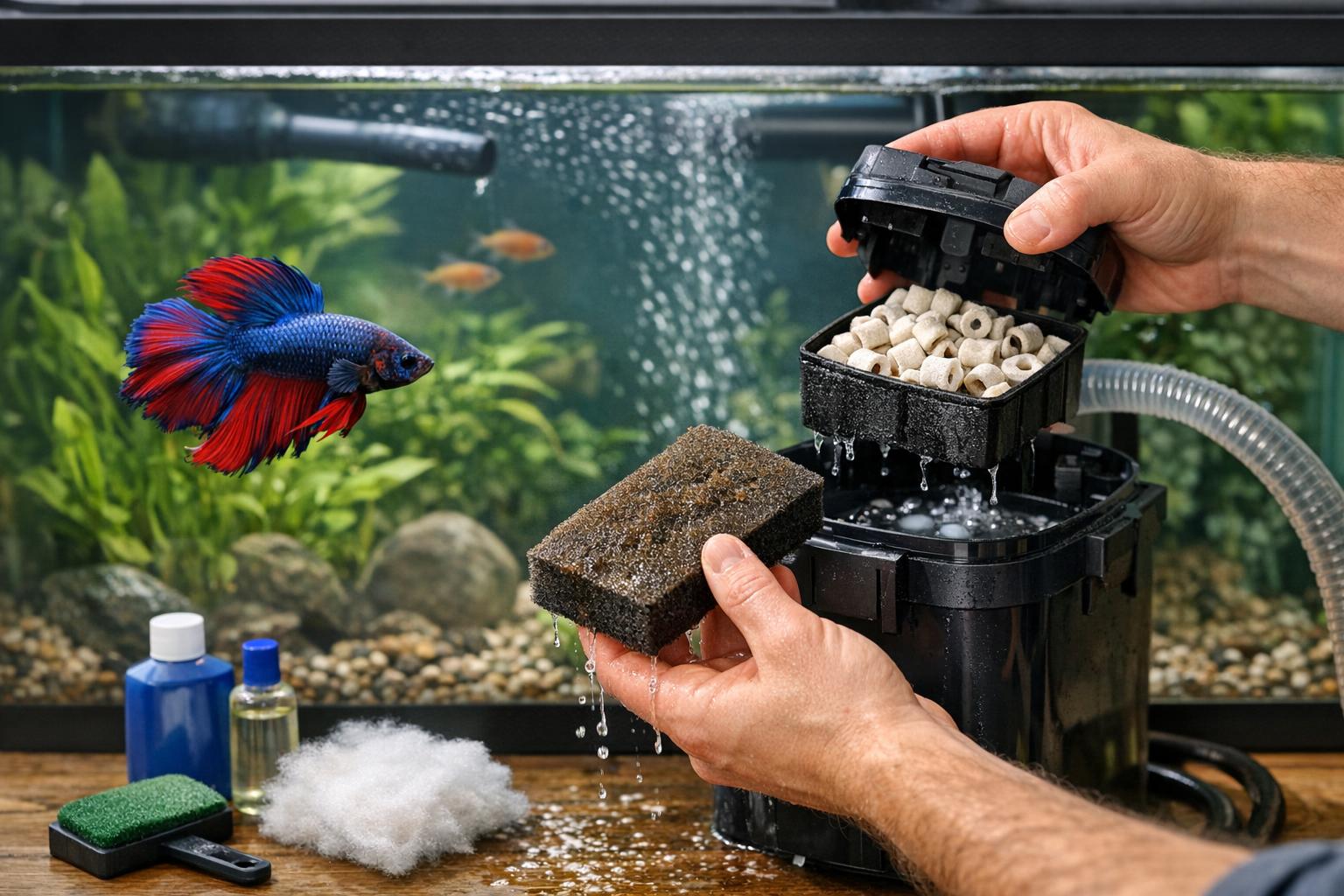
5. If filter flow is strong, switch to a low-flow option or baffle the outflow with a sponge. Bettas prefer gentle currents.
6. Observe the fish over the next week. Reduced frantic swimming and more exploration usually indicate stress reduction.
This environmental approach addresses chronic sources of betta fish stress and improves long-term wellbeing when combined with good water care.
## Remedy 3: Short-Term Therapeutic Baths And Salt Treatment (Use With Caution)
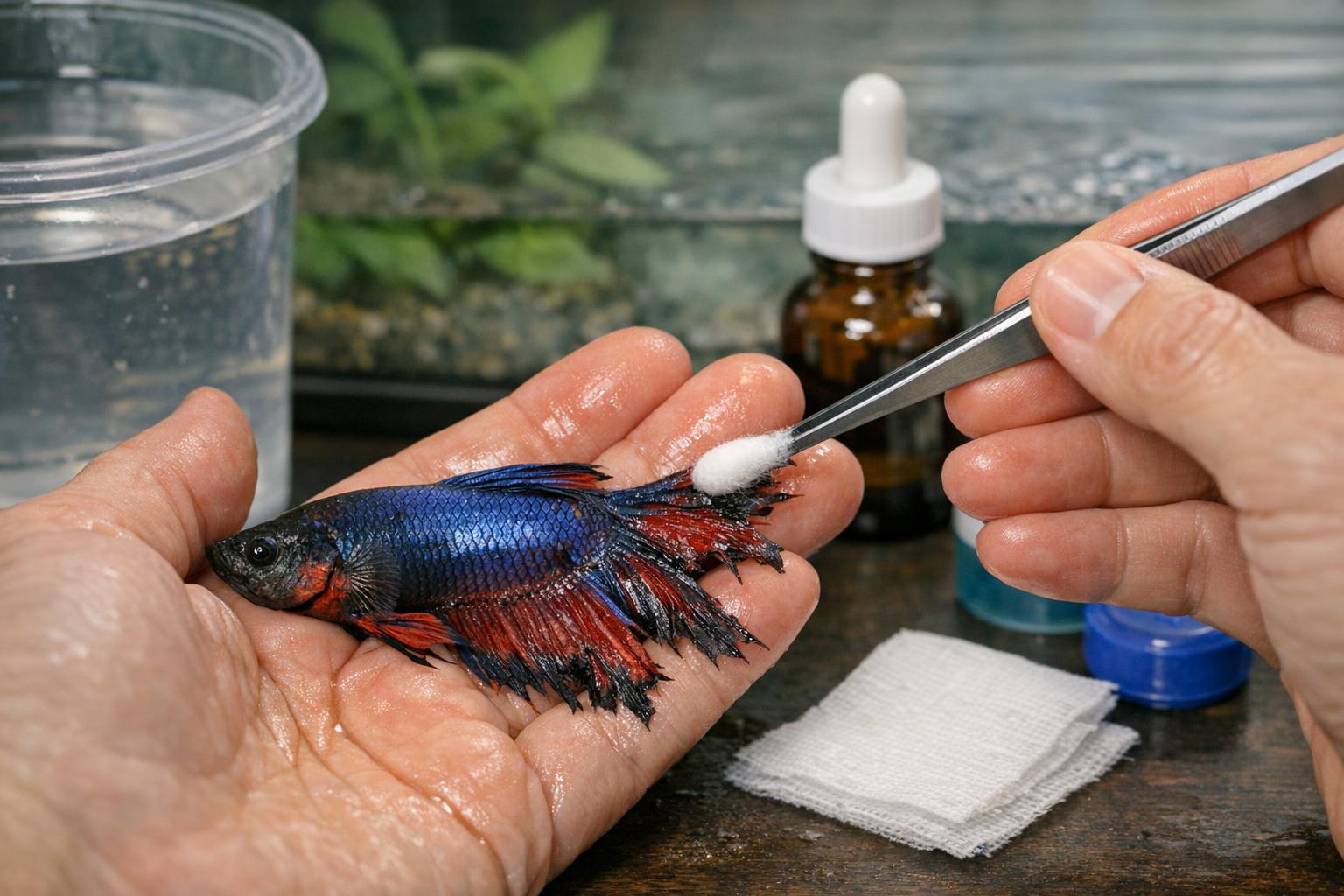
For visible signs like minor fin rot, external parasites, or irritation, short therapeutic baths can be effective. These require precision and caution to avoid increasing stress.
#### Materials Required
– Small bucket or container reserved for medicating (no soap residue)
– Aquarium salt (not table salt) — measured precisely
– Dechlorinated water at tank temperature
– A soft net and a timer
– Optional: betta-safe electrolyte or stress coat product (follow label)
#### Step-By-Step Creation And Application
1. Prepare the bath container with water from the tank or properly conditioned water, matching temperature exactly.
2. Dose aquarium salt at 1 teaspoon per gallon for a short dip (maximum 15 minutes) for minor external irritation. For a longer hospital tank, use 1 teaspoon per 5 gallons, but only under informed guidance.
3. Gently net the betta and place it into the bath. Stay calm and keep movements minimal to avoid additional shock.
4. Time the treatment precisely—short dips (5–15 minutes) can reduce parasites; longer exposures require veterinary-level advice.
5. After treatment, return the betta to its main tank with clean, conditioned water. Do not reintroduce medicated water into the main tank without ensuring correct dilution and safety.
6. Repeat as necessary only if signs improve. If not, discontinue and consult a vet experienced with fish.
Note: Avoid using harsh medications or high salt doses without testing compatibility with plants and filter microbes; improper dosing can worsen betta fish stress.
### When To Call A Vet
If your betta shows severe symptoms — bloating, severe fin loss, persistent gasping despite stable water, or rapid deterioration — seek professional care. Home remedies can be highly effective for mild to moderate betta fish stress, but they’re not a substitute for veterinary diagnostics in serious cases.
### Gentle Monitoring And Recordkeeping
Track changes in behavior, appetite, and water parameters in a simple notebook or phone note. Consistent entries help you spot patterns and decide which remedies work best. When betta fish stress flares up again, you’ll have a history to consult, and likely a faster route back to calm waters.
You’re doing the right things by paying attention. A stressed betta can recover quickly with timely, measured care and a few thoughtful adjustments around the tank. Keep the water steady, the environment friendly, and the treatments sensible — and your betta will thank you in the only way it knows how: by being a little less grumpy and a lot more colorful.



















Leave a Reply