






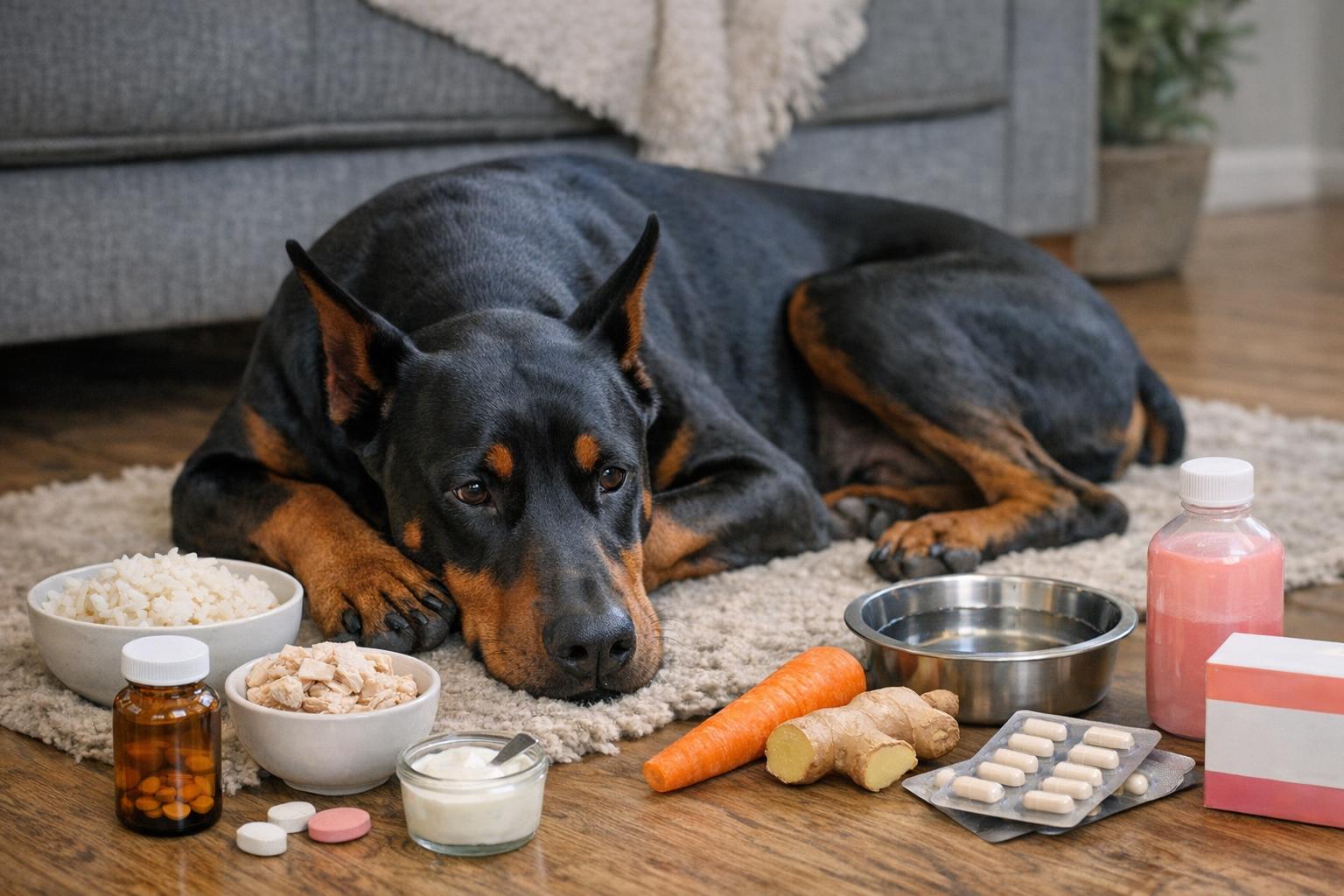
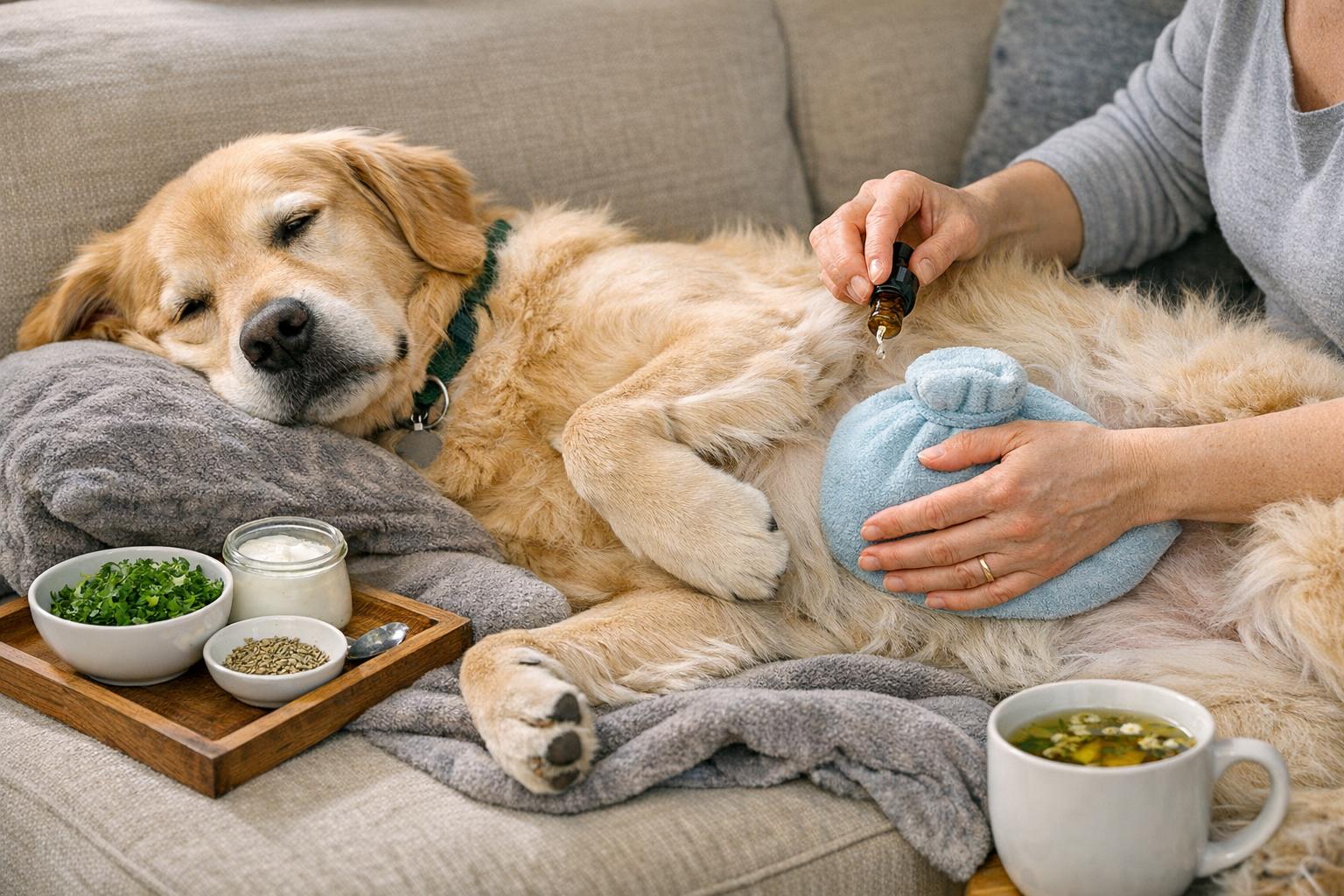
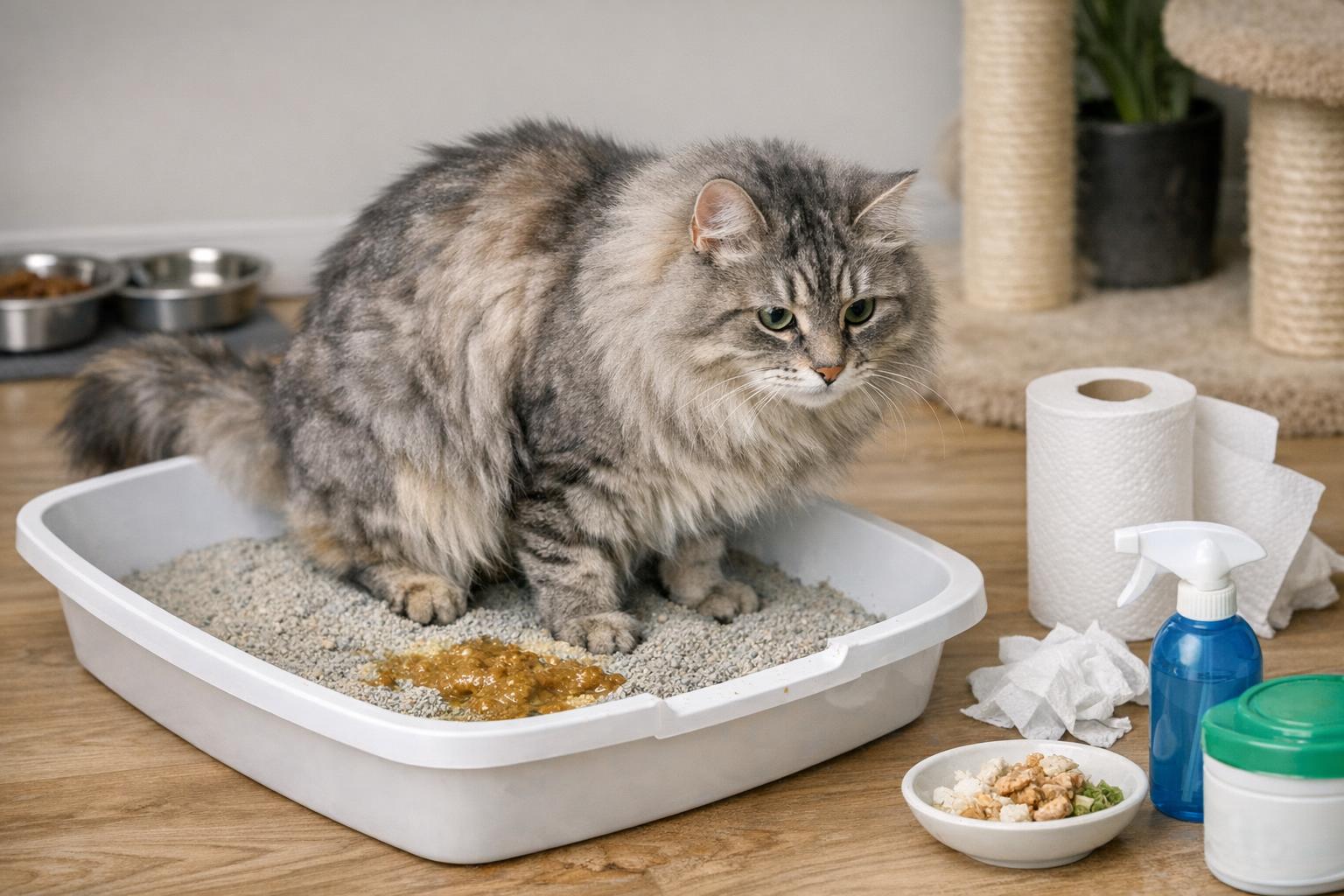
If your dog suddenly looks a little queasy, or has been sneaking things from the trash like a tiny, furry trash-panda, you might be asking: how do you settle a dog’s stomach? It’s a common worry, and the good news is many stomach upsets are mild and manageable at home. Below are friendly, realistic steps and a few safe home remedies to try — with more formal instructions for each remedy so you don’t guess your way through an upset belly.
## How Do You Settle A Dog’s Stomach: Safe First Steps
When your dog is queasy the initial goal is simple: stop any further stomach upset and support recovery. If you’re wondering how do you settle a dog’s stomach, start with gentle, conservative care and observe. Avoid home remedies that can cause more harm (no ibuprofen, no human antacids without vet guidance). Most mild stomach troubles respond to short fasting, bland food, and careful rehydration.
### Quick Signs That Call For Slower Treatment Or A Vet
A fast response helps prevent a small issue from becoming big. Watch for:
– Continuous vomiting or diarrhea lasting more than 24 hours
– Blood in vomit or stool
– Lethargy, collapse, or abdominal pain
– Repeated retching or inability to keep water down
If you see any of those, call your veterinarian promptly. Otherwise, the following remedies are safe for many adult dogs and can answer the everyday question of how do you settle a dog’s stomach.
### When Asking How Do You Settle A Dog’s Stomach, Try A Short Fast
One of the simplest early actions is a brief fast for adult dogs. Skip food for 12 hours (6–12 for small dogs; consult for puppies and seniors). This gives the gut a rest and allows vomiting or loose stool to slow. Always keep fresh water available in small amounts so your dog doesn’t get dehydrated.
## Remedy 1: Bland Diet Recovery (Numbered Remedy)
A bland diet is the classic, evidence-backed way to calm an irritated digestive system. It’s safe, effective, and exactly the kind of old-school remedy that works.
Ingredients/Materials:
– Plain white rice (no seasoning)
– Skinless, boneless chicken breast or lean ground turkey
– Clean pot and utensils
– Measuring cups
Creation And Application:
1. Boil the chicken (or turkey) in water until fully cooked. Do not add salt, butter, or spices.
2. Remove meat and shred into small pieces. Reserve some of the cooking water (cooled) if you need to thin the food.
3. Cook white rice according to package directions, using extra water so the rice is soft and slightly soupy.
4. Mix one part shredded meat to two parts rice (1:2 ratio). Let cool to lukewarm.
5. Offer a small portion: 1–2 tablespoons per 10 pounds of body weight every 3–4 hours for the first 24 hours.
6. If tolerated without vomiting or worsening diarrhea, gradually increase portion size and shift to three small meals per day.
7. After 48–72 hours of improvement, slowly reintroduce the regular diet by mixing increasing amounts of their usual food into the bland mix over 3–4 days.
Notes: Do not use fatty meats, gravies, or seasonings. Puppies, seniors, or dogs with chronic illness may need a different approach—ask your vet.
## Remedy 2: Pumpkin And Probiotics (Numbered Remedy)
Plain canned pumpkin is a gentle, natural fiber source that can firm up loose stool. Probiotics help rebalance gut bacteria. Together they’re a practical duo for many mild cases.
Ingredients/Materials:
– Plain canned pumpkin (NOT pumpkin pie filling)
– Canine probiotic supplement or vet-recommended probiotic powder/tabs
– Measuring spoon
Creation And Application:
1. For diarrhea: Give plain canned pumpkin at 1 teaspoon per 10 pounds of body weight, twice daily. For constipation, you can use slightly more (check with your vet first).
2. For probiotics: Follow manufacturer dosing for your dog’s weight. If using a vet-recommended product, adhere to the vet’s instructions exactly.
3. Mix the pumpkin into a small portion of the bland diet or serve alone. Start probiotics at the same time as the bland diet or after the fasting period.
4. Continue the pumpkin and probiotics for 3–5 days, or until stool firms and appetite returns to normal.
Notes: Pumpkins are high in fiber and moisture. Avoid sweetened or spiced varieties from the baking aisle.
## Remedy 3: Hydration Support And Bone Broth (Numbered Remedy)
Proper hydration is crucial. Bone broth made without onions, garlic, or salt is soothing and encourages sipping. For mild dehydration, electrolyte solutions may help, but use canine-safe products or veterinarian guidance.
Ingredients/Materials:
– Raw beef or chicken bones (no cooked bones), or store-bought low-sodium, onion/garlic-free bone broth
– Large pot, water
– Strainer
– Cooling container
Creation And Application:
1. If making broth: Place raw bones in a pot, cover with water, simmer gently for 4–8 hours. Do not use onions, garlic, or added salt. Strain thoroughly and cool.
2. Offer lukewarm broth in a shallow dish. Encourage small, frequent sips rather than big gulps.
3. If your dog refuses broth or is still vomiting, remove water for 30–60 minutes then reoffer small amounts every 10–15 minutes.
4. For pets mildly dehydrated, consider a pet-safe electrolyte solution; follow product directions or call your vet for dosing.
5. If dehydration persists (dry gums, tacky skin, lethargy), seek immediate veterinary care for IV fluids.
### Small-Dog And Puppy Considerations (H3)
Puppies and very small dogs have limited reserves; fasting and DIY remedies are riskier. If you’re asking how do you settle a dog’s stomach and your dog is under 6 months or underweight, contact your veterinarian before withholding food.
#### Dosage Tips And Safety Reminders (H4)
– Never give human anti-inflammatories or medicines unless directed by a vet.
– No xylitol-containing products (common in sugar-free gum and some peanut butters).
– Avoid dairy—many dogs are lactose intolerant and dairy can worsen diarrhea.
– Always remove potential toxins (houseplants, human medicines, certain foods) from reach.
### Common Mistakes To Avoid
A couple of missteps can turn a simple stomach upset into a more serious situation. Don’t bowl over your dog with large meals, don’t experiment with unfamiliar herbs or supplements without vet input, and avoid trying over-the-counter human remedies unless your vet approves.
## When To Call The Vet
Knowing when to call is part of answering how do you settle a dog’s stomach responsibly. Contact your veterinarian right away if you observe:
– Repeated vomiting more than 24 hours
– Any signs of blood in vomit or stool
– Signs of severe pain, bloating, or a distended abdomen
– Pale gums, collapse, or difficulty breathing
If you follow the steps above and your dog improves in 24–48 hours, you’ve likely handled a routine upset. If not, professional care is the safest route.
### Final Practical Tips For Prevention (H3)
Keep a routine: consistent feeding schedules, slow feeder bowls for gulpers, and secure trash cans. A little prevention goes a long way toward avoiding the “now what?” moment when you wonder how do you settle a dog’s stomach again.
You’ve got a few solid, vet-friendly options now: rest the gut, provide a bland diet, use pumpkin and probiotics, and support hydration. Apply these remedies carefully and call your vet when in doubt — your dog will appreciate the calm voice and the chicken-and-rice bribe.







Leave a Reply