

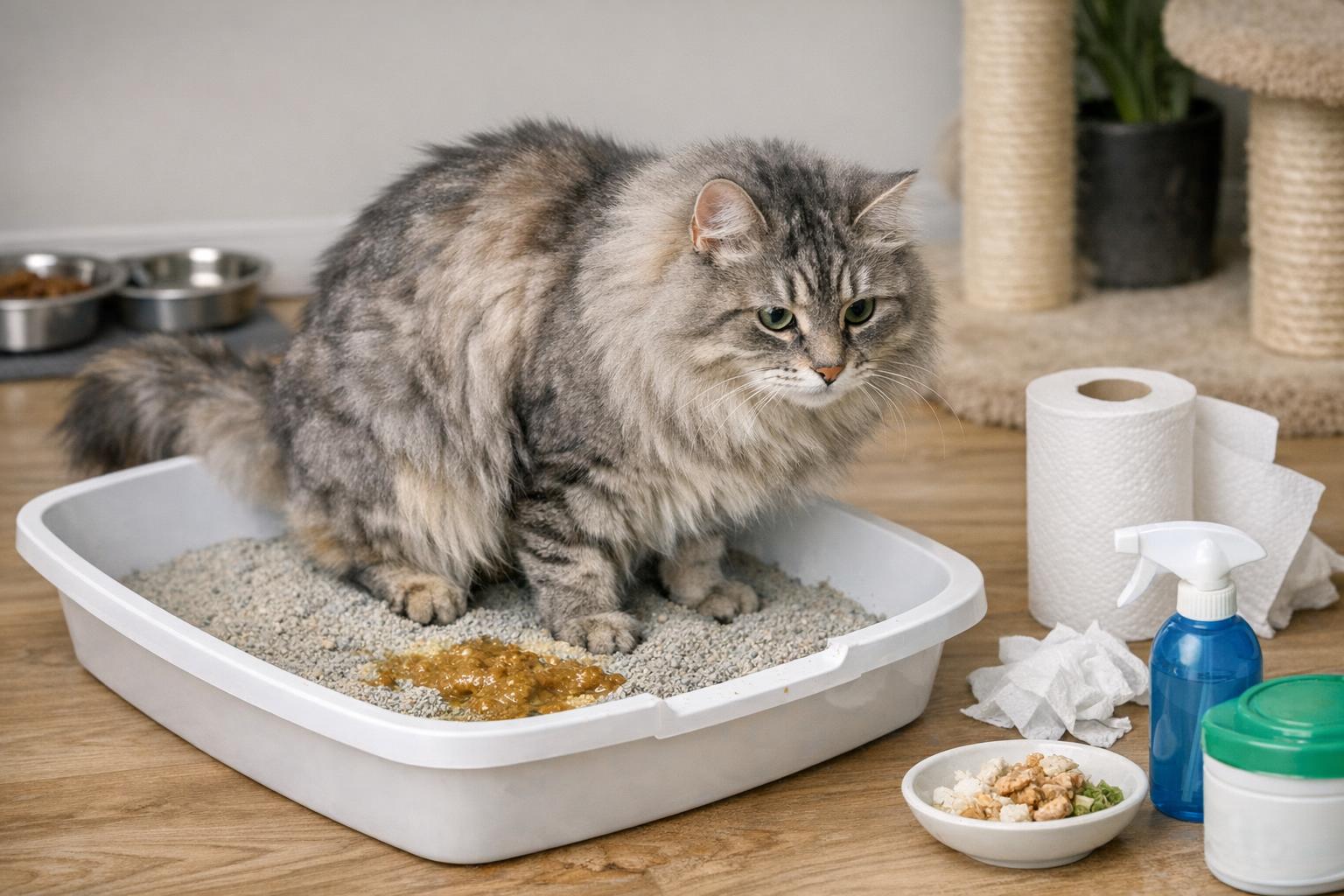
If your dog’s poop looks like it’s bookmarking a biology textbook — slimy and a little alarming — you’re not alone. Mucus in dog stool can be a fairly common sign that the gut is irritated or that something else is going on, from minor dietary upset to parasites or inflammatory bowel issues. Don’t worry; we’ll walk through sensible takeaways, safety flags, and a few practical, at-home measures you can try while staying clear-eyed about when to phone the vet.
Quick Note About The Phrase You Probably Googled
If you typed mucus in dog stool home remedies into a search bar, you’re doing the right thing: learning safe, practical steps to help your pup. That phrase will show up here several times because it’s the exact problem we’re tackling — not because we enjoy repeating ourselves (though we do like a good dog pun).
## Mucus In Dog Stool Home Remedies: 3 Practical Options
This section lists three home remedies you can consider. Each one includes ingredients or required materials and step-by-step preparation and application. When in doubt, treat the remedies as supportive measures — not replacements for veterinary diagnosis.
### Remedy 1: Bland Diet Reset
When the gut’s grumpy, the simplest fix is often temporary dietary rest and gentle food. This is the least invasive of the mucus in dog stool home remedies and a good first-line approach for mild cases where your dog is bright, drinking water, and acting mostly normal.
#### Ingredients
– Plain white rice (cooked)
– Boiled, skinless chicken breast (finely shredded) or plain canned pumpkin (not pie filling)
– Clean, fresh water
#### Directions
1. Fast your dog for 12 hours if they’re an adult and otherwise healthy — water is fine. (Skip fasting in puppies or debilitated dogs; consult a vet.)
2. Prepare a bland meal: mix 2 parts cooked white rice with 1 part shredded chicken or 1 part canned plain pumpkin. Pumpkin is high in fiber and can normalize stool consistency.
3. Offer small portions (about a quarter of usual meal size) every 4-6 hours for the first 24 hours.
4. Monitor appetite, energy, vomiting, and stool. If improvement occurs, gradually reintroduce regular food over 2–4 days by increasing the regular food portion while decreasing bland food.
5. If mucus persists beyond 48–72 hours, or if your dog develops lethargy, vomiting, fever, blood in stool, or decreased water intake, contact your veterinarian.
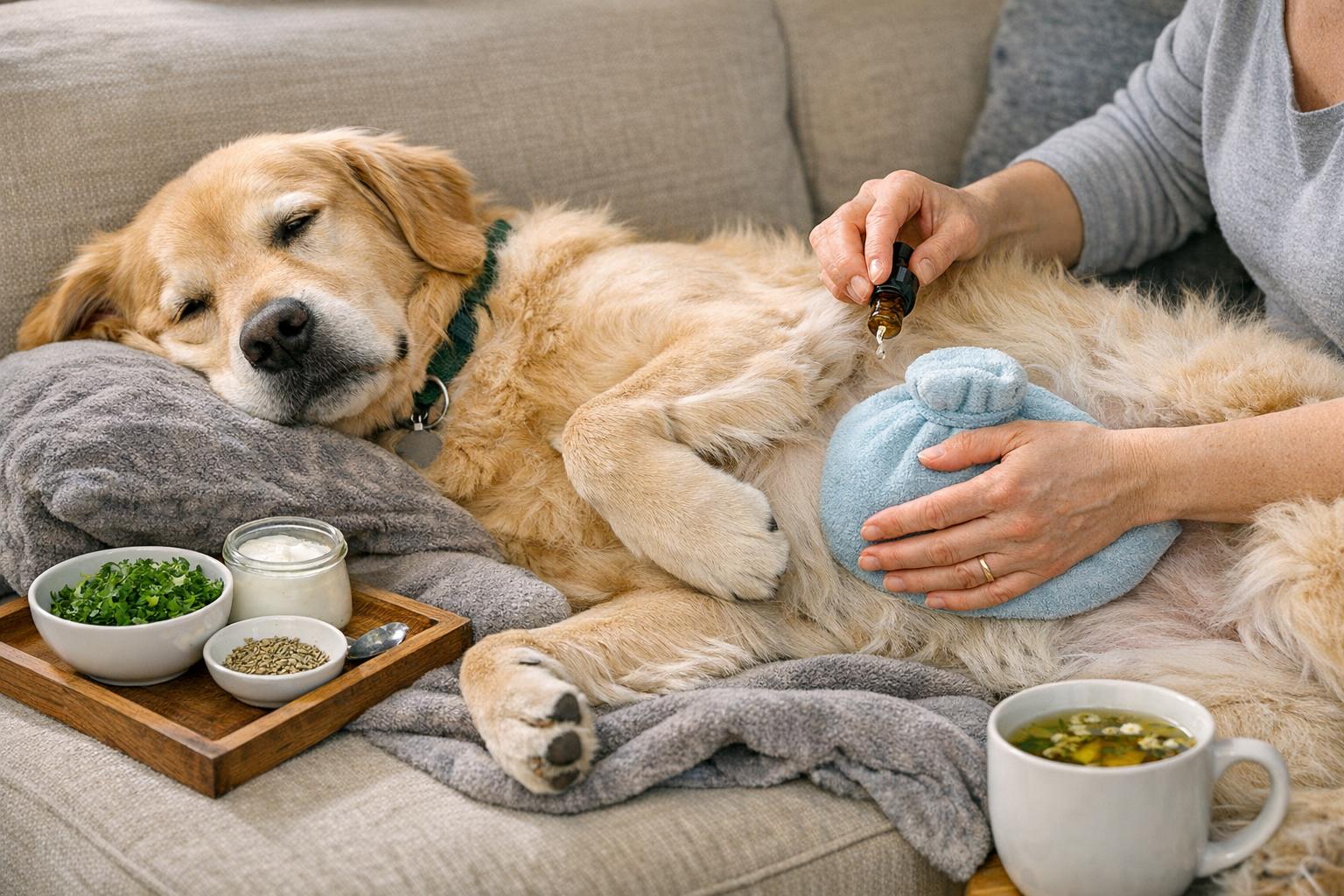
### Remedy 2: Slippery Elm Soothing Gel
Slippery elm is an herbal remedy used to soothe irritated mucous membranes in the digestive tract. This is one of the more formal, evidence-informed mucus in dog stool home remedies. Use it with caution and avoid if your dog is on medications without veterinary approval, as slippery elm can affect absorption.
#### Ingredients
– Slippery elm bark powder (food-grade)
– Warm water
– Measuring spoon and small bowl
#### Directions
1. Mix slippery elm powder with warm water at a ratio of about 1 teaspoon per 2–3 tablespoons of water to create a gel-like paste for small dogs; use up to 1 tablespoon powder per 4–6 tablespoons water for larger dogs.
2. Stir until it forms a smooth gel. Let it cool to lukewarm.
3. Dose orally: 1/4 teaspoon for toy breeds, 1/2–1 teaspoon for small dogs, 1–2 teaspoons for medium dogs, and up to 1 tablespoon for large dogs, up to three times daily. Adjust based on product instructions and veterinary guidance.
4. Continue for 3–5 days and reassess. If symptoms don’t improve or you notice worsening signs, discontinue and consult your vet.
5. Note: Slippery elm may bind with certain medications; give it at least two hours apart from other oral drugs.
### Remedy 3: Probiotics And Hydration Support
Restoring healthy gut flora and ensuring adequate hydration are foundational. This is a formal, clinical-minded option among mucus in dog stool home remedies that complements dietary measures.
#### Ingredients
– Veterinary-formulated probiotic (powder or capsule recommended)
– Clean water bowl; electrolyte solution for pets if recommended by vet
– Syringe (without needle) for administering liquids if needed
#### Directions
1. Choose a probiotic designed for dogs with specified CFU (colony-forming units) and known strains (e.g., Enterococcus, Bifidobacterium, Lactobacillus). Avoid human probiotics without veterinary approval.
2. Follow dosing on the product label or your vet’s directions. Typically, small dogs get lower doses; large dogs higher.
3. Offer small, frequent water amounts. If your dog isn’t drinking, use a pediatric electrolyte solution or a vet-recommended pet electrolyte product. Administer small amounts by syringe if necessary.
4. Continue probiotics for 7–14 days to help rebalance gut microbiota. Monitor stools for improved texture and reduced mucus.
5. Combine with the bland diet reset for synergistic effect, but give probiotics at different times than slippery elm (if using both) to avoid binding.
## How To Monitor Severity And When To Seek Help
Mucus in dog stool home remedies are intended for mild, short-lived issues. Use these red flags to decide when home care isn’t enough:
– Persistent mucus beyond 48–72 hours despite home care.
– Any blood in stool, black tarry stool, or large quantities of mucus.
– Fever, repeated vomiting, severe lethargy, or rapid breathing.
– Dehydration (dry gums, skin tenting, decreased urine).
– Puppies, seniors, or dogs with pre-existing medical conditions should see a vet sooner.
If you’re unsure, call your veterinarian — they can advise remotely and may request stool testing, a fecal exam for parasites, bloodwork, or imaging if needed.
## Tips To Prevent Repeat Episodes
Prevention is often less dramatic and more about steady good care. These tips help reduce the chance you’ll be googling mucus in dog stool home remedies again next week:
– Introduce new foods slowly over 5–7 days and avoid sudden diet switches.
– Keep garbage, compost, and foreign objects out of sniff-and-snatch range.
– Maintain regular deworming and fecal testing per your vet’s schedule.
– Use high-quality, appropriate food for your dog’s life stage and health needs; low-quality kibble can sometimes irritate sensitive guts.
– Manage stress and routine changes; anxiety can cause digestive upset in some dogs.
### Common Causes You Should Know About
Knowing likely causes helps you choose safe home approaches. Common culprits include dietary indiscretion (scavenging), food intolerance, intestinal parasites, bacterial overgrowth, inflammatory bowel disease, and less commonly, colitis or polyps. Mucus itself is produced by the intestines and often increases when the bowel is irritated or inflamed — it’s the body’s attempt to protect and lubricate.
## Safety Notes And When Remedies Aren’t Appropriate
Not every at-home fix is safe for every dog. Avoid human medications unless directed by a vet. Overuse of over-the-counter anti-diarrheal drugs, unvetted herbal mixes, or prolonged fasting in puppies and frail animals can be dangerous. If your dog is on prescription meds, pregnant, nursing, or has chronic illness, check with your veterinarian before starting slippery elm, probiotics, or electrolyte solutions.
A Final Friendly Reassurance (Not A Conclusion)
Trying a bland diet, a vet-grade probiotic, or a plant-based soothing gel can often help mild cases of mucus in dog stool and spare you both a stressful clinic trip. But a practical balance is key: early, careful home care paired with clear criteria for when to escalate to professional veterinary evaluation keeps your pup safer and your stress lower. If anything makes you nervous, call your vet — they’re the pros, and they’ve seen it all (including that time a Labrador ate a whole watermelon rind and was proud of it).
Leave a Reply