





If your pup just lost a tooth in the backyard battle against a squeaky toy, that can be a small badge of honor. If, however, you’re spotting multiple wobblers or your dog seems reluctant to chew, it’s worth paying attention. Loose teeth in dogs can range from normal puppy teething to signs of dental disease in older pets. This article aims to give you friendly, practical guidance and safe DIY care options you can use at home while you arrange professional care when needed.
## Smart Dental Tips For Dog Loose Teeth: DIY Remedies
### What Causes Dog Loose Teeth
Dogs can have loose teeth for several reasons, and knowing the cause helps pick the right approach:
– Puppies naturally lose baby teeth to make room for adult teeth — a normal, usually brief process.
– Trauma (falls, getting stepped on, rough play) can loosen a tooth suddenly.
– Advanced periodontal disease is a common cause in adult dogs; infection destroys the supporting bone and ligaments.
– Systemic illnesses, nutritional deficiencies, or bone disorders can contribute to weakened tooth support.
If your dog is under a year old and otherwise healthy, a loose tooth is often a stage to outgrow. If your dog is older, or there are signs of pain, swelling, or bad breath, disease is more likely and professional evaluation is important.
### Signs To Watch
Watch for these signs so you can act before a small problem becomes a big one. If you notice any of these, make a plan:
– Difficulty chewing or favoring one side of the mouth.
– Excessive drooling, pawing at the face, or bleeding around the gumline.
– Foul breath, a discolored tooth, or visible pus/drainage.
– Loose items falling from the mouth or visible tooth movement.
If you see any swelling, pus, or dramatic behavior change, that is a red flag. For many dog owners, the hardest decision is balancing home comfort care with recognizing when a vet visit is non-negotiable.
### When To See A Vet
If you’re dealing with dog loose teeth and you observe any of the following, schedule an appointment right away:
– Multiple loose teeth or a sudden increase in mobility.
– Signs of systemic illness (fever, lethargy, loss of appetite).
– Excessive bleeding or jaw pain.
– Bad breath accompanied by weight loss or reduced water intake.
Professional dental assessment often requires sedation and dental radiographs to evaluate bone loss and root integrity. Home remedies can help manage comfort and reduce infection risk short-term, but they do not replace dental surgery or extractions when needed.
## 1. Soft Diet And Saltwater Rinse For Dog Loose Teeth
#### Ingredients Or Materials
– Mild, unsalted chicken or beef broth (low sodium) or canned food to soften kibble
– Warm, clean water
– Non-iodized salt
– Soft cloth or gauze pads
– Syringe (without a needle) or small bulb syringe (optional, for rinsing)
#### Creation And Application Steps
1. Prepare a gentle saltwater solution: mix 1/2 teaspoon non-iodized salt into 1 cup (240 ml) of warm water until dissolved. This is a mild antiseptic rinse — not a cure, but it helps reduce surface bacteria.
2. Soften your dog’s food: If feeding kibble, moisten a portion with low-sodium broth or warm water until it’s soft but not soupy. For canned food, you can slightly warm it to improve palatability.
3. Meal management: Offer the softened portion in a shallow bowl. Encourage small, frequent meals rather than one large meal to minimize chewing stress.
4. Rinse gently: After the meal, if your dog tolerates it, soak a soft cloth or gauze in the saltwater and gently dab around the loose tooth and surrounding gum. Do not force the cloth down the throat; limit to areas you can see and reach safely.
5. Syringe rinse (optional): If your dog is calm and comfortable, use a syringe to gently flush the area with the saltwater solution. Aim the stream to flow over the tooth rather than force into the throat. Stop if your dog resists or gags.
6. Frequency: Apply this gentle cleaning 1–2 times daily until you can get veterinary care. Monitor for worsening signs.
Clinical note: Saltwater rinses are supportive care that temporarily reduce microbial load and soothe tissues. They are not a replacement for antibiotics or extractions if infection or advanced periodontal disease is present.
## 2. Homemade Antiseptic Dental Gel
#### Ingredients Or Materials
– 1 tablespoon plain aloe vera gel (edible grade, no added xylitol)
– 1 teaspoon coconut oil (optional: antibacterial properties)
– 2 drops of chamomile tea (strongly steeped and cooled) or a teaspoon of cooled, plain chamomile infusion
– Small, clean jar with lid
– Soft toothbrush or silicone finger brush
#### Creation And Application Steps
1. Prepare the infusion: Brew chamomile tea using one bag or a teaspoon of dried flowers in 1/4 cup hot water; steep for 10 minutes, then cool. Use one teaspoon of the cooled tea for the gel.
2. Combine base ingredients: In the small jar, mix 1 tablespoon edible aloe vera gel with 1 teaspoon coconut oil until smooth. Coconut oil should be liquid — gently warm if solid, then cool to just above room temperature.
3. Add chamomile: Stir in the teaspoon of cooled chamomile infusion. The result should be a slightly runny gel; adjust with tiny amounts of aloe or coconut oil to reach a spreadable consistency.
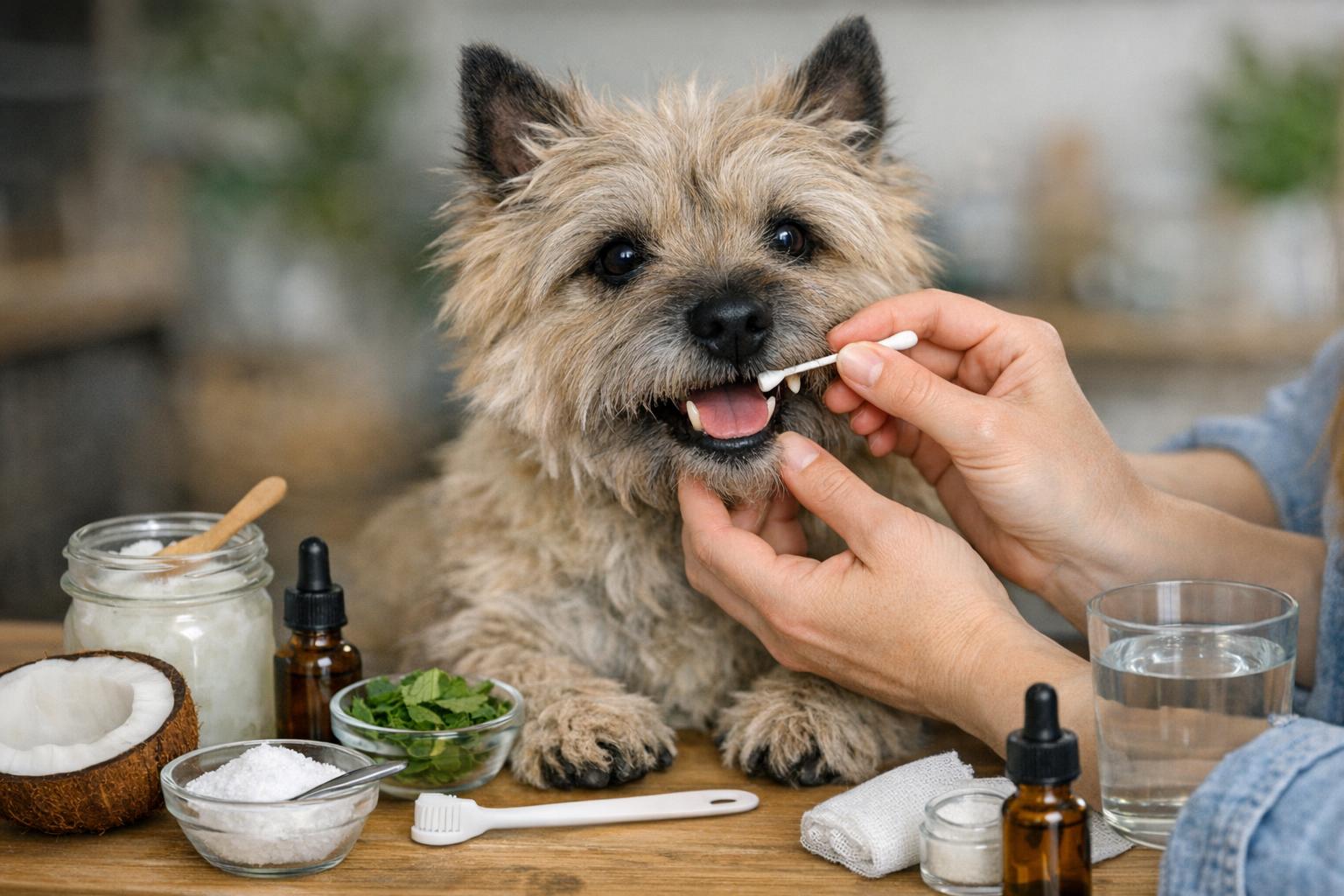
4. Application: Apply a small pea-sized amount to a soft toothbrush or silicone finger brush. With the dog gently restrained, apply the gel to the gumline and the area around the loose tooth. Use light, circular motions for no more than 30 seconds per session.
5. Frequency: Use once daily for up to 7 days short-term. Stop if irritation, redness, or increased drooling occurs.
Precautions: Ensure all ingredients are free of xylitol or added sweeteners; xylitol is highly toxic to dogs. This antiseptic gel is supportive to reduce surface bacteria and soothe gums. It is not a definitive treatment for infected roots or bone loss.
### Managing Pain And Comfort
If your dog shows pain, your veterinarian can prescribe safe pain relievers and possibly antibiotics for infections. Do not give human NSAIDs like ibuprofen or acetaminophen — these are toxic to dogs. Talk to your vet about dog-specific analgesics before administering anything.
### Preventive Habits To Minimize Future Risk
## Smart Daily Habits To Prevent Dog Loose Teeth
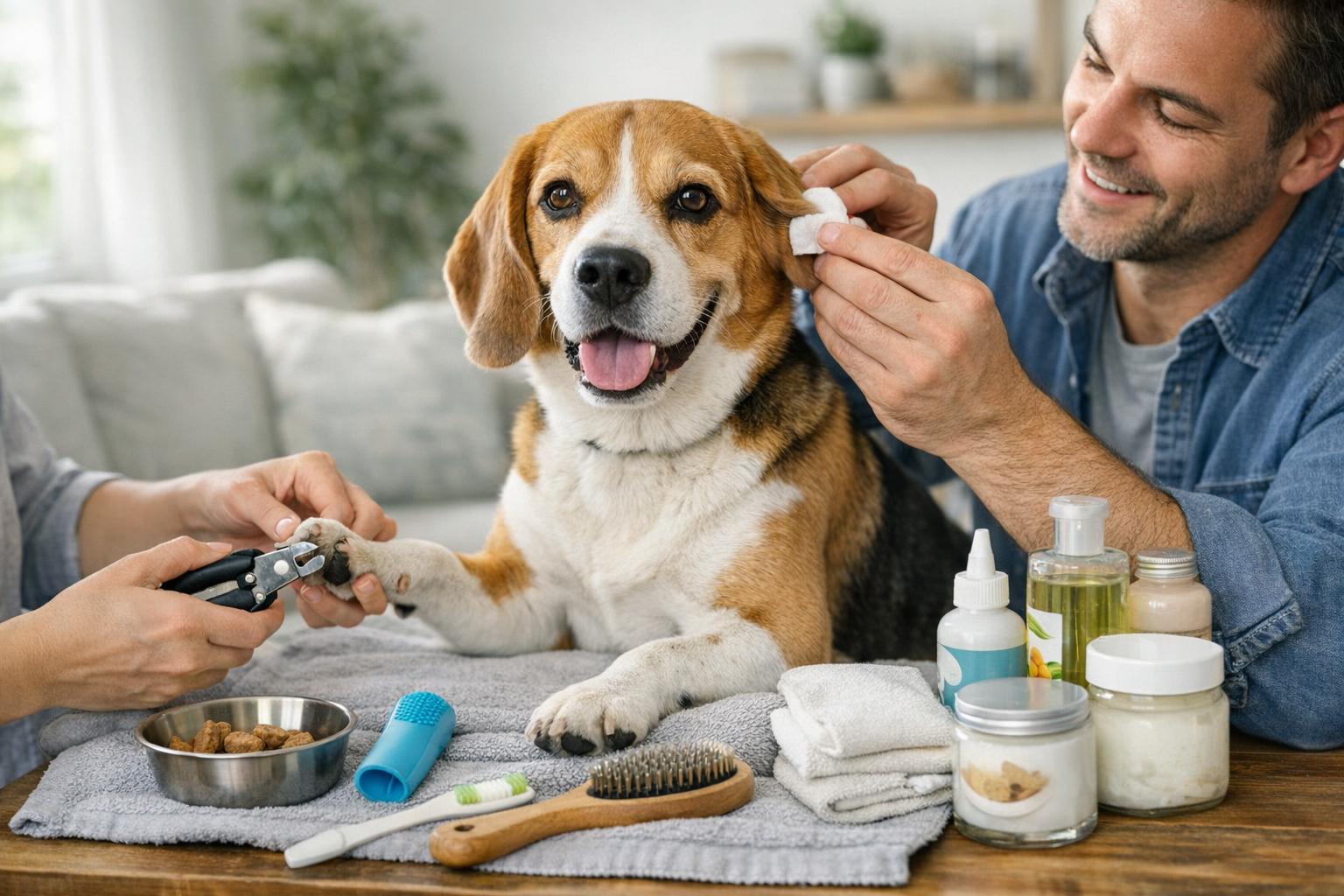
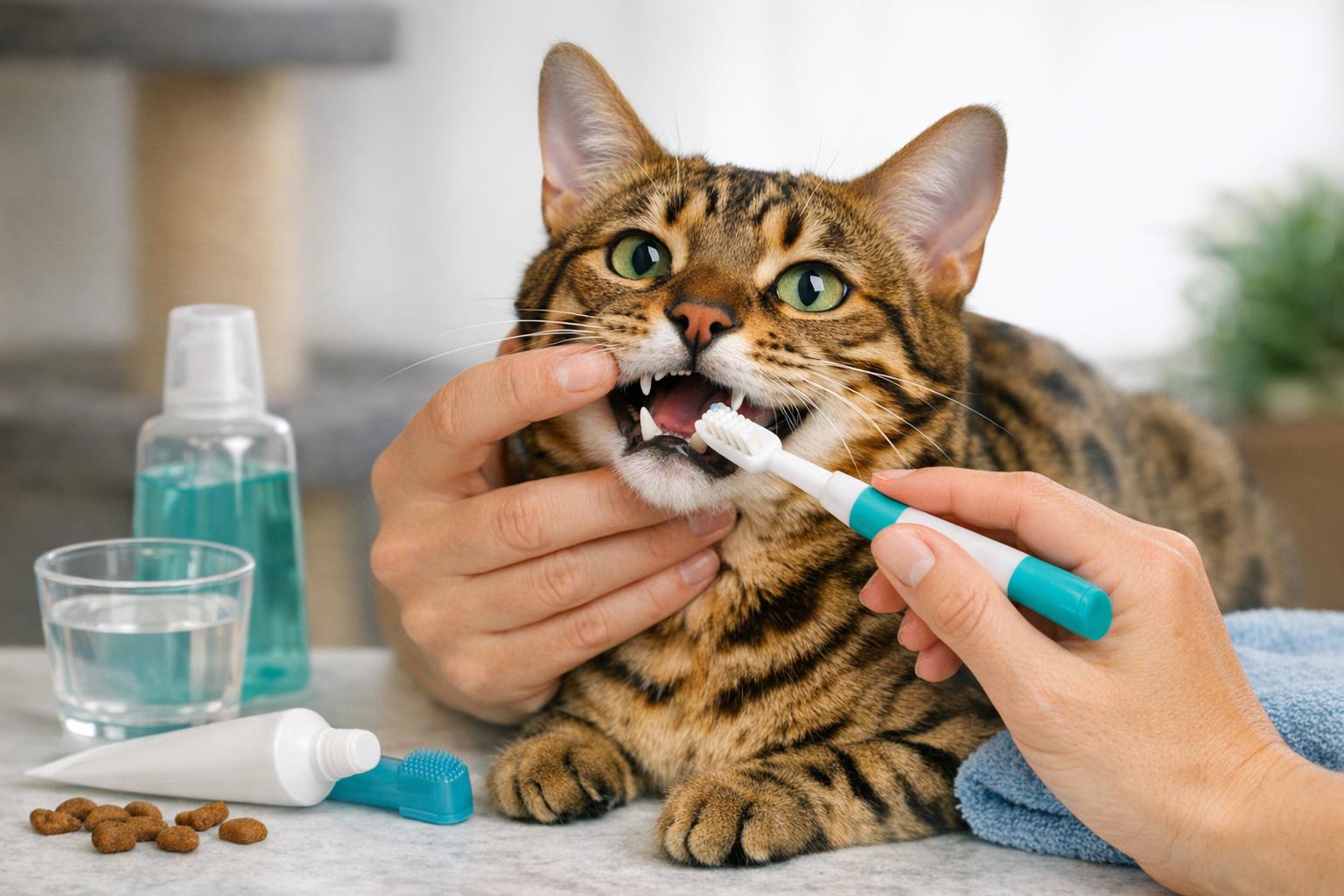
– Start a gentle tooth-routine early: Daily brushing with a pet-safe toothpaste reduces plaque accumulation.
– Handle the mouth: Regularly touch and lift your dog’s lips so exams are familiar and less stressful during vet visits.
– Provide appropriate chew toys: Avoid very hard items (bones, antlers, ice) that can fracture teeth. Choose rubber toys designed to be gentle on teeth.
– Regular checkups: Annual or biannual dental evaluations catch early gum disease before it causes tooth mobility.
– Diet matters: High-quality diets and dental-specific kibble or supervised dental chews can help, but they are complements to brushing, not replacements.
### When Home Care Is Not Enough
Home remedies stabilize and make your dog more comfortable, but they don’t repair underlying bone loss or remove infected tissue. If your pet has advanced periodontal disease, extraction of the affected tooth or teeth is often the most humane and effective option. Dental x-rays under anesthesia provide critical information about root health and bone levels, and may reveal involved teeth that aren’t visibly loose yet.
If you’re in doubt, err on the side of a veterinary dental consult. Teeth that are mobile due to infection are a source of chronic pain and can seed bacteria into the bloodstream, affecting other organs.
Keep an eye on your pup, use gentle home care to reduce discomfort, and coordinate with your veterinarian to pick the best timing for definitive treatment. Your dog’s mouth will thank you — and likely reward you with a slobbery kiss once the pain is gone.

















Leave a Reply