
Keeping a dog’s paws clean and nails well maintained is more than cosmetic. Good paw health reduces the risk of infection, prevents tracking irritants into the home, and supports comfortable movement. This article outlines practical approaches and safe DIY remedies for maintaining paw hygiene while also covering nail care, scheduling, and common issues to watch for.
## Paw Hygiene: Basics And Benefits
Paw hygiene is the foundation of a healthy routine for dogs of all ages and breeds. Clean, dry paws are less likely to develop skin infections, interdigital dermatitis, or accumulation of allergens and toxins picked up outdoors. Regular attention to paw hygiene also gives owners the chance to inspect for foreign bodies, hot spot development, cuts, or signs of systemic disease that may first appear on the feet.
### When To Clean And Inspect Paws
Inspect paws after walks in wet or dirty conditions, after exposure to salted roads or lawn treatments, and any time a dog is licking or favoring a paw. A visual check should include pads, webbing between toes, nails, and the area where the nail meets the pad. Prompt attention to any discoloration, swelling, or odor supports early intervention.
## Daily Paw Care Routine
A consistent routine simplifies paw hygiene and reduces stress for both dog and owner. Daily or after-walk wiping, weekly gentle inspections, and monthly deeper care for pads and nails typically meet the needs of most dogs. Adapt frequency to activity level, coat type, and local environment.
### 1. Gentle Paw Soak For Dirt And Irritants
Ingredients/Materials:
– Bowl or shallow basin large enough for the dog’s paw
– Lukewarm water (not hot)
– 1–2 teaspoons of unscented, mild castile soap per liter of water
– Soft cloth or non-abrasive sponge
– Clean towel for drying
Creation And Application (Formal, Informative):
1. Prepare a lukewarm soak by filling a shallow basin with enough water to cover the dog’s paw up to the ankle. Add the measured castile soap and swirl to dilute evenly.
2. Gently place the paw into the water and allow it to soak for no more than 1–2 minutes. This softens adhered dirt and dislodges grit without prolonged tissue exposure to moisture.
3. Use the soft cloth or sponge to carefully wipe the pads and between toes, applying minimal pressure to avoid aggravating tender areas.
4. Rinse the paw in fresh lukewarm water to remove all soap residue.
5. Thoroughly dry the paw with a clean towel, paying attention to webbing where moisture can linger and promote microbial growth.
6. Repeat for each paw, cleaning the basin between animals or after contact with contaminated matter.
This gentle soak addresses visible contamination and is suitable for routine maintenance or after particularly dirty excursions. Avoid long soaks and avoid scented soaps that may irritate sensitive skin.
#### Frequency And Precautions
Limit this soak to once or twice weekly for general maintenance. Increase frequency after exposure to deicing salt or foam-producing substances, but ensure thorough rinsing. If the dog shows signs of pain, bleeding, or a strong odor from a paw, consult a veterinarian before home treatment.
### 2. Homemade Moisturizing Paw Balm
Ingredients/Materials:
– 2 tablespoons organic coconut oil
– 1 tablespoon shea butter (refined if dogs are sensitive)
– 1 tablespoon beeswax pellets
– Small heat-safe container and stirring utensil
– Clean small jar for storage
Creation And Application (Formal, Informative):
1. Combine coconut oil, shea butter, and beeswax in the heat-safe container.
2. Heat gently using a double boiler method until all components are melted and homogeneous. Avoid direct high heat to preserve beneficial qualities of the oils.
3. Pour the liquid into the storage jar and allow it to solidify at room temperature.
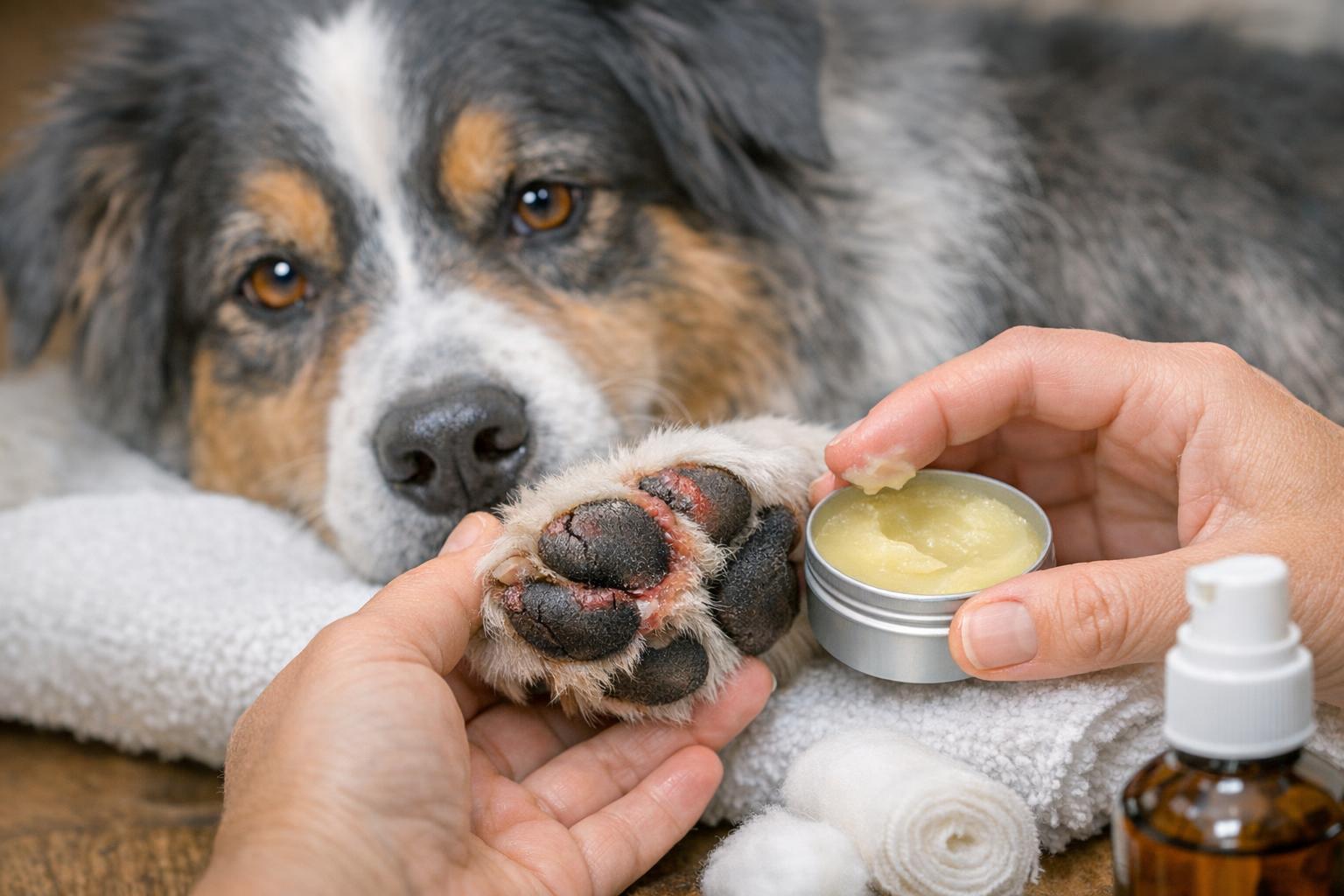
4. To apply, warm a small amount between fingertips and gently massage into dry or cracked pads, avoiding areas with open wounds.
5. Apply 2–3 times weekly for prevention; increase to daily for visibly dry or cracked pads until improvement is noted.
This balm forms a protective, moisturizing layer that supports pad elasticity and reduces cracking. Be mindful that some dogs will lick the applied product; these ingredients are generally safe in small amounts but monitor intake and consult a veterinarian if ingestion is excessive.
## Nail Care And Trimming Protocol
Proper nail maintenance complements paw hygiene by preventing altered gait and injury. Overlong nails can create pressure that leads to cracking and can trap debris.
### How To Trim Nails Safely
Materials:
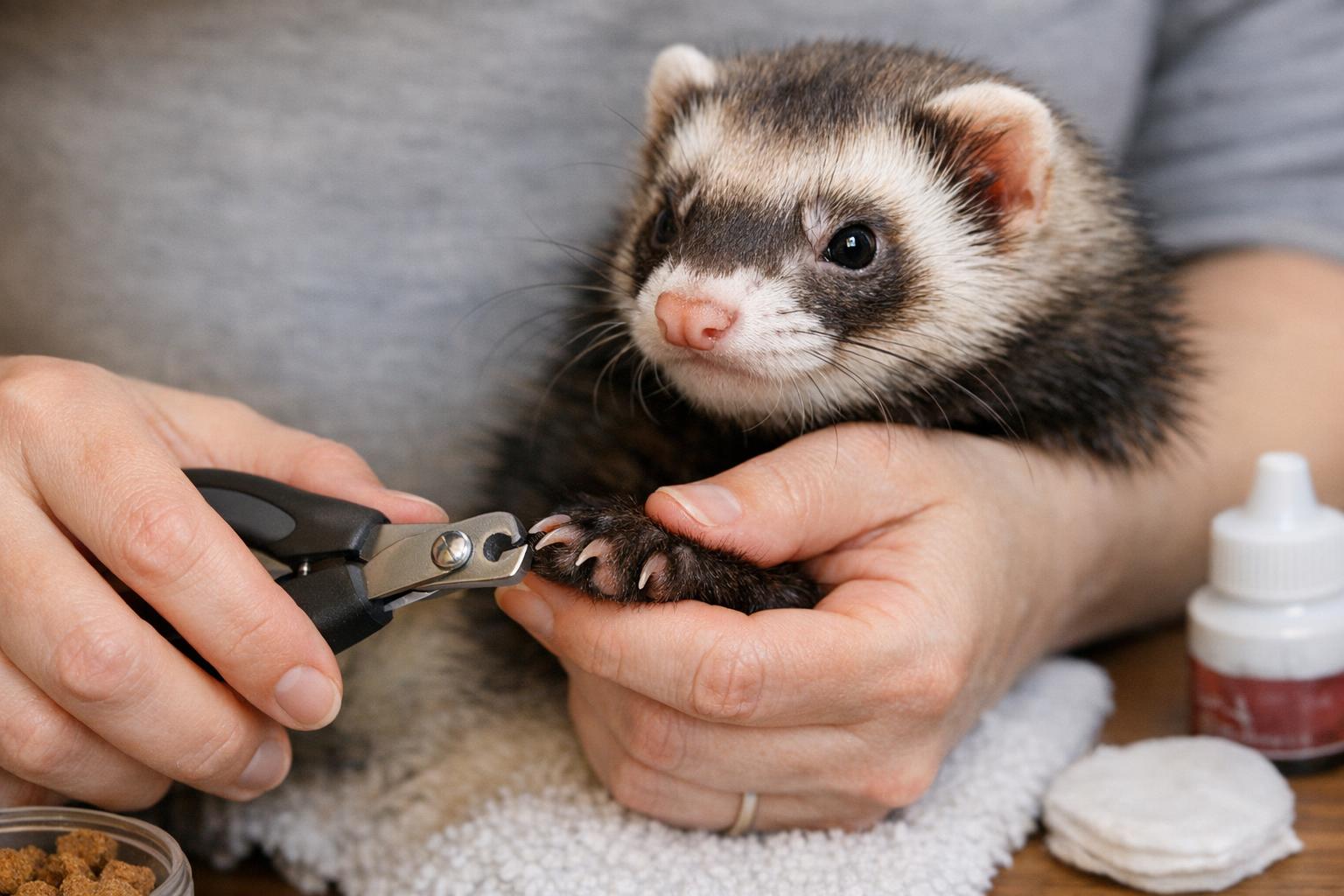
– Quality guillotine or scissor-style dog nail clippers
– Styptic powder or cornstarch for accidental bleeding
– Treats for positive reinforcement
– A comfortable restraint (towel or helper) if needed
Procedure (Formal, Informative):
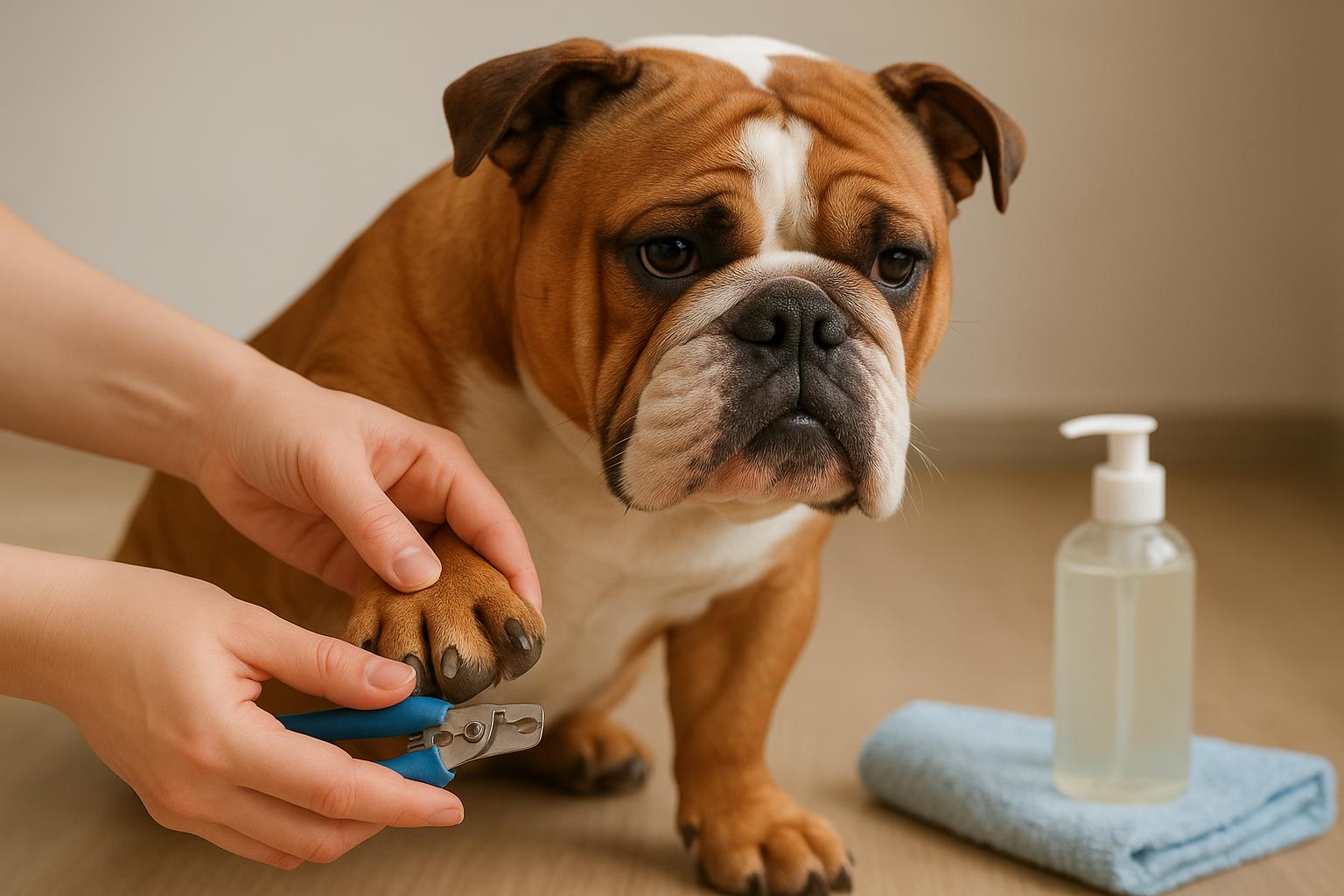
1. Acclimate the dog to handling by touching paws daily without cutting. Offer treats for calm behavior.
2. Identify the quick (the living tissue inside the nail). In light-colored nails, it appears as a pink area; in dark nails, trim cautiously in small increments to avoid cutting the quick.
3. Hold the paw firmly and position the clipper to remove small portions of the nail tip at a right angle. Trim slowly, inspecting the cut surface after each small trim.
4. If accidental bleeding occurs, apply styptic powder or cornstarch with gentle pressure until it stops.
5. File any sharp edges with a nail file designed for pets.
#### Frequency And Special Considerations
Trim nails every 3–6 weeks depending on activity and growth. Dogs that run on hard surfaces may need less frequent trimming. If unsure about quick location, seek professional grooming or veterinary assistance to avoid injury.
### 3. Natural Antiseptic Spray For Minor Cuts And Irritations
Ingredients/Materials:
– 1 cup distilled water
– 1 tablespoon apple cider vinegar (ACV) or distilled white vinegar
– 1 teaspoon aloe vera gel (pure, without additives)
– Spray bottle (clean)
– Cotton pads or soft cloth
Creation And Application (Formal, Informative):
1. Combine distilled water and vinegar in the spray bottle. Vinegar provides mild antimicrobial action while remaining gentle on skin when diluted.
2. Add the aloe vera gel and shake thoroughly to mix. Store refrigerated for up to one week.
3. For application, spray the solution onto the affected area from a short distance, or apply with a dampened cotton pad. Allow to air dry.
4. Use twice daily on minor abrasions or irritated skin. Discontinue if increased redness, swelling, or adverse reactions occur.
This solution is intended for minor, superficial issues only. For deep wounds, persistent bleeding, or signs of systemic illness, consult a veterinarian rather than relying on home treatments.
## Seasonal And Environmental Considerations
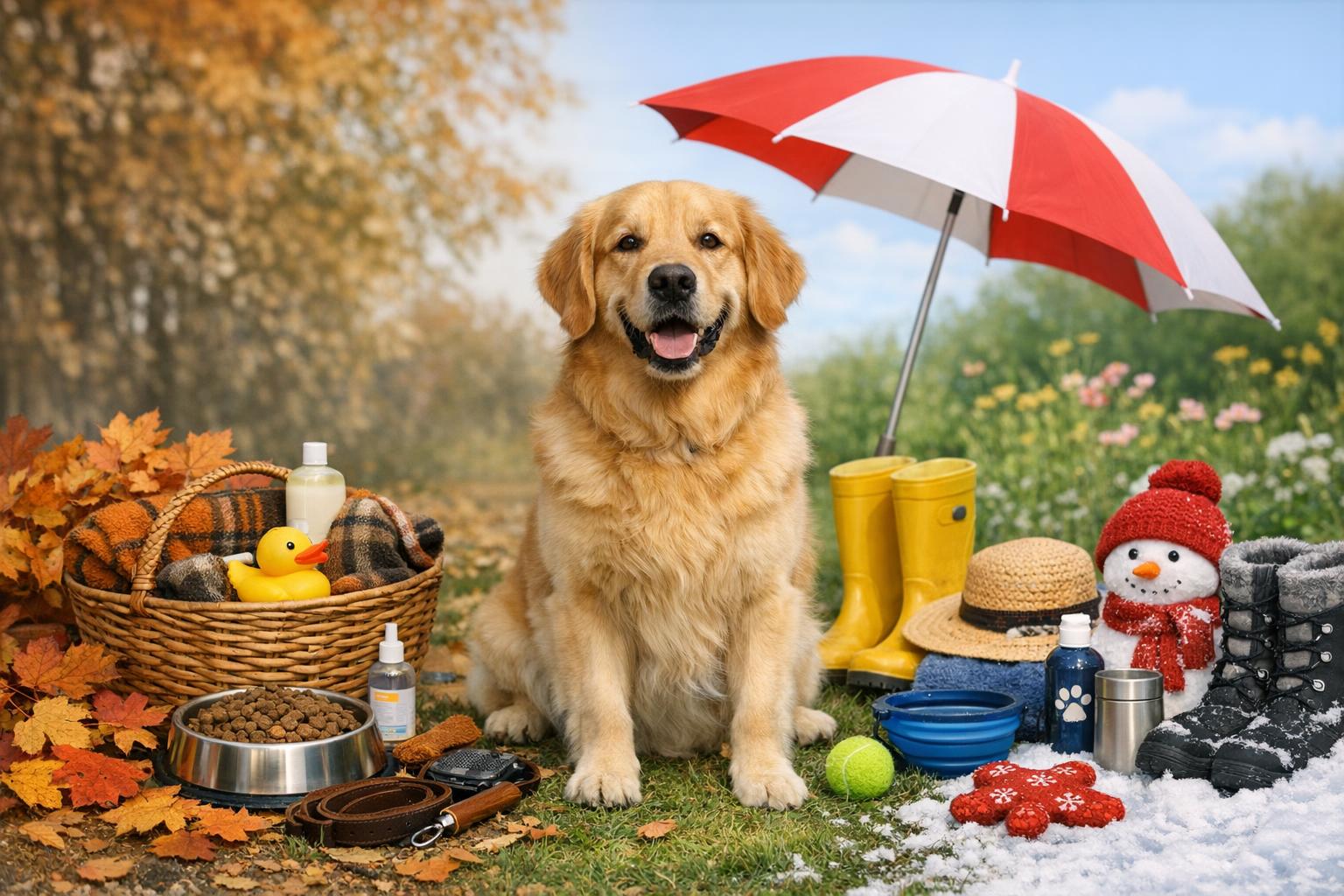
Different seasons impose different challenges for paw hygiene. In winter, deicing salts and grit can irritate pads and trap between toes; rinse paws after outdoor exposure. In summer, hot pavement can cause burns; check surface temperatures and consider protective booties for walks. After hikes, inspect for burrs, foxtails, and plant material that can embed between toes.
#### Travel And Boarding Tips
When traveling or using boarding facilities, inform caregivers about your dog’s paw hygiene routine and any known sensitivities. Provide your own balm or cleansing agents if the dog has specialized needs. A trained caregiver can reduce the chance of missed inspections and ensure continuity of care.
## Signs That Require Veterinary Attention
Persistent limping, swelling, pus, deep cuts, visible foreign bodies embedded in the pad, or systemic signs such as fever warrant professional evaluation. While home methods support maintenance and minor first aid, they are not substitutes for veterinary diagnosis and treatment when pathology is present.
#### Training Dogs For Regular Paw Maintenance
Regular positive reinforcement training makes paw hygiene manageable. Start with short, calm sessions of paw handling, gradually introduce grooming tools, and reward compliance. A dog comfortable with paw handling will tolerate routine soaks, balm applications, and nail trims with reduced stress.



Leave a Reply