

Natural Care For Dry Spots On Dogs Ears: DIY Remedies
Dogs’ ears can be charmingly floppy, majestic, or comically alert — and sometimes they develop dry, flaky patches that look and feel uncomfortable. If you’ve landed here, you’re probably searching for practical, gentle ways to help your pup. This article walks through how to spot the issue, what often causes it, safe prevention tips, and three carefully described DIY remedies you can try at home. Expect friendly guidance and, when it matters, a more formal, clinical tone for the remedies.
## How To Recognize Dry Spots On Dogs Ears
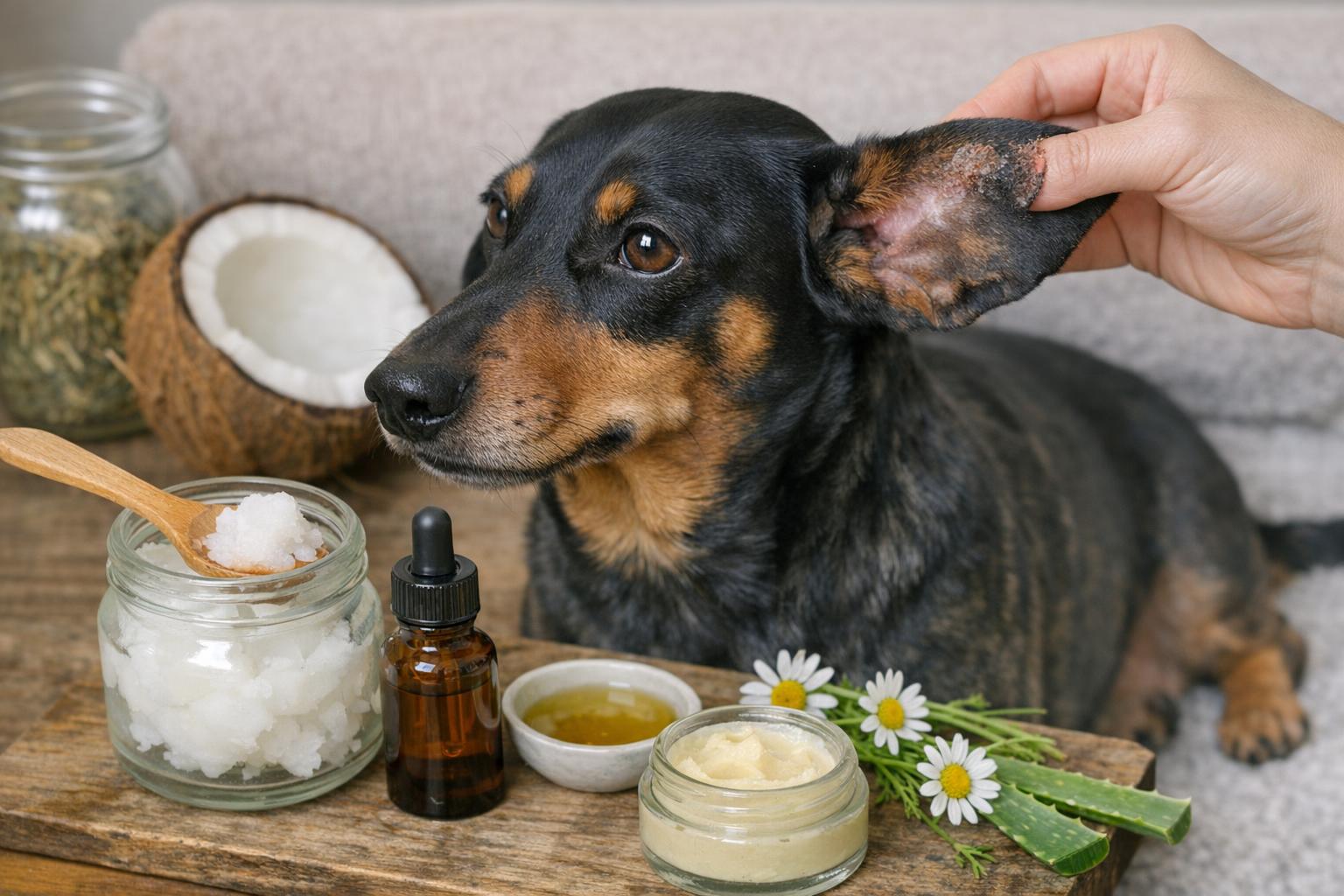
Dry spots on dogs ears usually show up as flaky, scaly, or rough patches on the skin of the ear flap (pinna). They might be localized small patches or larger areas where hair looks wiry or missing. Your dog may scratch, shake their head, or rub against furniture more than usual. Some signs to watch for include:
– Fine white flakes like dandruff
– Red or inflamed skin around the dry area
– Crusty scabs or slight hair loss
– Mild odor (if there’s secondary infection)
If you see cracking, bleeding, severe swelling, or your dog seems painful or lethargic, pause the DIY and consult a vet. Not all dry spots are simple dryness — some are symptoms of allergies, mites, fungal or bacterial infections, or endocrine conditions.
## Common Causes Of Dry Spots On Dogs Ears
Several things can trigger dry patches on the ear skin. Environmental dryness (cold weather, low humidity), frequent bathing with harsh shampoos, contact irritants (new collars, topical meds), and allergies (food or environmental) are frequent culprits. Parasites like ear mites and some fungal infections can also manifest as flaky or irritated ear skin. Each cause needs a slightly different approach, so observation matters: is the problem seasonal? Is the dog itchy all over or only on the ears?
## When To Get Veterinary Help
If the dry spots are spreading rapidly, are painful to the touch, have discharge, or your dog’s behavior changes (loss of appetite, lethargy), see your veterinarian. Also seek professional care if home treatments don’t improve the condition within a week or two, or if signs worsen. A vet can rule out mites, fungal infections, or systemic issues that require prescription meds.
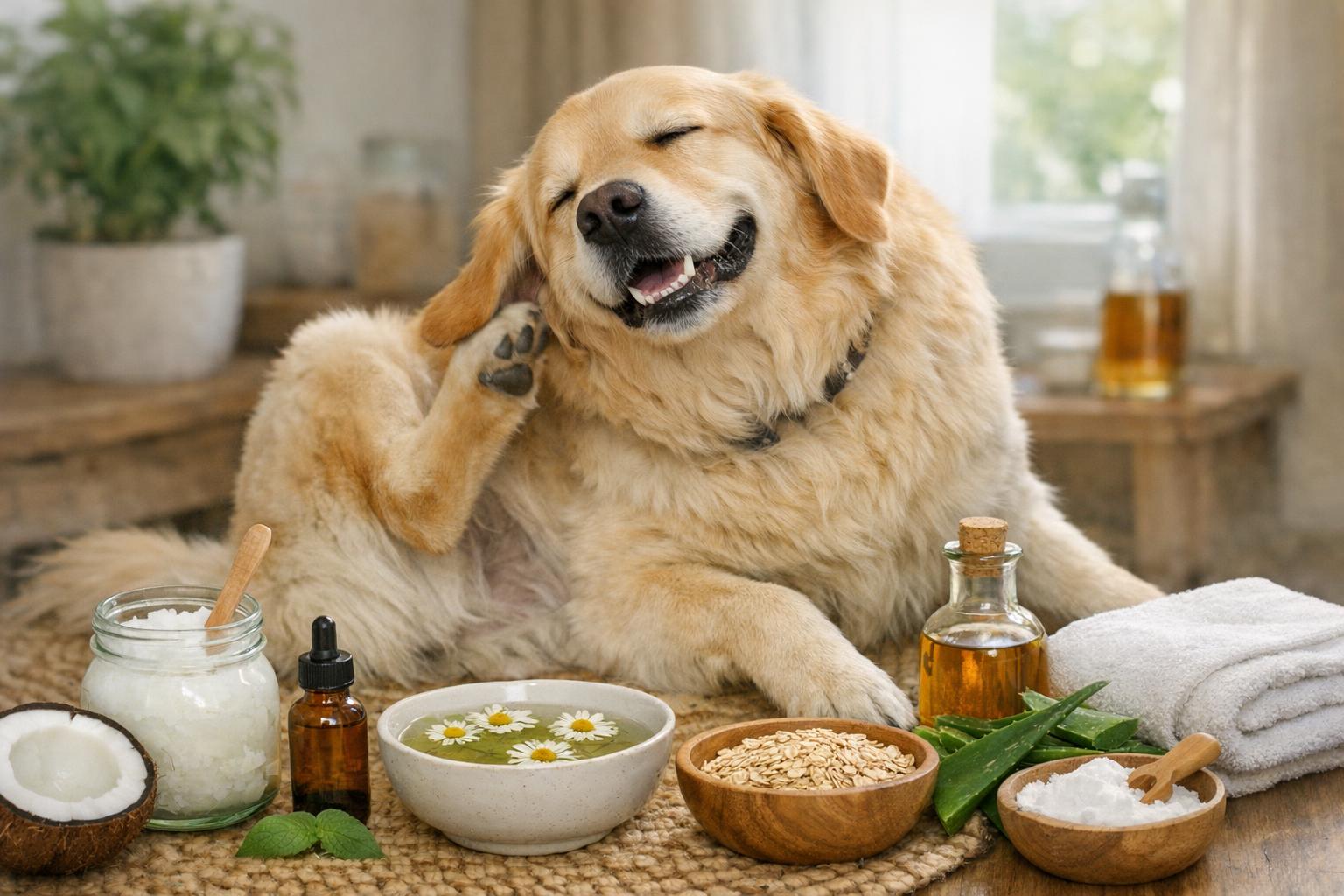
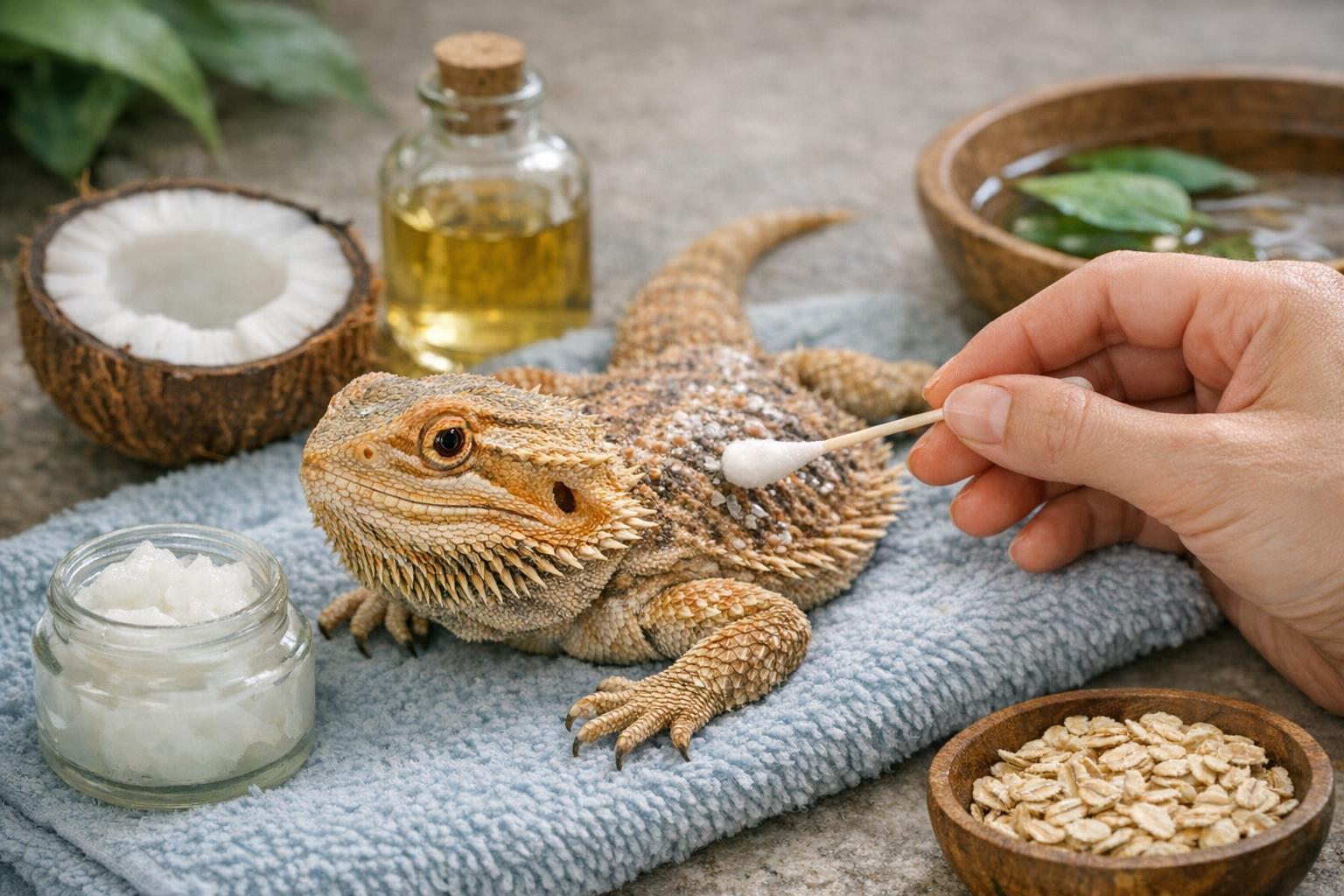
## Remedy 1: Oatmeal And Coconut Oil Soothing Balm
This is a gentle, moisturizing balm suitable for mild dryness and flaky skin. Use it only on intact skin (no open wounds) and after checking with your vet if the cause is unclear.
Ingredients / Materials:
– 1/2 cup colloidal oatmeal (finely ground oats)
– 2 tablespoons virgin coconut oil
– 1 tablespoon shea butter (optional, for thicker balm)
– Clean glass jar with lid
– Small saucepan and heatproof bowl (double boiler setup)
Creation And Application Steps:
1. Prepare a double boiler: simmer a small amount of water in the saucepan and place the heatproof bowl on top.
2. Add coconut oil and shea butter to the bowl and melt gently, stirring until liquified.
3. Remove from heat and whisk in colloidal oatmeal until smooth. Allow mixture to cool slightly.
4. Pour into a clean glass jar and let set at room temperature until it firms.
5. Before application, test a very small dab on your dog’s inner forearm and wait 24 hours for any reaction.
6. If no reaction, apply a pea-sized amount directly to the dry spots on the ear using clean fingers or a cotton swab. Gently massage for 30–60 seconds.
7. Apply once or twice daily. Use only small amounts; too much can encourage licking. If your dog licks excessively, consider using an Elizabethan collar while the balm absorbs.
Safety Notes: Do not use if the skin is broken. Discontinue if redness, swelling, or irritation occurs. Store in a cool, dry place for up to 2–3 months.
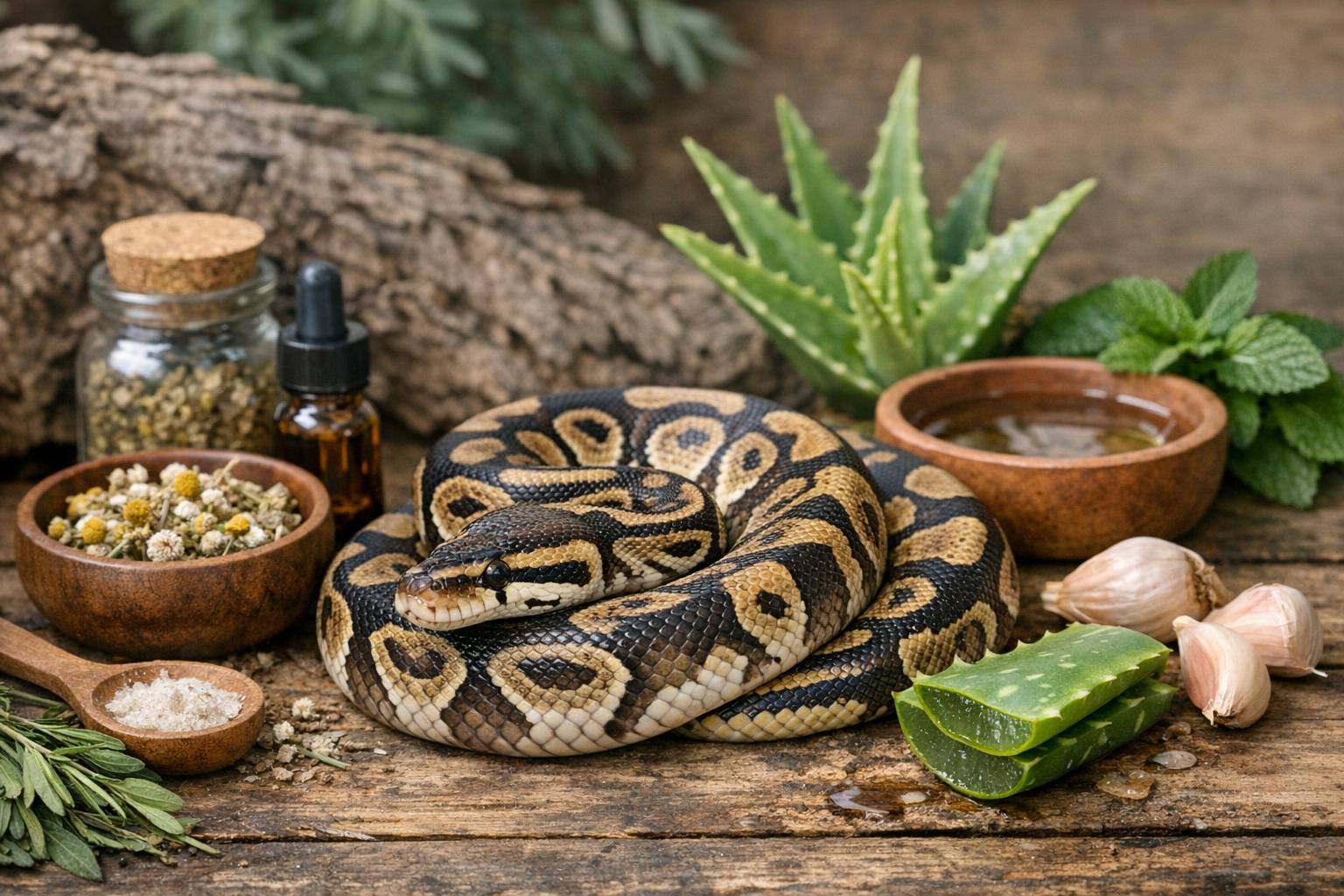
## Remedy 2: Aloe Vera And Chamomile Cooling Spray
Aloe vera plus chamomile offers mild anti-inflammatory and soothing benefits, useful for mildly irritated, non-infected dry areas. This spray is light and helps soothe without greasy residue.
Ingredients / Materials:
– 1/2 cup pure aloe vera gel (food-grade, without additives)
– 1/2 cup distilled water
– 1 chamomile tea bag (or 1 tablespoon loose chamomile flowers)
– Clean spray bottle (4–8 oz capacity)
– Funnel and strainer
Creation And Application Steps:
1. Brew a strong chamomile infusion: steep the tea bag or flowers in 1/2 cup boiling water for 10 minutes, then cool and strain.
2. Combine the cooled chamomile infusion with aloe vera gel in the spray bottle using a funnel. Shake to mix thoroughly.
3. Refrigerate the spray; it will keep for up to 7 days.
4. Test a small area on your dog’s skin and wait 24 hours for adverse reactions.
5. If clear, lightly mist the dry spots on the ear from 6–8 inches away, avoiding the ear canal. Do not spray near the eyes.
6. Gently pat the area dry after 2–3 minutes. Apply twice daily as needed.
Safety Notes: Use only pure aloe vera gel without alcohol or fragrances. If signs of infection (pus, strong odor) are present, stop and see the vet.
## Remedy 3: Diluted Apple Cider Vinegar (ACV) Cleanse — Use With Caution
A properly diluted ACV solution can help balance skin microbiome for some dogs, but it can sting open or very inflamed wounds. Use this only for stubborn flaky areas on intact skin and avoid if your dog has known sensitive skin.
Ingredients / Materials:
– 1 part raw, unfiltered apple cider vinegar
– 3 parts distilled water
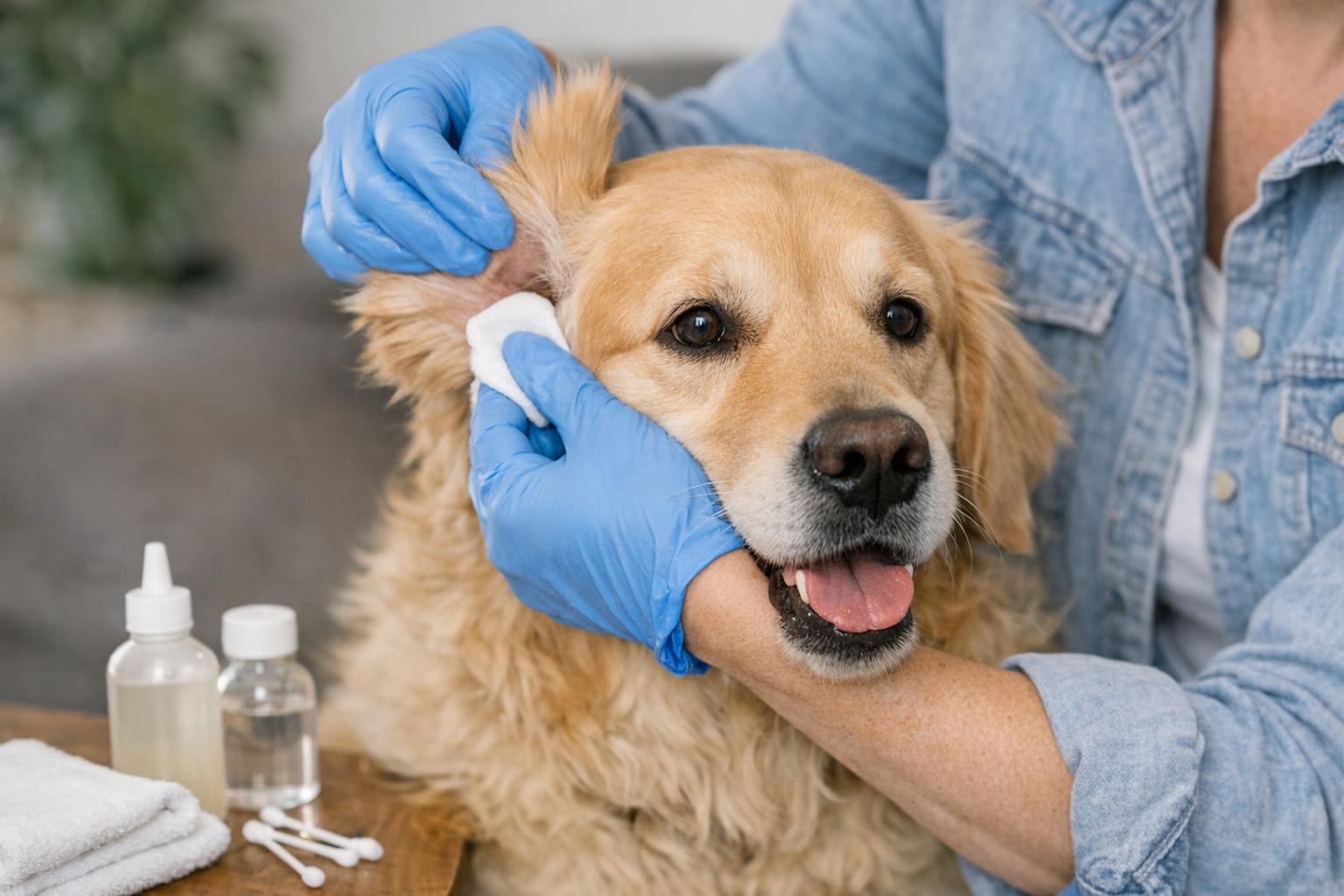
– Clean cotton pads
– Small glass bowl
Creation And Application Steps:
1. Mix 1 part ACV with 3 parts distilled water in a glass bowl. Example: 1 tablespoon ACV + 3 tablespoons water.
2. Dip a cotton pad into the solution and wring out excess liquid.
3. Lightly swipe the cleaned outer ear surface where dry spots are present. Do not insert into the ear canal.
4. Allow to air dry for several minutes. Apply once daily for up to 5 days.
5. Monitor the skin closely. Discontinue immediately if the skin becomes redder, blistered, or if your dog reacts painfully.
Safety Notes: Never use undiluted ACV. Avoid use on puppies, very old dogs, or anytime skin is raw or bleeding.
### Preventive Care And Home Practices
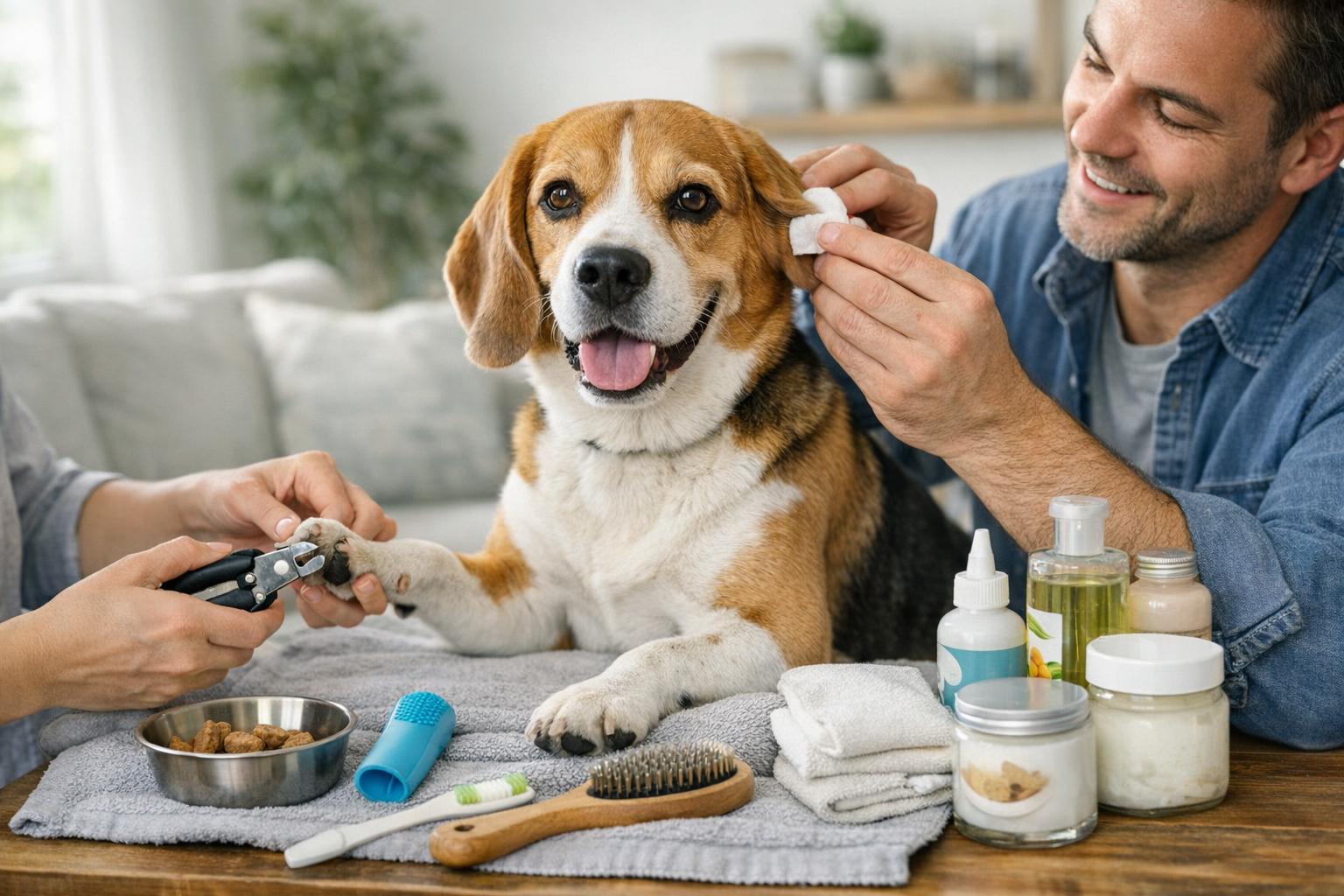
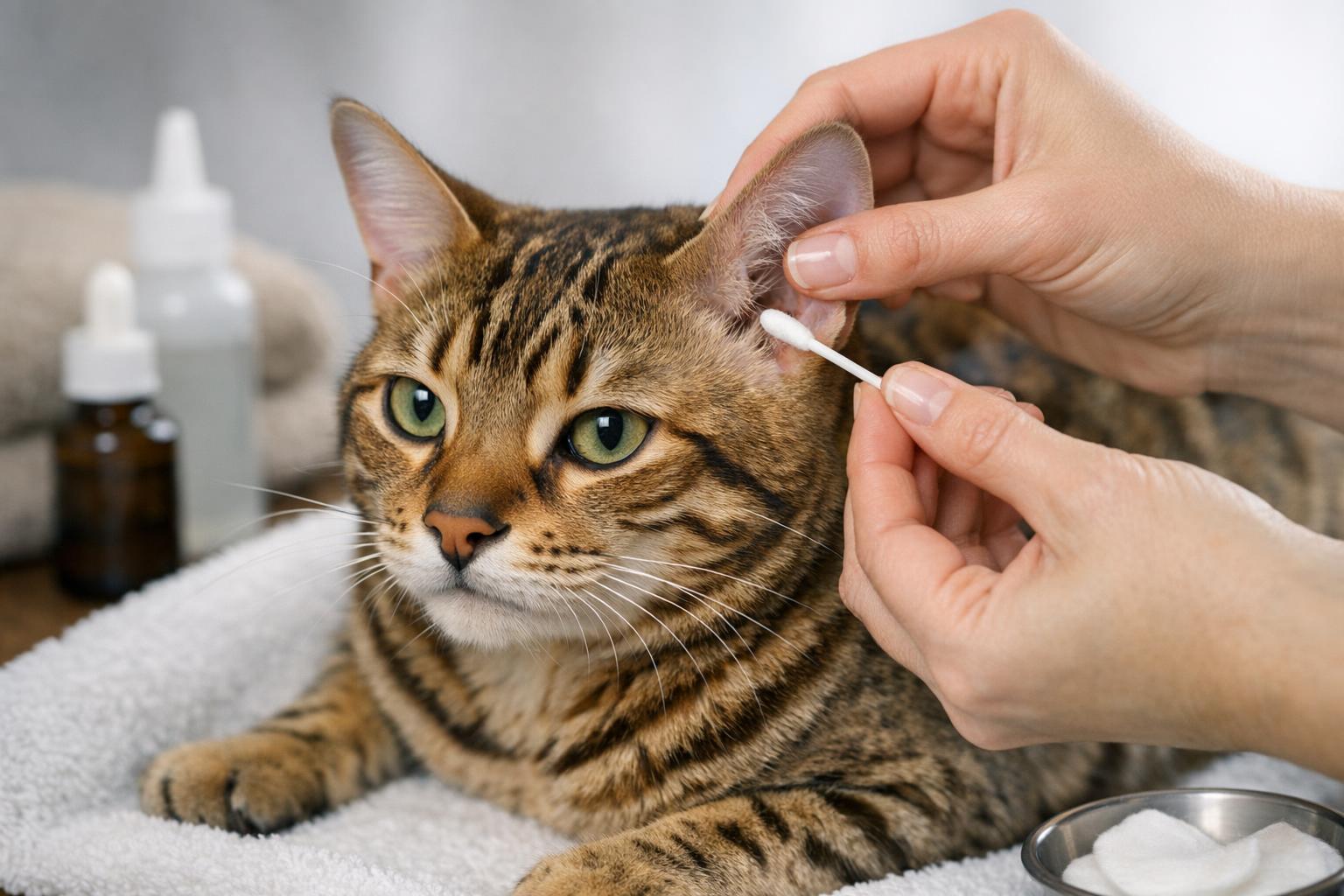
Good prevention reduces recurrence of dry spots on dogs ears. Maintain a balanced diet with omega-3 fatty acids (fish oil or flaxseed supplements) after first consulting your vet. Regular, gentle ear checks and cleaning with vet-recommended ear cleansers help remove wax and debris. Avoid over-bathing and use mild, dog-specific shampoos. If your home is very dry, a humidifier during winter can help both you and your pup.
### When Allergies Or Parasites Are Suspected
If the dry patches come with intense itching, involvement of paws or belly, or occur seasonally, allergies are probable. Food trials or allergy testing might be recommended by your vet. For suspected ear mites, look for tiny dark specks (like coffee grounds) and intense ear scratching — these require veterinary treatment such as topical antiparasitics.
#### Grooming Tips For Ears
Trim excess hair around the ear opening carefully to promote airflow, but do not pluck or over-trim without professional guidance, as this can irritate sensitive skin. After swimming, dry the ears gently with a towel; trapped moisture can encourage yeast growth.
#### Monitoring Progress
Keep a simple log of treatments, dates, and any changes you observe. Photographs taken every few days can help you and your vet see whether home remedies are working or if escalation of care is necessary.
## Final Vet Reminder
Home care can be effective for mild cases, but persistent or worsening dry spots on dogs ears warrant professional evaluation. Your veterinarian can perform skin scrapings, cultures, or bloodwork to determine the root cause and prescribe targeted therapy if needed.
Now, roll up your sleeves (metaphorically), pick a remedy that matches the presentation, and proceed carefully. If your pup looks for ear rubs afterward, consider it a job well done — and maybe a little bribery with treats is in order.











Leave a Reply