

Every dog owner wants a paw that’s ready for walks, zoomies, and the occasional dramatic side-eye — not a clacky, cracked mess. Part of that paw-perfect picture is healthy dog nails. They affect posture, how your dog walks, and even the health of pads and joints. Below you’ll find practical, mostly natural DIY remedies and routines to strengthen nails, clean cuticles, and keep those paws camera-ready.
## Why Healthy Dog Nails Matter
Long, brittle, or infected nails aren’t just an aesthetic problem. Maintaining healthy dog nails prevents pain, reduces the risk of ingrown nails, and helps avoid compensatory changes in gait that can strain hips and shoulders. Dogs with overgrown nails often hesitate on slippery floors, are less likely to play, and may develop long-term musculoskeletal issues if left untreated.
### Common Nail Problems
Split nails, black or discolored nails, fungal infections, and ingrown nails are the usual suspects. Some breeds with fast-growing nails or light-colored nails might show quick wear, while others need more frequent attention. Outdoor activity, diet, and underlying health conditions also play a role.
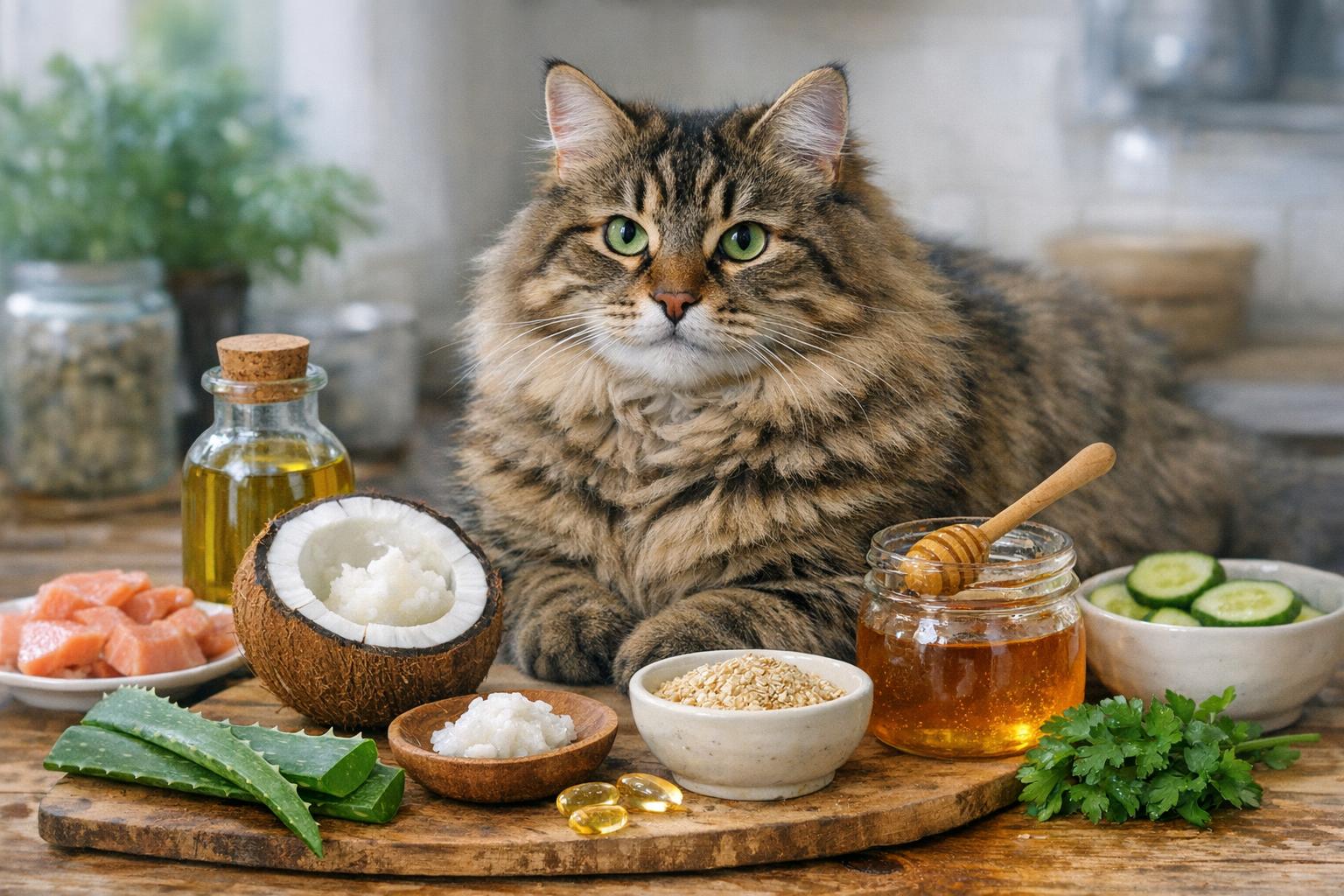
## Remedy 1: Coconut And Olive Oil Nail Soak
This gentle soak nourishes tissue around the nail and helps hydrate the nail plate. This soak helps nourish the cuticle and promotes healthy dog nails by moisturizing and reducing brittleness.
### Ingredients And Materials
– 1 cup warm (not hot) water
– 1 tablespoon organic coconut oil (melted)
– 1 tablespoon extra-virgin olive oil
– 1 teaspoon honey (optional for extra moisture)
– Small bowl or basin
– Soft towel
### Step-By-Step Creation And Application
1. Prepare The Soak: Combine warm water with melted coconut oil and olive oil in the bowl. Stir until the oils disperse. Add honey if using and mix.
2. Position Your Dog Comfortably: Choose a quiet place and have treats on hand. Place the bowl where your dog can rest a paw comfortably.
3. Soak The Paw: Gently place one paw in the solution for 5–8 minutes. Massage the area around each nail for about 30 seconds to encourage absorption.
4. Dry Carefully: Remove the paw and pat dry with a soft towel. Make sure toes are completely dry to prevent any moisture-trapped irritation.
5. Frequency: Apply 2–3 times per week for 4–6 weeks to see improved flexibility and reduced splitting.
Note: If your dog has an open wound near the nail, skip the soak and consult a vet.
## Remedy 2: Apple Cider Vinegar Antifungal Rinse
Apple cider vinegar (ACV) is a mild antifungal and antibacterial agent when diluted correctly. ACV can help balance pH and fight fungus that threatens healthy dog nails.
### Ingredients And Materials
– 1 cup water
– 1/4 cup raw apple cider vinegar
– Clean spray bottle or basin
– Cotton pads or soft cloth
### Step-By-Step Creation And Application
1. Mix The Rinse: Combine water and ACV in a spray bottle or a basin. Shake gently to mix.
2. Test First: Dab a tiny amount on the pad area and wait 5 minutes to ensure no stinging or adverse reaction.
3. Apply The Rinse: Spray or gently pour the solution on the nails and surrounding skin. For soaking, submerge the paw for 2–3 minutes.
4. Clean And Dry: Wipe with a clean cloth and dry thoroughly. Repeat once daily for up to two weeks for mild fungal signs, or as advised by a vet.
5. Monitor: If irritation, redness, or swelling increases, discontinue use and seek veterinary advice.
Use care around open sores; ACV can sting. For dogs with sensitive skin, reduce the concentration to 1 part ACV to 10 parts water.
## Remedy 3: At-Home Nail Trimming And Filing Routine
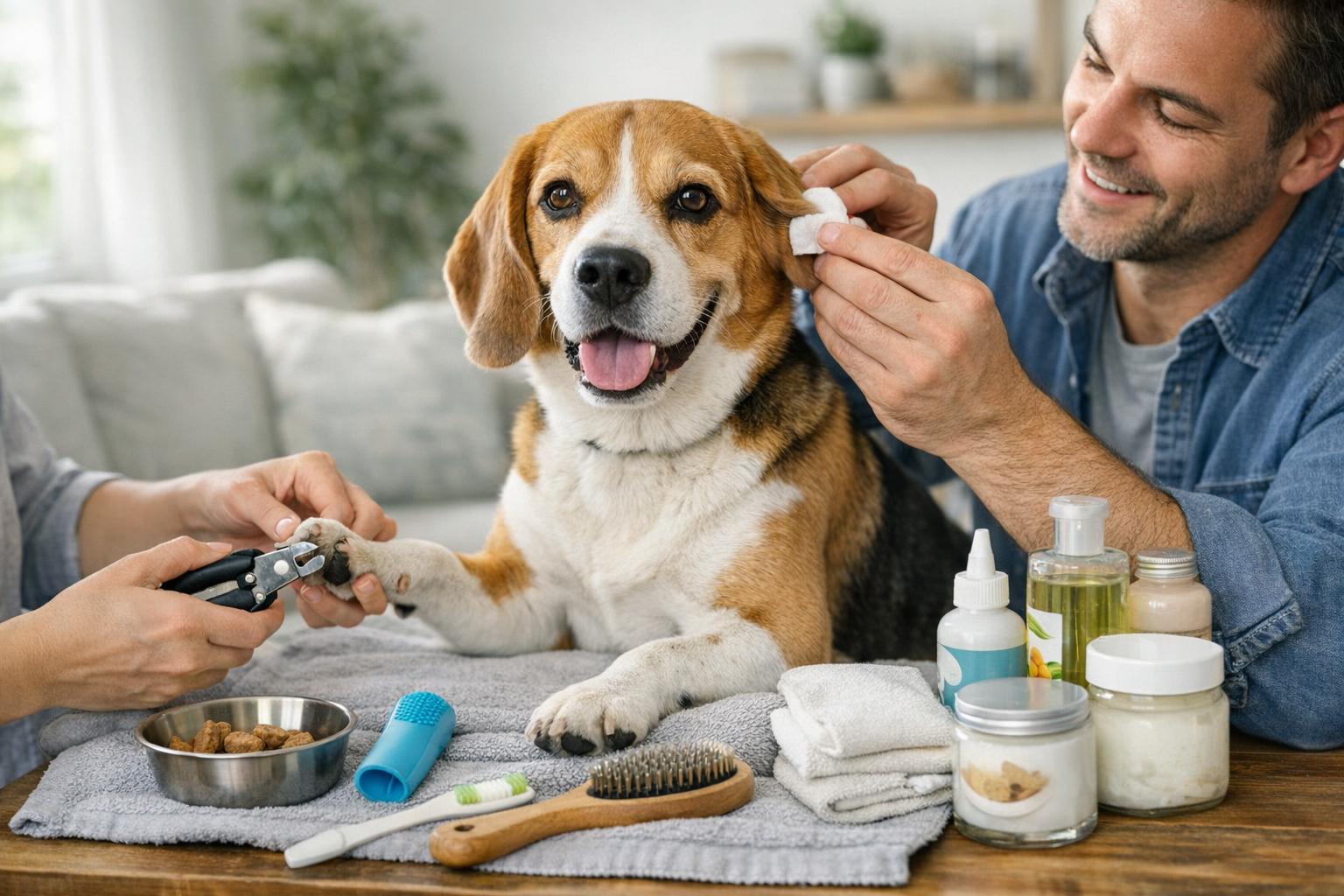
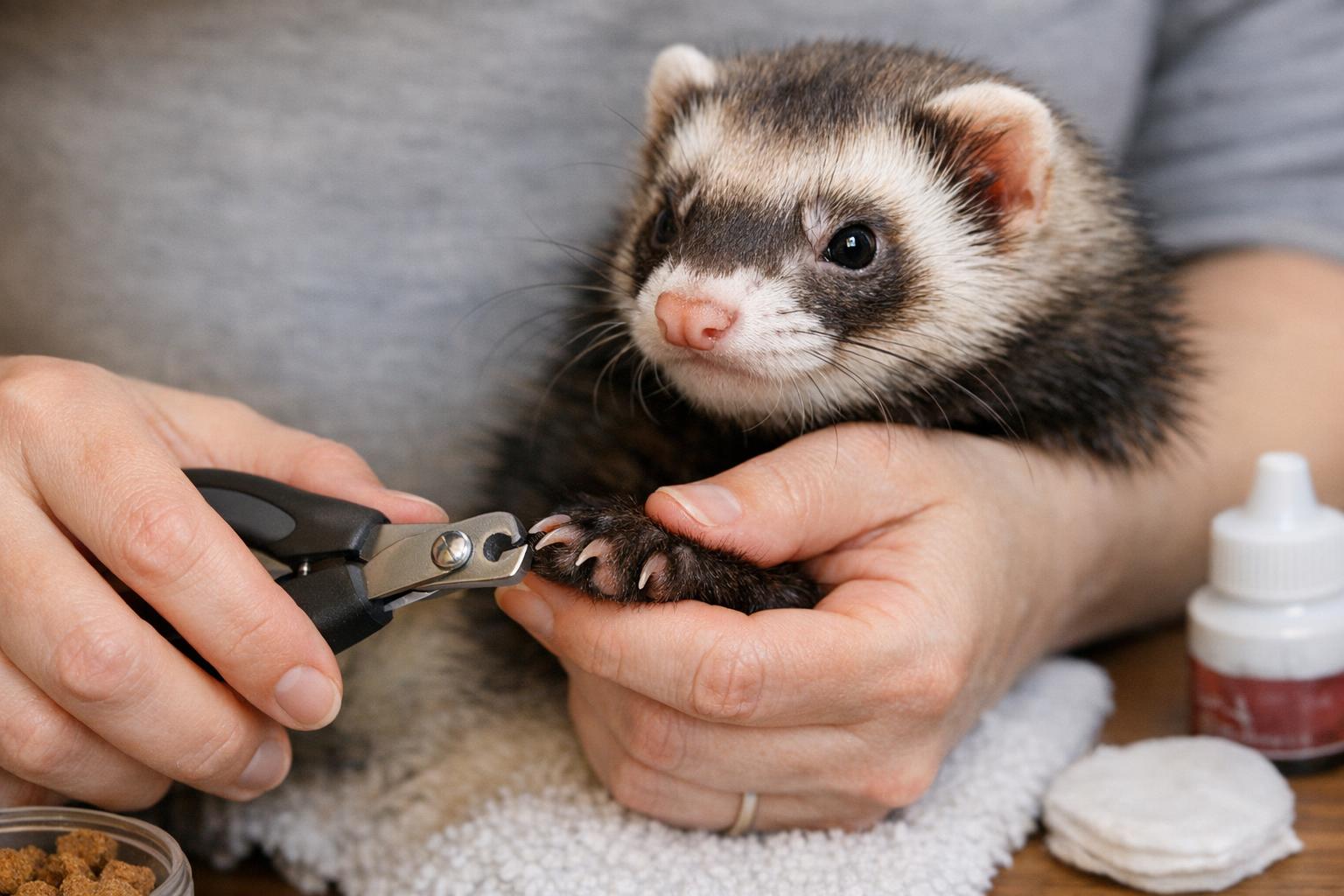
Keeping a gentle trimming and filing schedule is one of the top preventive measures for healthy dog nails. Regular maintenance keeps nails at the correct length, preventing splitting and abnormal wear.
### Materials Needed
– Guillotine or scissor-style dog clippers (sharp and sized for your dog)
– Emery board or pet nail file
– Styptic powder (for accidental nicks)
– Treats and a calm environment
– Flashlight (for dark nails to locate the quick)
### Step-By-Step Creation And Application
1. Prepare The Space: Choose a well-lit, quiet area. Have treats ready and ensure your dog is relaxed.
2. Identify The Quick: For light nails, you can see the pink quick. For dark nails, trim in small 1–2 mm increments and use a flashlight from underneath to locate the quick.
3. Trim Correctly: Hold the paw firmly but gently. Angle the clipper slightly and cut straight across to avoid splitting. Trim only a small amount each session for dark nails.
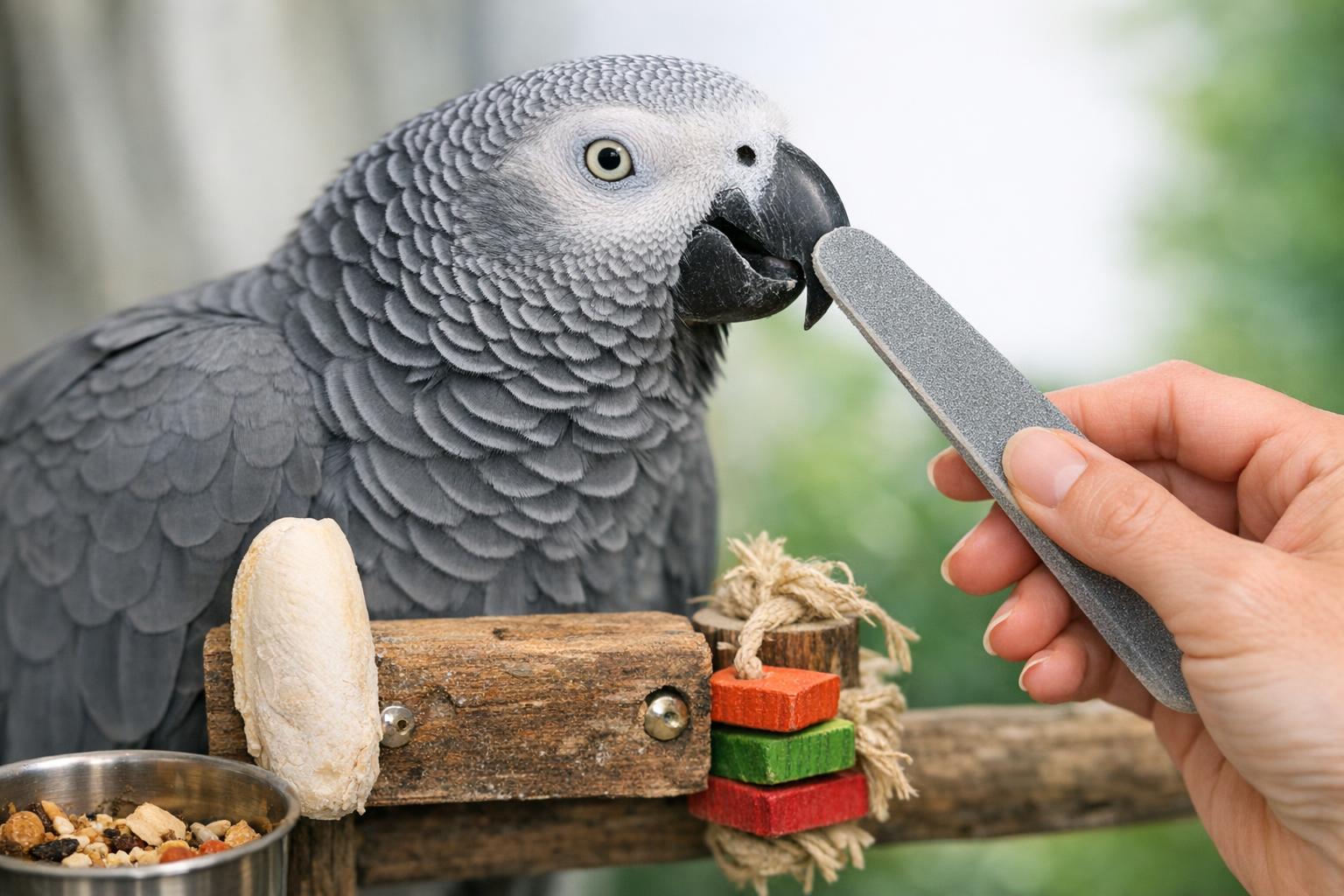
4. File Smooth: After trimming, file any rough edges to prevent snagging. Filing is especially useful for very active dogs that need a little shaping.
5. Reward And Repeat: Praise and treat your dog after each paw is complete. Schedule checks every 1–3 weeks depending on how fast nails grow.
6. Emergency Tip: If you accidentally cut the quick, apply styptic powder to stop bleeding and calm your dog. If bleeding doesn’t stop, seek urgent veterinary care.
### H4 How To Reduce Anxiety During Trimming
– Desensitize paw handling by gently touching paws daily and rewarding calm behavior.
– Use gradual exposure: show clippers off, then touch clippers to paws, then do small trims with treats.
– Consider a helper to soothe or distract your dog during the first few sessions.
### Tools And Safety Tips
Good tools make healthy dog nails maintenance safer; invest in a quality clipper and a reliable file. Keep blades sharp—dull clippers crush rather than cut, increasing the chance of splits and pain. Sanitize tools between uses to prevent infection.
### When To See A Vet
If nails remain brittle or infected despite home care, persistent bleeding, severe swelling, or a noticeable lameness occurs, consult your veterinarian. Chronic nail problems can be signs of systemic issues like hormonal imbalances, autoimmune conditions, or nutritional deficiencies that require professional diagnosis and treatment.
## Nutrition For Healthy Dog Nails
Diet plays a significant role in nail strength. A balanced diet rich in protein, omega-3 fatty acids, and certain vitamins supports keratin production — the structural protein in nails.
### Helpful Nutrients And Supplements
– Biotin: Supports keratin synthesis; often found in multivitamins or supplements targeted for skin and coat.
– Omega-3 Fatty Acids: From fish oil or flaxseed; promote healthy skin and strong nails.
– Zinc And Iron: Trace minerals important for nail integrity; a deficiency can cause brittleness.
– Quality Protein: Nails are made of keratin, a protein, so adequate dietary protein is essential.
Always consult your veterinarian before adding supplements. Over-supplementation can be harmful.
### H4 Practical Feeding Tips
– Introduce a fish oil supplement or a few sardines (remove added salt) to the diet after vet approval.
– Rotate high-quality proteins and include whole foods like eggs and lean meats to boost amino acid intake.
– Keep treats balanced; excessive low-quality treats can offset dietary improvements.
### Final Care Tips (Not A Conclusion, Just Useful Stuff)
– Inspect nails weekly for cracks, discoloration, and odor.
– Clean between toes after muddy walks to prevent trapped debris and infection.
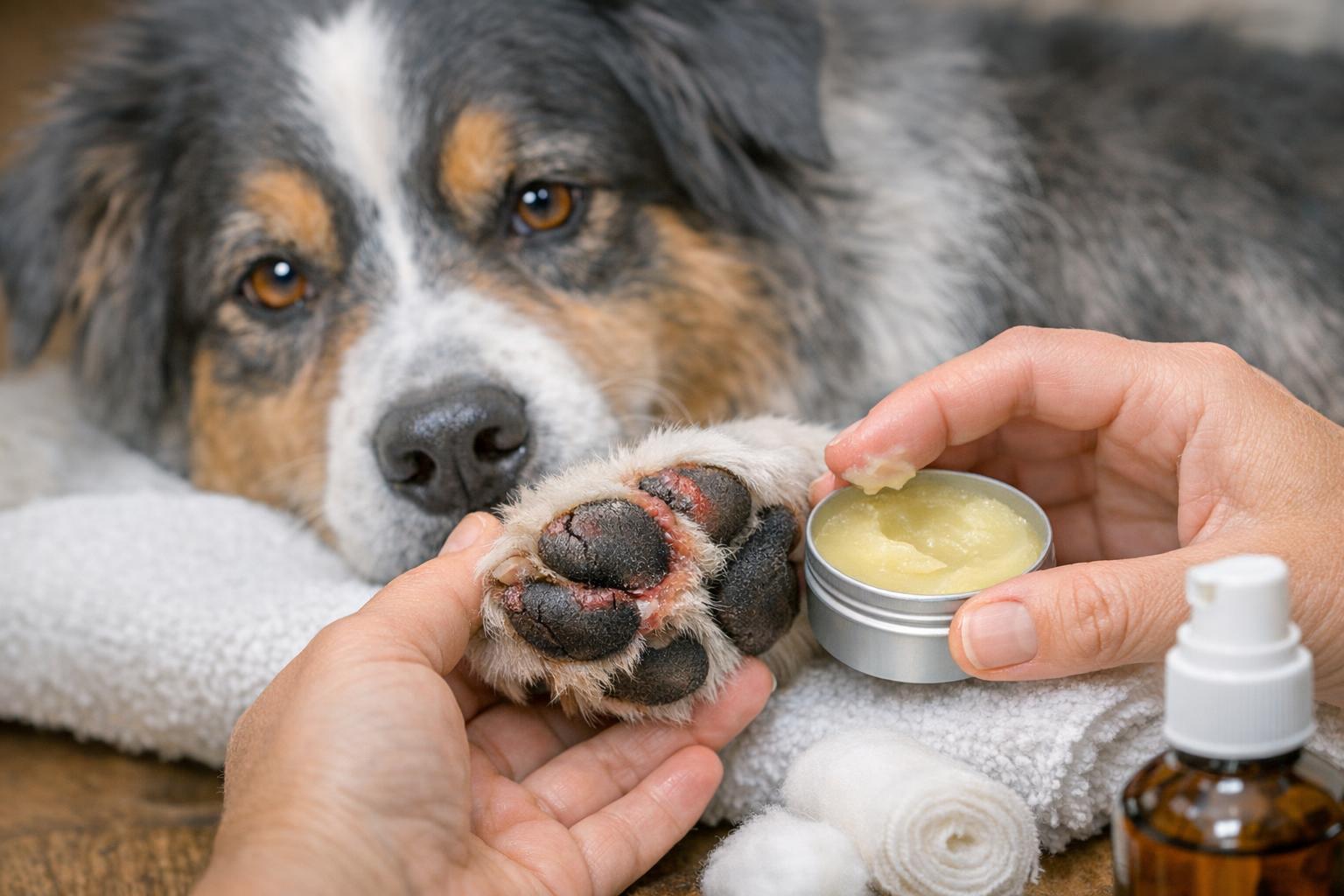
– Use moisturizing balms for dry paw pads; healthy pads support healthy nail bases.
– If your dog is very anxious about grooming, consider short professional sessions to build tolerance.
That’s the practical, do-able plan for stronger, cleaner paws. A little regular care, the right tools, and some simple home remedies will keep your pup’s nails in working order — and keep the clickety-clack to a minimum.



Leave a Reply