
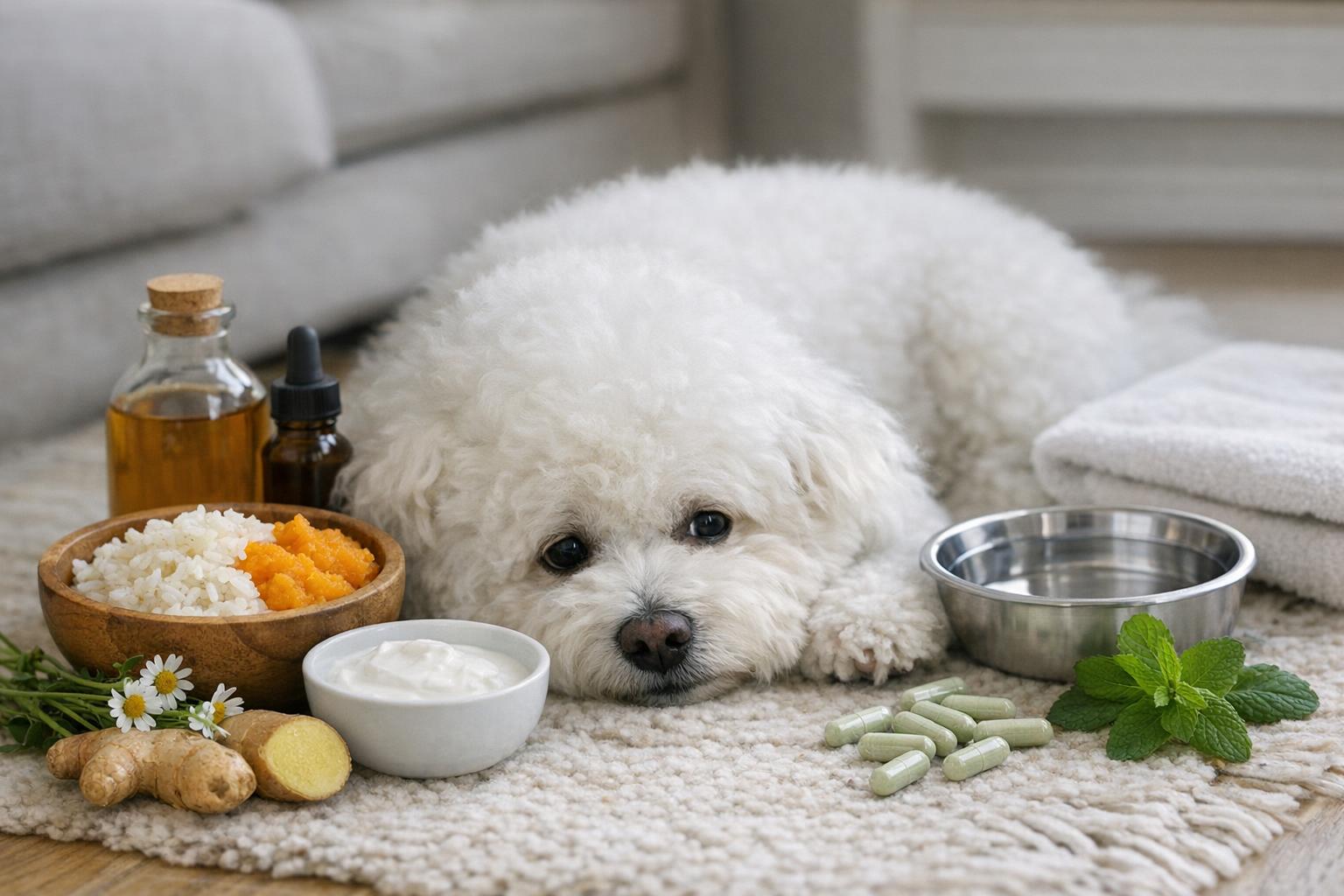
Anyone who’s shared their life with a dog knows the occasional loose stool is part of pet parenthood — and it’s never glamorous. But before you start bracing the carpet for a cleanup relay, there are gentle, effective home strategies that can bring quick diarrhea relief for dogs without panicking you or your pup. Think calm, slow, and sensible — with a sprinkle of humor for morale.
## Signs That Your Dog Needs Immediate Care
It’s useful to know when a home remedy is fine — and when the vet should be involved. Loose stool that’s mild and short-lived is different from severe, prolonged, or dangerous symptoms.
### Watch For These Red Flags
If your dog shows any of the following, stop home care and call your veterinarian:
– Blood in stool, black tarry stool, or persistent vomiting.
– Lethargy, collapse, or signs of severe abdominal pain.
– Diarrhea that lasts more than 24–48 hours in adult dogs (sooner in puppies or seniors).
– Signs of dehydration (dry gums, loss of skin elasticity, decreased urination).
### Typical Causes Of Mild Diarrhea
Common, non-emergency causes include dietary indiscretion (that stolen burger), sudden diet change, mild food intolerance, stress, or a short-lived stomach bug. These are the cases where gentle at-home diarrhea relief for dogs often helps.
## 1. Bland Diet And Short Fast For Gentle System Reset
A simple, clinician-approved first step for many cases is a brief fast followed by a bland diet. It’s low-tech, low-stress, and often effective.
Ingredients / Materials
1. Cooked, skinless, boneless chicken breast (or turkey).
2. White rice (plain).
3. Clean water and a measuring cup.
Step-By-Step Creation And Application
1. Withhold food for 12 hours for adult dogs (do not fast puppies or very small/senior/ill dogs — seek vet care). Offer water freely.
2. After fasting, prepare the bland mix: boil chicken until cooked through. Shred finely. Cook white rice until soft.
3. Mix 1 part chicken to 2 parts rice. Serve a small portion (about 1/4 to 1/2 of the dog’s normal meal size).
4. Feed this bland meal every 6–8 hours for 24–48 hours while monitoring stool consistency.
5. If stool improves, gradually reintroduce the regular diet over 3–4 days by mixing increasing amounts of the regular food with the bland diet.
Notes: The bland diet is designed to be easily digestible and low in fat and fiber, helping to firm stool while giving the gut time to recover.
## 2. Pumpkin Puree For Diarrhea Relief For Dogs
Canned plain pumpkin (not pumpkin pie filling) is a go-to home remedy — safe, effective, and usually well-liked.
Ingredients / Materials
1. Plain canned pumpkin puree (100% pumpkin).
2. Measuring spoon.
Step-By-Step Creation And Application
1. Start with a small dose: for small dogs, 1/2 teaspoon; medium dogs, 1 teaspoon; large dogs, 1–2 tablespoons, given once or twice a day.
2. Mix pumpkin into the bland diet or a small portion of the dog’s food so they eat it readily.
3. Continue for up to 48–72 hours, observing stool firmness and frequency.
4. If there’s improvement, taper the pumpkin over a few days and reintroduce normal food slowly.
Mechanism: Pumpkin is a gentle fiber source that can both bulk up loose stool and regulate bowel movements, depending on the dog’s needs. It’s a safe, natural option for many dogs as part of diarrhea relief for dogs.
## 3. Probiotic Support To Rebalance The Gut Flora
For many dogs, diarrhea results from a temporary imbalance in the intestinal microbiome. Probiotics can help restore healthy bacteria.
Ingredients / Materials
1. High-quality canine probiotic supplement (choose a product formulated for dogs).
2. Optional: plain, unsweetened yogurt or kefir (only if your dog tolerates dairy).
Step-By-Step Creation And Application
1. Select a probiotic with veterinary recommendations and a CFU count appropriate for dogs. Human probiotics are not ideal unless advised by a vet.
2. Administer according to package directions, typically once daily. If using yogurt or kefir, give 1 teaspoon to 1 tablespoon depending on size, mixed into food.
3. Continue supplementation for 5–7 days or as advised by your veterinarian.
4. Monitor for reduced stool frequency and improved consistency.
Caution: If your dog is lactose intolerant, avoid dairy. Probiotics can take a few days to show benefit, so combine with immediate-relief measures like the bland diet or pumpkin.
## 4. Homemade Electrolyte Solution Or Bone Broth For Rehydration
Diarrhea can quickly lead to dehydration. A mild homemade electrolyte solution or a nourishing bone broth can help maintain hydration and electrolytes.
Ingredients / Materials For Electrolyte Solution
1. 1 liter plain water.
2. 1 tablespoon sugar (or honey for older dogs).
3. 1/4 teaspoon salt.
4. Optional: a pinch of baking soda.
Step-By-Step Creation And Application For Electrolyte Solution
1. Dissolve the sugar and salt in the water. (If using baking soda, add only a pinch.)
2. Offer small amounts frequently — a few teaspoons every 10–15 minutes for small dogs, larger dogs can have a few tablespoons.
3. Do not force-feed; allow the dog to lap it up. If they won’t drink, contact your vet.
Ingredients / Materials For Bone Broth
1. Raw bones (chicken or beef), preferably with some meat attached.
2. Water.
3. Optional: small pieces of dog-safe vegetables (carrot, celery), but avoid onions, garlic, and high-salt seasonings.
Step-By-Step Creation And Application For Bone Broth
1. Place bones in a pot, cover with water, simmer gently for 6–12 hours to extract nutrients. Skim fat if possible.
2. Strain the broth and cool. Once cooled, remove excess fat and refrigerate or freeze in portions.
3. Serve a few tablespoons to start, mixing with bland diet or a small amount of water to encourage drinking.
4. Use as a temporary hydration and nutritional boost, not as a daily full diet replacement.
Important: Broth provides electrolytes and encourages fluid intake. Avoid commercial broths with high sodium or onion/garlic content.
### How Long To Try Home Remedies
If symptoms show steady improvement within 24–48 hours, continue gentle care until fully resolved. If there’s no improvement, worsening condition, or any red flags (see earlier), seek veterinary care promptly. Diarrhea relief for dogs is often simple, but persistence or severe signs require professional attention.
### Preventing Recurrences
A few lifestyle changes reduce the odds of future flare-ups:
– Keep human junk food and trash inaccessible.
– Introduce new foods gradually over 7–10 days.
– Maintain regular deworming and vaccination schedule.
– Consider a high-quality, consistent dog food appropriate for your dog’s age and health.
## When To Call The Vet For Diarrhea Relief For Dogs
If diarrhea returns frequently, lasts beyond a couple of days despite home measures, or is accompanied by weight loss, it’s time for diagnostics. Your veterinarian can test for parasites, dietary intolerances, inflammatory bowel disease, and other conditions that need targeted treatment.
### Emergency Signs To Watch
If you see any of these, treat it as an emergency:
– Severe abdominal pain, repeated vomiting, weakness, or bloody stool.
– Signs of shock or collapse.
– Signs of severe dehydration.
Being prepared with a calm, sensible plan and a few simple remedies can make diarrhea relief for dogs a matter of reassuring care rather than stress and cleanup chaos. Try the gentle steps above for mild cases, keep an eye on hydration and behavior, and lean on your vet when needed — because no home remedy replaces professional diagnosis when things look serious.

Leave a Reply