
If you’ve ever fretted and muttered, “my dogs nose is dry,” you’re not alone. A dry nose can feel like a tiny mystery—one moment it’s cool and moist, the next it’s flaky or warm. Most of the time it’s nothing dramatic, but it’s worth knowing the why and the how-to-fix-it so Fido doesn’t have to suffer through crusty snoot days.
## My Dogs Nose Is Dry? What It Might Mean
A dog’s nose normally varies—wet one minute, drier the next. Still, when you notice consistent dryness, cracking, flaking, or discomfort, it’s time to pay attention. Causes range from harmless (dry air, sun exposure) to medical (allergies, autoimmune conditions, nasal hyperkeratosis, fever). If you’re running through scenarios in your head and thinking “my dogs nose is dry” every time your pup sneezes, take a breath. Start with simple fixes, then escalate if things don’t improve.
### Common Causes Of A Dry Nose
– Environmental: low humidity, sun, wind or central heating.
– Dehydration or recent illness/fever.
– Allergies or skin conditions.
– Nasal hyperkeratosis (excess keratin, causes cracking).
– Medications or nutritional deficiencies.
– Autoimmune or systemic disease (less common).
### Quick Checks You Can Do At Home
Gently look for flakes, sores, bleeding, warmth, swelling, or discharge. If the nose is merely dry, your approach can be simple. But persistent cracking, bleeding, ulceration or changes in behavior (lethargy, reduced appetite) mean it’s time for a vet visit.
## Remedy 1: DIY Moisturizing Nose Balm (Safe, Simple)
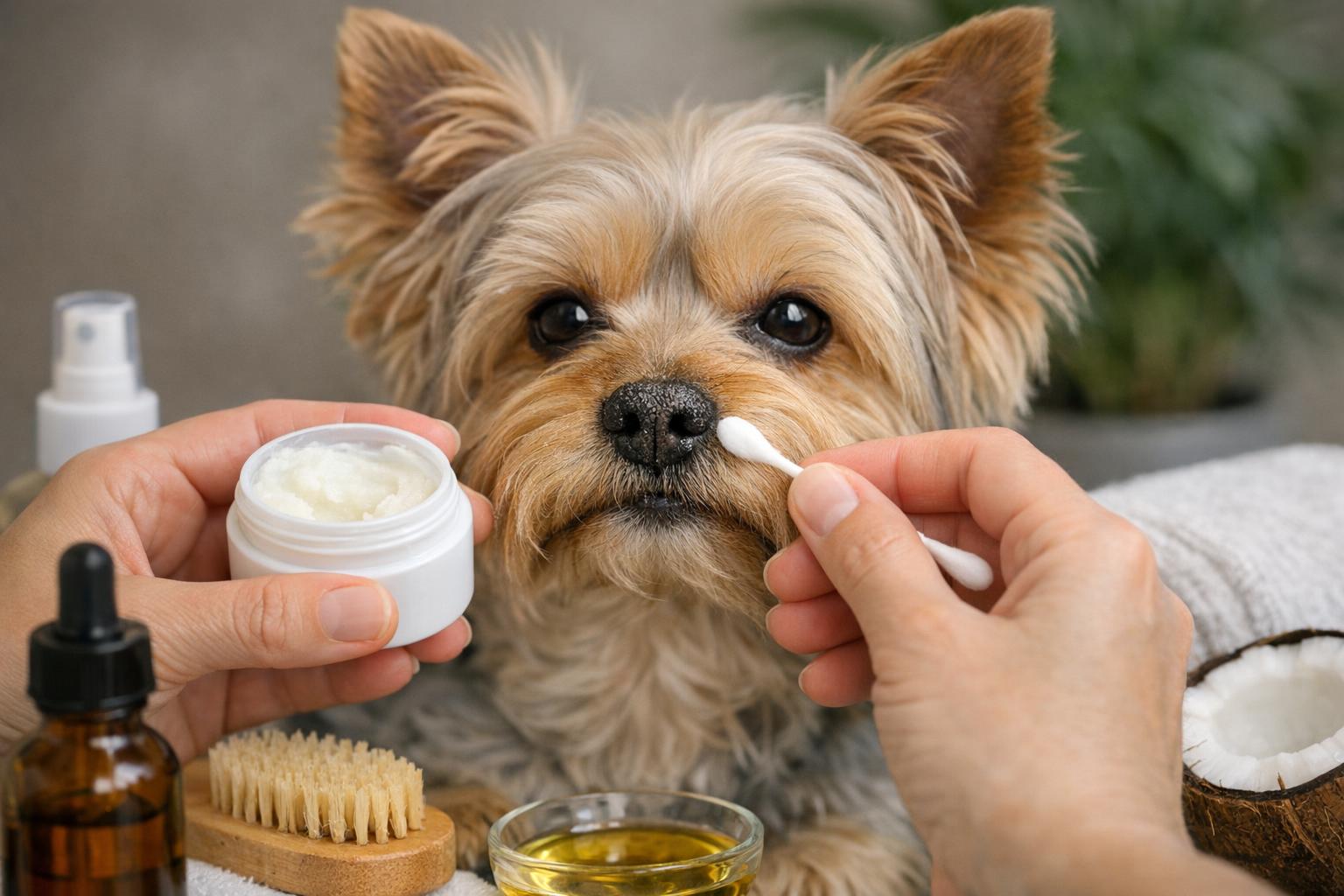
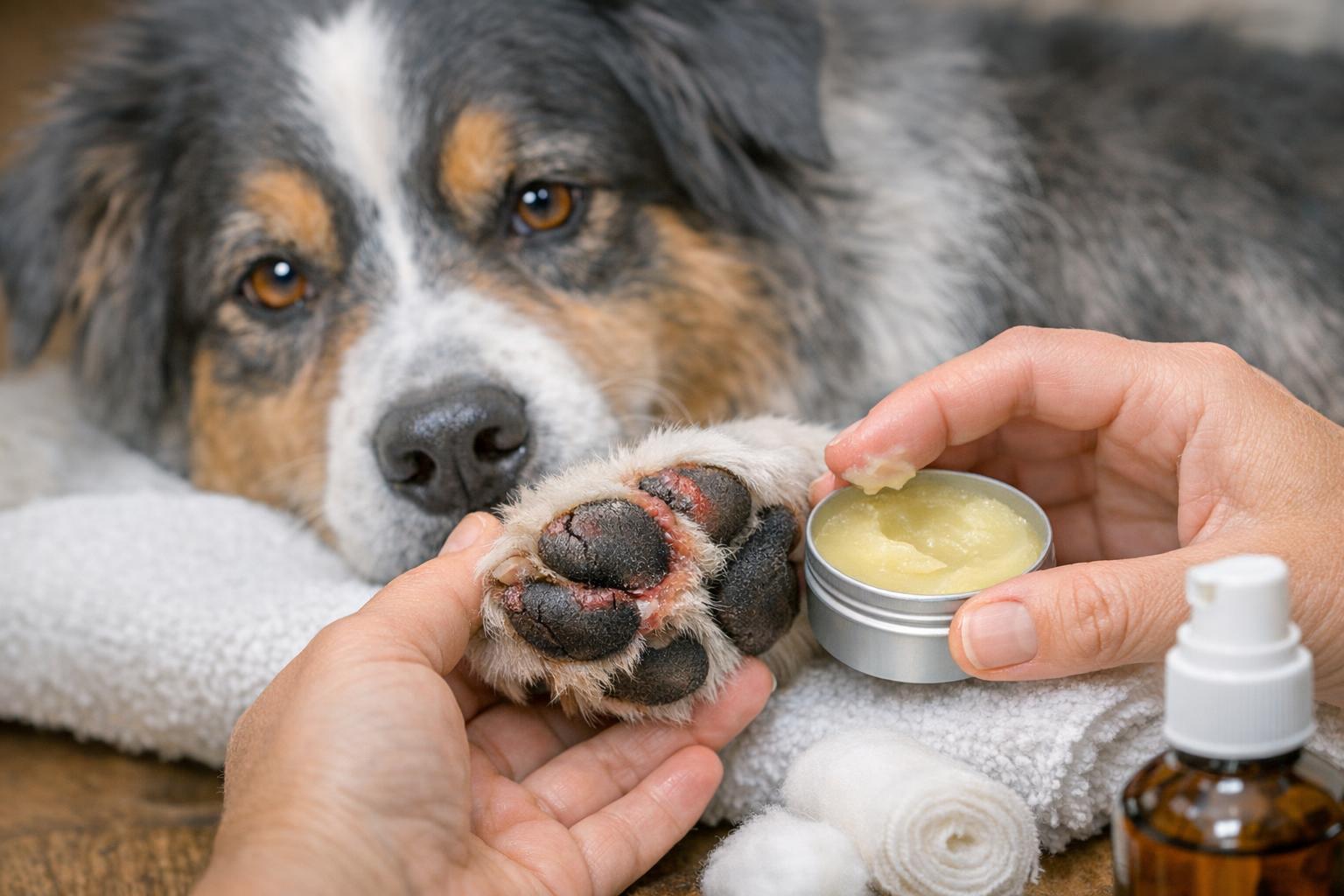
When someone sighs, “my dogs nose is dry,” a balm can work wonders. Here’s a vet-safe DIY balm you can make at home using food-grade ingredients known to soothe and protect.
### Ingredients And Materials
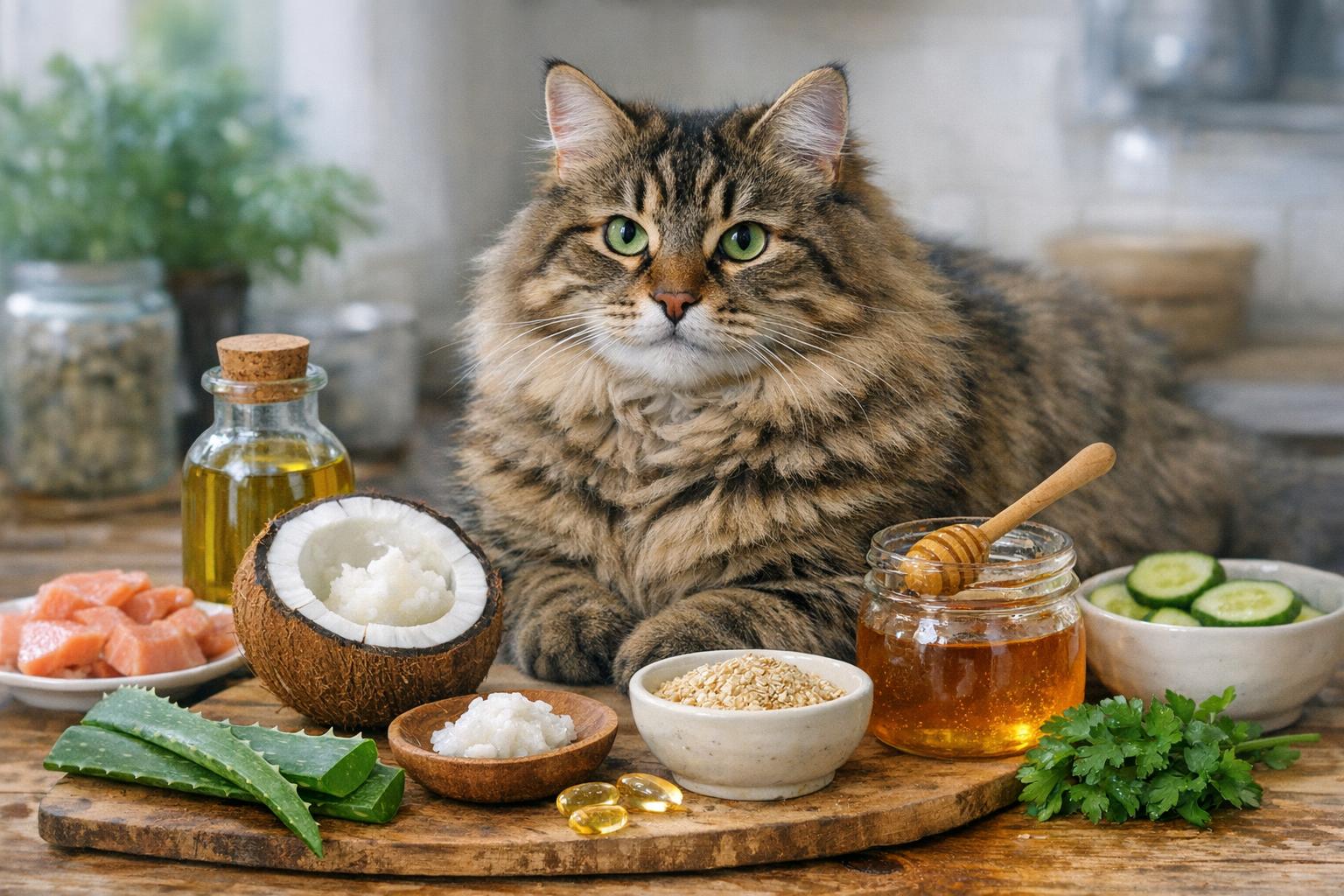
– 1 tablespoon unrefined shea butter
– 1 tablespoon organic coconut oil (melted)
– 1 teaspoon beeswax pastilles (or grated beeswax)
– 1 small vitamin E capsule (pierced for oil)
– Small clean container or travel tin
– Double boiler or microwave-safe bowl
– Spoon and measuring tools
### Creation And Application Steps
1. Melt the beeswax, shea butter, and coconut oil gently in a double boiler until fully liquid. (If using a microwave, heat in 10–15 second bursts.)
2. Remove from heat and stir in the vitamin E oil. Mix until uniform.
3. Pour into the small container and let cool until solid. Label and date.
4. For application: scoop a pea-sized amount on a clean finger and warm it between thumb and finger.
5. Apply to the nose in a thin, even layer 1–3 times daily as needed.
6. Store at room temperature up to 6 months; discard if change in odor or color.
Harmful ingredients to avoid: essential oils (tea tree, eucalyptus, peppermint), lanolin (can be problematic for some dogs), and salves with artificial fragrances or camphor. This balm forms a breathable protective layer and encourages healing.
#### Application Tips
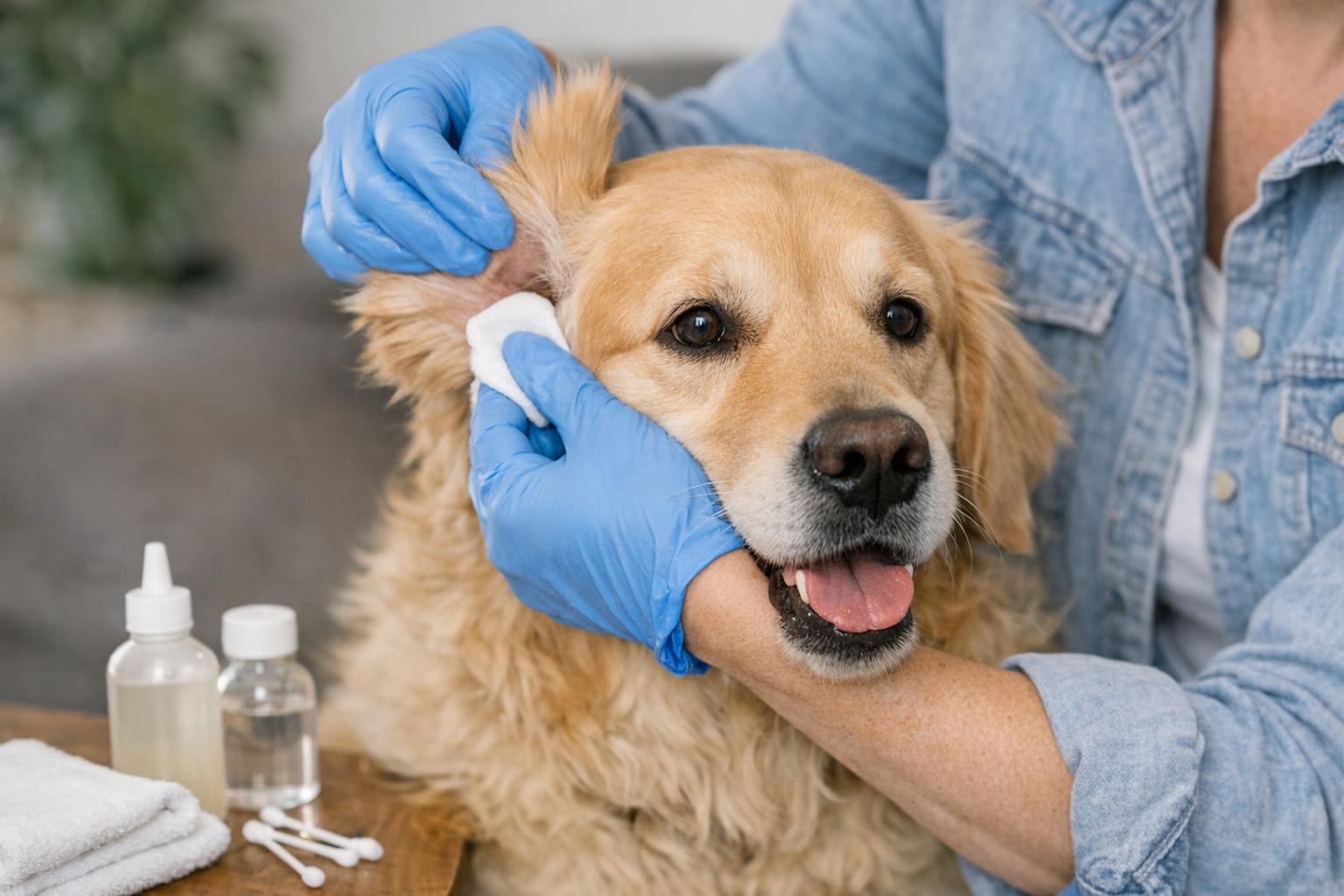
– Clean the nose gently first with a damp cloth if crusts are present.
– If your dog licks the balm, that’s generally okay—these ingredients are minimally toxic in small amounts—but discourage excessive licking for better effectiveness.
– Use consistently for 1–2 weeks and reassess.
## Remedy 2: Hydration, Diet Adjustments, And Humidifier (Non-Invasive)
Often when owners think “my dogs nose is dry,” the root cause is simply dryness in the environment or mild dehydration. This is less glamorous than a balm, but it’s foundational.
### Materials And Basics To Have
– Fresh water bowl (cleaned daily)
– Collapsible water bottle for walks
– Humidifier for dry seasons
– High-quality dog food or omega-3 supplement (fish oil; vet-approved dose)
### Steps To Implement
1. Ensure constant access to clean, fresh water. Replace water twice daily.
2. Increase humidity at home during winter with a humidifier set to a comfortable 30–50% relative humidity.
3. If your dog eats dry kibble exclusively, discuss adding wet food or a safe broth to increase moisture intake.
4. Ask your vet about an omega-3 supplement; these help skin health and can indirectly improve nasal condition.
5. Monitor for improvement over 7–14 days.
Be formal here: consistent hydration and improved ambient humidity can markedly reduce dryness. If you’re already doing these and still thinking “my dogs nose is dry,” proceed to targeted treatments.
## Remedy 3: Gentle Exfoliation And Moisturizing For Flaky Noses
For noses with built-up keratin or flaking, a gentle mechanical approach followed by moisturizer helps restore smoothness.
### Ingredients And Tools
– Soft toothbrush or clean washcloth
– Warm (not hot) water
– Homemade moisturizing rinse: mix 1 cup warm water + 1 teaspoon colloidal oatmeal (optional) or a tiny dab of dog shampoo (vet-approved)
– Application balm (see Remedy 1) or pure coconut oil
### Step-By-Step Procedure
1. Soften crusts by applying a warm, damp cloth to the nose for 1–2 minutes.
2. Very gently brush or rub the softened flakes with a soft toothbrush or cloth. Do not scrub aggressively.
3. Rinse with the warm oatmeal/water mix or wipe away debris with a damp cloth.
4. Pat dry and then apply a thin layer of balm or coconut oil.
5. Repeat this gentle exfoliation once a week until normal, then as needed.
Formally: avoid over-exfoliation, which can worsen cracking. If keratin build-up recurs, have a vet evaluate for hyperkeratosis.
### When Moisturizing Is Not Enough
If you’ve tried the balm, hydration fixes, and gentle exfoliation and the nose remains dry, bleeding, spongy, thickened, or painful, it’s time to see a veterinarian. Tell them: “my dogs nose is dry and has not improved with home care.” They’ll likely examine for infections, autoimmune issues, thyroid disease, or nasal tumors and may take skin scrapings or blood tests.
## Quick Do’s And Don’ts
Do: keep your dog hydrated, use vet-safe balms, protect from sun, monitor changes.
Don’t: use human medicated ointments, essential oils, or anything containing camphor or strong fragrances on the nose.
### Signs That Warrant Immediate Vet Attention
– Open sores, bleeding, ulceration
– Rapid swelling or severe crusting
– Loss of appetite, lethargy, or fever
– Nose suddenly hot and painful
If you hear yourself thinking “my dogs nose is dry” and you see any of the above, pick up the phone and make a vet appointment.
## Preventive Habits That Really Help
– Regularly check the nose during grooming or cuddle time.
– Use sunscreen designed for dogs on exposed noses if your pup spends time in strong sun.
– Maintain good hydration and coat/skin nutrition with balanced food or omega-3s.
– Keep the indoor environment moderately humid in winter.
If dryness recurs, keep a simple log: dates, weather, diet changes, medications, and treatments used. That record is pure gold for your vet and helps solve recurring mysteries faster than playing detective with Google.
If you find yourself muttering “my dogs nose is dry” a little less and smiling more because the balm and humidifier did the trick—mission accomplished. If not, your veterinarian can run targeted tests and recommend prescription therapies when needed.
Leave a Reply