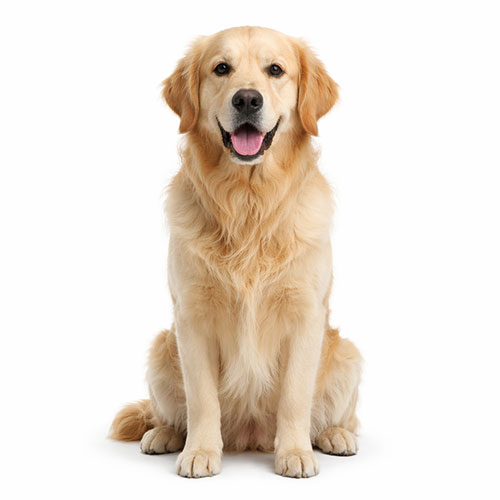

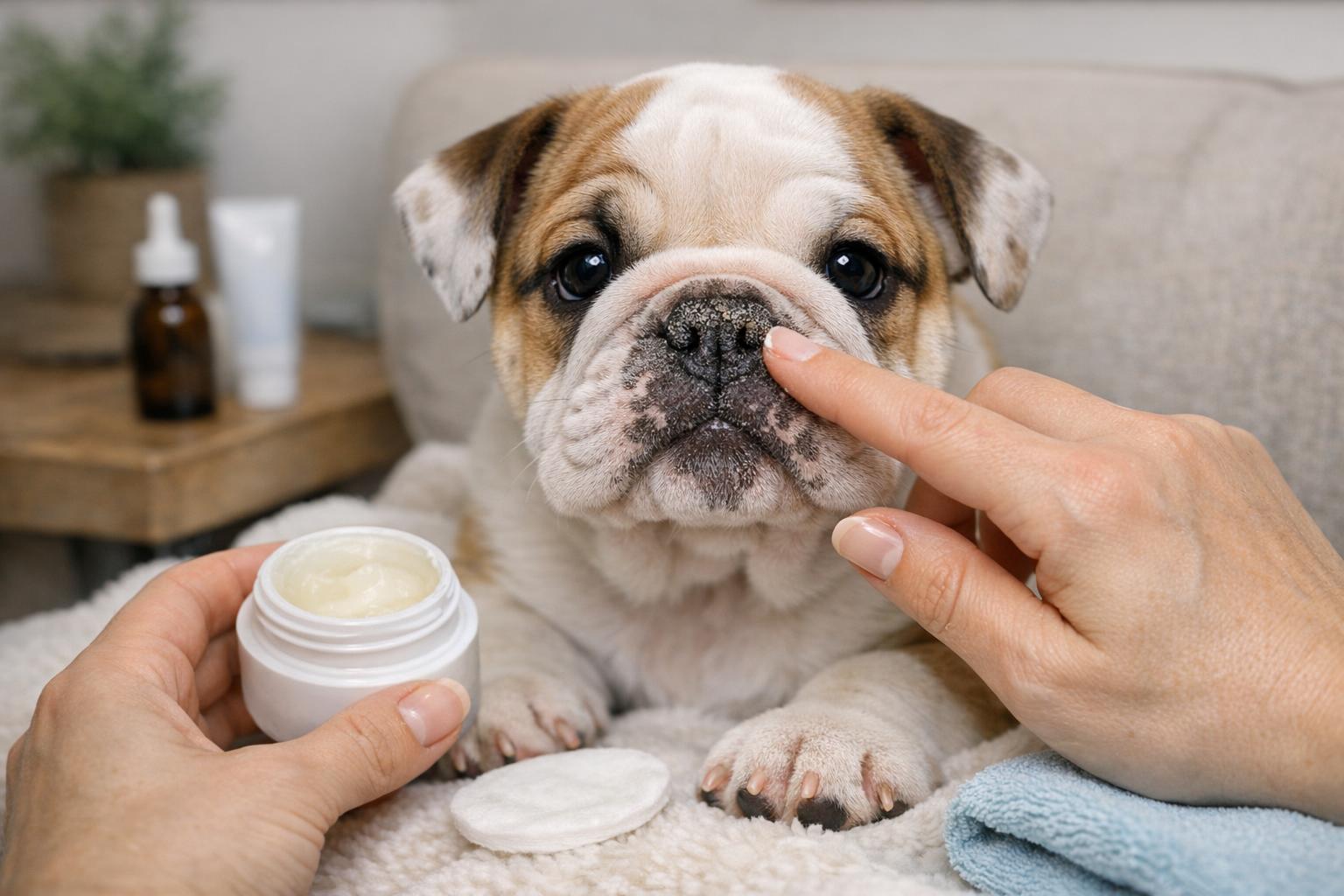
Hey there — if you’ve noticed a flaky, cracked, or just plain dry little schnoz on your pup, you’re in the right place. We’ll walk through what a dry nose means, when to relax and when to take action, and a couple of safe, at-home remedies you can try. Expect a friendly tone, a sprinkle of humor (puppies are drama queens sometimes), and clear, formal instructions for the remedies.
## Dry Nose On A Puppy: What It Means
A dry nose on a puppy can be perfectly normal or a sign of something needing attention. Puppies’ noses change texture and moisture levels through the day — after naps, during playtime, or when they’ve been basking in the sun. That said, persistent dryness, cracking, bleeding, scaling, or thick crusting deserve a closer look.
### Normal Variations Versus Concerning Signs
Puppy noses often alternate between wet and dry. Normal causes for temporary dryness:
– Sleeping with the snout in the air
– Mild environmental changes (heat, low humidity)
– Slight sun exposure
Concerning signs that suggest veterinary attention:
– Deep cracks, bleeding, or open sores
– Thick, wart-like crusts or hard cornified patches
– Discharge with odor or pus
– Lethargy, loss of appetite, or other systemic symptoms
### Common Causes
Understanding why a dry nose on a puppy happens helps you choose the right remedy. Common drivers include:
– Environmental dryness: heaters, air conditioning, and winter air
– Mild dehydration: usually corrected with extra water and monitoring
– Sun exposure or slight sunburn, especially on light-colored noses
– Allergies or contact irritants (plants, certain foods, or topical products)
– Nasal hyperkeratosis: excess keratin producing thick, crusty skin (more common in older dogs, but can appear in younger ones)
– Infectious or autoimmune causes (less common in otherwise healthy puppies)
## Remedy 1: Simple Moisturizing Balm (Safe, Vet-Recommended Ingredients)
When you need to moisturize and protect a sensitive puppy nose, a gentle balm is often the best first-line at-home solution. Below are formal, veterinarian-friendly instructions for making and applying a safe nose balm.
### Ingredients/Materials
– 1 tablespoon of pure, unscented shea butter (refined)
– 1 tablespoon of organic coconut oil (fractionated recommended for ease)
– 1 teaspoon of food-grade beeswax pellets
– Small heatproof bowl and saucepan for a double boiler setup
– Small clean container or tin with lid (for storage)
– Clean cotton swab or fingertips washed with soap and water
### Step-By-Step Creation And Application
1. Prepare a double boiler: Fill the saucepan with a couple inches of water, bring to a gentle simmer, and place the heatproof bowl on top without letting it touch the water.
2. Combine ingredients: Add the shea butter, coconut oil, and beeswax to the bowl. Heat gently until fully melted, stirring occasionally.
3. Remove and cool: Take the mixture off the heat and let it cool for a minute. It should remain pourable but not hot.
4. Pour and set: Pour into the small container. Allow to cool and solidify at room temperature, then seal the lid.
5. Patch test: Before first use, apply a very small amount to your puppy’s inner forearm or behind an ear. Wait 24 hours and check for redness or irritation.
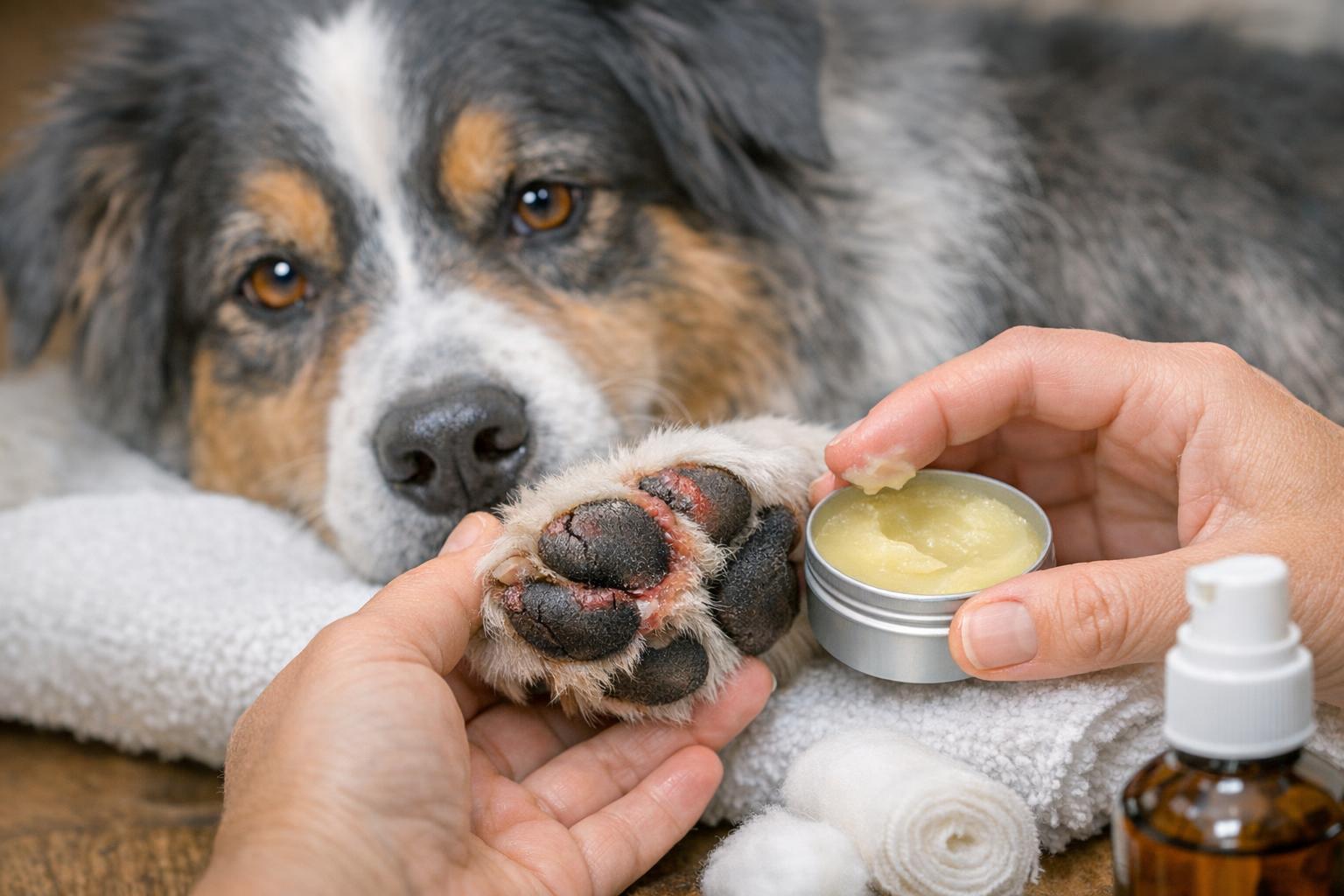
6. Application to the nose: Using a clean cotton swab or clean fingertip, gently apply a pea-sized amount to the dry areas of the nose. Rub lightly to spread evenly. Do this up to 3 times daily until the nose returns to normal moisture and texture.
7. Storage and shelf life: Store in a cool, dry place. Use within 3–4 months for freshness. Discard if any odor or discoloration develops.
Notes: This balm uses ingredients commonly recommended by veterinarians for topical nose moisturization. Avoid essential oils, fragrances, petroleum jelly applied frequently, or human lip balms not formulated for pets. If your puppy licks a small amount, it’s not toxic at these ingredient levels; still, discourage excessive ingestion.
## Remedy 2: Hydration And Environmental Fixes (Number 2)
Sometimes the best remedy is simpler than a homemade balm: adjusting hydration and the pup’s environment.
### Materials/Steps To Improve Hydration And Environment
1. Fresh Water Availability: Ensure there is always clean, fresh water. Swap water at least twice daily; consider a pet water fountain to encourage drinking.
2. Monitor Intake: Keep a brief log of how much your puppy drinks for 24–48 hours. Reduced intake may indicate illness.
3. Humidity Control: In dry months, use a cool-mist humidifier in the room where your puppy sleeps. Aim for comfortable human humidity levels (about 40–50%).
4. Shade And Sun Protection: If the nose appears sunburned or scaley, limit direct midday sun. For fair-nosed pups, avoid extended sun exposure; a shaded area or sun hat for short outings can help.
5. Avoid Irritants: Remove household sprays, certain cleaning agents, and fragranced products from areas your puppy frequents. Check for plant contact or a new toy that might have rough edges.
6. Nutrition Check: A balanced diet with proper fatty acids supports skin health. Talk with your vet about a puppy-appropriate diet or supplements if you suspect a nutritional issue.
When you apply these fixes, monitor the nose daily for 5–7 days. If improvement is limited, proceed with the moisturization balm described previously or contact your vet.
### Formal Notes On Safety And Efficacy
Hydration and environmental control address many non-pathological causes of a dry nose on a puppy. They are non-invasive and low-risk but must be combined with monitoring to rule out other conditions. If the puppy is receiving medications or has known skin conditions, consult your veterinarian before adding supplements or topical treatments.
## When To Call The Vet
If any of the following occur, seek veterinary evaluation promptly:
– Persistent, worsening, or spreading crusts that don’t improve after several days of home care
– Bleeding, pus, foul odor, or systemic signs like fever, vomiting, or lethargy
– Rapid progression of lesions, or the puppy appears in pain
– Suspected chemical burns, bites, or suspicious trauma
Mention the timeline, any home treatments attempted (include ingredients if you used homemade balms), and whether the puppy has had recent vaccinations, new foods, or environmental changes. A vet may perform a physical exam, skin scraping, cytology, bloodwork, or biopsy if needed.
### Red Flags Specific To Puppies
Young animals can deteriorate faster than adults when an underlying infection or systemic disease is present. Don’t delay vet care for signs of infection or systemic illness.
## Preventive Care And Ongoing Maintenance
Keeping a puppy’s nose healthy is about consistent, gentle care. Tips to prevent recurrence:
– Use the balm sparingly as needed, not continually; allow the nose to self-regulate.
– Maintain indoor humidity in dry seasons and offer frequent fresh water.
– Avoid sun exposure during peak hours for fair-nosed breeds.
– Inspect new toys and chews for rough or abrasive textures that can irritate the nose.
– Schedule regular wellness exams so your veterinarian can spot early dermatologic issues.
A dry nose on a puppy is often easy to fix with patience and simple changes. Keep an eye on the pup, use gentle, vet-friendly remedies, and call your clinic if anything seems off — puppies are adorable, but they’re also resilient, and a little attention goes a long way.
Leave a Reply