





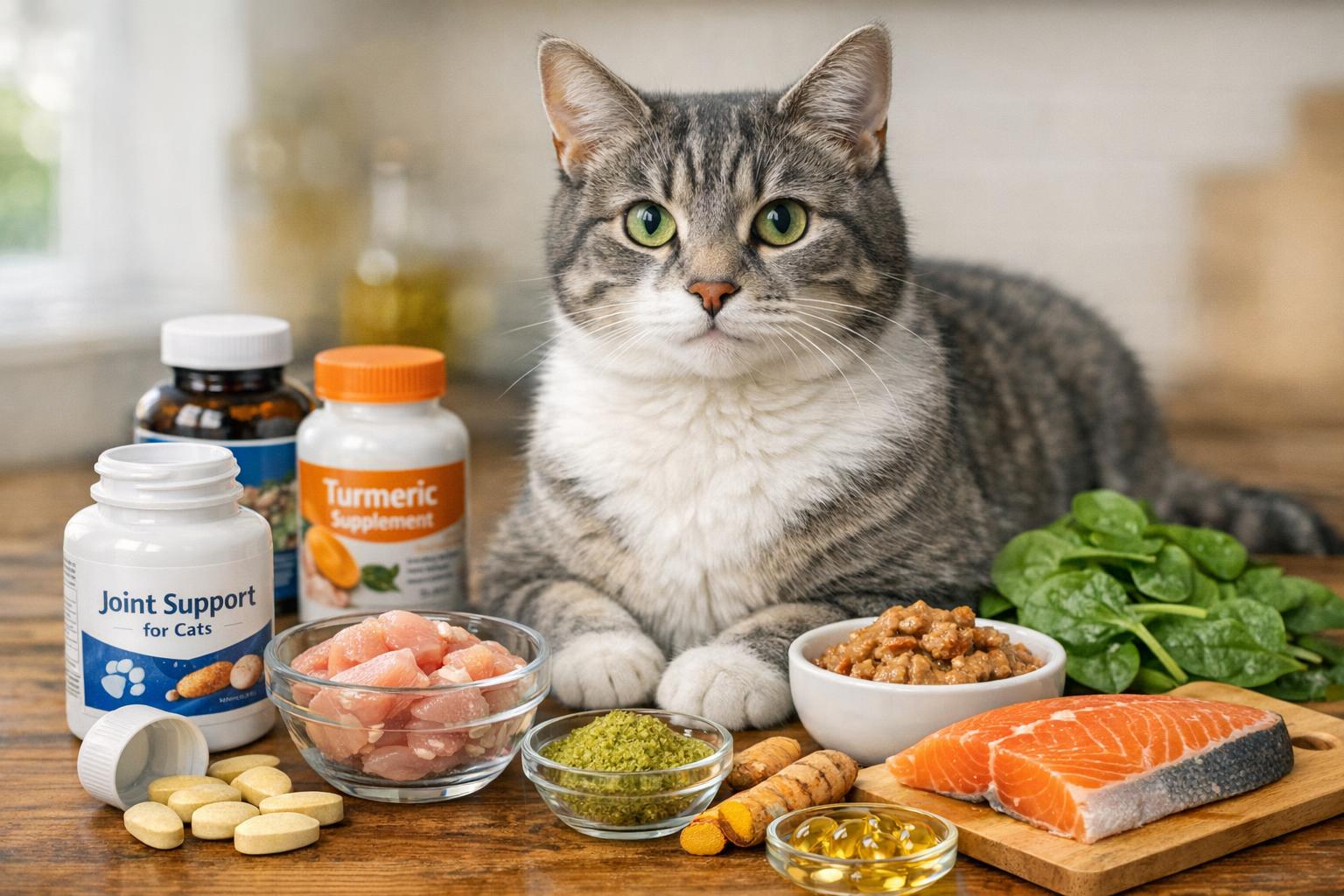
Cats are graceful little ninjas — until those ninja joints start protesting. Whether you have a sprightly kitten or a dignified senior purring on your lap, keeping their joints healthy makes a big difference in mobility, comfort, and quality of life. This guide covers what to look for in a joint health supplement for cats, natural support options you can make at home, and safe ways to introduce supplements into your cat’s routine.
## Why Joint Health Matters For Cats
A cat’s musculoskeletal system is designed for jumping, pouncing, and quick bursts of motion. Over time, wear and tear, injuries, genetics, and excess weight can contribute to joint degeneration and osteoarthritis. Unlike dogs, cats often hide pain, so subtle changes in behavior can be your first clue.
### Signs Of Joint Pain
Watch for these often-overlooked signals:
– Decreased jumping or hesitation to use furniture.
– Slower or stiffer movements after resting.
– Grooming less of a painful area, or overgrooming a sore spot.
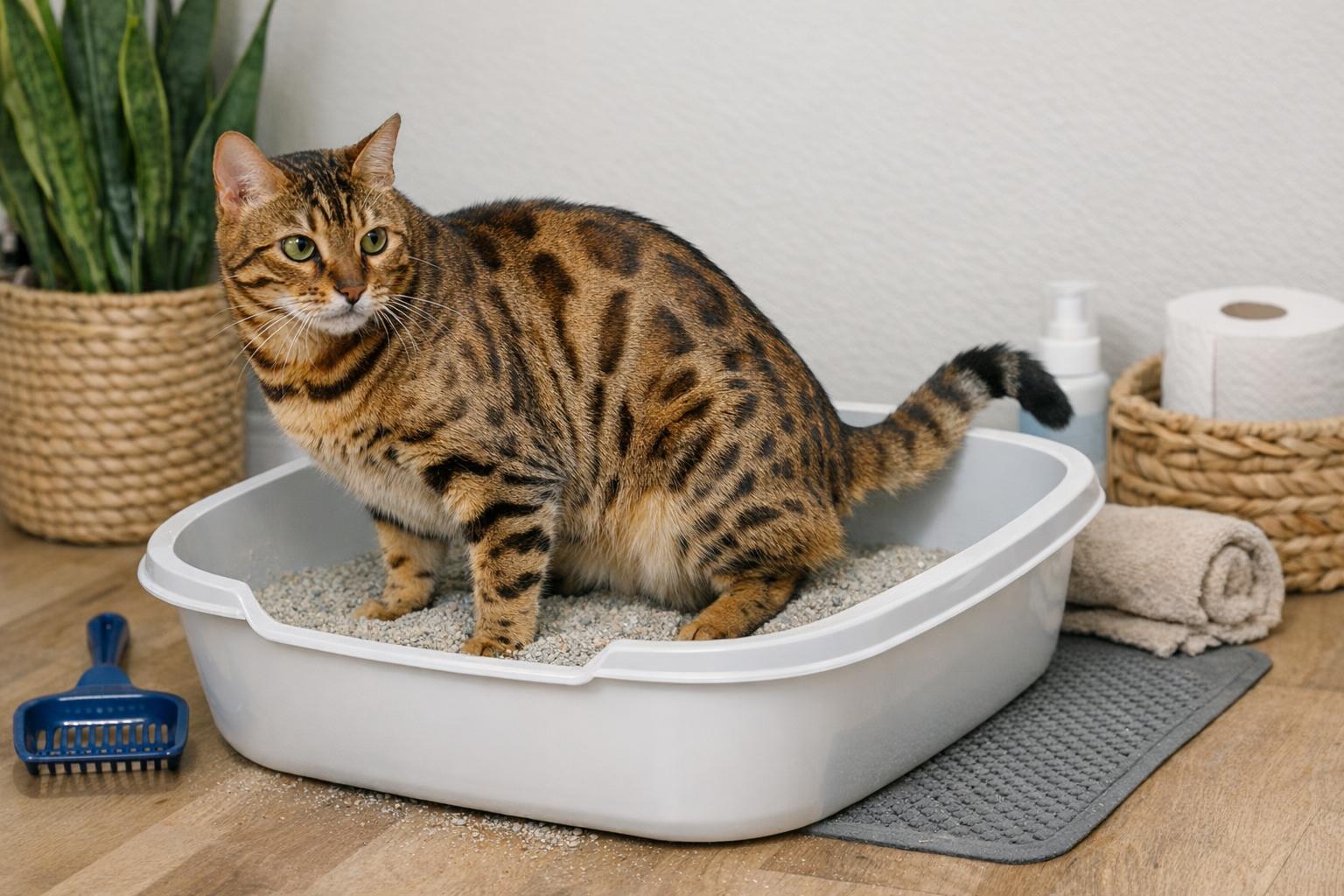
– Altered litter box habits (difficulty stepping into a high-sided box).
– Irritability or reluctance to be handled.
### Risk Factors To Keep An Eye On
– Age: Older cats are at higher risk.
– Breed: Some cats have predispositions to joint issues.
– Weight: Extra pounds increase joint strain.
– Prior injury: Trauma can accelerate degeneration.
– Diet: Poor nutrition can reduce resilience of cartilage and muscle.
## Joint Health Supplement For Cats: What To Look For
If you’re shopping for a joint health supplement for cats, look for products formulated specifically for feline physiology and palatability. Ingredients and dosing designed for cats matter — they metabolize nutrients differently than dogs. Products labeled for “pets” may not have appropriate concentrations for cats.
### Key Ingredients And Why They Work
A quality joint supplement commonly includes several of the following, each with a specific action:
#### Glucosamine And Chondroitin
These are structural compounds that support cartilage repair and help maintain the matrix that cushions joints. Clinical evidence in companion animals supports their role in reducing progression of degenerative joint disease and improving comfort over time.
#### Omega-3 Fatty Acids (EPA/DHA)
Sourced from fish oil or algae, EPA and DHA exert anti-inflammatory effects systemically and within the joint space. Omega-3s reduce inflammatory mediators and can complement other joint-support ingredients.
#### MSM (Methylsulfonylmethane)
An organic sulfur compound, MSM is used for its potential to reduce inflammation and support connective tissue. Some cats respond well when MSM is included in combination formulas.
#### Collagen And Gelatin
Hydrolyzed collagen peptides can contribute amino acids that support cartilage and tendon health. These are naturally present in bone broth and can be provided directly via supplements.
#### Antioxidants And Vitamins
Vitamin E, vitamin C (in appropriate formulations), and other antioxidants protect joint tissues from oxidative stress and support overall metabolic health.
#### Green-Lipped Mussel And Hyaluronic Acid
Green-lipped mussel contains unique omega-3s and glycosaminoglycans that may reduce pain and improve mobility. Hyaluronic acid supports joint fluid viscosity and lubrication.
When choosing a joint health supplement for cats, prioritize veterinary-formulated products, clear ingredient dosages, and third-party testing. Avoid fillers, excessive flavors, or ingredients known to be harmful to cats (e.g., large amounts of garlic or onion powder).
## Homemade Remedies And Supplements
Natural home remedies can be supportive when used carefully and in conjunction with veterinary guidance. Below are two evidence-informed, practical recipes you can make at home. When preparing remedies, maintain high hygiene standards and confirm all ingredients are safe for feline consumption.
### Remedy 1: Homemade Bone Broth For Joint Support
Bone broth is rich in collagen, gelatin, and minerals that can help supply building blocks for cartilage and connective tissue. It’s also hydrating and well tolerated by many cats.
Ingredients / Materials:
– 2–3 pounds raw meaty bones (chicken necks, wings, or turkey bones; avoid cooked bones)
– 8 cups water
– 1–2 tablespoons apple cider vinegar (helps extract minerals)
– Optional: 1 small carrot or a few slices of plain celery (omit if your cat is sensitive)
– Large stockpot or slow cooker
– Fine mesh strainer and storage containers
Creation And Application (Step-By-Step):
1. Place raw bones in a stockpot or slow cooker and cover with water. Add apple cider vinegar and let sit for 20–30 minutes before heating.
2. Slowly bring to a simmer. Reduce heat and maintain a gentle simmer for 12–24 hours in a pot, or 24–48 hours in a slow cooker on low. Skim any foam occasionally.
3. Optional: Add a small piece of carrot or celery for flavor only during the last hour.
4. Strain the broth through a fine mesh strainer and discard bones. Allow to cool. Remove and discard any solid fat layer on top if present.
5. Portion into ice cube trays or small containers and refrigerate up to 3–4 days or freeze up to 3 months.
6. Serve as a topper over food (a tablespoon or two) or offer thawed broth as a treat. Start with small amounts and observe for digestive tolerance.
Safety Notes: Do NOT add onions, garlic, salt, or spices. Always ensure bones are raw during cooking and are discarded after straining.
### Remedy 2: Fish Oil Gel Treats (Omega Boost)
These treats provide concentrated EPA/DHA in an easy-to-dose format for picky eaters.
Ingredients / Materials:
– High-quality fish oil for pets (veterinarian-recommended, free of heavy metals)
– Unflavored gelatin (1 tablespoon)
– Warm water (2–3 tablespoons)
– Small silicone mold or ice cube tray
– Syringe or dropper for accurate dosing (optional)
Creation And Application (Step-By-Step):
1. Measure the fish oil dose recommended by your veterinarian based on your cat’s weight.
2. Sprinkle 1 tablespoon of unflavored gelatin over 2–3 tablespoons of warm water and allow to bloom for 1–2 minutes.
3. Gently heat the gelatin mixture until fully dissolved (do not boil). Let it cool slightly but not set.
4. Mix the veterinarian-recommended amount of fish oil into the warmed gelatin, stirring to combine thoroughly.
5. Pour the mixture into a small silicone mold or ice cube tray. Refrigerate until fully set (about 30–60 minutes).
6. Pop out a treat and serve as a topper or training reward. Store in the refrigerator for up to a week or freeze for longer storage.
Dosing And Monitoring: Because fish oil dosing must be accurate, consult your veterinarian for the correct EPA/DHA amount. Over-supplementation of fish oil can cause gastrointestinal upset or interfere with coagulation at very high doses.
## How To Introduce A Joint Health Supplement For Cats Safely
Introducing any new supplement requires planning and observation.
### Dosage, Starting Slow, And Monitoring
– Start with the lowest recommended dose and gradually increase to the therapeutic level over 7–14 days to assess tolerance.
– Keep a simple journal: date, dose, observations (mobility, appetite, stool quality).
– Expect slow changes; many joint supplements show benefit over weeks to months rather than overnight.
– If your cat develops vomiting, diarrhea, lethargy, or changes in behavior, stop the supplement and contact your veterinarian.
### Interactions And Contraindications
Discuss concurrent medications with your vet. Some supplements (e.g., high-dose fish oil) can interact with blood-thinning medications. Cats with pre-existing liver or kidney disease may need adjusted plans. Always confirm safety for kittens, pregnant, or lactating cats.
### When To See The Vet
If your cat shows severe mobility issues, sudden lameness, swelling, refusal to eat, or signs of systemic illness, seek veterinary evaluation promptly. Supplements are supportive, not curative for acute injuries or severe arthritis requiring medical intervention.
## Lifestyle Tips To Support A Joint Health Supplement For Cats
Supplements are most effective when paired with daily lifestyle measures that reduce joint strain.
### Practical Daily Changes
– Maintain an ideal body condition: even modest weight loss dramatically reduces joint stress.
– Add low-rise steps or ramps to favorite perches so your cat can climb without jumping high.
– Provide soft, supportive bedding in warm, draft-free areas to soothe aching joints.
– Implement gentle play and controlled exercise to keep muscles strong without overloading joints.
– Consider substrate changes in the litter box (lower-sided box) to ease access.
### Environmental Enrichment And Gentle Therapy
– Massage and gentle range-of-motion exercises can maintain joint mobility; learn proper technique from a veterinarian or certified animal physical therapist.
– Heat therapy (warm pads, not hot) applied briefly can reduce stiffness before activity; never leave heating devices unsupervised.
– For advanced cases, discuss formal physical therapy, laser therapy, or prescription pain management with your veterinarian.
When picking or preparing a joint health supplement for cats, remember that safety, accurate dosing, and realistic expectations matter. With thoughtful ingredient choices, safe homemade support like bone broth and omega treats, and lifestyle adjustments, you can help your feline friend stay nimble and comfortable well into their golden years.










Leave a Reply