




Kittens are tiny tornadoes of fluff and affection, and the idea of mosquitoes bringing anything dangerous to their party is a definite no. Below you’ll find relaxed, practical advice (with a little humor where appropriate) plus actionable, vet-sensible steps you can use at home. Remember: natural measures can reduce risk, but proven medical prevention from your veterinarian is the cornerstone of heartworm safety.
## Heartworm Prevention For Kittens: Why It Matters
Heartworm disease is carried by mosquitoes — not by other pets or people — but that doesn’t make it less serious. In kittens, developing bodies mean infections can behave differently, and diagnosis and treatment can be more complicated than in adult cats or in dogs. Heartworm prevention for kittens is not optional in areas where mosquitoes are present; it’s a smart part of responsible kitten care.
### How Heartworm Infection Happens
Mosquitoes pick up microscopic heartworm larvae when they bite an infected animal. Later, if that mosquito bites your kitten, it can deposit larvae into your kitten’s bloodstream. Those larvae mature and may end up in the heart and pulmonary arteries, causing respiratory and cardiovascular problems. Even indoor-only cats are at risk because mosquitoes can find their way inside.
### Common Myths About Natural Prevention
There’s a lot of “natural wisdom” out there — and some of it is useful, much of it is harmless, but a few ideas are dangerous:
– Myth: Garlic or brewer’s yeast will prevent heartworms. Not true, and some garlic doses can be harmful to cats.
– Myth: Essential oils are safe natural repellents. Incorrect and potentially toxic — many essential oils are dangerous for cats.
– Myth: Indoor-only kittens don’t need prevention. Not true in mosquito-prone regions.
## Vet-Recommended Baseline Steps For Safety
Before we dive into home-friendly measures, here’s the non-negotiable: for reliable protection, talk to your veterinarian about approved heartworm prevention for kittens. Veterinary options (topical or oral monthly preventives, and testing protocols at the appropriate age) are the only methods proven to prevent heartworm infection. Consider home strategies as layering additional protection, not as replacements.
### When To Start Veterinary Preventives
Most veterinarians recommend beginning heartworm prevention for kittens as early as they can safely be medicated — many preventives are labeled for kittens around 6–8 weeks of age. Your vet will advise testing and dosing schedules that fit your kitten’s weight and health status.
## Safe Environmental Practices To Lower Risk
You can significantly reduce mosquito contact without risky chemicals. These recommendations are simple and cat-friendly:
– Keep windows and doors screened; repair gaps where mosquitoes can slip through.
– Remove standing water (plant saucers, buckets, kiddie pools) — mosquitoes breed where water sits.
– Use fans in porches or outdoor areas where your kitten spends time; mosquitoes avoid strong breezes.
– Maintain tidy yards: trim tall grass and dense shrubs where mosquitoes rest.
– Consider mesh mosquito netting over sleeping areas or carriers when outdoors.
### Indoor Mosquito Management
Use a combination of physical barriers and traps rather than sprays. Avoid plug-in insecticide diffusers inside homes with cats — many release chemicals that are unsafe for felines. If you must use an insect-control product indoors, get vet guidance first.
## 1. DIY Mosquito Trap (Cat-Safe)
Here’s a low-tech, non-toxic way to reduce mosquito numbers near your home. This is suitable for patios, balconies, or gardens and uses only edible household items — no insecticides.
#### Ingredients / Materials
– 1 empty 2-liter plastic bottle
– 1 cup warm water
– 1/4 cup brown sugar
– 1/2 teaspoon active dry yeast
– Scissors or a utility knife
– Tape (optional)
– Dark paper or cloth (optional to wrap bottle)
#### Step-By-Step Creation And Application
1. Cut the top third off the 2-liter bottle. Save both pieces.
2. Dissolve the brown sugar in the warm water; allow the mixture to cool to room temperature.
3. Pour the sugar water into the bottom part of the bottle.
4. Add the dry yeast to the sugar water — it will produce carbon dioxide, attracting mosquitoes.
5. Invert the top funnel piece and place it into the bottom bottle (mouth facing down) to create a trap. Tape if needed to secure.
6. Optionally wrap the outside of the bottle in dark paper or cloth; mosquitoes are attracted to shaded containers.
7. Place traps away from where your kitten plays or sleeps, ideally a few meters from your home to draw mosquitoes outward.
8. Replace the mixture every 2 weeks or when full of insects; clean the bottle with soap and water before refilling.
This trap reduces mosquito presence without using toxins that could harm your kitten.
## 2. Mosquito-Proof Sleeping Area
A protected sleep zone reduces the chance a mosquito will bite your kitten during vulnerable hours (dawn and dusk). Follow these formalized steps to construct a reliable resting sanctuary.
#### Materials / Ingredients
– Fine mesh mosquito netting (small enough weave to stop adult mosquitoes)
– Lightweight frame or hoop (wood or plastic) or a collapsible pet tent
– Soft bedding (washed regularly)
– Secure fasteners or ties
– Portable fan (optional; keeps mosquitoes away and improves ventilation)
#### Creation And Application Procedure
1. Choose a dedicated spot for your kitten’s bed away from doors and windows. Indoor placement is best.
2. Assemble the frame or hoop to create a canopy over the sleeping area. Ensure the structure is stable and cannot fall on the kitten.
3. Drape the mosquito netting over the frame, closing all gaps. Tuck edges under the bed or secure with fasteners to prevent mosquitoes from entering.
4. Arrange comfortable bedding inside the protected area, using materials you launder often to prevent parasites or allergens.
5. If using a fan, position it so airflow circulates gently across the sleeping area; do not point it directly at your kitten’s face.
6. Inspect the netting daily for tears or openings and repair immediately.
This formalized barrier is particularly useful for kittens who nap outside or in poorly screened rooms.
### Plants And Natural Deterrents: Use With Caution
Some plants have mosquito-repelling properties, but many fragrances and essential oils derived from them are toxic to cats in concentrated form. If you choose plants near outdoor sitting areas, stick to species that are not known to be harmful if your kitten nibbles on them; check with your vet or a reliable plant toxicity database first.
## Recognizing Signs Of Trouble
Even with great home measures, be alert for symptoms of heartworm complications in kittens: coughing, lethargy, decreased appetite, sudden respiratory distress, or an enlarged abdomen. These signs warrant immediate veterinary evaluation. Routine veterinary checks and heartworm testing when your vet advises are key to early detection.
### Combining Natural Measures With Medical Prevention
Use natural and physical protections to lower mosquito exposure and complement, not replace, veterinarian-prescribed heartworm prevention for kittens. Layered defenses — screens, traps, protected sleeping areas, and veterinary medication — provide the best protection.
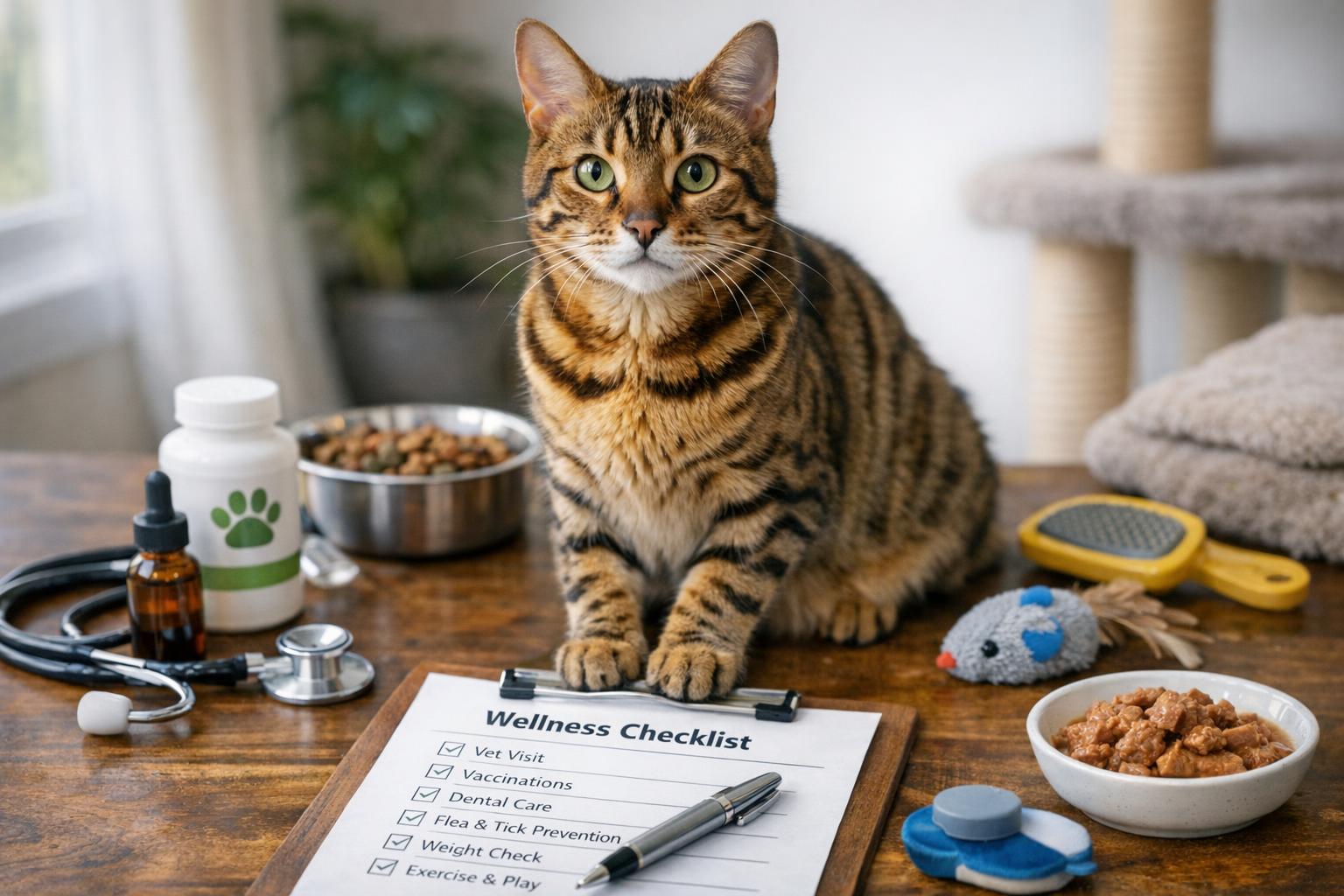
## Practical Seasonal Checklist For Owners
Create a small routine to keep risks low during mosquito season:
– Weekly: Check and empty any standing water containers.
– Biweekly: Refill and reposition mosquito traps.
– Monthly: Inspect screens and netting for holes.
– As advised: Keep up with veterinary preventive schedule.
Making these tasks habitual keeps you ahead of mosquito activity and helps protect your kitten without relying on risky homemade topical concoctions.
## When To Call The Vet Immediately
If you see coughing, difficulty breathing, fainting, or sudden weakness, contact your veterinarian right away. Also call if you suspect your kitten was exposed to mosquito-heavy environments for long periods without veterinary preventives — early vet guidance can mitigate risk.
A few practical, cat-safe changes around the home can meaningfully reduce mosquito contact, and the responsible, evidence-based starting point is always to discuss heartworm prevention for kittens with your veterinarian. Follow the medical guidance, layer on safe environmental measures, and enjoy kitten cuddles with fewer mosquito worries — and fewer tiny vampire-themed interruptions to nap time.







Leave a Reply