





Hello there — if you’re here, you probably love your whiskered roommate and want their smile to stay as charming as their zoomies. This article will walk you through practical, gentle ways to care for cat teeth naturally, with easy-to-follow remedies and everyday habits that won’t turn you into a full-time pet hygienist.
## Maintaining Cat Teeth Health Naturally With Easy Remedies
Your cat’s mouth is a small ecosystem. Healthy cat teeth mean better eating, fewer painful infections, and fresher breath (for both of you). Below I’ll explain what to watch for, outline three natural remedies you can make at home, and share daily habits that really make a difference.
## Why Cat Teeth Matter
Cats hide pain well, so dental issues can progress before you notice. Untreated dental disease can lead to tooth loss, chronic pain, and even systemic problems affecting kidneys and heart. Regular attention to cat teeth reduces the risk of these complications and keeps mealtime enjoyable.
### Signs Of Dental Trouble
Noticeable signs include bad breath, drooling, difficulty eating, pawing at the mouth, or visible tartar and red gums. A routine check (gently lifting lips and peeking) can reveal early trouble. If an adult cat has broken teeth, loose teeth, or severe bleeding, contact your veterinarian.
### When To See A Vet
If you detect swelling, deep ulcers, severe bad breath, or any sudden changes in eating behavior, see a vet promptly. Natural care supports dental health but doesn’t replace professional treatment for established infections or advanced periodontal disease.
## 3 Natural Remedies For Cat Teeth
Below are three numbered, vet-friendly home remedies that can support cat teeth health. Each remedy includes ingredients and step-by-step instructions for preparation and application. Use these as supportive care alongside regular vet checkups.
### Remedy 1: Homemade Dental Gel
Ingredients / Materials:
– 1 tablespoon sodium bicarbonate (baking soda)
– 1 tablespoon coconut oil (solid at room temperature)
– 2 teaspoons chicken or tuna broth (low-sodium, cooled)
– Small clean container with lid
– Soft finger brush or gauze pad
Creation And Application:
1. Sterilize your container with boiling water and let cool.
2. Melt the coconut oil gently if solid, then mix with baking soda until smooth. Add the cooled broth to form a spreadable paste.
3. Allow mixture to set to a gel-like consistency at room temperature or refrigerated for firmness.
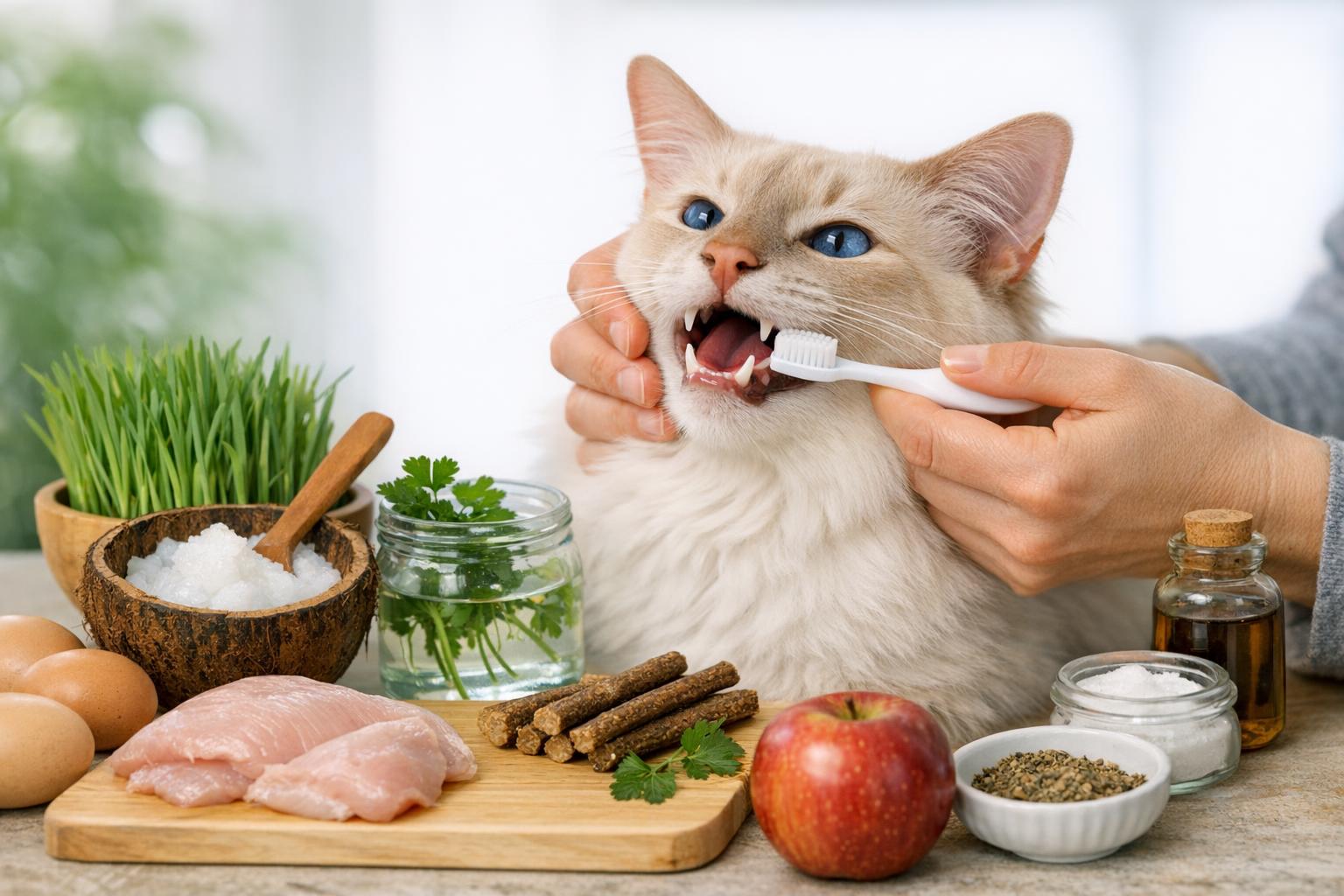
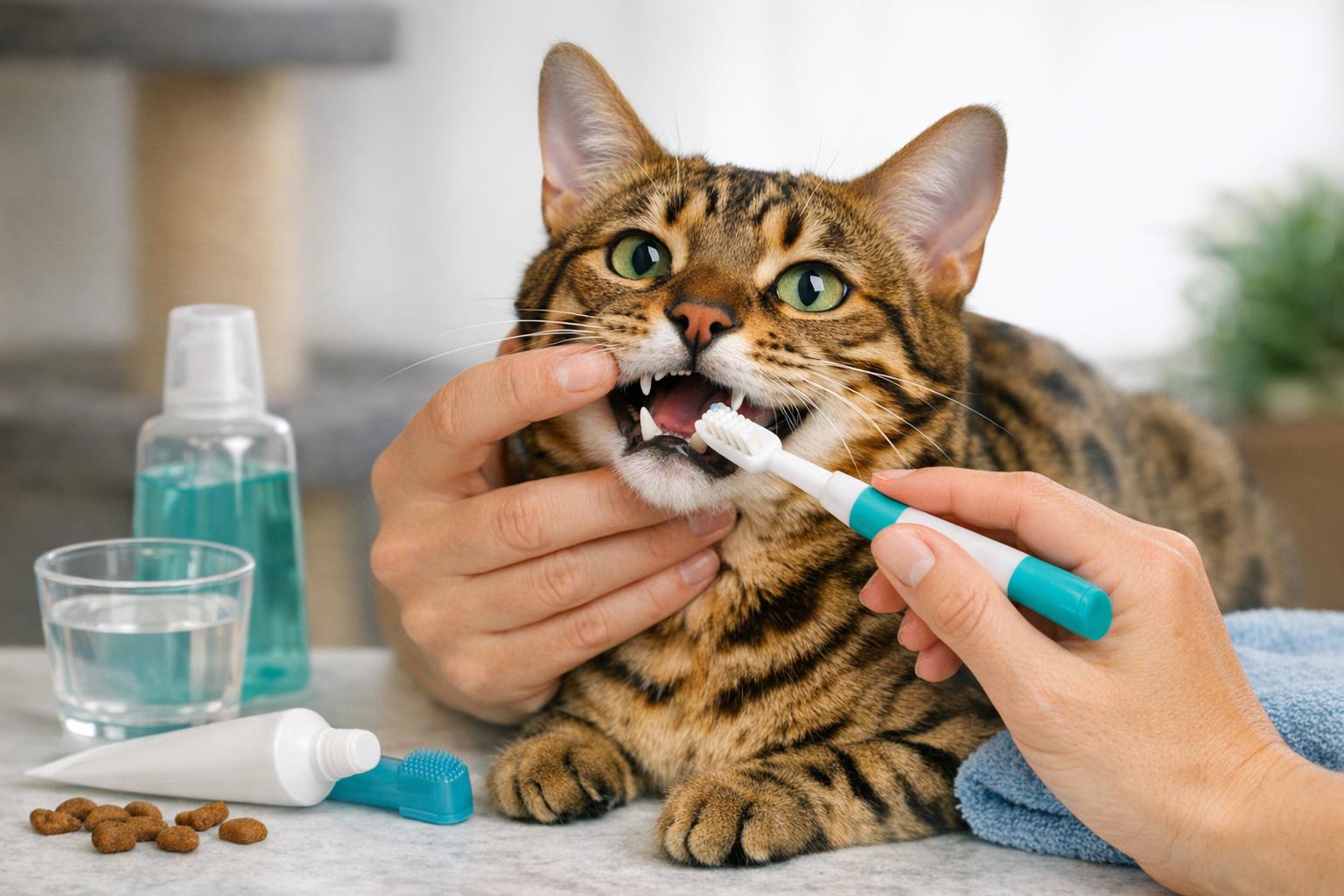
4. To apply: place a small dab on the gauze pad or finger brush. Gently lift your cat’s lip and apply the gel to the outside surfaces of the teeth (cheek-side and front surfaces), avoiding forceful scraping on inflamed gums.
5. Frequency: Apply 2–3 times per week. Stop use and consult your vet if irritation occurs.
Notes (Formal): Baking soda is mildly abrasive and alkaline, which can help neutralize oral acids and reduce plaque buildup when used sparingly. Coconut oil contains medium-chain fatty acids with mild antimicrobial properties. Do not use baking soda more frequently than recommended to avoid enamel abrasion. Always ensure your cat does not ingest large amounts of any new product without veterinary approval.
### Remedy 2: Coconut Oil Tooth Rub
Ingredients / Materials:
– 1 teaspoon high-quality, virgin coconut oil
– Soft finger brush, clean finger, or dental finger cot
– Optional: 1–2 drops of veterinary-approved fish oil for flavor (confirm with vet)
Creation And Application:
1. Place a small amount of coconut oil on your finger or brush.
2. Introduce the scent to your cat first so they understand it’s not a threat — let them sniff and lick a tiny bit.
3. Gently rub the coconut oil along the outer tooth surfaces and gum lines for 30–60 seconds per session.
4. Frequency: Daily or every other day, depending on your cat’s tolerance.
Notes (Formal): Coconut oil is palatable to many cats and can act as a carrier for beneficial compounds. It may reduce the oral microbial load but is not a cure for periodontal disease. Monitor caloric intake if your cat is on a strict diet; use minimal amounts.
### Remedy 3: Herbal Dental Water Additive
Ingredients / Materials:
– 1 cup filtered water
– 1 teaspoon dried parsley (fresh is okay) — for breath freshening
– 1/2 teaspoon dried chamomile — for mild soothing
– 1/4 teaspoon dried sage or a pinch of dried rosemary (optional, antimicrobial)
– Small pot and fine mesh strainer
– Glass bottle for storage
Creation And Application:
1. Bring the filtered water to a simmer and add the herbs. Remove from heat and steep for 20–25 minutes.
2. Strain the liquid through a fine mesh strainer into a clean bottle. Cool completely.
3. Add 1 tablespoon of the herbal infusion to each cup of your cat’s fresh drinking water (if your cat tolerates herbal flavors). Replace water daily.
4. Frequency: Use as a daily additive, monitoring that the cat continues normal water intake.
Notes (Formal): Parsley has breath-freshening properties and is safe in modest amounts; chamomile offers mild anti-inflammatory effects. Avoid using large concentrations of herbs. Consult your veterinarian before starting herbal additives if your cat is pregnant, nursing, on medications, or has known health issues.
#### Safety Considerations For All Remedies
– Introduce new products gradually and observe for allergic reactions, vomiting, or changes in appetite.
– Never use human toothpaste containing xylitol — it is toxic to cats.
– These remedies are adjuncts, not replacements, for professional dental care when indicated.
## Daily Habits That Support Healthy Cat Teeth
Small, consistent habits will outdo occasional scrubbing sessions. The following practices are easy to weave into your routine.
### Brushing Techniques
Start slowly. Use a soft-bristled, small cat toothbrush or a finger brush. Place a dab of the coconut oil gel or commercial pet toothpaste on the brush. Gently lift the upper lip and brush in small circular motions along the outside surfaces of the teeth. Focus on the cheek-facing molars where plaque accumulates. Keep sessions short — even 30 seconds daily is valuable progress.
### Diet And Chewing
Dry kibble designed for dental support can help reduce tartar through mechanical action, though results vary. Offer safe dental chews that are appropriately sized and veterinarian-approved; these can help scrape surface plaque. Avoid sugary treats and human foods that contribute to plaque formation.
#### Safe Chews And Toys
– Nylon dental chews labelled safe for cats
– Raw, meaty bones are NOT recommended for cats (risk of splintering and intestinal injury)
– Rubber or silicone toys designed for cats’ mouths can encourage chewing without risk
### Regular At-Home Checks
Make a habit of a weekly quick mouth check. Look for redness, swelling, white or brown buildup on tooth surfaces, and any drooling or reluctance to eat. Early detection of issues often leads to easier and more effective treatment.
## Special Situations And Tips
If your cat is a no-brusher, focus on water additives, gentle tooth rubs, and diet modifications. Kittens accept new routines more readily than adults; start dental habits early. For senior cats or those with chronic conditions, consult your veterinarian to tailor natural remedies to their medical needs.
### Managing A Skittish Cat
Move slowly and use positive reinforcement. Offer a favorite treat immediately after any dental interaction. If your cat is extremely stressed, consider behavioral tips from a vet or animal behaviorist rather than forcing dental care.
### When Remedies Aren’t Enough
If you notice persistent bad breath, visible tooth damage, or sudden changes in weight or eating, professional dental assessment is necessary. Your veterinarian can perform cleanings under anesthesia, take dental X-rays, and treat underlying infections or tooth resorption — conditions that natural care cannot resolve.
A healthy mouth supports a happy cat. With gentle daily care, smart dietary choices, and the three natural remedies provided, you can meaningfully support your cat’s dental health without turning your living room into a dental clinic (unless you want to, in which case I salute your dedication).



















Leave a Reply