




## Understanding Cat Hairball Vomit
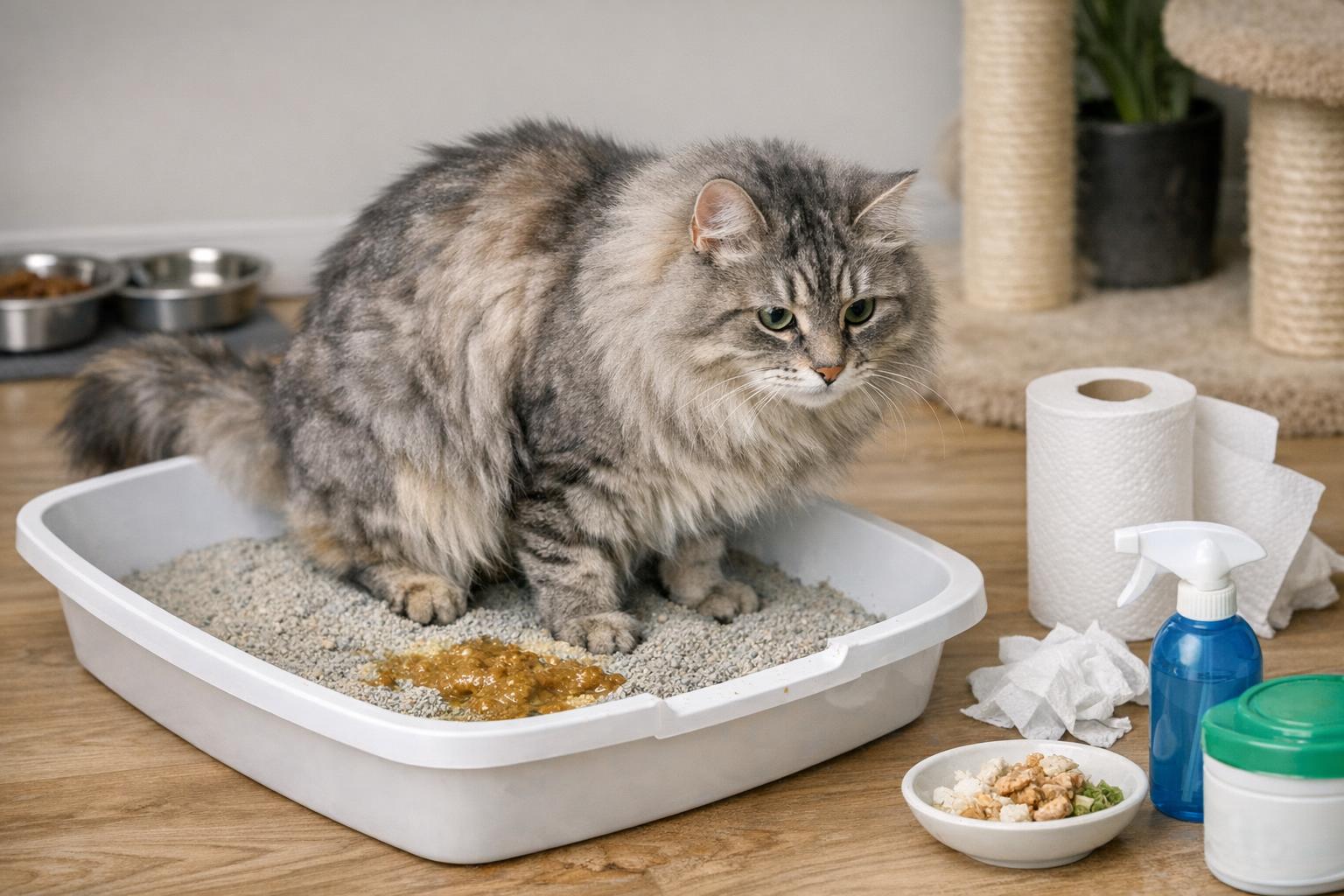
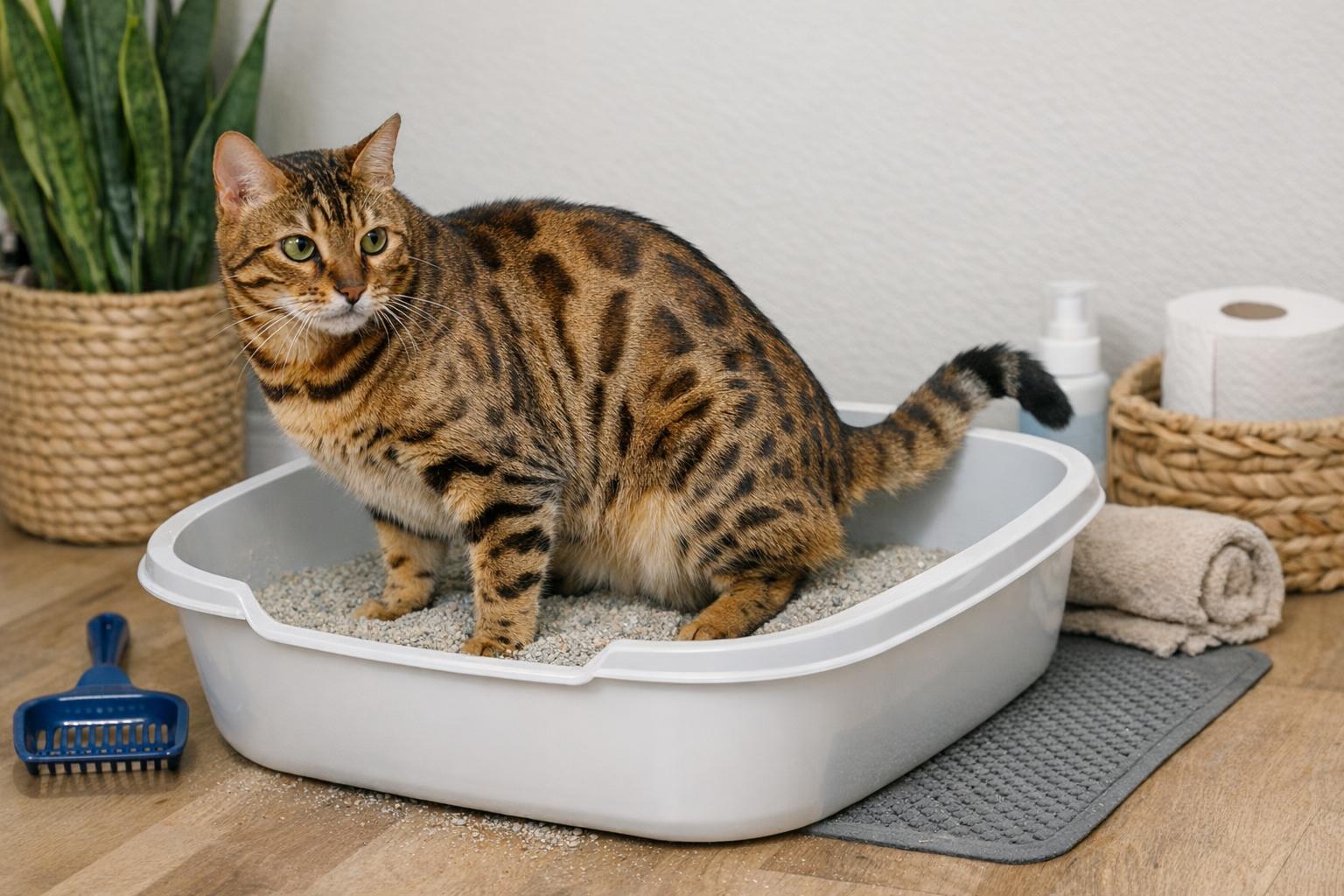
If you share your home with a furry vacuum cleaner, you’ve probably encountered that not-quite-appetizing little pile on the rug. Cat hairball vomit is the end result of grooming: cats swallow loose fur, which can form compacted masses in the stomach. Every so often your cat will bring one up, and while it’s gross, it’s usually not catastrophic.
Grooming frequency, coat length, and shedding season all affect how often a cat produces hairballs. Indoor short-haired cats might rarely cough one up; long-haired or heavy-shedding breeds can do it weekly. Occasional cat hairball vomit is normal, but repeated episodes, lethargy, loss of appetite, or constipation suggest it’s time to take action.
### How Often Is Normal?
Most cats will have an episode from time to time—monthly or weekly depending on the cat. If your fluffer is hacking up hairballs more frequently than they’re napping, that’s a hint to change something: more brushing, better hydration, or a tweak to diet.
### When To Worry
If cat hairball vomit becomes frequent, or if your cat shows signs of distress (persistent gagging, refusing food, vomiting without producing a hairball, lethargy, or a hard belly), contact your veterinarian. These symptoms can indicate an intestinal blockage or other medical condition that can’t be solved with home remedies.
## 3 Gentle Home Remedies For Cat Hairball Vomit
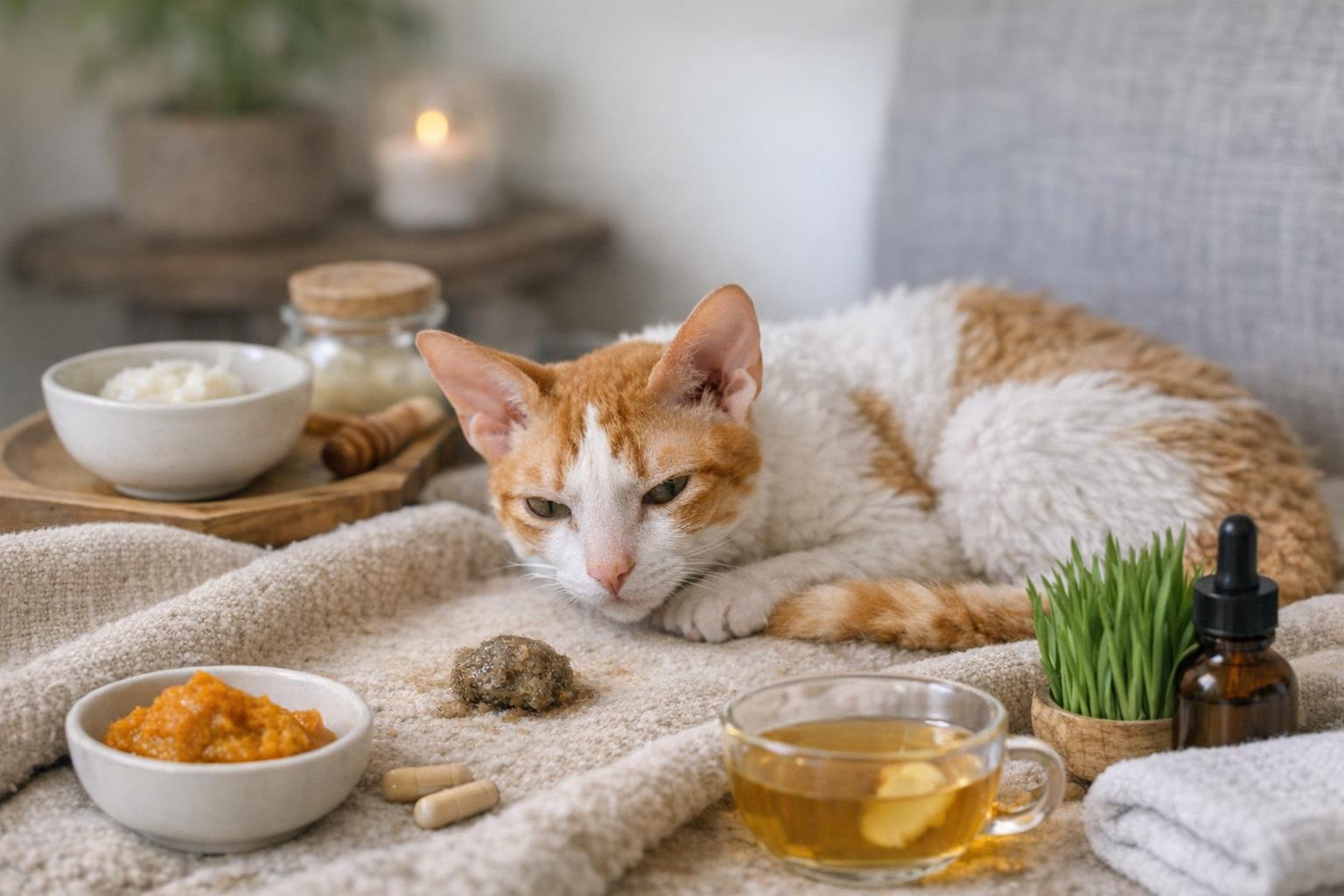
Below are three home-based, gentle remedies to reduce the frequency and discomfort of hairballs. Remedies are numbered and each includes ingredients and step-by-step creation and application instructions. When discussing the remedies I’ll be more formal and informative—no jokes about “fur burritos” here.
### Remedy 1: Canned Pumpkin Fiber Paste
Ingredients:
– Plain canned pumpkin (not pumpkin pie mix)
– Optional: a tiny drizzle (1/4 tsp) of olive oil for palatability
– Measuring spoons and a small container
Why it helps:
Pumpkin adds soluble fiber to the diet, which helps move swallowed hair through the digestive tract and reduces the chance of a compacted hairball that leads to cat hairball vomit.
Steps (Creation and Application):
1. Measure 1 tsp of canned pumpkin for a small cat, up to 1 tbsp for a large cat. Start with a smaller dose and monitor stool consistency.
2. If desired, add 1/4 tsp olive oil for extra lubrication and mix thoroughly.
3. Offer the mixture directly on a spoon or mixed into a small portion of wet food once daily.
4. Continue for several weeks and observe changes in stool and hairball frequency. If stools become loose, reduce to every other day or lower the dose.
Safety Notes:
– Use pure pumpkin only—avoid pumpkin pie mix (contains sugar and spices).
– Consult your vet before adding any supplement if your cat has a history of pancreatitis or gastrointestinal disease.
### Remedy 2: Small Amounts Of Lubricant (Olive Oil Or Commercial Hairball Gel)
Ingredients:
– Extra virgin olive oil (food grade) or a commercial cat hairball gel/paste (vet-recommended)
– A dosing syringe or teaspoon
– Clean hands and patience
Why it helps:
Lubrication can help a forming hairball pass through the digestive tract rather than being vomited up. Commercial hairball pastes are formulated for safety and palatability; olive oil is a common home option when used sparingly.
Steps (Creation and Application):
1. Choose product: prefer a vet-approved commercial gel if available. If using olive oil, select a high-quality, unflavored olive oil.
2. Dosage: For olive oil, administer 1/4 tsp to 1/2 tsp for small cats and up to 1 tsp for large cats, given once. For commercial gels, follow the product label or vet’s recommendation.
3. Delivery: Place the oil or gel on the back of the cat’s tongue or mix into a small amount of moist food; many cats will lick it from a spoon.
4. Frequency: Use sparingly—this is for occasional use, not daily long-term therapy. If you use oil more than once or twice a week, consult your veterinarian.
Safety Notes:
– Avoid mineral oil (industrial) or household lubricants that are not food-safe.
– Petroleum jelly (Vaseline) is sometimes suggested; if used, keep doses very small and infrequent due to possible digestive upset. Prefer commercially formulated cat hairball pastes.
### Remedy 3: Regular Grooming, Hydration And Diet Change
Ingredients/Tools:
– Soft-bristle brush or de-shedding tool appropriate for your cat’s coat
– Water fountain (optional but recommended)
– High-quality wet cat food or added moisture
– (Optional) Omega-3 supplement approved for cats
Why it helps:
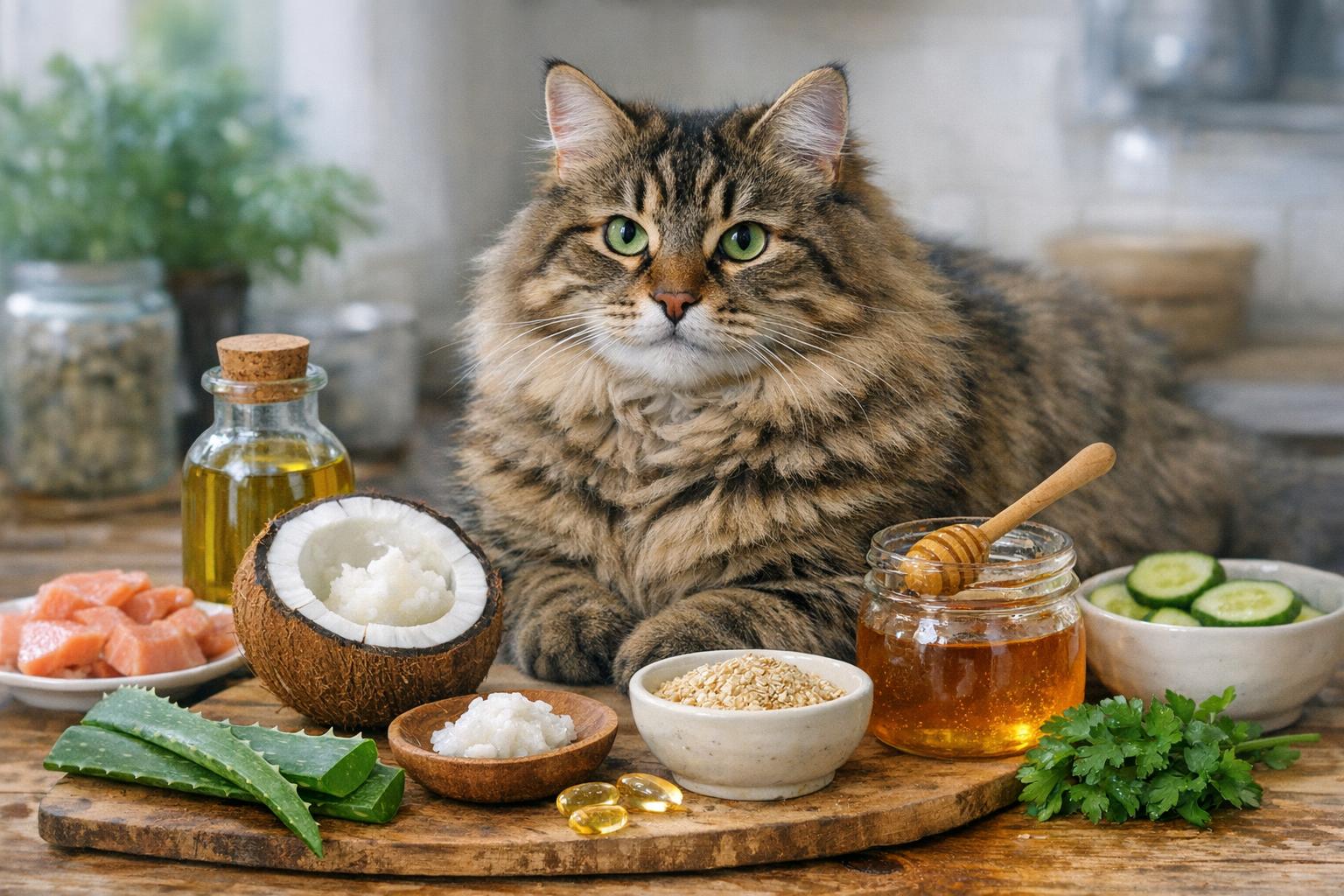
Removing loose fur with regular grooming reduces the amount swallowed. Hydration and moisture in food support smooth intestinal transit. Fatty acids can improve coat health and reduce excess shedding.
Steps (Creation and Application):
1. Grooming Routine:
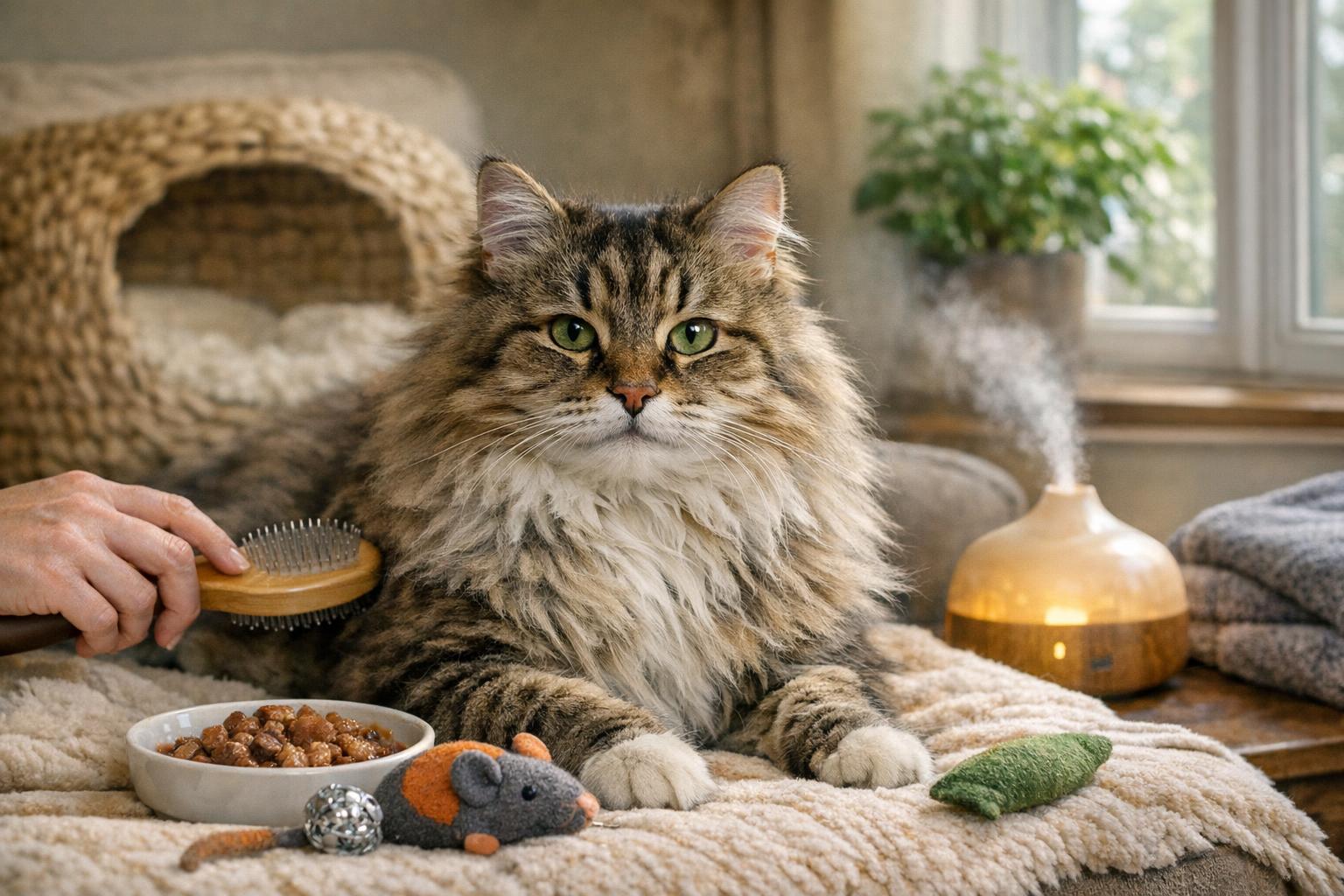
a. Establish a daily or every-other-day grooming habit—short-haired cats benefit from 2–3 sessions per week; long-haired cats may need daily brushing.
b. Use gentle, short strokes and praise or treats to make it positive.
2. Hydration:
a. Provide fresh water daily; many cats prefer running water—consider a cat fountain.
b. Integrate wet food into meals: replace one kibble meal per day with wet food, or add moisture to dry food (a tablespoon of water or broth).
3. Diet:
a. Choose a high-quality diet with moderate fiber. If your cat is overweight or has special needs, consult your vet for a tailored plan.
b. Consider a vet-recommended hairball-control food if episodes persist.
4. Coat Health:
a. Supplement with omega-3 fatty acids if advised by your vet; this can reduce shedding and support coat condition.
b. Keep nails trimmed and maintain regular veterinary checks for skin or coat issues.
Application Timeline:
– Grooming and hydration produce gradual improvement; expect to see fewer hairballs over several weeks with consistent care.
#### Quick Grooming Tips
– Start grooming slowly—the cat needs to associate brushing with calm, positive experiences.
– Use gloves or a deshedding tool for heavy shedders during seasonal molts.
## Preventing Future Cat Hairball Vomit
Prevention is often simpler than treating an active issue. Regular grooming, seasonal brushing, and keeping your cat well-hydrated are the backbone of prevention. Schedule extra brushing during shedding season, keep a food-and-water routine, and consider environmental enrichment to reduce stress-induced overgrooming.
### Environmental And Behavioral Notes
Stress can cause excess grooming. Provide scratching posts, play sessions, and hiding spots. A bored cat picks fur like a hobby sometimes—keep them occupied.
## When To Contact Your Veterinarian
If your cat shows any of the following, contact a veterinarian promptly:
– Repeated gagging without producing hairballs
– Persistent vomiting or diarrhea
– Refusal to eat for 24 hours
– Lethargy or marked behavioral change
– Signs of abdominal pain or difficulty defecating
Frequent cat hairball vomit can sometimes mask a more serious issue like gastrointestinal blockage, parasites, or metabolic disease. A physical exam, possibly imaging or bloodwork, will clarify the cause.
### Safe Practices And Final Reminders
– Avoid giving human laxatives or medications unless directed by your vet.
– Home remedies can be helpful for occasional hairballs but are not a substitute for medical care if symptoms worsen.
– Keep grooming tools clean and use pet-safe products.
If you try these gentle home remedies and adjust your cat’s grooming and diet, you’ll likely see fewer fur-related upsets—and fewer unpleasant surprises on the living room rug.











Leave a Reply