




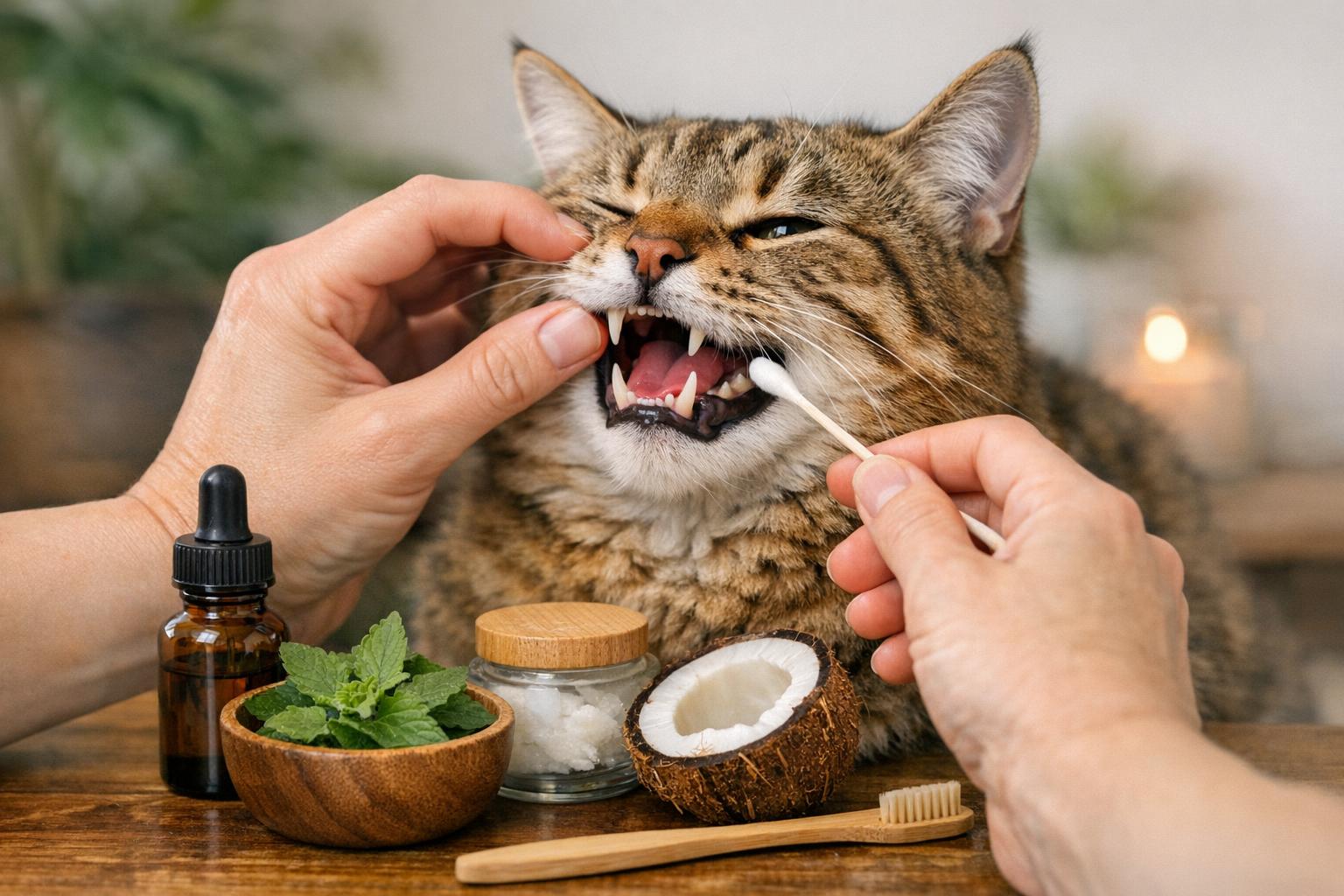
If you’ve noticed your cat pawing at its mouth, drooling more than usual, or suddenly refusing crunchy treats, you might be dealing with cat teeth pain — and you want to help without making things worse. This guide offers safe, natural at-home care to ease discomfort until you can get professional veterinary help.
### Recognizing Signs Of Dental Discomfort
Cats are masters of hiding pain, so subtle behavior changes are key clues that your feline friend may have cat teeth pain.
– Reduced appetite or picking only soft food
– Drooling, a change in saliva smell, or blood on toys/food
– Pawing at the mouth, rubbing the face, or reluctance to be touched around the head
– Weight loss, grumpy behavior, or reduced grooming
### Cat Teeth Pain: When To Act
Not all mouth issues can be solved at home. If your cat shows severe signs — visible broken teeth, heavy bleeding, swelling of the face, or persistent refusal to eat — these are red flags that require urgent veterinary care. Mild discomfort, early gingivitis, or post-cleaning soreness are the situations where careful at-home measures can safely provide relief.
## 1. Saline Rinse For Mild Discomfort
This is a gentle, veterinarian-friendly option for reducing bacteria and soothing inflamed soft tissues. Use only on calm, cooperative cats.
#### Materials
– 1 cup (240 ml) warm distilled or boiled-and-cooled water
– 1/4 to 1/2 teaspoon non-iodized salt
– A small syringe (without needle) or an oral syringe for pets
– Clean towel and treats for reward
#### Steps
1. Mix the salt into the warm water until completely dissolved. Let the solution reach a comfortably warm temperature.
2. Restrain your cat gently: wrap them loosely in a towel leaving the head exposed (the “kitty burrito” method) to avoid sudden movements.
3. Put a small amount of the saline into the syringe (5–10 ml). Speak in a calm voice and approach slowly.
4. Gently open the cat’s mouth by holding the upper jaw near the canines and apply a slow stream of saline along the gumline; do not force large volumes into the mouth.
5. Allow your cat to spit or swallow naturally. Wipe excess with a clean cloth and reward with a soft treat.
6. Repeat up to twice daily for 2–3 days. Stop if the cat becomes stressed or if symptoms worsen.
Use this method only for short-term symptomatic relief. If there’s persistent bleeding, loosened teeth, or severe swelling, see a veterinarian immediately.
## 2. Chamomile Compress For Local Soothing
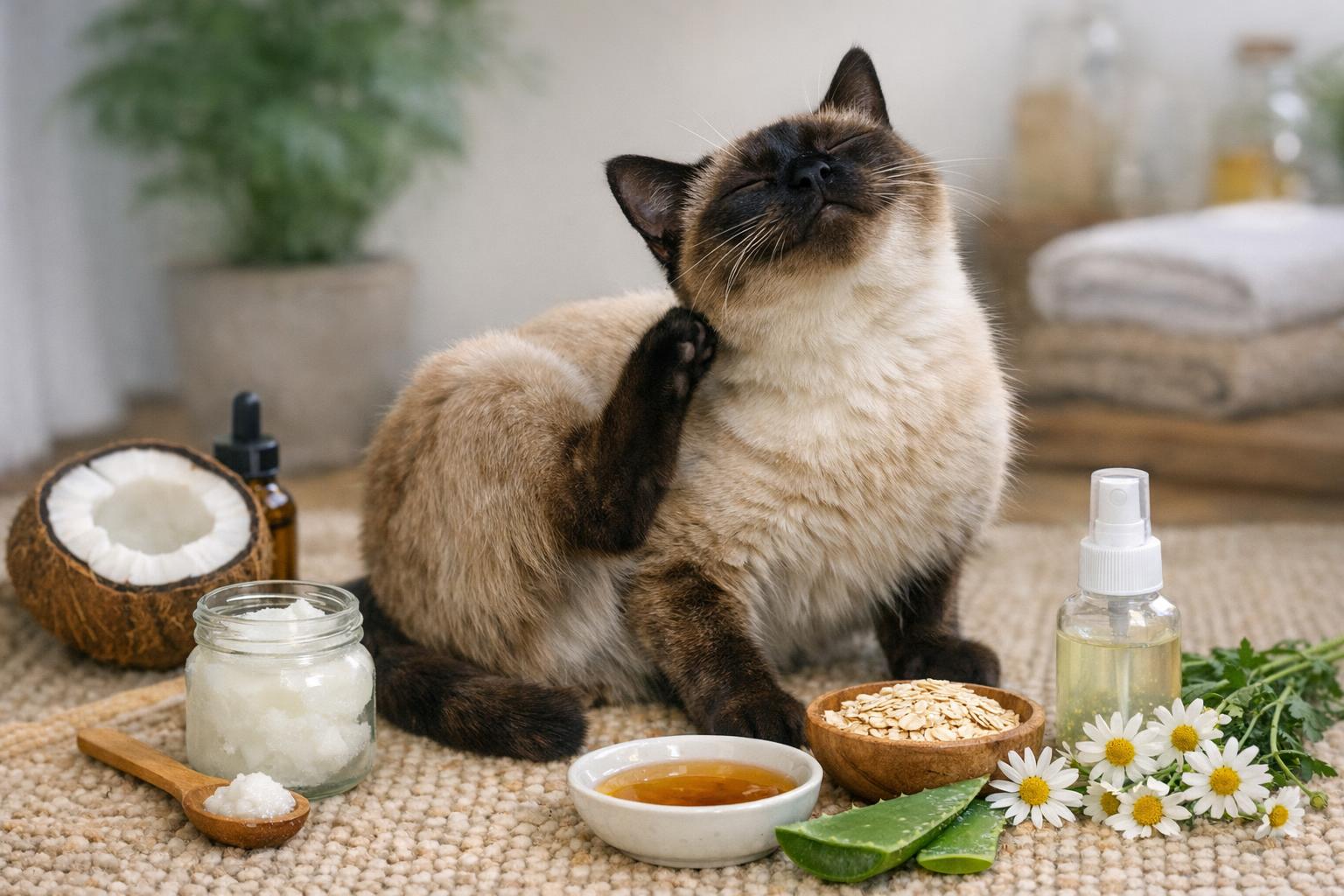
Chamomile has mild anti-inflammatory and soothing properties and can calm irritated oral tissues. Only use cooled, weak tea; never apply essential oils or concentrated extracts to a cat’s mouth.
#### Materials
– 1 chamomile tea bag or 1 teaspoon dried chamomile flowers
– 1 cup (240 ml) boiling water
– Small sterile gauze pads or a soft cotton cloth
– A small bowl and a syringe (optional)
#### Steps
1. Steep the chamomile tea bag in boiling water for 5–7 minutes; for dried flowers, steep in a muslin bag.
2. Allow the brew to cool to lukewarm. Strain and pour into a small, clean bowl.
3. Soak the gauze or cloth in the tea and wring to remove excess liquid.
4. Gently hold your cat and apply the damp compress to the outside of the cheek for 30–60 seconds at a time to calm swollen areas. Alternatively, for very cooperative cats, dab very lightly inside the mouth near the affected gum with the soaked gauze.
5. Repeat 2–3 times daily for up to 3 days. Discontinue if irritation increases or if the cat resists strongly.
Important: Chamomile can cause allergic reactions in some animals. Test on a small external patch first and watch for signs of irritation. If in doubt, skip this remedy.
### Safe Dietary Changes To Reduce Pain
Softening food and offering enticing, soft meals can help a cat eat comfortably while mouth pain is being addressed.
#### Suggested Adjustments
– Warm canned food slightly (not hot) to increase aroma and make chewing easier.
– Mix water or low-sodium chicken broth into kibble to soften it.
– Offer high-value, soft treats in small amounts to encourage eating.
Avoid giving any over-the-counter human oral pain relievers (like ibuprofen or acetaminophen) — these are toxic to cats.
## 3. At-Home Dental Care Routine To Prevent Future Pain
A proactive, consistent dental routine reduces the chance of recurring cat teeth pain. This routine is for prevention and mild gingivitis management, not for advanced dental disease.
#### Materials
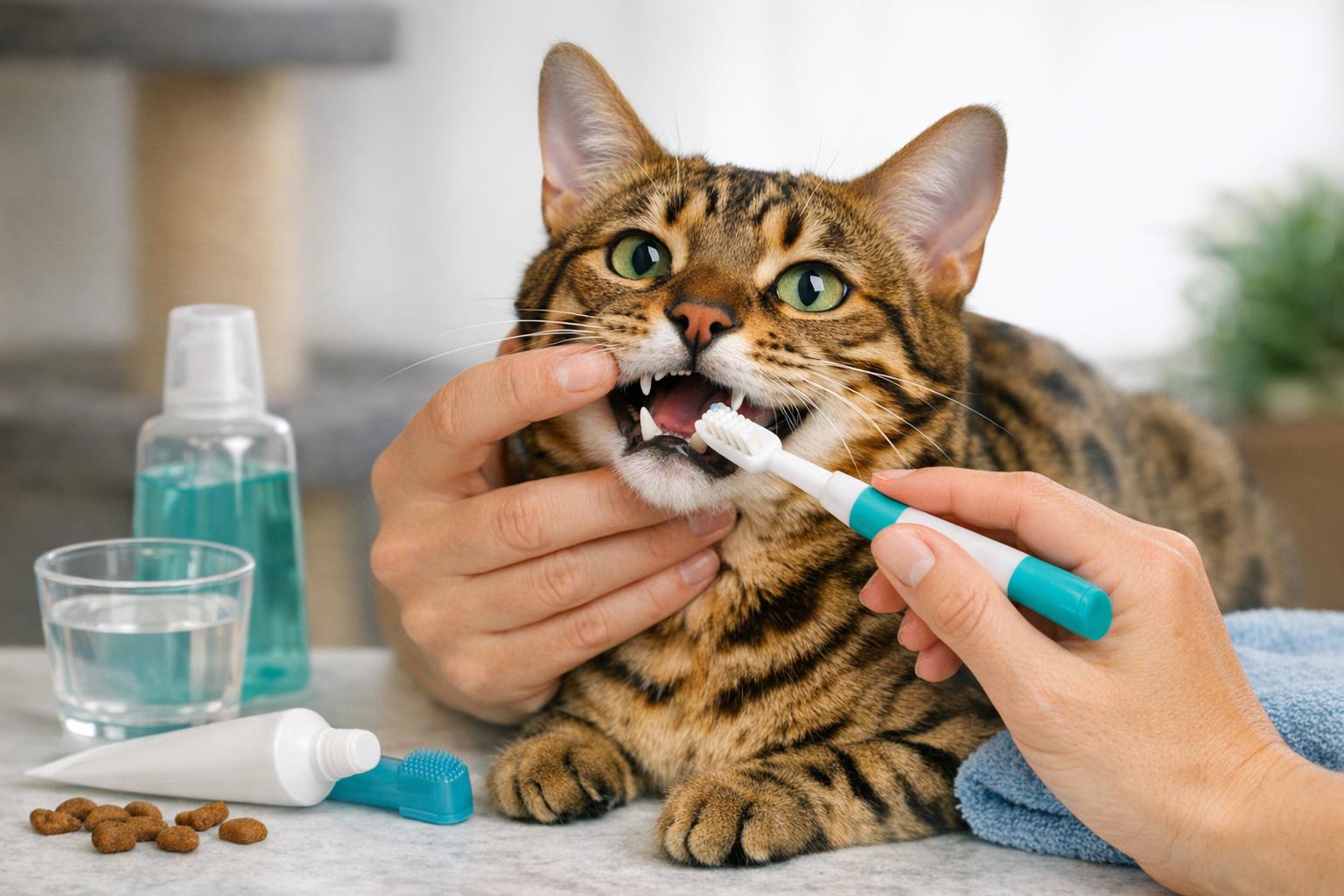
– Enzymatic cat toothpaste (never use human toothpaste)
– Soft pet toothbrush or finger brush
– Dental wipes designed for cats (optional)
– Water additive (veterinary-approved)
– Reward treats
#### Steps
1. Start slowly to build trust. Let the cat sniff and taste the toothpaste (enzymatic paste tastes like poultry or fish).
2. Gently lift the lip and use the finger brush or soft toothbrush to brush the outer surfaces of the teeth in short, gentle strokes. Aim for 30–60 seconds once daily, gradually increasing if tolerated.
3. If brushing is not workable, use dental wipes across the teeth and gumline once daily.
4. Add a veterinarian-approved water additive to the drinking water per product instructions to reduce plaque accumulation.
5. Offer dental treats approved by veterinary dental charts to support ongoing oral health.
Be formal and methodical: consistent, gentle practice over weeks yields the best reduction in tartar and gingivitis.
### Extra At-Home Comfort Measures While Waiting For Vet Care
– Keep your cat calm and quiet; stress can amplify pain perception.
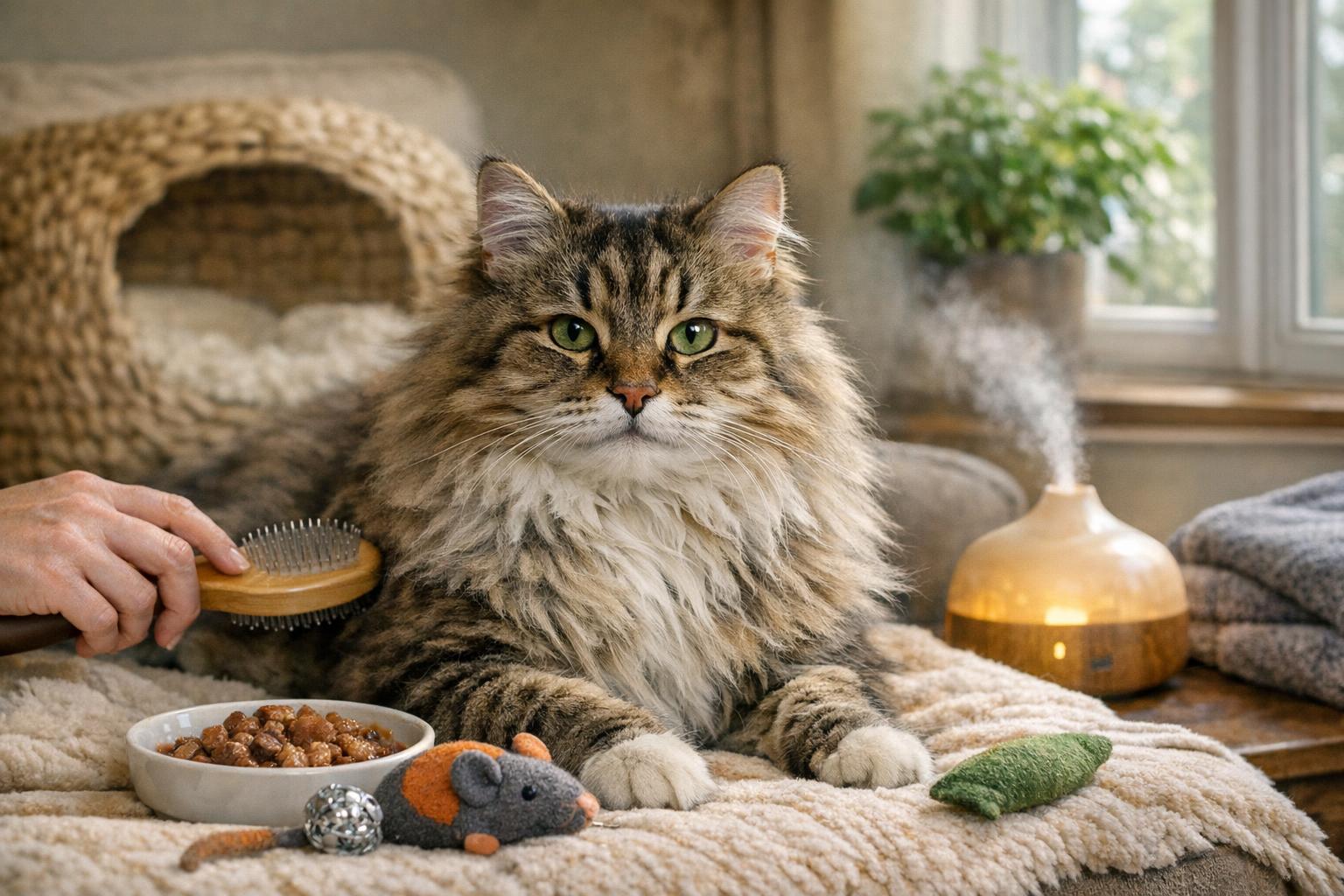
– Offer elevated or softer bedding to make resting comfortable.
– Use a pheromone diffuser to reduce anxiety during handling or travel.
– Maintain hydration — encourage drinking with water fountains or broth.
### When Natural Care Is Not Enough
If at-home measures (including saline rinses, compresses, and a gentle dental routine) do not improve symptoms within 48–72 hours, or if signs escalate, schedule a veterinary appointment. Persistent cat teeth pain can indicate tooth resorption, abscesses, fractures, or advanced periodontal disease that require professional intervention such as cleaning, extraction, or targeted medications.
### Helpful Do’s And Don’ts For Home Care
Do:
– Use products labeled for cats (enzymatic toothpaste, pet-safe rinses).
– Be patient and proceed slowly to avoid stress.
– Praise and reward your cat after each session.
Don’t:
– Use human oral care products or essential oils in the mouth.
– Give human pain medication or attempt extractions at home.
– Force a calm cat into a painful procedure; stop and reassess.
### Simple Supplies To Keep On Hand
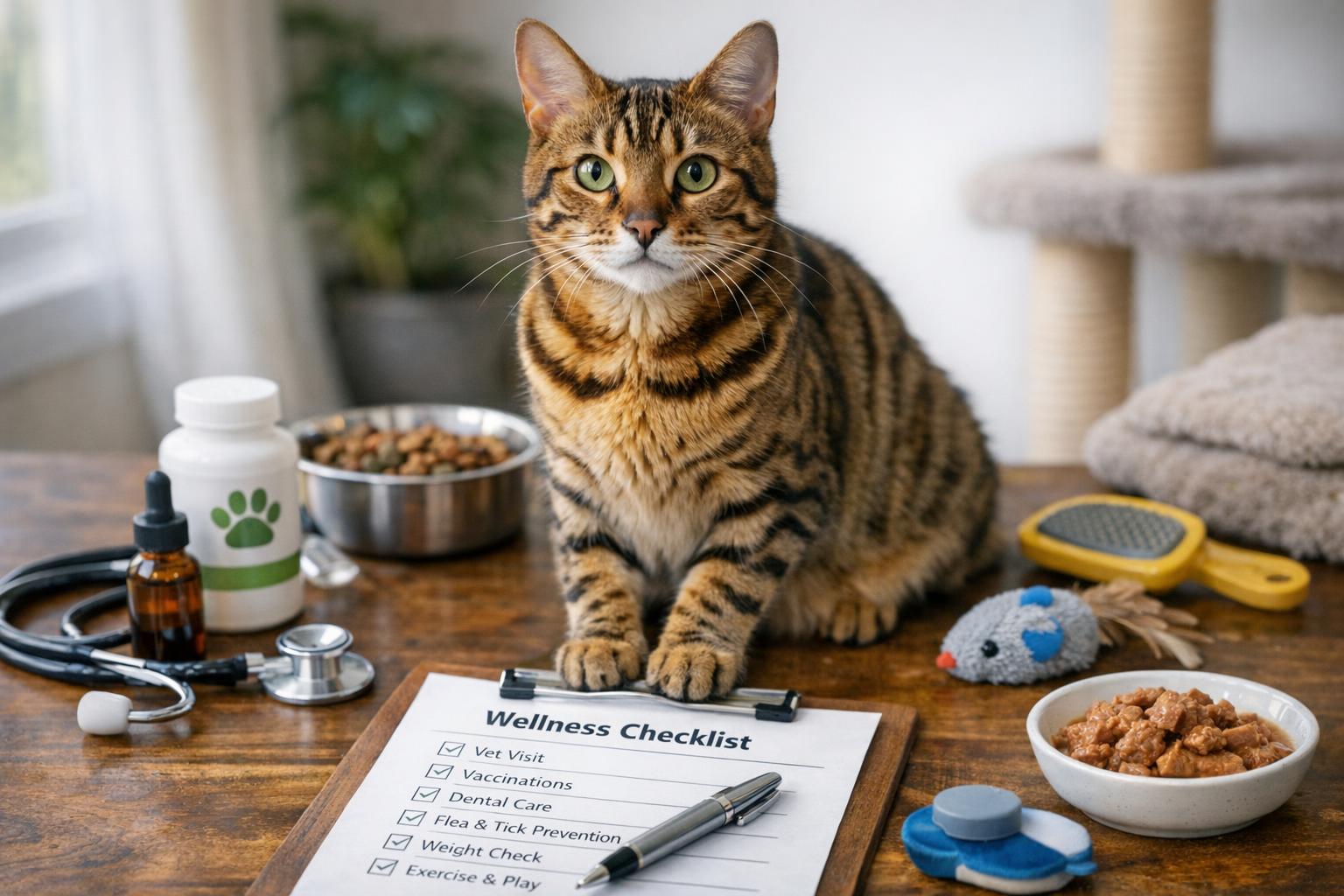
A small kit makes addressing early issues easier: enzymatic toothpaste, a soft finger brush, sterile saline, chamomile tea bags, pet-safe water additive, and a towel for gentle restraint.
### Tips For Long-Term Prevention
Regular dental checks with your veterinarian, combined with at-home brushing and appropriate dental diets, drastically reduce the risk of painful dental episodes. If you’ve had one episode of cat teeth pain, consider scheduling a professional dental cleaning and discussing a maintenance plan to prevent recurrence.
Now that you’ve got practical, safe, natural options for easing mouth soreness and a structured routine to help prevent future problems, you can act confidently while you arrange veterinary follow-up.














Leave a Reply