

Hi there — if your cat keeps licking or chewing at her tummy until the fur thins or the skin looks raw, you’re in the right place. This article walks through why cat overgrooming belly is a thing, and gives three gentle, do-at-home remedies you can try safely. A small reminder: persistent or severe problems should always get a vet visit.
## Cat Overgrooming Belly: What’s Happening?
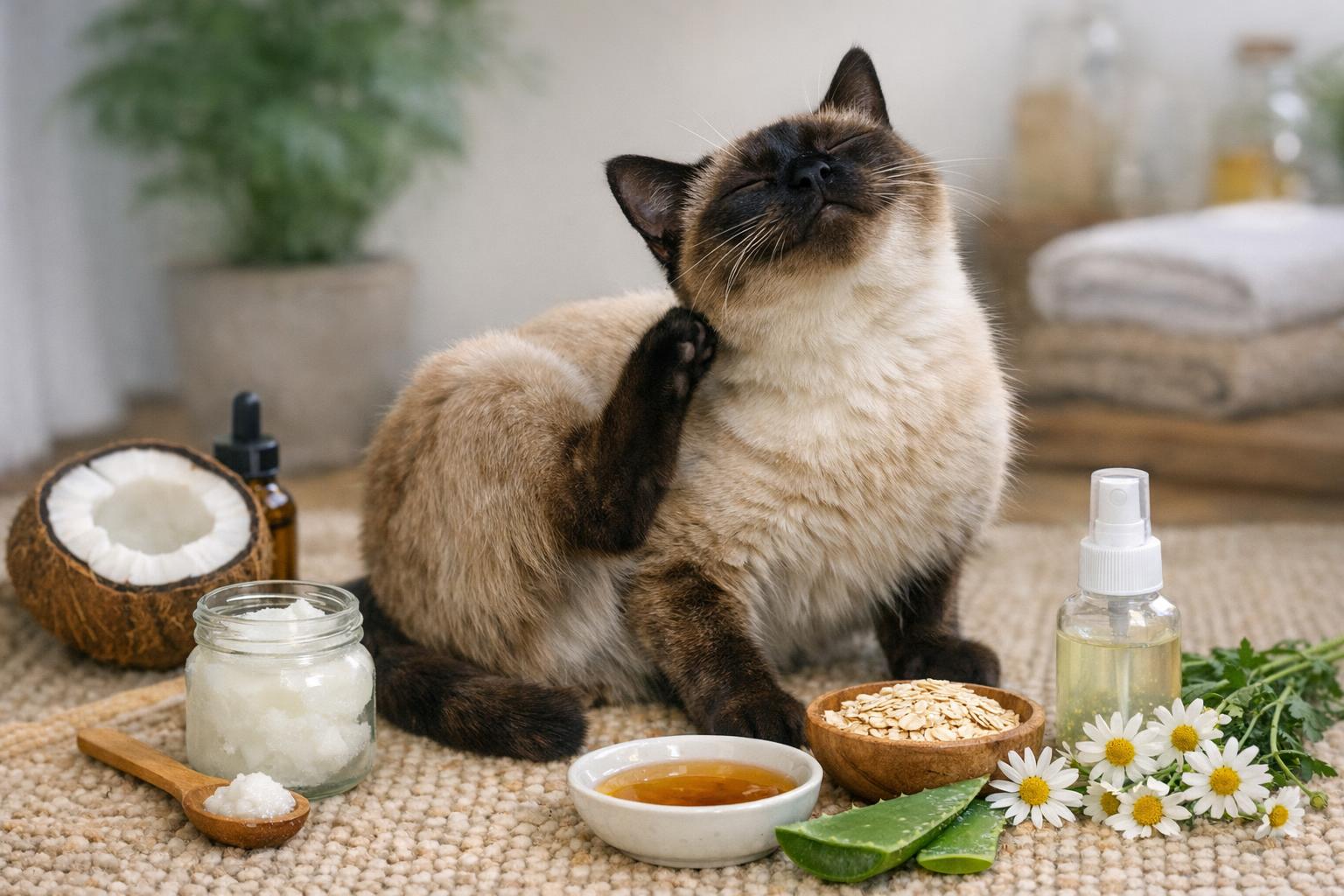
Cats groom — a lot. But when grooming focuses on one spot, like the belly, it becomes a symptom rather than normal behavior. Cat overgrooming belly can come from several causes: allergies (food or environmental), fleas or mites, skin irritation, anxiety or stress, or even pain from underlying medical problems. Identifying the likely trigger helps pick the right at-home approach and know when it’s time to involve a professional.
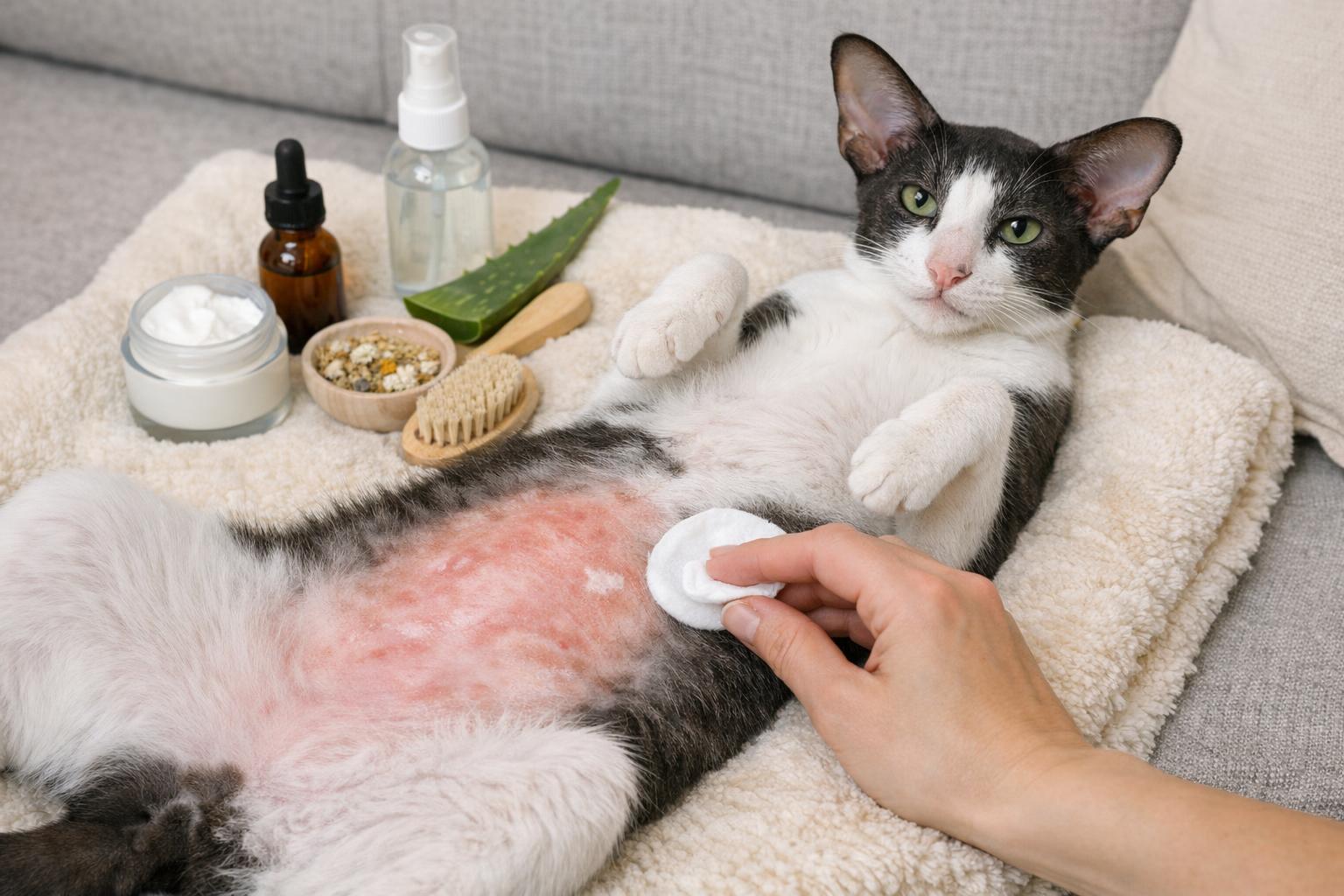
You might notice a patchy bald spot, small red bumps, scabs, or raw skin. Some cats lick obsessively; others chew. Because the belly skin is delicate and the area can become infected, mild interventions at home aim to soothe irritation, reduce inflammation, and discourage the repetitive behavior while you investigate causes. Use these remedies as short-term care and, if the condition doesn’t improve within a few days or worsens, consult your veterinarian.
## 3 Gentle Home Remedies For Cat Overgrooming Belly
Below are three numbered, practical remedies you can prepare at home. Each includes materials and clear step-by-step instructions. When following the procedures, be precise, keep things clean, and stop if your cat becomes stressed or shows signs of pain.
### Remedy 1: Oatmeal Soothing Compress
#### Ingredients/Materials
– 1/2 cup plain colloidal oatmeal (or grind plain rolled oats into a fine powder)
– 2 cups warm (not hot) clean water
– Soft, clean cloth or cotton pads
– Towel to dry
#### Step-By-Step Application
1. Prepare the oatmeal infusion: whisk the colloidal oatmeal into the warm water until it forms a milky, smooth solution. Let it steep for 5 minutes.
2. Soak the cloth or cotton pads in the oatmeal solution and wring gently so they’re damp but not dripping.
3. With your cat in a relaxed position, gently place the soaked cloth on the affected belly area for 5–10 minutes. Hold gently but avoid pressing or rubbing the irritated skin.
4. Repeat 2–3 times per day until redness and irritation subside. After each application, pat the area dry with a clean towel; do not rub.
5. Discard used solution; make a fresh batch each time to avoid contamination.
Rationale: Colloidal oatmeal has well-documented, gentle anti-inflammatory and soothing properties for irritated skin. This compress reduces surface inflammation and can calm the urge to lick, at least temporarily.
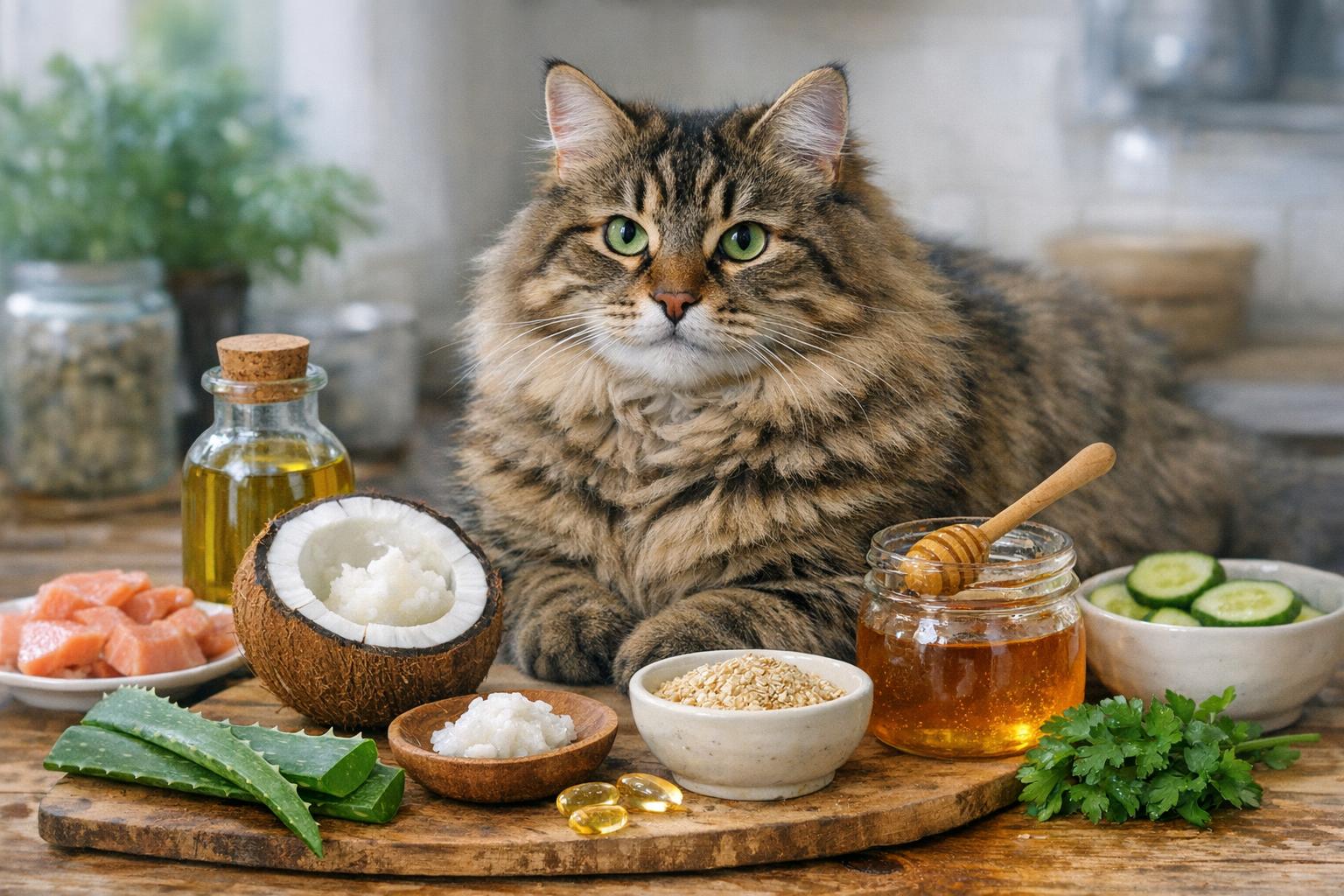
### Remedy 2: Aloe And Coconut Balm For Local Protection
#### Ingredients/Materials
– 1 tablespoon pure aloe vera gel (ensure it is pure and free of alcohol, fragrances, or xylitol)
– 1 teaspoon fractionated coconut oil (or virgin coconut oil if fractionated is unavailable)
– Small sterile jar or container
– Cotton swab for application
#### Step-By-Step Application
1. In a clean container, combine the aloe vera gel and coconut oil. Mix until homogenous.
2. Test a small amount on your cat’s inner foreleg first. Wait 12 hours to confirm no reaction.
3. If no reaction, gently apply a thin layer of the balm to the affected belly area using a cotton swab. Apply 1–2 times daily.
4. Monitor for licking: if your cat licks the area excessively after application, reduce frequency or consider an alternative barrier method (see Remedy 3).
5. Store the balm in a cool place and discard if it becomes cloudy or develops an odor.
Rationale: Aloe soothes inflammation; coconut oil provides a protective moisturizing layer and has mild antimicrobial effects. The combination should be used sparingly and only when you can control excessive licking — ingesting small amounts of coconut oil is usually tolerated by cats in low doses, but large amounts can cause stomach upset.
### Remedy 3: Environmental Enrichment And Stress Reduction (Behavioral Support)
#### Ingredients/Materials
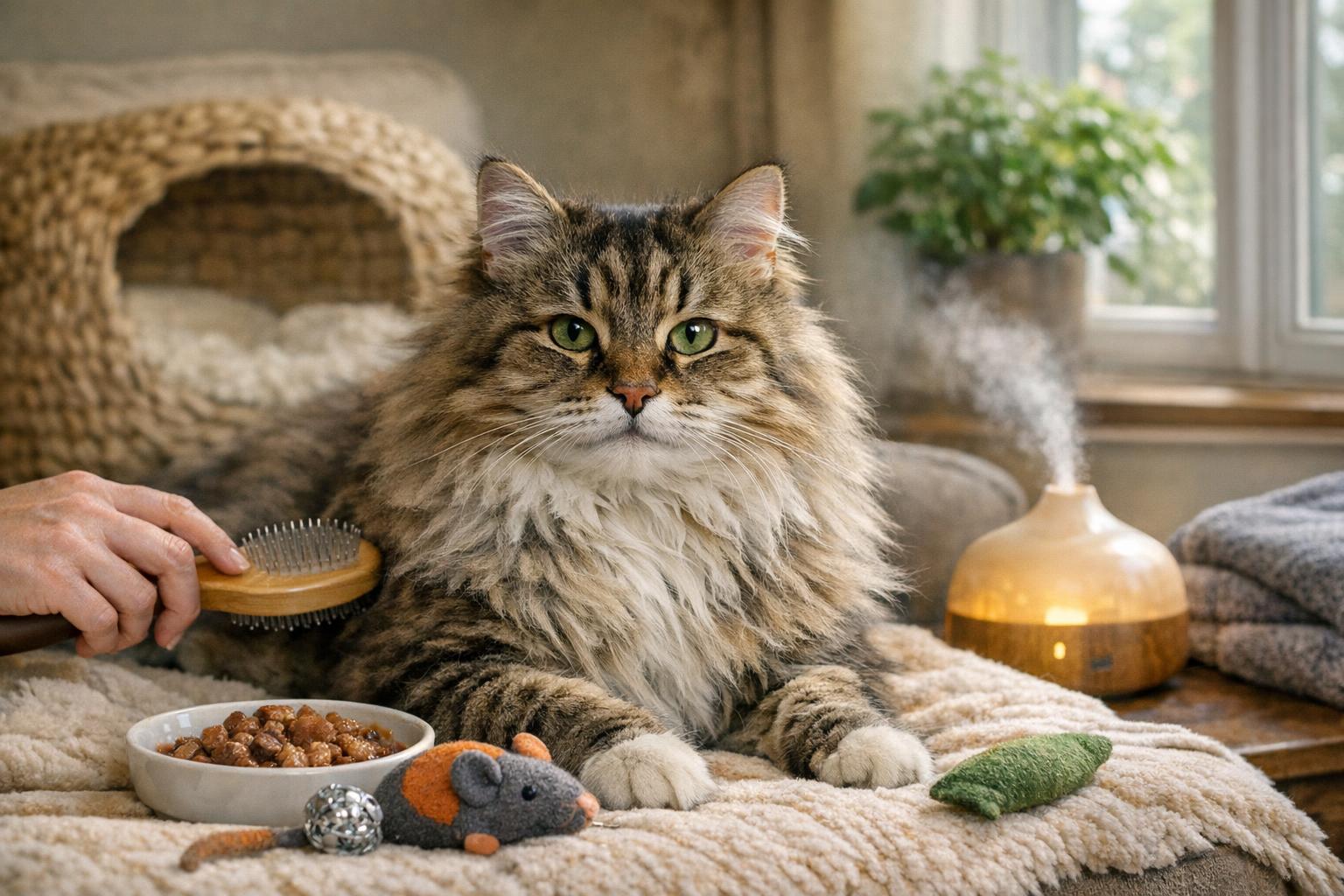
– Cat pheromone diffuser (e.g., synthetic feline facial pheromone)
– Puzzle feeder or treat-dispensing toy
– New comfy elevated perch or hiding box
– Timer or schedule sheet for play sessions
#### Step-By-Step Application
1. Install the pheromone diffuser in the room your cat spends most time in, following manufacturer directions for placement and duration.
2. Introduce predictable, short daily play sessions: 2–3 sessions of 10 minutes each using interactive toys that simulate hunting (wand toys, feather teasers).
3. Add a puzzle feeder to slow feeding and provide mental stimulation. Use regular food or low-calorie treats as rewards to shape positive engagement.
4. Provide two secure resting options: one elevated shelf and one enclosed hide-out. Rotate locations if your home is busy.
5. Keep a daily routine for feeding, play, and quiet time. If you notice reduction in overgrooming, maintain the enriched schedule to prevent relapse.
Rationale: Many cases of cat overgrooming belly are stress-related. Environmental adjustments and structured enrichment reduce anxiety, redirect grooming behavior, and restore emotional balance. Pheromone therapy is supported as an adjunctive measure to lower arousal in some cats.
## Signs You Need Veterinary Evaluation
If you try gentle home care but the problem persists, you must consult a veterinarian. Seek immediate veterinary care if you observe:
– Rapidly spreading hair loss or a large raw/weepy area
– Evidence of infection: pus, foul odor, severe redness, swelling
– Your cat is in obvious pain, lethargic, hiding, or not eating
– Sudden onset of overgrooming belly accompanied by vomiting, diarrhea, or other systemic signs
A vet will examine your cat for fleas, mites, bacterial or fungal infections, allergic dermatitis, or medical causes like hyperthyroidism or pain that can drive overgrooming. Diagnostic tests may include skin scrapings, cytology, allergy trials, or blood work.
### Quick Home Care Do’s And Don’ts
Do:
– Keep the treated area clean and dry after compresses or topical applications.
– Use distraction and enrichment to discourage repetitive licking behavior.
– Track changes (photos and notes) to show your vet progression or worsening.
Don’t:
– Never use human topical steroid creams or antifungals without veterinary guidance — they can worsen problems on cat skin.
– Avoid essential oils on skin; many are toxic to cats when applied topically or inhaled.
– Do not force a cat into procedures that cause fear — gentle, calm handling yields the best results.
## Cat Overgrooming Belly: Monitoring And When To Change Course
Track the area daily: note redness, size of bald patch, presence of scabs or discharge, and your cat’s grooming frequency. If home remedies lead to clear improvement within 5–7 days, continue until fully healed and maintain behavioral supports. If there’s no improvement, worsening signs, or signs of systemic illness at any time, contact your veterinarian promptly — interventions may include medicated shampoos, topical prescription therapies, antibiotics, antiparasitics, or behavior-modifying medications.
If medications are prescribed, follow the vet’s instructions precisely and continue environmental enrichment in tandem — treating both the body and the mind gives the best chance to stop recurring cat overgrooming belly behavior.











Leave a Reply