
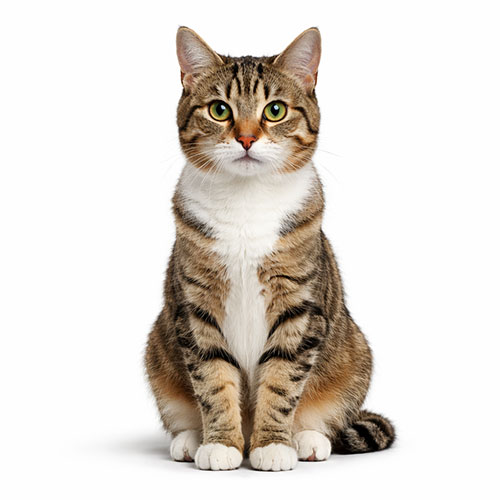


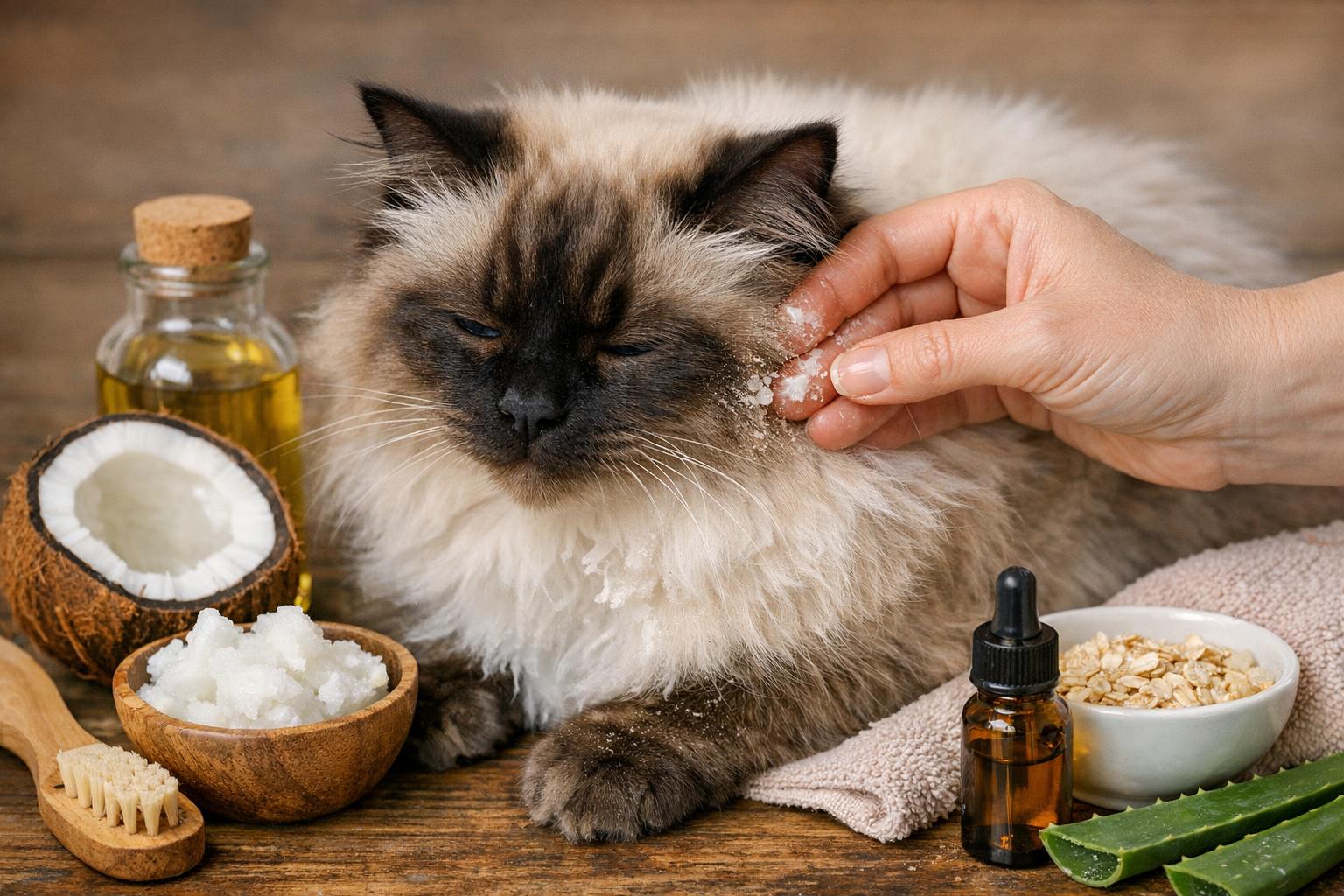
Hey there — if your cat has been leaving delicate little snowflakes of fur and flaky skin around the house, you’re not alone. Dry, flaky skin in cats is common and often fixable at home with gentle care, a tweak to routine, and a few safe DIY remedies. I’ll walk you through practical, vet-safe approaches (with a splash of friendly humor — your cat may still pretend this is beneath them).
## 1. Home Remedies For Dry Flaky Skin On Cats — Oatmeal Bath For Soothing
Why it helps: Colloidal oatmeal is a gentle, anti-inflammatory, and moisturizing agent that soothes itchy, dry skin without stripping natural oils.
Ingredients / Materials
– 1 cup plain, unscented colloidal oatmeal (or grind plain rolled oats into a fine powder)
– Warm water (comfortable to the touch)
– A shallow basin or sink large enough for the cat
– Two towels (one for drying, one for sitting)
– Optional: a gentle cat shampoo recommended by your vet
Step-By-Step Creation And Application
1. Prepare the oatmeal: If using rolled oats, grind them into a fine powder using a food processor. Mix the oatmeal powder into a basin of warm water until it creates a milky suspension.
2. Calm your cat: Towel-wrap or have a helper gently hold the cat. Keep the environment quiet. Speak soothingly.
3. Bathing: Place the cat in the shallow water and gently pour the milky oatmeal water over the affected areas. Avoid getting water in ears and eyes.
4. Soak time: Allow the cat to sit for 5–10 minutes while massaging gently over flaky areas. Do not over-soak; keep it mild and calm.
5. Rinse and dry: Rinse lightly with warm water if you used any shampoo. Towel-dry thoroughly and keep the cat warm until fully dry.
Notes: Use this once every 7–10 days depending on skin response. If your cat panics with baths, you can apply the oatmeal water topically with a soft cloth instead.
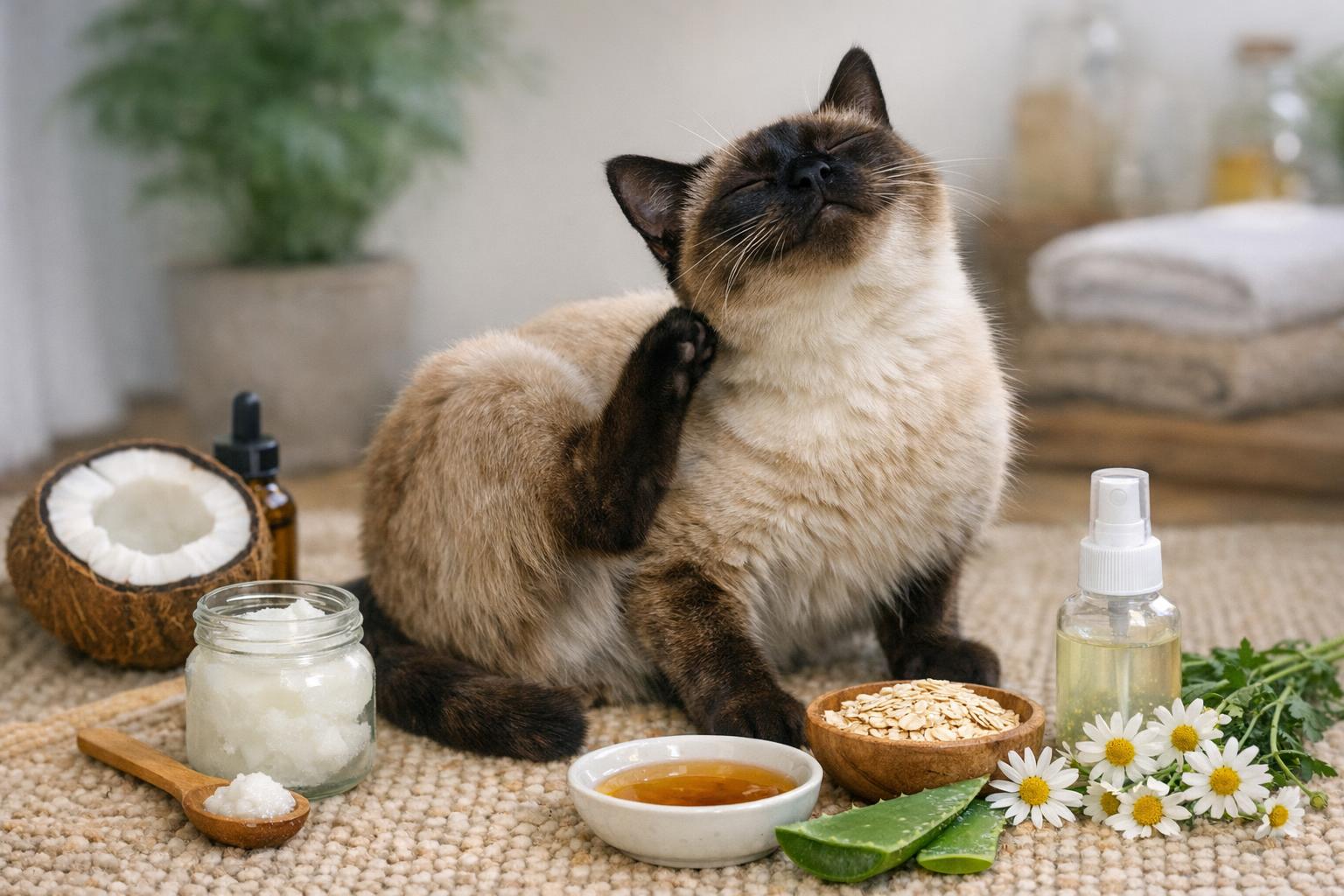
## 2. Coconut Oil Topical For Localized Patches
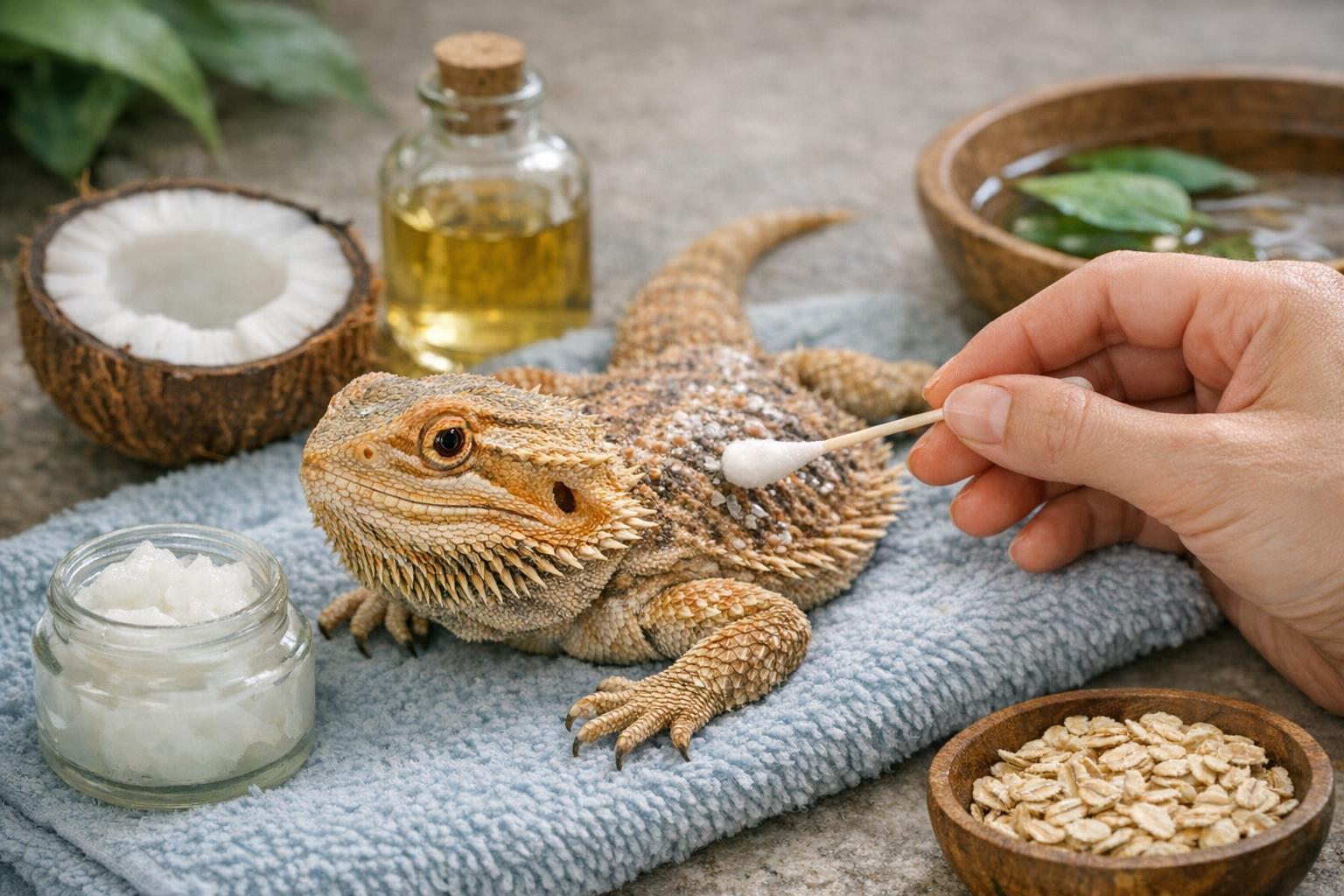
Why it helps: Virgin coconut oil is a mild emollient with antimicrobial properties. Applied in small amounts, it can hydrate and reduce flakiness.
Ingredients / Materials
– Virgin, cold-pressed coconut oil
– Cotton ball or soft cloth
– Optional: small jar for storage
Step-By-Step Creation And Application
1. Patch test: Apply a pea-sized amount to a tiny area on your cat and monitor for 24 hours for irritation or allergic reaction.
2. Clean the area: Gently wipe flaky patches with a warm damp cloth and let dry.
3. Apply oil: Using a cotton ball, rub a thin layer of coconut oil onto the flaky area. Use sparingly — you want to moisturize, not grease the cat.
4. Monitor licking: Most cats will groom themselves. Limit application to small areas or apply before a supervised nap. If your cat ingests a lot and shows digestive upset, stop use.
Dosage and frequency: Use 2–3 times weekly on problem spots. If your cat already has a sensitive GI tract or is prone to pancreatitis, consult your vet before topical oils.
## 3. Omega-3 Supplement Boost (Oral) To Improve Skin From The Inside
Why it helps: Long-chain omega-3 fatty acids (EPA and DHA) support skin barrier function, reduce inflammation, and can lessen flakiness when given consistently.
Ingredients / Materials
– Veterinary-formulated fish oil or omega-3 supplement labeled for cats
– Measuring dropper or capsule as per product directions
– Favorite food or treats to hide dosage if needed
Step-By-Step Creation And Application
1. Choose a product: Select a reputable, cat-specific omega-3 supplement. Human supplements are not always appropriate or dosed correctly for pets.
2. Vet consult: Discuss the product and dosage with your veterinarian, especially if your cat is on blood-thinning medications.
3. Start low: Begin with the lowest recommended dose for 7–10 days. Watch for vomiting or diarrhea.
4. Mix with food: Administer the measured dose by mixing into a small portion of wet food or a treat. Do not exceed recommended daily amounts.
5. Monitor results: Expect to see skin improvement over 6–12 weeks as fatty acids integrate into skin cells.
Note: Consistency matters. This is a longer-term remedy, not an instant fix.
## 4. Humidifier, Brushing And Diet Adjustments (Routine Remedy)
Why it helps: Environmental dryness and lack of grooming or suboptimal nutrition commonly cause dry, flaky skin. Fixing the environment and routine often produces big wins.
Materials / Steps
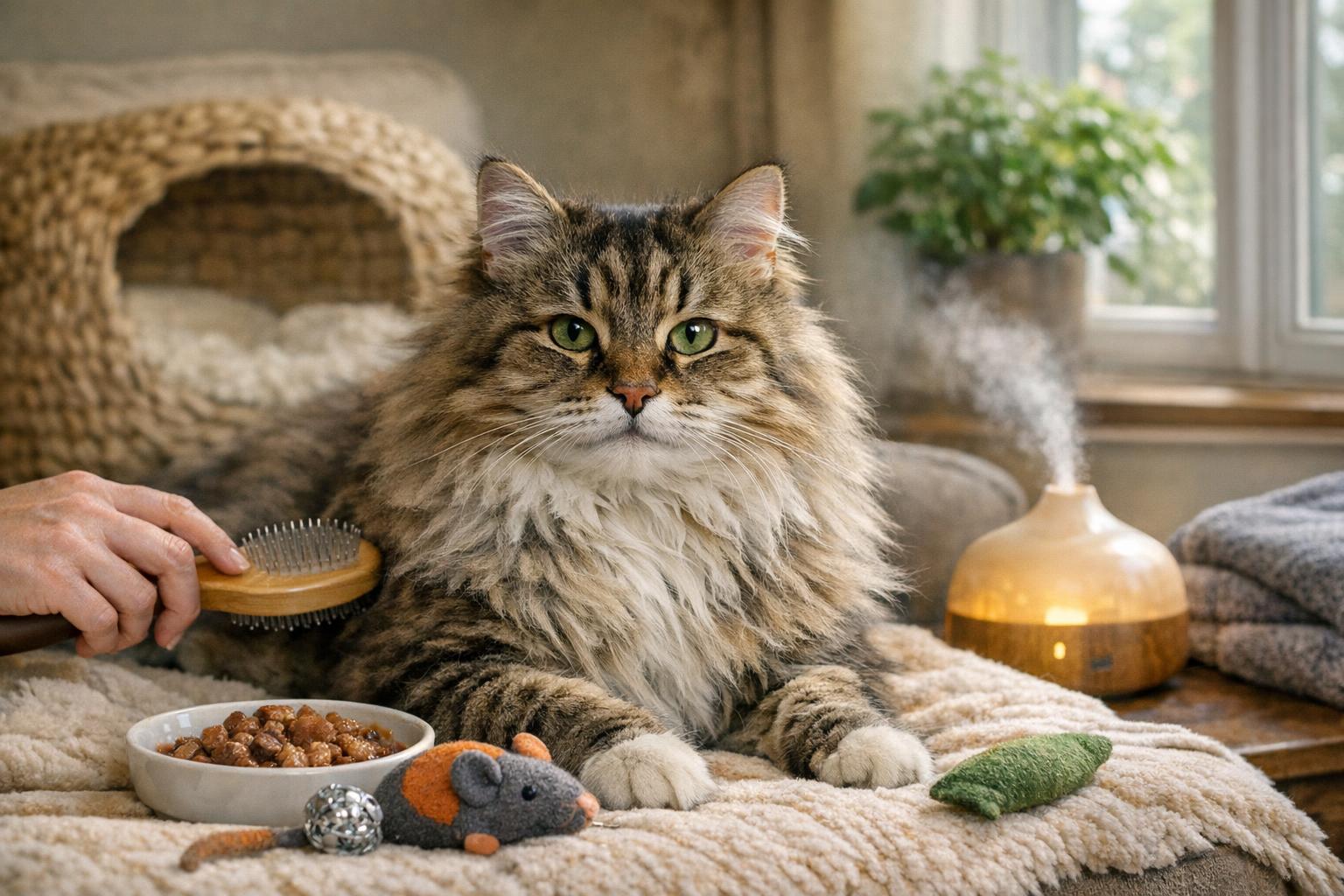
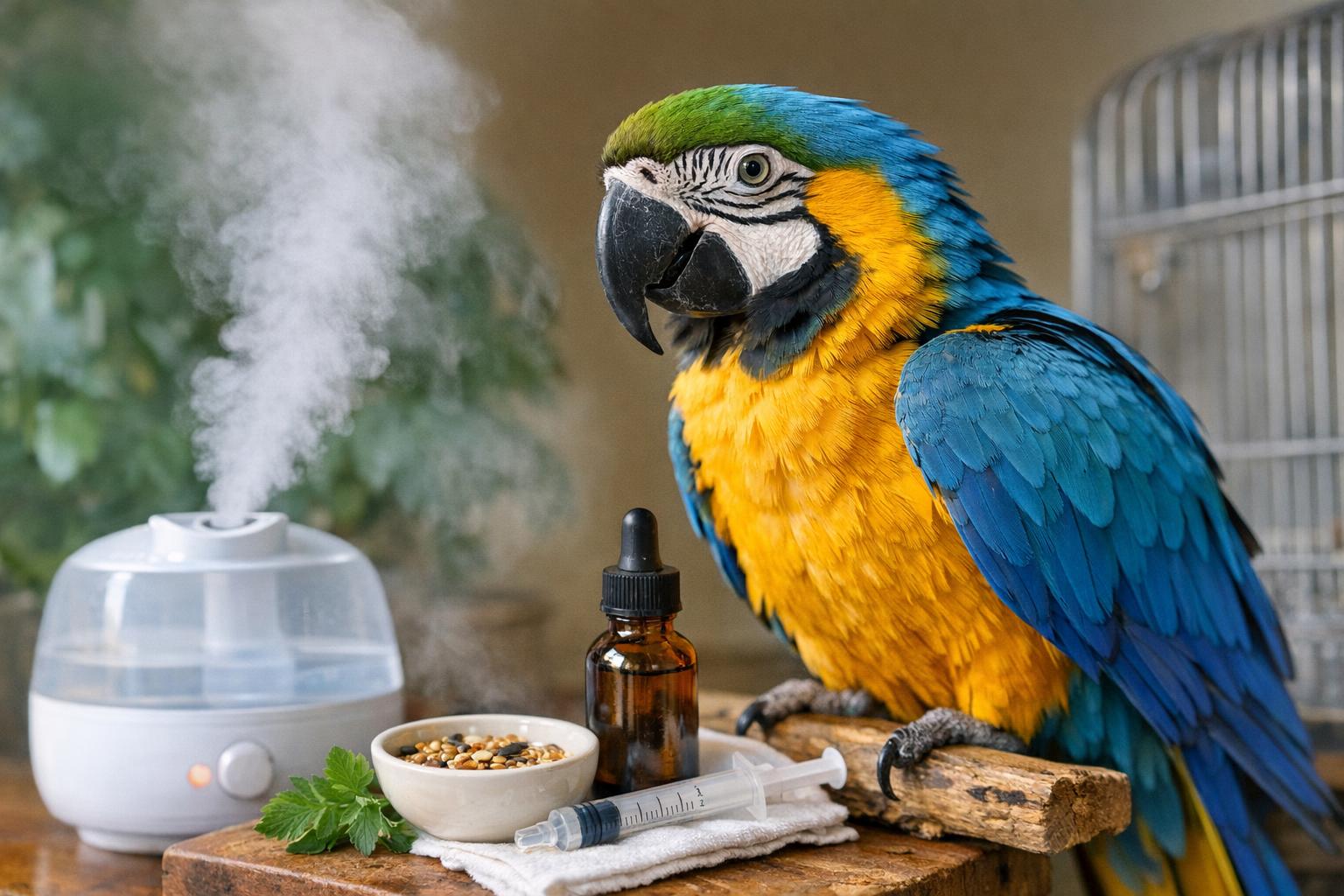
1. Humidity: Use a humidifier in rooms your cat frequents during dry months. Aim for 40–50% humidity to reduce skin dehydration.
2. Grooming: Brush gently with a soft slicker or rubber brush to remove dead flakes and distribute oils. Regular brushing stimulates natural oil production.
3. Bath frequency: Reduce over-bathing — once every 6–8 weeks is often enough unless medically indicated. Use a gentle, unscented cat shampoo.
4. Diet: Offer a high-quality, balanced diet formulated for skin and coat health. Consider brands that list animal protein source and include omega-3s.
5. Water intake: Encourage hydration with fresh water bowls, flowing fountains, or wet food to support skin moisture from the inside.
### When To Consider Household Allergens Or Environmental Triggers
Cats can react to household detergents, perfumes, cat litter dust, and new foods. If dry flaky skin coincides with a change in products or environment, try eliminating the suspect item one at a time. Keep a simple log of changes and skin response.
### When To See The Veterinarian
If your cat has any of the following, see a vet promptly:
– Worsening redness, swelling, open sores, or pus
– Hair loss in patches or trouble breathing
– Intense itching leading to bleeding
– Signs of systemic illness (lethargy, vomiting, decreased appetite)
Your veterinarian can rule out parasites (fleas, mites), ringworm, hormonal issues, and nutritional deficiencies — all common causes of flaky skin that sometimes need prescribed treatments.
#### Cautions About Common “Natural” Remedies
Not everything that’s natural is safe for cats. Essential oils, aloe vera gel (in many forms), and certain plant extracts can be toxic if applied or ingested. Always:
– Check safety with your vet before trying new topical agents.
– Avoid undiluted essential oils and products not labeled for feline use.
– Observe for gastrointestinal upset after any topical oiling since cats groom themselves.
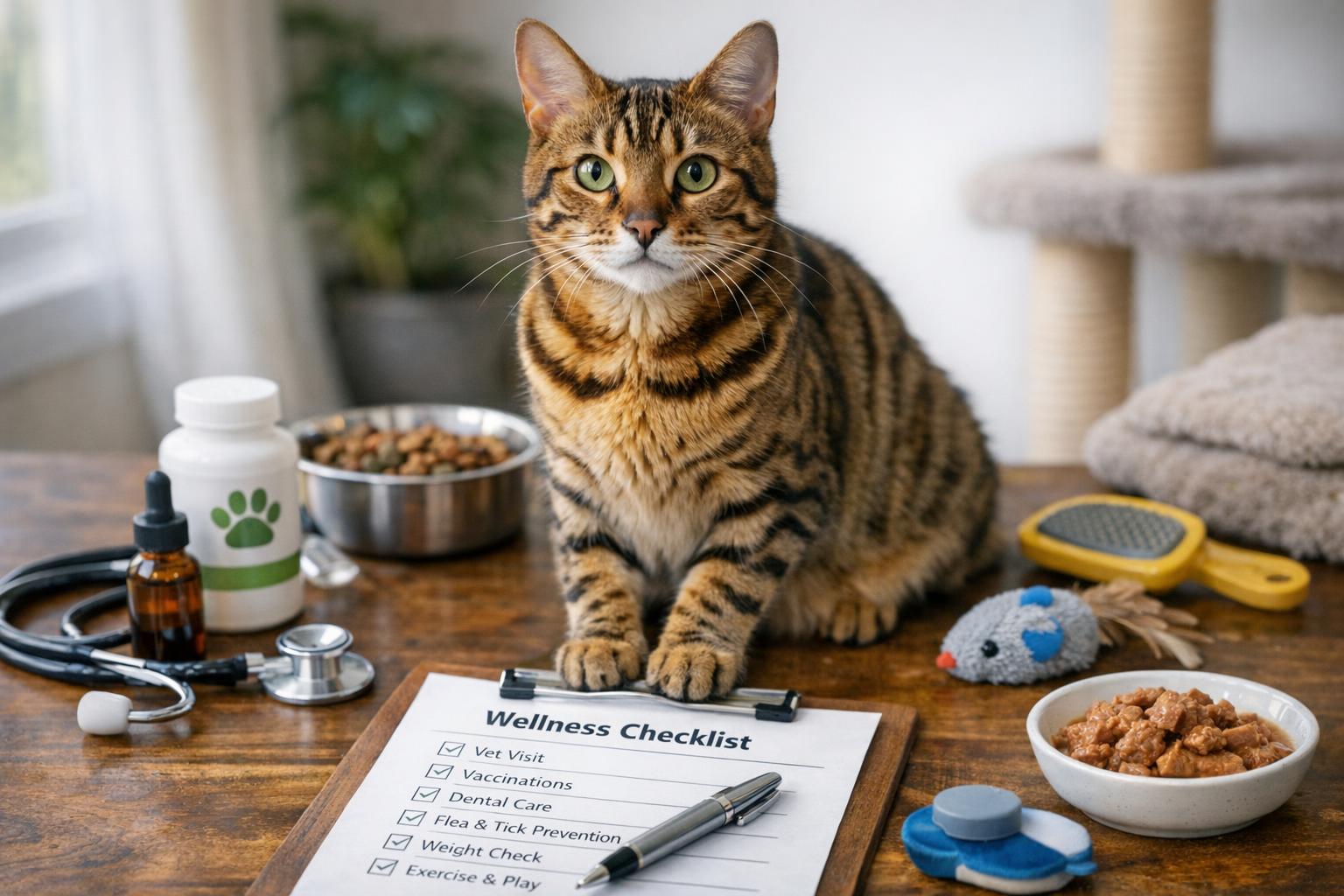
## Simple Weekly Care Plan To Reduce Flakiness
1. Brush gently twice weekly to remove flakes and stimulate circulation.
2. Offer omega-3 supplement as directed by your vet for improvement over weeks.
3. Use oatmeal soaks or spot coconut oil treatments once weekly as needed.
4. Keep hydration and humidity balanced.
### More On Product Choice And Label Reading
Look for pet-specific labels and minimal ingredient lists. Avoid heavy fragrances, parabens, and harsh detergents in shampoos. A short ingredient list with gentle surfactants and emollients is ideal.
### Tracking Progress
Take photos of affected areas weekly and jot down notes on diet changes, baths, supplements, and environmental conditions. This makes it easier to identify what’s helping — and helps your vet if a deeper problem needs solving.
A last friendly reminder: while the phrase “home remedies for dry flaky skin on cats” covers a lot of useful, gentle approaches, the safest path is combining smart at-home care with veterinary guidance. Your cat will judge you harshly regardless, but at least their skin (and your floors) will be happier.






Leave a Reply