
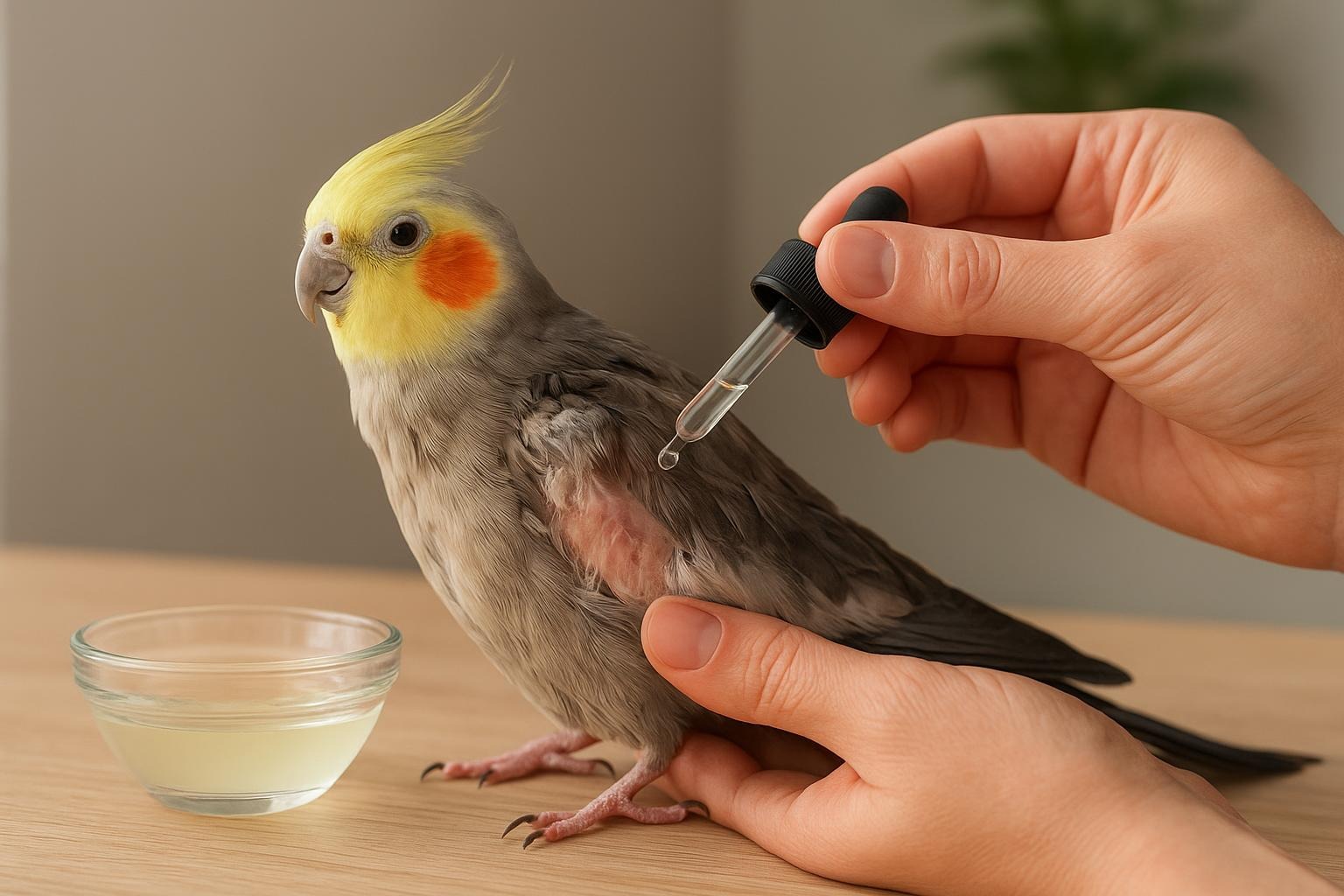
Feather plucking in cockatiels can feel like a slow mystery novel: you keep turning pages trying to figure out who did it, why, and how to make it stop. Relax — you’re not alone, and gentle home care can make a real difference. Below are clear explanations and practical, step-by-step remedies that focus on comfort, enrichment, and nutrition. A little patience, consistency, and bird-friendly common sense go a long way.
## Feather Plucking Cockatiel: Causes And Clues
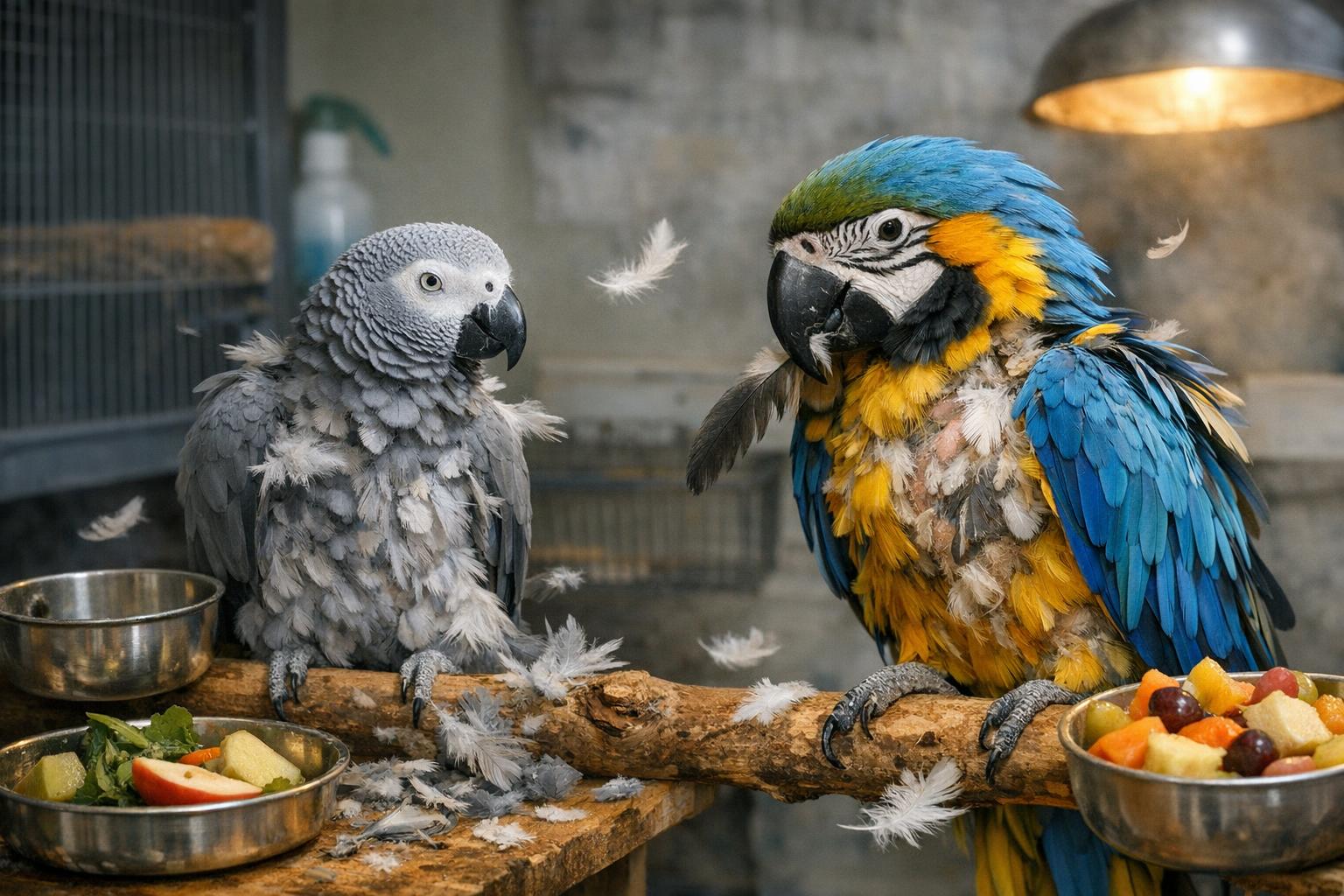
Understanding why your bird pulls feathers is the first step. The phrase feather plucking cockatiel describes a behavior with many roots: boredom, stress, skin irritation, nutritional deficiencies, or underlying illness. Observing patterns — time of day, specific areas targeted, or events that happened before plucking began — gives vital clues.
### Behavioral And Medical Triggers
Feather plucking cockatiel cases fall roughly into two categories:
– Behavioral: lack of stimulation, loneliness, boredom, or changes in routine/environment.
– Medical: mites, fungal or bacterial skin infections, hormonal imbalances, or nutrient deficiencies.
### Signs To Watch For
Look for reddened skin, broken feathers, scabbing, lethargy, changes in droppings, or weight loss. If any of these appear, consult an avian vet quickly. Feather plucking cockatiel problems that include skin sores or systemic signs need professional care before home remedies are used.
## 1 Gentle Home Remedy: Calming Bath And Moisture Therapy
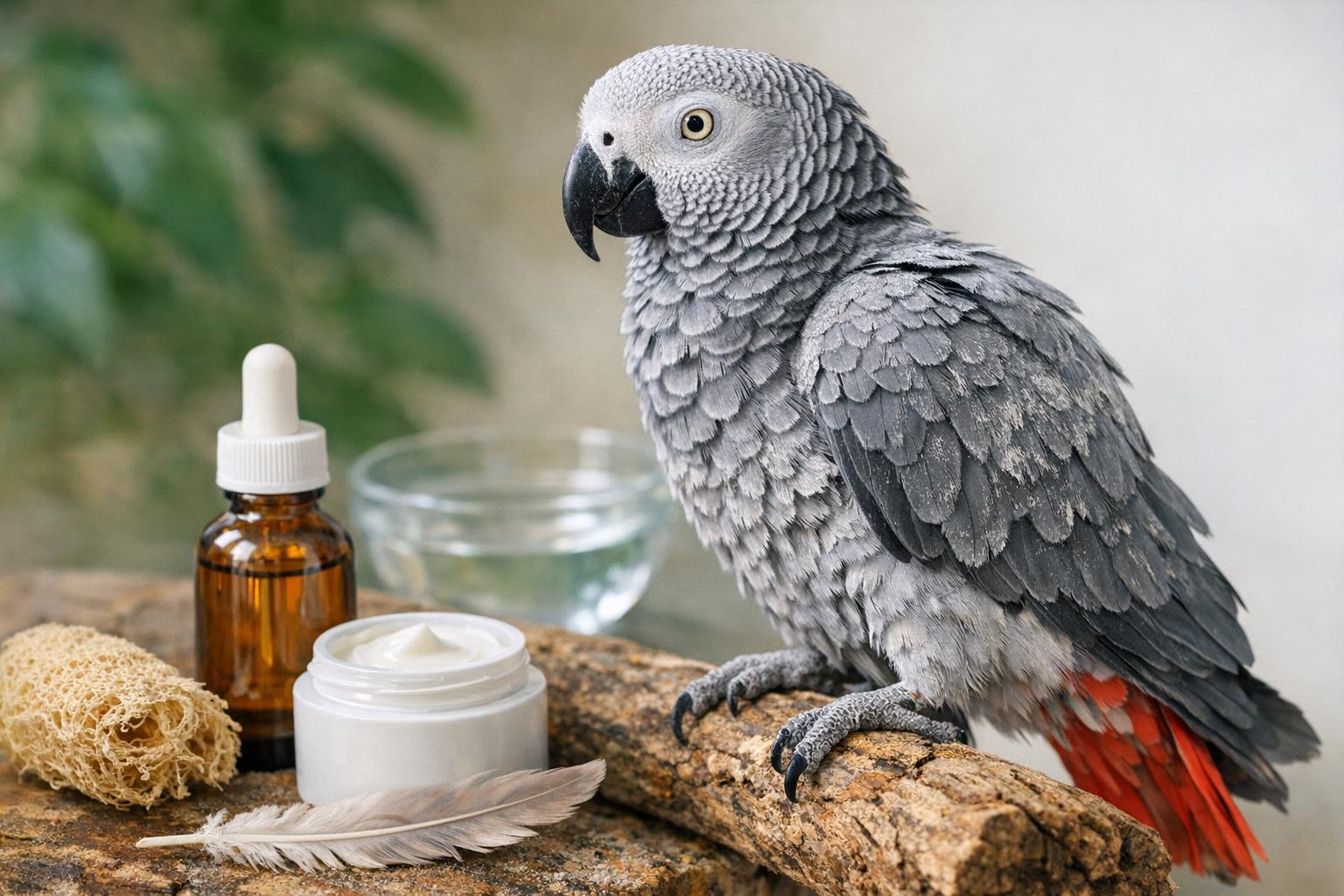
A clean, warm environment and regular, gentle bathing help soothe itchy skin and reduce the urge to pluck. This remedy focuses on improving skin condition and offering a calming routine.
#### Ingredients Or Required Materials
– Shallow basin or dish large enough for the bird to stand in
– Warm water (not hot), about 2–3 inches deep
– Organic, unscented oatmeal (colloidal oatmeal if available) or a tiny amount of pet-safe, avian-friendly shampoo
– Soft towel
– Spray bottle (optional, for misting)
#### Step-By-Step Creation And Application
1. Prepare Water: Fill the basin with warm water and dissolve a tablespoon of colloidal oatmeal or a pinch of unscented oatmeal. The water should be comfortably warm to the touch (about body temperature).
2. Introduce Calmly: Place the basin in a quiet area and gently encourage your cockatiel to step in. Some birds prefer being misted with warm water from a spray bottle instead.
3. Soak Time: Allow the bird to bathe for 5–10 minutes. Supervise the entire time.
4. Rinse If Needed: If you used a very small amount of pet-safe shampoo, rinse lightly with warm water to avoid residue.
5. Drying: Let your cockatiel preen and shake off excess water in a warm room. Pat gently with a towel if necessary but allow natural air drying too.
6. Frequency: Start with 2–3 baths per week and adjust based on skin condition and the bird’s tolerance.
This routine reduces skin dryness and can be reassuring for a stressed bird. Keep baths gentle — overzealous cleaning can aggravate sensitive skin.
## 2 Enrichment And Stress-Reduction Routine
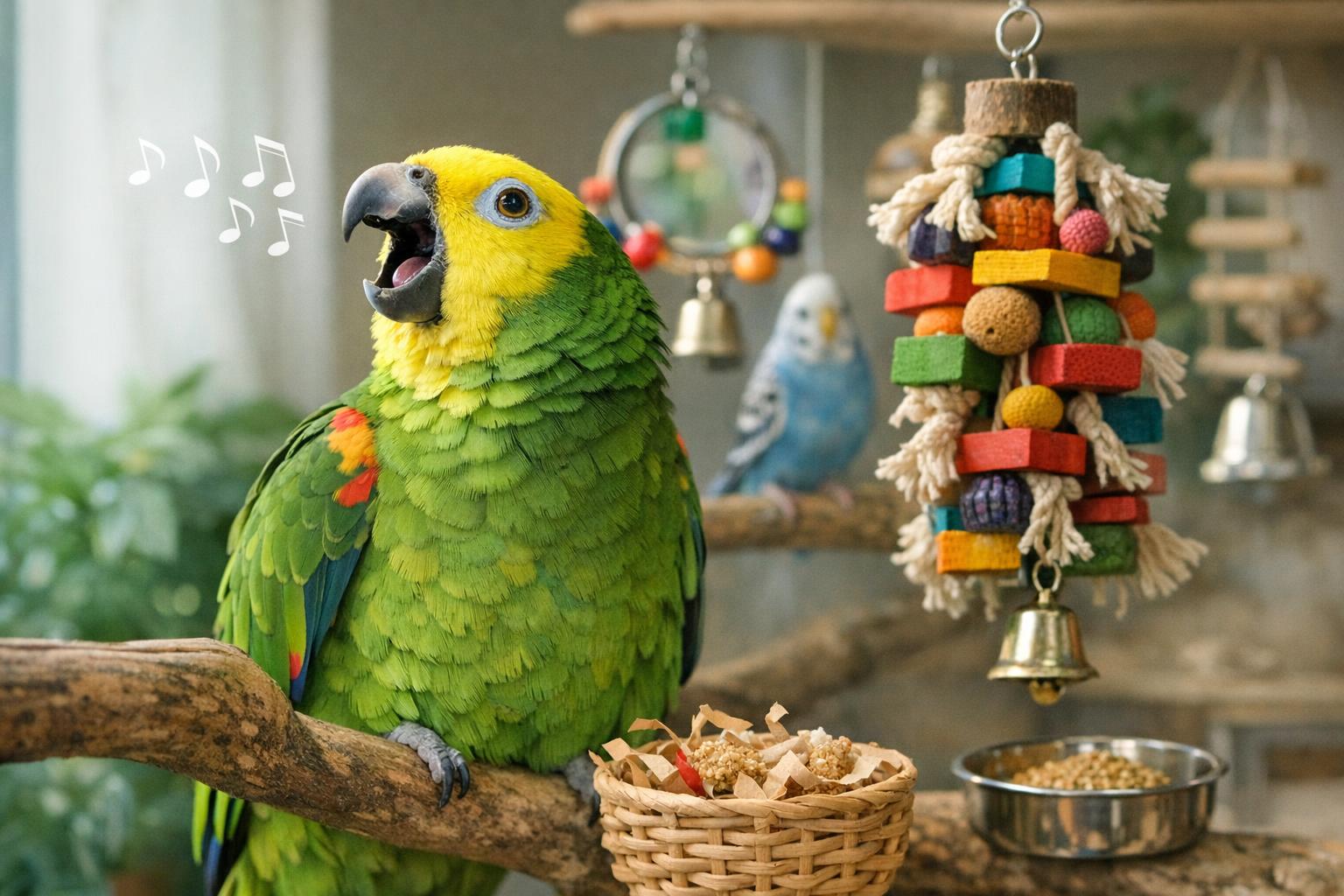
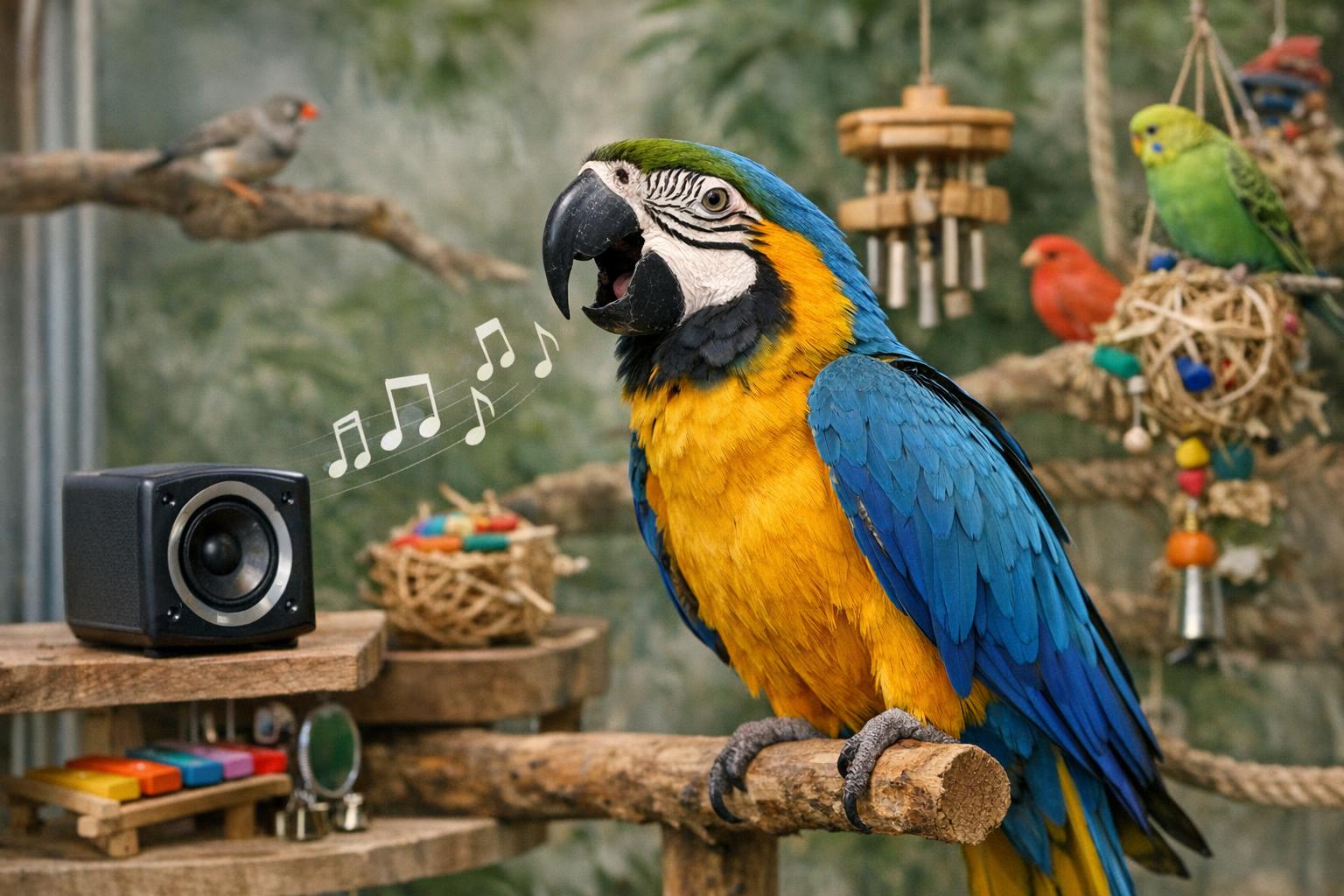
Many feather plucking cockatiel cases are behavioral. Proper social, mental, and physical enrichment reduces stress and redirects plucking behaviors.
#### Materials Needed
– Variety of safe toys (foraging, chewable wood, bells, ropes)
– Foraging treats (small pieces of millet, chopped vegetables, or specialized bird treat blocks)
– New perches of varying textures and diameters
– Quiet cover or tent for resting area (optional)
– Consistent daily schedule
#### Step-By-Step Creation And Application
1. Rotate Toys Weekly: Introduce new or rotated toys to keep the environment novel. Replace or rotate one toy every 3–7 days.
2. Foraging Sessions: Create simple foraging tasks by hiding tiny treats inside paper cups, folded paper, or safe foraging toys. Do 2–3 short sessions daily.
3. Structured Social Time: Spend at least 20–30 minutes of focused interaction daily. Offer talking, gentle petting if the bird accepts it, and supervised out-of-cage time.
4. Environmental Enrichment: Add perches at different heights and textures. Place a shallow mirror or photo (sparingly) for visual interest, but avoid reliance on mirrors as a social substitute.
5. Calm Corner: Provide a quiet, dim corner or a cover for the cage during evenings to encourage restful sleep. Aim for 10–12 hours of uninterrupted night sleep.
6. Monitor And Adjust: Track behavior in a journal: note plucking episodes, toy use, and changes in routine. Increase enrichment if plucking worsens.
Formal note: consistent enrichment must be paired with medical checks. Behavioral interventions are effective only when physiological causes are ruled out or treated.
## 3 Nutritional Boost: Omega And Vitamin Support
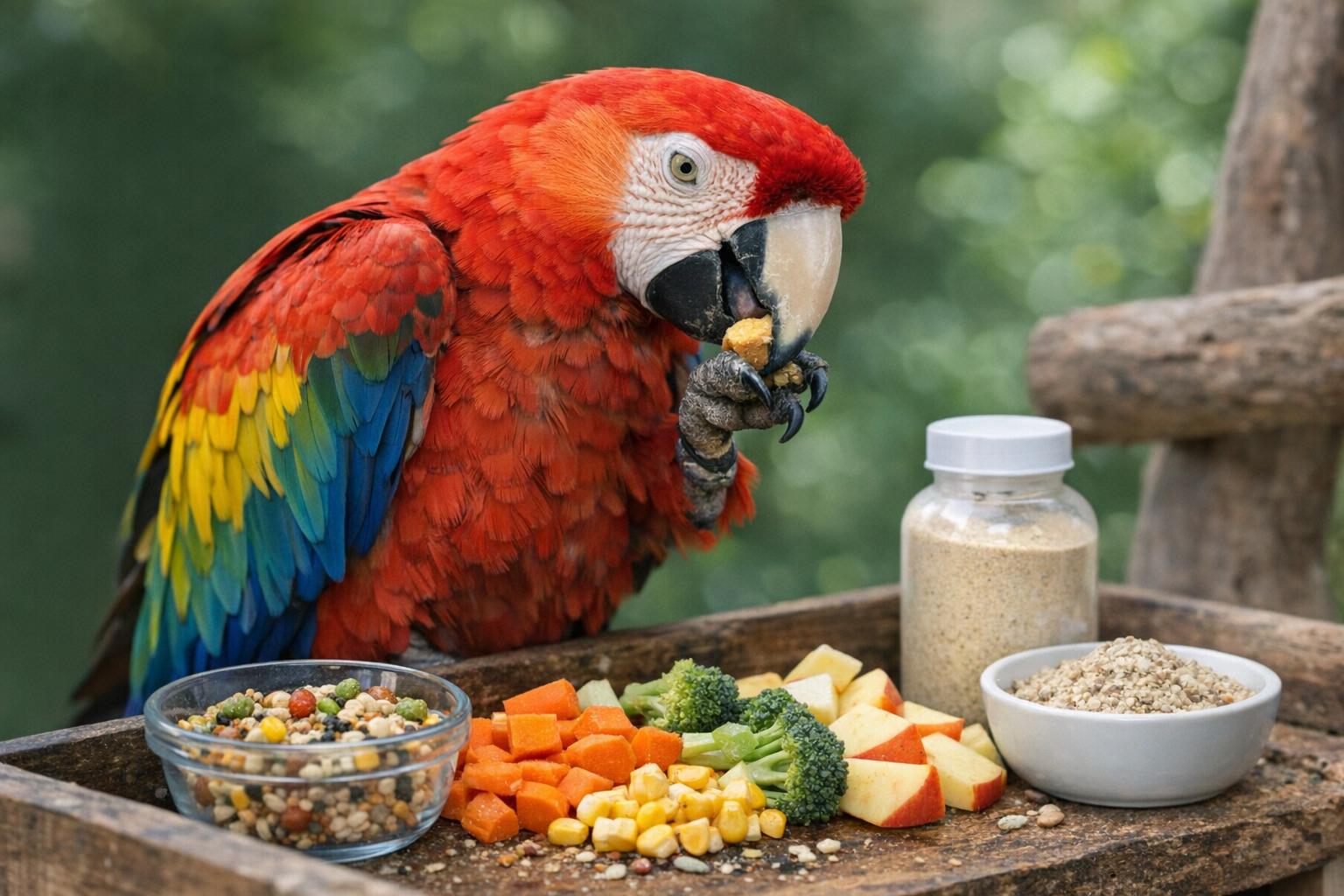
Nutrition plays a direct role in feather health. Deficiencies in essential fatty acids, vitamin A, and protein can predispose bird to feather issues. This remedy supplements the diet in a balanced way.
#### Ingredients Or Required Materials
– High-quality, species-appropriate pellet diet
– Fresh vegetables (dark leafy greens, carrots, sweet potato)
– Cooked, plain egg (occasional protein boost)
– Foods rich in omega-3s: small amounts of ground flaxseed or chia sprinkled sparingly
– Avian-specific vitamin supplement (vet-approved)
– Clean water
#### Step-By-Step Creation And Application
1. Evaluate Current Diet: Compare what you feed with reputable cockatiel nutrition guidelines. Pellets should be the diet backbone (about 60–80%).
2. Add Fresh Produce: Offer a daily mix of finely chopped vegetables. Rotate types to provide varied nutrients. Avoid avocado, onion, chocolate, caffeine, and high-salt or sugary foods.
3. Introduce Omega Boosts: Sprinkle a pinch (¼ tsp or less for small birds) of ground flaxseed into their food 2–3 times weekly. Monitor tolerance.
4. Protein Occasional: Provide a small piece of cooked egg once or twice weekly to support feather growth during molt or recovery from plucking.
5. Supplements: Only use avian-specific vitamins under veterinary guidance. Over-supplementation can cause harm.
6. Monitor Progress: Improved feather sheen and decreased plucking can take weeks to months. Keep a food log and progress photos to show your vet.
Formal advice: Correcting nutritional deficits is a slow process; changes should be measured, and supplements must be administered with professional oversight.
## Supporting The Remedies With Environmental Care
### Cage Setup And Hygiene
A clean, appropriately sized cage with varied perches and minimal drafts lowers stress. Avoid overcrowding and keep the cage away from kitchen fumes, smoke, and strong household cleaners.
### Temperature And Lighting
Maintain comfortable, stable temperatures and provide natural light cycles or full-spectrum lighting for 10–12 hours daily to support hormonal balance.
### When To Seek Veterinary Care
If feather plucking cockatiel behavior includes open sores, bloody spots, sudden weight loss, lethargy, or if home remedies show no improvement after a few weeks, see an avian veterinarian. Some conditions require medication, skin scraping for mites, or bloodwork.
### Notes On Bandaging And Physical Restraint
Never attempt to bandage the wings or forcibly prevent plucking without a vet’s instruction — improper restraint can cause harm and increase stress. Elizabethan collars seldom work on small birds and can create breathing or mobility problems.
Gentle, consistent care and a partnership with an avian vet give the best chances for recovery from feather plucking cockatiel issues. Patience is key: birds often improve with steady routines and thoughtful environmental and dietary support.



Leave a Reply