






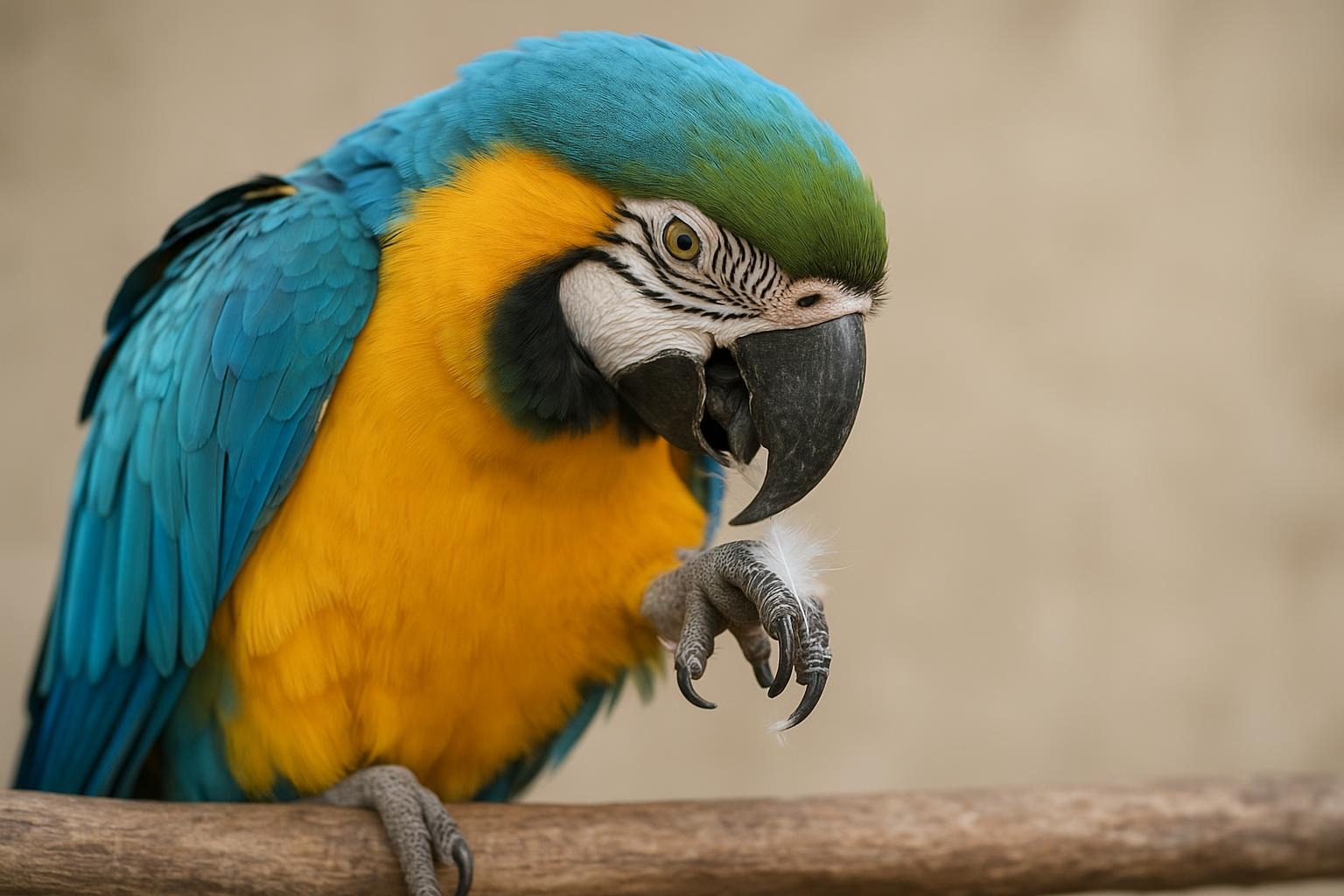
Hello friend-bird parent — welcome. If your feathered roommate has turned into an amateur stylist who’s decided less is more, you’re in the right place. Below are practical, safe, at-home feather plucking remedies and care steps to help reduce bird feather picking and support healthy regrowth.
## Feather Plucking Remedies For Bird Feather Picking At Home
## Understanding Why Birds Engage In Feather Plucking
Feather plucking is never merely “bad behavior.” Birds pick feathers for many reasons: medical issues (skin infections, parasites, hormonal imbalances), nutritional deficiencies, environmental stress, boredom, or improper grooming opportunities. Before beginning any home remedy, it’s important to distinguish medical causes from behavioral ones. If you see raw skin, bleeding, sudden feather loss, or changes in appetite or droppings, contact an avian veterinarian promptly.
### Recognize Medical Versus Behavioral Signs
Medical feather problems often come with visible skin irritation, crusting, flaking, or lethargy. Behavioral bird feather picking tends to be repetitive, localized to accessible areas, and may be triggered by changes in routine or environment. Track patterns: when, where, and after what events the picking increases.
### Basic At-Home Assessment Steps
– Inspect the skin and feathers carefully under good light.
– Note any potential household toxin exposure (cleaners, aerosolized products).
– Review diet and daily routine for recent changes.
– Keep a simple log of picking episodes to discuss with your vet.
## 1. Nutritional Support Remedy
A balanced diet is foundational. Poor nutrition is a common contributor to bird feather picking, especially deficiencies in protein, vitamins A and D, fatty acids, and essential amino acids.
Ingredients / Materials:
– High-quality, species-appropriate pellet food
– Fresh vegetables (leafy greens, carrots, bell pepper)
– Fresh fruit (sparingly)
– Cooked lean proteins (egg, chicken) for species that accept them
– Small quantity of safe seeds or nuts (as toppers, not the main diet)
– Bird-specific vitamin supplement (only when recommended by your avian vet)
Step-by-Step Creation and Application:
1. Consult your avian veterinarian to confirm the right pellet formula and portion sizes for your species and weight.
2. Transition slowly: mix new pellets with old food over 7–10 days to avoid digestive upset.
3. Prepare fresh veggies daily: wash, chop, and rotate types to offer variety. Aim for a colorful plate—vitamin A precursors like carrot and sweet potato can help skin and feather health.
4. Offer small cooked egg pieces twice weekly as a protein boost (for species that can digest cooked proteins).
5. If your vet recommends a supplement, follow their exact dosing instructions. Over-supplementation can be harmful.
6. Monitor weight and feather condition weekly; improved feather sheen and less picking may appear over 4–8 weeks.
## 2. Environmental Enrichment For Bird Feather Picking
Environmental boredom and stress are major drivers of bird feather picking. Enriching the environment reduces stress and redirects grooming urges into healthier outlets.
Materials:
– A variety of safe bird toys (foraging toys, shreddable toys, puzzle feeders)
– Perches of different diameters and textures
– Foraging substrates (paper, untreated wood blocks)
– Safe bathing option (shallow dish or spray bottle with plain water)
– Natural daylight or full-spectrum lighting where possible
Step-by-Step Creation and Application:
1. Rotate toys weekly to keep novelty. Introduce one new foraging toy at a time so it doesn’t overwhelm your bird.
2. Create foraging opportunities: hide small treats in paper balls or in toys; this encourages natural foraging behavior instead of feather plucking.
3. Offer daily supervised out-of-cage time when safe. Social interaction and gentle handling (if your bird tolerates it) can greatly reduce anxious picking.
4. Provide regular bathing opportunities—either a shallow water dish or gentle misting. Many birds preen less destructively after a good bath.
5. Ensure consistent sleep patterns: 10–12 hours of uninterrupted darkness in a quiet area helps hormone regulation and reduces stress-related picking.
6. Place perches at different levels and textures to promote foot health and natural movement.
## 3. Stress Reduction And Routine Remedy
Stability and predictable routines are calming. Sudden household changes, new pets, or schedule shifts can provoke bird feather picking.
Materials:
– A daily checklist for feeding, interaction, and play
– Calming music or soft environmental sounds
– Cover or quiet space for overnight rest
Step-by-Step Creation and Application:
1. Create a daily routine and stick to consistent feeding and interaction times. Birds thrive on predictability.
2. Introduce a calm environment: reduce loud noises, avoid room sprays or aerosols that may be irritating, and limit access to stressful stimuli (busy windows, pets).
3. Use quiet soft music or nature sounds for birds stressed by silence or sudden noises. Keep volumes low.
4. If your bird is particularly anxious, establish a “quiet corner” with dim light and familiar toys for retreat.
5. Track changes: if a household factor (new roommate, renovations) coincides with increased bird feather picking, adjust exposures where possible.
## 4. Gentle Topical Soothing Rinse Remedy
When skin is irritated but not infected, a gentle rinse can soothe and reduce the temptation to pick. Avoid essential oils and harsh products—many are toxic to birds.
Ingredients / Materials:
– Distilled or cooled boiled water (2 cups)
– Cooled chamomile tea (1/2 cup) made from plain chamomile flowers
– Pure aloe vera gel (1 tablespoon), fragrance- and additive-free
– Small spray bottle (cleaned thoroughly)
– Clean towel
Step-by-Step Creation and Application:
1. Brew chamomile tea (1 tea bag or 1 tsp dried flowers in 1/2 cup boiling water). Allow to cool completely.
2. Mix distilled water and chamomile tea in a clean bowl. Stir in 1 tablespoon of pure aloe vera gel until well blended.
3. Pour the mixture into a clean spray bottle. Label it clearly and store in the refrigerator for up to 48 hours.
4. Test a tiny spray on a non-irritated area to watch for adverse reaction for 24 hours.
5. If tolerated, lightly mist the affected areas once daily. Do not soak the bird; aim for a gentle dampening. Allow the bird to air-dry in a warm, draft-free space.
6. Observe for improvement over 7–14 days. Discontinue if irritation worsens and consult your vet.
### Safety Notes On Topicals
Do not use essential oils, human antiseptic creams, or over-the-counter topical products unless cleared by an avian veterinarian. Birds are sensitive to volatile compounds and many plant extracts that are safe for people are harmful to birds.
## When To See An Avian Veterinarian
Bird feather picking can be complex. Seek veterinary care if: feather loss is rapid, skin is raw or bleeding, there’s an obvious parasite infestation, the bird has changes in behavior, appetite, or droppings, or if home remedies do not show improvement within a couple of weeks. A vet can run diagnostic tests (skin scrapings, blood panels) and guide medical treatments like antimicrobials, parasite control, or behavioral therapy.
### How To Prepare For The Vet Visit
Bring:
– A 2-week diary of diet, mood, and picking episodes
– Photos of the affected areas
– Details of any new household products or pets introduced recently
## Preventive Habits To Reduce Future Bird Feather Picking
Prevention is easier than reversal. Keep diet varied and nutritionally complete, rotate toys and enrichment, maintain air quality (no smoking or heavy aerosols), preserve a calm routine, and schedule regular check-ups with your avian vet. Consistent attention to these factors helps reduce the likelihood of recurring bird feather picking.
If your bird’s preening problem feels overwhelming, you’re not alone. With patient, informed steps—some dietary fine-tuning, better enrichment, and careful topical support—you can create an environment that encourages healthy feathers and a happier bird.





























































Leave a Reply