






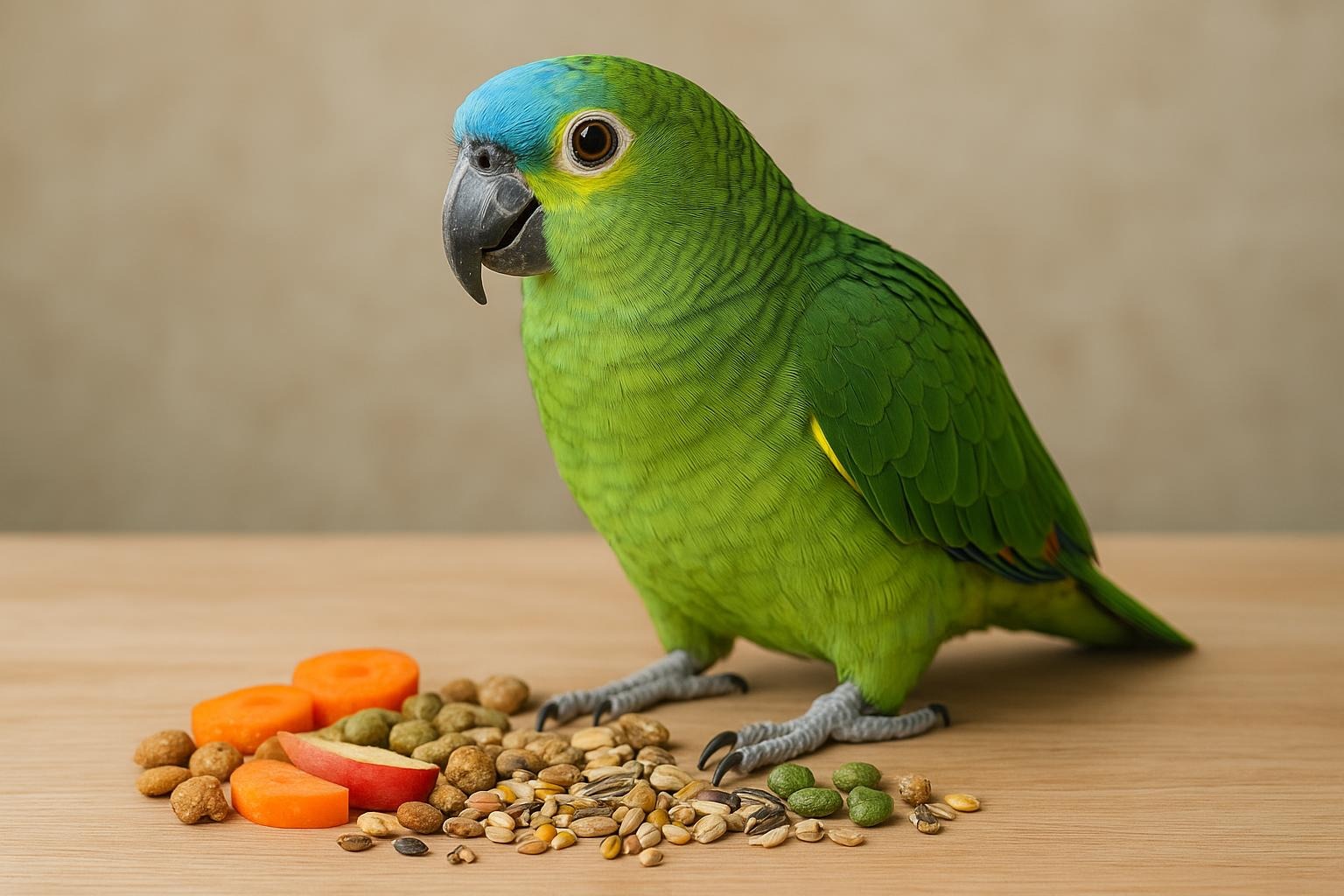
Your cockatiel is chirping for attention, and perhaps for something tastier than another millet spray. Let’s talk about practical nutrient support and smart, safe food choices so your feathered roommate thrives — and maybe learns a new trick or two. A friendly heads-up: while birds appreciate variety, sudden dietary changes can ruffle feathers (literally), so introduce new foods slowly.
## Food For Cockatiels: What To Shop For
Cockatiels do best on a varied, balanced diet. Commercial pellets are designed to cover baseline nutrition and should make up a significant portion of the daily ration. High-quality pellets reduce the risk of selective feeding (where the bird picks only seeds it likes and misses essential nutrients). Complement pellets with fresh vegetables, modest amounts of fruit, and a well-managed seed offering.
Count on these categories:
– Pellets (about 60–70% of diet if you choose pellets as the base)
– Fresh vegetables (daily)
– Limited fruits (a few times a week)
– Seeds and treats (sparingly — about 10–15%)
– Calcium sources and occasional protein boosts
## Choosing Pellets And Seeds Wisely
Not all pellets are created equal. Look for brands with transparent labels, balanced vitamin and mineral content, and no artificial colors or excessive sugar. Seeds, while beloved, are calorie-dense and low in some nutrients. If you prefer to include seeds, choose a mixed, small-seeded blend and portion them as part of a broader diet.
#### Reading Labels
Scan the ingredients: higher plant protein (e.g., legumes) and whole grains are good. Avoid vague terms like “animal digest” or unnamed “vitamin mixes.” Calcium listed separately is a plus for breeders or laying hens.
#### Fresh Food Tips
Leafy greens (kale, spinach in small amounts), carrot tops, broccoli, and sweet potato are favorites for many cockatiels. Wash everything and serve chopped to prevent choking. Avoid avocado, chocolate, caffeine, fruit pits, and high-salt or high-fat human foods.
### When To Offer Treats
Treats should be occasional and used as rewards: a tiny piece of millet, a nut fragment (unsalted), or a sprouted seed treat. Keep track — tiny beaks can consume more calories than you expect.
## 1. Homemade Balanced Pelleted-Seed Mix (Remedy)
This remedy is for owners who want to supplement commercial food with a measured, nutrient-focused DIY mix. It is intended to improve variety while maintaining safety and balance. Use this mix in rotation with pellets rather than as the sole diet.
Ingredients / Required Materials:
– 1 cup high-quality extruded pellets (crushed into pieces if large)
– 1/4 cup small mixed seeds (e.g., millet, canary seed)
– 1/4 cup sprouted mung beans or sprouted mixed seeds (for probiotics and protein)
– 2 tbsp finely grated carrot
– 2 tbsp chopped steamed sweet potato (cooled)
– 1 tsp powdered calcium (or finely crushed cuttlebone)
– Optional: 1 tsp chopped fresh parsley or basil (for flavor and vitamin C)
– Airtight container for storage
– Mixing bowl and clean spoon
Step-by-Step Creation:
1. Prepare Pellets and Seeds: Measure pellets and seeds. If pellets are too large for your cockatiel to handle, briefly crush them into bite-sized pieces using a clean bag and a rolling pin.
2. Sprout Seeds: If using sprouted seeds, soak for 8–12 hours, then rinse and leave in a sprouting container for 1–2 days until small sprouts form. Rinse twice daily.
3. Cook Vegetables: Steam or bake sweet potato until tender. Cool and chop finely. Grate carrot fresh.
4. Mix Dry Ingredients: In a bowl, combine pellets, seeds, and powdered calcium. Mix thoroughly to distribute calcium evenly.
5. Add Moist Ingredients: Stir in sprouted seeds, carrot, and sweet potato until evenly distributed. Add herbs if using.
6. Portion and Store: Portion daily or every 2–3 days into airtight containers. Refrigerate if mix contains moist components beyond 48 hours.
Application / Feeding Instructions:
– Offer this mix in the morning alongside fresh water and 30–40% of the daily pellet ration.
– Observe how much your cockatiel eats in 24 hours; adjust portions to avoid waste and overfeeding.
– Rotate with straight pellets every other day to keep diet varied and nutritionally consistent.
Notes: This recipe is a supplement, not a replacement for a pellet-first diet unless you’ve consulted your avian vet. Ensure fresh water is always available.
## 2. Calcium And Vitamin Boost Gel (Remedy)
This remedy supports moulting, egg-laying, and recovery from mild nutritional shortfalls. It’s best used under guidance of an avian vet when signs suggest a need: soft-shelled eggs, brittle feathers, or increased lethargy.
Ingredients / Required Materials:
– 1/4 cup plain, unsweetened Greek yogurt (or a non-dairy calcium-fortified alternative if your bird is lactose-sensitive)
– 1 tsp powdered calcium (pharmaceutical grade) or finely crushed cuttlebone
– 1 tsp brewer’s yeast (optional for B vitamins)
– 1 tsp mashed banana or a small amount of pureed cooked pumpkin (for palatability)
– Small clean container and spoon
Step-by-Step Creation:
1. Measure and Combine: In a small container, mix yogurt with the powdered calcium until fully dissolved. Ensure no large granules remain.
2. Add Nutrient Boosts: Stir in brewer’s yeast if using and the mashed banana or pumpkin for texture and taste. The mixture should be gel-like and easy to scoop.
3. Test Texture: If too runny, chill briefly to thicken. If too stiff, add a touch of water or pureed fruit.
4. Offer Small Amounts: Place a teaspoon-sized dollop in a clean feeding dish as a supplementary treat once daily for up to one week, or as directed by your avian vet.
Application / Feeding Instructions:
– Offer only small quantities; monitor consumption. Excessive calcium without monitoring can be harmful.
– Use for short-term support during physiological stressors (molting, egg-laying) rather than as a permanent additive.
– Discontinue and consult a vet if the bird shows any adverse reaction (diarrhea, refusal, or lethargy).
#### Signs Your Cockatiel Needs Extra Nutrients
Look for dull or brittle feathers, reduced activity, soft-shelled or malformed eggs, reduced appetite, or weight loss. Regular weigh-ins (weekly) and vet check-ups are important.
### Hydration And Foraging As Nutrient Support
Hydration aids digestion and nutrient absorption. Fresh water should be available at all times. Encourage foraging by hiding small portions of food around the cage or using foraging toys — this stimulates natural behaviors and can reduce boredom-related plucking.
#### Safe Foods To Offer Regularly
Vegetables: kale (in moderation), dandelion greens, carrot, broccoli florets, peas.
Fruits: apple slices (no seeds), pear, berries (small amounts).
Protein: cooked egg pieces occasionally for breeding or moulting support.
Avoid: avocado, fruit pits, high-sugar packaged foods, and anything salty or caffeinated.
## Monitoring And When To Call The Vet
If you change “food for cockatiels” or introduce home remedies, watch eating habits, droppings, weight, and behavior for at least a week. Persistent diarrhea, sudden weight loss, breathing changes, or lethargy warrant immediate veterinary attention. Regular annual check-ups are essential; they let your vet tailor dietary recommendations to your bird’s age, reproductive status, and health.
#### Final Practical Tips
– Transition new foods over 7–10 days, mixing increasing amounts each day.
– Keep treats to under 10–15% of caloric intake.
– Use visible, shallow dishes to make food accessible and reduce waste.
– Clean food dishes daily and sanitize weekly.
If you’d like, I can provide a printable weekly feeding planner that incorporates “food for cockatiels” ratios, or adapt recipes to cater to specific health concerns like obesity or egg-binding. Which would you prefer?





























































Leave a Reply