



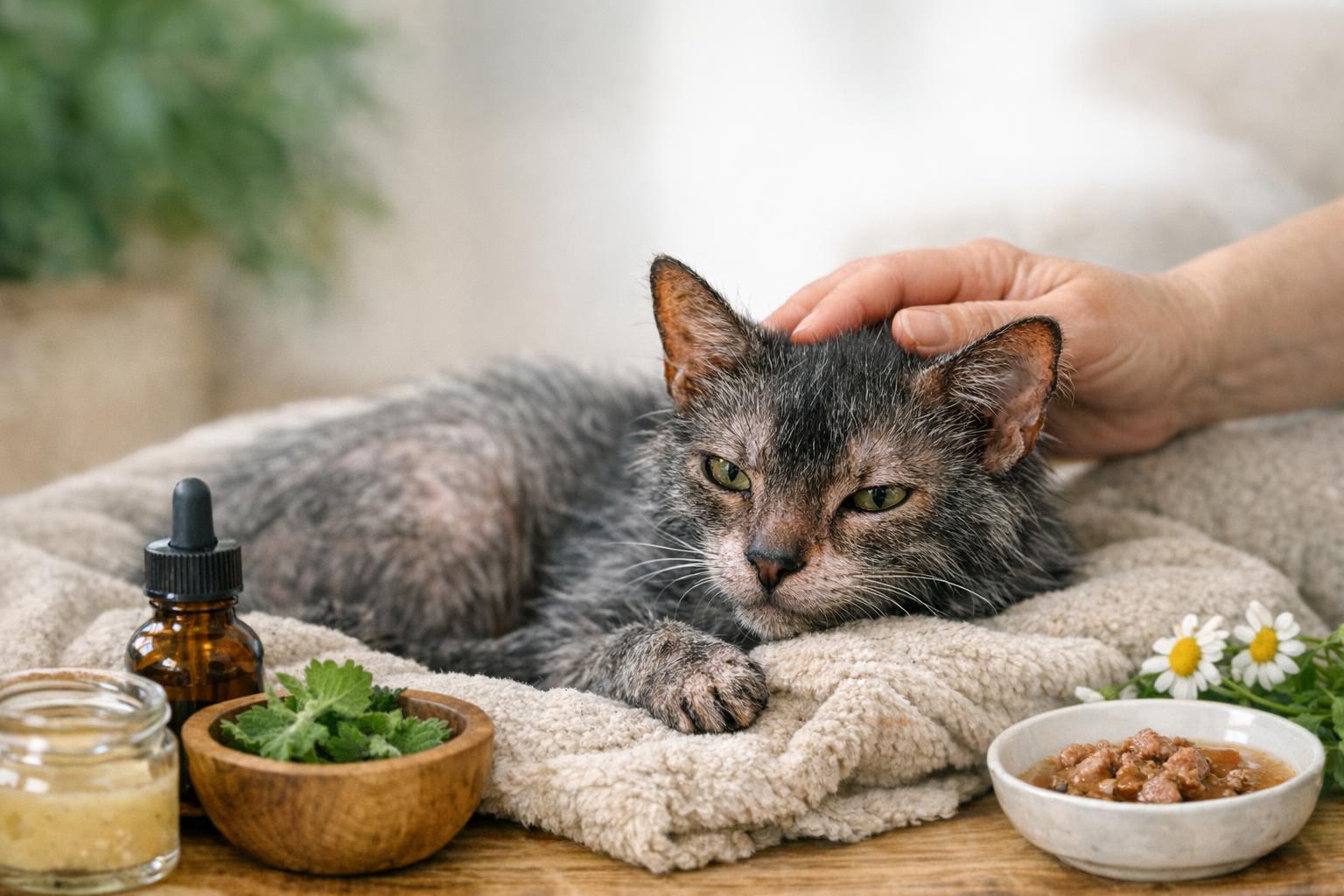
Caring for a cat as she moves into her golden years is like upgrading from street-smart teenager to distinguished, slightly demanding professor — and yes, she still expects breakfast on time. Thoughtful senior cat care eases aches, keeps appetite steady, and helps your feline stay comfortable and engaged without turning your home into a clinic.
## Senior Cat Care: Gentle Strategies For Home Comfort
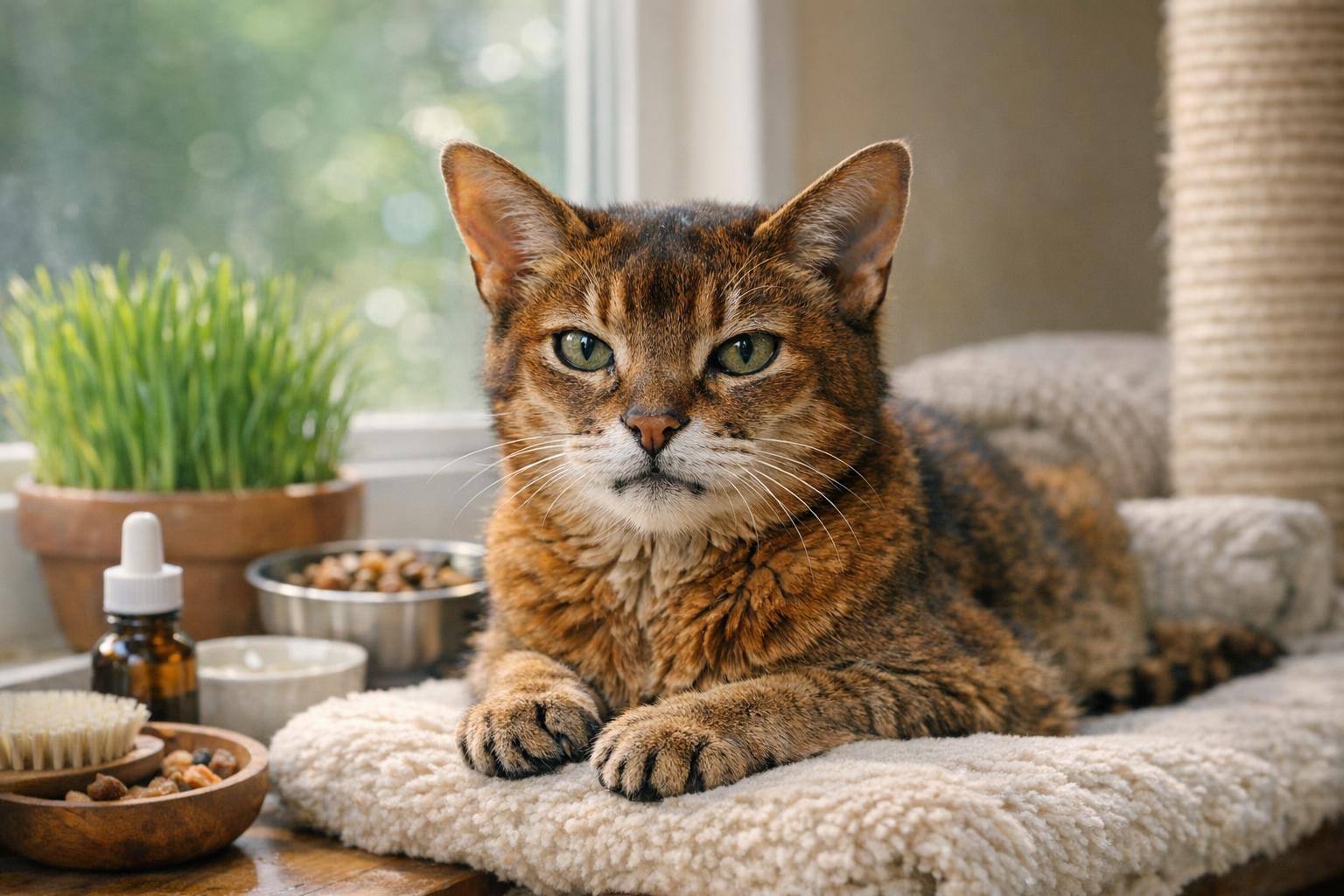
Aging cats need small environmental and routine adjustments. This is senior cat care in practice: reliable litter access, steady meal times, and softer surfaces for naps. Small, consistent changes often do more for quality of life than dramatic interventions.
### Recognizing Common Signs Of Aging
Cats age quietly. Spotting changes early gives you options.
#### Mobility And Joint Stiffness
Stiffness after naps, reluctance to jump, or slower climbing can indicate arthritis. Simple home adjustments and targeted remedies can reduce discomfort.
#### Dental And Eating Changes
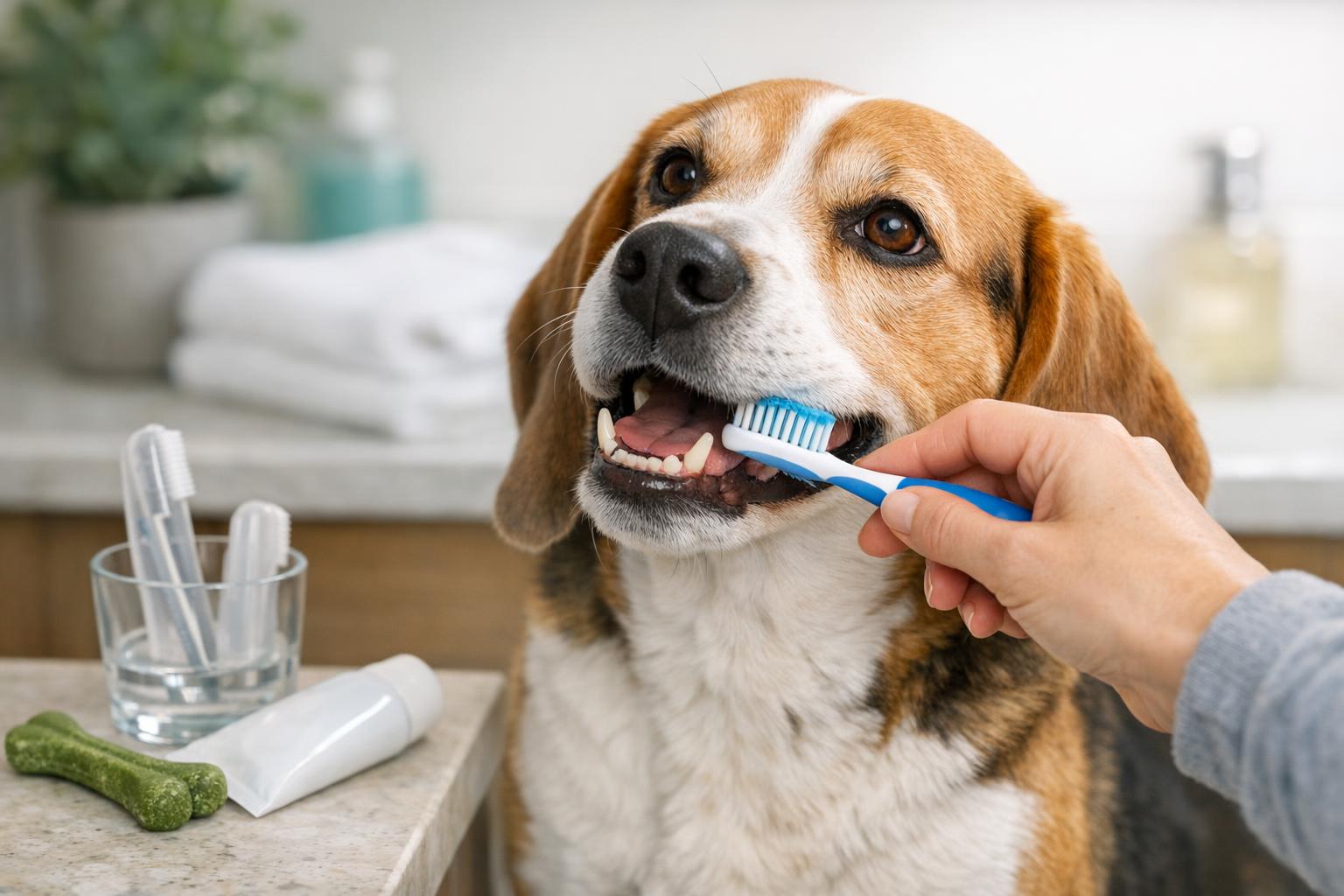
Difficulty chewing, drooling, or weight loss are red flags. Dental disease is common in older cats and can impact appetite.
#### Bathroom And Litterbox Behavior
More frequent accidents or avoiding the box usually mean the box is hard to access or painful to use. Lower-sided litterboxes and easy routes help.
#### Mental And Social Shifts
Confusion, less grooming, or altered sleep-wake cycles can be signs of cognitive decline. Gentle routines and environmental enrichment support brain health.
## 1. Omega-3 Fish Oil Support For Joints And Coat
Omega-3 fatty acids help reduce inflammation and support skin and coat health. This remedy is commonly used in senior cat care for arthritic discomfort and dry skin. Consult your veterinarian before adding supplements.
### Ingredients Or Materials
– High-quality fish oil formulated for cats (EPA/DHA levels specified for pets)
– Soft treat or syringe/dropper for administration
– Scale or measuring syringe (if not provided)
### Step-By-Step Creation And Application
1. Confirm Safety: Vet-confirm the appropriate daily dose based on your cat’s weight and medical history. Do not use human supplements unless labeled safe for cats.
2. Measure Accurately: Use the manufacturer’s dosing chart or vet guidance. Overdosing can cause gastrointestinal upset or interfere with clotting.
3. Administration: Place the measured oil on a soft treat or directly into the mouth using a dropper along the cheek pouch. If your cat resists, mix the oil with a small amount of wet food.
4. Monitor: Watch for vomiting, diarrhea, or changes in appetite. If side effects occur, stop and consult your veterinarian.
5. Frequency: Typically given once daily; follow the product and vet recommendations.
Be precise and formal when dosing—this isn’t a “sprinkle and hope” situation. Proper dosing and product choice are essential for safe, effective senior cat care.
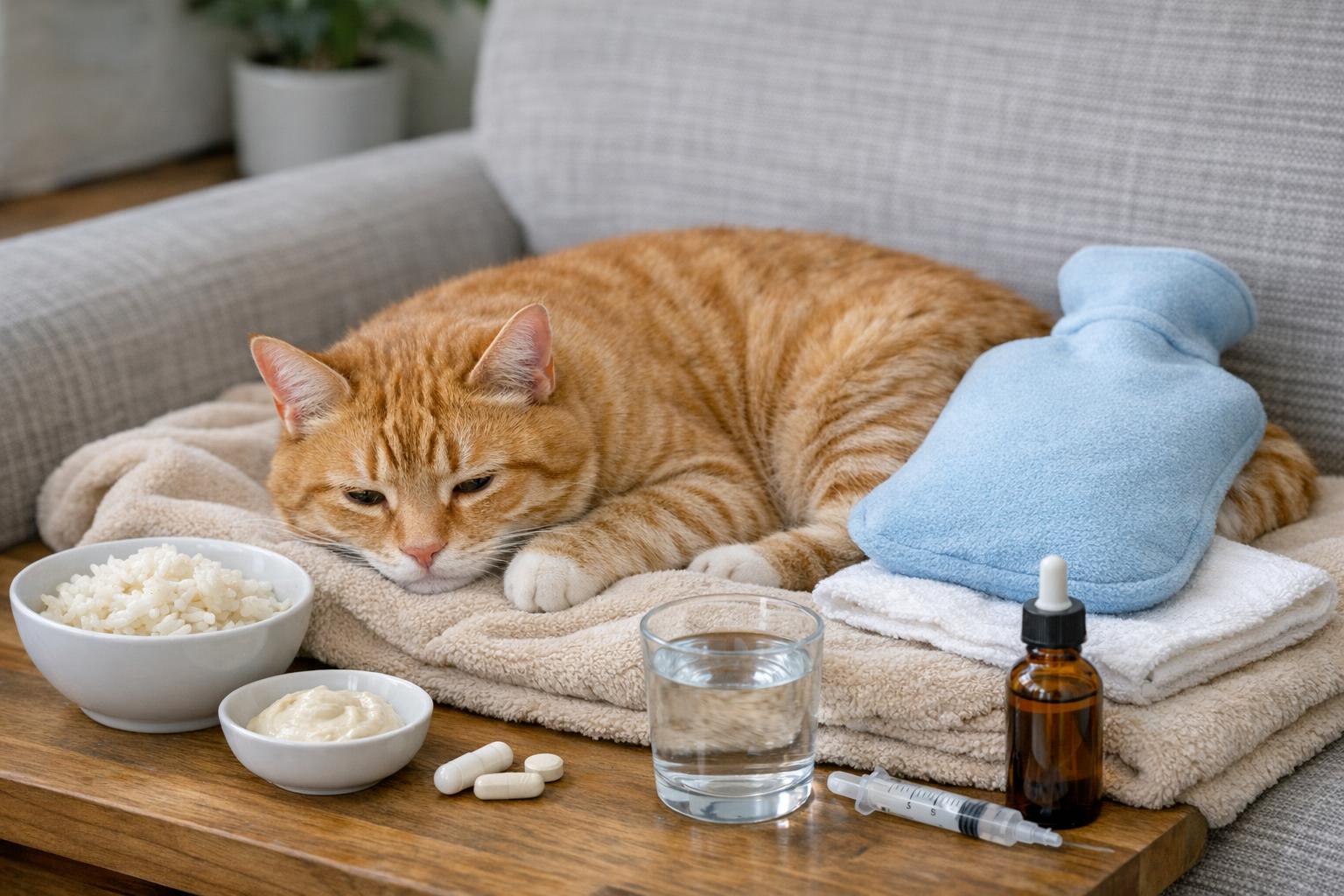
## 2. Microwaveable Heat Pad For Arthritic Comfort
Warmth eases joint stiffness and can make naps blissful again. This DIY heated pad is a low-cost, low-risk way to give targeted warmth.
### Ingredients Or Materials
– Small cotton fabric pouch (8–10 inches) or sew one from cotton fabric
– Uncooked rice (fill to allow some movement)
– Optional: dried lavender (very small amount, ensure no direct ingestion)
– Needle and thread or a sewing machine
### Step-By-Step Creation And Application
1. Create The Pouch: Sew a cotton pouch, leaving one small opening to fill. Cotton is preferred because it absorbs heat safely.
2. Fill With Rice: Pour rice inside until the pouch is about two-thirds full—this allows it to conform to the cat’s body.
3. Optional Scent: Add a pinch of dried lavender if your cat tolerates scents; avoid essential oils as many are toxic to cats.
4. Secure The Opening: Sew the pouch closed with strong stitching.
5. Heating: Microwave on medium power for 20–40 seconds depending on microwave strength. Test the temperature carefully to ensure it is warm, not hot.
6. Placement: Wrap in a towel and place in your cat’s bed or favored resting spot. Supervise initial uses to ensure comfort and safety.
7. Use Periodically: Heat for short durations during cool days or after activity to relieve stiffness.
Use caution and keep the pad warm, not hot. A safe, monitored heat source is an important component of practical senior cat care.
## 3. Hydrating Chicken Bone Broth To Stimulate Appetite
Bone broth is gentle, hydrating, and often irresistible to picky seniors. It’s a supportive food addition, not a replacement for balanced nutrition. Avoid high-sodium store broths and anything with onion or garlic.
### Ingredients Or Materials
– 2–3 pounds chicken bones (backs, wings, carcasses; no seasoning)
– 1–2 carrots (optional)
– 1–2 parsley sprigs (optional)
– Filtered water
– Large stockpot or slow cooker
– Strainer and storage containers
### Step-By-Step Creation And Application
1. Prepare Bones: Use raw or roasted bones with no added salt, onion, garlic, or seasoning. Avoid turkey or bones that splinter when cooked.
2. Simmer: Place bones and optional veggies in pot, cover with cold water, and bring to a gentle simmer. Skim foam occasionally.
3. Cook Long And Low: Simmer for 6–24 hours (slow cooker on low is convenient). Long simmering extracts collagen and nutrients.
4. Cool And Strain: Remove bones and strain broth through a fine mesh. Refrigerate to let fat rise and solidify on top; skim off excess fat before serving.
5. Portion And Freeze: Store in ice cube trays or small containers for easy thawing.
6. Serve: Warm slightly and offer a few teaspoons over dry food, mixed into wet food, or given alone as a hydrating treat. Start with small amounts to test tolerance.
7. Frequency: Use a few times per week as a hydration and appetite boost. Do not overfeed—broth adds calories and may upset delicate digestion if used excessively.
Be formal about safety: never include onion, garlic, or large cooked bones that could splinter. This is an adjunct to proper nutrition and useful in many senior cat care plans.
### Environmental And Daily Care Tips
Senior cat care is also about the daily environment:
– Lower Litterbox Sides: Make it easy to enter and exit.
– Multiple Water Sources: Senior cats sometimes prefer running water; consider a pet fountain.
– Accessible Resting Areas: Soft blankets, steps, or ramps to favored furniture reduce strain.
– Frequent, Small Meals: Smaller, calorie-dense meals can help picky seniors maintain weight.
– Routine Veterinary Checks: At least biannual exams and bloodwork help catch metabolic and dental issues early.
### Gentle Enrichment And Mental Stimulation
Keep the mind engaged without overtaxing the joints. Short, gentle play sessions, puzzle feeders at ground level, and rotating safe toys provide novelty and purpose. Aromatherapy is not generally recommended for cats; stick with scent-free enrichment.
## When To Call The Vet
If your cat shows sudden behavior changes, severe weight loss, persistent vomiting, bleeding, or loss of mobility, contact your veterinarian promptly. Home remedies support comfort but are not substitutes for professional diagnosis and treatment.
Treat aging as an opportunity to refine care rather than to panic. Thoughtful senior cat care can lengthen the happiest and most comfortable chapters of your cat’s life — and give you ample chance to practice handing over extra treats like a dignified servant.



Leave a Reply