
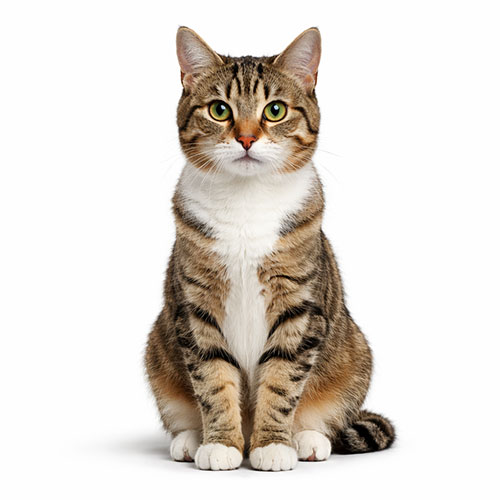


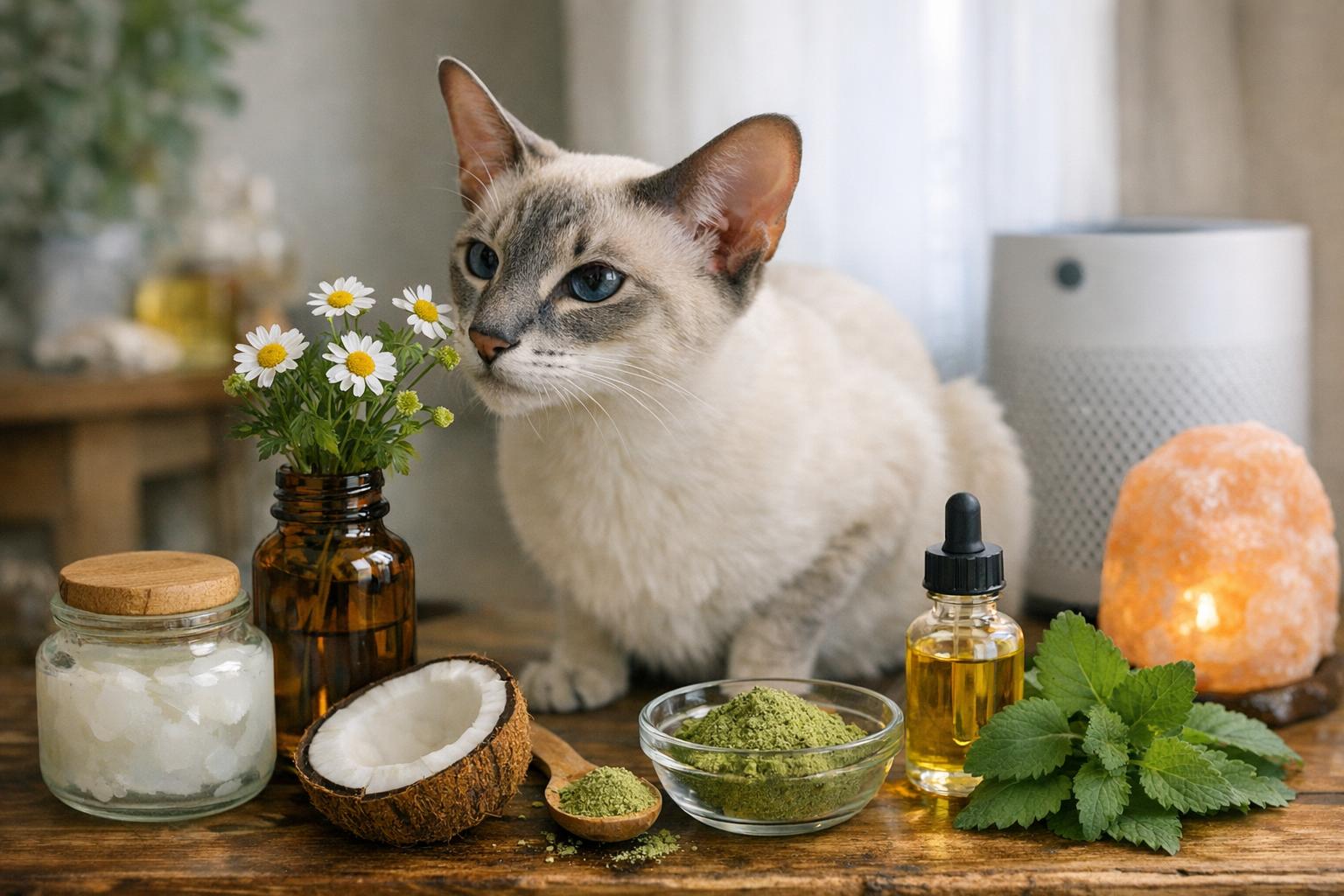
If your nose starts doing acrobatics every time your cat jumps on the couch, you’re not alone. Cat allergies are common, but before you give up on cuddles and go full cat-repellent, there are some natural, practical steps you can take. This guide is friendly, relaxed, and yes — a little hopeful. Think of it as allergy rescue for both you and your whiskered roommate.
## Understanding Cat Allergies: Quick Overview
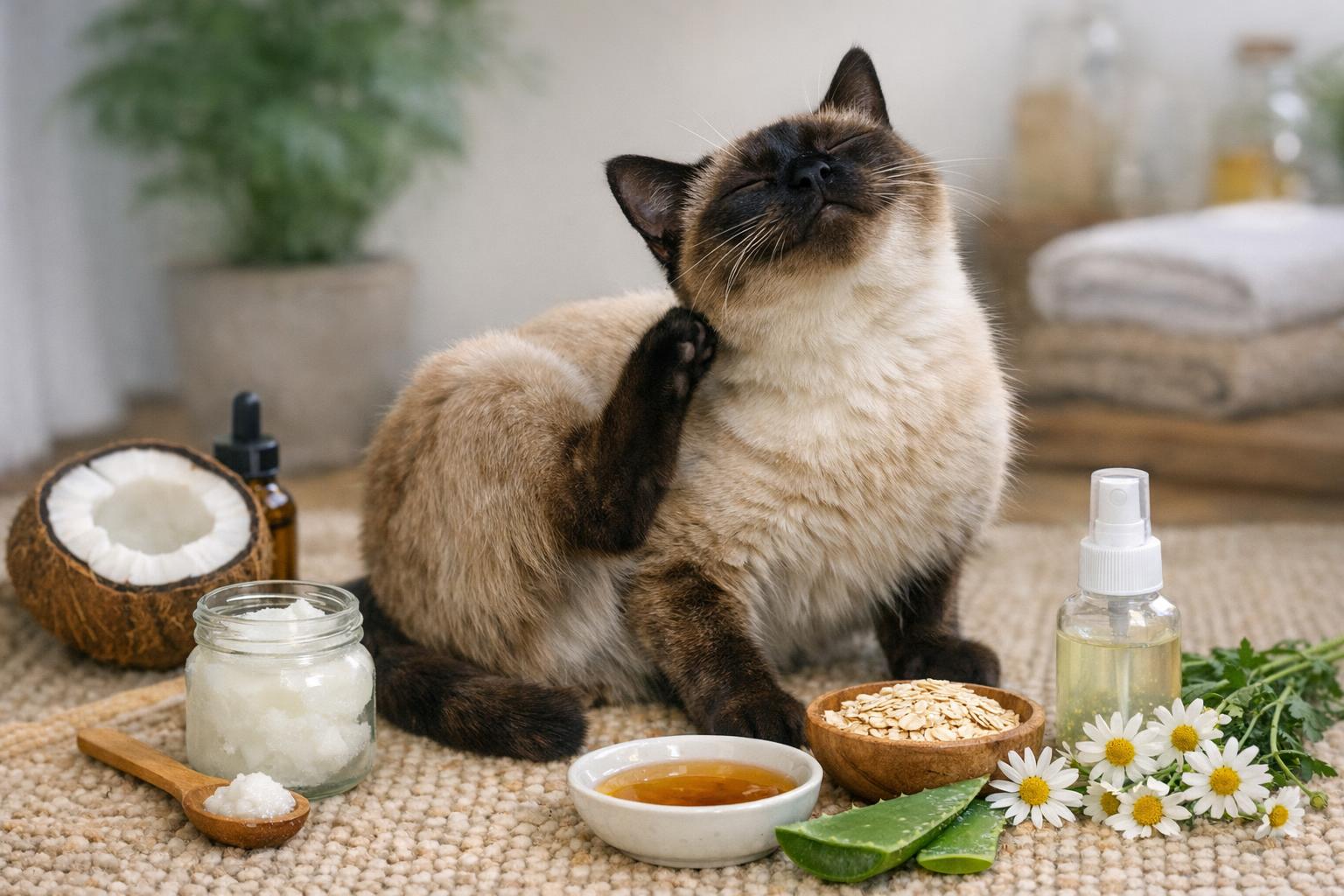
Allergies related to cats usually come from proteins in a cat’s dander, saliva, and urine — not the fur itself. That means even short-haired champions can cause sniffles. Symptoms in humans include sneezing, itchy eyes, and congestion. Cats can also develop allergic reactions (to pollen, dust mites, or household products), showing signs like excessive scratching, licking, red skin, or respiratory problems.
### Common Triggers
– Dander (tiny flakes of skin)
– Saliva and the Fel d 1 protein
– Dust mites that collect in bedding and carpets
– Strong household detergents, perfumes, or aerosol cleaners
– Environmental allergens like pollen and mold
#### Quick Fact
The Fel d 1 protein is notoriously sticky and airborne, which is why cleaning strategies focus on reducing the amount floating around rather than just grooming fur.
## 1. Reduce Allergen Load At Home
Small, consistent habits reduce the environmental burden of allergens and improve life for both human and cat.
### Practical Cleaning Tips
– Use a HEPA air purifier in main living areas to capture airborne dander and pollen.
– Swap heavy drapes and rugs for washable curtains and low-pile flooring where possible.
– Wash bedding (yours and the cat’s washable items) weekly in hot water to remove dander.
– Vacuum with a HEPA-filter vacuum cleaner and empty the canister outdoors.
– Wipe hard surfaces with a damp cloth to capture dander rather than just stirring it up.
#### Furniture Strategy
Create a “cat-free zone” — a bedroom sanctuary — to give allergic household members a reliable dander-free area. Even if your cat protests in a melodramatic way, that one room helps reduce symptoms substantially.
## 2. Natural Remedies For Cats For Cat Allergies
This section focuses on remedies with clear ingredients and step-by-step, practical application. When attempting home treatments, follow instructions carefully and consult a veterinarian if your cat shows any adverse signs.
### 2.1 Remedy A: Saline Eye And Nasal Rinse (For Humans)
Ingredients / Materials:
– Sterile saline solution (store-bought nasal saline or saline eye wash)
– Clean tissues or soft cloth
– A bulb syringe (for nasal use) or eye dropper (for eyes)
Creation And Application:
1. For nasal rinsing, heat saline to body temperature. Fill a bulb syringe with the saline.
2. Lean over a sink, tilt your head slightly to one side, and gently squirt into the upper nostril allowing fluid to flow out the other nostril.
3. Repeat on the other side. Use once daily during high-symptom days.
4. For itchy or watery eyes, apply 1–2 drops of sterile saline to each eye and gently wipe away excess with a clean tissue.
Notes: Do not use homemade saline unless you have a properly sterile recipe and equipment. Store-bought sterile saline reduces infection risk.
### 2.2 Remedy B: Dander-Reducing Cat Wipes (For Cats)
Ingredients / Materials:
– Unscented, hypoallergenic pet wipes or soft microfiber cloth
– Distilled water
– A tiny dab of non-comedogenic, pet-safe aloe gel (optional)
– A shallow bowl
Creation And Application:
1. Prepare a small bowl with warmed distilled water; add an extremely small amount (pea-sized) of pet-safe aloe if desired.
2. Dampen a microfiber cloth or use a pre-made hypoallergenic pet wipe.
3. Gently wipe the cat’s coat, focusing on areas that shed most (neck, shoulders, base of tail). Do not force the cat; keep sessions short.
4. Wipe the face and around the mouth with a dedicated clean corner of the cloth to reduce saliva-related allergens.
5. Repeat twice weekly; increase to three times a week in heavy shedding seasons.
Notes: Be formal and methodical: use only pet-safe products and observe for any skin irritation. Stop immediately and consult a vet if irritation appears.
### 2.3 Remedy C: Pollen/Dust Barrier Spray For Bedding (Human Use)
Ingredients / Materials:
– Distilled water (1 cup)
– A few drops of pure eucalyptus or tea tree oil (optional and used sparingly)
– Spray bottle (small, labeled)
– Mattress and pillow encasements rated for allergens
Creation And Application:
1. Fill the spray bottle with distilled water.
2. Add no more than 3 drops of essential oil per cup of water if you choose — many people are sensitive to scents, so this is optional. Do not spray essential oils directly onto cats or their bedding.
3. Lightly mist bedding and upholstery once a week; allow to dry completely.
4. Use allergen-proof encasements for mattresses and pillows as an additional barrier.
Notes: Essential oils can be toxic to cats if used improperly. Avoid spraying near your cat and never use concentrated oils on pets.
## 3. Dietary And Supplement Approaches
When discussing remedies for cats themselves (not people), a formal and evidence-minded approach helps. Dietary adjustments and supplements can support skin and immune health, potentially reducing allergic flair-ups.
### Omega-3 Fatty Acids
Omega-3s (EPA and DHA) from fish oil can reduce inflammation in many animals. For cats, choose veterinarian-formulated supplements and follow dosing instructions precisely. Benefits may include less itchy skin and reduced inflammatory response.
### Probiotics And Gut Health
A balanced gut microbiome supports overall immune regulation. Probiotic supplements designed for cats may help, especially when digestive issues accompany allergic symptoms. Use clinically supported strains and consult your vet for product choice and duration.
### Quercetin And Bioflavonoids
Quercetin acts as a natural antihistamine and may reduce allergic reactions. Use products formulated for pets and follow professional guidance. Never give human doses to cats without vet approval.
#### Important Safety Note
Always consult a veterinarian before starting supplements. Dosage and product quality matter; some human supplements contain xylitol or other ingredients toxic to cats.
## 4. Grooming And Behavioral Steps
Gentle grooming reduces dander and distributes natural oils, improving coat health and decreasing loose flakes.
### Home Grooming Routine
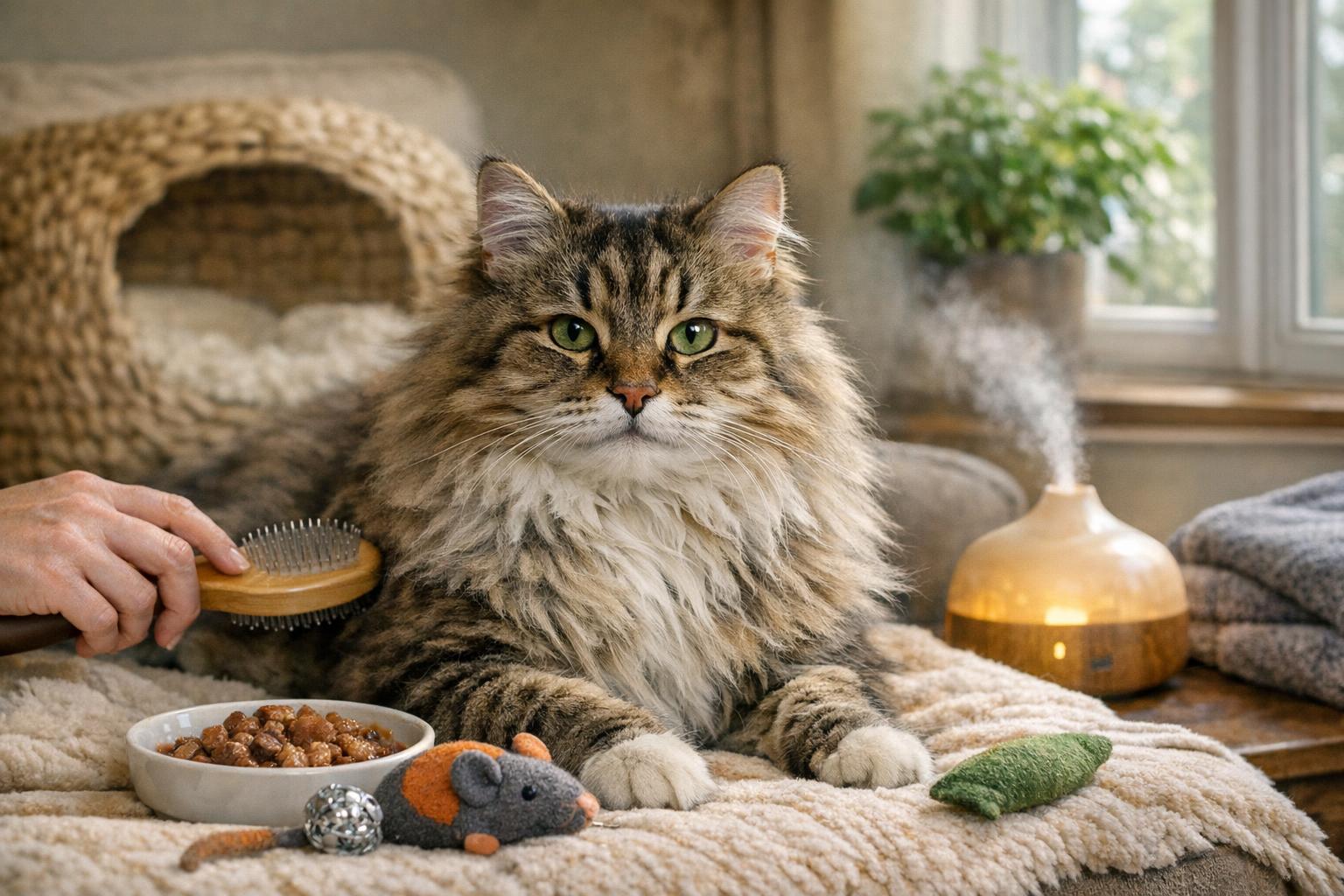
– Brush your cat 2–4 times weekly if tolerated; use brushes that capture loose hair rather than fling it.
– Use a soft grooming glove during high-shedding seasons.
– Bathing can help for some cats but should be infrequent and done with feline-specific shampoo; many cats hate baths and stress can worsen skin issues, so weigh pros and cons.
#### Carrier And Travel Tips
When transporting your cat, use a washable carrier liner and keep travel frequency low during high pollen seasons. Clean the carrier regularly in hot water.
## 5. When To See The Vet
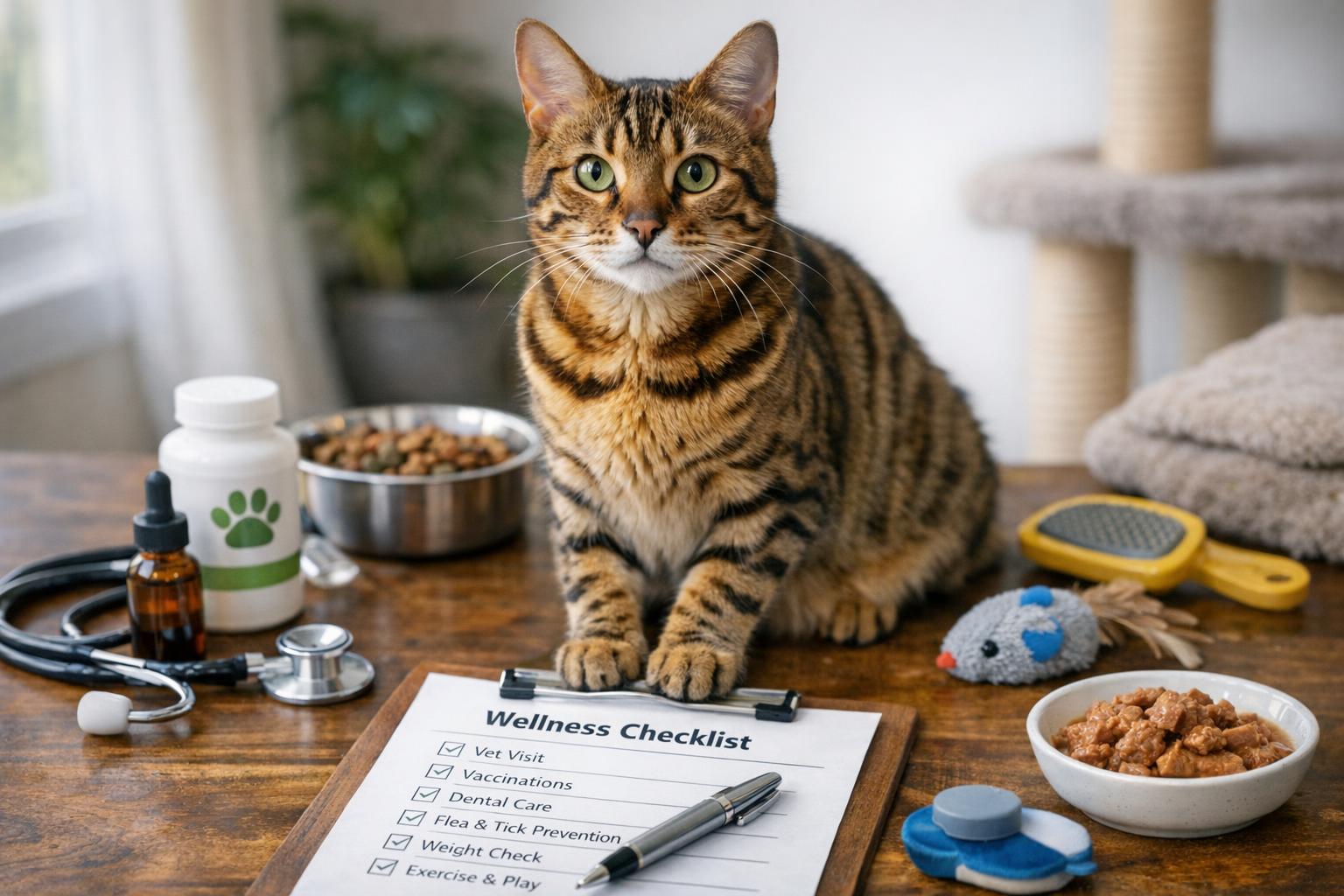
If your cat shows persistent scratching, hair loss, red or scaly patches, swelling, or breathing changes, seek veterinary care. Human symptoms that are severe — difficulty breathing, swelling of the face or throat, or wheezing — require immediate medical attention.
### Warning Signs For Cats
– Continuous, intense scratching or licking
– Open sores or signs of infection (pus, oozing)
– Changes in appetite or weight
– Labored breathing or coughing
#### Diagnostics Typically Used
Your veterinarian may recommend skin scrapings, allergy testing, dietary trials, or prescription therapies if natural measures aren’t sufficient. Combining environmental control, targeted supplements, and professional care often gives the best long-term outcome.
## Practical Lifestyle Tips That Help
– Keep windows closed on high-pollen days and run an air purifier.
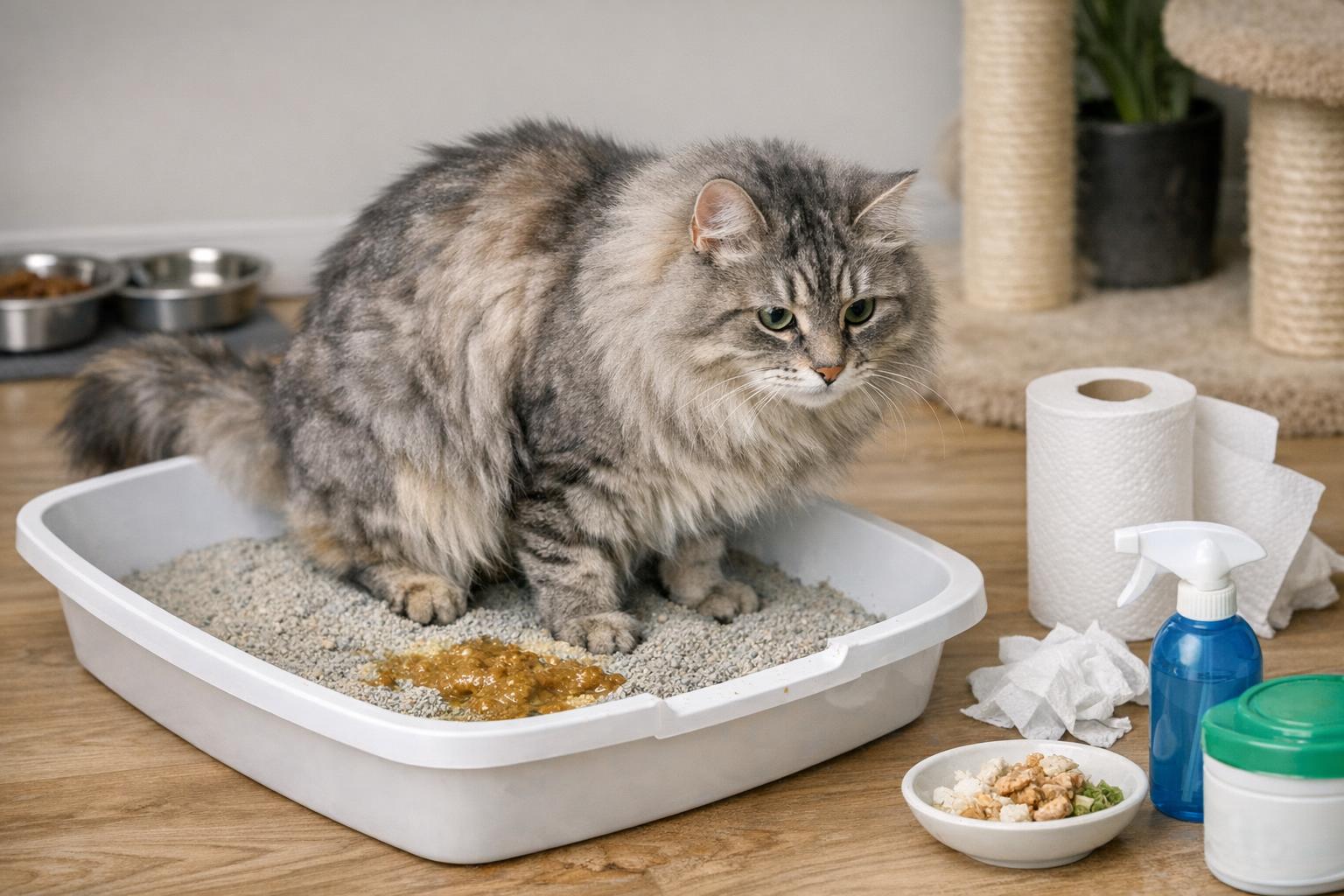
– Designate someone to handle litter box cleaning if possible; use gloves and wash hands afterwards.
– Consider short, frequent play sessions rather than lengthy obsessive snuggling if your symptoms get worse — your cat will survive a few less cuddle marathons, promise.
A manageable mix of household changes, safe topical care for cats, and targeted supplements for both humans and pets can dramatically reduce the misery of cats for cat allergies. Try a combination of strategies consistently, and you may find both the sniffles and the fur tumble down to manageable levels — allowing you and your cat to enjoy life without constantly reaching for tissues.





















Leave a Reply