

Dogs can get an upset stomach for so many reasons—garbage-bin treasure hunts, stress, a new diet, or the occasional mystery toy that should never have been chewed. If you’re searching for gentle, natural dog with diarrhea and vomiting treatment options that you can try at home before (or alongside) seeing your vet, this guide gives practical, safe herbal and dietary approaches plus clear warnings about when to stop DIY and call for professional help.
## Dog With Diarrhea And Vomiting Treatment: Quick Triage
Before you reach for herbs or make a magic broth, do a quick check. Is the dog bright but messy? Mild vomiting with clear fluids and soft, watery stool can sometimes be managed at home for a short time. However, if your dog shows lethargy, repeated vomiting, blood in stool or vomit, collapse, signs of severe abdominal pain, or hasn’t kept water down for several hours, this is not a “let’s try the herbs” situation—this is emergency vet territory.
### Signs That Need Immediate Veterinary Attention
#### Dehydration Indicators
– Dry gums, tacky saliva, sunken eyes.
– Skin tent test: pinch skin at shoulder and it stays up.
– Reduced urination, weakness.
#### Severe Systemic Signs
– Blood in vomit or stool, fever, disorientation.
– Puppies, seniors, and dogs with chronic disease should see a vet sooner.
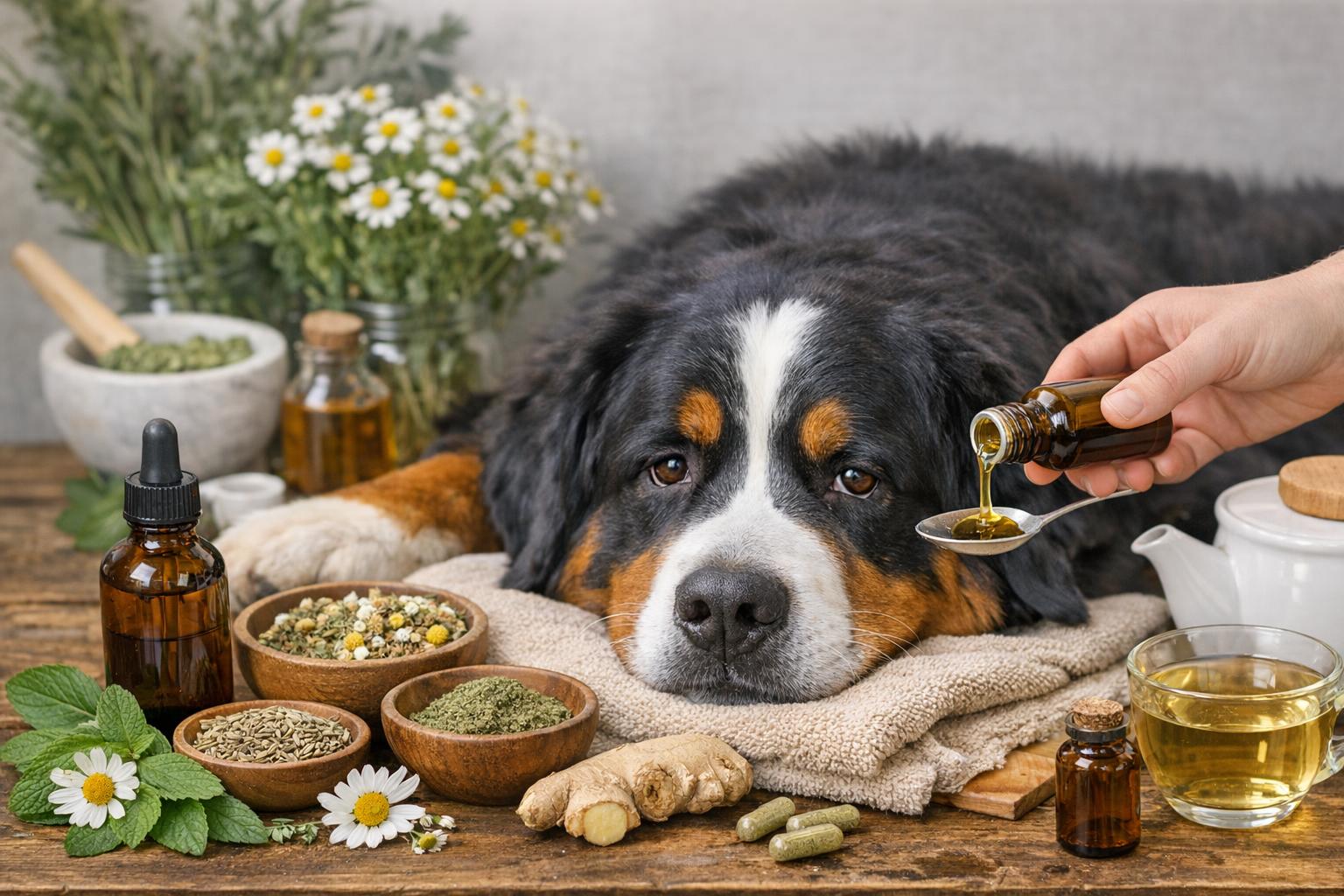
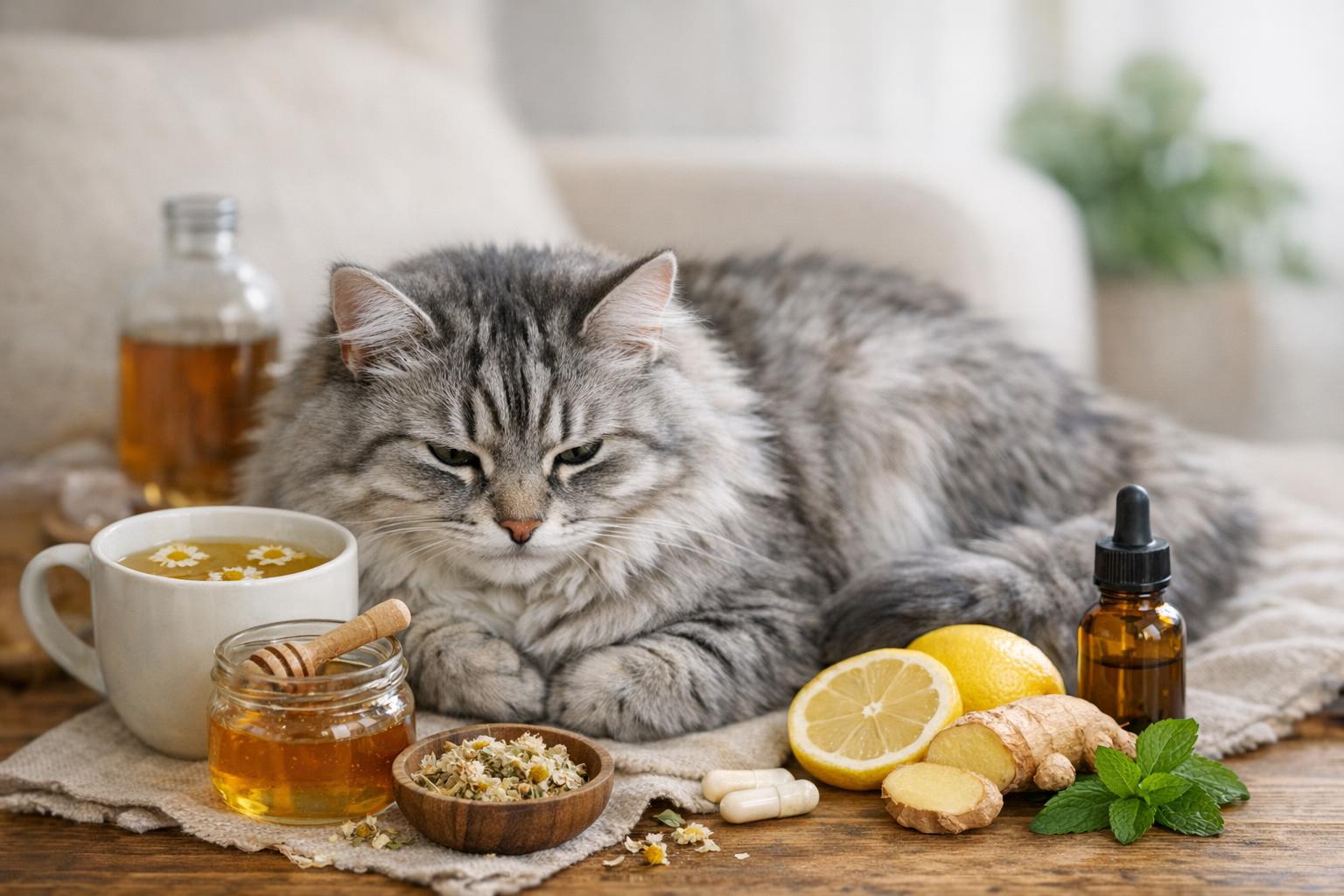
## 1) Chamomile And Ginger Soothing Broth (Remedy 1)
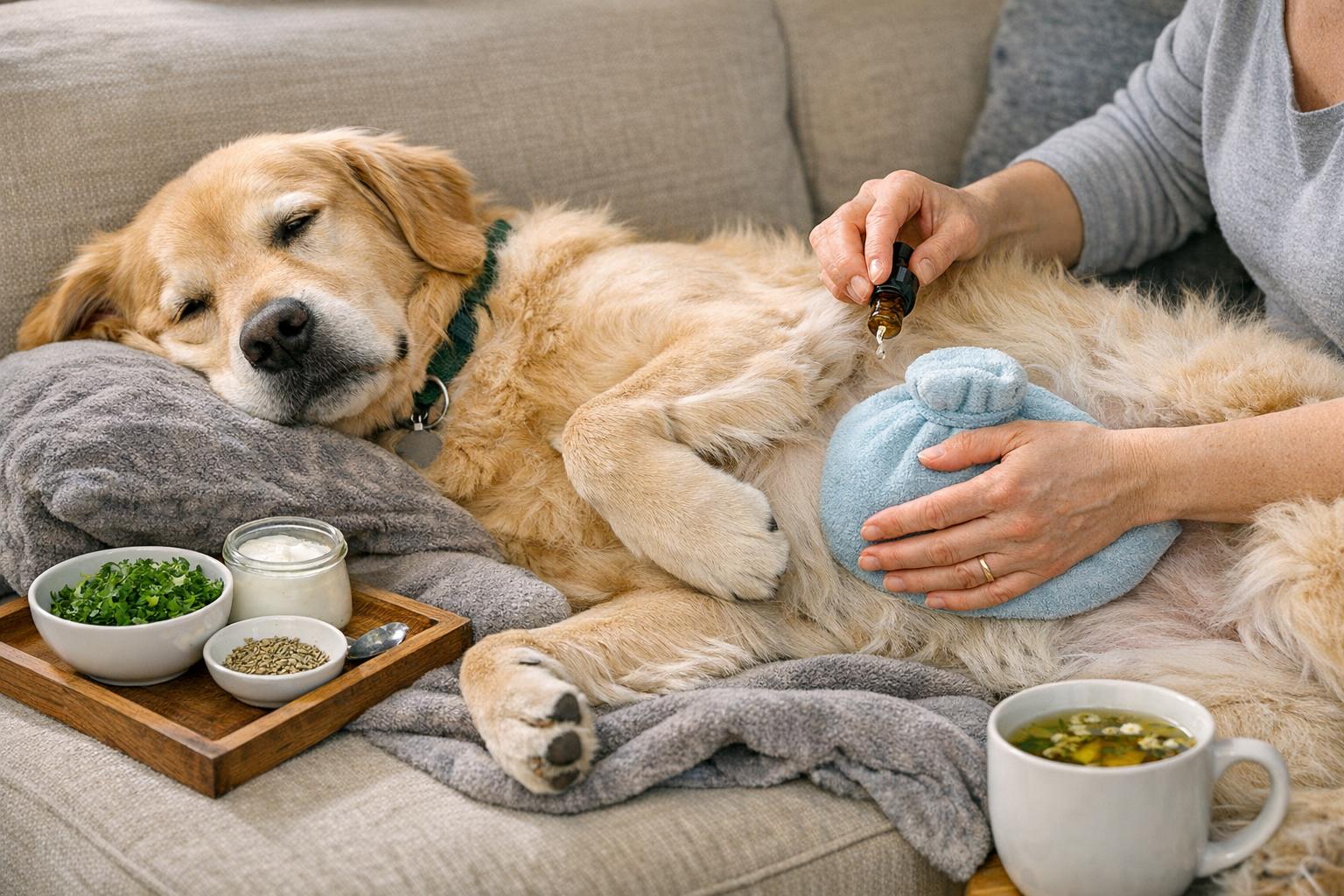
This is a mild, anti-inflammatory, anti-nausea sip that’s gentle on the gut. Use it for a dog with diarrhea and vomiting treatment when vomiting is sporadic and the pup can keep small fluids down.
Ingredients / Materials
– 2 cups filtered water
– 1 chamomile tea bag (or 1 teaspoon dried flowers)
– 1 teaspoon fresh grated ginger (or 1/4 teaspoon powdered)
– Fine mesh strainer
– Measuring spoon, pot, spoon, bowl or syringe for dosing
Step-By-Step Creation And Application
1. Bring water to a gentle boil, remove from heat.
2. Add chamomile and ginger; steep 8–10 minutes. Chamomile soothes; ginger helps nausea.
3. Strain and cool to lukewarm (body temperature).
4. Offer small amounts: for small dogs 1–2 teaspoons every 20–30 minutes; medium dogs 1–2 tablespoons; large dogs up to 1/4 cup. Use a syringe if the dog is reluctant.
5. Observe for 2–4 hours. If tolerated, continue small sips and consider bland food reintroduction as outlined below.
Safety Notes (Formal)
– Do not use chamomile if your dog is allergic to plants in the Asteraceae family (ragweed, daisies).
– Ginger is generally safe in small amounts; avoid large doses and do not use if your dog has clotting disorders or is on anticoagulant medication.
## 2) Slippery Elm Gastroprotective Paste (Remedy 2)
Slippery elm creates a mucilaginous coating that can protect irritated gut lining and firm stool. It’s often used as part of dog with diarrhea and vomiting treatment protocols.
Ingredients / Materials
– Slippery elm powder (herbal grade)
– Warm water
– Small container and spoon
– Dosing syringe or small spoon for administration
Step-By-Step Creation And Application
1. Start with a conservative ratio: 1 teaspoon slippery elm powder to 2–3 teaspoons warm water.
2. Stir into a smooth paste. Let sit one minute to thicken; add tiny amounts of water if too thick.
3. Dosing: Small dogs (under 20 lb): 1/4–1/2 teaspoon; medium dogs (20–50 lb): 1/2–1 teaspoon; large dogs: 1–2 teaspoons, given up to three times daily.
4. Mix with a teaspoon of plain canned pumpkin or a treat to encourage acceptance.
5. Use for up to 48–72 hours; slippery elm can interfere with absorption of oral medications, so separate dosing by 2 hours from other meds.
Safety Notes (Formal)
– Avoid long-term use without veterinary guidance. Monitor hydration and stool quality while using.
## 3) Pumpkin And Probiotic Tonic (Remedy 3)
Fiber from plain canned pumpkin plus beneficial microbes can support stool bulk and gut flora—useful as part of a dog with diarrhea and vomiting treatment once vomiting has subsided.
Ingredients / Materials
– Plain canned pumpkin (100% pumpkin, not pie filling)
– Canine-specific probiotic powder (or plain yogurt with live cultures if your dog tolerates dairy)
– Measuring spoons
– Small bowl
Step-By-Step Creation And Application
1. Wait until vomiting has stopped for at least 4–6 hours.
2. Start with a tiny lick of pumpkin to test tolerance.
3. If accepted, give a conservative amount: small dogs 1–2 teaspoons, medium dogs 1–2 tablespoons, large dogs 1/4 cup, once or twice daily.
4. Add probiotic: follow manufacturer dosing for your dog’s weight (FortiFlora and similar products have clear directions). If using yogurt, use 1 teaspoon for very small dogs up to 1 tablespoon for larger dogs.
5. Continue for 3–5 days while monitoring stool consistency.
Safety Notes (Formal)
– Do not use sweetened or spiced pumpkin. Yogurt can cause issues if the dog is lactose intolerant; preferred option is canine-formulated probiotic.
## 4) Fasting And Bland Diet Reintroduction (Remedy 4)
Sometimes the best medicine is rest. Brief fasting gives the gut time to settle, then a stepwise bland diet reintroduction avoids shock to digestion.
Ingredients / Materials
– Plain white rice
– Skinless, boneless chicken breast (or lean boiled turkey)
– Measuring cups, pot, fork
– Optional: unsalted bone broth (cooled)
Step-By-Step Creation And Application
1. Fasting: Adults only—fast for 12 hours (not puppies or very small/senior dogs). Offer small sips of water or the chamomile-ginger broth above.
2. Reintroduction Day 1: Mix 1 part boiled, shredded chicken to 2 parts white rice. Offer 1–2 tablespoons every 2–3 hours for small dogs; larger dogs proportionally more.
3. Day 2–3: If stool improves, gradually increase meal size and lengthen intervals. After 48–72 hours of normal stools, slowly mix in regular food over 3–5 days.
4. If vomiting or diarrhea returns during refeeding, stop and consult your vet.
Safety Notes (Formal)
– Never fast puppies, kittens, or dogs with chronic conditions without veterinary advice.
– Avoid fatty, spicy, or highly processed foods during recovery.
### How Long Before You Expect Improvement?
#### Realistic Timelines
– Mild cases: 24–48 hours with home care.
– Moderate cases: 3–5 days with supportive treatment and vet guidance.
– If no improvement within 24–48 hours, or if the dog worsens at any point, this DIY approach is not sufficient and professional care is required.
### Hydration And Fluid Management
#### Offer Small, Frequent Sips
Dehydration is the real danger. Offer water or electrolyte solution in small, frequent amounts rather than large bowls which can trigger vomiting. For severe cases, your vet may need to provide subcutaneous or IV fluids.
## Drug And Herb Interactions To Mind
Herbs are not inert. Chamomile, ginger, slippery elm—they each have effects and potential interactions. If your dog is on prescribed medication, especially blood thinners, immunosuppressants, or has known allergies, consult your vet before using herbal treatments as part of dog with diarrhea and vomiting treatment.
### Notes On When Not To Use Home Remedies
– Do not delay veterinary care for puppies, seniors, pregnant dogs, or dogs showing severe signs.
– Suspected toxin ingestion, sharp object ingestion, or systemic illness—go to the vet now.
## Practical Follow-Up Care
### Monitoring Checklist
– Keep a simple log: when vomiting occurred, stool quality, fluids offered, urine output, and energy level.
– Bring the log to the vet if symptoms persist; it helps narrow causes.
### When To Reintroduce Normal Activity
– Avoid heavy exercise for 48 hours after symptoms resolve.
– Continue bland diet transition before returning full meals.
Finally, remember that home remedies can be helpful in mild, short-lived cases. They are not a substitute for a professional diagnosis. If you’re using these approaches as part of dog with diarrhea and vomiting treatment and see improvement, great. If not—your vet is literally the person you want to text when herbs meet mystery.






Leave a Reply