


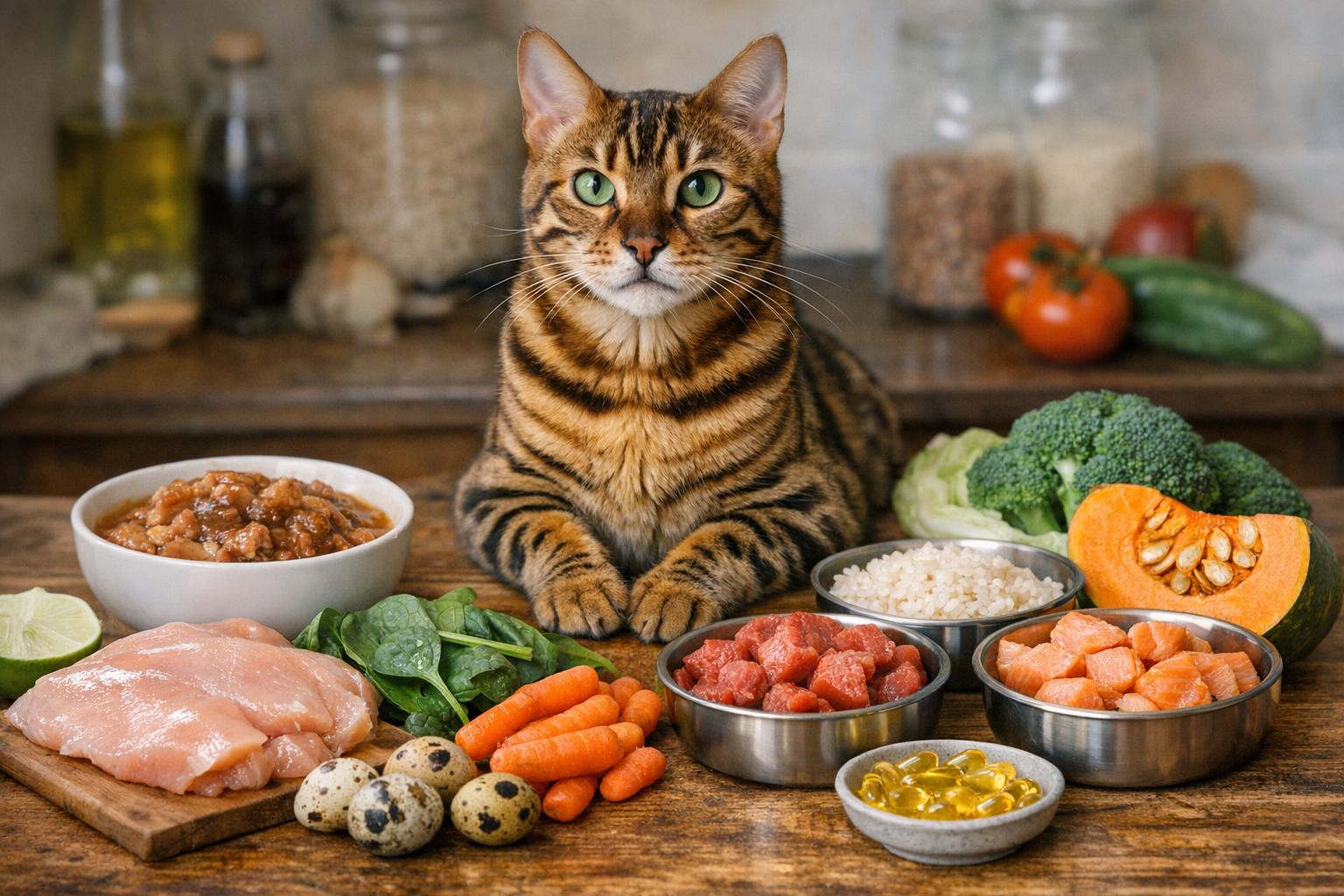
## Components Of A Balanced Cat Diet
A balanced cat diet starts with the core truth: cats are obligate carnivores. That shapes everything you feed them. Protein is the foundation, but protein alone won’t keep a cat healthy. They also need specific fats, essential amino acids, vitamins and minerals, plus plenty of water. If you focus on those elements and how they interact, you’ll get far closer to optimal health than by following trends or gimmicks.
Protein supplies the amino acids cats can’t make on their own. Taurine is the most famous example. Without enough, a cat can develop heart disease, blindness, or reproductive problems. Arginine is another must-have for urea cycle function; a single meal without enough arginine can cause dangerous ammonia spikes. Fats provide energy and support absorption of fat-soluble vitamins, and some fatty acids are essential, like arachidonic acid. Carbohydrates are not essential for cats, and high carbohydrate diets can contribute to obesity and blood sugar swings, but a modest amount from digestible sources is usually fine in commercial diets.
Moisture deserves a special nod. Cats evolved to get most of their water from prey. Dry kibble with low moisture forces them to drink more, and many cats don’t compensate. Chronic low water intake increases the risk of urinary problems and can put extra strain on kidneys. A balanced cat diet includes moisture either through wet food, broths, or hydration strategies.
Vitamins and minerals complete the picture. Vitamin A, niacin, B vitamins, and certain minerals must be present in appropriate amounts and forms that cats can use. Commercial foods that meet AAFCO nutrient profiles generally cover these, but homemade diets require careful formulation and regular vet oversight.
## How Cats Differ From Dogs And Humans
Cats metabolize nutrients differently. That’s not just a weird trivia fact; it’s the practical reason dog food is not a safe substitute. Cats have higher baseline protein requirements and specific needs for certain nutrients that dogs and people can synthesize. For example, cats require preformed vitamin A from animal sources because they cannot convert beta-carotene efficiently. They also have different carbohydrate tolerance and insulin responses.
Digestive tract anatomy matters too. Cats have a relatively short gastrointestinal tract designed to handle animal proteins and fats. Fiber tolerance is limited. Large doses of plant-based ingredients can lead to softer stools and poorer nutrient absorption. Knowing these differences helps when you read labels, select dietary plans, or troubleshoot a picky eater.
### Obligate Carnivore Physiology
Being an obligate carnivore means cats have evolved enzymes and metabolic pathways geared toward meat. They have high hepatic activity for gluconeogenesis, even when fed carbohydrate-rich diets. This makes them less efficient at storing glycogen and more reliant on protein and fat for steady energy. Their taste buds and hunting instincts are aligned with this; texture, aroma, and fat content often drive food acceptance more than sweet or starchy flavors.
### Amino Acid Needs: Taurine And Arginine
Taurine is non-negotiable. It’s involved in retinal health, cardiac function, and bile salt conjugation. Fresh meat contains taurine, but processing and storage can reduce levels. Canned diets, raw diets, and some cooked homemade diets can supply enough if prepared correctly, but under-formulated homemade recipes are the biggest risk for taurine deficiency.
Arginine is equally critical for ammonia detoxification. A single meal lacking arginine can cause a cat to become acutely ill. Most commercial diets include sufficient arginine, but when you dilute meat with high proportions of plant proteins, keep an eye on the overall amino acid profile.
## Practical Feeding Strategies For Home
You don’t need to become a pet nutritionist to feed well, but you do need a plan. Decide whether you’ll rely mostly on commercial food, cook at home, or feed raw. Each approach can work, but each also carries predictable pitfalls.
If you go commercial, pick foods formulated for the cat’s life stage and health status. Rotate brands occasionally to avoid overexposure to any one ingredient, but don’t rotate so fast that you cause chronic stomach upset. If you prefer homemade or raw diets, work with a veterinary nutritionist to create recipes that meet nutrient profiles. It’s easy to miss a vitamin or an essential amino acid.
Keep portions realistic. Even the best food becomes a problem in excess. Energy needs vary with age, neuter status, and activity level. A sedentary indoor cat will need far fewer calories than an outdoor hunter of the same weight. Use body condition scoring rather than blind portioning to guide adjustments.
### Choosing Commercial Foods
Look for companies that perform feeding trials and include AAFCO statements on the label. Feeding trials are more informative than nutrient panels alone because they show the food supports life-stage requirements in real animals. Check the first few ingredients; named meat sources, like “chicken” or “salmon,” are preferable to vague terms such as “meat meal” without specification.
Beware of marketing. Grain-free doesn’t inherently make a food healthier for cats. Grain presence is often less relevant for feline health than the overall protein content and ingredient digestibility. Also, highly processed “gourmet” formulations can be calorically dense and palatable to the point that a cat overeats and gains weight.
#### Reading Labels And AAFCO Statements
Two label elements matter most: the guaranteed analysis and the nutritional adequacy statement. The guaranteed analysis gives crude protein and fat percentages, but these are on an as-fed basis, so moisture content affects comparison. Convert to dry matter basis to compare accurately. The nutritional adequacy statement tells you whether the food meets AAFCO standards for maintenance, growth, or all life stages. For kittens or pregnant queens, choose diets labeled for growth or all life stages.
Watch ingredient order. Ingredients are listed by weight, so high-moisture meats can appear early even if the dry matter protein is moderate. Meat meals and named meats are typically denser sources of protein than fresh meat in the list.
### Wet Vs Dry: Which To Pick
Wet food provides moisture and often has higher protein on a calorie basis. It’s easier to force-feed moisture into a cat’s diet that way. Dry food is convenient, cheaper per calorie, and can be useful for dental texture for some cats, though it doesn’t replace dental care.
A balanced approach often includes both. For many cats, feeding wet food at least part of the time reduces urinary concentration and supports kidney health. If you use only dry food, make an effort to increase water bowls or add water to the kibble periodically.
### Rotational Diets And Novel Proteins
Rotational feeding—switching proteins or brands every few weeks—can reduce boredom and limit long-term sensitivity to single ingredients. Novel proteins are helpful for cats with suspected allergies; rotating to a different meat like rabbit or venison can diagnose or manage intolerance. Be cautious: rotating too frequently or without a plan can confuse digestion and lead to inconsistent stools. When you rotate, do it deliberately and monitor the cat’s response.
## Special Life Stages And Conditions
Different life stages and health issues require tailored choices. A young kitten’s needs look nothing like a senior cat’s. Pregnancy, kidney disease, diabetes, and obesity all reshape what “balanced” looks like.
### Kittens: Growth Needs
Kittens need higher calorie density and more protein per pound than adults. They also require balanced calcium and phosphorus for skeletal development. Commercial kitten diets labeled for growth contain those balances. For orphan or bottle-fed kittens, use formula specifically designed for kittens rather than cow’s milk, which lacks key nutrients and can cause diarrhea.
Socialization, feeding frequency, and portion control matter too. Kittens graze and will eat multiple small meals. The focus should be quality and availability of nutrient-dense food during the growth window.
### Adults: Maintenance And Activity
Once cats reach maturity, maintenance diets work well. The trick is matching calories to activity. Indoor-only cats often need fewer calories and benefit from foods with higher protein and moderate fat to maintain lean mass without excess energy. Free-feeding dry kibble is convenient but can promote overeating in some cats. Timed meals or measured portions are better if weight gain is a risk.
### Seniors: Kidney Health And Calories
Aging cats often lose lean muscle and may develop chronic kidney disease. Kidney disease management usually involves moderate protein control, increased hydration, and specific renal-support formulations from your veterinarian. Don’t withhold protein indiscriminately—cats need protein to maintain muscle. Instead, focus on high-quality, digestible proteins with adjustments guided by blood work.
Weight loss can be a sign of disease in seniors. Slow, steady unplanned weight loss calls for veterinary evaluation. Appetite stimulants and diet changes may be necessary, but the underlying cause must be addressed.
### Common Health Issues To Consider
Urinary tract disease, obesity, diabetes, and food sensitivities are the big-ticket conditions that alter diet. For urinary issues, increasing water intake and controlling minerals that form crystals are key. For obesity, reduce calories slowly and prioritize high-protein diets to preserve muscle during weight loss. Diabetes management hinges on consistent carbohydrate intake and weight control; many diabetic cats do better on low-carbohydrate wet diets alongside insulin therapy.
Food sensitivities are often over-diagnosed. True food allergies are less common than owners think. A veterinary-guided elimination trial using a novel or hydrolyzed protein can confirm a food-related issue.
## Monitoring And Adjusting The Plan
A balanced cat diet is not a one-time purchase. It needs monitoring and occasional course corrections. That means watching the cat’s weight, coat, energy level, stool quality, and—when recommended—bloodwork results.
### Weight Tracking And Body Condition Scoring
Weigh cats regularly. Use a kitchen scale or a pet scale at home. Photographing a cat from the side and top can help you notice changes. Body condition scoring is a practical tool; it’s a 1-to-9 system where 4–5 is ideal. Look for a visible waist and palpable ribs with slight fat covering.
Adjust portions incrementally. Small reductions or increases in daily calories are easier for the cat to tolerate and for you to manage. Expect weight change to be gradual; losing 1–2% of body weight per week is steady. Rapid loss needs veterinary attention.
### Blood Tests And When To See A Vet
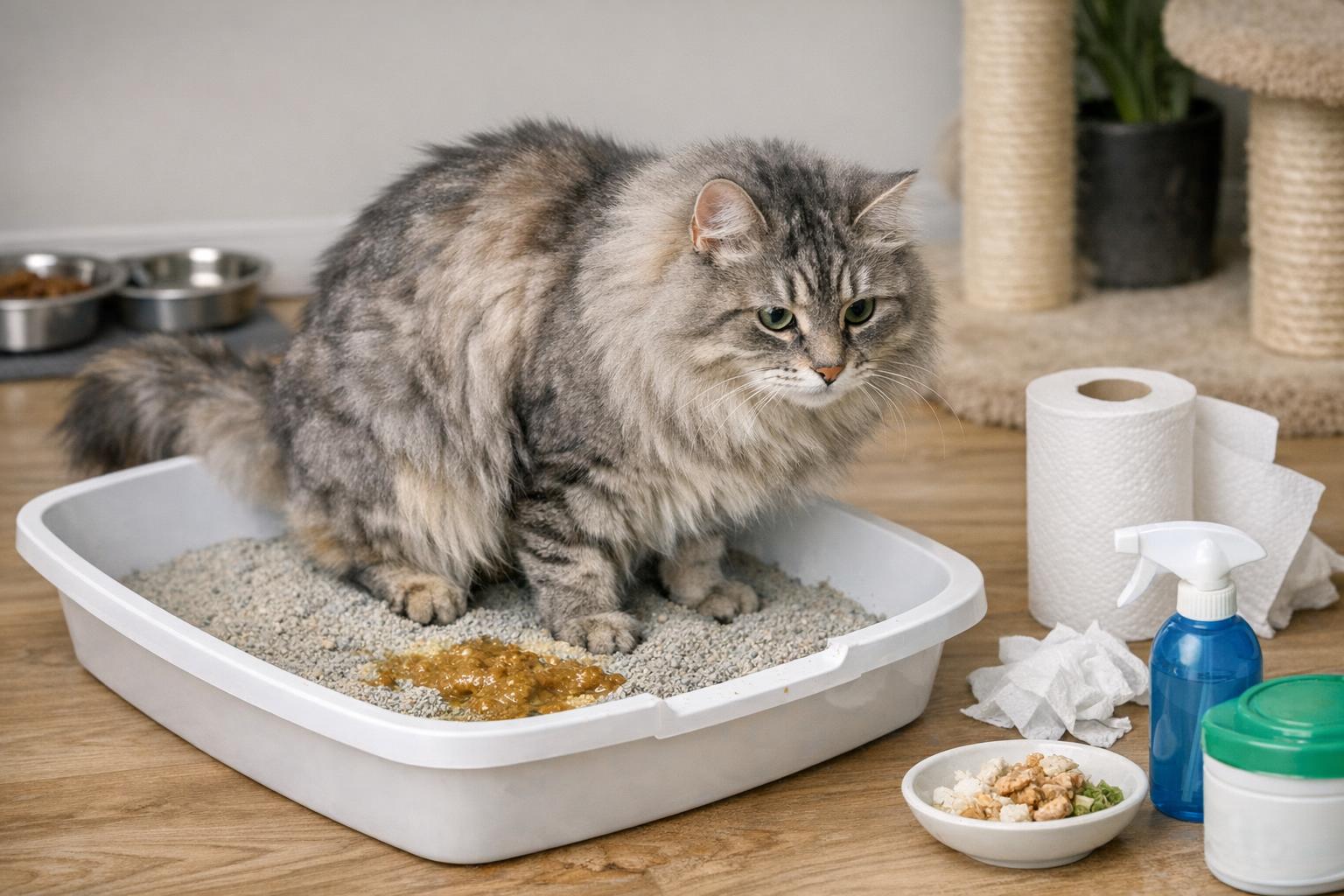
Routine bloodwork gives objective measures of organ systems impacted by diet. A baseline panel at adult life stages and annual checks for seniors can reveal problems early. Look for signs like excessive thirst, vomiting, persistent diarrhea, or significant appetite changes—those are reasons to consult your veterinarian promptly.
If you change a diet for medical reasons, recheck labs as advised. For example, a cat with early kidney disease needs periodic monitoring to track progression and dietary efficacy.
### Transitioning Foods Safely
Switch diets over 7–10 days when possible. Start with 75% old/25% new, then move to 50/50, then 25/75, then fully new. Some cats tolerate faster changes; others need a slower pace. Expect a brief stool change during transitions. If problems persist, slow down or try a different food.
When introducing supplements or pills, hide them in a small amount of food the cat reliably eats. For picky cats, fishy wet food or a tiny dollop of tuna water can be the trick. I once used a teaspoon of chicken baby food to mask a bitter pill—worked every time.
## Common Mistakes And How To Avoid Them
People mean well but sometimes do things that undermine a balanced cat diet. Free feeding calorie-dense kibble for an indoor neutered cat. Relying on table scraps that disrupt nutrient balance. Rotating proteins weekly and wondering why the cat has loose stools. These aren’t crimes; they’re just avoidable missteps.
Measure food. Use a scooper or a scale. Read labels and move beyond marketing language. If you’re trying a home-cooked regimen, document recipes and consult a veterinary nutritionist. Homemade diets require supplements like taurine and precise vitamin mixes to be safe long term.
Watch treats. Some cats get half their calories from snacks without anyone realizing it. Treats should be a small fraction of daily caloric intake, and training treats should be low-calorie options.
## Ingredients And Formulation Details That Matter
Not all protein is equal. Muscle meat, organ meat, and meat meals differ in amino acid density and digestibility. Meat meals are concentrated sources of protein and can be valuable if from a reputable supplier. Be wary of unidentified “meat” or unspecified by-products.
Sources of omega-3 fatty acids like fish oil can reduce inflammation and support coat and joint health. Antioxidants from fruits and vegetables can be beneficial in small amounts, but they’re not a replacement for animal-based nutrients. Fiber in small amounts can support bowel health, but too much bulk can impair protein intake.
Some diets include added functional ingredients like glucosamine for joints or probiotics for gut health. These can help, but they’re adjuncts. The main thing remains the right balance of protein, essential fats, water, and micronutrients.
#### Homemade Diets: Pitfalls And Essentials
If you’re preparing food at home, remember that cooking changes nutrient availability. Heat can reduce taurine content, and bone content affects calcium and phosphorus ratios. Most homemade plans need a formulated supplement to be complete. Don’t improvise with arbitrary recipes found online without vet approval.
A common error is relying on raw diets without balancing. Raw meat can carry pathogens and uneven nutrient profiles. If you prefer raw, use a vetted commercial raw diet or a recipe developed and regularly reviewed by a nutrition expert.
## Behavioral And Environmental Factors That Affect Diet
Feeding isn’t just chemistry. Stress, bowl location, feeding companions, and the cat’s routine all influence intake. A shy cat may skip meals if another pet or person loiters nearby. Cats can associate certain foods with illness; a single bout of vomiting after a new food can make them reject it forever.
Try feeding in a calm, quiet space and offering multiple water sources. Some cats prefer running water, so a fountain can increase intake. Puzzle feeders slow down fast eaters and add mental stimulation, which helps prevent boredom-related overeating.
### Multiple-Cat Households
In homes with more than one cat, guarding of food can be an issue. Put out multiple feeding stations and consider microchip feeders for cats on restricted diets. Separation during feeding time may seem extreme, but it prevents bullying and ensures each cat gets the food intended for them.
Food aggression, stealing, and rapid eating all undermine a balanced cat diet. Address these behaviors early with environmental changes rather than punitive measures.
## When To Consider Supplements And Functional Foods
Supplements have a place, but they’re not a substitute for a complete diet. Use probiotics for certain GI issues, fish oil for inflammatory conditions, and joint supplements for osteoarthritis in older cats. Always check with your vet before adding supplements because interactions and overdoses are real risks.
Omega-3s in particular have good evidence for benefits in joint and skin health. Prebiotics and probiotics can aid some digestive problems, but choices matter: not all strains work the same in cats. Avoid multivitamin bloat—supplying extra of some vitamins while missing others creates imbalances.
## Understanding Labels And Marketing Claims
Pet food marketing is full of shiny claims that don’t always reflect nutritional value. “Natural,” “human-grade,” and “limited ingredient” aren’t guarantees of balance. Focus on the ingredient quality, the nutrient profile, and the feeding trials. A good rule of thumb is to prioritize foods with clear, named animal proteins early in the ingredient list and an AAFCO statement appropriate for your cat’s life stage.
Beware of exotic ingredient hype. Novel protein can help an individual cat, but novelty alone isn’t inherently healthier. Also keep an eye out for recalls and how companies respond. Reputable manufacturers are transparent and responsive when problems arise.
## Practical Portioning Examples
A lot of owners ask how much to feed. Instead of a single number, think in ranges tied to body weight and activity. A typical indoor adult cat of 8–10 pounds often needs around 180–240 kcal per day, depending on metabolism and activity. An active outdoor cat of the same weight might need 250–300 kcal. Kittens use far more relative to body weight, sometimes double or triple adult needs.
Always check the calorie density on the label. A cup of one kibble may have more calories than a cup of another. Use a kitchen scale for precision if you want accuracy. Measure treats and add their calories into the daily total. If your cat is gaining weight, reduce calories by 10–15% and reassess after a few weeks. If losing too quickly, increase slightly and ensure no medical causes.
## Working With Your Veterinarian
A balanced cat diet is a collaboration. Your veterinarian can interpret bloodwork, recommend therapeutic diets when needed, and refer you to a board-certified veterinary nutritionist for complex cases. Bring food labels to appointments and be honest about treats, table scraps, and supplements. Vets are there to help, not judge.
If you’re dealing with picky eating, a vet visit can rule out dental pain or medical issues. Behavioral strategies can help in parallel: hand-feeding, warming wet food to enhance aroma, and structured mealtimes.
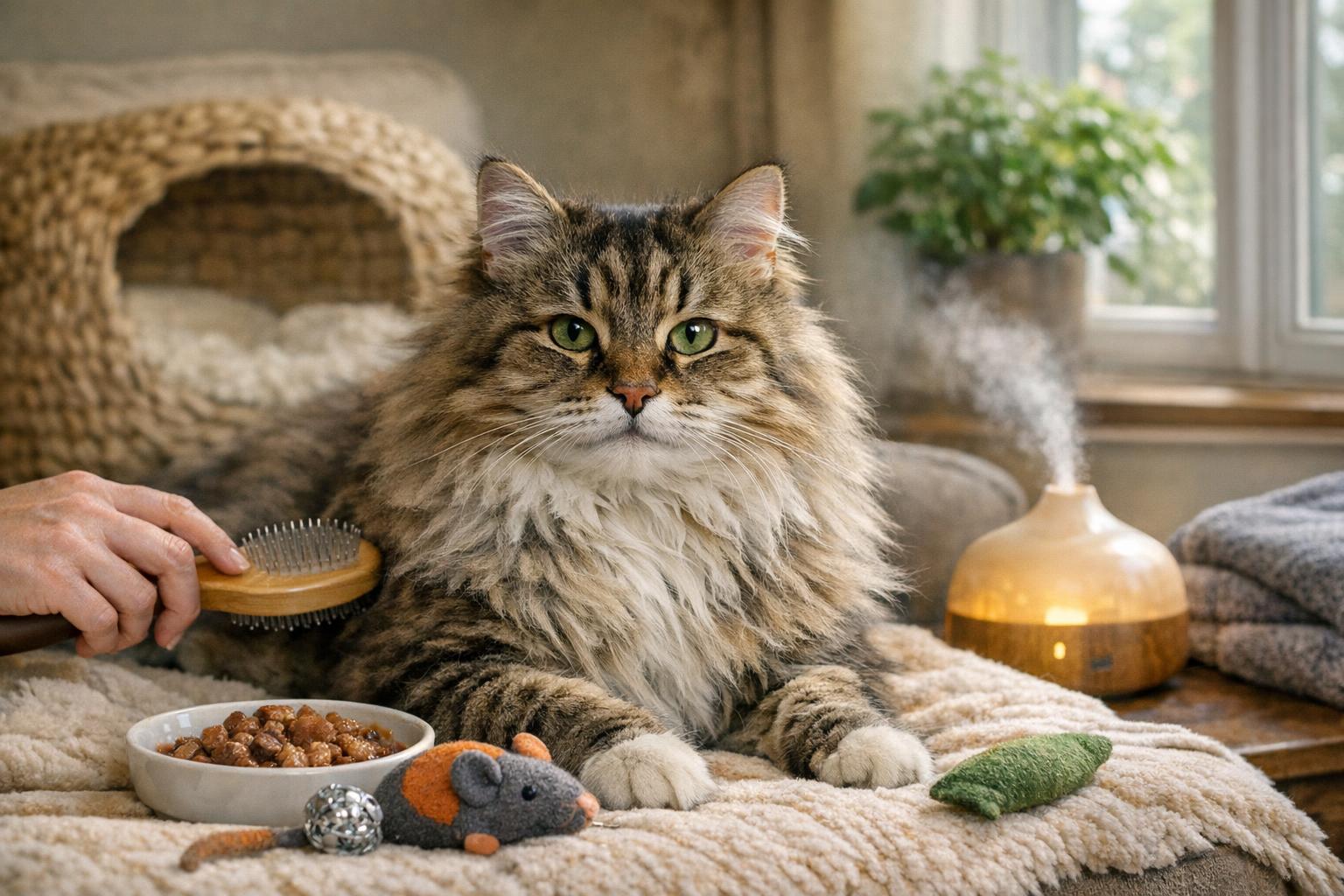
Feeding a cat well takes attention, not perfection. Small, consistent choices add up. Give them high-quality protein, enough moisture, and appropriate calories, and you’ll be doing the heavy lifting of what a balanced cat diet should accomplish. Trust the evidence, monitor the cat, and adjust when life stages or health conditions change. The result is a pet that looks, feels, and behaves like a healthy, contented carnivore. Expect to recieve occasional challenges—picky phases, illness, or market changes—but the framework stays the same.















Leave a Reply