


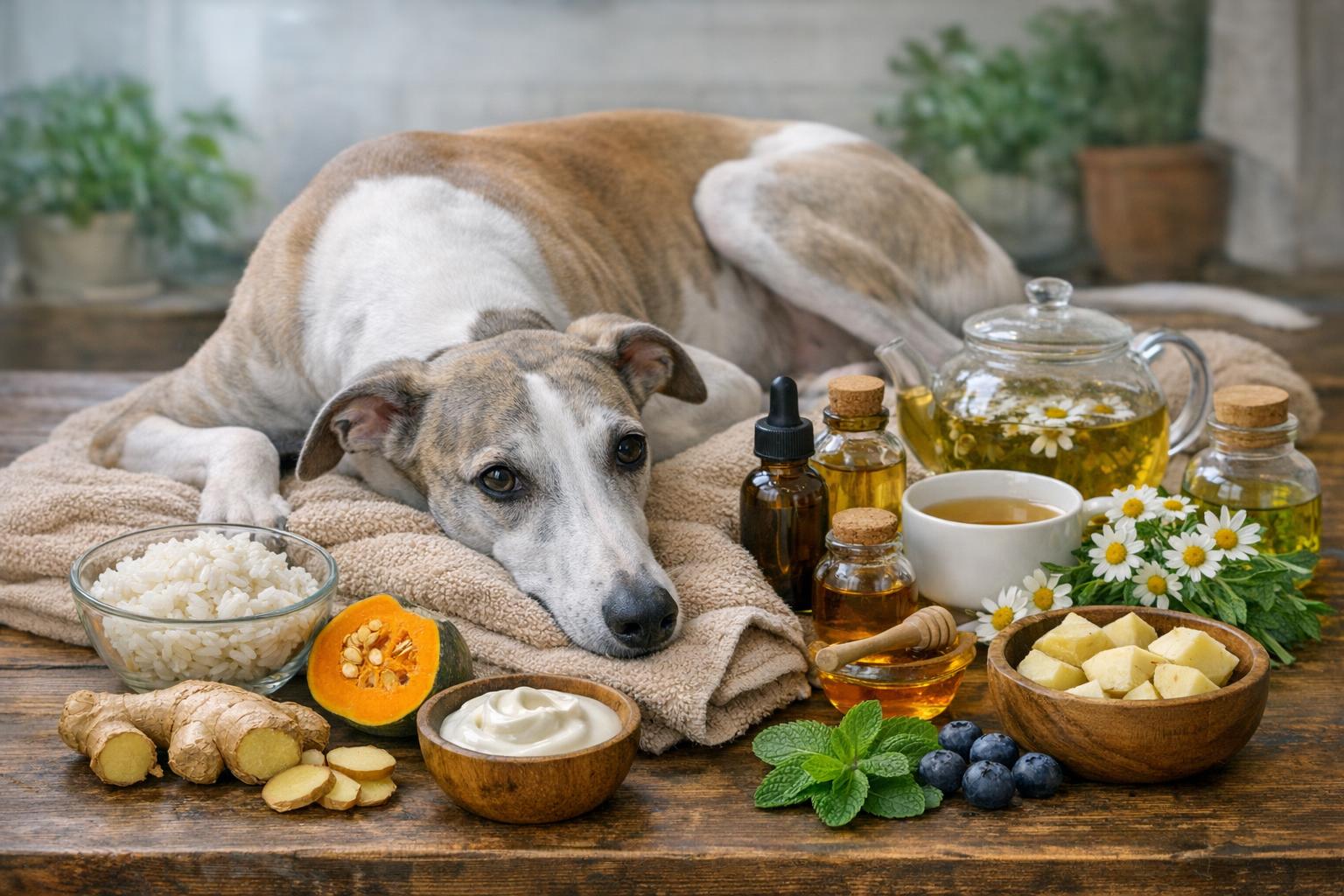
You love your dog like family, and seeing them queasy or glued to the water bowl is nobody’s idea of a fun Saturday. Lucky for you, there are several gentle, natural approaches you can try at home to help settle an upset tummy. This guide walks through practical dog vomiting and diarrhea treatment options, when to call the vet, and how to safely apply a few remedies without turning your kitchen into a canine pharmacy.
## Dog Vomiting And Diarrhea Treatment: Natural Options
Dog vomiting and diarrhea treatment can often start at home when symptoms are mild and your pet is otherwise bright and active. Remember: vomiting once or loose stools for a single day in an otherwise healthy dog can sometimes be managed conservatively. The aim here is simple — rest the gut, rehydrate, and rebalance the digestive flora.
### When To Contact Your Veterinarian
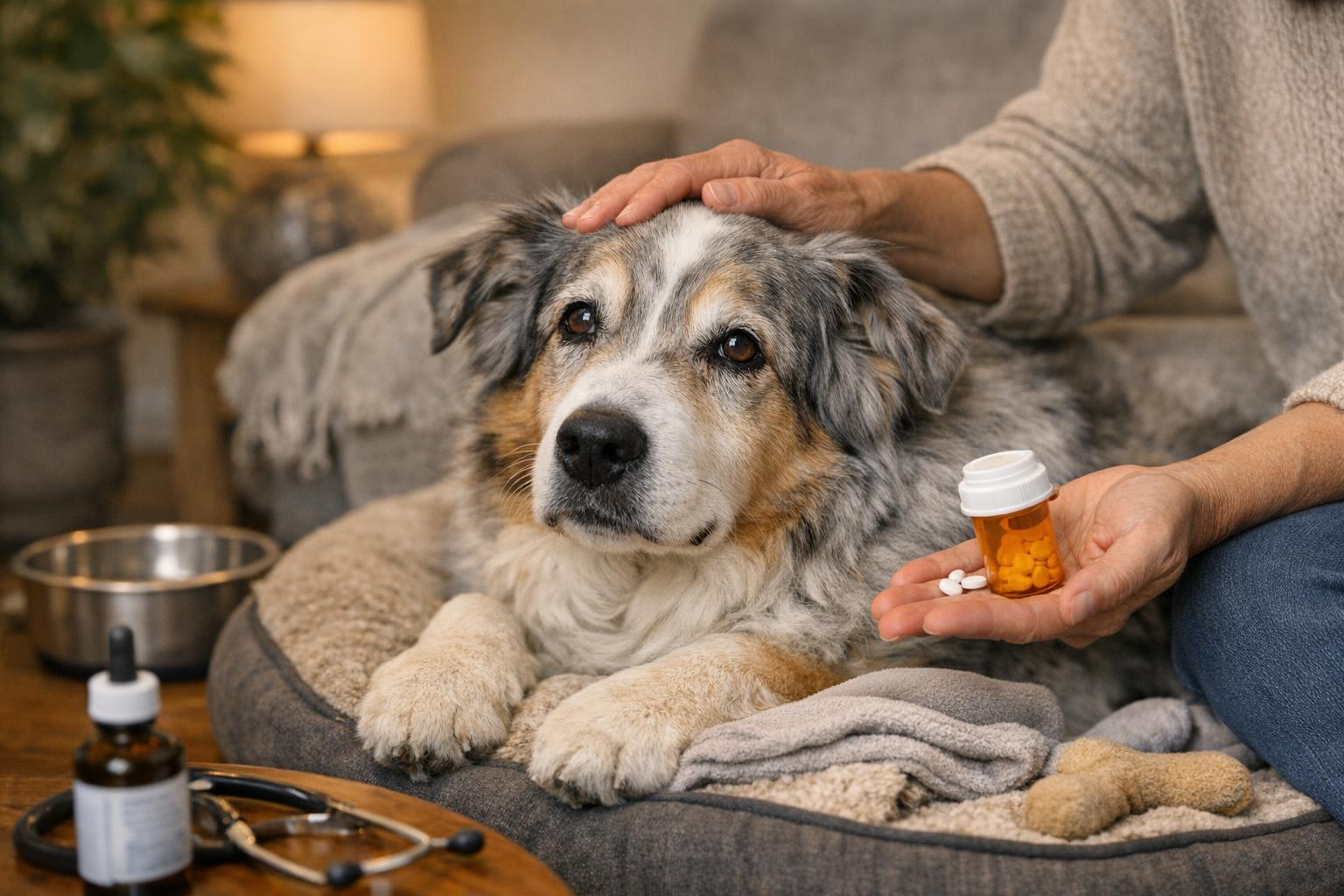
Some situations require professional care. Contact your veterinarian or emergency clinic if your dog shows any of the following:
– Continuous vomiting or more than two episodes in 12 hours
– Severe or bloody diarrhea
– Lethargy, collapse, fever, severe dehydration
– Known toxin ingestion or foreign body suspected
– Puppies, seniors, or dogs with existing health problems
These red flags are not a moment to experiment — seek prompt medical attention.
## 3 Natural Remedies For Dog Vomiting And Diarrhea
Below are three numbered, natural dog vomiting and diarrhea treatment remedies you can prepare at home. For each, I list ingredients and provide step-by-step instructions. When trying these, start with small amounts and monitor your dog closely. If signs worsen or don’t improve in 24 hours, call the vet.
### 1. Bland Diet Reintroduction Protocol
A bland diet is often the first-line dog vomiting and diarrhea treatment. It allows the intestines to rest and reduces irritation while providing easy-to-digest nutrients.
Ingredients / Materials:
– Boiled white rice (plain)
– Boiled, skinless, boneless chicken breast or lean ground turkey
– Measuring cup
– Clean pot
Creation And Application (Formal Instructions):
1. Prepare the Protein: Poach or boil the chicken/turkey until fully cooked, then shred into small, bite-sized pieces. Do not add oils, butter, seasonings, or bones.
2. Prepare the Rice: Cook white rice with a 2:1 water-to-rice ratio. Use plain white rice (not seasoned or instant with added flavorings).
3. Mix Ratio: Combine ingredients in a 2:1 ratio of rice to meat (two parts rice, one part meat) to reduce fat load and complexity for the gut.
4. Feeding Schedule: Offer a small amount — approximately one to two tablespoons per 10 pounds of body weight — every 3-4 hours for the first 12 hours. If tolerated, increase portion size gradually and transition to three to four meals per day.
5. Duration and Transition: Maintain the bland diet for 24–48 hours after vomiting stops and diarrhea improves. Reintroduce regular dog food gradually over 3–5 days by mixing increasing amounts of the usual kibble with the bland mix.
6. Monitoring: Watch for signs of improvement (formed stools, decreased vomiting). If there is no improvement or if symptoms recur, discontinue and contact your vet.
### 2. Probiotic Pumpkin Paste (Supports Gut Flora)
This remedy addresses microbiome imbalance and provides gentle fiber to firm stools. It’s often used as a dog vomiting and diarrhea treatment adjunct.
Ingredients / Materials:
– Canned plain pumpkin (not pumpkin pie filling)
– Plain probiotic powder or veterinarian-recommended probiotic capsules (with canine-friendly strains, e.g., Enterococcus faecium, Lactobacillus spp.)
– Measuring spoon
– Small bowl and spoon
Creation And Application (Formal Instructions):
1. Verify Product Safety: Ensure the probiotic is formulated for dogs or safe for canine use. Check dosage guidance from the manufacturer or vet.
2. Measure Portions: For small dogs (under 20 lbs), use 1 teaspoon of pumpkin mixed with ¼ teaspoon probiotic. For medium dogs (20–50 lbs), use 1 tablespoon pumpkin with ½ teaspoon probiotic. For large dogs (over 50 lbs), 2 tablespoons pumpkin with 1 teaspoon probiotic.
3. Mix Thoroughly: Combine the measured pumpkin and probiotic in a bowl until evenly distributed.
4. Administration: Offer the paste with a spoon or mix into a small portion of the bland diet. Administer twice daily for up to 5–7 days or as advised by your veterinarian.
5. Observe: Pumpkin provides soluble fiber that can absorb excess water in the gut; probiotics help re-establish beneficial bacteria. Expect gradual improvements over 24–72 hours.
### 3. Ginger And Chamomile Hydration Rinse (For Mild Nausea)
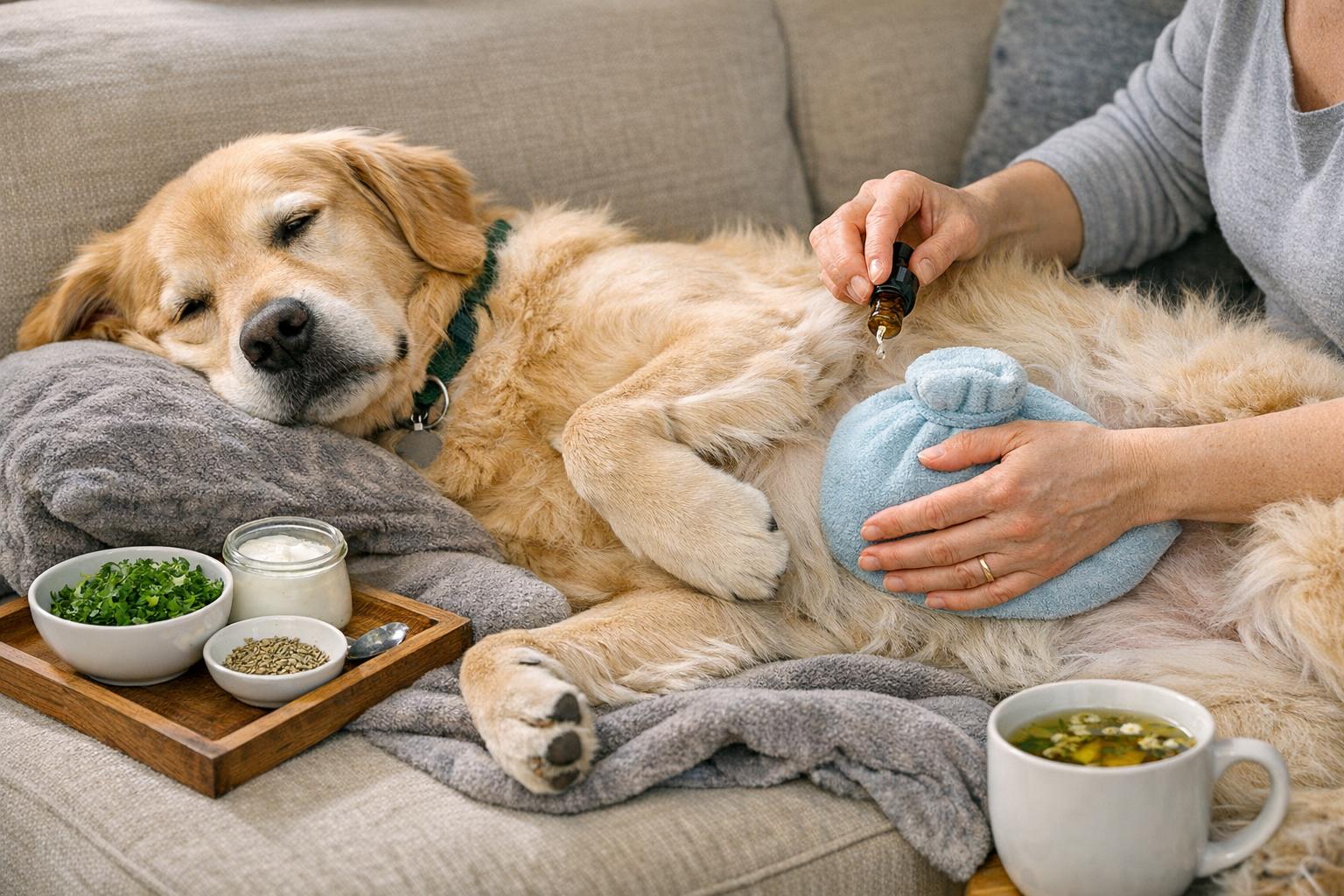
Ginger is antiemetic and chamomile is calming; used carefully, they can help reduce nausea and encourage sipping. This is a supportive dog vomiting and diarrhea treatment, not a replacement for rehydration therapy when needed.
Ingredients / Materials:
– Fresh ginger root or powdered ginger
– Chamomile tea bags (plain chamomile)
– Clean water
– Small pot, strainer, measuring cup
– Dropper or syringe for administering (if needed)
Creation And Application (Formal Instructions):
1. Prepare Chamomile Tea: Steep one chamomile tea bag in 1 cup of boiling water for 5–7 minutes. Allow to cool to lukewarm.
2. Add Ginger: For fresh ginger, slice a ½ inch piece, bruise it and steep in the tea while cooling. For powdered, add a pinch (about 1/8 teaspoon) to the cooled tea.
3. Strain and Cool: Remove solids and ensure the liquid is at room temperature. The final solution should be mild and not strong.
4. Offer Small Amounts: Provide small amounts (1–2 teaspoons for small dogs, up to 1/4 cup for large dogs) to encourage sipping. If the dog will not lap, use a syringe or dropper to slowly administer over several minutes.
5. Frequency: Repeat every 2–4 hours as needed for nausea and to encourage fluids. Do not exceed small, frequent amounts to avoid overloading the stomach.
6. Caution: Do not use this remedy for puppies under 8 weeks, pregnant dogs, or dogs with known allergies to ingredients. If vomiting persists, cease use and consult your veterinarian.
## Monitoring, Red Flags, And When To Escalate Care
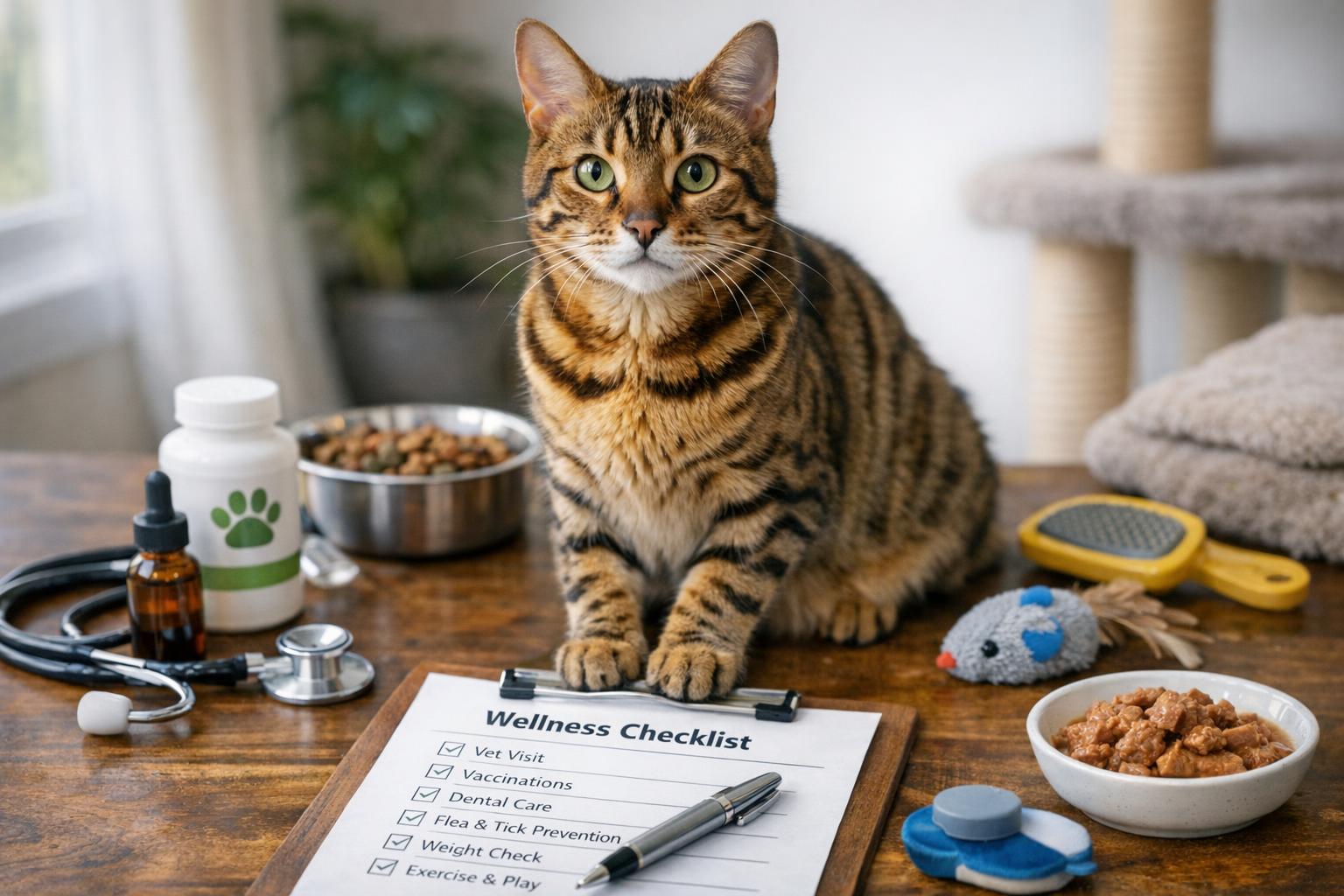
Even the best dog vomiting and diarrhea treatment plan should include careful monitoring. Keep track of:
– Frequency and character of vomiting and stools
– Hydration status (gums, skin tenting)
– Appetite and activity level
– Any new symptoms (giving you more reason to call the vet)
Never rely solely on home remedies if your dog is getting worse. Persistent vomiting, bloody stools, severe lethargy, or inability to hold water are signs for immediate veterinary evaluation. Also be mindful that some conditions (pancreatitis, obstructions, infections, toxins) require professional diagnostics and treatment.
#### Simple Home Hydration Tips
– Offer frequent, small amounts of water rather than free access if vomiting is active.
– Consider an oral rehydration solution (vet-approved) for mild dehydration; avoid human sports drinks without veterinary guidance.
– If your dog refuses fluids or shows signs of severe dehydration, seek veterinary care for possible subcutaneous or intravenous fluids.
## Preventing Future Episodes
For long-term dog vomiting and diarrhea treatment, focus on prevention:
– Keep garbage, toxic foods, and small foreign objects out of reach.
– Transition diets gradually when changing food brands.
– Maintain a consistent feeding schedule and portion control.
– Use probiotics during antibiotic courses or after GI upset (as advised by your vet).
– Regular parasite prevention and routine veterinary check-ups.
A calm, predictable routine and a cautious approach to treats and table scraps can dramatically reduce repeat episodes — and your mop-buying budget.
## Safe Use And Final Considerations
Dog vomiting and diarrhea treatment at home can be effective for mild, short-lived issues, but it is not a substitute for professional care when problems are serious. Use remedies as supportive measures: bland diet, pumpkin/probiotics, and mild anti-nausea botanicals like ginger and chamomile. Keep records of what you try and how your dog responds; this information is extremely helpful to your vet if escalation becomes necessary.
If you ever have doubts, a quick call to your veterinarian or a telemedicine consult can save time and worry — after all, we want your dog back to wagging, not wading through puddles of mystery.





Leave a Reply