

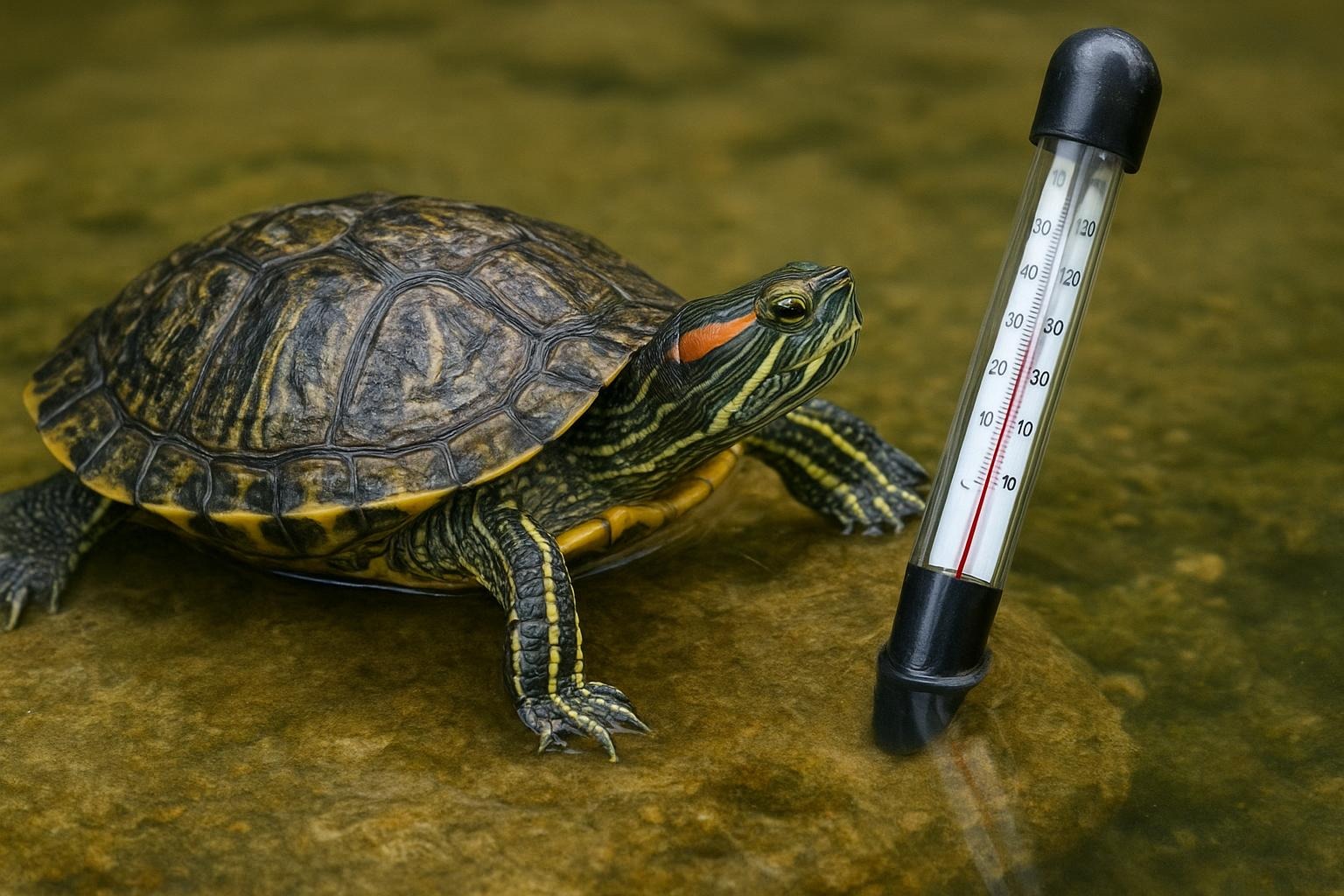
Keeping your red-eared slider comfortable is mostly about water temperature, not trying to teach it how to knit a tiny sweater. Turtles are cold-blooded, which means their body temperature follows the environment — and that includes your tank water. Get the red eared slider turtle water temp right, and you’ll have a more active, healthy shelled roommate. Get it wrong, and you might see slow digestion, suppressed immunity, or shell problems. Let’s walk through the what, why, and how — with practical, safe remedies you can set up at home.
## Red Eared Slider Turtle Water Temp: Ideal Range And Why It Matters
Red-eared slider turtle water temp is the first dial you should check on your care list. The recommended water temperature range varies by age:
– Hatchlings and juveniles: 80–86°F (27–30°C)
– Adults: 75–82°F (24–28°C)
– Basking area (separate warm zone): 88–95°F (31–35°C)
Why that specific range? Temperature affects metabolism, digestion, immune response, and activity. If water is too cold, digestion slows and undigested food can lead to infections; too warm and oxygen levels drop, and bacteria can proliferate. Maintaining consistent red eared slider turtle water temp keeps stress low and appetite regular.
### Signs Your Tank Is Too Cold Or Too Hot
Watch your turtle’s behavior:
– Cold water signs: lethargy, little appetite, sitting on the bottom for long periods, spending more time in hiding.
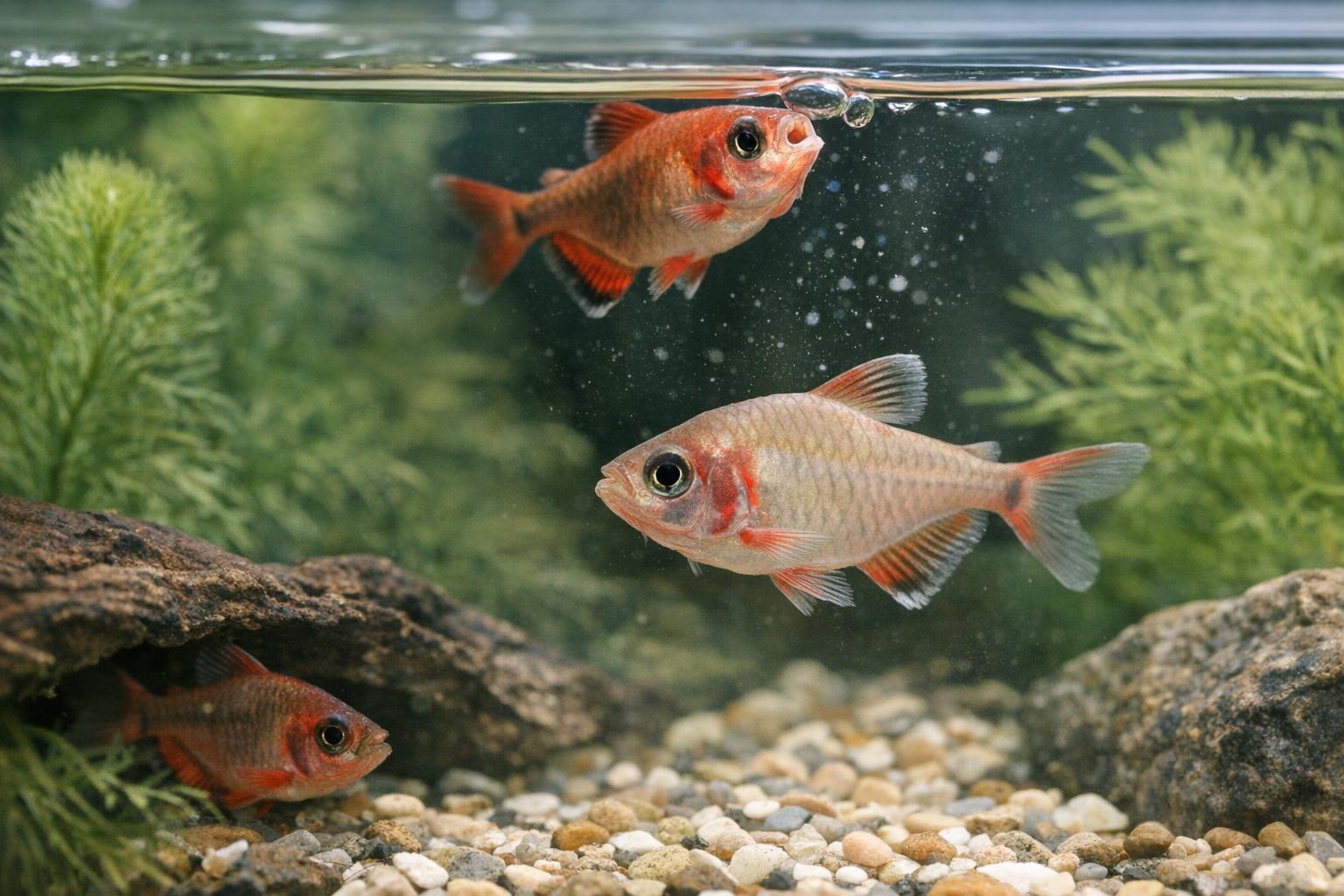
– Hot water signs: rapid surface breathing, constant restlessness, frequent gasping at the surface, unusual skin or shell softness.
Temperature swings are particularly damaging. Use a reliable thermometer and check morning and evening until your system is stable.
## Remedy 1: Proper Heater Setup And Thermostat Control
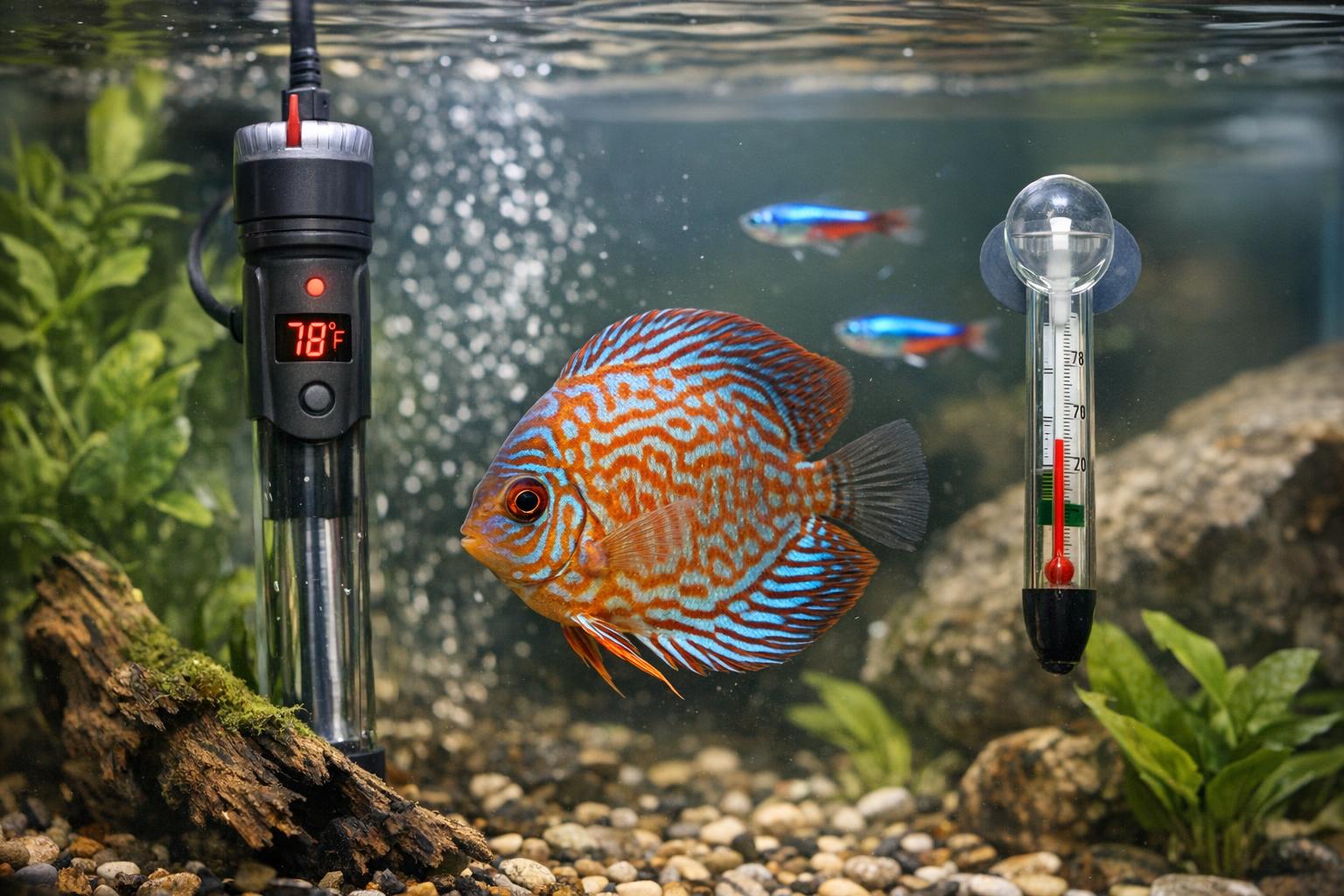
When it comes to fixing red eared slider turtle water temp, a purpose-built aquarium heater and a separate thermostat controller are the most reliable long-term solution. Be formal here: use equipment rated for aquarium use with redundancy and fail-safes.
Materials / Ingredients:
– Submersible aquarium heater rated for tank size (avoid “pond” or “reptile” heat-only devices)
– External thermostat/controller with probe for aquarium use
– Two thermometers (one digital probe and one stick-on as backup)
– Heater guard (if your turtle can reach the heater)
– GFCI outlet (recommended for safety)
Step-By-Step Creation And Application:
1. Choose Heater Size: Calculate heater wattage as roughly 3–5 watts per gallon for typical rooms. For example, a 40-gallon tank needs a 120–200W heater if the ambient room is cool. Check the heater manufacturer specs and select slightly higher wattage for stability.
2. Install Heater Properly: Mount the submersible heater horizontally near a water flow area (filter output) so warm water circulates. Use a heater guard if the turtle can reach it to prevent contact burns.
3. Connect The Controller: Plug the heater into the external thermostat/controller. Place the controller’s probe in the main water column, not in direct contact with the heater, so it measures true tank temperature.
4. Set Target Temperature: Program the controller for the target based on age (e.g., 82°F for juveniles). Set a narrow acceptable band (±1°F). Modern controllers can be set to cut power if temps exceed the upper limit.
5. Add Thermometers: Place one waterproof digital thermometer probe near the probe of the controller and one stick-on thermometer on the glass as a quick read.
6. Test And Observe: Run the system for 24–48 hours while monitoring. Confirm no hot spots or rapid swings. Adjust heater placement if needed for even heat distribution.
Use of a separate thermostat gives two layers of control: the heater’s internal thermostat and the external controller. This redundancy reduces risk of runaway heat or unexpected cooling.
### Recommended Equipment Specs
#### Heater Wattage Guidelines
Match wattage to tank volume and room temp. For large rooms or winter use, opt toward the higher end of the wattage recommendation. Avoid undersized heaters — they’ll run constantly and fail sooner.
#### Thermometer Placement
Place one probe mid-depth and one near the bottom since turtles often sit lower. Don’t rely on stick-on thermometers alone; they show surface temp, which can be misleading.
## Remedy 2: DIY Warmth Boosts And Emergency Fixes
If you need quick fixes or supplemental warmth for red eared slider turtle water temp (say a heater failed or winter hit hard), use cautious, safe DIY methods until the main system is back online.
Materials / Ingredients:
– Large, sealable plastic bottle or zip-seal bags
– Warm water (not boiling)
– Insulating materials: bubble wrap or aquarium-safe polystyrene
– Portable room-safe heater or ceramic space heater (with thermostat)
– Aquarium-safe silicone or tank-safe clips (optional)
Step-By-Step Creation And Application:
1. Create Safe Hot Packs: Fill a large sealable plastic bottle or double-bag a towel in zip-seal bags with warm (not hot) water. Test temperature against your wrist — it should be warm, not scalding.
2. Place Hot Packs Strategically: Place sealed packs inside a large bowl or submerged in a sealed container within the tank’s filtration area. Do not drop loose bags where the turtle can bite or puncture them.
3. Insulate The Tank: Wrap the rear and sides of the tank with bubble wrap to reduce heat loss (avoid covering the top unless ventilation is maintained).
4. Use Room Heating Safely: If room temperature is the cause, run a small ceramic heater with thermostat to raise ambient temperature. Keep the heater away from water and follow all safety precautions.
5. Monitor Closely: Check temperatures every 10–30 minutes while using emergency measures. Replace warm packs as they cool and transition back to your aquarium heater as soon as possible.
These are temporary measures only. Do not use open-flame devices, hot rocks, or chemical hand warmers directly in the water — they can burn or release toxins.
### Winter Care And Nighttime Temperature Drops
Some owners allow a modest night temperature drop, but keep it controlled. A 2–5°F drop at night is acceptable, but do not let water fall below the recommended lower bounds for your turtle’s age. For winter, raise baseline heater settings or add insulation. Always ensure oxygenation and filtration continue — warmer water reduces dissolved oxygen, so use an air pump if temps creep high.
### Common Mistakes To Avoid
– Relying on only one thermometer or the heater’s built-in readout.
– Using reptile basking lamps for water heating (they heat air and create hot spots, not uniform water temp).
– Placing heater where turtle can bump or crack it; always use a guard.
– Overheating to compensate for slow heaters — sudden drops or spikes are harmful.
– Ignoring filtration and aeration when increasing water temp.
Keep a habit of checking your red eared slider turtle water temp daily and recording it for a week whenever you change equipment. Patterns help you spot a failing heater before it becomes an emergency.
### When To Call A Vet Or Specialist
If your turtle shows prolonged lethargy, loss of appetite, shell softening, swollen eyes, or respiratory signs (wheezing, open-mouthed breathing), contact a reptile vet. Temperature management is central to recovery, but medical intervention may also be needed.
If you’re ever uncertain about heater specs or emergency techniques, consult a reptile-savvy vet or experienced aquatics professional before trying risky DIY fixes. Getting red eared slider turtle water temp right is part science, part habit — but absolutely doable with the right equipment and a little vigilance.










Leave a Reply