

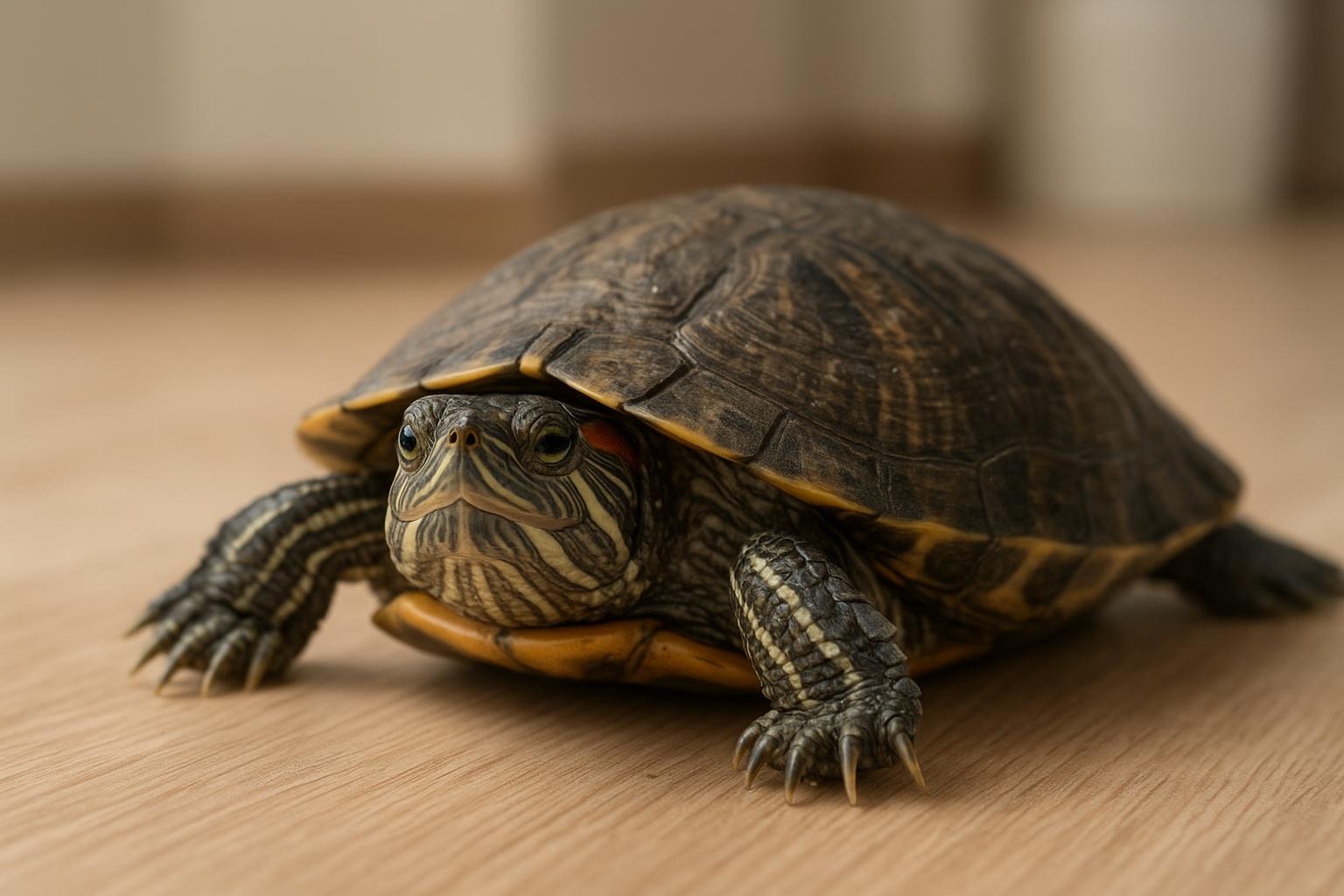
If your shelled roommate seems off, you’re not alone — turtles are masters at subtlety. They don’t bark or meow to tell you they’re having a bad day. Instead they send signals through behavior, appetite, color, and movement. Learning to read those cues makes you a niche kind of hero: a turtle whisperer. Below are clear, practical ways to spot and respond to signs of discomfort so you can help your pet get back to basking contentedly.
## Turtle Stress: Behavioral And Physical Signs
Turtle stress shows up differently than in dogs or cats. Sometimes it’s dramatic (frantic swimming), and sometimes it’s practically whisper-quiet (refusal to eat). Spotting these early can prevent bigger health problems.
– Reduced Appetite Or Refusal To Eat: If your turtle skips more than one normal feeding, that’s enough to raise an eyebrow. Occasional pickiness is normal, but consistent loss of appetite often indicates elevated turtle stress or illness.
– Lethargy And Less Movement: A normally curious turtle that suddenly spends long stretches buried under a rock or listlessly floating is sending a signal.
– Excessive Hiding Or Avoidance: Hiding is normal behavior for security, but if hiding becomes constant and the turtle avoids the basking area it used to love, stress may be the cause.
– Erratic Or Hyperactive Swimming: Pacing the tank edge, continuous surface swimming, or frantic darting can indicate stress from water quality, temperature, or perceived threats.
– Shell Changes: Softening, discoloration, or abnormal growth patterns can be linked to stressors like poor diet, incorrect lighting, or infections.
– Respiratory Signs: Wheezing, open-mouth breathing, or mucus are red flags. These often overlap with stress but require prompt veterinary attention.
– Refusal To Bask Or Disrupted Sleep Cycles: Turtles that won’t use their basking spot or that are active at odd hours may be uncomfortable with tank conditions.
– Strange Posturing Or Abnormal Gait: If a turtle is tilting, dragging, or showing limb weakness, stress could be a symptom of underlying disease or injury.
## Why Turtle Stress Happens
Understanding what causes turtle stress helps you fix it faster. Many causes are environmental and reversible; some are medical and require a pro.
### Water Quality And Filtration Problems
Dirty, ammonia-rich water is one of the fastest ways to create stress. Turtles are messier than fish and need robust filtration. Poor water leads to skin irritation, increased disease risk, and behavioral changes.
### Temperature And Lighting Issues
Turtles need stable water and basking temperatures plus UVB lighting for shell and bone health. Too low or too high a temperature, or inadequate UVB exposure, causes metabolic problems and stress.
### Overhandling Or Inappropriate Handling
Turtles don’t appreciate being lugged around for long photo sessions. Frequent, rough, or shy-handed handling elevates stress hormones and makes them avoidant.
### New Environment Or Tank Mates
Moving to a new tank, sudden rearrangements, or incompatible tank mates (including aggressive fish or other turtles) trigger stress responses.
### Diet And Nutritional Deficiencies
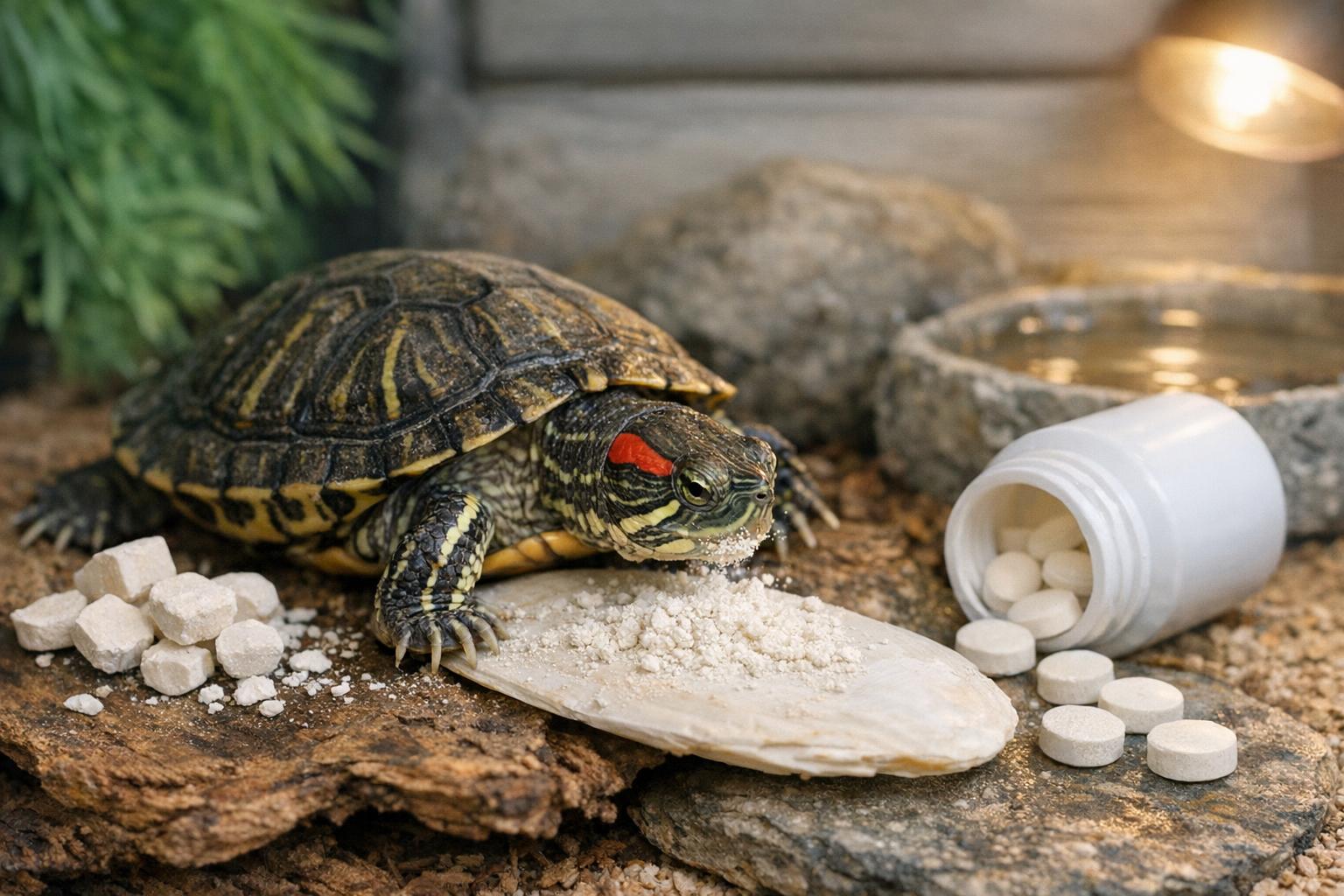
An imbalanced diet lacking calcium or vitamin D3 can cause shell issues and weaken the immune system, increasing stress vulnerability.
### Illness Or Parasites
Sometimes “stress” is a symptom, not the primary problem. Infections, parasites, or injuries will make a turtle act stressed. When in doubt, consult a vet.
## When To Seek Veterinary Help
If you see respiratory symptoms, discharge from nose or mouth, severe lethargy, open wounds, or dramatic shell changes, call your reptile veterinarian. These can indicate conditions that need antibiotics, surgery, or professional diagnostics. Don’t wait for the behavior to “maybe get better.”
## Remedy 1: Quick Tank Fix To Reduce Turtle Stress
This first remedy is for immediate environmental improvements you can implement in a single cleaning session. It’s practical, evidence-based, and should be followed precisely.
Ingredients / Materials:
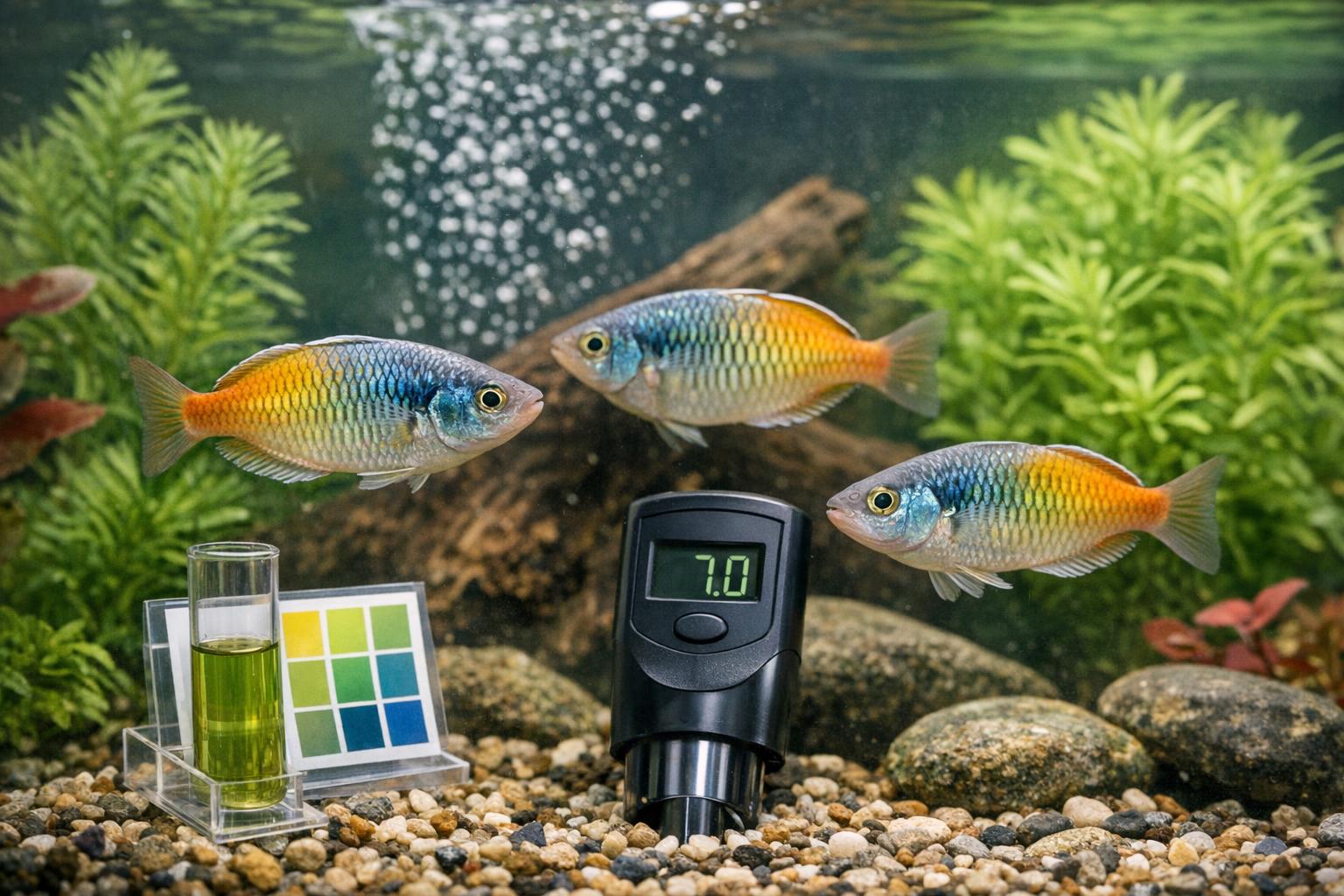
– Aquarium water test kit (pH, ammonia, nitrite, nitrate)
– Aquarium-grade water conditioner/dechlorinator
– Gravel vacuum or siphon
– Biological filter rated for turtle tanks
– Replacement UVB bulb and basking bulb (if older than 6-12 months)
– Thermometer for water and basking area
– Baking soda (if pH adjustment is needed and advised by tests)
– Clean, dechlorinated water at proper temperature
Step-by-Step Creation And Application:
1. Test the water: Use the kit to check ammonia, nitrite, nitrate, and pH. Record values and compare to safe ranges (ammonia and nitrite at 0 ppm, nitrate ideally under 40 ppm, pH species-dependent but stable).
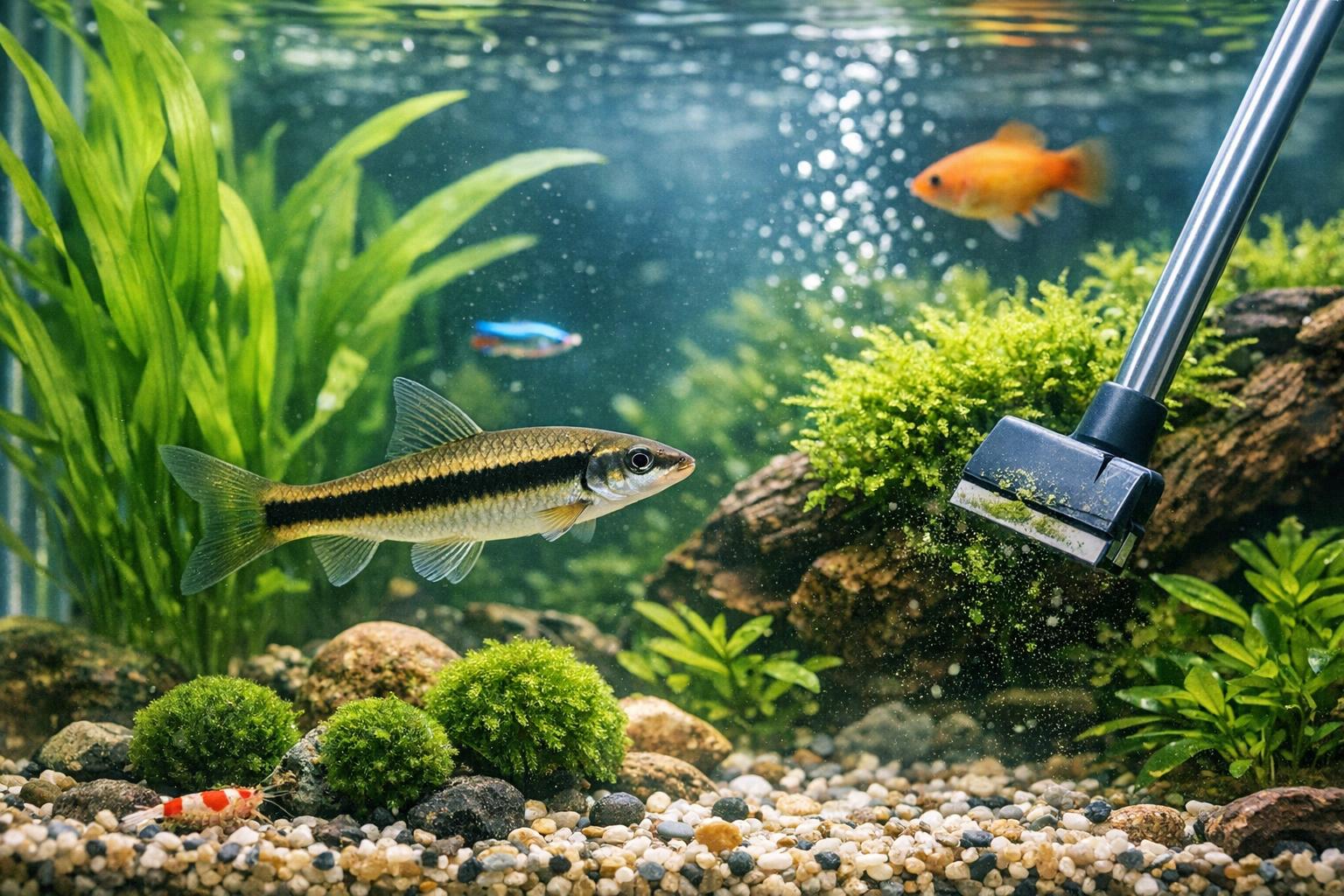
2. Partial water change: Siphon 25–50% of the tank water using the gravel vacuum to remove detritus and waste. Replace with dechlorinated water warmed to the tank’s temperature to avoid shocking the turtle.
3. Condition the water: Add aquarium water conditioner per product instructions to neutralize chlorine/chloramines and heavy metals.
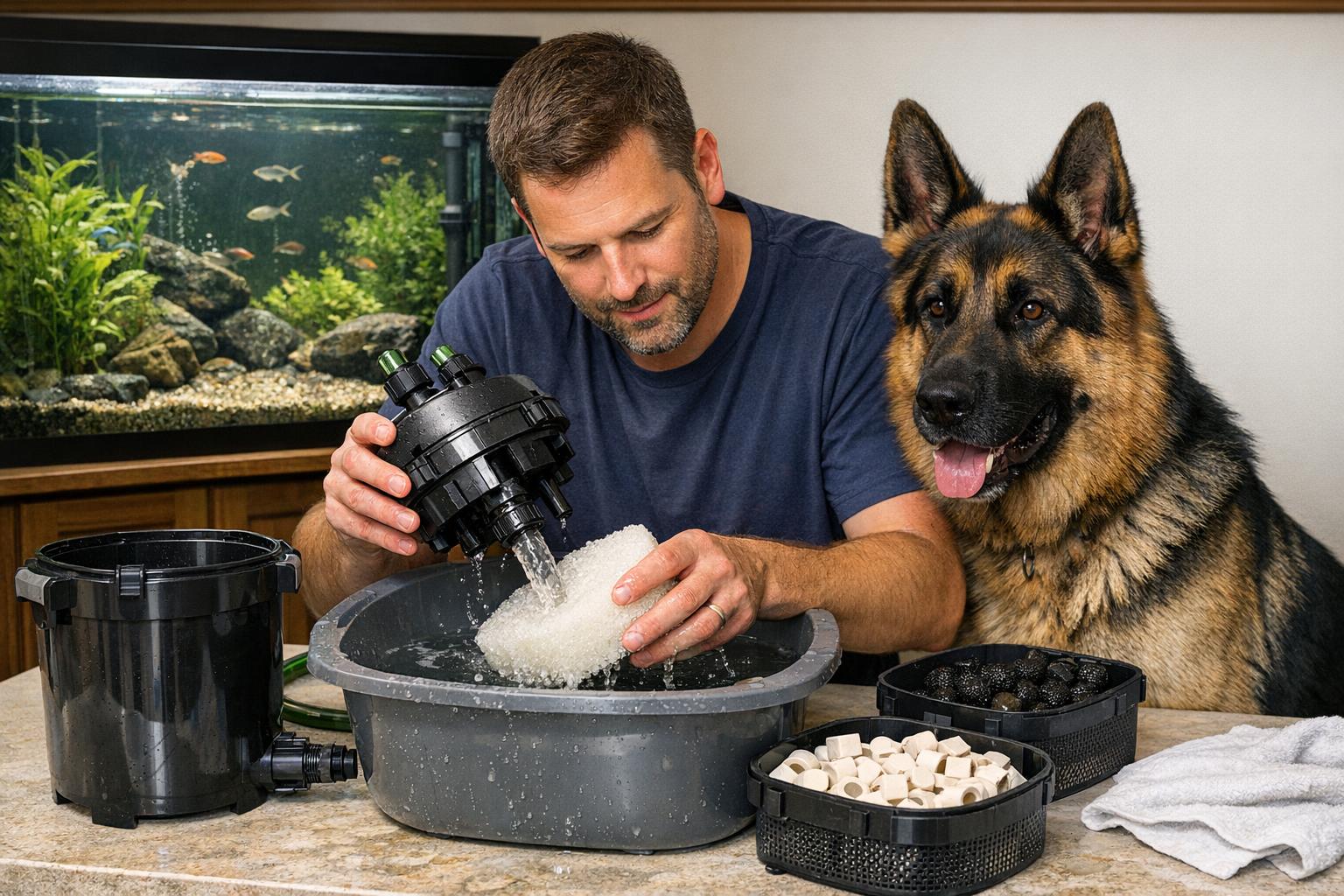
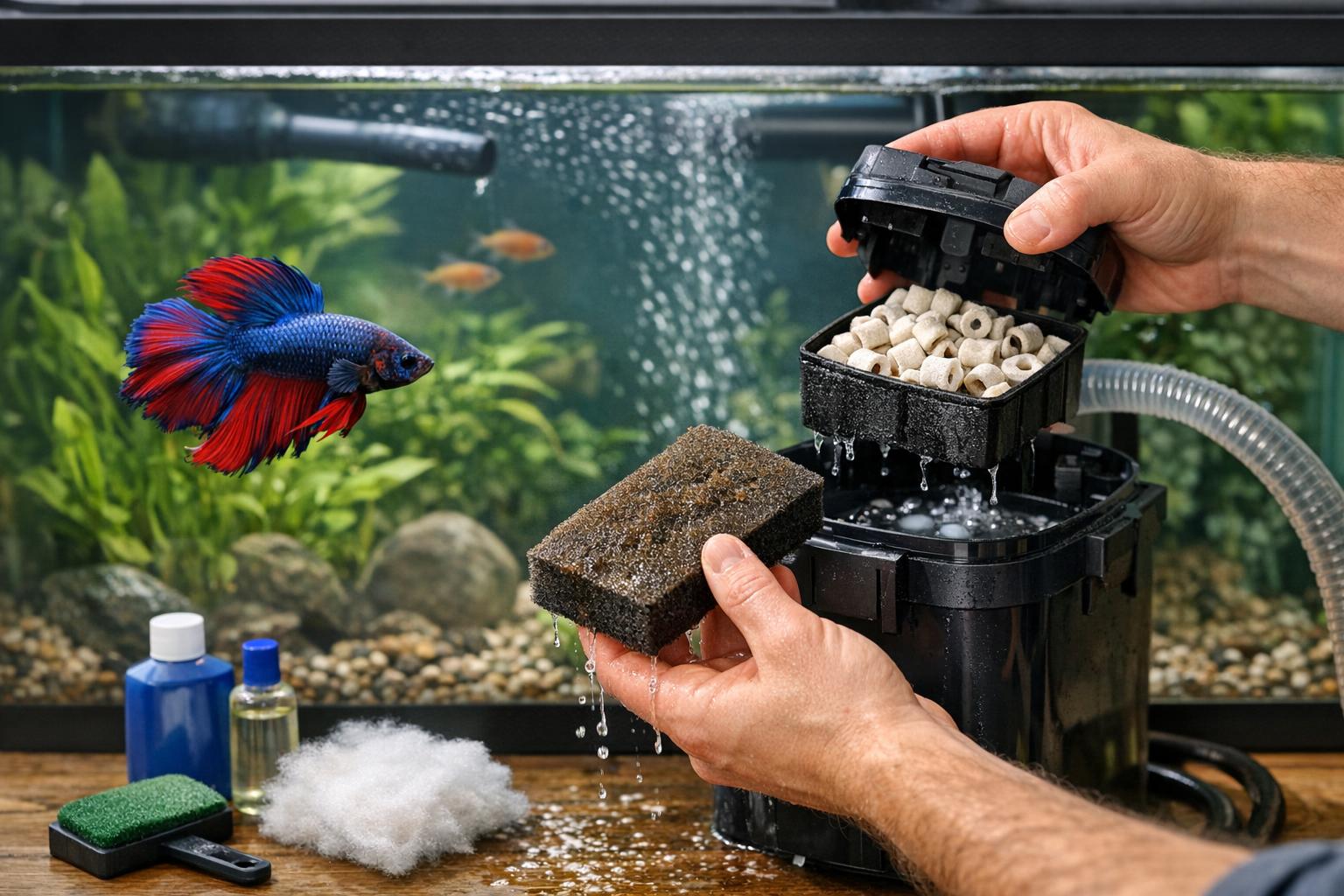
4. Inspect and upgrade filtration: Clean the filter media gently in tank water (not tap water) and ensure the filter flow is adequate. Replace the filter if undersized — turtles need higher-capacity filters than fish.
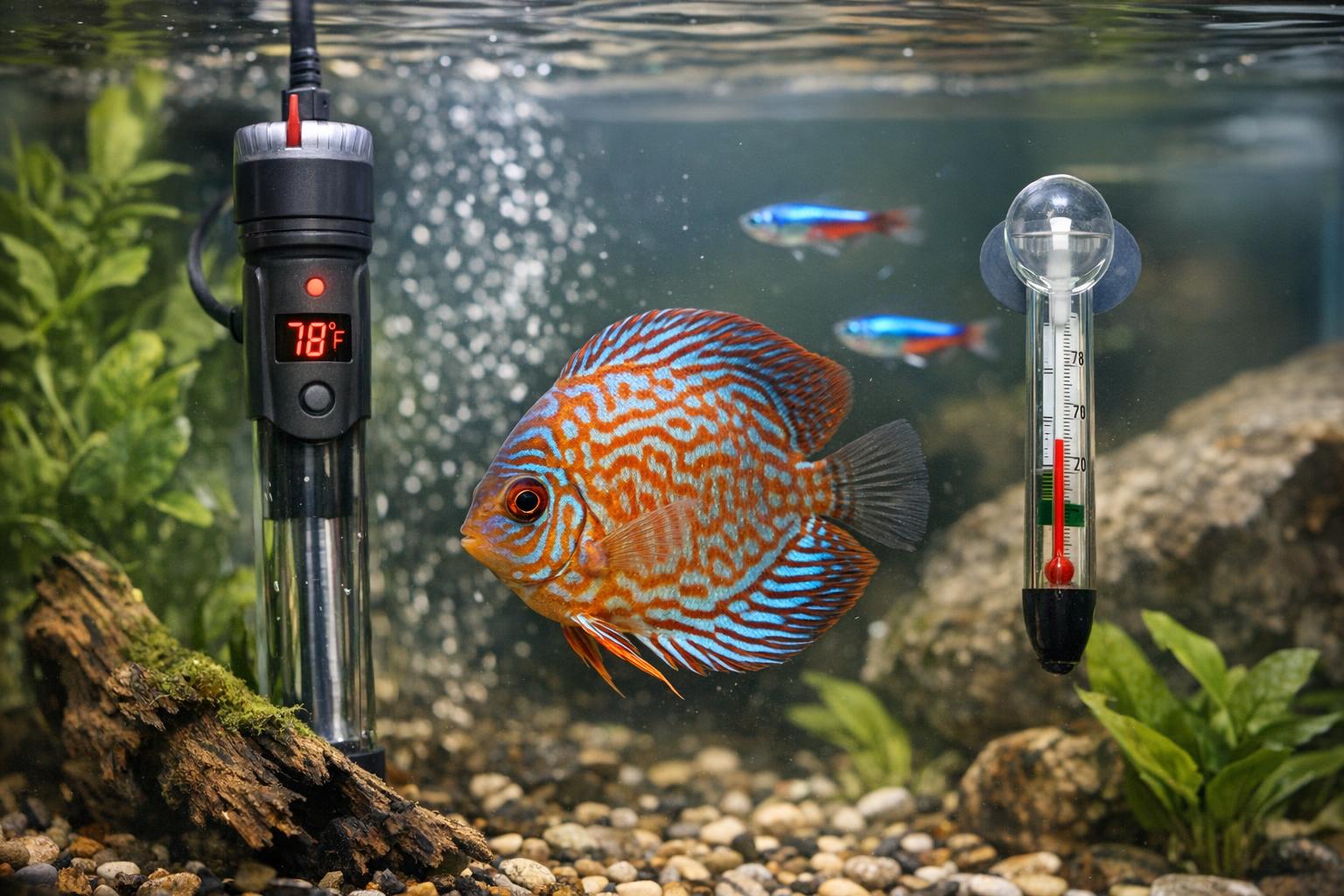
5. Check lighting and temperature: Replace UVB and basking bulbs if older than recommended. Position bulbs to create a basking spot temperature appropriate for your species (use thermometer).
6. Stabilize the environment: Avoid rearranging decor during this immediate fix; consistency reduces stress.
7. Monitor for 48–72 hours: Watch behavior and appetite. If no improvement or if symptoms worsen, contact your veterinarian.
## Remedy 2: Soothing Quarantine And Hydration Soak (For Mild Stress Or Recovery)
This remedy is for turtles recovering from mild illness, stress due to handling, or environmental shock. It focuses on low-stress isolation and gentle rehydration.
Ingredients / Materials:
– Clean plastic tub or quarantine tank (large enough to turn comfortably)
– Dechlorinated water at shallow depth (about shell height when turtle sits)
– Aquarium thermometer
– Towels and a quiet, low-traffic space
– Soft sponge or cloth (optional for gentle cleaning)
– Vet-recommended electrolyte solution (only if advised by a vet)
– UVB and heat source nearby (if soak is prolonged beyond 30 minutes)
Step-by-Step Creation And Application:
1. Prepare the quarantine tub: Place the tub in a quiet room away from noise and pets. Fill with dechlorinated water warmed to the turtle’s preferred temperature. Water should be shallow — the turtle must be able to lift its head easily to breathe.
2. Monitor temperature: Use the thermometer and maintain stable warmth. Avoid rapid cooling or heating.
3. Gentle soak: Place the turtle in the tub for 20–30 minutes once or twice daily. This helps hydration, encourages mild activity, and can soothe minor shell debris or superficial irritations.
4. Cleaning if necessary: If the turtle has visible dirt or soft fecal matter on the shell, gently rub with a soft sponge while in the tub. Do not use soaps or human cleaning agents.
5. Provide quiet recovery: After soaking, place the turtle back into a clean, stable main tank or quarantine habitat with proper basking and UVB lighting. Limit handling for at least 48 hours.
6. Use electrolytes only with vet approval: If dehydration is severe or if the turtle is weak, consult your vet before adding any oral rehydration solutions.
7. Track improvements: Keep a log of appetite, activity, and fecal output. If no steady improvement within a few days, seek veterinary care.
### Handling Tips To Reduce Future Turtle Stress
– Approach slowly and support the turtle’s body when handling.
– Limit handling to short, necessary periods.
– Maintain a consistent feeding and cleaning schedule to build routine comfort.
– Use a secure lid and minimize sudden movements around the tank to reduce perceived threats.
### Environmental Enrichment Without Stress
Small changes can boost wellbeing without causing disruption. Add a few hiding spots, a stable basking platform, and a variety of safe foods to encourage natural foraging. Rotate decor slowly if needed so changes aren’t shocking.
### Monitoring And Prevention
Regular water testing, scheduled partial water changes, periodic light and bulb checks, and a balanced diet are the best long-term defenses against turtle stress. Keep a simple chart of water parameters and feeding habits — this makes spotting deviation easier and faster.
If any of the remedies above seem unclear or your turtle’s condition worsens, a reptile veterinarian is the fastest route back to health. Time, patience, and a steady hand are your best tools when dealing with an anxious shelled friend — and a little TLC goes a very long way.








Leave a Reply