



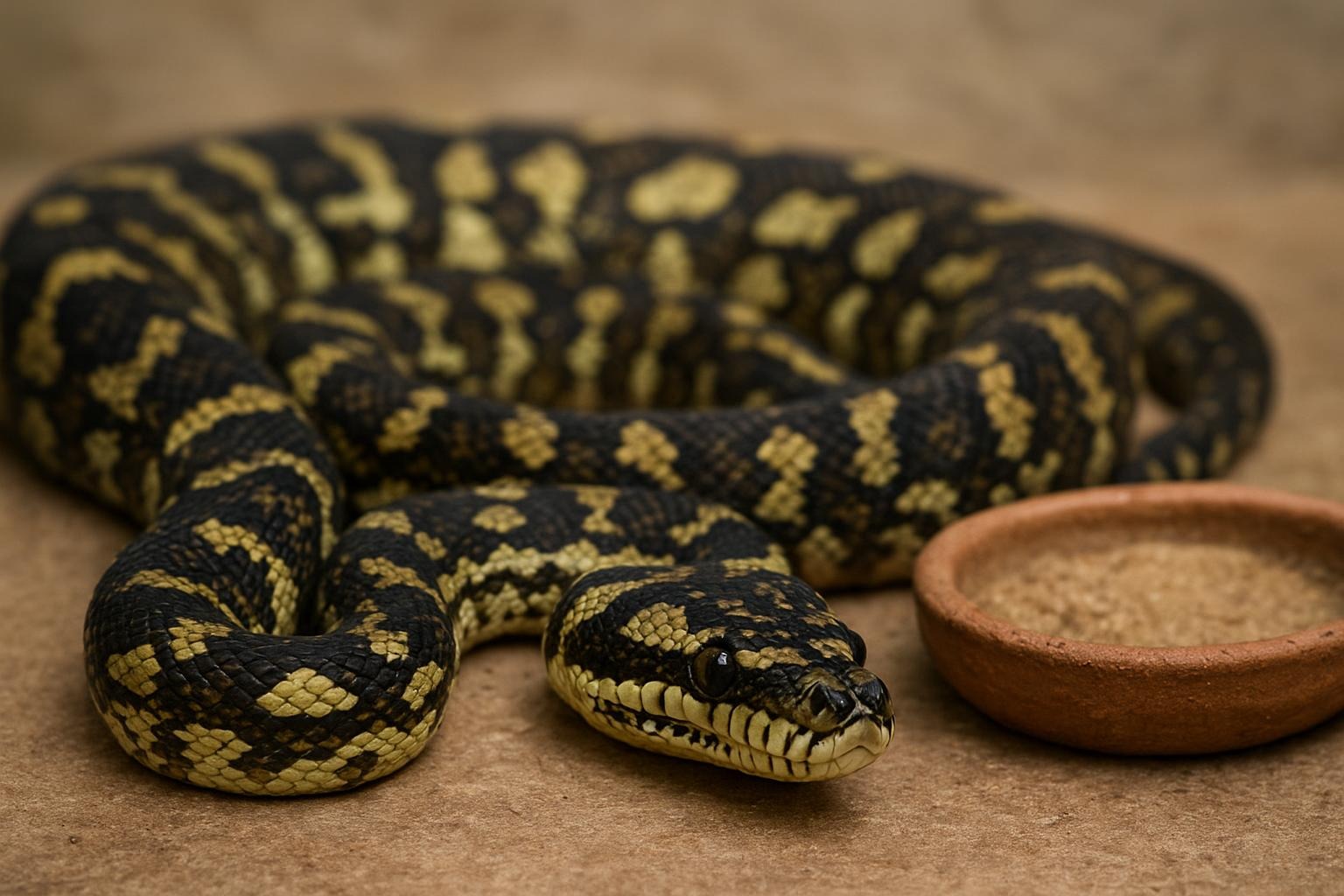
If your snake has been acting like a shy roommate who never answers texts, it might be trying to tell you something. Reptiles don’t vocalize worry the way dogs do, but they do show clear signs when things aren’t quite right. Below are practical signs to watch for, common causes, and three simple, evidence-based home remedies you can try to ease snake stress — with materials and step-by-step instructions so you don’t have to guess.
## Snake Stress: What To Watch For
Snakes mask discomfort well, but persistent changes in behavior or health often point to snake stress. The subtlety is why many owners miss the early signs. Keep an eye on patterns rather than one-off quirks.
### Common Behavioral Signs
– Refusing food for longer than normal, especially outside of shedding cycles.
– Hiding constantly or, conversely, pacing or repeatedly scraping against the enclosure.
– Increased defensive behavior: striking, hissing, or tail rattling that’s out of character.
– Restlessness, exploring during the day for nocturnal species, or unusual activity times.
### Physical And Health Indicators
– Poor shedding: incomplete sheds or stuck eye caps.
– Weight loss or visible spine/ribs.
– Respiratory issues: wheezing, open-mouth breathing, or mucus.
– Skin lesions, mites, or unusual odors from the enclosure.
## Why Snake Stress Happens
Understanding causes helps target the remedy. Here are the most frequent stressors.
### Environment And Husbandry Mistakes
Incorrect temperature gradients, humidity levels, inadequate hides, and too-bright lighting are top culprits. Snakes need reliable microclimates to thermoregulate and feel secure.
### Handling, Social, And Routine Factors
Excessive or rough handling, frequent habitat disturbances, or abrupt changes (new décor, new tank location) can provoke stress. Even well-meaning frequent checks can be overwhelming.
### Health And Dietary Issues
Parasites, infections, or improper feeding (wrong prey size or schedule) create chronic stress. Undetected illness is a common underlying factor when behavior changes suddenly.
## Remedy 1: Improve Habitat And Hide Options
Materials:
– Two durable hides (one on the warm side, one on the cool side). Options: commercially available reptile hides, ceramic pots with entrance cutouts, or sturdy plastic boxes.
– Substrate suited to species (paper towel for quarantine, aspen or coconut fiber for others).
– Thermometer/hygrometer (digital with probe preferred).
– Thermostat-controlled heat source (under-tank heater or ceramic heat emitter).
– Dim shelter plants or non-toxic décor for additional cover.
Step-by-Step Creation And Application:
1. Evaluate Current Setup: Measure temperatures at the warm and cool ends and record humidity for 24 hours. Document daily fluctuations during active periods.
2. Position Hides: Place one hide directly over the warm spot and one on the cool side. Ensure hides have snug entrances — too large an opening reduces security.
3. Adjust Substrate: Replace substrate if damp, moldy, or irritating. Use species-appropriate bedding depth to allow for burrowing species.
4. Stabilize Temperatures: Program the thermostat to maintain a daytime warm spot within species-specific range and a cooler area 10–15°F lower. Avoid large nocturnal drops unless species requires it.
5. Observe And Record: Over the next 7–14 days, log feeding interest, hiding behavior, and activity. Reduced pacing and more normal feeding indicate reduced snake stress.
Notes: Security and predictable microclimates are often the single most effective immediate fix for habitat-related stress. Providing two hide options mimics natural refuges and lets the snake choose its comfort zone.
## Remedy 2: Temperature And Humidity Optimization
Materials:
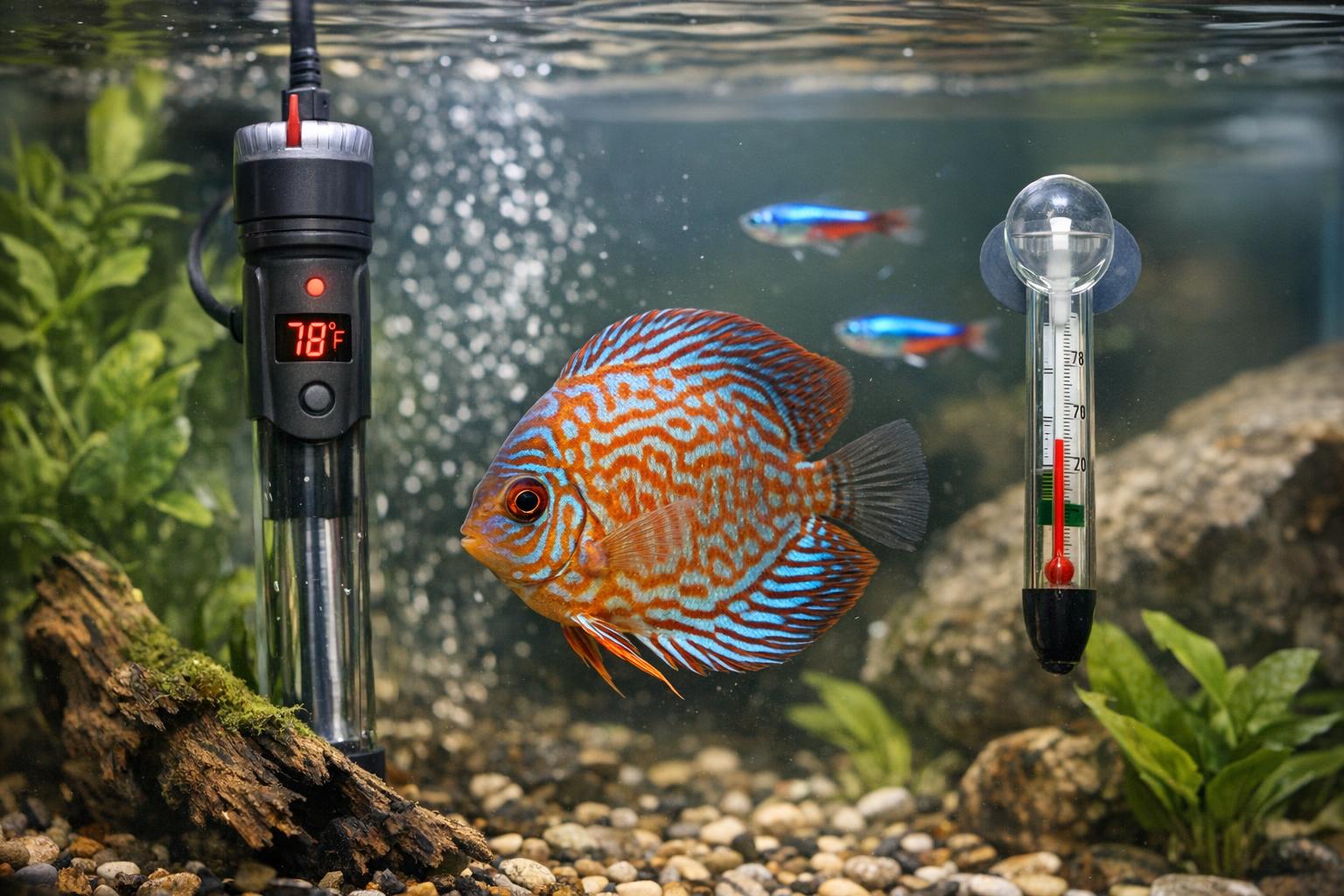
– Digital thermometer with probe for hot spot and cool side.
– Digital hygrometer.
– Thermostat with safety cut-off.
– Heat source suited to enclosure (under-tank heater, ceramic heat emitter, or heat tape).
– Misting bottle or humid hide materials (damp sphagnum moss, sealable plastic hide container).
Step-by-Step Creation And Application:
1. Research Species Requirements: Confirm optimal temp range and humidity for your snake’s species from reputable care sheets or veterinary sources.
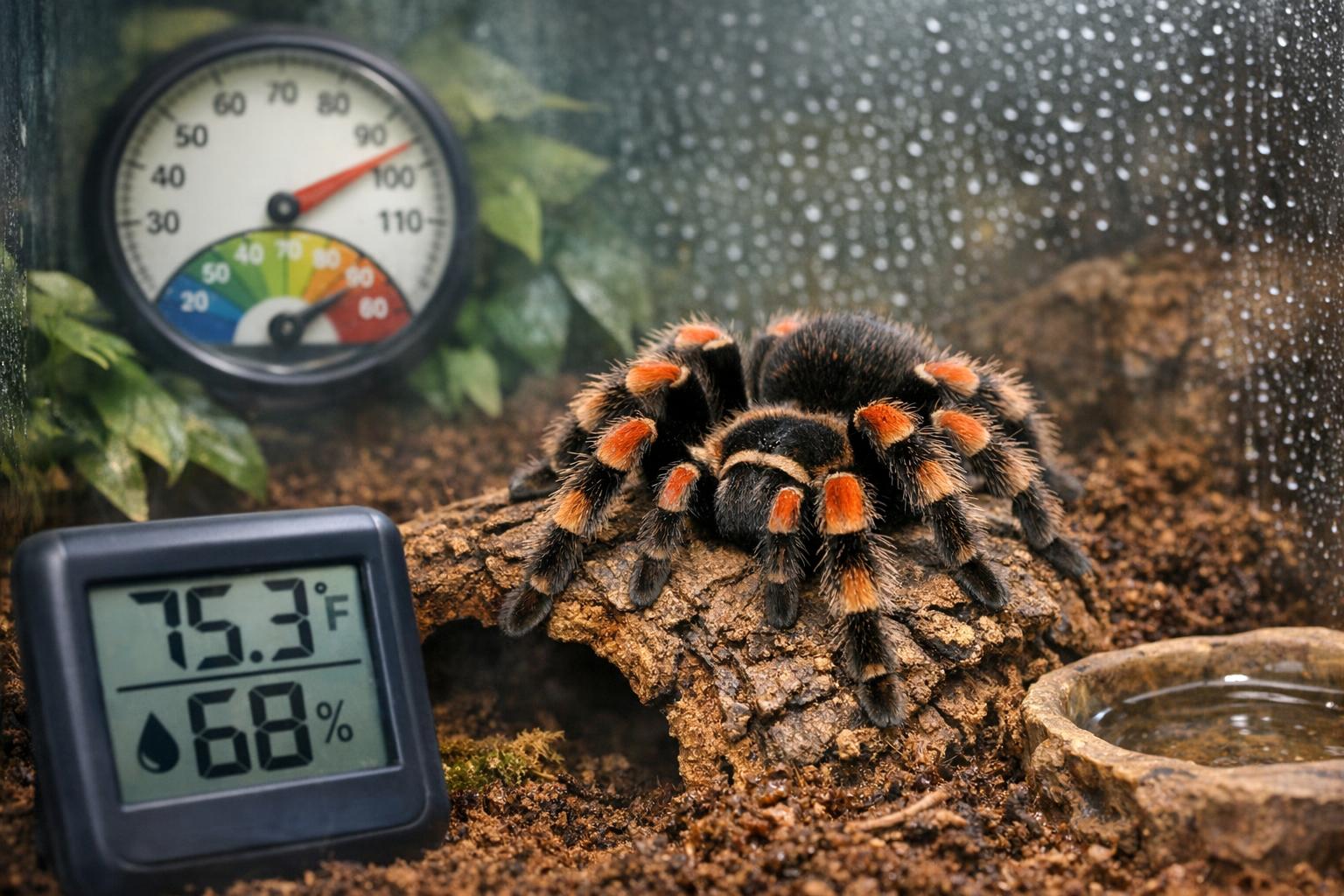
2. Install Monitoring Tools: Place temperature probes at the hot spot and cool side; hygrometer at midpoint height. Calibrate if necessary.
3. Adjust Heat Carefully: Connect the heat source to a reliable thermostat. Set the thermostat to maintain the species’ recommended high-end daytime temperature at the hot spot. Avoid direct contact between heat elements and substrate or décor.
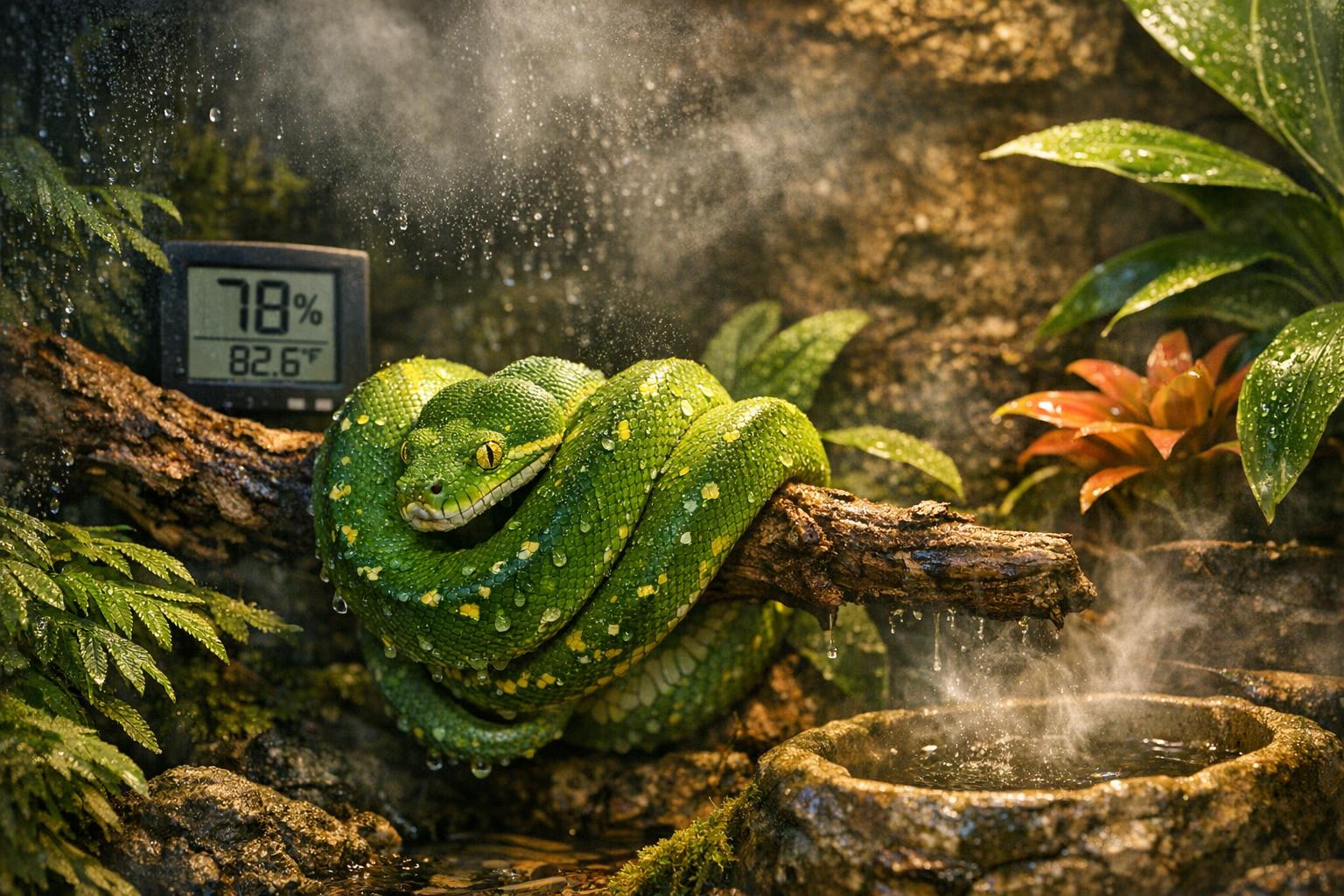
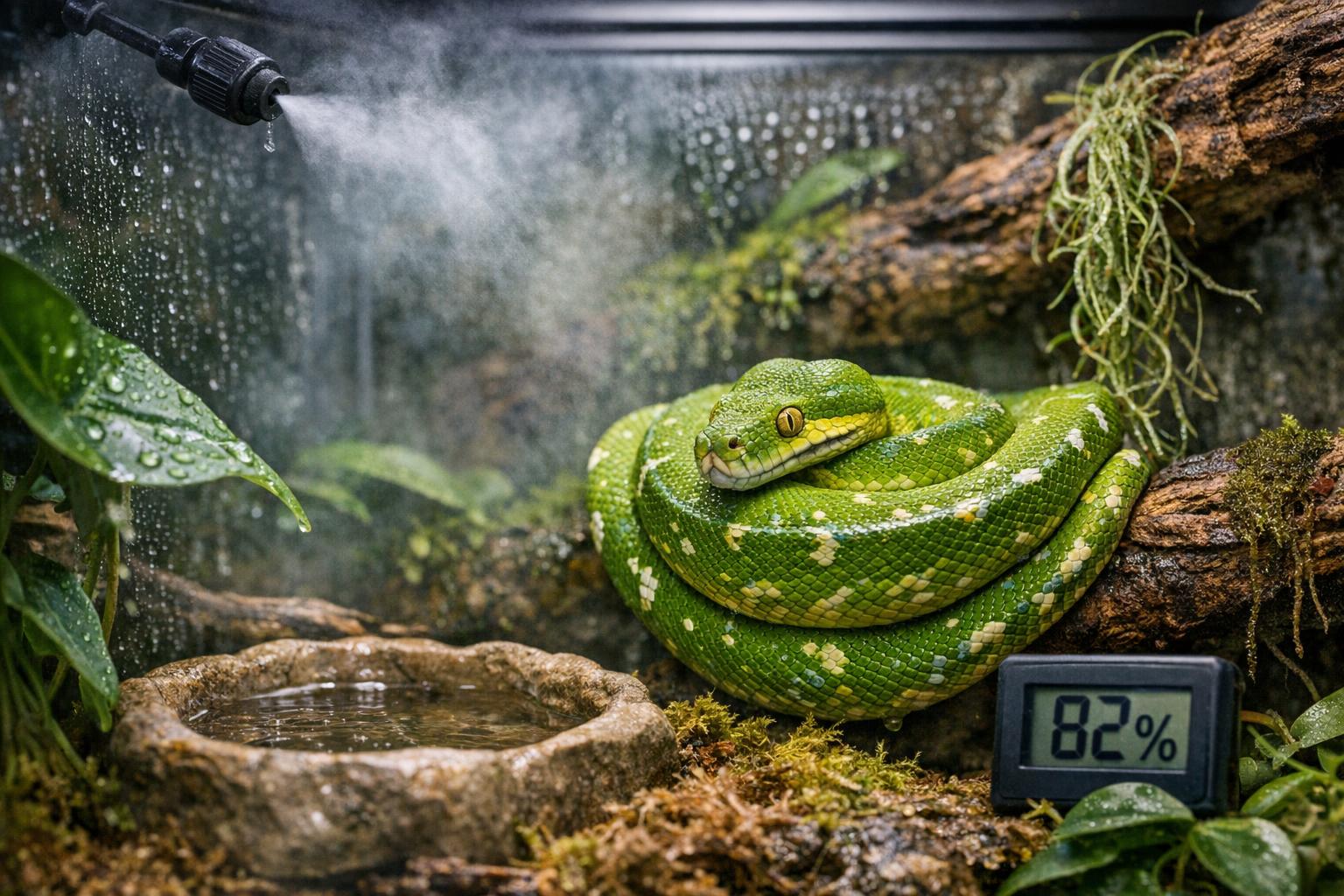
4. Manage Humidity: For species needing higher humidity, create a humid hide by placing damp sphagnum moss into a sealable hide box. Check moisture daily and refresh as needed. For arid species, ensure low humidity by increasing ventilation.
5. Monitor Over Time: Keep a daily log of temperatures, humidity, feeding, and shedding quality for two weeks. Proper thermal gradients and humidity typically reduce stress-related behaviors such as refusal to eat and problematic shedding.
Notes: Fluctuations and extremes are stressful. Precise control, not guesswork, is essential — snakes don’t do well with mood swings in their enclosure climate.
## Remedy 3: Gentle Handling Routine And Enrichment
Materials:
– Soft towel for transport (if needed).
– Feeding tongs for safe prey presentation.
– Non-toxic branches, hides, and substrate pieces for enrichment.
– Quiet, dim area for interaction that replicates the snake’s active period.
Step-by-Step Creation And Application:
1. Limit Handling Frequency: For stressed snakes, reduce handling to essential tasks only (feeding, cleaning) for 1–2 weeks. Avoid handling during shedding or immediately after feeding.
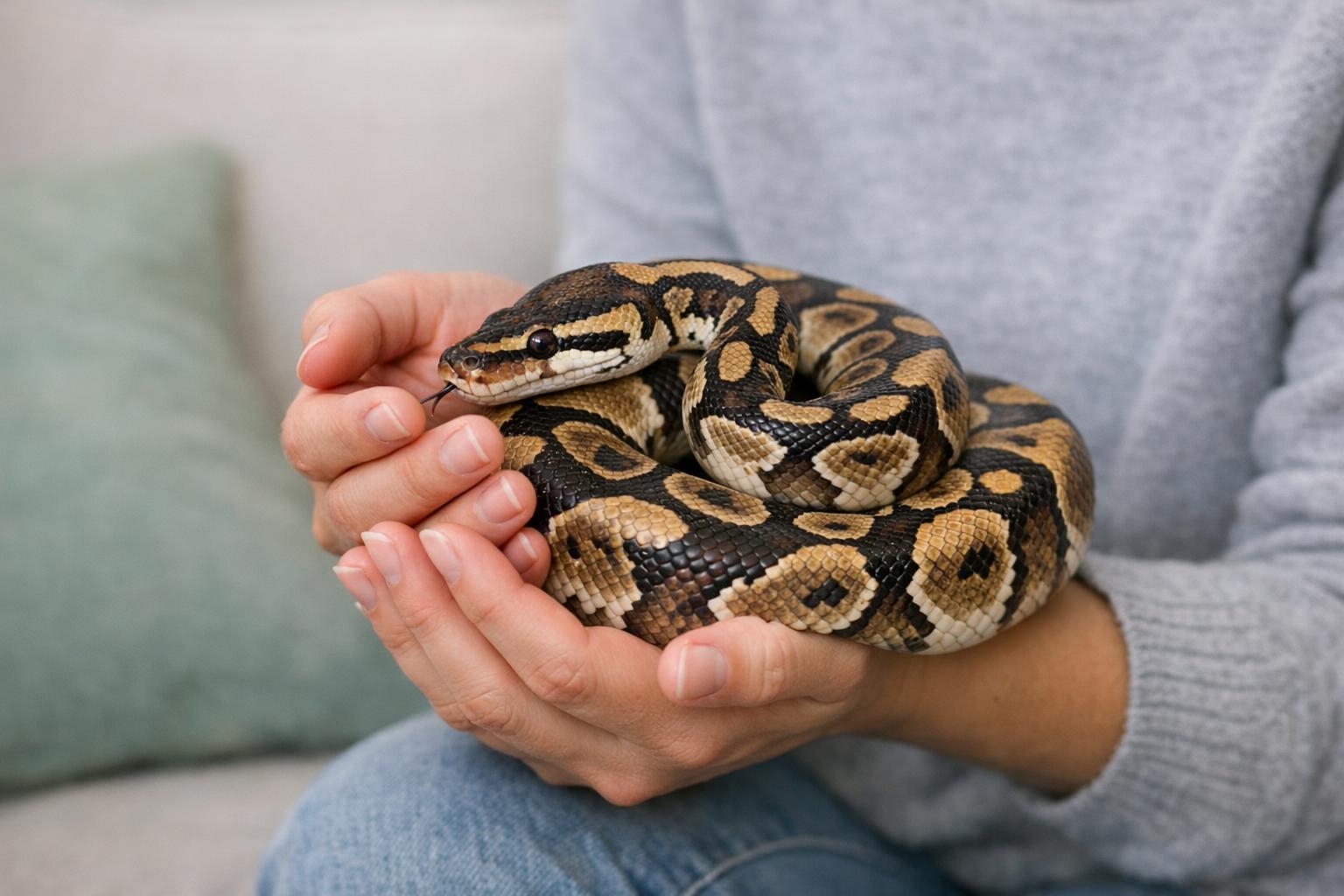
2. Implement Controlled, Short Sessions: When reintroducing handling, keep sessions under 10–15 minutes and at times matching the snake’s natural activity. Approach calmly and from the side, supporting the body fully.
3. Use Positive Feeding Techniques: Present food with tongs to encourage natural striking behavior while limiting stress associated with human scent on prey. Return uneaten prey after an appropriate interval to avoid stress from failed hunts.
4. Add Environmental Enrichment: Rotate décor every 2–4 weeks to provide novel but non-threatening stimulation. Add branches for climbing or additional hides to encourage natural behaviors.
5. Monitor Response: Track changes in defensive posturing, feeding, and exploration. If handling continues to increase defensive strikes or refusal to eat, immediately return to minimal handling and reassess environment.
Notes: The goal is predictability. Snakes thrive on routine; predictable handling schedules and limited novelty reduce snake stress significantly.
## When To Seek Veterinary Help
Any persistent signs of illness — open-mouth breathing, consistent weight loss, visible wounds, or prolonged refusal of food beyond normal fasting periods — warrant a reptile-savvy veterinarian visit. If home-remedy adjustments fail to reduce stress indicators over 2–4 weeks, professional diagnostics (parasite screening, cultures, radiographs) may be necessary.
### Transport And Pre-Vet Checklist
– Keep the snake in a secure, appropriately-sized transport container with a hide and safe heat pack if cold.
– Bring a recent husbandry log: temperatures, humidity, feeding schedule, and any behavior changes.
– If you suspect poisoning or severe respiratory distress, contact a vet immediately rather than attempting prolonged home treatments.
## Monitoring And Long-Term Care Tips
Small, consistent record-keeping pays off. Keep a simple notebook: temps, humidity, feedings, shedding, and odd behaviors. Gradual habitat refinements are preferable to big, sudden changes. Remember, your snake’s idea of good company is predictable and quiet — which is also perfect for the introverted among us.
A pinch of patience, the right hide, steady temps, and respectful handling go a long way to undoing snake stress. If you follow the steps above and keep a keen eye, most issues resolve without drama — and your snake will likely forgive your previous enthusiasm for redecorating the tank.











Leave a Reply