

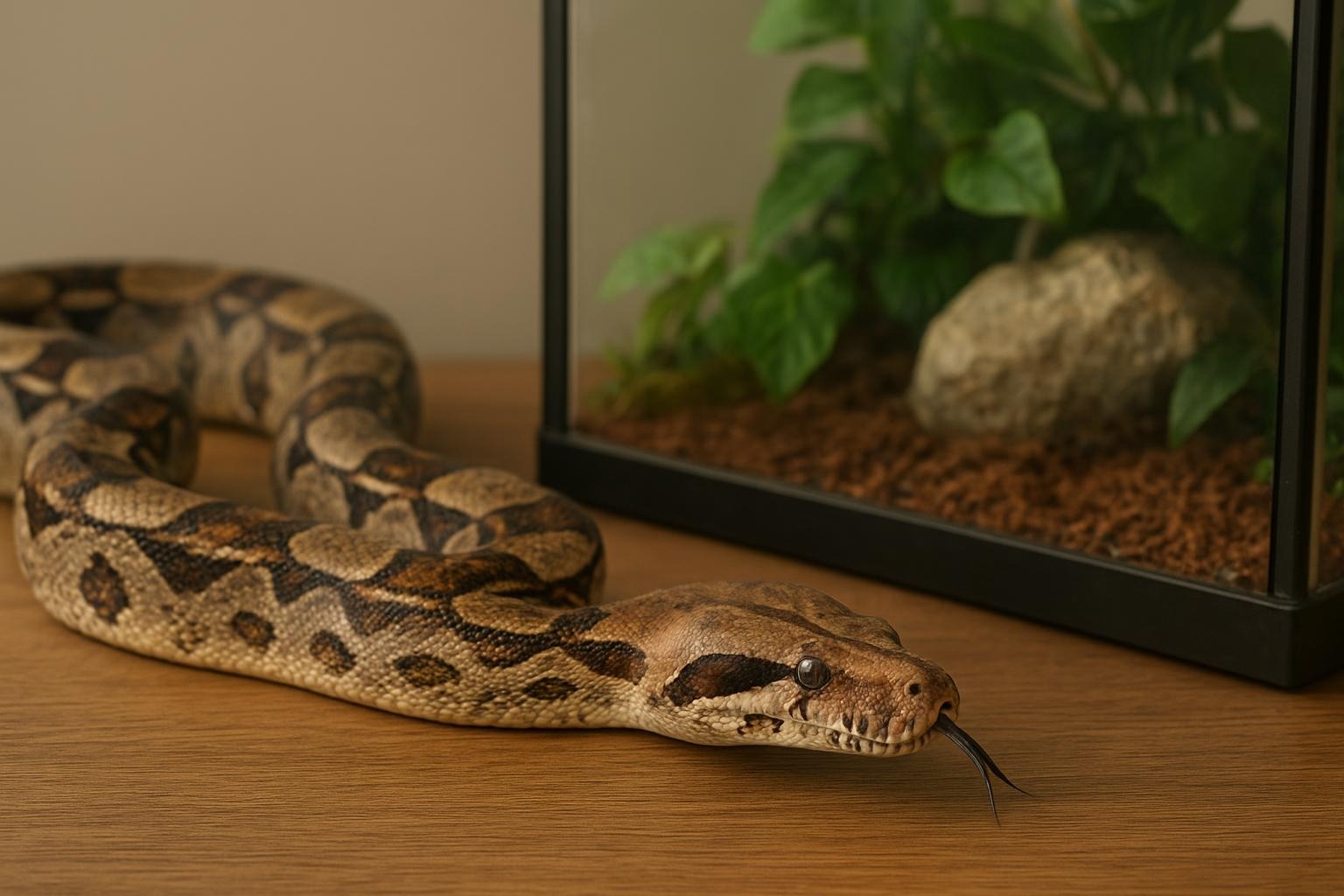
If you’re reading this, you probably have a beautiful, slow-moving roommate who’s more into tight hugs than cuddles — and you want to make sure you’re doing right by them. Boa constrictor care is not rocket science, but it does require attention, consistency, and a little patience (and maybe fewer sudden movements). This guide is relaxed, friendly, and just nerdy enough to help you set up a safe, comfortable life for your boa without turning your living room into a terrarium shrine.
## Boa Constrictor Care: Enclosure, Heat, And Humidity
A healthy boa needs a thoughtfully arranged home. The enclosure is their whole world, so size, heating, and humidity matter.
### Enclosure Size And Layout
Adult boas need space. A rule of thumb: length of enclosure should be at least two-thirds of the snake’s length for basic movement, but larger is better. Provide sturdy hiding spots at both warm and cool ends of the enclosure. Branches and ledges for climbing are appreciated — boas are semi-arboreal when young and enjoy some vertical space.
### Temperature Gradient
Maintain a gradient so your boa can thermoregulate:
– Warm side: 88–92°F (31–33°C).
– Cool side: 78–82°F (25–28°C).
Nighttime drops of a few degrees are acceptable but avoid sudden or extreme changes. Use thermostats and reliable probes rather than guessing by feel.
#### Heat Sources And Safety
Use under-tank heaters, ceramic heat emitters, or heat pads paired with a thermostat. Avoid loose heat rocks. Secure cords and protect heat elements to prevent burns.
### Humidity Targets And Control
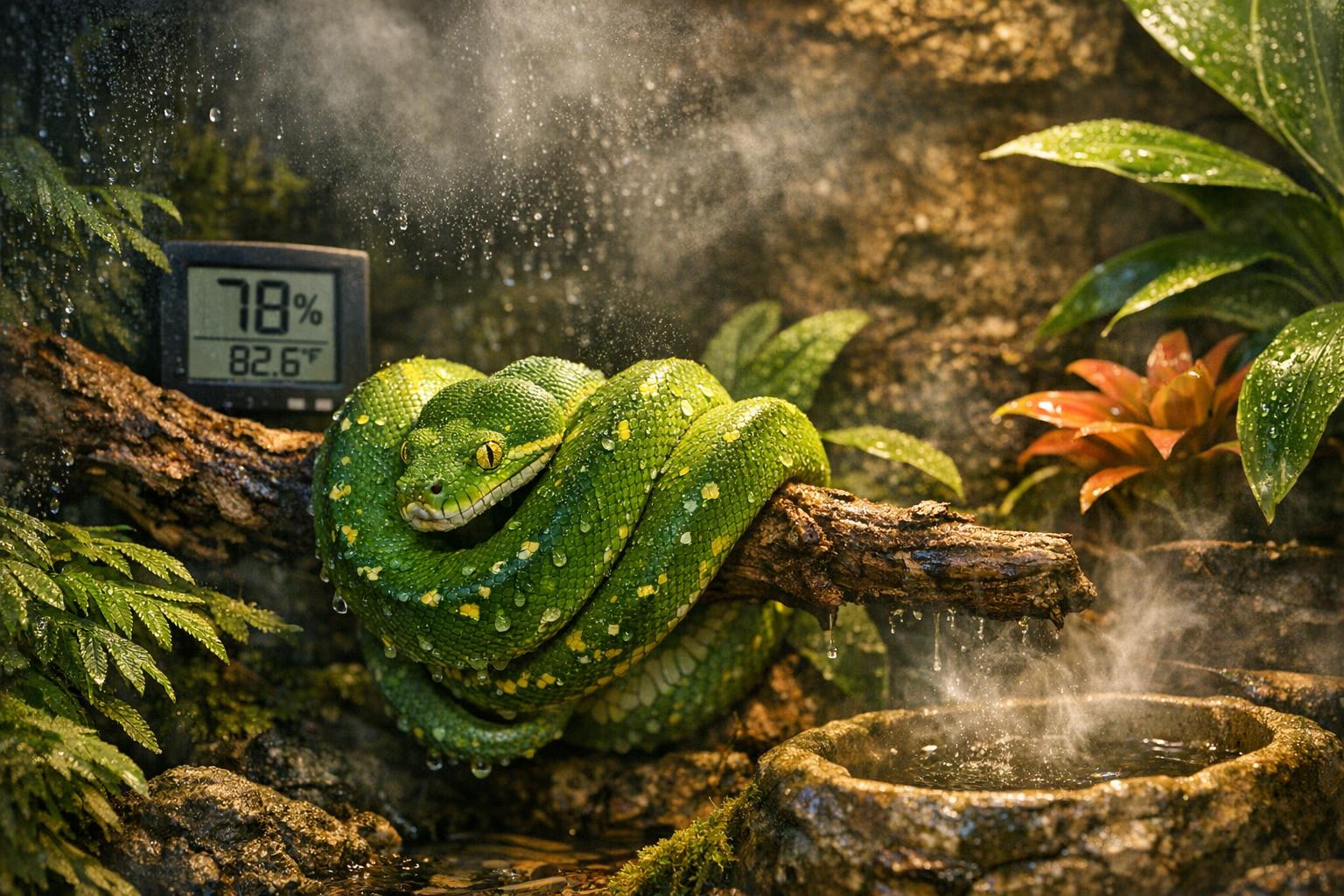
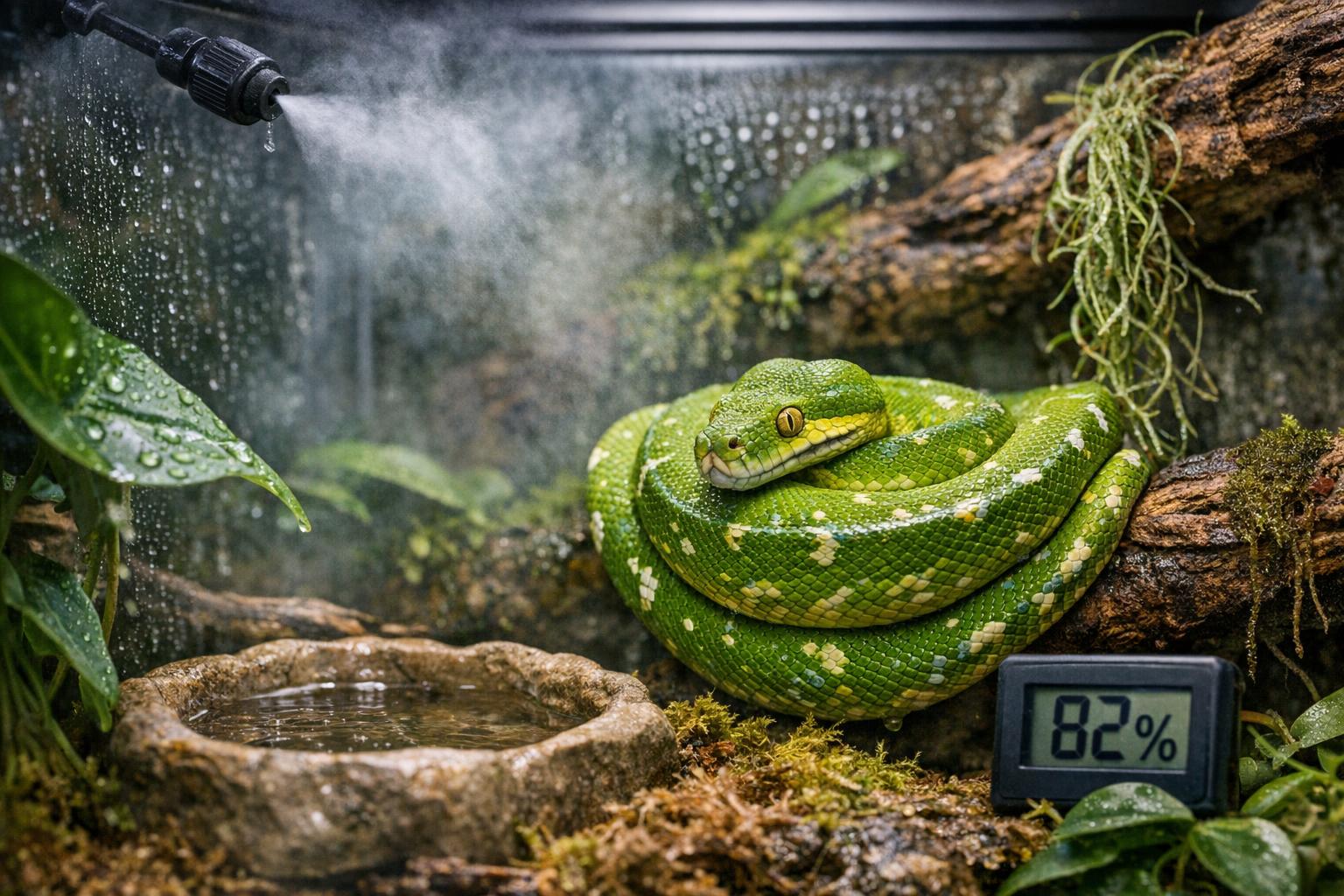
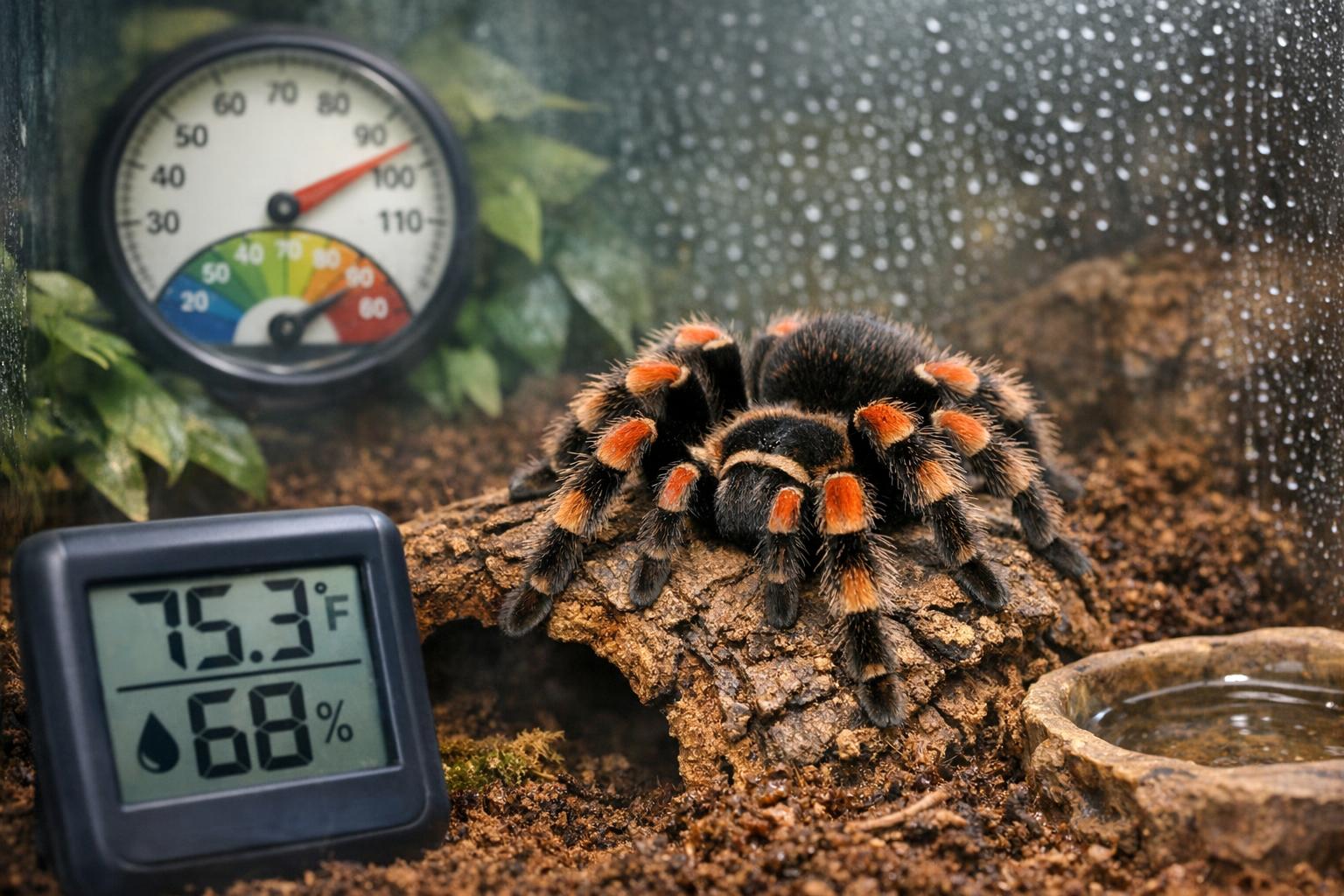
Aim for 50–60% baseline humidity, with short increases to 70% or slightly higher during shedding. Too-low humidity can lead to retained shed and scale issues; too-high for prolonged periods promotes respiratory infections and mold. Use a hygrometer in the snake’s primary habitat zone and adjust with misting, humid hides, or a small reptile-safe humidifier as needed.
## Substrate And Bedding
Choosing the right substrate supports both cleanliness and humidity control. Options include aspen shavings, cypress mulch, or paper-based products for easier cleaning. Avoid cedar or pine — they produce oils harmful to reptiles. Deep bedding can help maintain humidity but must be spot-cleaned regularly to prevent bacterial growth.
### Choosing Safe Substrates
Prefer substrates that:
– Hold humidity moderately (cypress, coconut fiber).
– Are low-dust for respiratory health.
– Allow for spot cleaning and full substrate changes.
## Nutrition And Feeding Rhythm
Boa constrictor care includes thoughtful feeding. Most boas are fed pre-killed or frozen-thawed rodents sized roughly as wide as the snake’s mid-body. Feeding frequency depends on age and size:
– Juveniles: every 7–10 days.
– Subadults: every 10–14 days.
– Adults: every 14–28 days.
Use long feeding tongs and place prey in the enclosure if you want to avoid repeated handling. Monitor weight and body condition rather than rigid schedules; adjust portions accordingly. Feeding too frequently or chasing a snake with food in hand can cause stress and defensive reactions.
## Enrichment, Handling, And Social Habits
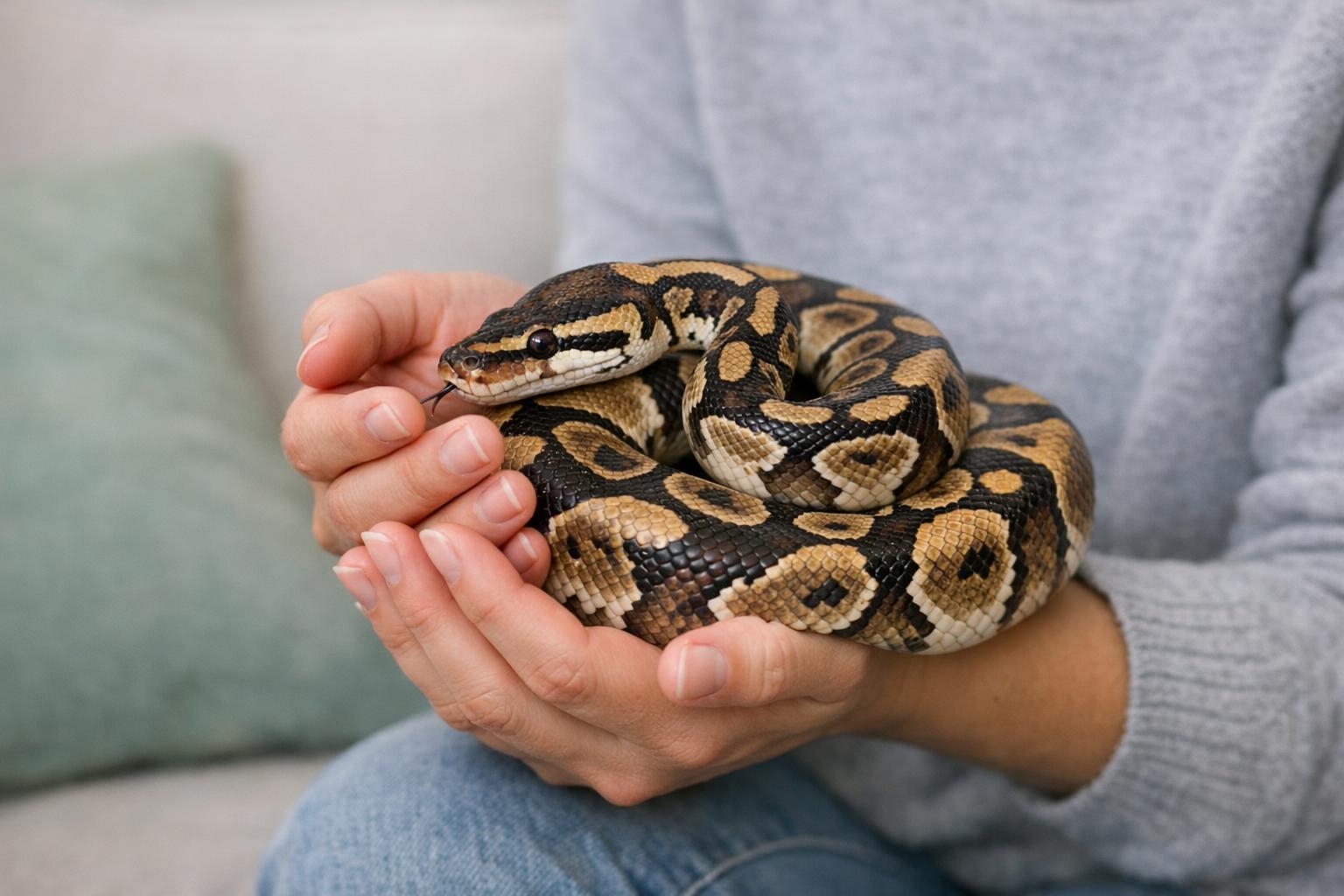
Handling helps tame your boa, but respect their boundaries. Frequent, gentle handling sessions improve tolerance, especially after an initial acclimation period and never within 48 hours of feeding (to prevent regurgitation).
### Handling Tips
– Support the body fully; don’t grip tightly.
– Start with short sessions, gradually increasing duration.
– Watch for signs of stress: rapid tongue flicking, hissing, or striking.
## 2 Home Remedies For Common Problems
If minor issues arise, some safe home remedies can help. When in doubt, consult a reptile veterinarian — these remedies are for mild, clearly identified problems and are not a substitute for professional care.
### 1. Humid Hide For Assisted Shedding
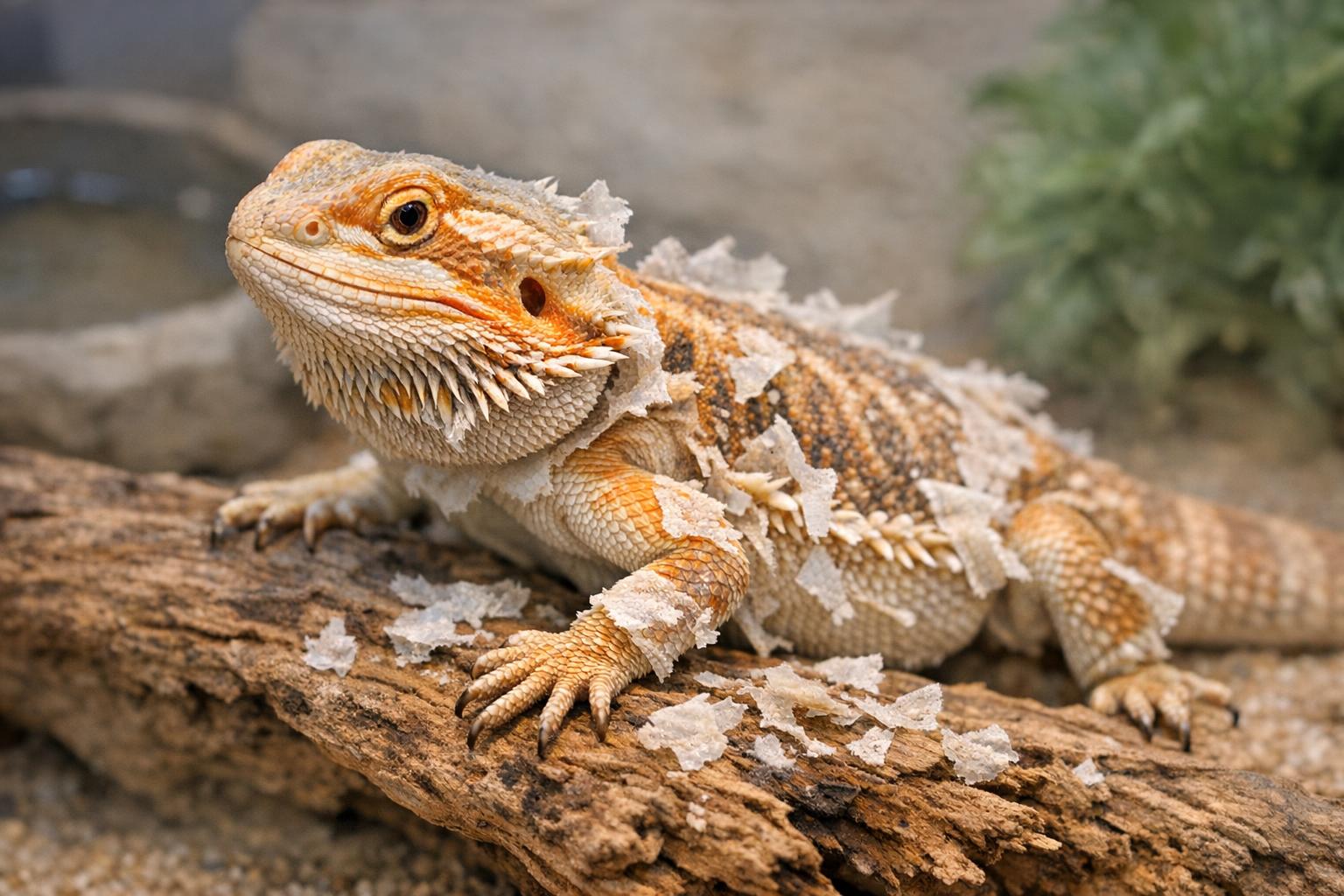
When your boa shows signs of an upcoming shed (dull coloration, cloudy eyes), a humid hide can ease the process and reduce retained shed.
Materials
– Plastic or wooden hide box large enough for the snake to coil inside.
– Fresh sphagnum moss or coconut fiber.
– Zip-top bag or plastic liner (optional).
– Hygrometer (small stick-on type) to monitor humidity inside the hide.
Method (Creation And Application)
1. Prepare The Hide: Line the bottom of the hide with a 1–2 inch layer of damp sphagnum moss or thoroughly moistened coconut fiber. The substrate should be damp but not dripping; squeeze out excess water until it retains moisture without puddles.
2. Place The Hygrometer: Stick a small hygrometer inside the hide so you can monitor internal humidity; target 75–85% relative humidity.
3. Position The Hide: Put the humid hide on the warm side of the enclosure where your boa can easily access it. Ensure the entrance is at ground level and unobstructed.
4. Monitor And Maintain: Check humidity twice daily. Refresh the moss if it dries below the target range. Leave the humid hide available for 3–7 days or until shedding is complete.
5. Remove After Use: Once shed is complete, remove and replace the substrate and clean the hide to prevent mold growth.
Clinical Notes (Formal Tone)
Proper humidity management during shedding reduces the incidence of retained eyecaps and incomplete sheds, both of which can cause localized infections or tissue damage if untreated. Use the humid hide as an adjunct to general enclosure humidity control.
### 2. Natural Mite Treatment
Mites are parasitic and require prompt attention. Mild infestations can sometimes be managed at home in combination with cleaning and environmental controls, but veterinary-grade treatments are preferred for moderate to severe infestations.
Materials
– Large, secure container or temporary enclosure for the snake during cleaning.
– Clean towels and paper towels.
– Plastic sheeting or newspapers for substrate disposal.
– Isopropyl alcohol wipes (for cleaning non-porous surfaces).
– Reptile-safe disinfectant (per product instructions).
– Disposable gloves.
– Optional: ivermectin-based topical product only if prescribed by a reptile vet.
Method (Creation And Application)
1. Isolate The Snake: Move the boa to a temporary clean enclosure with fresh substrate and hide. Inspect the snake using a flashlight; note any visible mites on the skin, head, or vent area.
2. Remove And Dispose Of Substrate: Remove all substrate, décor, and furnishings. Seal soiled materials in a plastic bag and dispose of them according to local waste guidelines if contamination is suspected.
3. Clean The Enclosure: Wipe down all surfaces with isopropyl alcohol on non-porous surfaces, then follow with a reptile-safe disinfectant at label concentrations. Allow surfaces to dry completely before reintroducing items.
4. Treat The Snake (If Advised): For mild infestations, your veterinarian may recommend a spot-on organophosphate or pyrethroid product labeled for reptiles or a prescribed topical ivermectin application. Follow veterinary instructions precisely. Over-the-counter or human medications can be toxic and must not be used without professional guidance.
5. Reintroduce Clean Items: Replace substrate with fresh material and reassemble the enclosure. Monitor the snake for signs of persistent mites and re-check at intervals recommended by your vet.
6. Environmental Follow-Up: Treat the surrounding environment if mites reappear; mites can persist off-host in cracks and crevices. Vacuum and clean adjacent areas, and consider repeating enclosure disinfection.
Clinical Notes (Formal Tone)
Mite infestations can transmit pathogens and stress the host. Systemic issues or persistent infestations require veterinary diagnostics and prescription-level therapy. Never apply off-label household insecticides directly to the snake.
## Health Monitoring And When To Call A Vet
Good boa constrictor care includes daily checks. Watch for these red flags:
– Refusal to feed for multiple months without prior reason.
– Labored breathing, bubbling at the nares, wheezing, or constant mouth gaping.
– Unusual lumps, persistent diarrhea, or bloody stool.
– Repeated or worsening retained shed.
– Noticeable weight loss or dramatic changes in body shape.
### Records And Routine Checks
Keep a simple health log: weight, feeding dates, shed cycles, and any odd observations. Regular photos can help identify subtle changes over time. Annual or biannual checks with a reptile-experienced veterinarian are a smart preventive investment.
#### Handling Emergencies
If your boa is wounded, showing signs of respiratory distress, or has severe mites or skin lesions, seek veterinary care immediately. Timely intervention prevents complications and reduces stress on your snake.
Caring for a boa is a long-term commitment — they can live many years with proper attention. With thoughtful habitat setup, consistent boa constrictor care routines, and timely action when problems crop up, you’ll be well on your way to providing a safe, comfortable life for your scaled friend.








Leave a Reply