


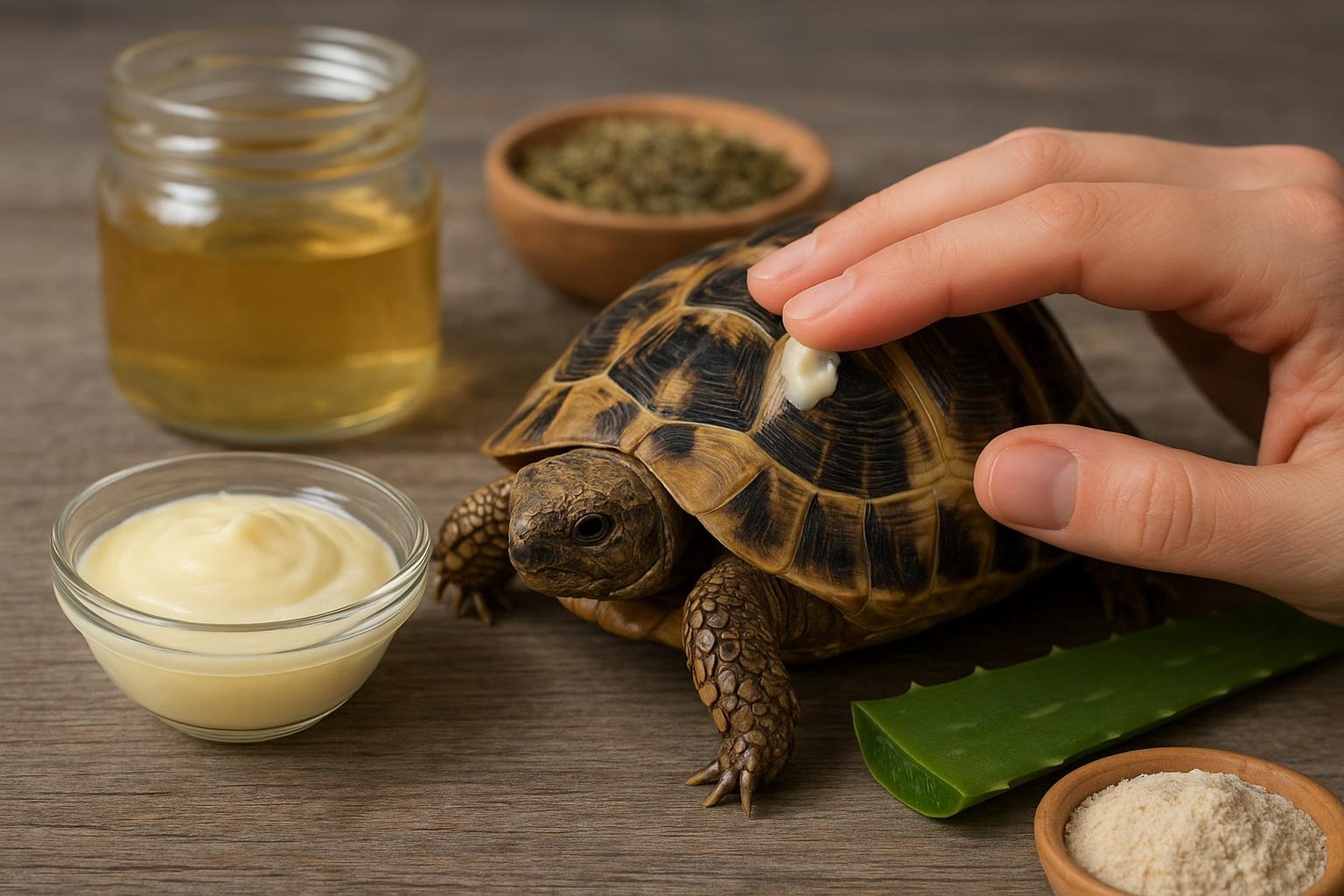
Hello there—glad you stopped by for some gentle, practical help. If your shelled friend has flaky, tight, or peeling skin you’re worried about, you’re in the right place. This article covers friendly, evidence-based home care that helps with tortoise dry skin while keeping things safe and stress-free for both of you. A little patience and the right routine go a long way—no miracle ointments, just sensible care.
## Tortoise Dry Skin: Causes And Signs
Tortoise dry skin is often a sign that something in the environment or diet needs adjusting rather than an immediate emergency. Common causes include low humidity, inadequate hydration, rough substrate rubbing, vitamin imbalances (especially vitamin A or E), and occasional fungal or bacterial issues. You’ll see scaling, tightness, flaky patches, or white, chalky build-up on the skin. If the skin cracks deeply, bleeds, or the tortoise is lethargic or refusing food, seek a reptile-savvy veterinarian right away.
### Identifying Mild Versus Severe Cases
Mild dry skin usually looks like light flaking or slightly rough texture on the limbs, neck, or tail. Severe cases involve thickened areas, open sores, or persistent shedding that doesn’t resolve with basic home care. Mild cases often respond well to humidity and topical care, while severe cases may need prescription treatments.
### When To Call The Vet
If you notice persistent wounds, foul odors, swelling, or changes in behavior, schedule a vet visit. Also consult a vet before starting any home remedy if your tortoise is very young, very old, or has existing health conditions.
## How To Adjust Habitat For Better Skin Health
A lot of tortoise dry skin comes from the habitat. Small, gradual changes are best so your pet doesn’t get stressed.
### Humidity And Temperature Tips
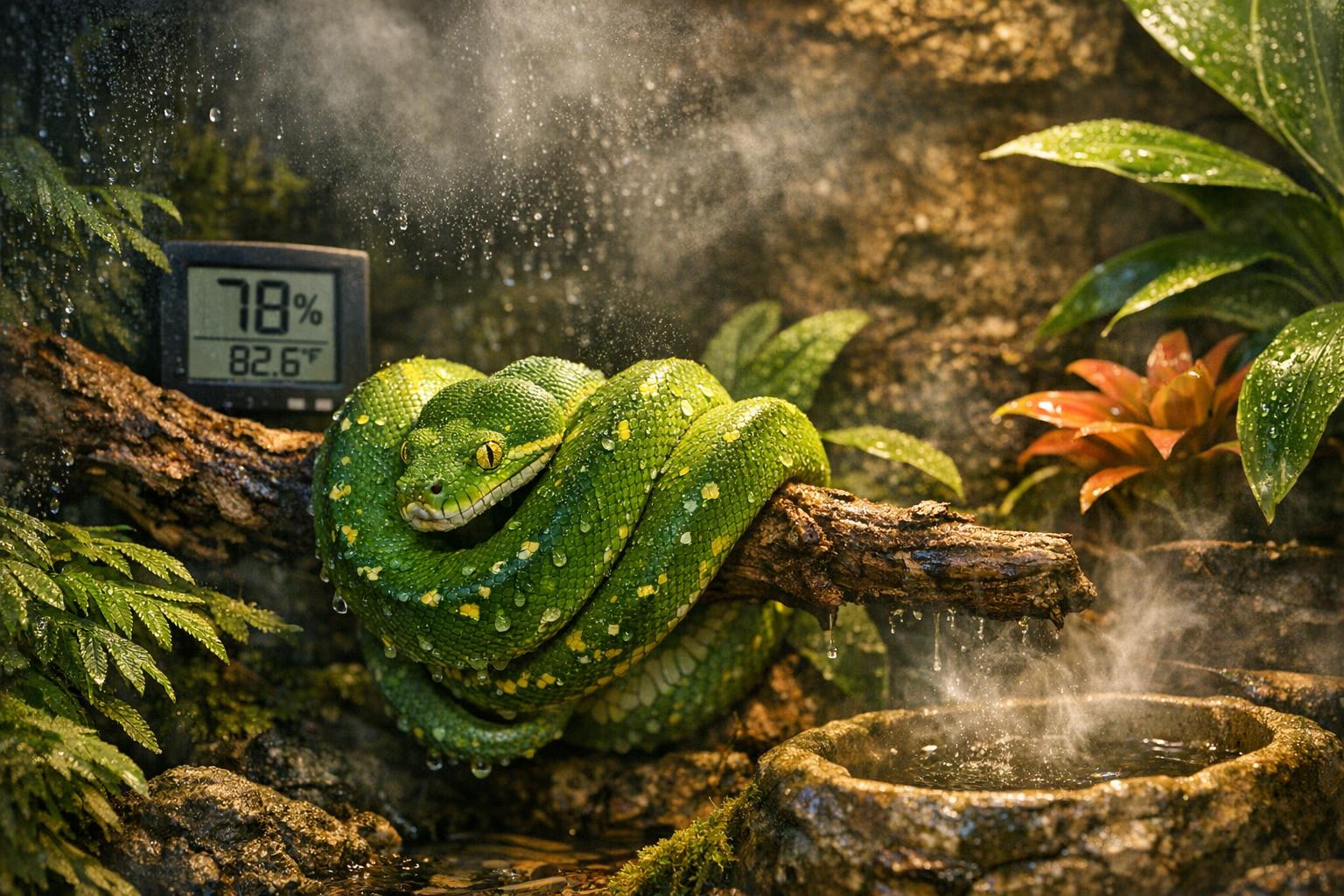
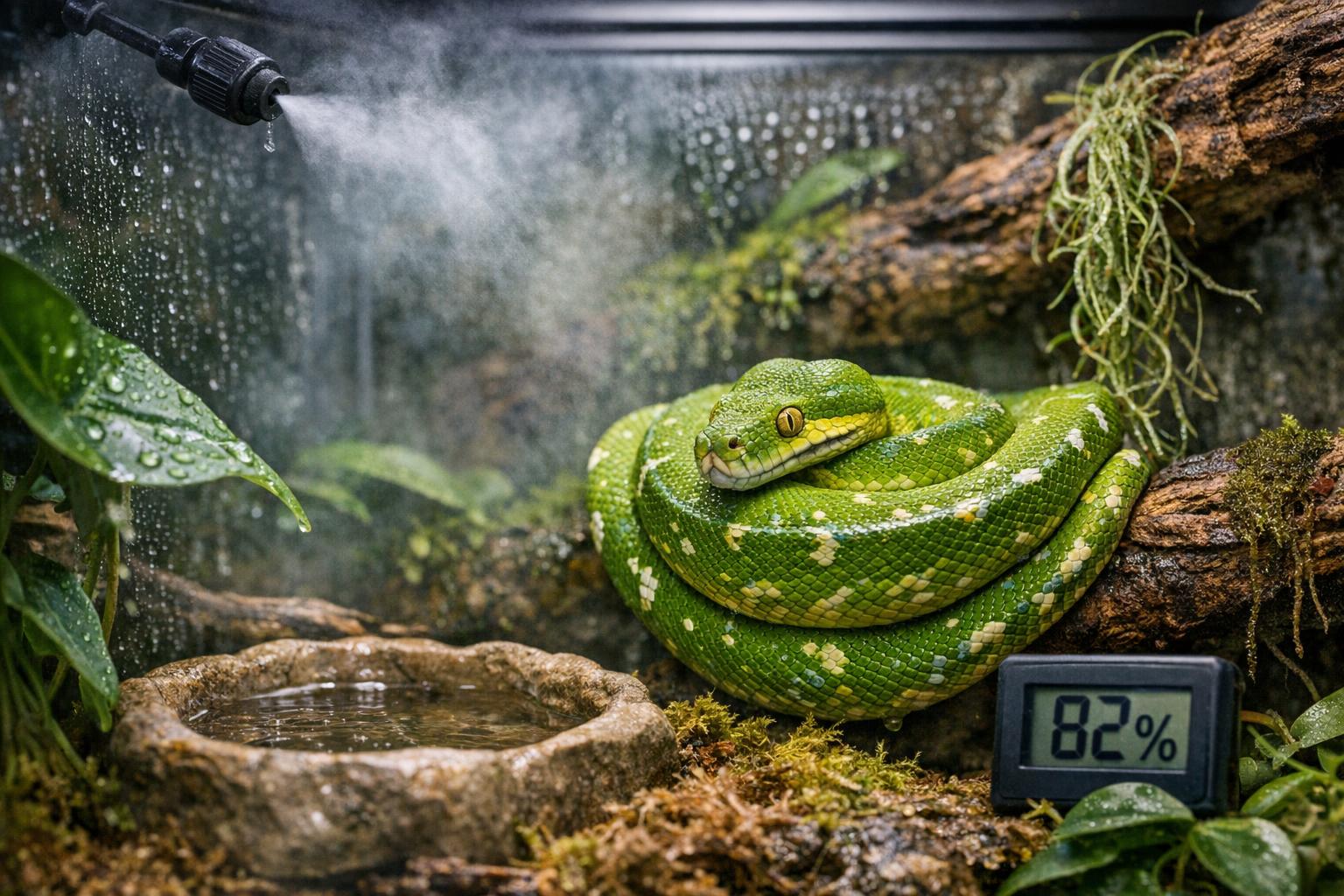
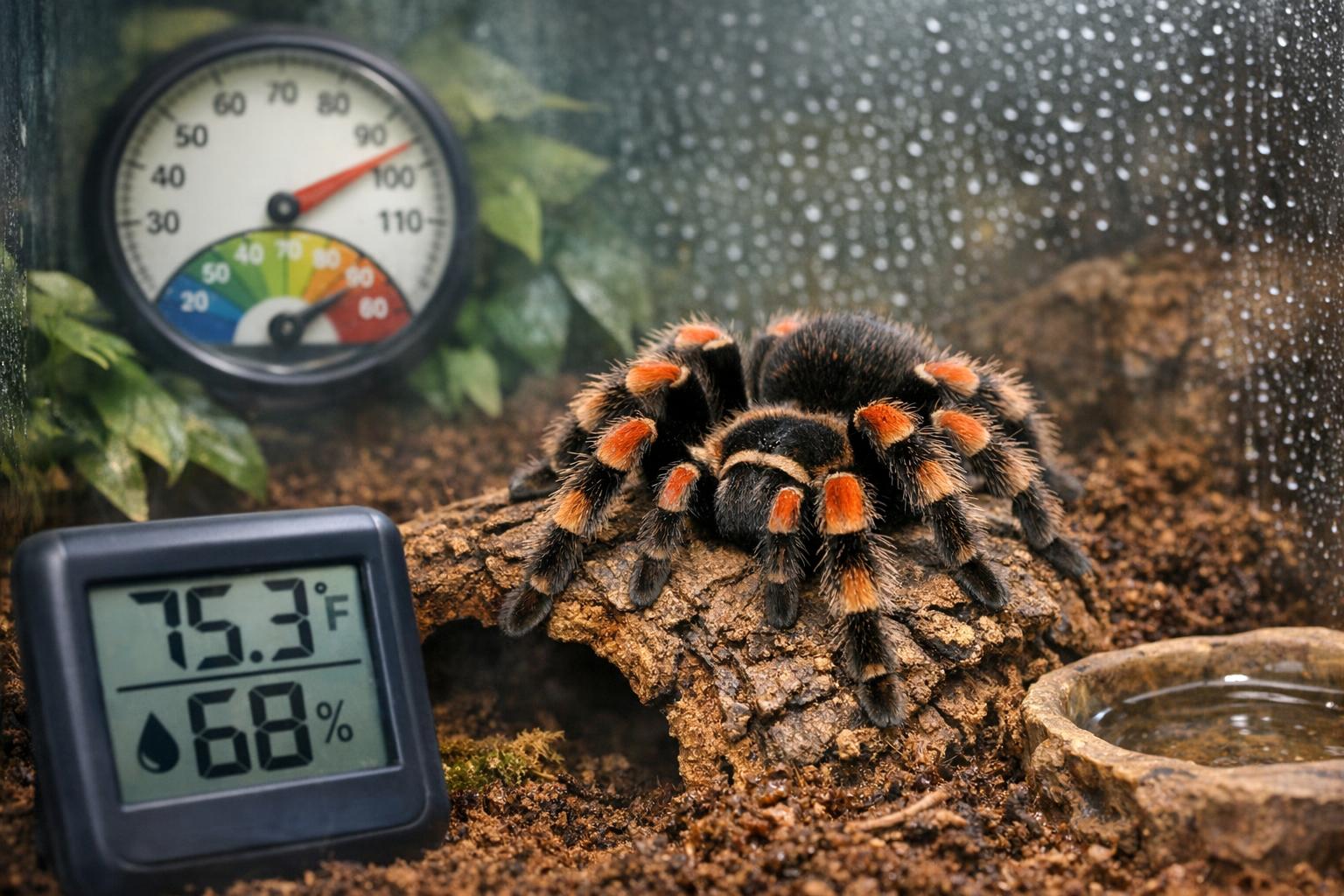
Maintain species-appropriate humidity. Many Mediterranean tortoises appreciate humidity around 40–60% with a warm basking spot; some tropical species need higher humidity. Use a reliable hygrometer and thermostat to monitor conditions. Increase humidity using a moist hide (a hide filled with damp sphagnum moss) rather than saturating the whole enclosure. Too much wetness can cause respiratory problems, so strike a balance.
### Substrate And Enclosure Considerations
Choose a substrate that retains some moisture without staying soggy—coco coir mixed with play sand, cypress mulch, or compressed topsoil blends work for many species. Avoid rough or overly abrasive substrates that might rub delicate skin. Provide soft, smooth resting spots like flat stones or cork bark to reduce friction on scaly areas.
## Remedy 1: Gentle Soak And Moisturizing Bath
This is the simplest first-line remedy for tortoise dry skin and is safe for most healthy tortoises. Use a calm, quiet setting and keep procedures gentle.
### Ingredients And Materials
– Shallow plastic tub or basin large enough for your tortoise to sit comfortably
– Lukewarm (about 85–92°F / 29–33°C) dechlorinated water
– Reptile-safe saline solution (optional) or a pinch of non-iodized salt per liter for mild electrolyte support
– Soft towel
– Optional: reptile-safe moisturizing cream (see Remedy 2 for DIY balm) or thin layer of plain, food-grade coconut oil for localized use
### Steps For Creation And Application
1. Fill the basin with lukewarm, dechlorinated water to a depth allowing the tortoise’s shell to be partially submerged but not covering the head.
2. Gently place the tortoise in the water and let it soak for 15–30 minutes. Stay with your pet the whole time and keep the room warm to prevent chilling.
3. Observe the skin loosening and mild shedding. Use one or two fingers to gently rub areas with loose flakes—don’t force off adhered or stuck skin.
4. After soaking, lift the tortoise, allow excess water to drain, and pat dry with a soft towel. Do not vigorously rub sensitive areas.
5. If a moisturizer is needed, apply a very thin layer to dry, scaly patches only. For localized irritation, a dab of food-grade coconut oil can help retain moisture; avoid heavy coatings that trap dirt.
6. Return your tortoise to its enclosure only when fully dry and warm.
Do this soak regimen 1–3 times per week depending on severity. Over-soaking can be counterproductive; less is more.
## Remedy 2: Aloe And Olive Oil Balm For Targeted Care
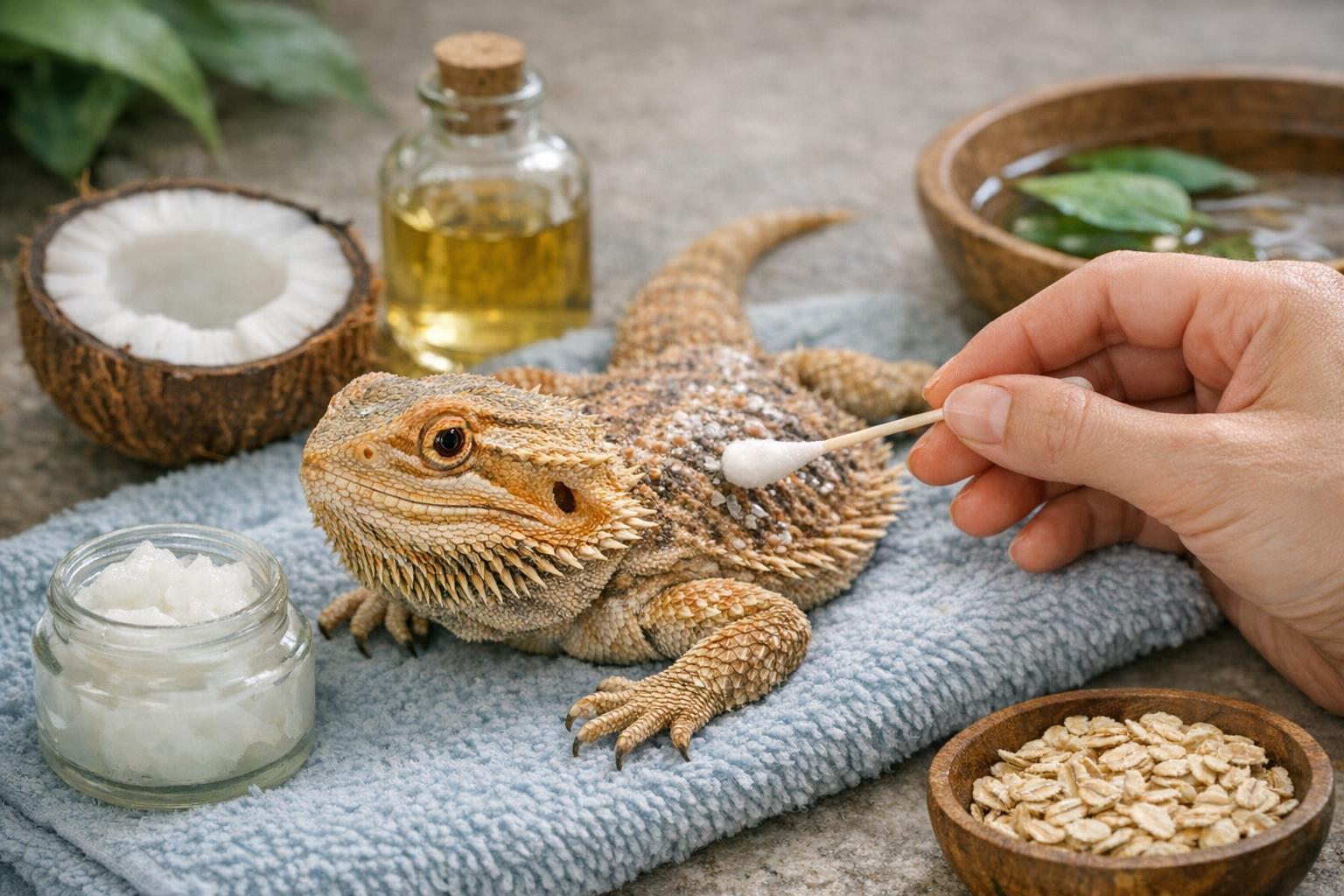
This mild, homemade balm provides gentle hydration and is suitable for small, localized dry patches. Use it sparingly and avoid open wounds.
### Ingredients And Materials
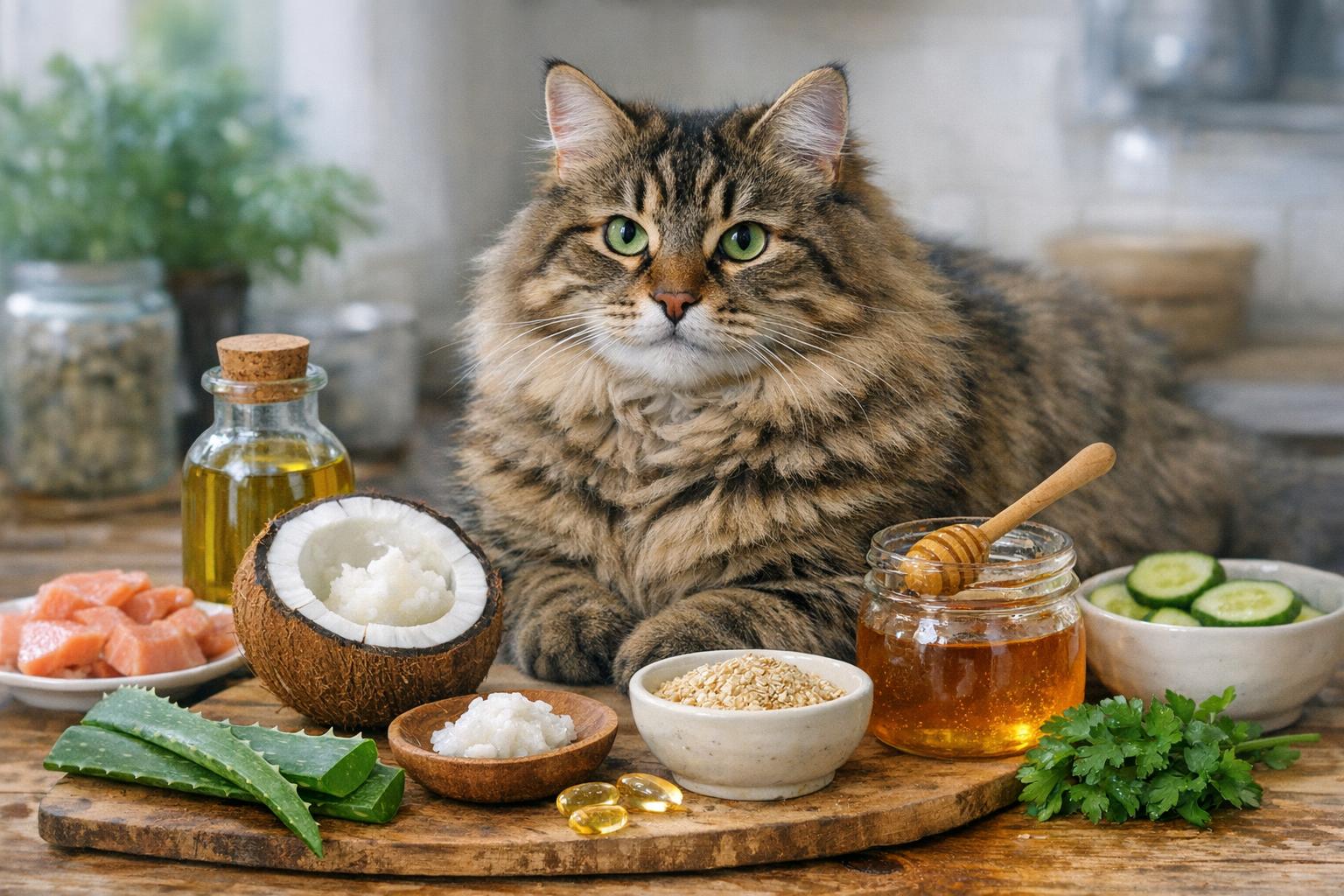
– 2 tablespoons pure aloe vera gel (no added alcohol or fragrances)
– 1 tablespoon extra virgin olive oil or food-grade coconut oil
– Small sterilized glass jar with lid
– Clean spatula or spoon
– Cotton swab for application
### Steps For Creation And Application
1. Ensure all materials are clean. Combine the aloe gel and oil in the sterilized jar.
2. Mix thoroughly with the spoon until the mixture is uniform and slightly creamy.
3. Test a tiny amount on an area of the tortoise’s skin that looks healthy; wait 24 hours to confirm no adverse reaction.
4. If tolerated, use a cotton swab to apply a pea-sized amount only to affected dry patches. Do not apply to open sores or deep cracks.
5. Apply once daily for up to 7 days. Monitor for improvement or any signs of irritation. If there’s redness, swelling, or discharge, discontinue and consult a vet.
This balm is for topical, targeted use—not for whole-shell coating.
## Remedy 3: Nutritional Adjustment And Supplement Support
Internal health supports skin integrity. Addressing diet and supplementation can reduce recurrence of tortoise dry skin over weeks to months.
### Recommended Dietary Changes
Offer a varied diet rich in leafy greens and high-fiber plants appropriate for your tortoise species. Minimize high-protein foods unless species-specific diet requires it. Provide calcium-rich foods and a balanced calcium-to-phosphorus ratio; inadequate calcium can affect skin and shell health indirectly.
### Supplementation Guidance
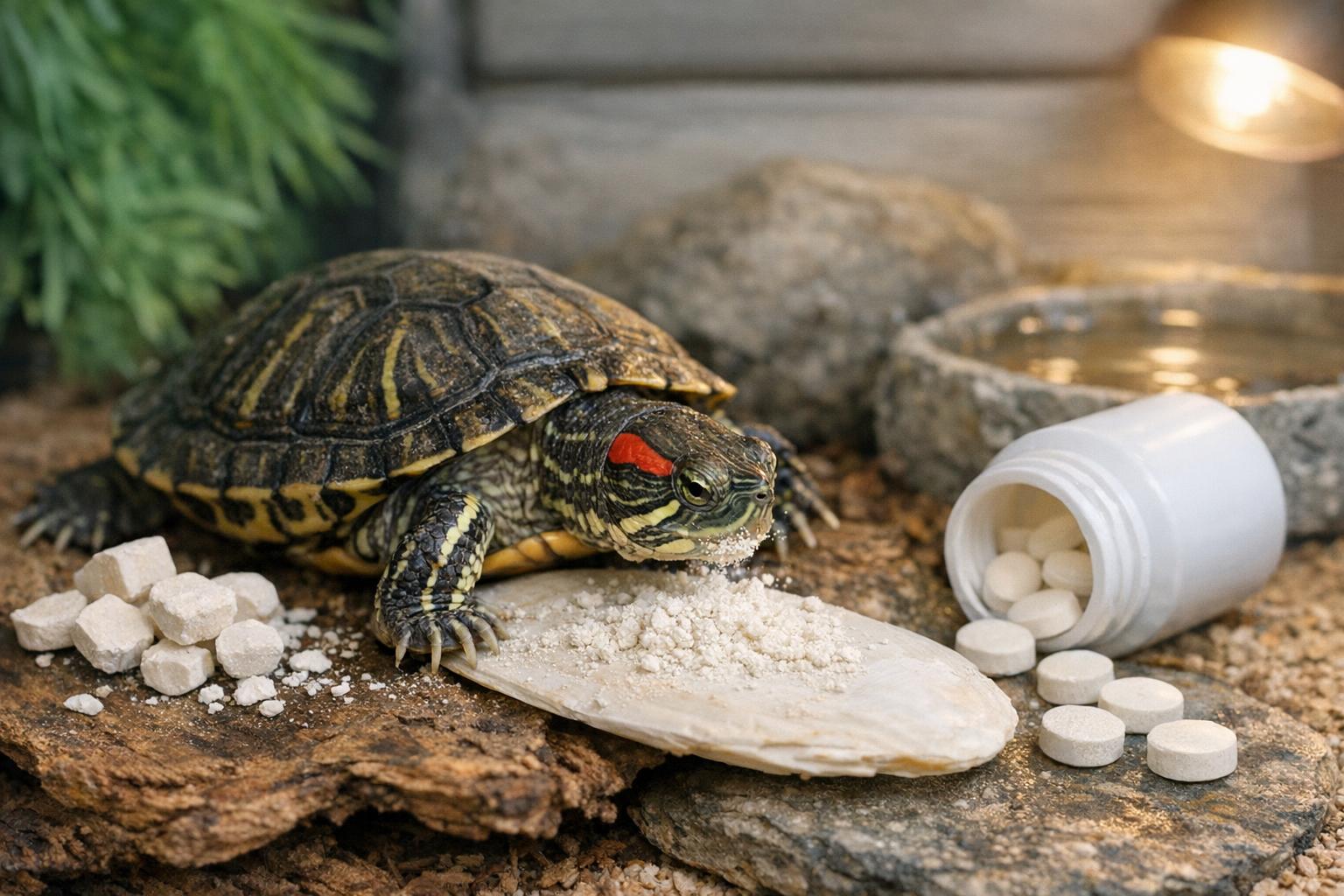
Use a reptile-specific multivitamin or a calcium supplement with vitamin D3 as recommended by your vet. Over-supplementation can cause problems, so follow dosing guidelines. For many tortoises, a weekly dusting with calcium powder and occasional multivitamin is sufficient—species and UVB exposure change exact needs.
#### Monitoring And Adjustment
Keep a simple log of diet, UVB exposure, and any skin changes. If dry skin persists despite proper humidity and nutrition, a vet can run bloodwork to check for vitamin imbalances or kidney issues that might manifest as skin problems.
### Practical Tips For Feeding And Hydration
Offer regular shallow water bowls for soaking and drinking. Some tortoises prefer to drink after a soak; that’s normal. Mist greens lightly to boost moisture content during drier months.
## Preventive Care And Small Extras
A little preventive care reduces how often tortoise dry skin shows up. Regular, gentle soaks, maintaining appropriate enclosure humidity, and periodic shelter choices (moist hide) will help. Routine inspection during handling lets you catch issues early.
#### Handling And Stress Reduction
Handle less when skin is actively shedding or irritated. Stress can worsen skin conditions. Keep interaction calm and brief until the skin improves.
#### When Other Treatments Might Be Needed
If home remedies don’t improve the condition in two to four weeks, or if you see signs of infection (pus, foul smell, significant heat at the area), a vet visit is warranted. Prescription topical or systemic medications may be necessary for fungal or bacterial infections.
A dry, flaky tortoise isn’t always a crisis—often it’s a polite request for more humidity, a bath, or a tweak in diet. If you’re careful, patient, and observant, you’ll likely see better skin and a happier reptile in a matter of weeks.







Leave a Reply