


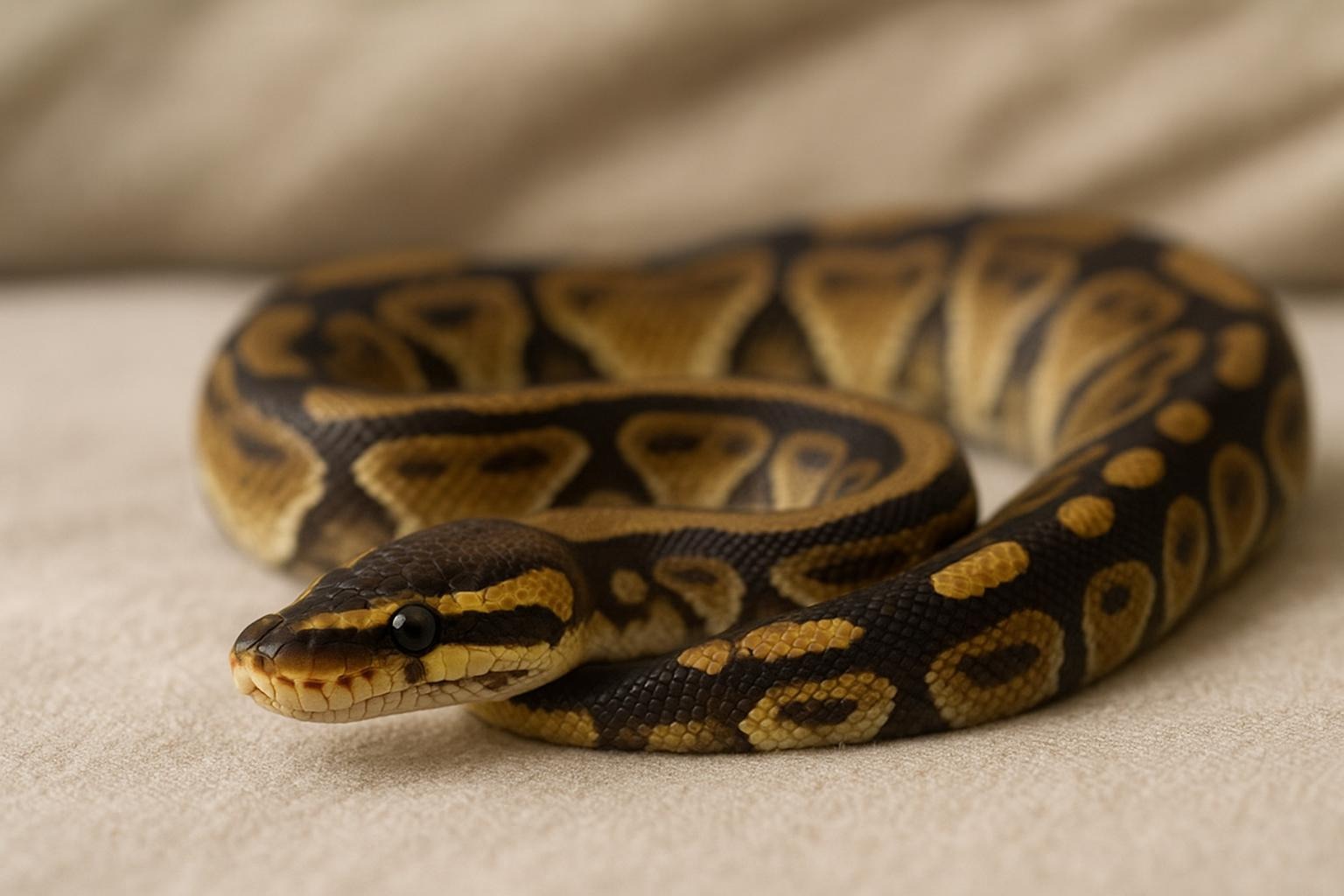
## Recognizing Ball Python Stress Signs
If your ball python is acting a little off—skipping meals, bottling up in a corner, or suddenly auditioning for a slither-y escape artist role—you’re probably noticing some classic signals. Ball pythons are naturally calm and secretive, so when they change routine, something in their environment (or routine) is worth checking. Understanding ball python stress early makes fixing it faster and less dramatic for both of you.
### Physical Signs To Watch For
Common physical clues include:
– Refusal To Eat: Missing a meal or two can be normal, but several missed feedings in a row may indicate stress.
– Weight Loss Or Muscle Wasting: Steady weight loss is a red flag.
– Regurgitation: Stress can lead to regurgitation after feeding.
– Soaking Constantly Or Excessive Hiding: Either can indicate discomfort with humidity, substrate, or temperature.
– Respiratory Symptoms: Wheeze-like sounds, bubbling at the mouth, or open-mouth breathing need prompt attention.
### Behavioral Signs To Watch For
Ball pythons typically prefer quiet and privacy. Signs of behavioral stress include:
– Glass Surfing Or Repeated Pacing: Frequent restless movement along the enclosure walls.
– Defensive Posture Or Striking: More defensive behavior than usual.
– Increased Activity At Odd Hours: More frantic or restless behavior during their normal rest periods.
## 3 Easy Home Remedies For Ball Python Stress
Below are three focused remedies you can realistically implement at home. Each remedy includes the required materials and a clear step-by-step method. When applying these steps, be calm and deliberate—your snake will pick up on sudden fast hands or frantic energy. These remedies address the common environmental and routine causes of ball python stress.
### Remedy 1: Temperature And Humidity Optimization
Ingredients / Required Materials:
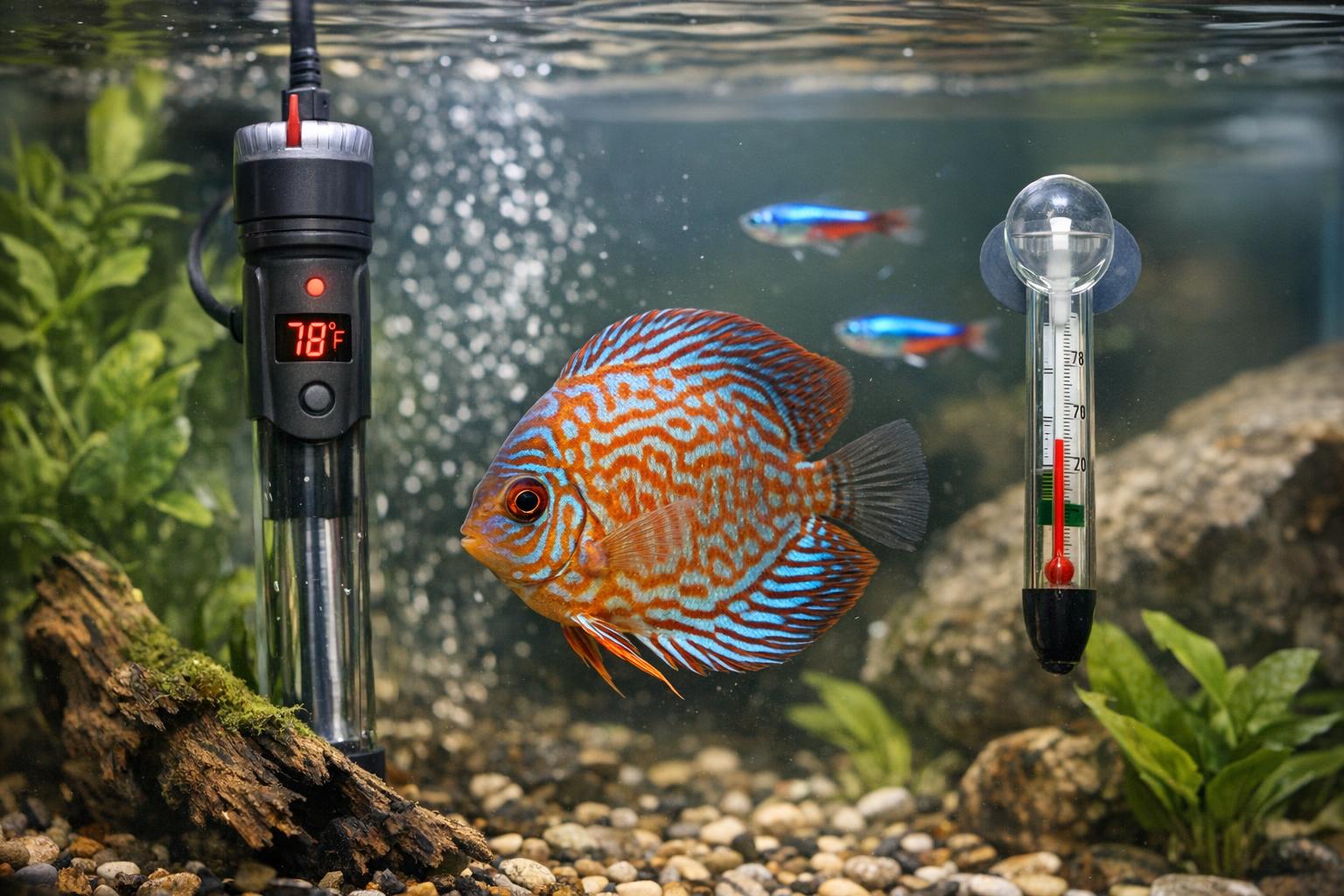
– Reliable digital thermometer/hygrometer (at least two probes if possible)
– Under-tank heater or ceramic heat emitter (appropriate wattage)
– Thermostat controller for heaters
– Humidity box (a simple hide with damp sphagnum moss) or a reptile humidifier
Step-By-Step Creation And Application:
1. Measure Baselines: Place thermometers at both warm and cool ends, and hygrometer where the snake spends most time. Record temperatures over 24 hours.
2. Adjust Temperatures: Aim for a warm basking area around 88–92°F (31–33°C) and a cool side around 76–80°F (24–27°C). Use a thermostat connected to your heater to maintain stable temps.
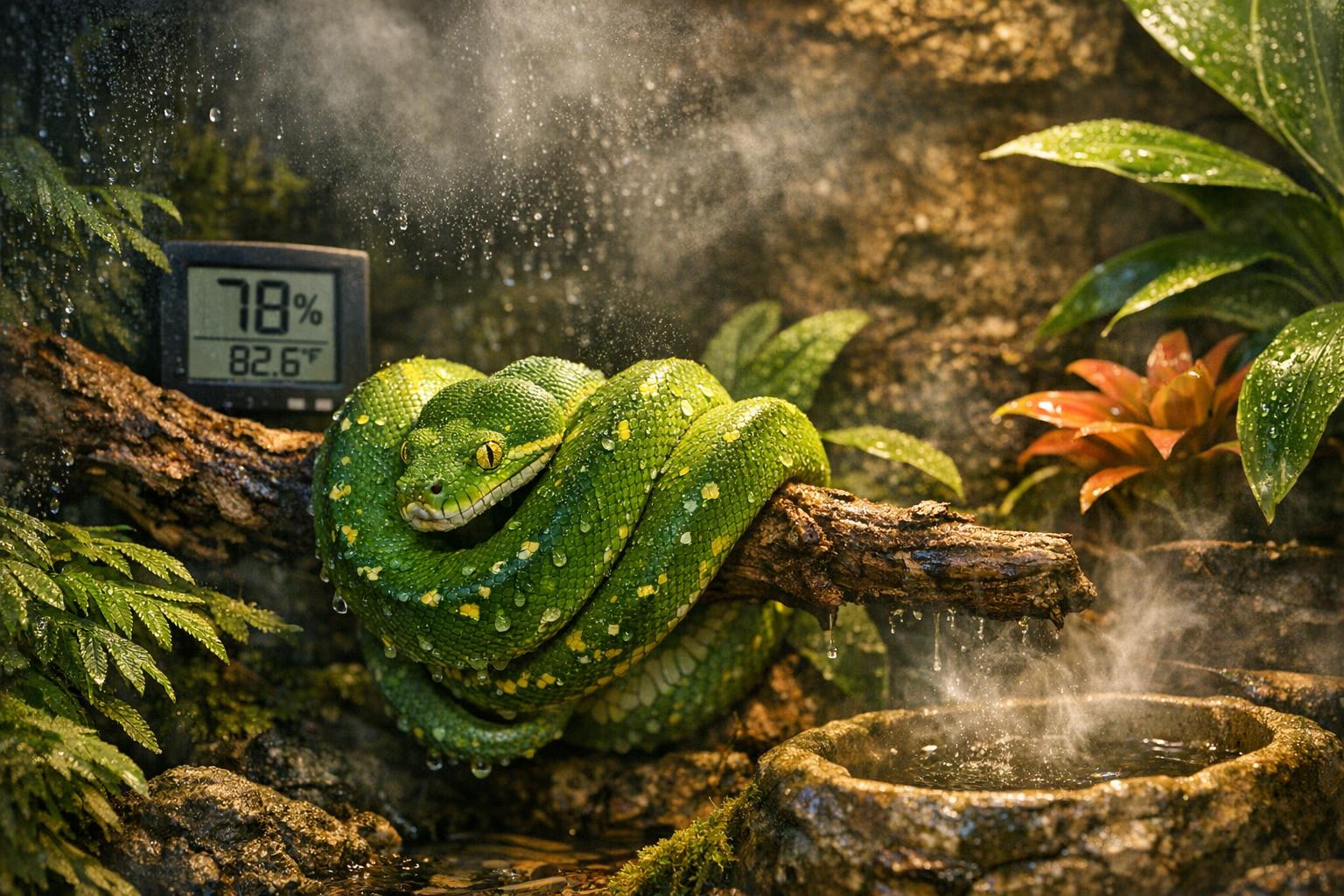
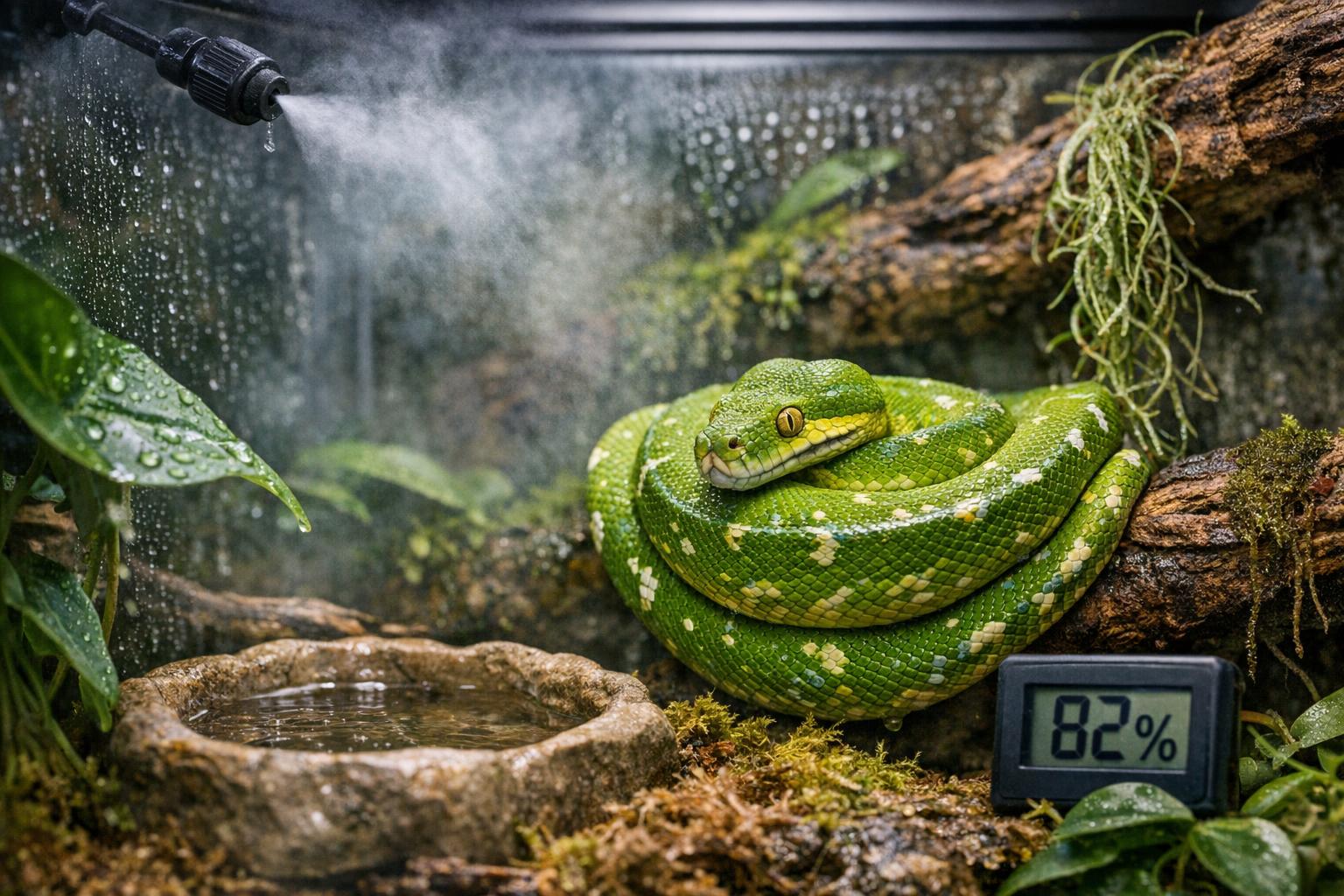
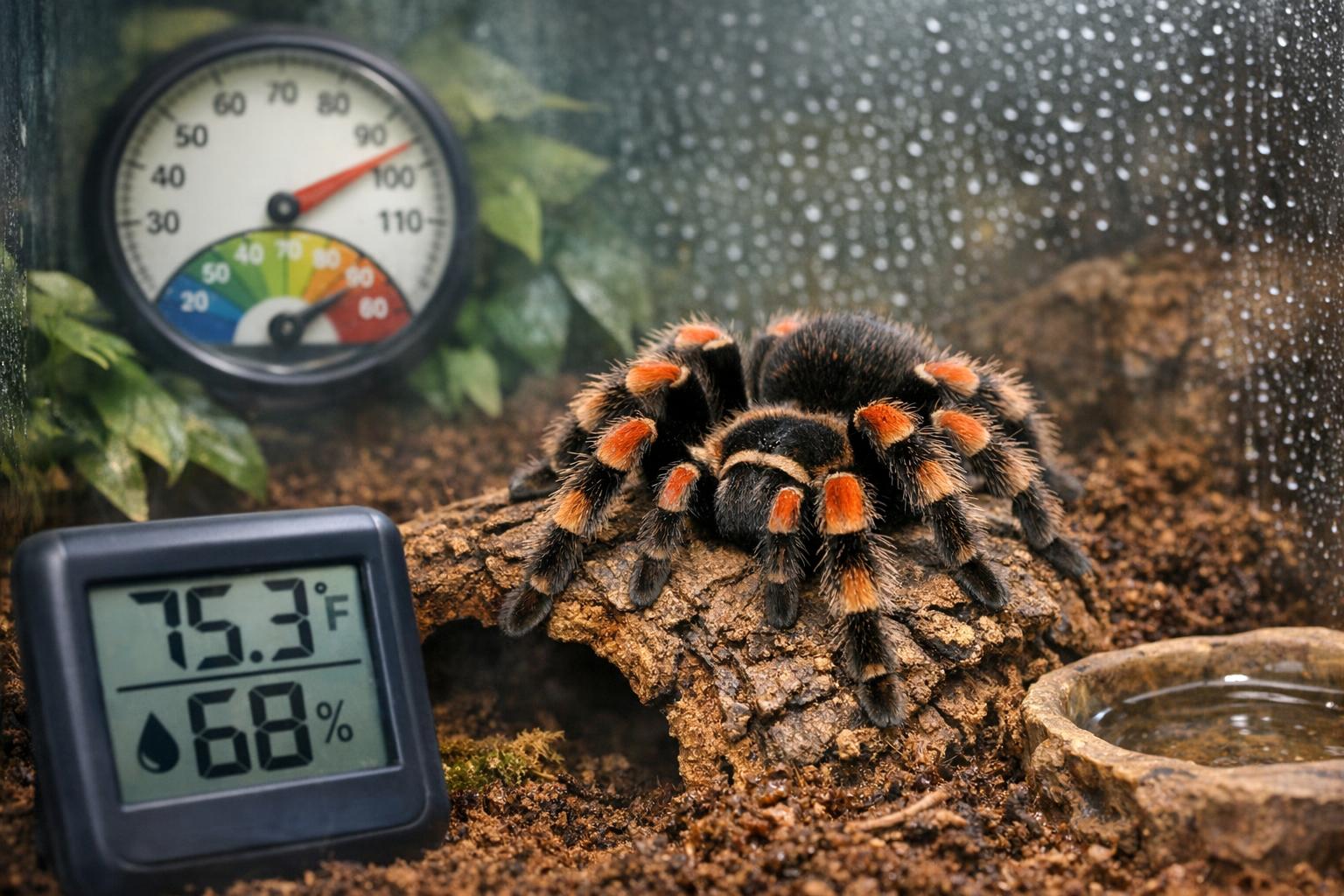
3. Set Humidity: Aim for 50–60% relative humidity under normal conditions, increasing to 60–70% during shedding. Add a humidity hide by placing damp sphagnum moss in a hide box or use a reptile humidifier set to local target.
4. Recheck And Stabilize: Monitor for at least 72 hours to ensure stable gradients. Sudden swings are stressors; tweak slowly, not abruptly.
### Remedy 2: Improve Hides And Enclosure Security
Ingredients / Required Materials:
– Two or more snug hides (one for warm side, one for cool side)
– Substrate appropriate for humidity (coco fiber, cypress mulch, or paper towels temporarily)
– Non-slip enclosure furnishings (branches, hides)
– Secure lid/locking mechanism to reduce drafts and outside disturbances
Step-By-Step Creation And Application:
1. Provide Multiple Hides: Place at least one snug hide on the warm side and one on the cool side. Ball pythons like tight-fitting shelters that make them feel secure.
2. Minimize Visual Stress: Add background or side coverings to opaque the enclosure sides if the snake reacts to motion outside the tank. Avoid mirrors or reflective surfaces inside.
3. Adjust Substrate: Choose a substrate that holds humidity moderately well. If you’ve recently changed substrate and stress appeared, revert to what worked before and switch gradually.
4. Reduce External Disturbances: Move the enclosure away from heavy foot traffic, loud appliances, and bright lights. Keep a predictable day-night cycle to help regulate behavior.
5. Inspect Locks And Lids: Make sure vents don’t create strong drafts. Ensure lids are secure and openings are not exaggerated sources of noise or movement that could startle your snake.
### Remedy 3: Gentle Handling Routine And Feeding Adjustments
Ingredients / Required Materials:
– Feeding tongs or tongs for defrosted prey
– Soft cloth or handling mat (optional)
– Feeding schedule note or tracker
Step-By-Step Creation And Application:
1. Pause Handling Temporarily: If your ball python is clearly stressed, reduce handling to a minimum for 7–14 days. Let them acclimate.
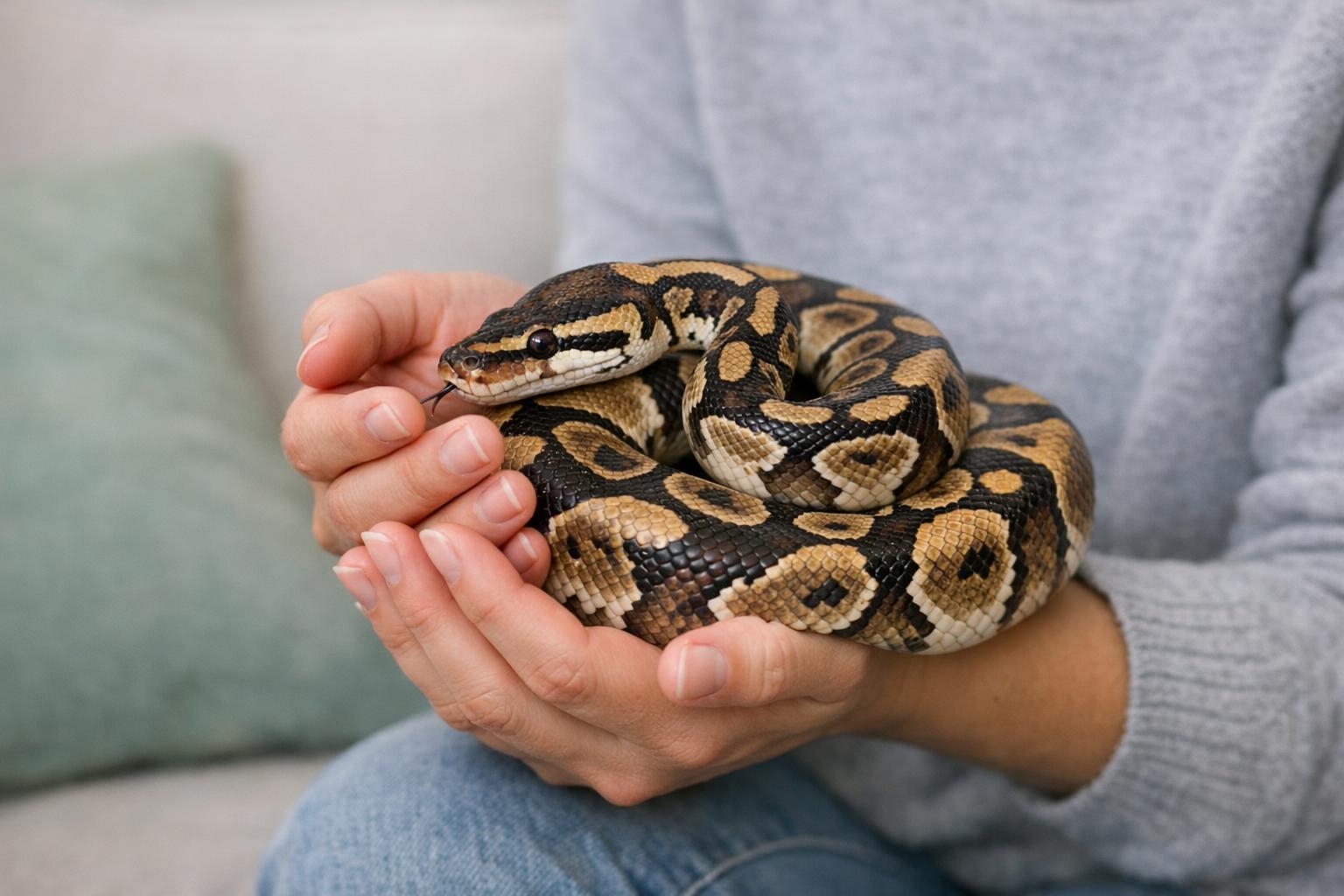
2. Controlled Handling Sessions: When reintroducing handling, limit to 10–15 minutes and keep movements slow and predictable. Support the body fully and avoid sudden lifts.
3. Adjust Feeding Method: If stress coincides with missed meals, try offering smaller prey or feeding in a separate container to reduce territorial stress. Use tongs to present the prey to avoid hand-feeding confusion.
4. Rebuild Trust Slowly: Reward calm behavior with brief, predictable handling sessions on a schedule. Avoid handling for 48–72 hours post-feeding to prevent regurgitation.
5. Track Progress: Keep a simple log of food intake, weight, shedding, and behavior. Regular tracking helps identify improvements or repeated stress triggers.
### When Temperature, Hides, And Handling Aren’t Enough
If you have optimized temperature, humidity, hides, and handling and your snake still exhibits severe signs—refusal to eat for months, rapid weight loss, persistent respiratory symptoms, or abnormal discharges—escalate to a professional. Stress can reveal or worsen underlying health issues.
#### Signs You Shouldn’t Ignore
– Every-two-week weight loss
– Mouth discharge or wheezing
– Open-mouth breathing or prolonged lethargy
– Pale or blue gums/skin during a soak or handling
## Environmental Check: Quick DIY Tests
A few quick DIY checks can confirm if the enclosure itself is the stressor:
– The Thermometer Test: Place an extra digital thermometer and compare readings at several spots. If variances are large, your gradient is unstable.
– The Disturbance Test: Sit quietly and observe for a day to see if outside motion (pets, kids, windows) triggers activity spikes.
– The Scent Test: Strong household cleaners, perfumes, or smoke can upset sensitive reptiles. Switch to mild, unscented cleaners and ventilate thoroughly.
## Small Lifestyle Tweaks That Have Big Effects
– Keep a Predictable Light Cycle: 12 hours light/12 hours dark mimics natural cues.
– Reduce Loud Sounds: Reptiles perceive vibrations; loud music or constant machinery can increase stress.
– Avoid Overhandling During Breeding Seaso n: Many ball pythons get especially food-orientated or defensive during breeding-related cycles.
## When To Call A Vet
If your observations include persistent weight loss, respiratory problems, obvious lumps, severe skin lesions, or continued regurgitation despite your home interventions, contact a reptile-experienced veterinarian. They’ll run diagnostics (fecal exams, cultures, X-rays) and rule out infections or parasites that mimic stress symptoms.
A little patient observation, the right equipment, and gentle routine changes often resolve ball python stress without drama. Keep notes, make single-variable changes at a time, and be gentle—your python prefers the slow lane. And if you must whisper to it: keep it soothing; snakes don’t appreciate bad jokes, but they do appreciate consistent care.















Leave a Reply