

Temperature Control Guide: Betta Fish Water Temp Mastery
Keeping your betta comfy is part science, part gentle pampering, and occasionally part thermostat whispering. Bettas are tropical little divas: they thrive when water temperature is steady, not swinging between sauna and ice bath. This guide will walk you through why the betta fish water temp matters, what gear to use, and two practical remedies (one long-term, one emergency) to keep your fish happy and healthy.
## Betta Fish Water Temp: Why It Matters
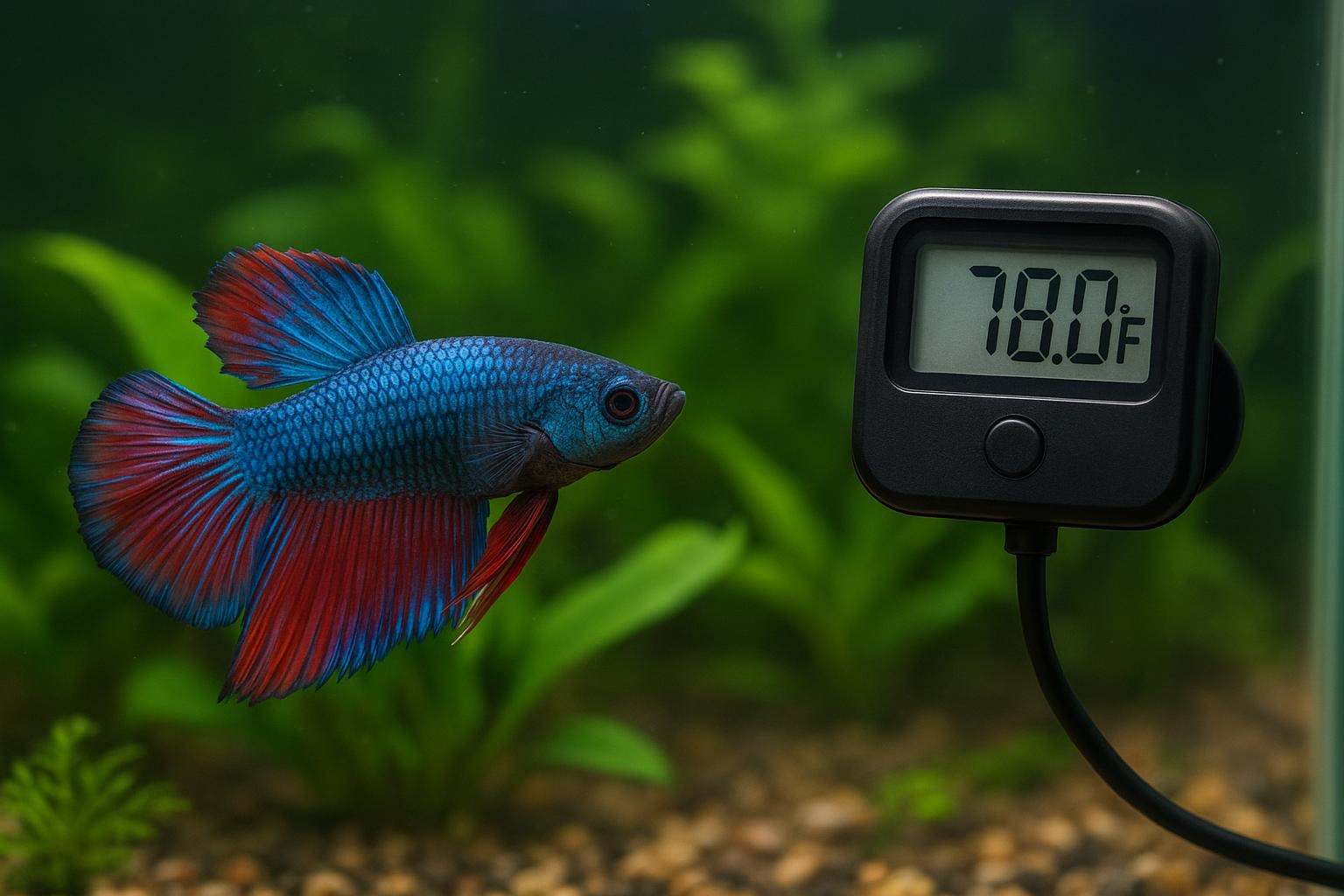
Betta fish are ectotherms, which means they rely on their environment to regulate body temperature. When the betta fish water temp is in the right range, metabolism, immune function, digestion, and activity levels stay balanced. Too cold and your betta becomes sluggish, refuses food, and is prone to infections; too hot and metabolic rate spikes, oxygen demand increases, and stress-related illnesses can follow.
### Normal Range And Daily Variations
A healthy betta prefers a stable range roughly between 76°F and 82°F (24°C–28°C). Small daily swings of 1–2°F are okay, but frequent or large fluctuations are harmful. Aim to keep the tank within that window most of the time, and avoid placing the aquarium near drafty windows, direct sunlight, or heating vents.
### Signs Your Betta Is Too Cold Or Hot
Recognizing temperature stress early helps you act faster:
– Cold: Lethargy, clamped fins, decreased appetite, hiding, slow or no bubble nest building.
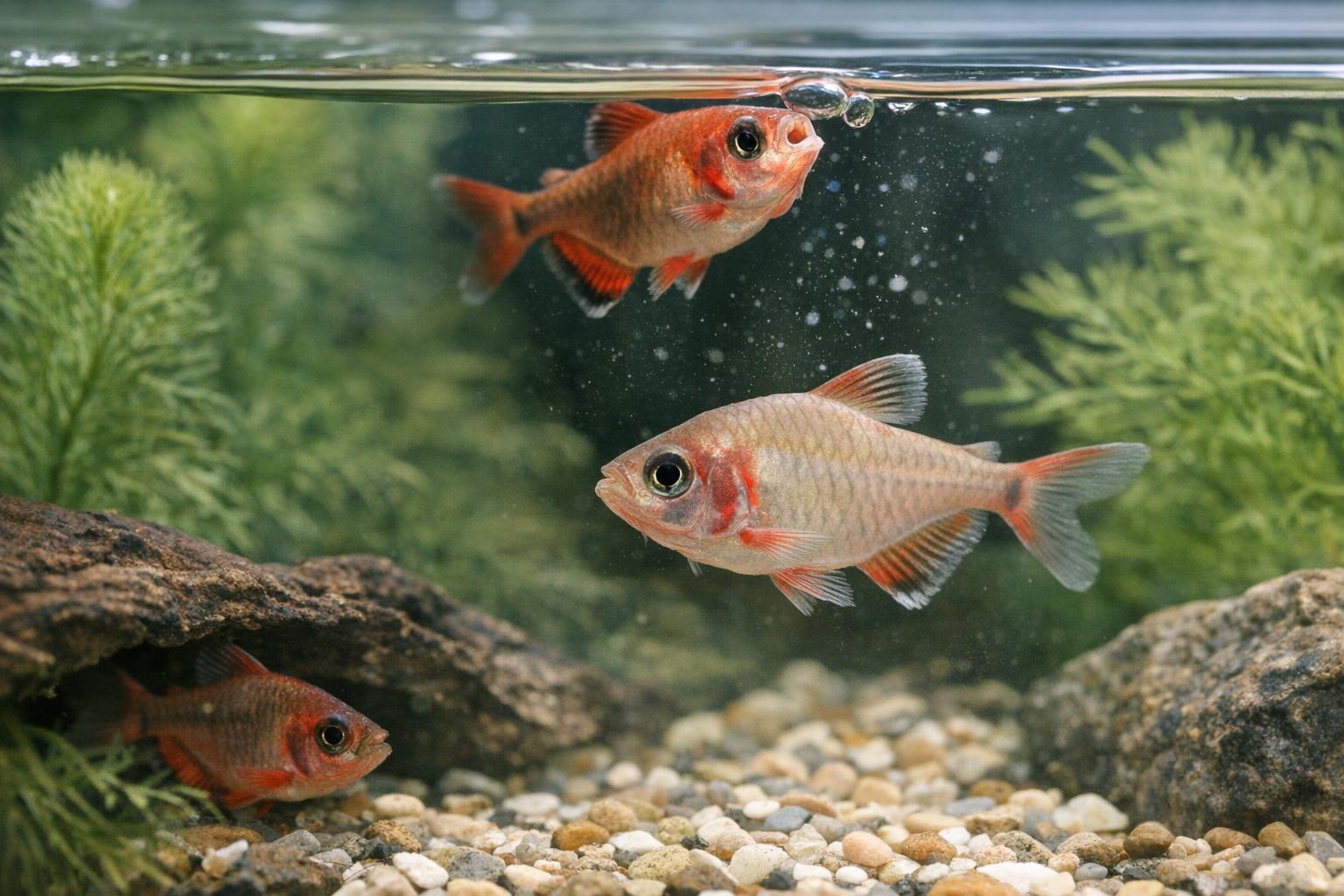
– Hot: Increased gill movement, gasping at the surface, restlessness, faded color, uncharacteristic aggression.
If you notice these signs, check the betta fish water temp immediately and compare it to your thermostat and heater settings.
## Toolkit: Essential Gear For Temperature Control
Accurate tools are half the battle. When managing betta fish water temp, invest in reliable gear:
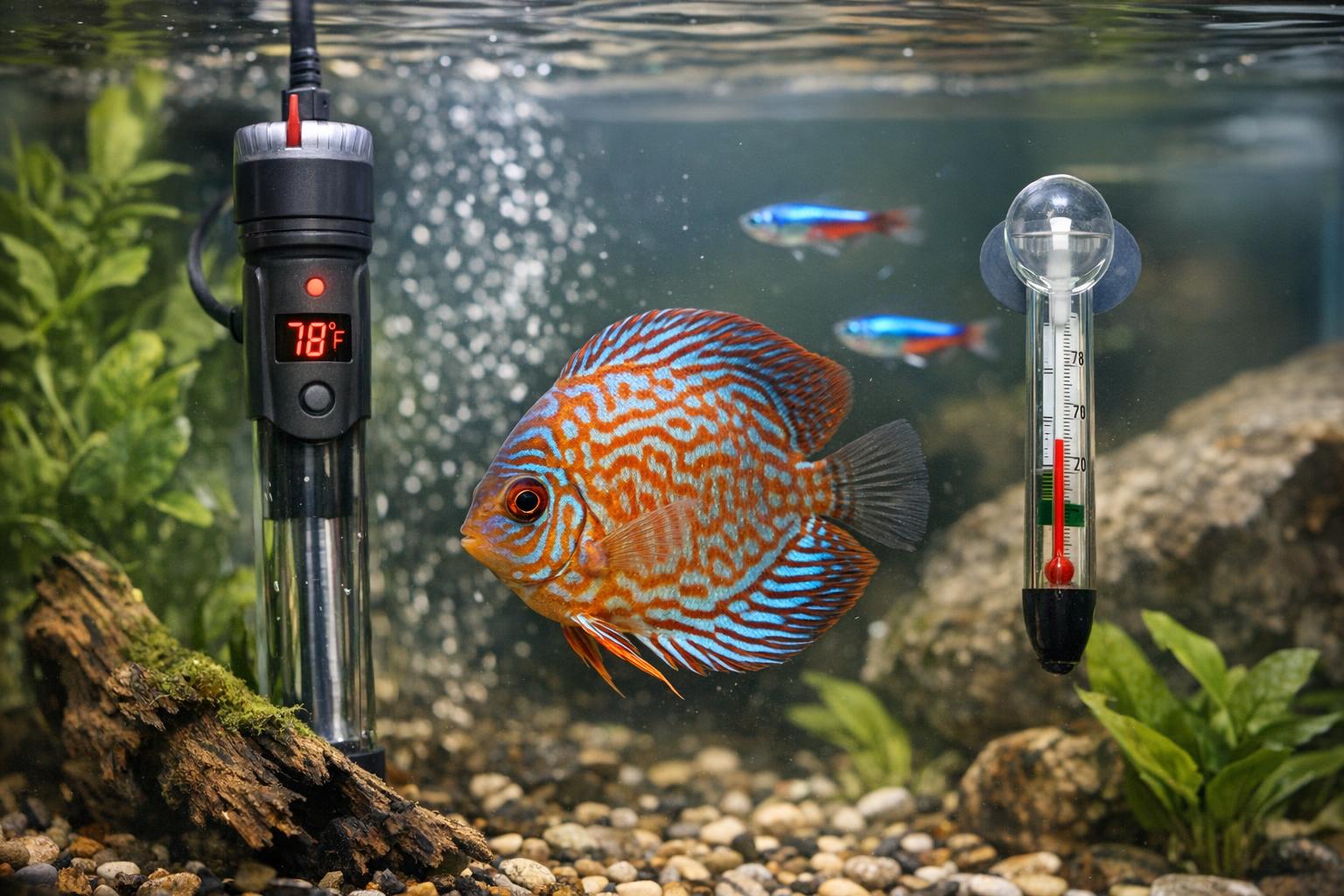
– A submersible, adjustable aquarium heater sized for your tank volume.
– A reliable aquarium thermometer (stick-on for quick checks and a submersible digital probe for accuracy).
– A power strip with surge protection (to protect heaters and filters).
– Optional: a thermostat controller for very precise setups, and an aquarium cover or hood to reduce heat loss.
### Choosing The Right Heater And Thermometer
Choose a heater rated for the size of your tank (typically 3–5 watts per gallon is a general guideline for small tanks). Look for heaters with built-in thermostats that display set temperature and actual water temperature. For redundancy, pair the heater with a separate thermometer so you can verify the heater’s readout.
#### Placement And Calibration Tips
Place the heater where water flow will circulate warmed water around the tank—near the filter outflow is ideal. After installing a new heater, allow 24 hours before relying on its reading. Calibrate thermometers against each other and check them regularly; cheap stick-on thermometers can be off by several degrees.
## 1. Stable Heating Setup (Permanent Solution)
This is the formal, reliable fix for long-term temperature control. Follow this method for a consistent and safe environment.
Materials / Ingredients:
– Appropriately sized submersible aquarium heater with thermostat
– Backup heater (optional, for larger tanks or valuable stocks)
– Two thermometers (one stick-on, one digital/submersible)
– Power strip with surge protection
– Aquarium lid or hood
– Timer (optional, for nighttime slight drops)
Step-By-Step Creation And Application:
1. Select Heater Size: Determine tank volume and pick a heater rated for that size. For example, a 5–10 gallon tank typically needs a 25–50W heater; a 10–20 gallon tank needs 100W, and so on.
2. Install Heaters: Mount the primary heater low in the tank where circulation is strong. If using a backup heater, install it opposite the primary to create redundancy without interfering with each other.
3. Place Thermometers: Attach the stick-on thermometer on the outside near the heater to get a quick visual, and place a digital probe submersible thermometer away from direct heater contact for accurate reading.
4. Power And Protection: Plug heaters into a surge-protected power strip and set the heater to your target (for most bettas, 78°F / 26°C is a good mid-point).
5. Stabilize And Monitor: Wait at least 24 hours after setup before making any fine adjustments. Check the thermometers multiple times daily for the first week, then at least once daily thereafter.
6. Maintenance: Clean heaters per manufacturer instructions (algae and mineral deposits reduce efficiency). Replace or recalibrate thermometers annually.
This permanent solution prioritizes redundancy and accuracy, and is intended for continuous use to maintain the ideal betta fish water temp with minimal daily fuss.
## 2. Emergency Temperature Fix (Quick Temporary Remedy)
When heaters fail or power goes out, this is a formal, stepwise emergency method to protect your betta until normal heating is restored.
Materials / Ingredients:
– Clean towels or bubble wrap
– Hot water bottles or sealed plastic bottles filled with warm (not boiling) water
– A small insulated cooler or styrofoam box slightly larger than the aquarium
– A thermometer
– Optional: battery-powered air pump for circulation (if power is out long-term)
Step-By-Step Creation And Application:
1. Measure Current Temperature: Record the betta fish water temp immediately to determine how much warming is needed.
2. Prepare Warm Packs: Fill bottles with warm tap water (not scalding—aim for roughly 100–110°F / 38–43°C) and seal tightly. Wrap bottles in towels to avoid direct heat contact with the aquarium glass.
3. Insulate The Tank: Place towels or bubble wrap around the aquarium sides. If you have a small insulated cooler, set it over the tank like a hood (ensuring some ventilation and access for observation).
4. Position Warm Bottles: Place wrapped warm bottles on top of the aquarium lid or around the outside of the tank where they will gently raise the water temperature. Do not place hot bottles in the water—use them externally to avoid sudden local hot spots.
5. Monitor Frequently: Check the thermometer every 15–30 minutes and remove or add warm bottles to maintain a stable, gradual increase. Avoid raising temperature more than 2–3°F per hour.
6. Restore Circulation: If the filter is off, gently stir the water with a clean net or use a battery-powered air pump to maintain oxygenation. Avoid vigorous movement that stresses the fish.
7. Transition Back: When power and heater are restored, allow the heater to re-stabilize the water slowly. Remove external warmers gradually as the internal heater takes over.
Use this emergency remedy as a short-term measure only. It’s formal, controlled, and designed to prevent shock from abrupt temperature changes while you restore permanent heating.
### Maintaining Consistent Betta Fish Water Temp: Routine Care
Routine checks prevent crises. Test water temperature at least once per day, especially during seasonal changes. Perform regular equipment checks: confirm heaters are firmly mounted, check cords and plugs for wear, and replace faulty thermometers immediately.
#### What To Do During Power Outages
Have a simple kit ready: warm bottles, thick towels, a thermometer, and a battery-powered air pump. If outages are frequent in your area, consider investing in an uninterruptible power supply (UPS) for small heaters or a generator to keep a single heater running.
#### Seasonal Tips To Preserve Temperature
– Winter: Move tanks away from cold windows and seal gaps around lids to reduce heat loss.
– Summer: Prevent overheating by keeping tanks out of direct sun, using fans to cool the surface, and monitoring nighttime highs—heat can be as dangerous as cold.
– Travel: When transporting bettas, use insulated containers and avoid leaving them in parked cars.
### Common Mistakes To Avoid
Don’t overcompensate with extreme temperature swings—slow, gradual changes are safer. Avoid cheap, uncalibrated thermometers as your only measurement tool. Never place a heater against the glass without a guard if it’s a model that can contact the tank walls—localized overheating can cause cracks or burns.
Keeping your betta at the right temperature is one of the most impactful things you can do for their health. With the right gear, a stable routine, and quick emergency plans, you’ll master the betta fish water temp like a pro—no tiny fish-sized sweaters required.

















Leave a Reply