



If you keep tetras, you know they’re the little social butterflies of the aquarium: schooling, shimmering, and somehow managing to look judgmental about your water changes. Getting their diet right isn’t just about happy fish faces — it’s about color, energy, breeding success, and long-term health. This article will walk you through species-specific considerations and practical options so your tetra crew thrives on the right fish food for tetras without making feeding time a full-time job.
## Choosing The Right Fish Food For Tetras
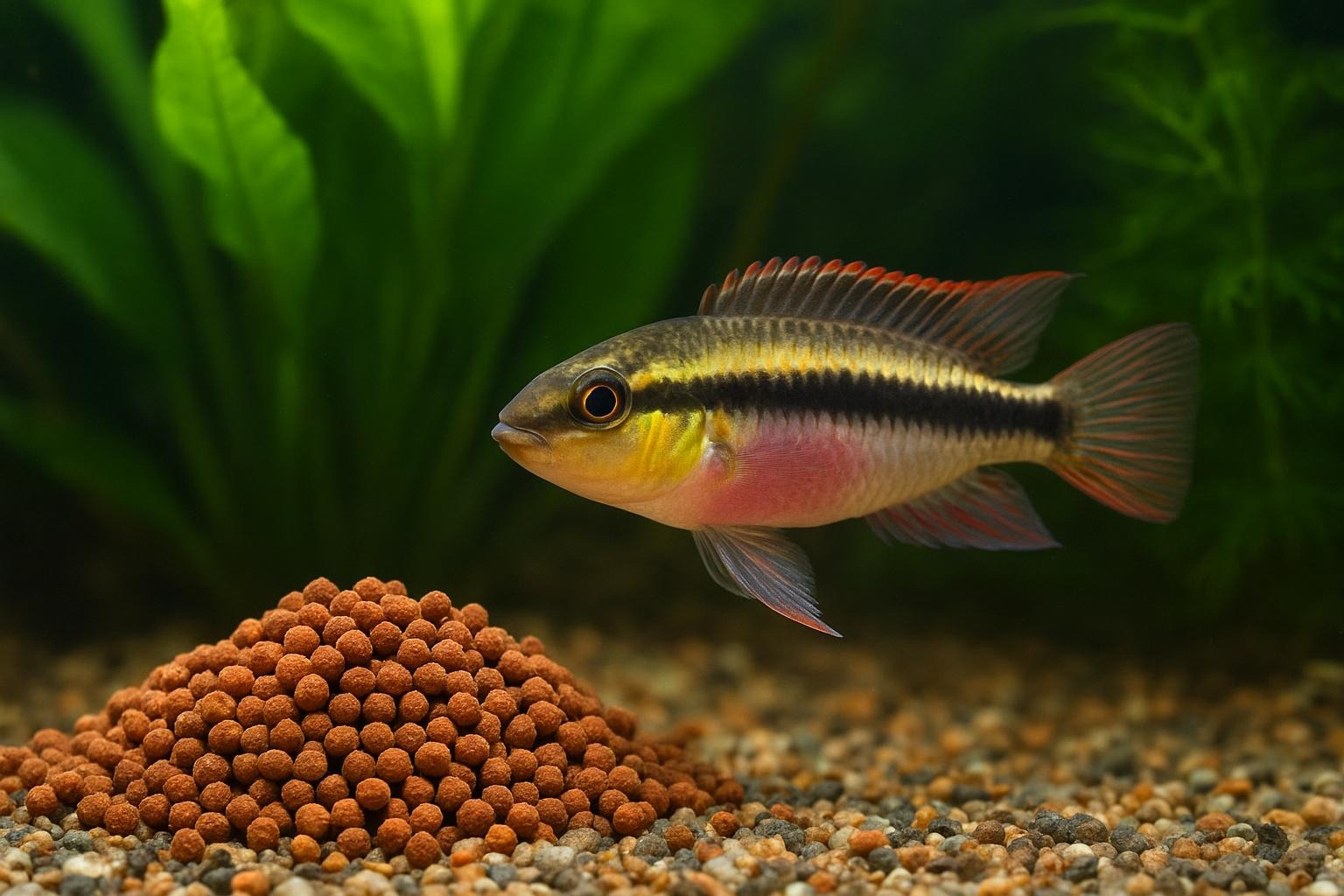
Tetras are not a single-species diet case — neon tetras, cardinal tetras, ember tetras, and black skirt tetras all share family traits but have different nuances. Generally, tetras are omnivorous with a lean toward microinvertebrates and plant matter in the wild. Look for high-quality staples that balance proteins, vegetable matter, and micronutrients. When you shop, check ingredient lists: whole fish meal or shrimp meal near the top is good; cheap fillers like unspecified “fish by-products” and excessive wheat can be less ideal.
### What To Look For On Labels
– Proteins around 30–45% for most small tetras; fry and breeding adults may need more.
– A mix of animal and plant ingredients (shrimp, krill, spirulina, kelp).
– Added carotenoids (astaxanthin, beta-carotene) for color enhancement.
– Small pellet or flake size — tetras have small mouths.
– Minimal artificial dyes; natural pigmentation from ingredients is better.
## Common Tetra Species And Their Dietary Needs
Different tetra species have slightly different preferences and tolerances. Matching the food to the species keeps them active and colorful.
### Neon And Cardinal Tetras
These iconic schooling fish appreciate micro-pellets and fine flakes with a good portion of animal protein. Color boosters with natural carotenoids help keep their red and blue hues vibrant.
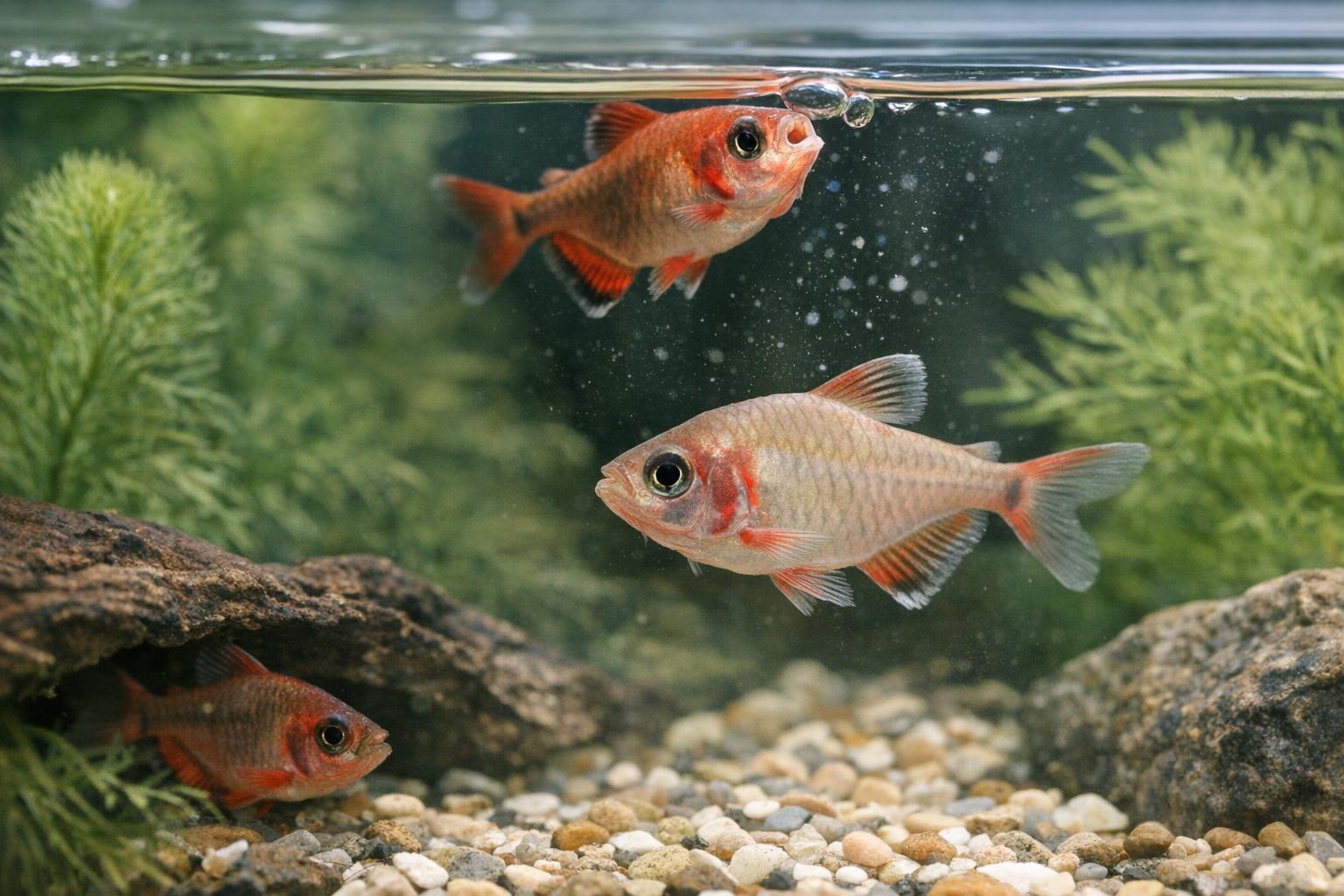
### Ember Tetras And Smaller Species
Tiny mouths, big personalities. Offer crushed micro-pellets, finely crumbled flakes, and frequent small feedings. They do well with spirulina and vegetable-based foods to round out their diet.
### Large Tetras Like Congo Or Black Skirt
Bigger tetras handle larger pellets and occasionally frozen meaty treats. They tolerate a broader protein range but still benefit from plant matter for gut health.
#### Live, Frozen, And Dried Options
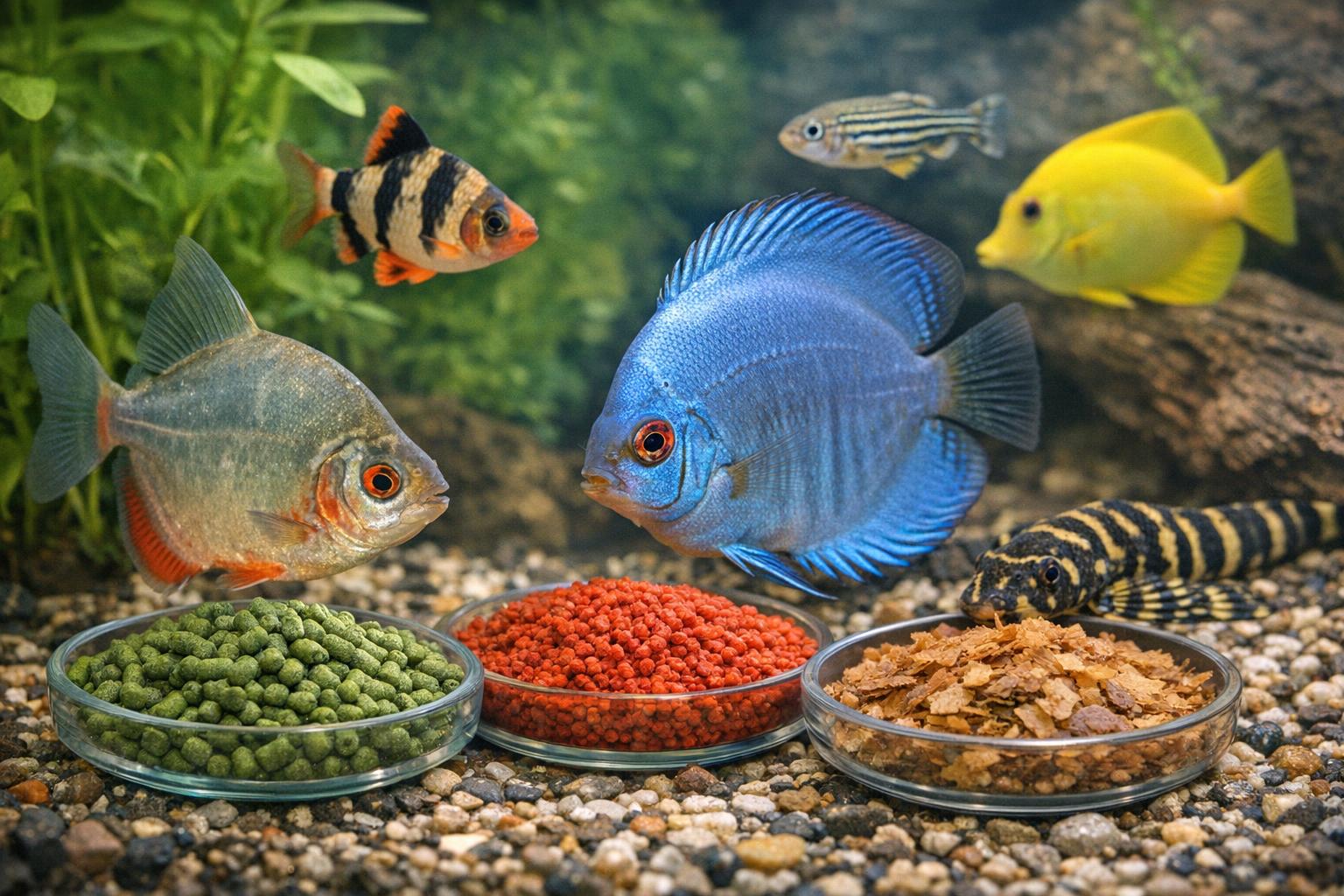
Live foods (daphnia, baby brine shrimp, blackworms) are great for stimulating natural behavior. Frozen options are convenient and nutritious if thawed properly. High-quality freeze-dried foods can be used occasionally but should not replace fresh or frozen live foods due to potential nutrient loss.
## How Often And How Much To Feed
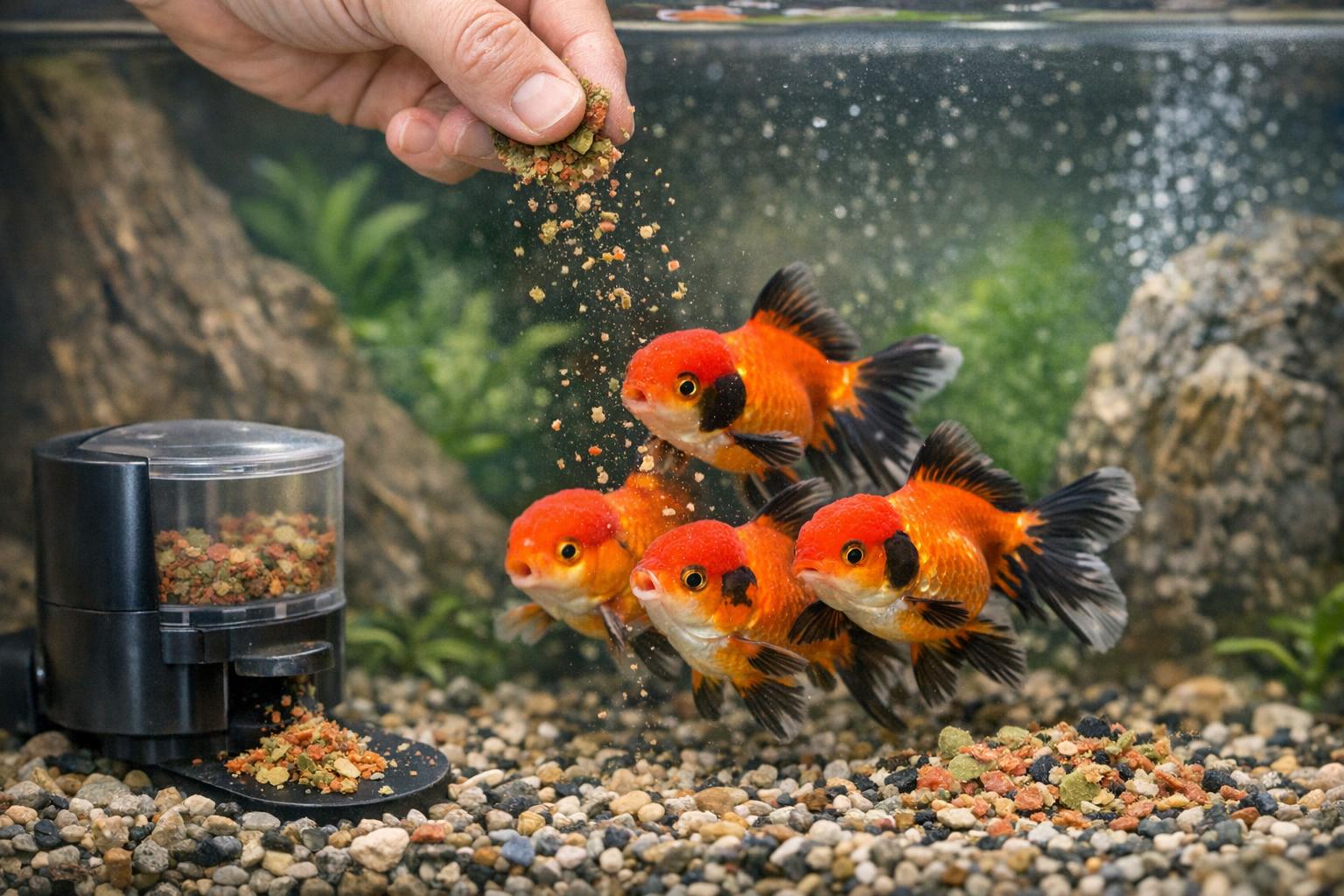
Tetras are grazers in smaller species groups and should be fed 1–2 times a day in amounts they can consume within 2–3 minutes. Overfeeding leads to poor water quality and health problems. For community tanks with different feeders, use targeted feeding tools like feeding rings or tweezers to ensure smaller tetras get their share.
### Portion Control Tips
– Feed small amounts and observe. If food remains after a few minutes, reduce next time.
– Rotate food types on a weekly schedule: staple flakes/pellets, one frozen/live feeding, one vegetable-based day.
– During breeding or growth periods, increase frequency but reduce per-meal volume.
## Homemade Remedy: DIY Balanced Food For Tetras
Sometimes commercial foods don’t cut it — maybe your local brand doesn’t include the best ingredients, or you want to supplement with something fresher. Below is a formal, tested recipe for a balanced homemade gel food that can be used as an occasional staple or during conditioning for breeding. This remedy provides protein, vegetables, and essential fatty acids without relying on artificial additives.
Ingredients / Required Materials:
– 100 g cooked white fish (no bones, mild flavored; e.g., cod)
– 50 g shelled cooked shrimp (or substitute: 50 g canned tuna packed in water, drained)
– 40 g blanched peas or spinach (pureed)
– 1 large egg yolk
– 1 teaspoon spirulina powder
– 1 teaspoon fish oil (omega-3 source) or liquid krill oil
– 2 g agar-agar powder (vegetarian gelling agent)
– 100 ml low-sodium fish/vegetable broth or water
– Blender or food processor
– Small saucepan and spoon
– Ice cube tray or silicone mold for portioning
– Clean storage container and freezer space
Step-by-Step Creation:
1. Prepare Ingredients: Cook the white fish and shrimp (if using fresh) until just done, cool, and remove any remaining bones. Blanch peas or spinach in boiling water for 30–60 seconds and cool.
2. Puree Base: Place fish, shrimp (or tuna), blanched vegetables, egg yolk, and spirulina in a blender or food processor. Add the fish oil and 50 ml of the broth. Blend until you have a smooth paste; a little texture is okay but avoid large chunks.
3. Dissolve Agar: In a small saucepan, mix the remaining 50 ml of broth with agar-agar powder. Heat gently, stirring until agar dissolves and the liquid just begins to simmer. Agar needs this activation to gel properly.
4. Combine Warm Liquids: Pour the warm agar solution into the blender with the puree and blend briefly to homogenize. Do not overheat the egg yolk — keep temperatures reasonable by not letting the agar over-boil.
5. Portion And Cool: Spoon the mixture into an ice cube tray or silicone mold in small portions suitable for your tetra size (tiny cubes or pea-sized mold sections). Let cool to set, then seal and freeze.
6. Serving: Thaw one portion in the refrigerator or at room temperature just before feeding. Rinse briefly under tap water to remove excess surface oil if necessary, then feed the small amount your tetras will eat in 2–3 minutes. Discard leftovers promptly.
Application Notes (Formal Guidance):
– Frequency: Use homemade gel food as a supplement 2–3 times per week alongside a quality staple pellet or flake. For conditioning before breeding, you may increase to once daily for up to two weeks.
– Safety: Ensure all fish used are fresh and properly cooked to eliminate pathogens. Avoid using cured or smoked fish. If using canned tuna, ensure it’s low-sodium and packed in water, not oil.
– Storage: Gel food keeps in the freezer for up to 2 months. Thawed portions should be refrigerated and used within 24 hours to prevent spoilage.
– Allergies & Sensitivities: Monitor fish after introducing any new food for signs of digestive upset or color changes. Some tetras can be sensitive to rich foods; adjust portions accordingly.
## Supplements, Color Enhancers, And When To Use Them
Natural color enhancers like astaxanthin-rich shrimp meal or spirulina help tetra colors without resorting to synthetic dyes. Use targeted supplements when you notice faded color, during pre-breeding conditioning, or after illness recovery. Avoid constant use of “color booster” foods that rely heavily on artificial pigments; they can mask underlying health issues.
### Using Live Foods Safely
If offering live foods (daphnia, brine shrimp), quarantine and source responsibly to avoid introducing parasites. Live food is excellent for stimulating appetite — especially for picky eaters — but should complement, not replace, a balanced staple.
## Preventing Common Feeding Problems
– Overfeeding: The most common mistake. Remove excess food after a few minutes and keep feedings measured.
– Nutrient Deficiency: Rotate food types and include both animal and plant components. Homemade gel food can fill gaps.
– Aggression And Competition: Feed in multiple spots, use a feeding ring for shy tetras, and consider timed feedings to reduce competition.
#### Signs Your Tetras Need A Diet Change
– Dull or faded coloration
– Reduced schooling activity or lethargy
– Visible weight loss or bloating
– Poor fin condition or slow growth in juveniles
## Troubleshooting And Feeding Tips
– If smaller tetras are being outcompeted, crush flakes slightly or use micro-pellets that sink slowly.
– For picky eaters, try soaking flakes in garlic extract (a few drops of garlic juice diluted in water) once in a while to stimulate appetite—used sparingly.
– Always acclimate fish to a new food gradually over 7–10 days by mixing with their current food in increasing proportions.
If you ever find yourself staring at a bag of generic flakes wondering whether your tetras would appreciate caviar instead — they won’t, but a thoughtful mix of quality commercial staples, occasional live or frozen treats, and the occasional homemade gel will keep those little fish flashing their best colors.













Leave a Reply