
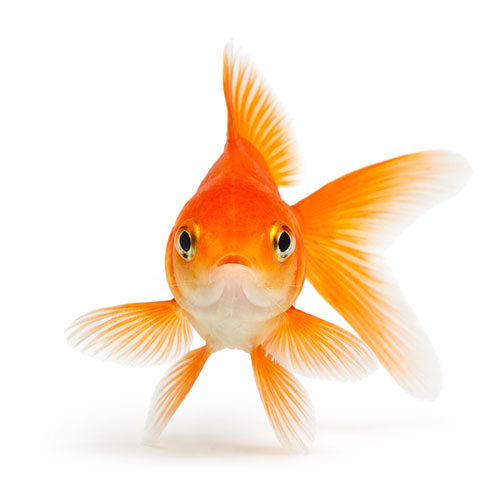

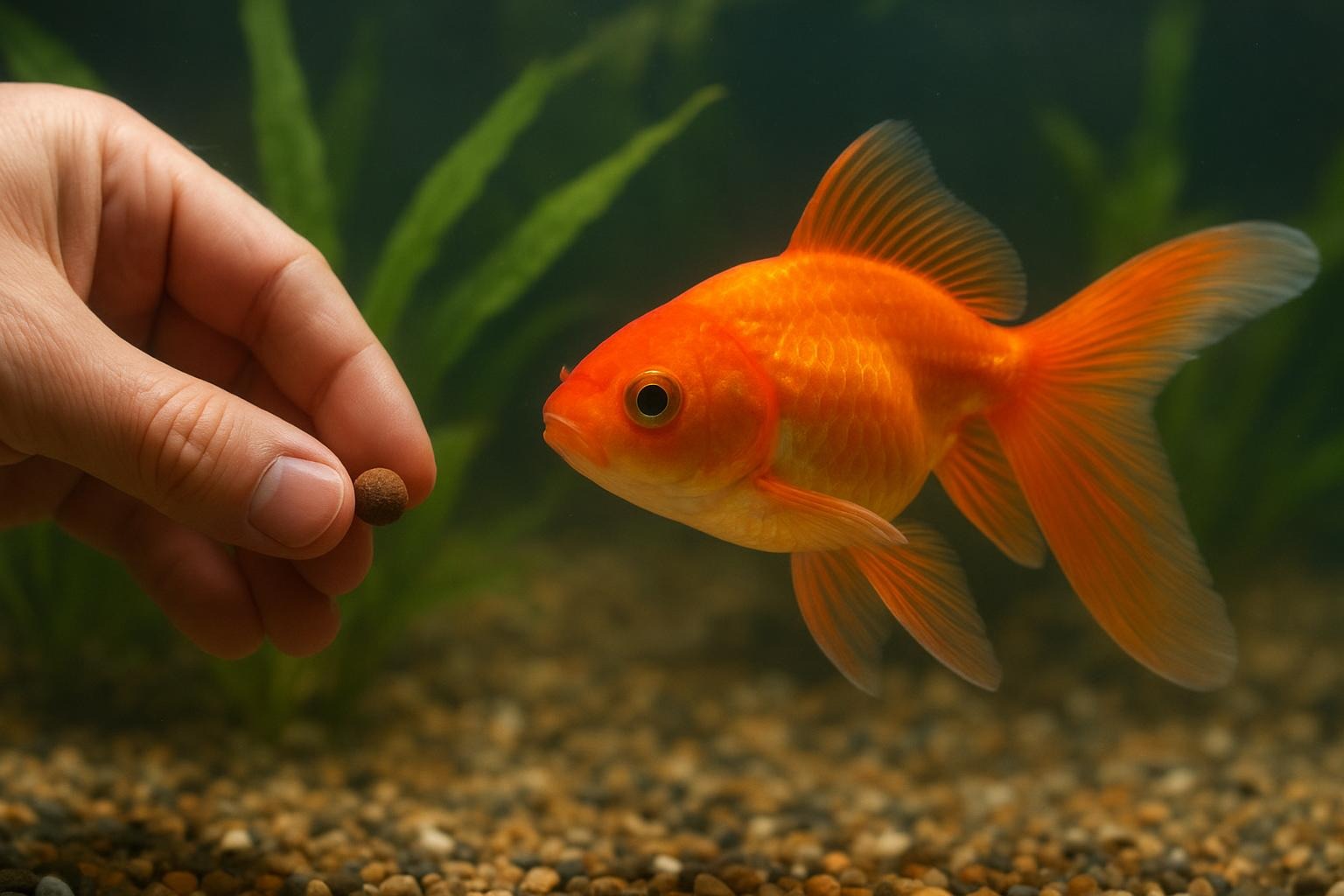
Hey there — glad you care enough about your finned roommate to read up on prevention. Goldfish are charming, endlessly optimistic little vacuum cleaners, but they’ll happily accept every bite you offer, which leads to what we pet nerds politely call goldfish overfeeding. That’s a fast track to cloudy water, unhappy fish, and an aquarium that smells like week-old sushi. Below are gentle, practical home remedies to keep your goldfish lean, clean, and content.
## Preventing Goldfish Overfeeding: Simple Tips
Goldfish overfeeding happens when more food is provided than the fish can eat or process, causing leftovers to decay and ammonia to rise. The goal here is to match the amount you feed with what your goldfish actually need and to use simple DIY tools to enforce that habit. Think of these remedies as training wheels for your feeding routine — they help build good habits until you don’t need them anymore (or until the goldfish stages a successful food heist).
### Why Overfeeding Is A Big Deal
Even though an extra flake or pellet seems harmless, uneaten food breaks down and fuels algae and harmful bacteria. That stresses fish, weakens their immune systems, and can lead to swim bladder issues or fatty liver disease. Keeping portions reasonable helps maintain stable water chemistry and a happy, active goldfish.
### Signs You’re Overfeeding
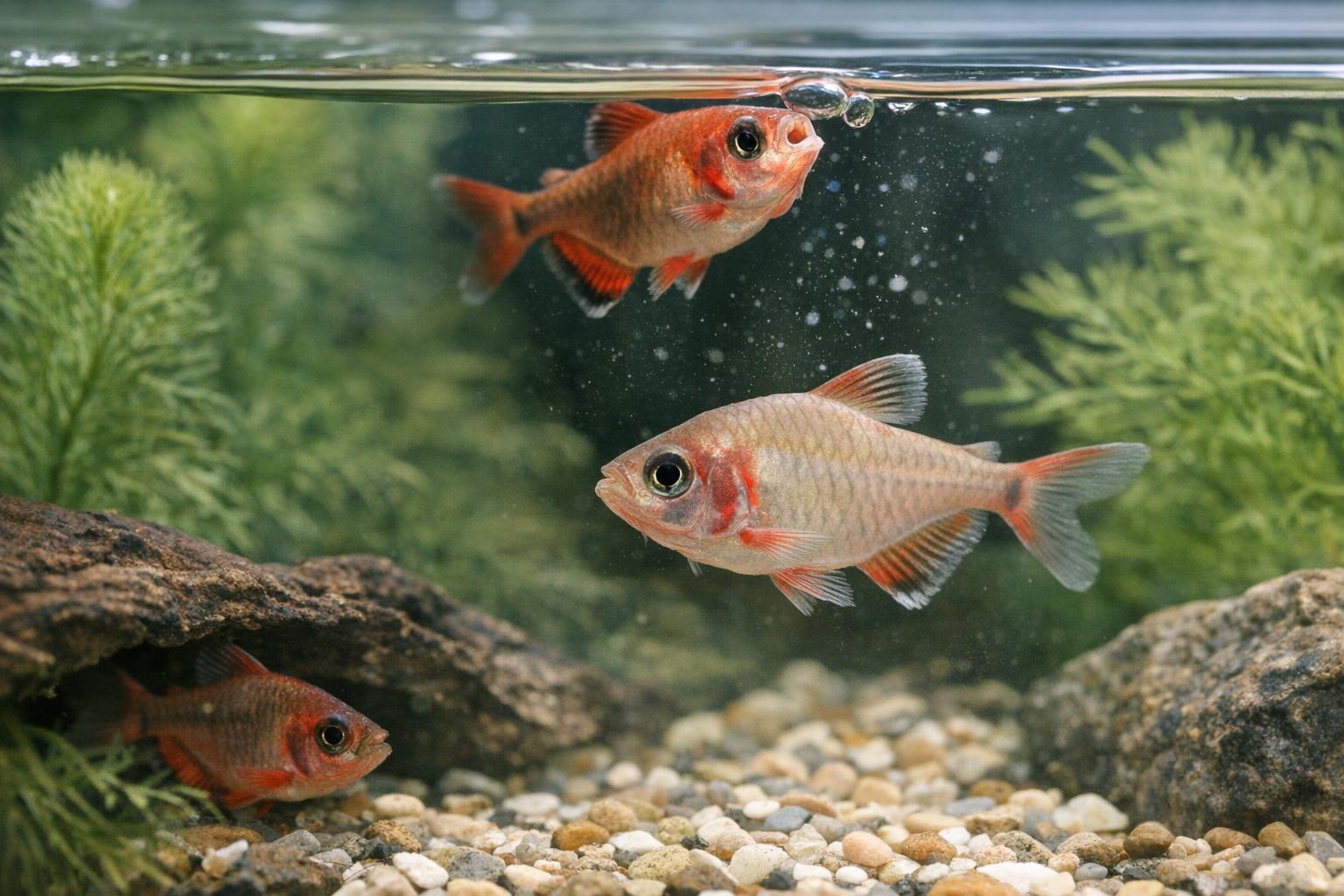
Look for these signals: frequent cloudy water, a noticeable food layer on the substrate after feeding, goldfish who hang at the surface begging constantly, slow or reluctant swimming, and higher-than-normal ammonia or nitrite test results. If you see any of these, pause and reassess feeding amounts and habits.
## Remedy 1: DIY Portion-Control Feeding Block
This is a straightforward, low-cost tool you can build to regulate how much food you drop into the tank at each feeding.
### Materials Needed
– Small food-safe silicone mold or plastic pill organizer (clean and food-safe)
– Ruler and marker
– Fish food (flakes or pellets)
– Small funnel or piece of paper for scooping
– Tape (optional)
### Creation And Application Steps
1. Prepare: Clean the silicone mold or pill organizer thoroughly with warm water (no soap residue). Dry it completely.
2. Measure Portions: Using a ruler and marker, mark off the capacity of a single serving for your fish. For most single adult goldfish, one to two average flakes or a few small pellets is enough. Adjust based on size and number of fish.
3. Fill: Use the small funnel or folded paper to fill each mold section with the measured portion of food.
4. Apply: At feeding time, place one pre-measured portion into the tank. If flakes float excessively, wet them first on a small plate to make them sink at a predictable rate.
5. Repeat: Replace used portions into the mold for the next feeding and store the mold in a dry place. If using a pill organizer, label compartments as “AM” and “PM.”
This formal, repeatable approach reduces guesswork and removes impulse feeding. It is especially useful in multi-person households or for kids who want to help but lack restraint.
## Remedy 2: Numbered Feeding Schedule And Visual Cue System
Behavioral fixes stick when they’re simple and visible. A feeding schedule helps family members know exactly when and how much to feed — and a visual cue reminds everyone to stick to it.
### Materials Needed
– Small whiteboard or laminated index card
– Dry-erase marker or permanent marker with laminated cover
– Timer or phone alarm
– Calendar (optional)
### Creation And Application Steps
1. Decide Frequency: Choose feeding frequency appropriate for your goldfish (typically 1–2 times per day for adults). Fry and very young fish may require more frequent small feedings.
2. Set Portions: Define a portion size using the Portion-Control Feeding Block or an established measurement (e.g., 2 flakes per fish).
3. Create Visuals: Write the feeding times and portions on the whiteboard or card. Add a quick checklist column: “Fed” with initials or a sticker.
4. Set Alarms: Program phone alarms for feeding times. Alarms reduce guesswork and impulse feeding that often leads to goldfish overfeeding.
5. Enforce The System: Require anyone feeding the fish to mark the checklist. If multiple feeders are present, this prevents double-dosing.
This remedy formalizes responsibility and makes it easier to avoid accidental extra snacks.
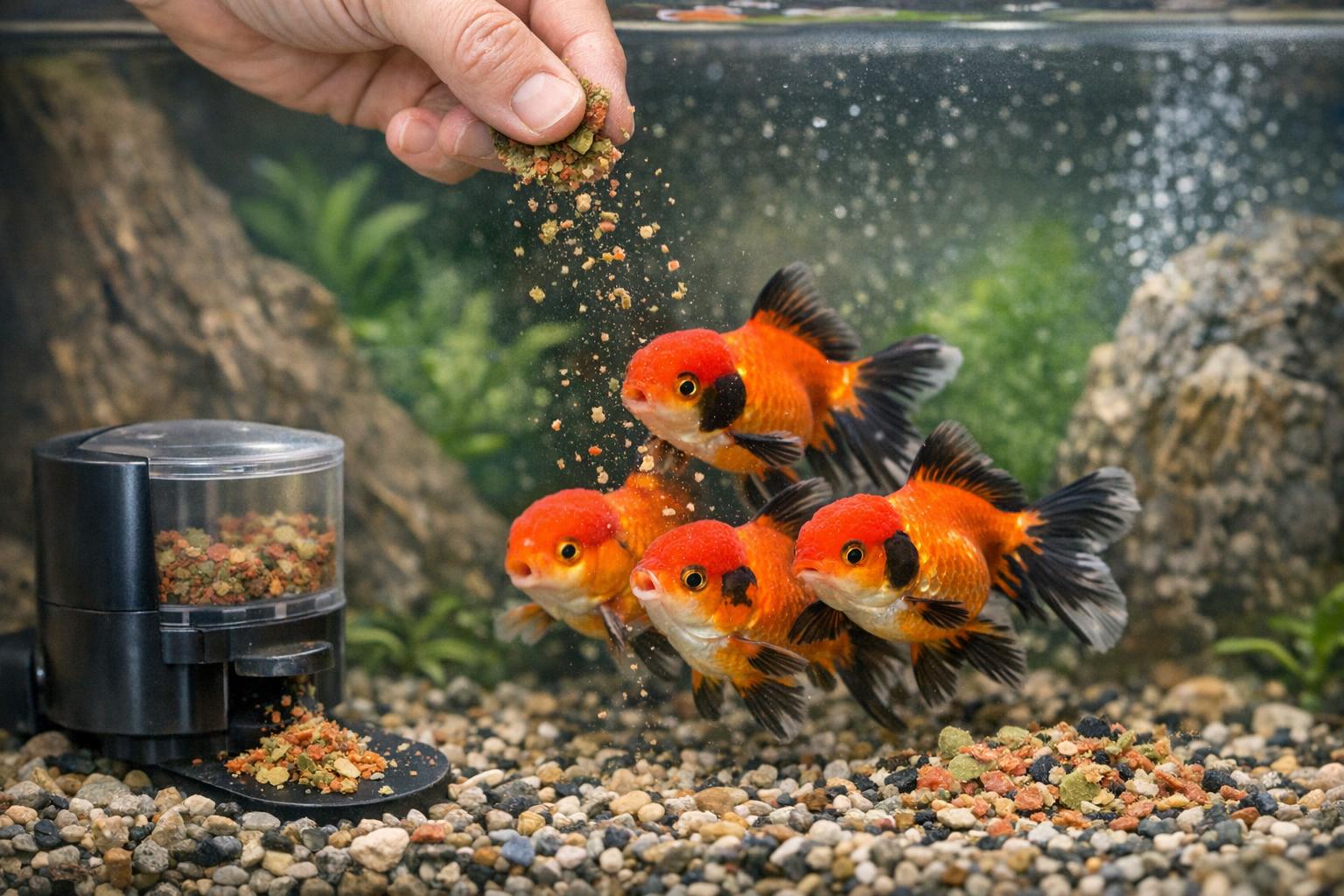
## Remedy 3: Simple DIY Feeding Funnel Feeder For Controlled Dispensing
If your goldfish prefers pellets or you want a slow-release option, a feeding funnel feeder can dispense a measured amount into the water over a short period.
### Materials Needed
– Small plastic bottle (e.g., 1–2 oz travel shampoo bottle) or an empty spice bottle with shaker top
– Drill or sharp tool for a small hole (adults only)
– Food-safe silicone tubing (optional)
– Ruler and marker
– Aquarium-safe suction cup (optional)
### Creation And Application Steps
1. Clean Bottle: Rinse and dry the plastic bottle thoroughly.
2. Mark Dispensing Volume: Determine how much food you want per feeding and mark the fill line on the bottle.
3. Create Dispensing Hole: Carefully create a small hole in the cap using a drill or heated pin so that pellets can slowly exit but not all at once. Start small; you can always enlarge.
4. Optional Tubing: Attach a short length of silicone tubing to the hole to direct pellets into the water column and reduce splash.
5. Mounting: Use the suction cup to secure the bottle to the outside of the tank, cap down, so pellets feed through into a specific area. If using a spice shaker, simply measure and shake the pre-measured portion in.
6. Test: Run a few dry tests to check dispensing speed and adjust hole size as needed.
This method provides a controlled, often slower delivery of food, minimizing the risk that excess remains uneaten on the substrate — a common culprit in goldfish overfeeding scenarios.
### Feeding Routine And Water Care (Formal Notes)
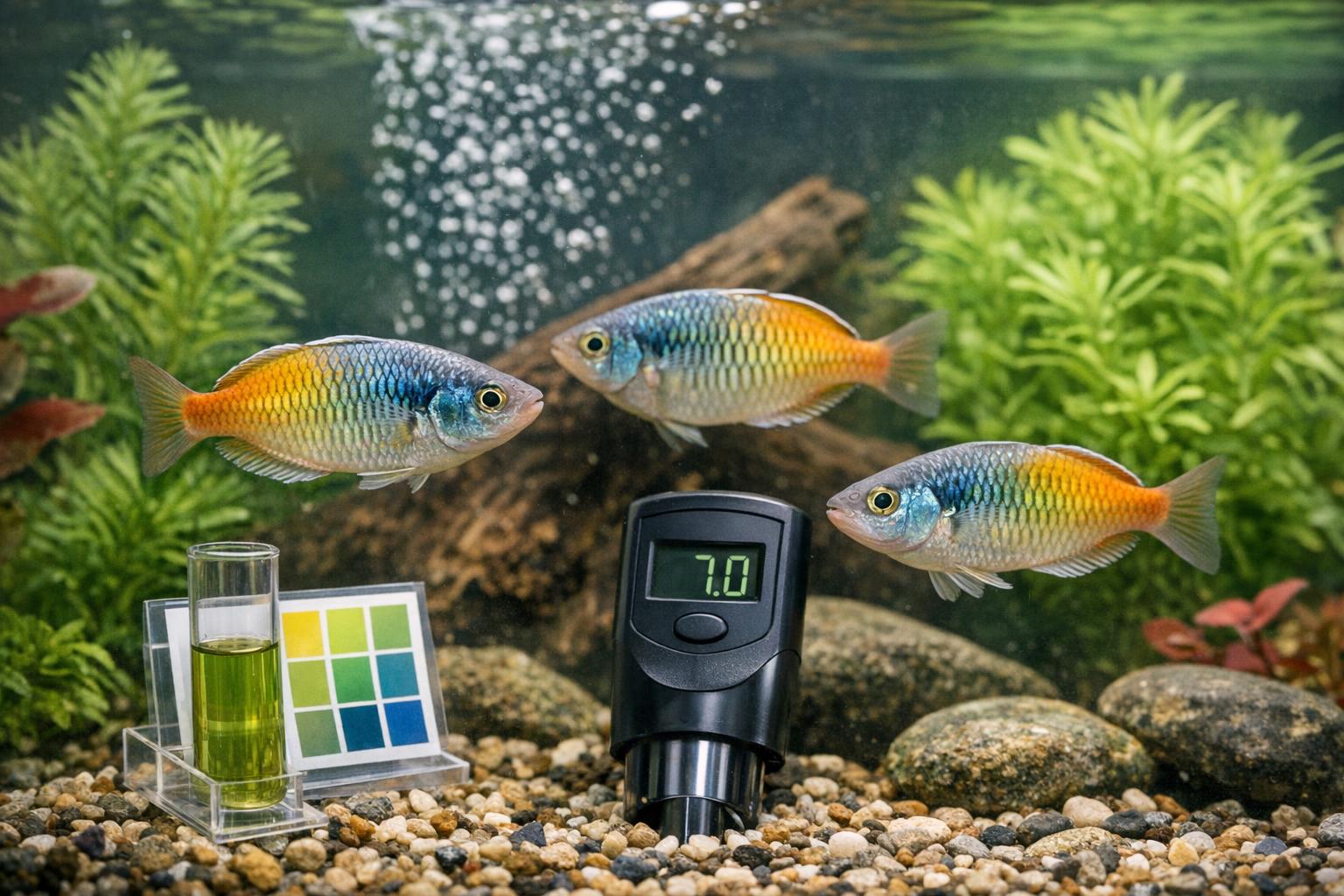
Implementing any of these devices should be accompanied by routine water testing and partial water changes. Test ammonia, nitrite, and nitrate levels weekly. A small but regular partial water change (20–30% weekly for typical goldfish tanks) can compensate for occasional waste buildup and helps stabilize the environment. Keep a log to identify trends that might indicate persistent overfeeding or filtration issues.
## Remedy 4: Fasting Days And Treat Management
A simple, evidence-backed remedy is to include one or two fasting days per week. Goldfish evolved to handle periodic scarcity; fasting helps prevent digestive distress and reduces waste output.
### Materials Needed
– Calendar or reminder system
### Creation And Application Steps
1. Schedule: Choose one or two days per week as fasting days (e.g., Wednesdays and Sundays). Mark them visibly on your whiteboard or calendar.
2. Communicate: Tell household members that no feeding occurs on those days to avoid accidental snacks.
3. Observe: Watch your fish on fasting days; they will often be active and search for food but are physiologically fine.
4. Balance Treats: If you give vegetable treats (blanched peas, lettuce), limit these to occasional supplements rather than main meals. Prepare peas by removing the skin, chopping small pieces, and giving one or two pieces per fish.
Fasting reduces total weekly caloric intake and helps prevent the chronic excess that causes goldfish overfeeding problems.
### Spot Cleaning And Partial Siphons (Practical Steps)
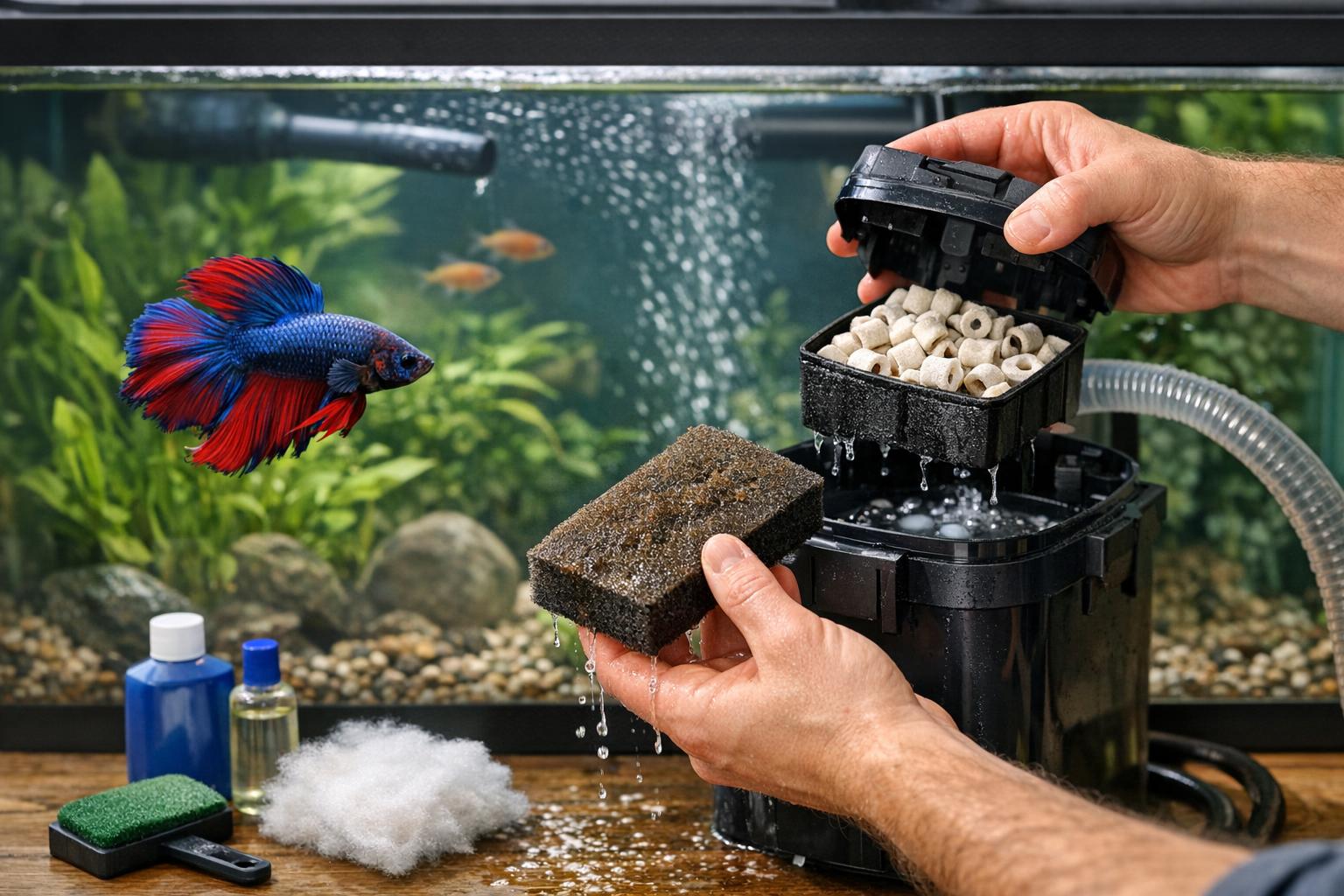
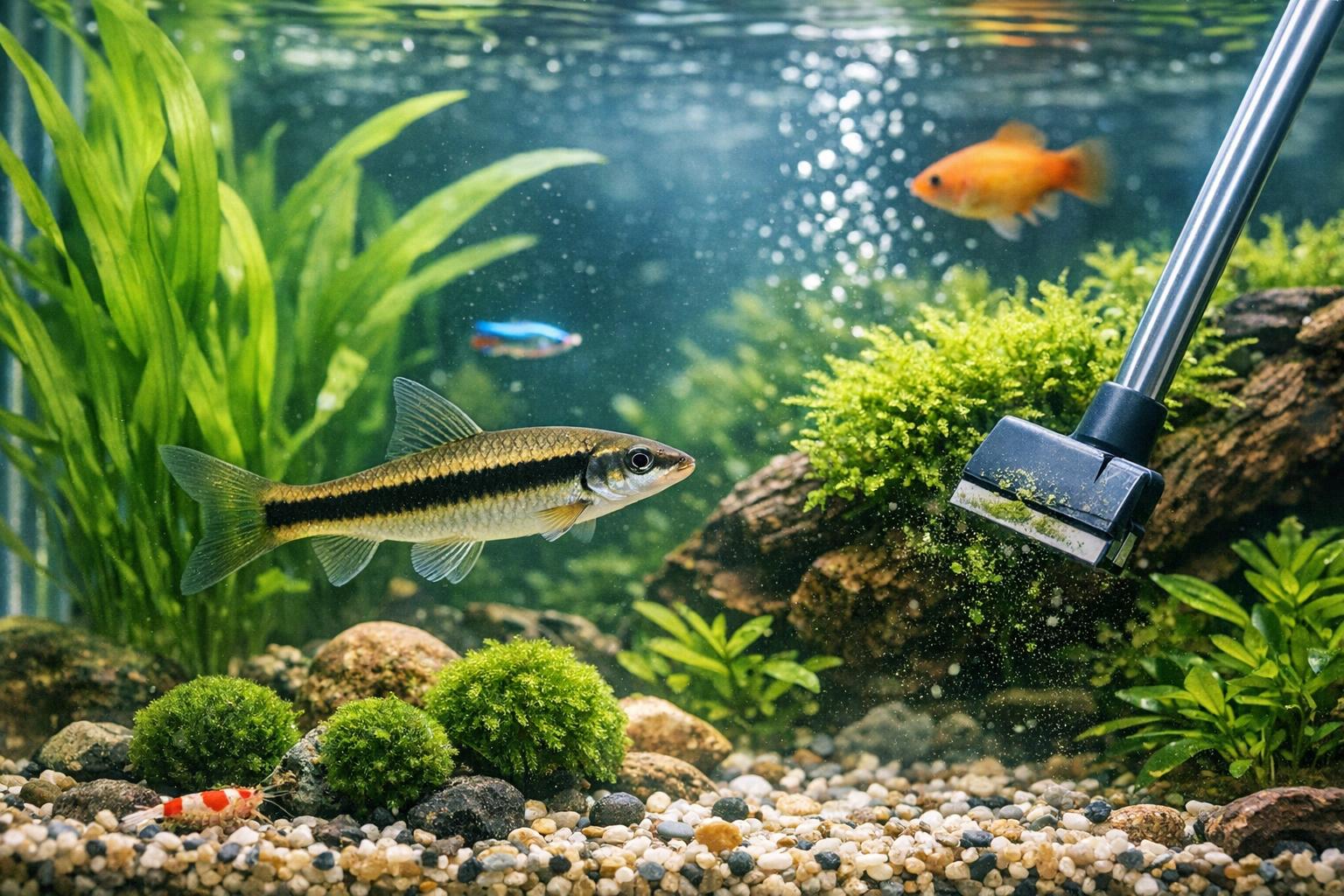
When uneaten food is noticed, remove it promptly using a small net or siphon. Routine siphoning of the substrate during water changes removes detritus before it becomes a water-quality issue. This supports any anti-overfeeding method you use and reduces ammonia spikes.
### Training Tips To Reduce Begging Behavior
Train your goldfish with consistent timing and a small target behavior before feeding (e.g., tapping the tank lightly or a brief light flash). Fish learn routines; if they expect only the measured portion at set times, their frantic begging tends to lessen. Resist free-feeding treats outside scheduled times — no matter how persuasive that face is.
### Monitoring And Adjusting Portions
After implementing any remedy, monitor your fish for a week. If pellets consistently remain uneaten after 60 seconds, reduce portion size by 20%. If fish appear thin or lethargic after reducing meals, slightly increase portions and consult a vet if needed. This iterative approach ensures you avoid both underfeeding and overfeeding.
## Troubleshooting Common Issues
If ammonia or nitrite levels remain high despite feeding control, check filter capacity and cleaning schedule; overstocked tanks or inadequate filtration can make a small amount of leftover food problematic. If one fish monopolizes food, try using a feeding target area away from dominant individuals or feed multiple locations with measured portions to ensure fair distribution. If the goldfish shows signs of constipation or swim bladder problems, temporarily switch to blanched peas (no skin) for a day or two and consult your vet for persistent issues.
Now pick a remedy, set a simple schedule, and try not to give in to those pleading goggle-eyes every time they float aimlessly near the surface. Your nose and your water tests will thank you.


















Leave a Reply