

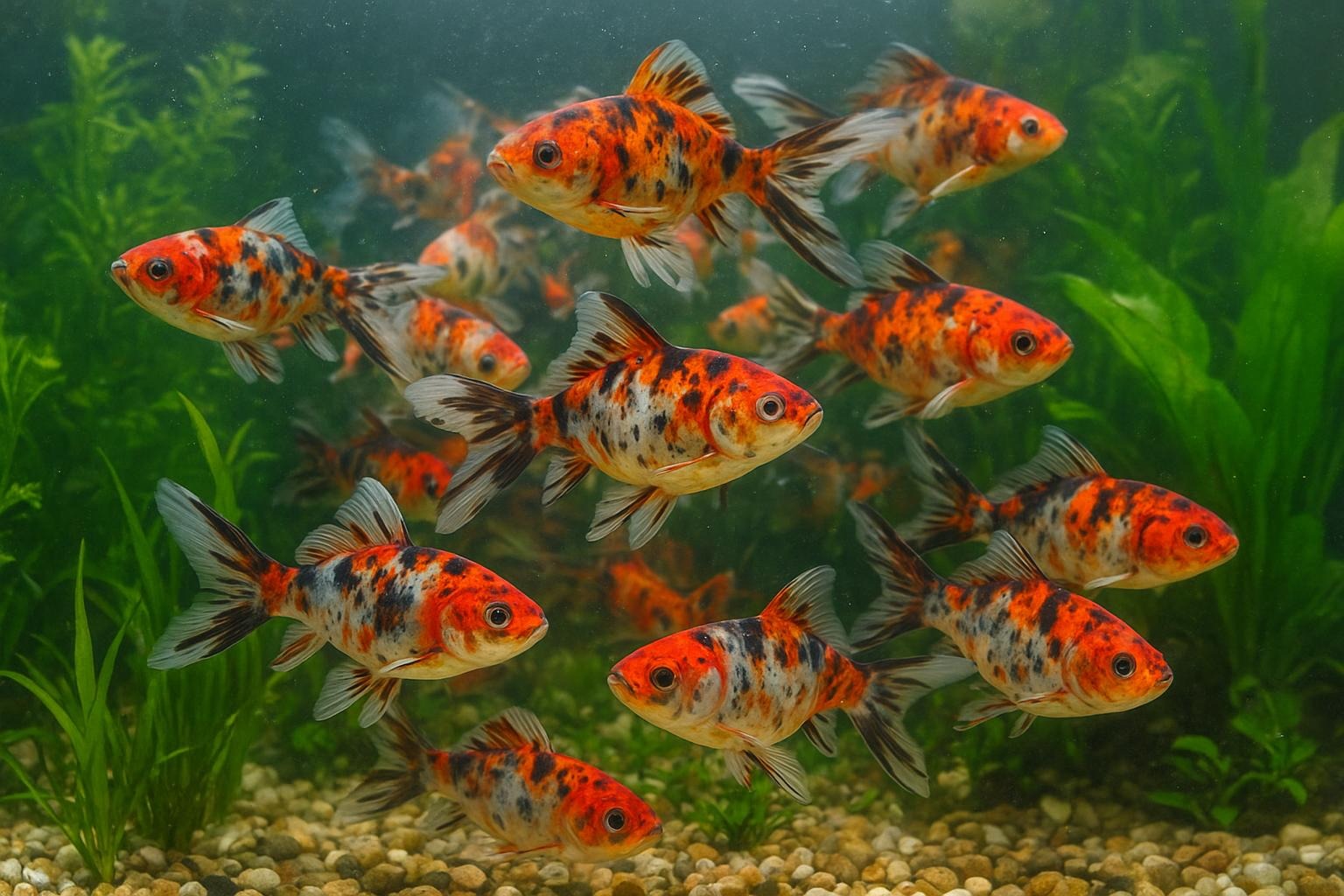
So you peeked at your aquarium and wondered if your fish are cozy or squished—totally normal. Aquariums are tiny ecosystems, and a little overcrowding can spiral from “cluttered” to “disaster movie” faster than you can say “ammonia spike.” This guide will walk you through signs to watch for, sensible rules of thumb (with the usual caveats), and clear, formal remedies to fix overcrowding for good.
## Overcrowding Warnings How Many Fish In Fish Tank Guide
### Signs Your Tank Is Too Crowded
If your fish look a little like commuters on a subway at rush hour, you may have an overcrowding problem. Watch for:
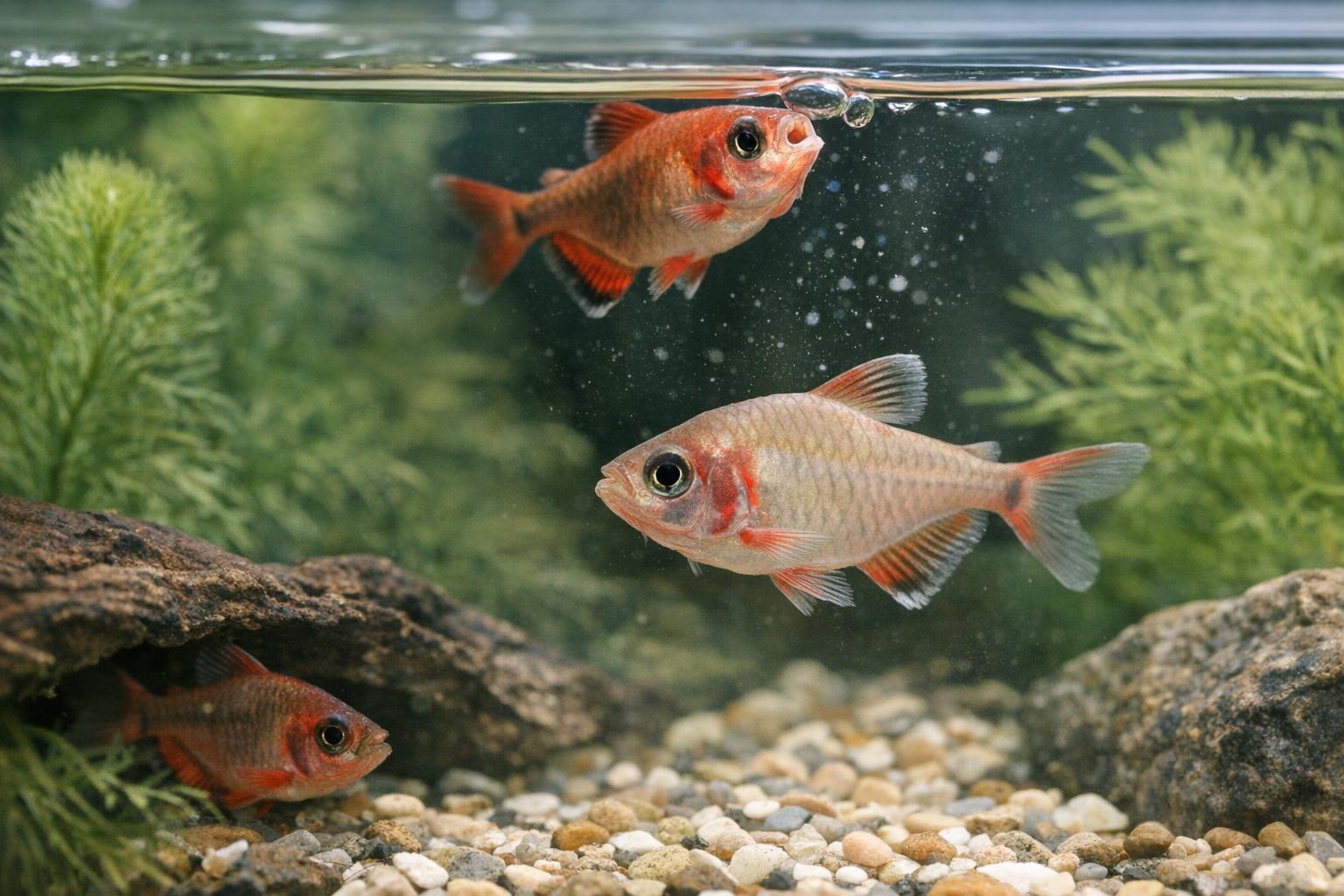
– Persistent gasping at the surface (low oxygen).
– Cloudy or foul-smelling water (ammonia/nitrite/nitrate issues).
– Increased aggression or fin nipping.
– Stunted growth or frequent illness.
– Excessive algae despite regular cleaning.
These symptoms often appear slowly, so pay attention to behavior as much as appearance. A crowded tank will usually produce unhappy fish before it produces visible water-quality catastrophes.
#### Biological Limits: Bioload, Oxygen, And Ammonia
Bioload is the total waste produced by every living organism in your aquarium. Fish size, metabolism, and feeding frequency determine it. Beneficial bacteria on your filter and substrate process ammonia into nitrite and then nitrate, but they have limits. Too many fish raises ammonia faster than bacteria can cope, which reduces oxygen availability and stresses gill function. That’s why crowding becomes a health crisis rather than just a space issue.
### How Many Fish In Fish Tank: Practical Stocking Rules
Let’s address the question on everyone’s lips: how many fish in fish tank? There’s no single perfect number. Popular rules like “one inch of fish per gallon” are easy to remember but oversimplify. They ignore body shape, territorial needs, waste production, and filtration.
A better approach:
– Use the “inch-per-gallon” rule only as a rough starting point for small, slender-bodied community fish (tetras, guppies).
– For larger or messier fish (goldfish, cichlids, gouramis), plan far fewer fish per gallon.
– Factor in adult size, not juvenile size—many species double or triple in length as adults.
If you’re wondering how many fish in fish tank for mixed species, calculate bioload equivalencies rather than raw length. Treat a 6-inch goldfish as 3–4 times the bioload of a 2-inch tetra, for example.
### Measure Real Capacity With These Tests
Practical ways to determine your tank’s carrying capacity:
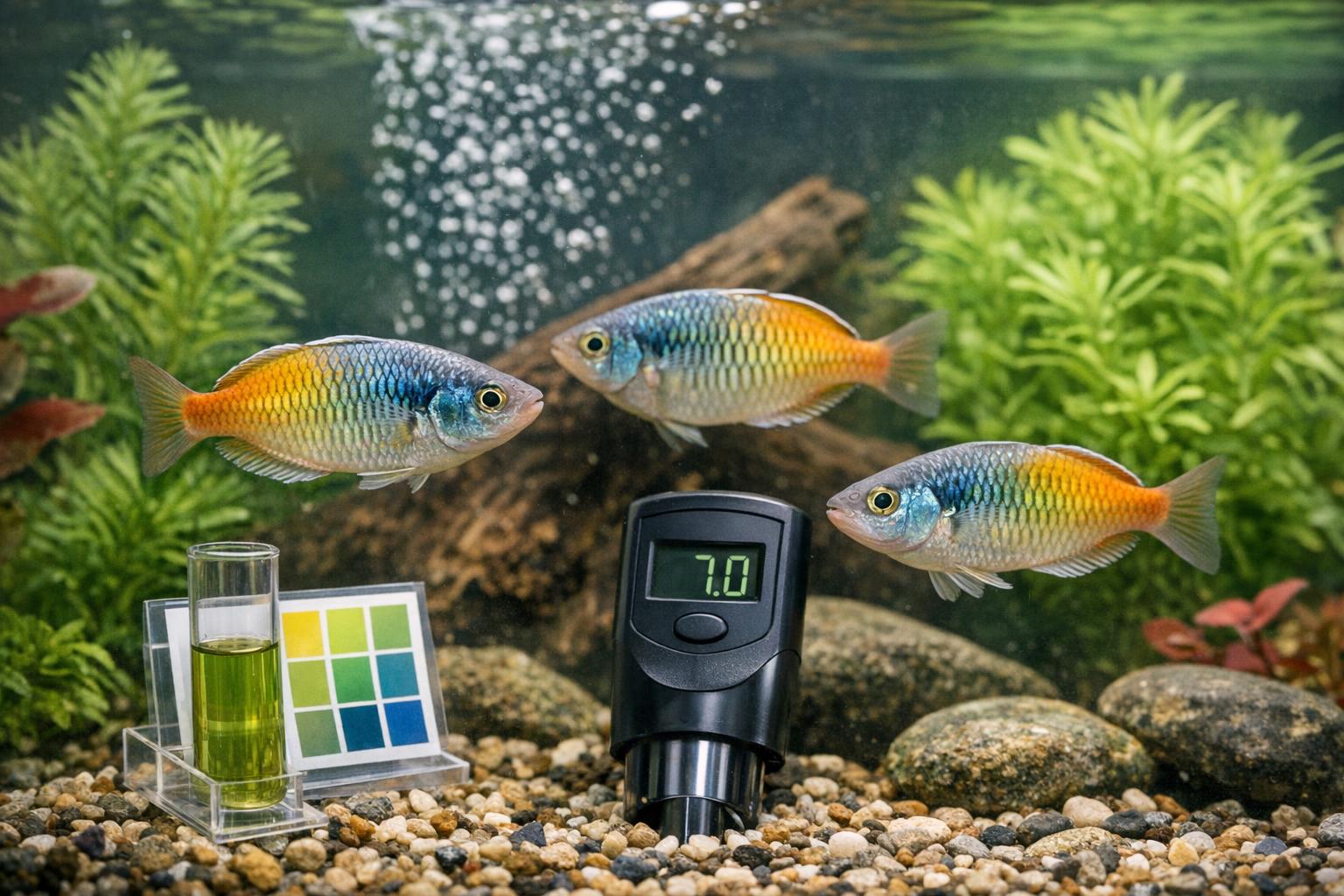
– Monitor ammonia, nitrite, and nitrate daily during a stocking change. Any persistent spikes indicate overcapacity.
– Watch oxygen levels—if fish consistently gasp at the surface, you need fewer fish or more aeration.
– Do partial water changes and track how quickly parameters climb back to unsafe levels. Rapid returns mean you’re overstocked.
These objective tests are far more useful than counting fish by sight.
### Remedy 1: Rehome Or Split Tank Stock
When you’ve confirmed overcrowding, the most direct solution is to reduce fish numbers. This remedy is humane and effective.
#### Materials Required
– Temporary holding containers (clean buckets or quarantine tanks)
– Aeration (air stones and pump)
– Dechlorinated water at matching temperature
– Nets and transport bags
– Contact list for local fish stores, clubs, or online rehoming groups
#### Step-By-Step Process
1. Prepare temporary holding: fill buckets or quarantine tanks with dechlorinated water adjusted to the same temperature and pH as the main tank. Add gentle aeration.
2. Plan transfers: prioritize sick or overly aggressive individuals for separation. Decide which fish to rehome based on space, compatibility, and value to your setup.
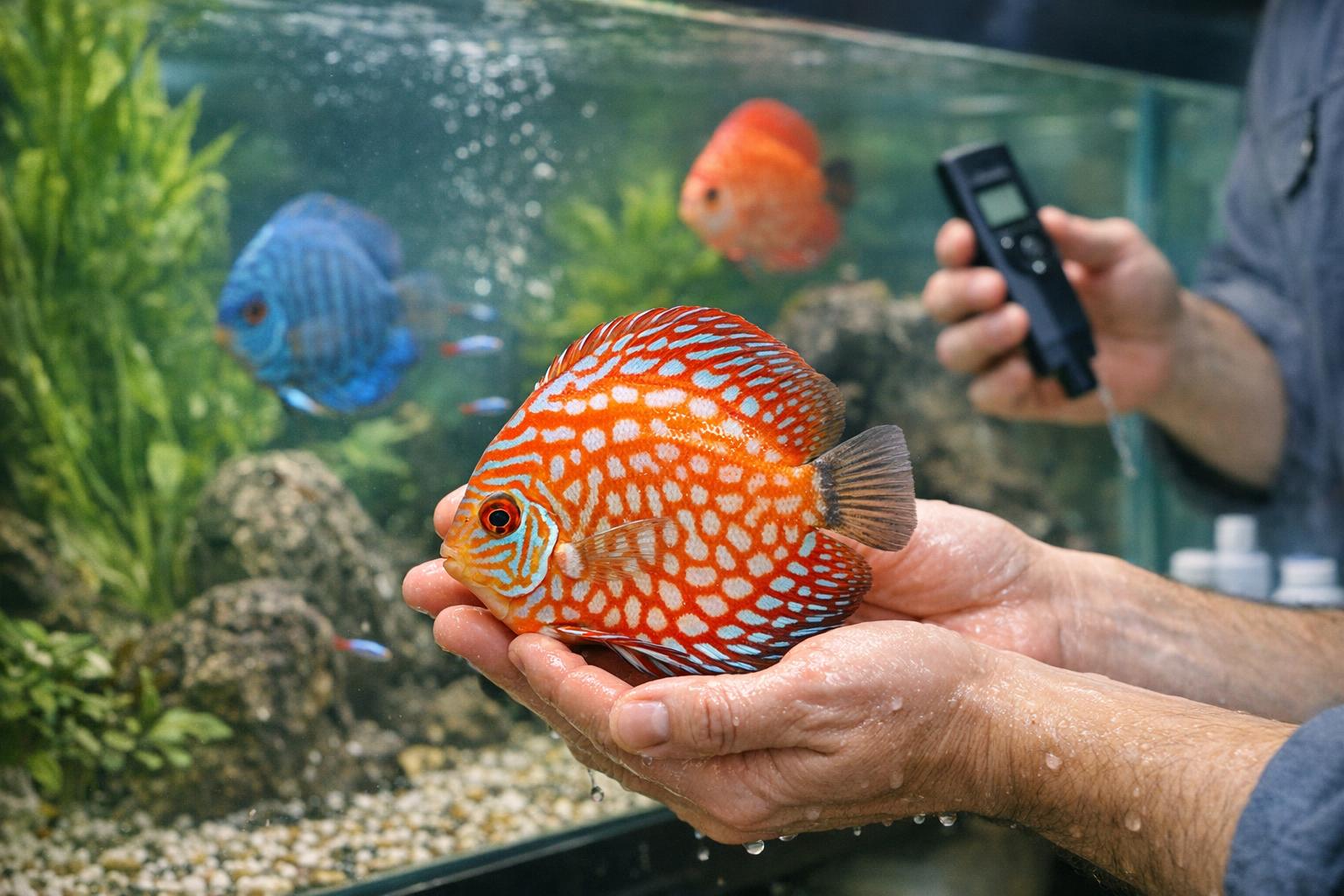
3. Transfer carefully: net fish gently or use a cup to move them into holding containers. Minimize air exposure and handle as little as possible.
4. Rehome responsibly: contact local aquarium clubs, reputable hobby shops, or online forums. Provide accurate species info and tank requirements.
5. Monitor main tank: after removal, test water daily for a week to confirm stability. Adjust feeding downward for a few days as the system rebalances.
This approach has direct impact and prevents future stress-related diseases.
### Remedy 2: Upgrade Filtration And Improve Maintenance
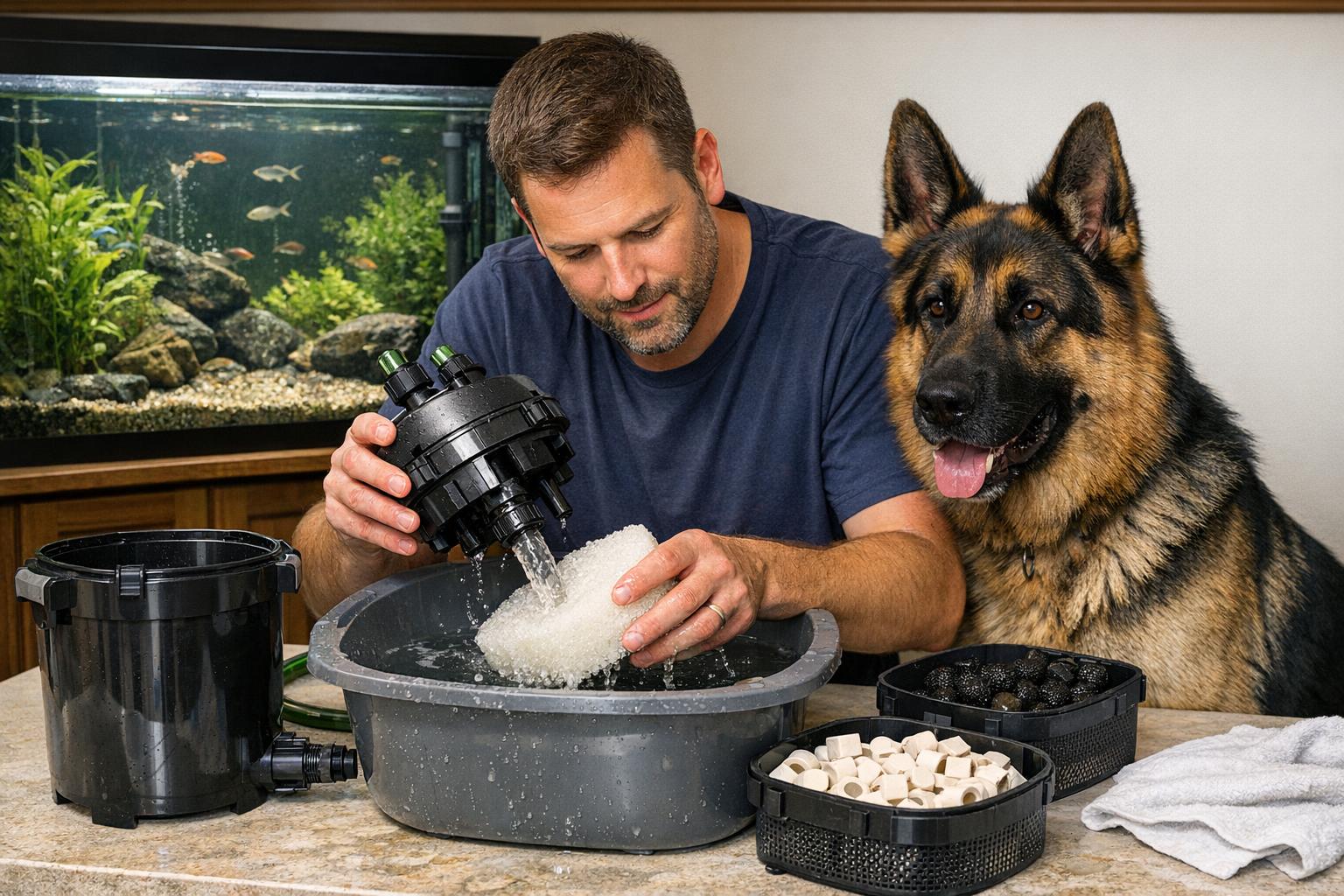
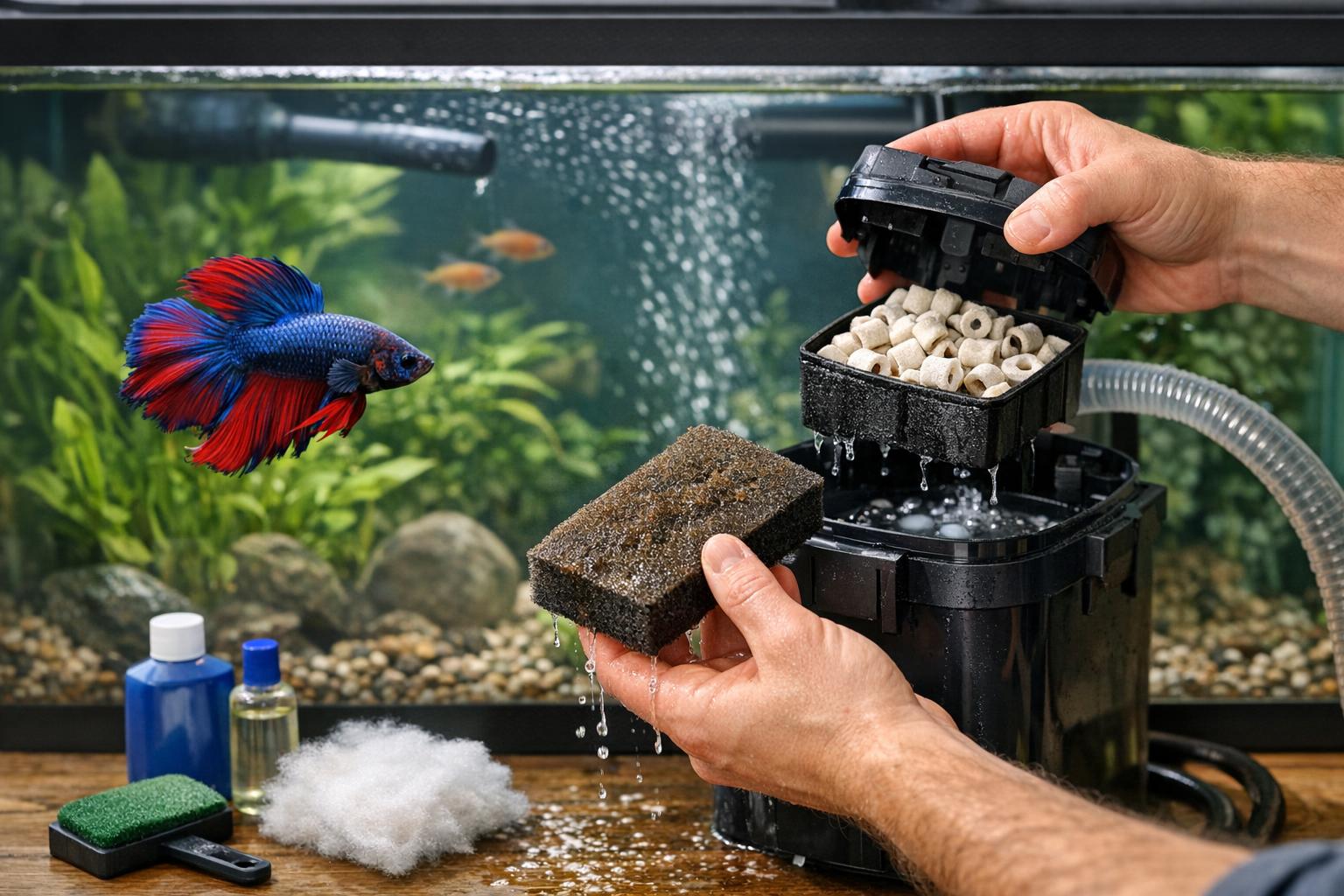
If reducing stock is impossible or undesirable, upgrading filtration and maintenance is the next formal option. This remedy focuses on increasing system capacity safely.
#### Materials Required
– High-quality canister or hang-on-back filter sized above your tank’s flow recommendation (aim for 5–10× turnover)
– Extra biological media (ceramic rings, bio-balls)
– Mechanical media (sponges, floss)
– Chemical media as needed (activated carbon, zeolite)
– Test kit for ammonia, nitrite, nitrate, pH, and dissolved oxygen
#### Step-By-Step Process
1. Assess current filtration: note the filter’s flow rate and media. Compare the actual biological media surface area with manufacturer specs.
2. Select upgrade: choose a filter rated well above your tank’s volume. For heavily stocked tanks, aim for 5–10 times the tank volume per hour turnover.
3. Install biological media: add ceramic rings or other high-surface-area media to encourage colonization of nitrifying bacteria.
4. Add mechanical and chemical media strategically: mechanical media captures solids; chemical media can control odors and dissolved organics, but don’t overdo it—chemical media can remove beneficial substances.
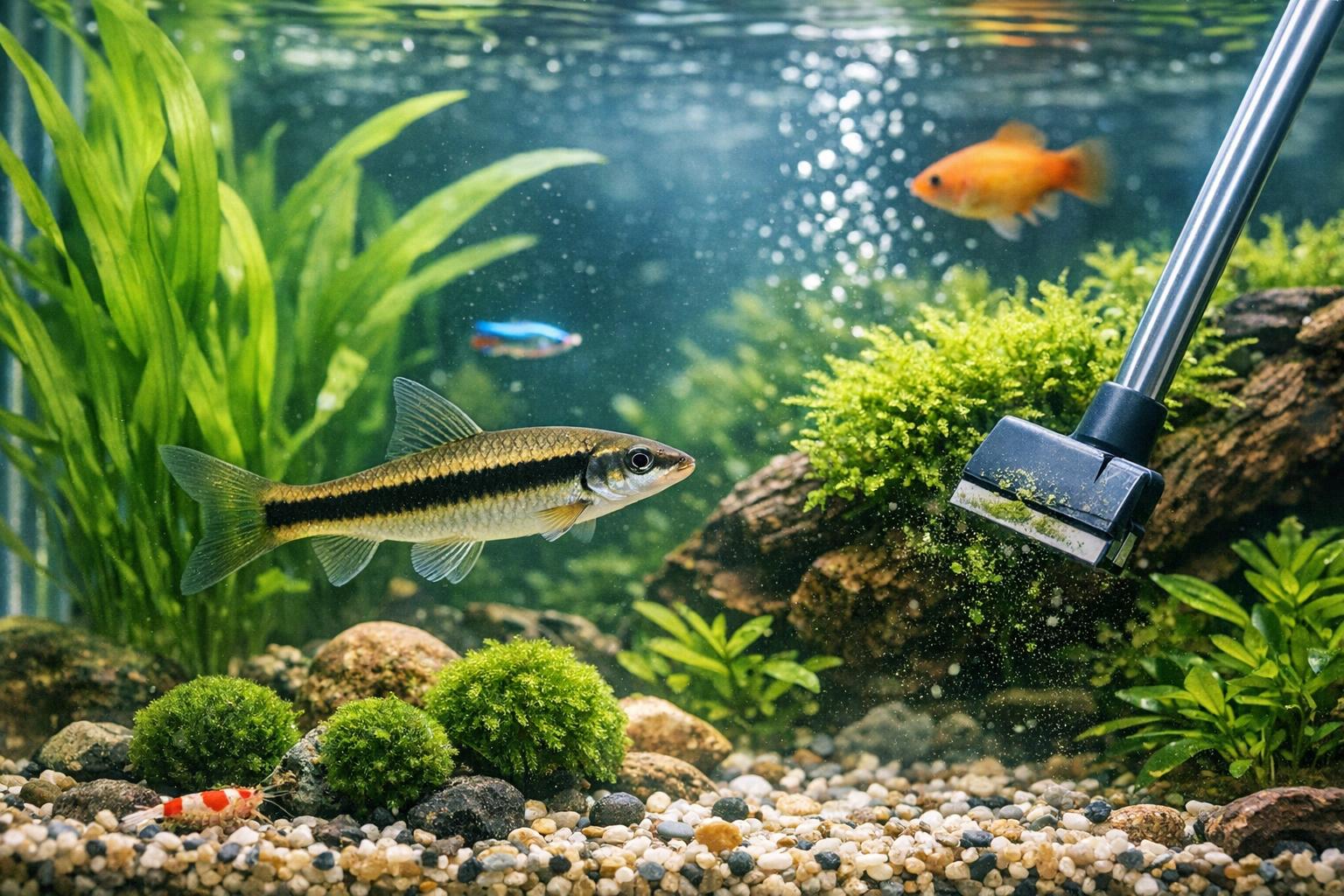
5. Maintain a rigorous schedule: increase partial water changes (20–30% weekly or twice weekly for very heavy bioloads) and vacuum substrate to remove settled waste.
6. Monitor parameters: test daily until stable, then maintain a routine. Effective filtration reduces the stressors that make overcrowding deadly.
This remedy should be implemented precisely and monitored—think lab coat, not lake hoodie.
### Remedy 3: Increase Oxygen And Use Live Plants
Adding oxygen and biological filtration through plants can buy you capacity and resilience in your tank. This is a supportive remedy rather than a cure-all.
#### Materials Required
– Air pump(s) and air stones or powerheads
– Hardy live plants (anubias, java fern, hornwort)
– Plant fertilizer suitable for aquaria (if necessary)
– Lighting appropriate for chosen plants
#### Step-By-Step Process
1. Install aeration: position air stones or powerheads to create circulation near the surface and avoid dead zones. Ensure redundancy—if one pump fails, another keeps oxygen going.
2. Choose plants: select fast-growing, low-maintenance species that uptake nitrates. Floating plants also help oxygenate and shade the tank.
3. Plant strategically: place plants to give shelter and reduce aggression; dense planting can reduce visible crowding stress.
4. Maintain plant health: light and occasional fertilizer help plants process waste. Trim excess growth to prevent decay that adds to the bioload.
5. Monitor impact: compare water parameters before and after planting. Plants should lower nitrate and increase oxygen during the light cycle; ensure night-time oxygen dips aren’t causing gasping.
Implementing aeration and plants is an eco-friendly way to improve tank capacity, but don’t rely on plants alone to compensate for severe overcrowding.
### Preventive Habits To Stop Overcrowding From Returning
Plan for the future: research adult sizes before buying, cycle new tanks thoroughly, and resist impulse purchases at the pet store. Regular testing and a quarantine tank for new arrivals will keep your main display healthy. And remember, when you ask how many fish in fish tank, you’re really asking how much life your system can support—not just how many heads you can cram in.
(Article continues with specific case scenarios and Q&A about popular species compatibility and density planning.)















Leave a Reply