

If you’ve ever typed 10 gallon fish tank how many fish into a search bar, welcome—you’re in good company. That question is basically the aquarium hobby’s version of “How many people can I fit in my tiny apartment and still have friends?” The short answer is: it depends. The long answer involves biology, behavior, filtration, and the occasional personality clash between a betta and a snail.
## 10 Gallon Fish Tank How Many Fish: The Short Answer
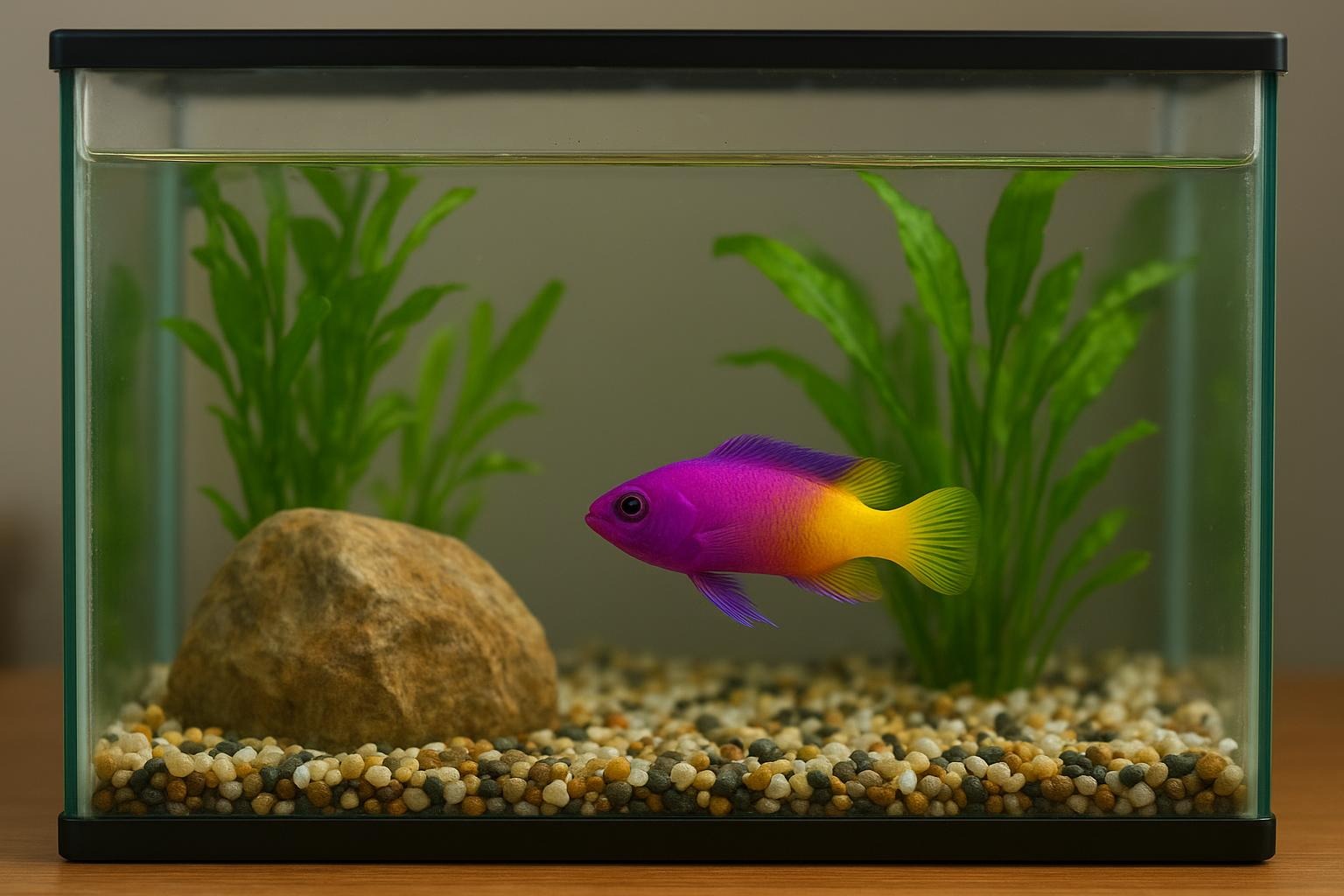
When you ask 10 Gallon Fish Tank How Many Fish, the knee-jerk reply many beginners hear is “one inch of fish per gallon.” That old rhyme is a fine starting point but it’s grossly oversimplified. Realistically, for a healthy, low-stress community in a 10-gallon tank you’re looking at very small numbers: often three to six small fish, depending on species, adult size, and temperament.
### Factors That Change The Number
There are several variables that make 10 gallon fish tank how many fish far from a one-size-fits-all question:
– Species And Adult Size: A trio of neon tetras is very different from three goldfish. Goldfish produce much more waste and grow larger.
– Bioload: Some fish are messier eaters. Cichlids and goldfish are high bioload; tetras and rasboras are lighter.
– Filtration And Water Movement: Better filters handle higher bioloads, but they don’t eliminate the need for responsible stocking.
– Plants And Surface Area: Live plants help process nitrates and give fish hiding places; a planted 10-gallon can host a bit more life.
– Behavior And Territoriality: Aggressive or territorial species need space per individual, shrinking how many should live comfortably.
#### The Inch-Per-Gallon Rule: Why It Fails
That “inch per gallon” rule sounds tidy, but it ignores adult size, body mass, and waste production. A 2-inch elongated loach is not the same as a 2-inch chunky betta. The rule also assumes perfect filtration and maintenance—which is optimistic, especially for new keepers.
### Practical Stocking Examples
For clarity, here are common setups and what they imply about 10 gallon fish tank how many fish:
– Nano Community: 6–8 neon tetras or ember tetras can work if the tank is well-planted and well-filtered, though keeping it to 6 often reduces stress.
– Betta Focused: 1 male betta with a few non-fin-nipping shrimp and snails is a classic choice—so, effectively one main fish.
– Shrimp Tank: If you want a shrimp-dominant display with a few snails, you can host dozens of shrimp—different rules apply.
– Small School Fish: 6–10 very tiny fish like chili rasboras are possible, but pushing the higher end requires exceptional maintenance.
Remember, the question 10 gallon fish tank how many fish isn’t only about physical space: it’s about chemistry and time investment.
## Remedy 1: Reduce Bioload Quickly (Practical Water Change Protocol)
When overcrowding—or even mild overstocking—starts to show (high ammonia, frequent algae, stressed fish), act quickly. Below is a clear, formal protocol to reduce bioload and stabilize chemistry.
Materials:
– Dechlorinated water (prepared and at tank temperature)
– Clean bucket used only for aquarium work
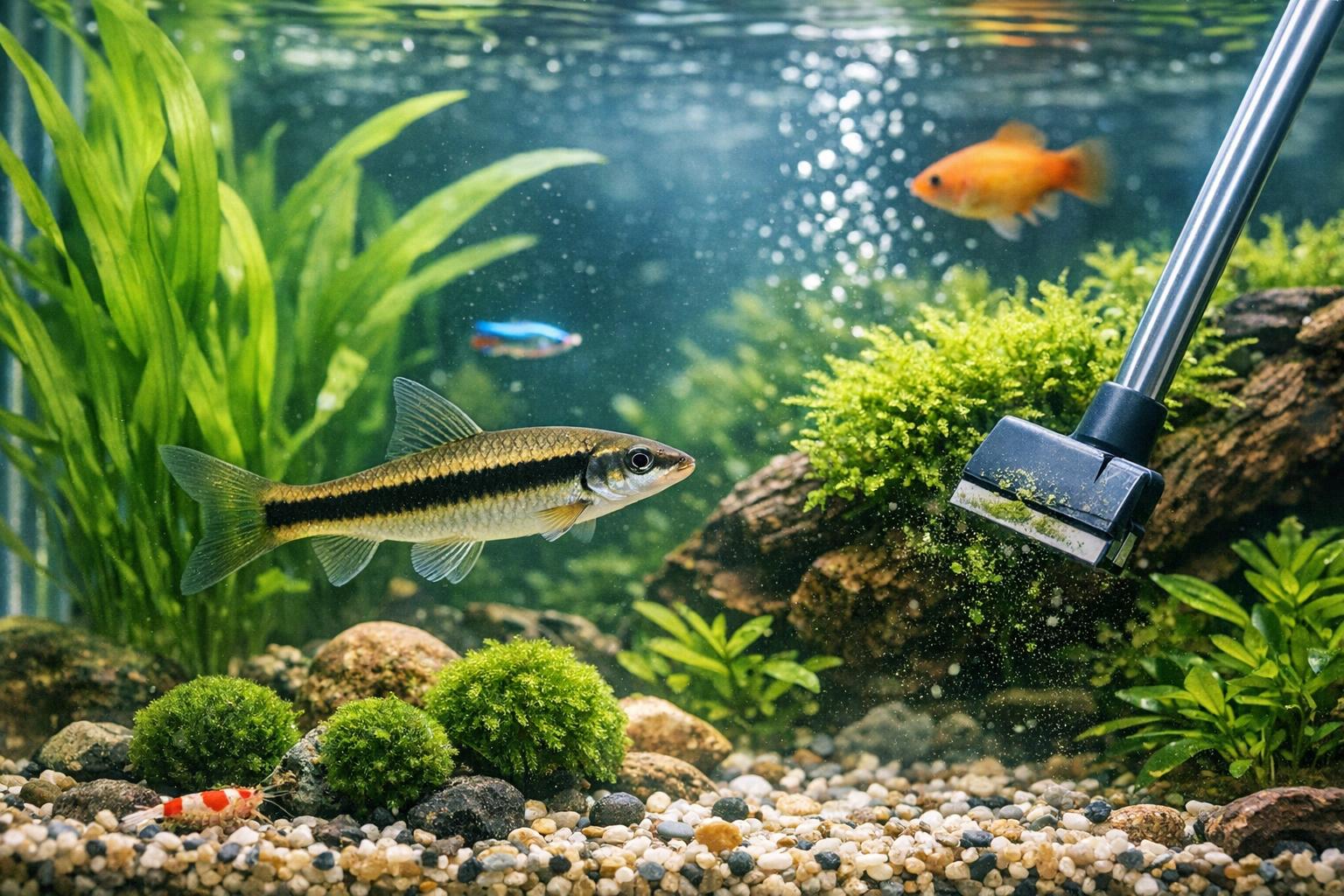
– Gravel vacuum/siphon
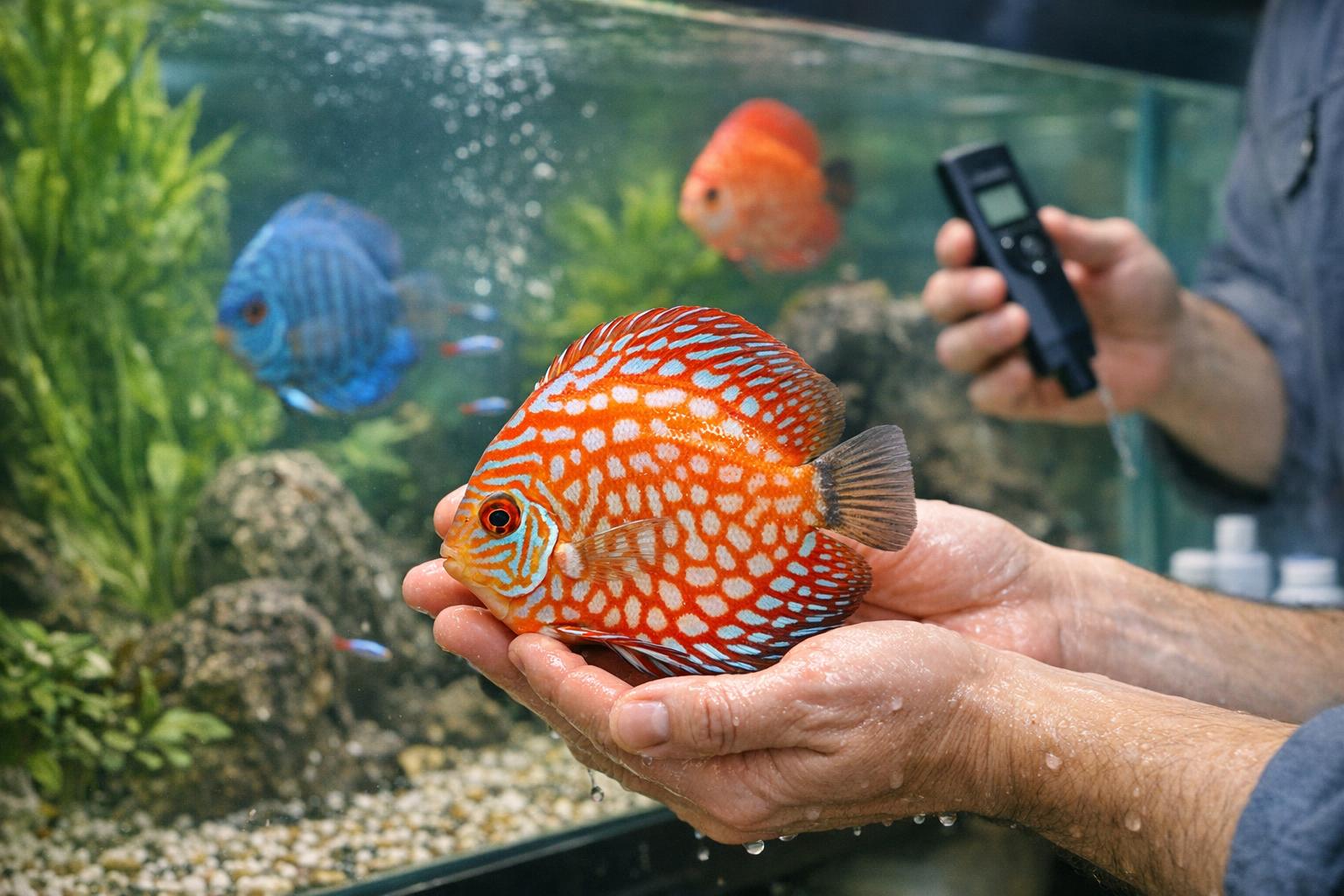
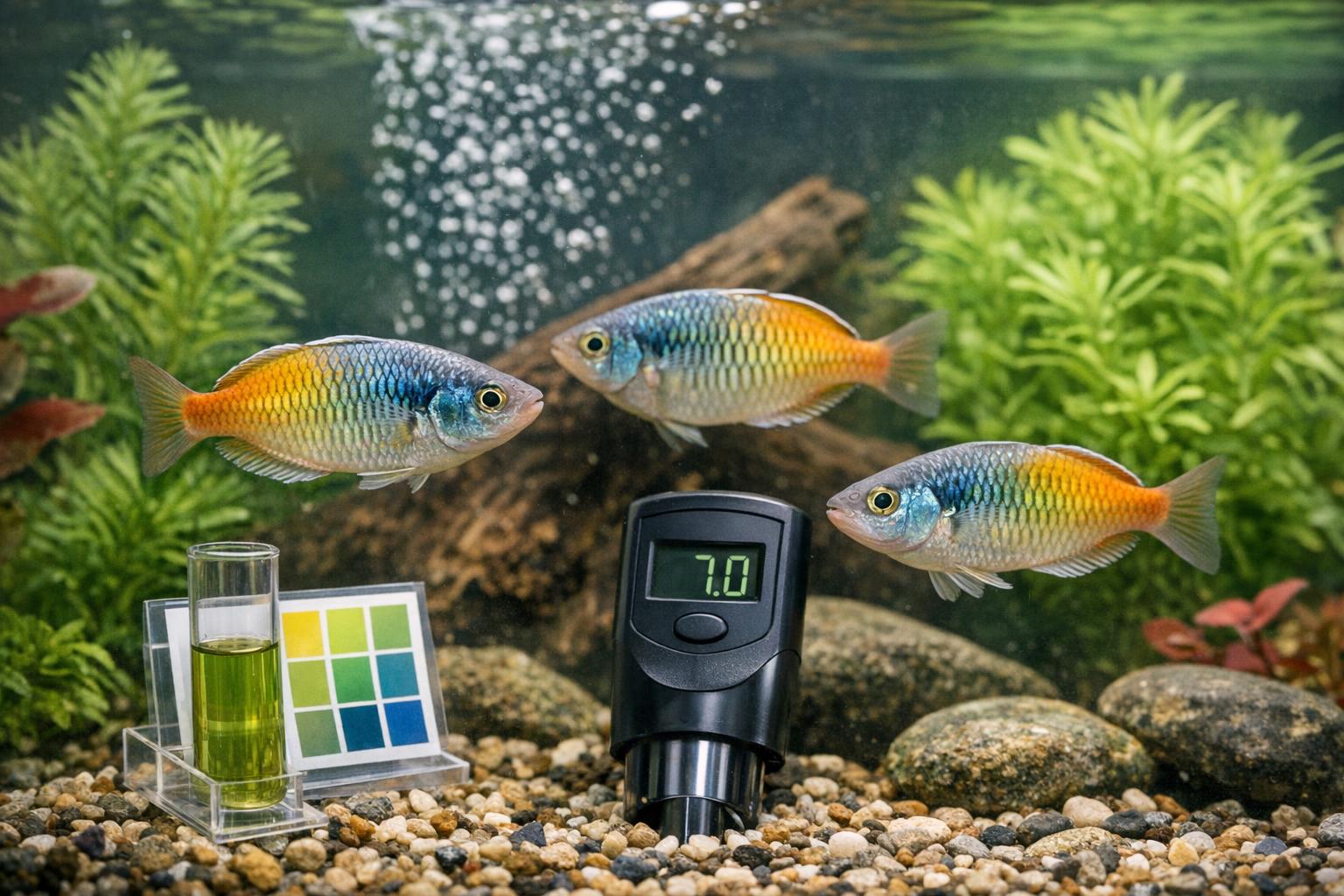
– Aquarium test kit (ammonia, nitrite, nitrate)
– Optional: bacterial supplement (commercial nitrifying bacteria)
Step-by-Step:
1. Test water to confirm ammonia and nitrite levels.
2. Prepare replacement water matching aquarium temperature and pH as closely as possible; dechlorinate and condition.
3. Perform a 25–50% water change, using the gravel vacuum to remove trapped detritus. For acute ammonia spikes, aim for 50%.
4. Dispose of removed water safely; never reuse it for the tank.
5. Add a dose of beneficial bacteria according to product instructions if biological filtration is compromised.
6. Re-test water after 12–24 hours and repeat partial water changes as needed until readings return to safe levels (ammonia and nitrite at 0 ppm).
7. Adjust feeding: reduce to once daily or every other day until levels stabilize.
This remedy is formal and methodical because abrupt, poorly executed changes can stress fish further. Consistency wins.
### Filtration And Aeration
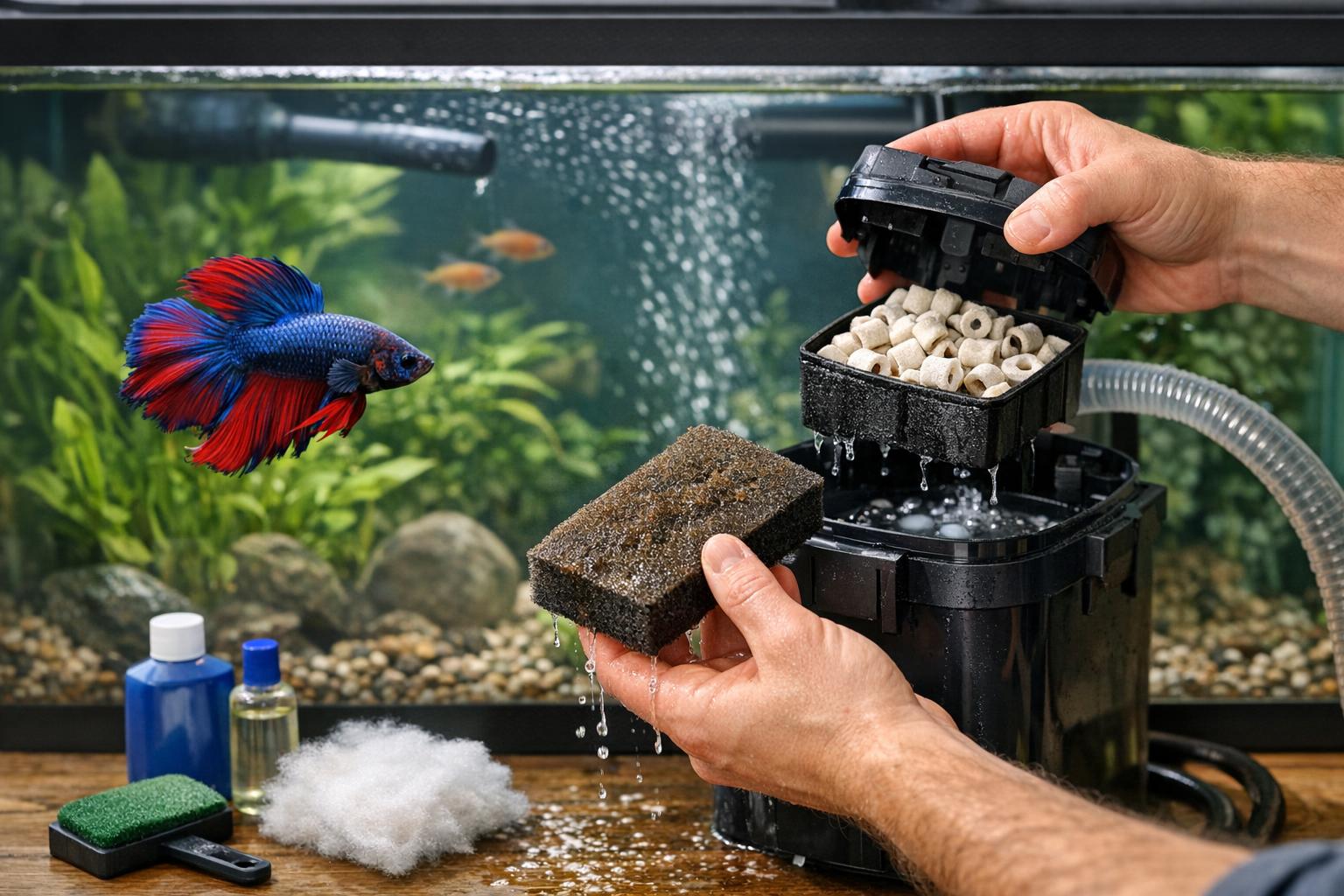
A stronger filter can help answer the perennial 10 gallon fish tank how many fish question by increasing the tank’s effective capacity. But don’t use filtration as an excuse to overstock. Match your stocking plan to the filter rating, and remember biological filtration takes time—additions should be gradual.
## Remedy 2: Add Live Plants And Hiding Places (Remedy For Bioload And Stress)
Plants don’t just look pretty; they absorb nitrates and give fish safe zones.
Materials:
– Fast-growing aquatic plants (e.g., hornwort, java moss, anubias)
– Planting substrate or anchoring materials (small rocks, plant weights)
– Optional: liquid fertilizer for planted tanks
Step-by-Step:
1. Choose hardy plants that tolerate your lighting and maintenance level.
2. Rinse plants gently in tank water to remove pests.
3. Plant or anchor them so they don’t float away—use weights for rootless species.
4. Arrange plants to create dense cover and open swimming areas.
5. Monitor nitrate levels; plants will reduce them over time. Supplement light and nutrients if growth is poor.
This is a low-risk, high-reward approach: added oxygen, nitrate control, and happier fish. It’s a tidy way to nudge the answer to 10 gallon fish tank how many fish a little higher—safely.
### Behavioral Balance
Beware that even with plants, territorial fish still need personal space. A heavily planted tank can reduce stress but won’t make a disgruntled combative species play nicely with others.
## Remedy 3: Create A Maintenance Routine And Quarantine Plan
Preventing problems is better than panic-mode fixes. This remedy formalizes the habit-building part of aquarium care.
Materials:
– Aquarium test kit (ammonia, nitrite, nitrate, pH)
– Quarantine tank (even a small 5-gallon will do)
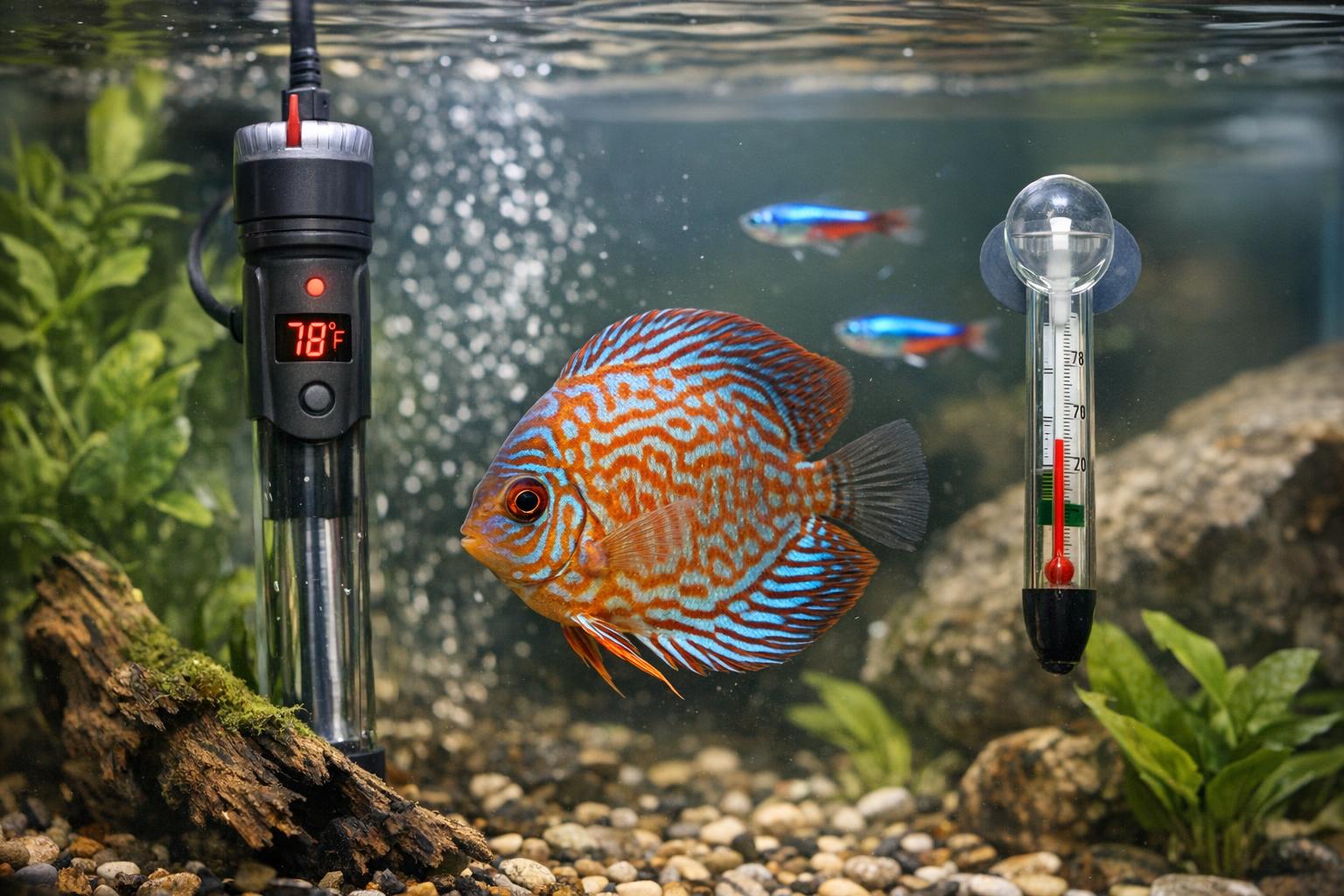
– Nets, siphon, and a thermometer
– A simple checklist (calendar or app)
Step-by-Step:
1. Test water weekly and record readings. Early detection prevents crises.
2. Schedule regular partial water changes (20–30% weekly if lightly stocked; 25–50% if you’re at the upper end).
3. Keep a quarantine tank ready for any new fish or for treating sick fish. Never introduce new arrivals without observation.
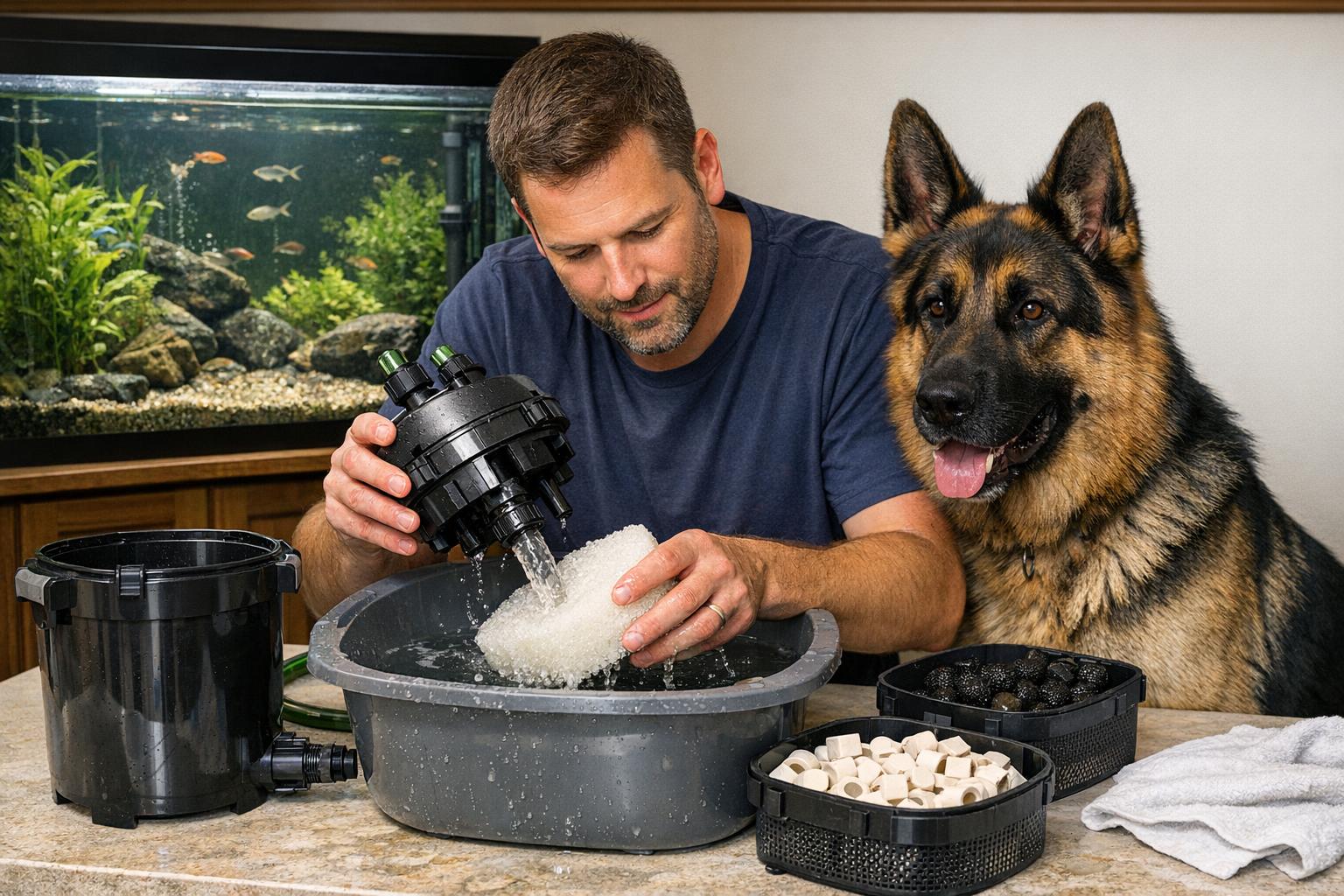
4. Trim and remove dead plant material; clean filter media by rinsing in removed tank water—not tap water—to preserve beneficial bacteria.
5. Re-evaluate stocking whenever you change species or add fish. Ask yourself again: 10 gallon fish tank how many fish is right for this mix?
This formal plan keeps the tank stable and your fish healthy. Routine reduces surprises—like a sudden algae bloom or an overwhelmed filter—both of which are common answers to overloaded tanks.
### Signs You’ve Got Too Many
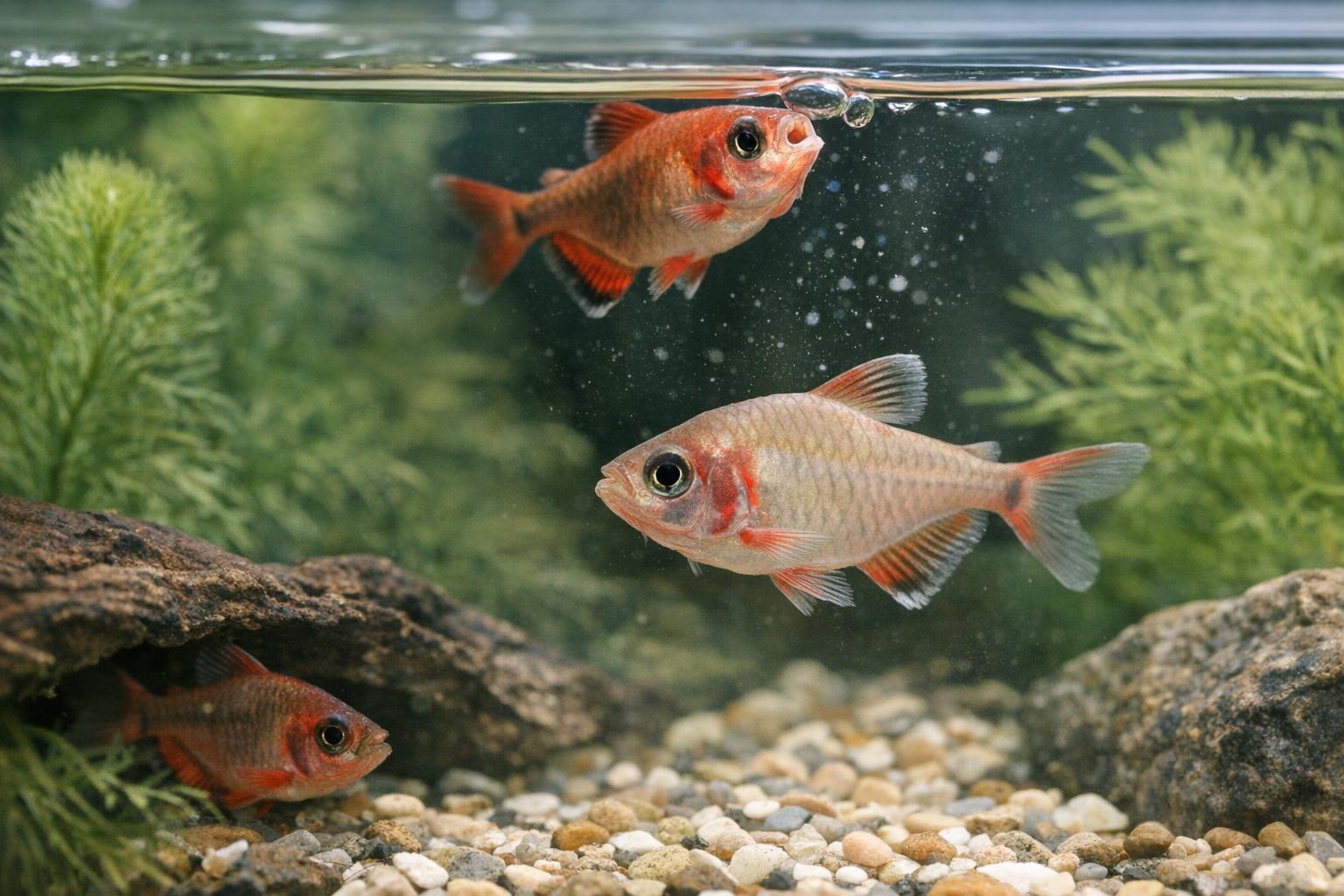
If you see chronic cloudy water, persistent algae despite light control, inflated nitrate readings, fish gasping at the surface, or constant fin damage from fights, those are red flags. Don’t wait: reduce stocking or improve filtration immediately.
#### Final Practical Tips (Short And Friendly)
– Buy species based on adult size and temperament, not the cute baby pic.
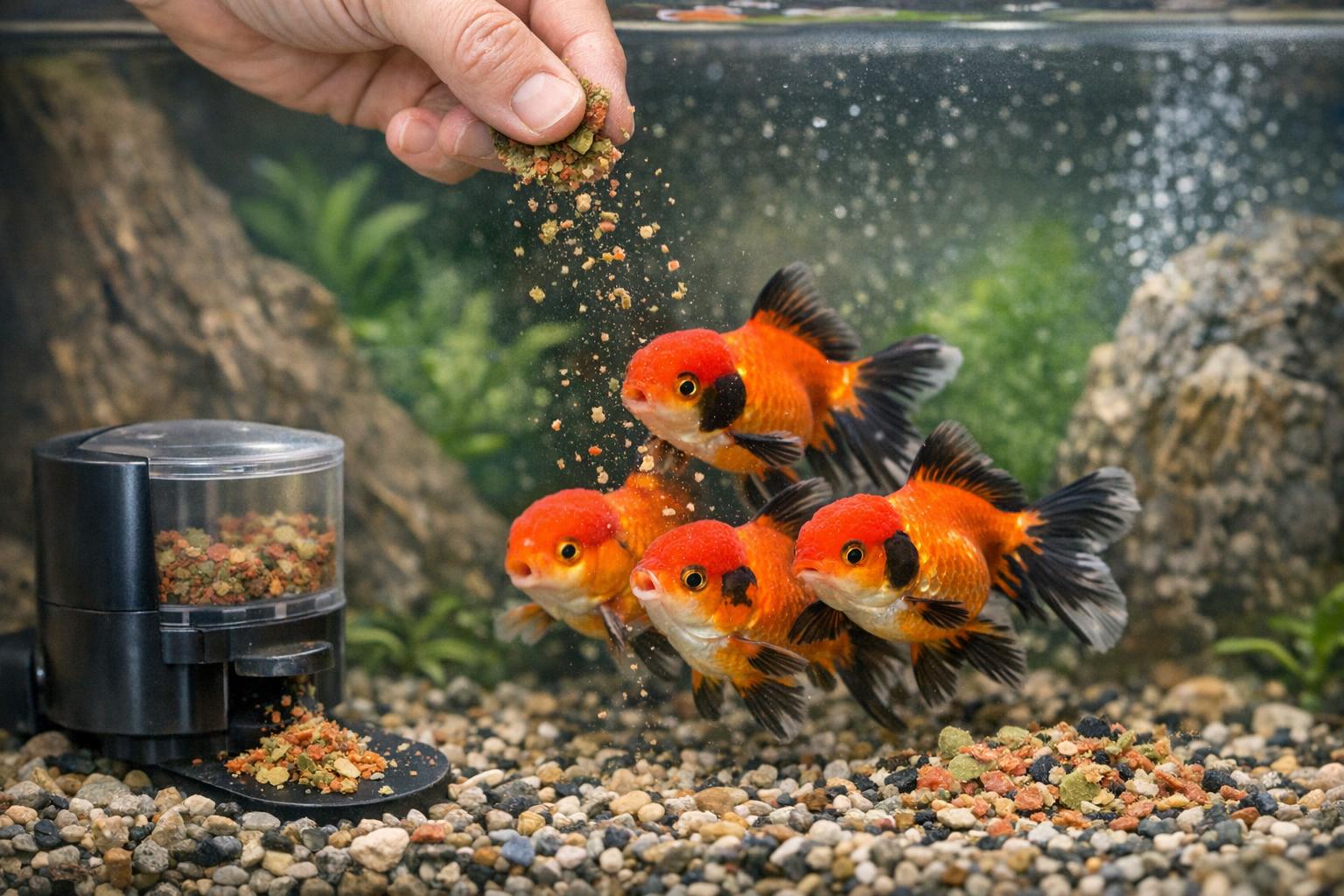
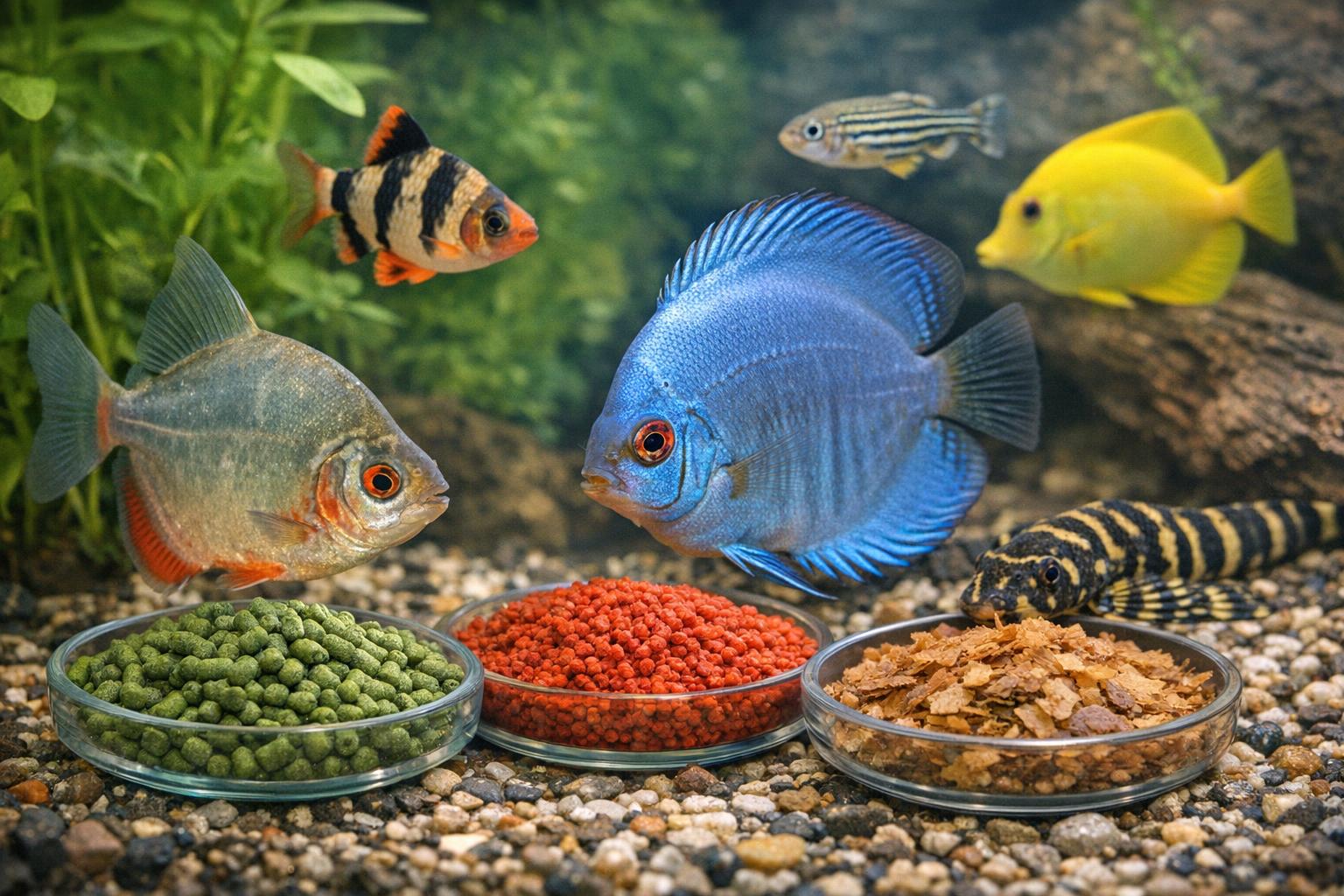
– Overfeed less; leftover food equals added waste.
– Use a proper-sized filter rated for a higher volume than your tank when possible.
Keep the phrase 10 gallon fish tank how many fish handy in your head as you plan purchases and rearrangements. Think small, think slow, and remember that fewer healthy fish are better than a crowded tank full of problems.















Leave a Reply