






If your dog has ever watched you walk toward the door like a tiny soap-opera star waiting for the villain, you know separation can be dramatic. Dog separation anxiety training doesn’t have to be a full-time job, and with patience, consistency, and a few homemade comforts, you can ease your pup’s stress and reclaim calm exits and returns. Think of this as a friendly, practical toolkit — with a dash of humor when appropriate and clear, formal steps when it’s remedy time.
## Dog Separation Anxiety Training: A Gentle Mindset To Begin
Accept that change takes time. Quick fixes are rare; steady, predictable practice is what moves the needle. When approaching dog separation anxiety training, prioritize small wins: a three-second departure, a quiet return, a calm nap while you’re washing dishes. Repeated, successful mini-sessions build confidence in your dog and in you.
Pay attention to body language: licking lips, pacing, whining, destructive chewing, and excessive salivation are signs your dog is stressed. If these escalate, slow the process. For many dogs, the goal isn’t to eliminate nervousness entirely but to reduce panic and teach coping skills.
## 1. Gradual Desensitization Plan For Dog Separation Anxiety Training
This is the cornerstone of behavioral change. It’s formal, methodical, and effective when done correctly.
Materials/Ingredients:
– High-value small treats or kibble (soft, easily eaten rewards)
– A reliable timer or phone with a countdown app
– A camera or smartphone to monitor behavior (optional but very helpful)
– A quiet space in the home where departures can be practiced
Step-By-Step Creation And Application:
1. Assessment Phase: Set up your camera or observe from another room. Note how your dog reacts to normal departures and returns. Record baseline duration of calm behavior after you leave.
2. Very Short Departures: Begin with departures so brief your dog doesn’t notice (2–5 seconds). Walk to the door, open it, step out, close it gently, and immediately return. Reward calmly for relaxed behavior. Repeat many times daily.
3. Incremental Increases: Use your timer to extend departures in tiny increments: 5s → 10s → 20s → 30s. Only progress when your dog stays calm for several successful trials at the current duration.
4. Change Contexts: Practice leaving from different rooms and with different cues (keys in hand, coat on, no coat). The goal is to decouple the action of you leaving from panic.
5. Randomize Returns: After your dog is comfortable with fixed increments, randomize the duration and vary the pattern so departures become unpredictable in timing but predictable in tone and ritual.
6. Reinforce Independence: Encourage quiet, relaxed behavior during alone time by providing a safe chew or puzzle toy that your dog enjoys only when alone.
7. Monitor Progress: Review video or notes weekly. If regressions occur, drop back to the last reliably calm duration and rebuild.
Be precise about timing and rewards. Overexcitement on return or dramatic goodbyes can reinforce anxiety. Calm entries and exits teach your dog that your leaving and returning are not life-or-death events.
### When To Slow The Pace
If your dog shows escalation (destructive behavior, persistent whining, vocalizing, attempts to escape), reduce the step size and repeat successes. It’s normal to have setbacks; consistency matters more than speed.
## 2. DIY Comfort Blanket With Calming Herbs
This remedy mixes comfort, familiar scents, and gentle calming herbs to create a portable safe zone your dog can carry emotionally into alone time.
Materials/Ingredients:
– A small, washable fleece blanket or fabric square
– Dried chamomile flowers (food-grade)
– Dried lavender buds (organic, non-treated)
– Unscented cotton bag or small pillowcase
– Needle and thread or a sewing machine (or a fabric glue alternative)
Step-By-Step Creation And Application:
1. Preparation: Wash the blanket to remove factory scents. Air-dry it so it carries a neutral baseline.
2. Herb Sachet: Place a tablespoon of dried chamomile and a tablespoon of dried lavender into the cotton bag. Sew or tie it securely so herbs don’t spill.
3. Affix The Sachet: Tuck the herb sachet into the blanket corner, sew a small pocket, or place inside the blanket folds so it’s not loose and your dog can’t ingest the herbs.
4. Scent Association: Wear the blanket for short periods (hold it near your chest while reading) so it picks up your scent. Then present the blanket during calm, pleasant times (after play or gentle petting) to build a positive association.
5. Introduce During Alone Time: Offer the blanket only when you leave, and remove it when you return initially. Gradually allow the blanket to remain during short absences.
6. Safety Note: Monitor for any allergic reactions or chewing. If your dog attempts to eat the herbs or fabric, discontinue and consider a different comfort object.
This blanket should be washable; refresh the herb sachet monthly. Use quality, pet-safe botanicals and consult your vet if your dog has a history of plant sensitivities.
### How To Introduce The Blanket
Introduce the blanket during calm, positive moments and keep it as a special item that signals comfort. Do not use it to bribe hyperactivity; pairing with calm rewards is essential.
## 3. Pheromone Spray And Scent Association For Separation Calm
Synthetic dog-appeasing pheromones can be an effective adjunct to behavior training. This remedy outlines safe, controlled application and pairing.
Materials/Ingredients:
– Commercial dog-appeasing pheromone spray or diffuser (purchase from reputable brand)
– Treats for pairing
– A small spray bottle (if diluting per product instructions)
– Towels or soft bedding for application
Step-By-Step Creation And Application:
1. Choose Product: Select a pheromone product designed for dogs. Read instructions thoroughly to ensure proper concentration and application method.
2. Application Points: Spray a towel or bedding with the pheromone 10–15 minutes before introducing it to your dog. Do not spray directly on the dog unless manufacturer permits.
3. Pairing Protocol: Pair the pheromone-scented item with calm rewards and short departures from the Gradual Desensitization Plan. The pheromone becomes part of a predictable, soothing routine.
4. Monitor Response: Track behavioral changes over 2–4 weeks. Pheromones are supportive, not standalone cures; combine with training for best results.
5. Safety And Alternates: If your dog shows no improvement or worsens, discontinue and consult a professional. Some dogs respond better to diffusers that gently scent a whole room rather than concentrated sprays.
### Using Pheromones Safely
Always follow label instructions. Avoid overuse, which can lead to olfactory fatigue (the dog no longer detects the scent). Use pheromones as a complementary tool alongside behavior modification.
## Routine And Predictability To Reinforce Training
Building a predictable daily rhythm reduces baseline anxiety. Dogs thrive on routines: consistent exercise schedules, feeding times, and low-key departure rituals help.
#### Leaving Cues And Exit Practice
Create a short, neutral pre-departure ritual: put on shoes, pick up keys, pause, leave calmly. Practice the sequence without actually leaving sometimes so cues are less predictive of absence.
#### Crate And Safe-Space Setup
If your dog finds crates comforting, make it a positive place: soft bedding, safe chew, and the comfort blanket. Crate-based approaches should be gradual and always associated with positive experiences.
#### Exercise And Mental Enrichment
Daily physical activity and mental games reduce excess energy that fuels anxiety. A tired dog is a calmer dog. Puzzle toys, training sessions, and scent games are excellent outlets.
## Troubleshooting And When To Seek Professional Help
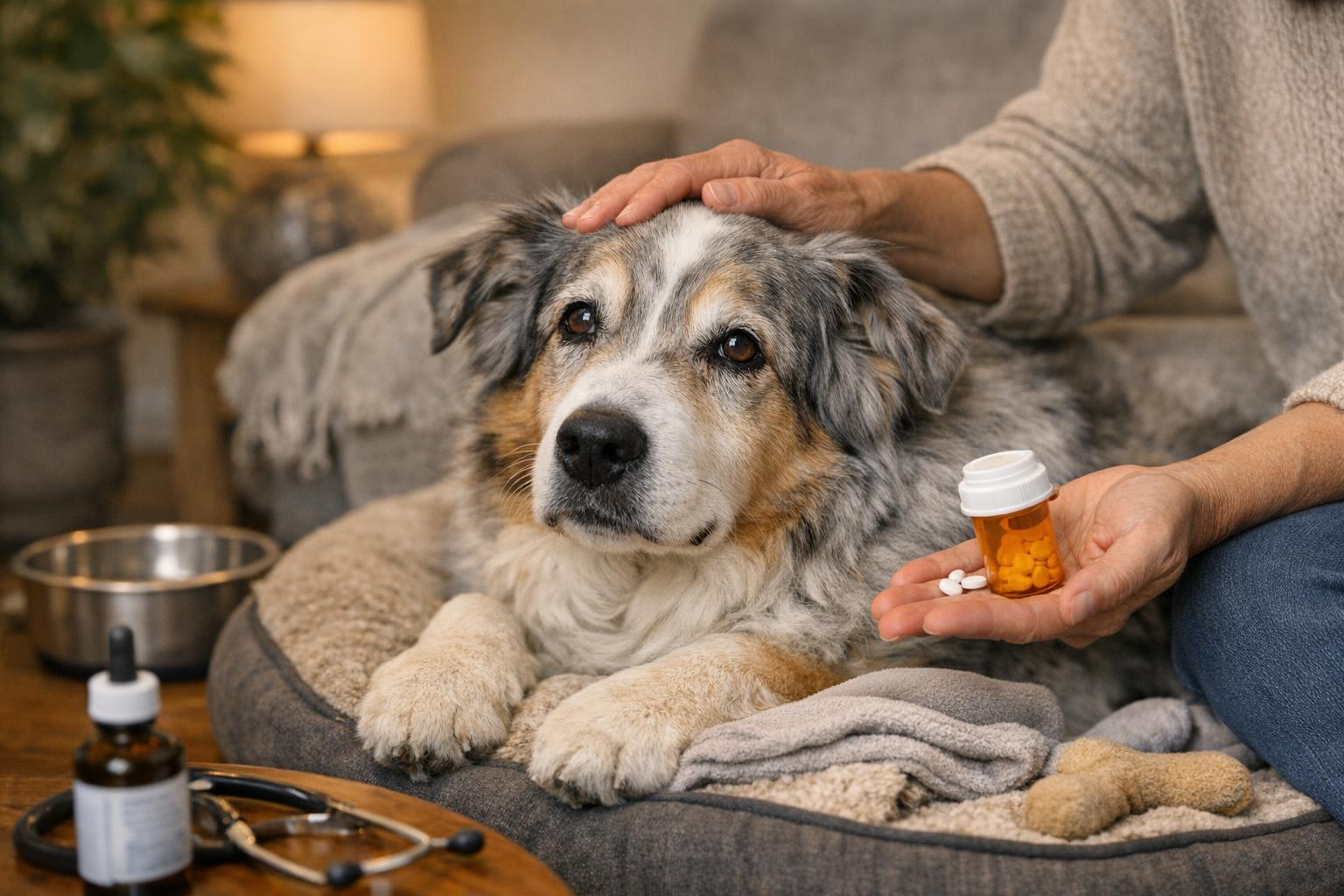
If progress stalls despite consistent dog separation anxiety training, or if your dog displays severe symptoms (self-injury, persistently destructive escapes, prolonged vocalization), consult your veterinarian and a certified behaviorist. Medication or prescription-strength interventions sometimes play a necessary role alongside training. A professional can assess medical, environmental, and behavioral contributors and recommend a tailored plan.
If you opt for medication, it should complement—not replace—behavior modification. A vet can monitor effects and help taper medication as training progresses.
Keep the attitude hopeful: many dogs improve significantly with structured dog separation anxiety training combined with sensible home remedies, predictable routines, and professional guidance when needed.







Leave a Reply