
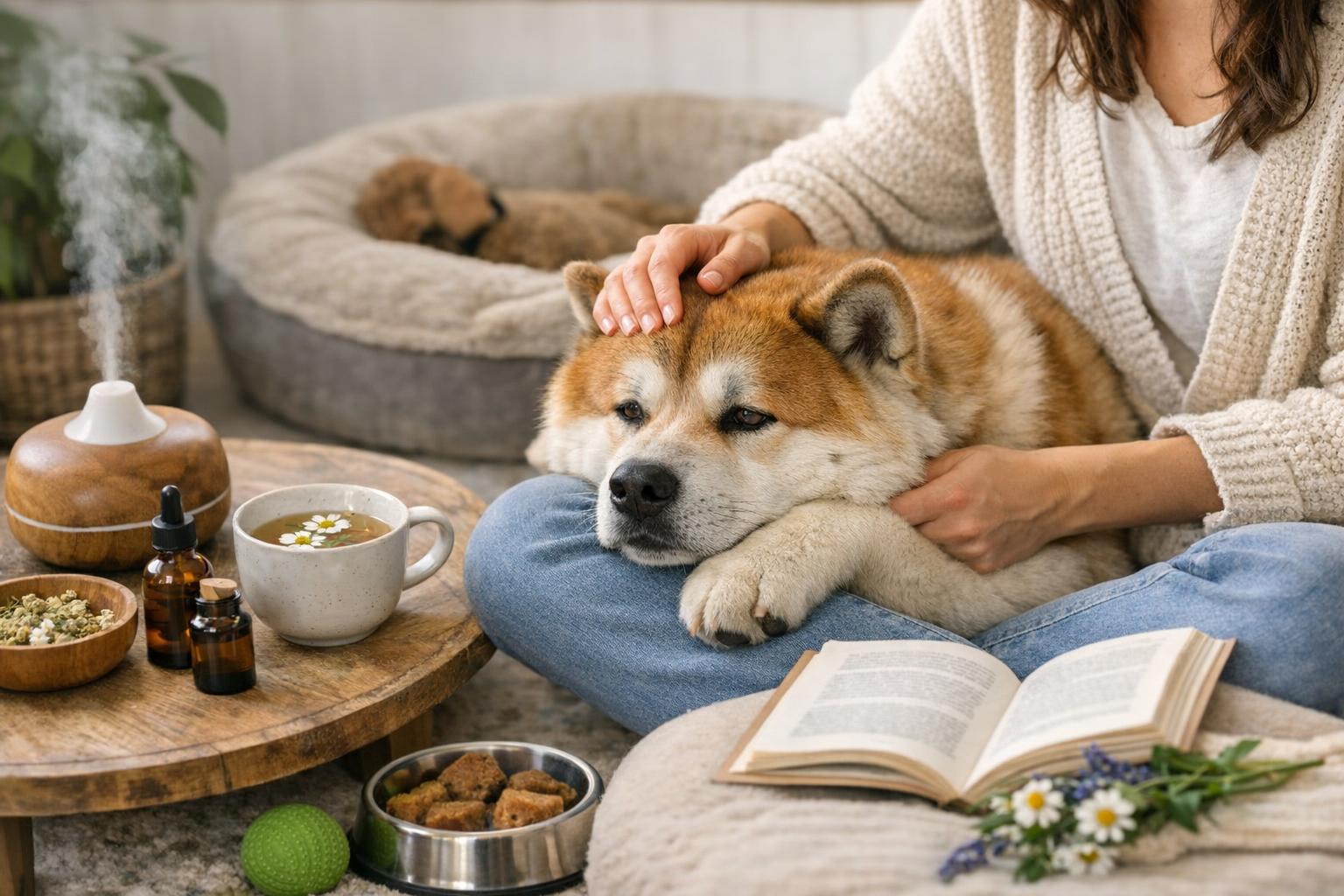
When you walk out the door and your dog gives you the “you’re abandoning me” look, it’s no fun for either of you. Fortunately, there are gentle, low-cost home strategies that can ease stress for your pup and restore calm to your household. Below you’ll find practical, safe, and easy-to-follow options for treating separation anxiety in dogs—delivered with kindness, a bit of science, and just enough cheer to keep it pleasant.
## Recognizing The Signs Before You Start
Dogs don’t always wear a sign that says “anxious,” so a little detective work helps. Common signs include pacing, drooling, excessive barking or howling, destructive behavior around exits, and house-training accidents that only happen when you’re out. Subtle body language—tense muscles, wide eyes, and a tucked tail—can also be clues. When treating separation anxiety in dogs, accurate recognition is the first step toward a humane and effective plan.
### Why Gradual Interventions Work Better
A dog’s stress centers respond better to slow, predictable changes than to sudden fixes. Quick solutions like leaving TV on or giving a single expensive toy can help temporarily, but long-term improvement usually comes from consistent, incremental training and soothing routines. Think of it as teaching an old houseguest how to be calm when you step into the kitchen—reassuring, repetitive, and a tiny bit boring (in a good way).
## 1. Treating Separation Anxiety In Dogs: Calming Aromatherapy Vest
Using scent and gentle pressure can create a safe, secure feeling for many dogs. This aromatherapy vest combines a snug fit with a calming scent that’s been diluted and applied to an inner pouch—designed to be mild and non-irritating.
### Ingredients And Materials
1. Lightweight, snug-fitting dog vest or an old soft T-shirt (cut and sewn to fit).
2. Small breathable fabric pouch (cotton or muslin).
3. 10–15 drops lavender essential oil (use only pure, high-quality oil) OR 1 tablespoon dried chamomile as an alternative.
4. 2 tablespoons fractionated coconut oil or sweet almond oil (carrier oil).
5. Sewing kit or fabric glue and a soft Velcro strip.
6. Optional: veterinarian consultation beforehand (recommended).
### Step-By-Step Creation And Application
1. Prepare The Vest: If using an old T-shirt, cut and sew to fit around the chest and torso for a snug, but not restrictive, fit. Ensure leg and neck openings are comfortable.
2. Make The Scent Pouch: Mix the carrier oil with 8–10 drops of lavender oil (or put dried chamomile in the pouch if avoiding essential oils). Place mixture or herb inside the small pouch and close securely.
3. Attach Pouch Inside Vest: Sew or glue the pouch to the inner side of the vest at the chest area where the dog can smell it but cannot chew it out. Use Velcro if you want it removable for washing.
4. Introduce Slowly: Let the dog sniff the vest and pouch while you’re at home and relaxed. Offer treats for positive association.
5. Trial Runs: Put the vest on for short periods (5–10 minutes) while you sit nearby watching TV. Gradually increase wear time and practice leaving for short absences, only progressing when the dog remains calm.
6. Monitor For Sensitivity: Stop use if your dog shows itching, redness, sneezing, or any sign of distress. Consult your veterinarian if unsure.
#### Important Safety Notes
– Essential oils can be harmful if overused or used undiluted. Always dilute and consult your vet, especially with puppies, seniors, or dogs with respiratory problems.
– The vest is a supportive tool, not a cure—pair with behavior strategies below.
## 2. Desensitization And Enrichment Schedule For Treating Separation Anxiety In Dogs
Behavior modification is the most evidence-backed route. This structured desensitization protocol reduces the dog’s association between your departure cues and stress.
### Materials Needed
– High-value treats (small, soft, fast-to-eat).
– Puzzle feeders or long-lasting chew (safe yak chews, Kong stuffed with frozen peanut butter).
– Clicker (optional) or consistent verbal marker like “Yes!”
– A stopwatch or timer.
### Step-By-Step Program
1. Create A Baseline: Observe how long your dog stays calm when you leave for 30 seconds, 1 minute, 5 minutes, etc. Record these times.
2. Tiny Departures: Start with departures that are shorter than your dog’s calm baseline (for example, 10–20 seconds). Leave the home quietly and return before stress begins.
3. Reward Calm Behavior: Upon returning, reward calm behavior, not excitement. Reinforce the idea that departures are boring and predictable.
4. Gradual Increase: Increase absence duration by about 10–20% every few days, only moving forward when the dog is calm at the current length. Use the timer and keep sessions low-stress.
5. Randomize Cues: Practice putting on shoes and keys without leaving, and leaving without those cues sometimes, to break the association between cues and anxiety.
6. Enrichment During Absence: Use puzzle feeders or frozen treats only when you leave so the dog learns departures predict something enjoyable.
7. Track Progress: Keep a log and be patient—some dogs improve in weeks, others take months.
#### Formal Advice On Consistency
Consistency across caregivers is essential. Everyone leaving the home must follow the same gradual progression and reward system. Abruptly skipping steps can set back progress. If improvements stall, consult a certified behaviorist for tailored protocols.
## 3. DIY Comfort Pouch With Familiar Scent For Treating Separation Anxiety In Dogs
This remedy emphasizes the calming power of familiar human scent in a portable form. It’s low-tech, inexpensive, and easy to refresh.
### Ingredients And Materials
– Small breathable pouch (muslin or cotton).
– A favorite worn T-shirt or pillowcase (one washed recently enough to be sanitary but still carry your scent).
– A bit of dried lavender or chamomile (optional).
– Sewing kit or fabric glue.
### Step-By-Step Creation And Use
1. Cut A Small Square: Cut a 6×6 inch square from the worn T-shirt or pillowcase.
2. Add Botanicals (Optional): Place a small pinch of dried chamomile or lavender (if your dog tolerates it) in the pouch for a faint calming scent.
3. Sew Or Tie The Pouch: Fold the fabric with the scent inside and sew or tie the edges to create a small pouch. Make sure stitching is secure.
4. Introduce As A Sleep Companion: Place the pouch in your dog’s bed and let them sniff and sleep with it while you’re home first.
5. Use During Absences: Place the pouch where the dog usually rests during your absence. Refresh scent periodically by swapping with the original worn fabric.
6. Rotate And Clean: Wash the pouch every few days and refresh with the worn fabric; avoid heavy washing that removes all scent at once.
#### Practical Tips
– Some dogs prefer the scent close to their cheek, others like it in their nest. Try both.
– If your dog chews destructively, make the pouch less accessible or use a sturdy scent-holding container in the bed.
## Supportive Lifestyle Adjustments And When To Seek Help
Small changes paired with any of the remedies above increase success. Increase daily physical exercise and mental enrichment; a tired dog is typically calmer. Establish consistent pre-departure cues and a quiet leave/return routine to avoid escalating excitement. Manage feeding schedules and crate- or den-train gradually if appropriate.
If home remedies and training aren’t producing steady gains, medication or professional behavior modification may be indicated. When treating separation anxiety in dogs, it’s perfectly reasonable—and often recommended—to consult your veterinarian or a certified behaviorist. They can help rule out medical issues and design a combined plan of behavioral therapy and, if needed, pharmacologic support.
Keep expectations realistic: progress is usually gradual, and setbacks can happen. Treat your dog’s anxiety with patience and compassion, and don’t hesitate to seek professional help when the stress is severe or harmful.


Leave a Reply