

Many dog owners want clear, practical guidance on how to treat dry skin in dogs at home using natural, safe methods. This article explains common causes, signs to watch for, and a set of numbered, evidence-based home remedies you can apply. Each remedy includes the materials required and step-by-step instructions so you can treat mild cases of dog dry skin or manage seasonal flares with confidence.
## How To Treat Dry Skin In Dogs At Home: Natural Remedies
Dryness of the coat and skin is a frequent concern. Understanding triggers — such as environmental low humidity, poor diet, overbathing, allergies, or parasites — helps you decide which home approach fits your dog’s needs. The guidance below emphasizes gentle, food-grade or pet-safe ingredients and proper technique so you reduce inflammation and restore skin barrier function while avoiding harmful practices.
## Causes Of Dog Dry Skin And When To Be Cautious
Skin dryness in dogs can stem from simple causes or medical conditions. Common contributors include:
– Low ambient humidity during winter or in air-conditioned homes.
– Frequent bathing with harsh shampoos that strip natural oils.
– Nutritional deficiencies (especially low omega-3 fatty acids).
– Parasites (fleas, mites) or secondary infections.
– Allergies (food or environmental).
– Age-related changes in skin production.
If your dog displays intense itching, open sores, hair loss, swelling, fever, or behavior changes, consult a veterinarian. These signs may indicate infection or systemic disease rather than routine dog dry skin that is manageable at home.
### Signs You Have Canine Dry Skin
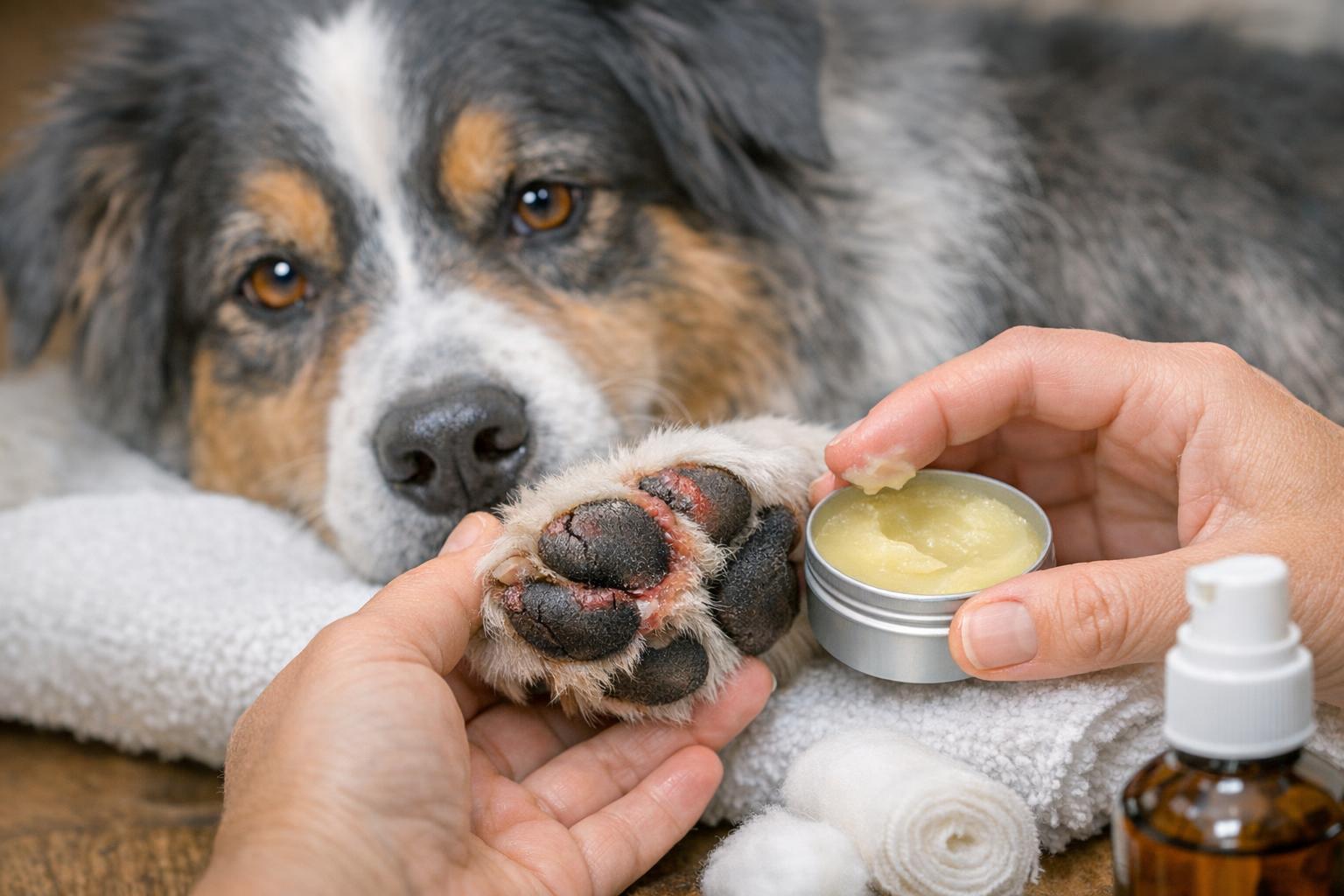
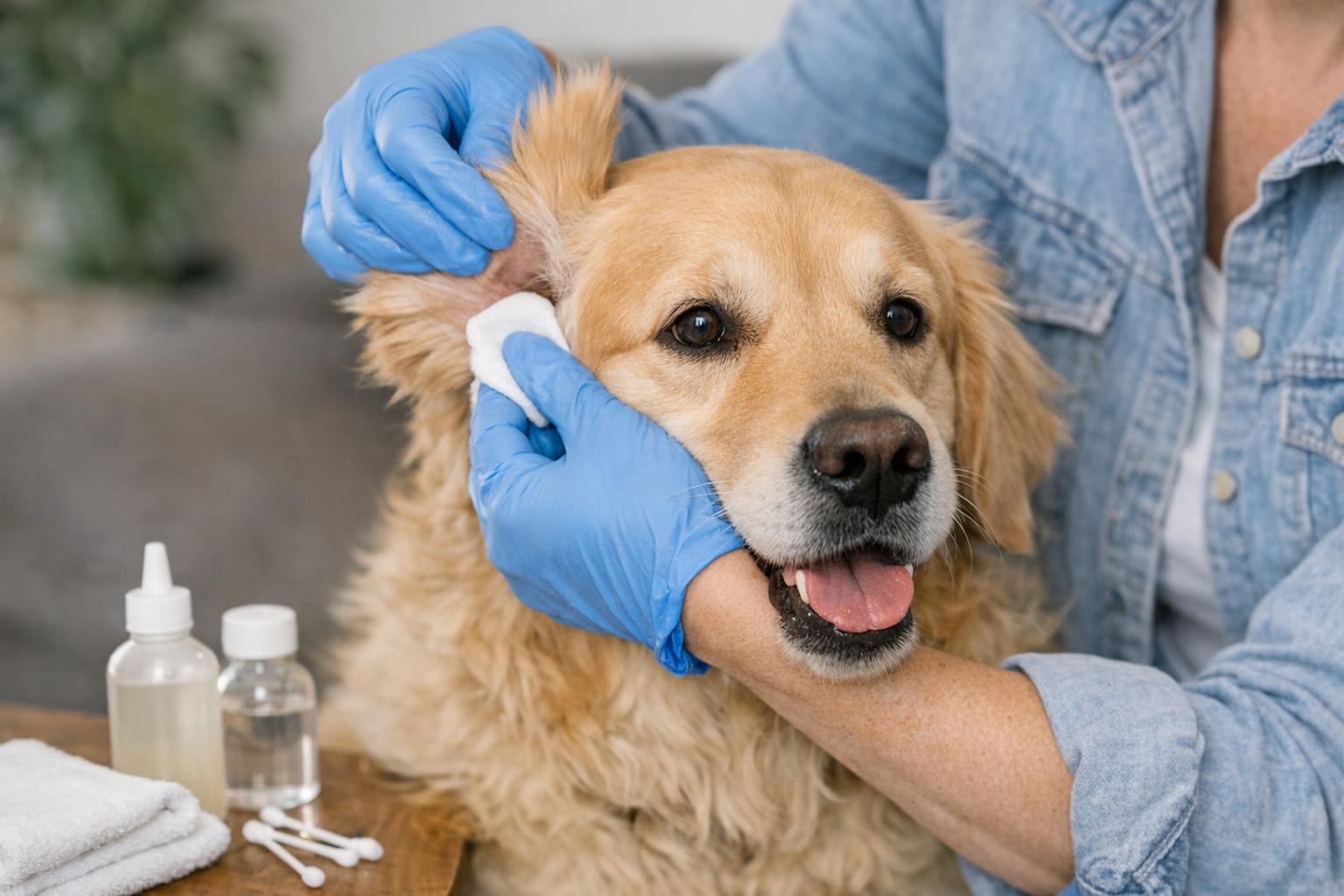
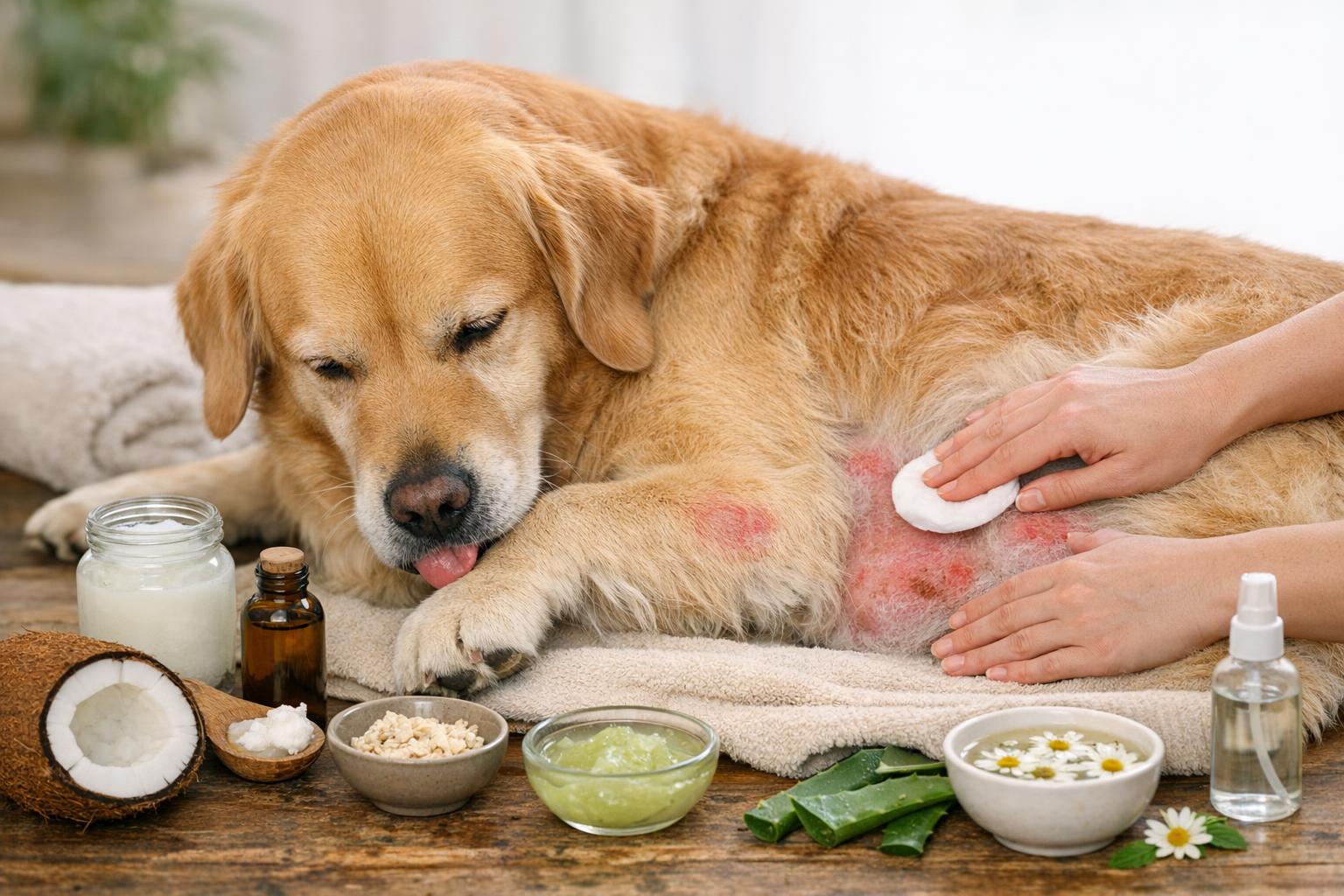
Watch for flaky skin, dandruff-like particles, rough or dull coat, excessive licking, rubbing, or increased shedding. Canine dry skin often appears across the back, rump, and chest but may be generalized. Persistent redness, scabs, or greasy patches suggest a secondary problem and should prompt professional evaluation.
## 1. Oatmeal Bath For Immediate Soothing
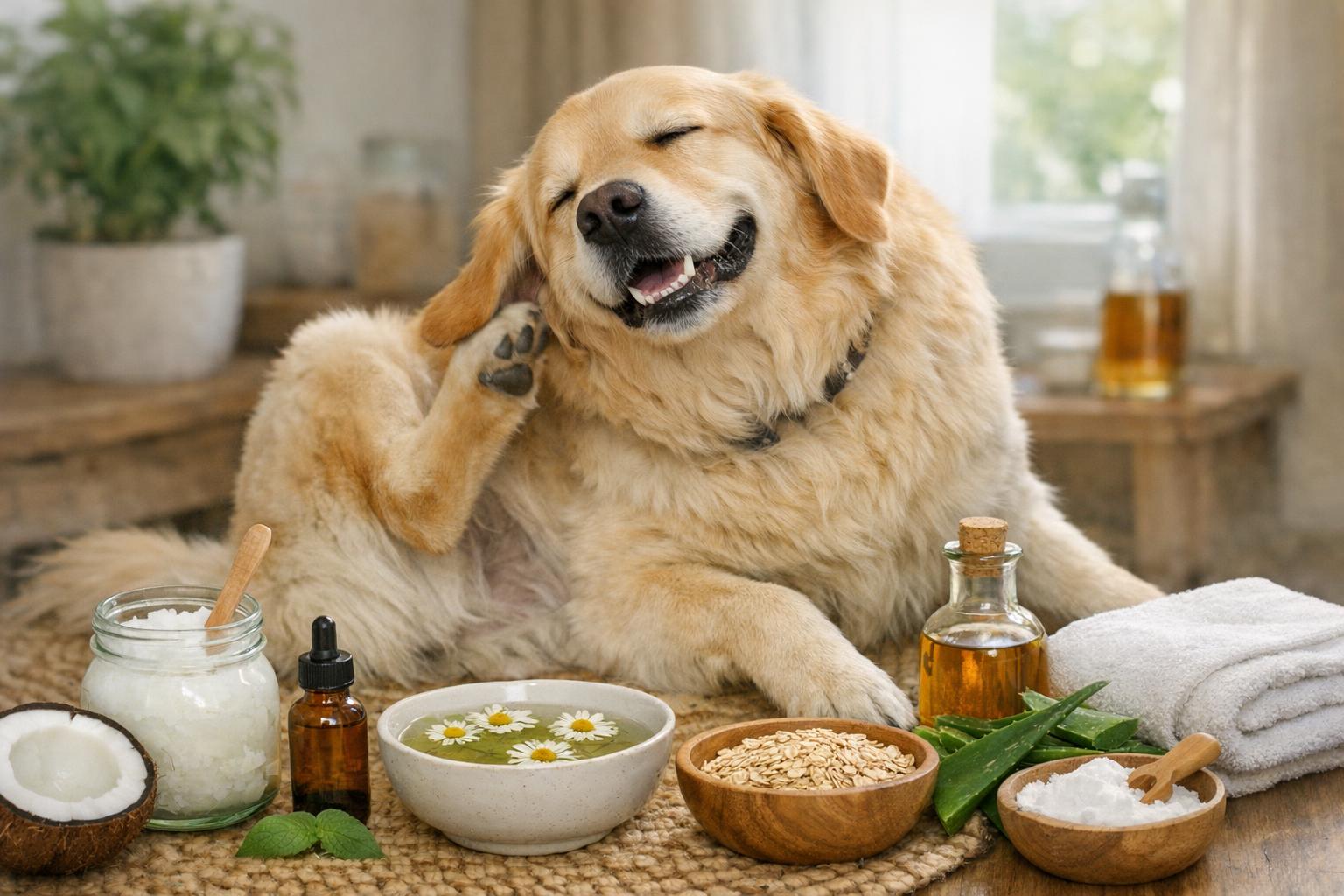
Oatmeal is a traditional, gentle emollient that relieves itching and restores moisture to the skin.
Ingredients / Materials:
– 1 to 2 cups of colloidal oatmeal (or plain oats ground to a fine powder)
– Lukewarm water (enough to fill a tub or basin)
– Towels
– Optional: pet-safe conditioner
Step-by-Step Creation and Application:
1. Prepare colloidal oatmeal by blending plain oats into a fine powder if you don’t have the commercial product.
2. Fill the tub or basin with lukewarm water and stir in oatmeal until slightly milky.
3. Place your dog in the water and gently massage the oatmeal solution into the coat for five to ten minutes; avoid vigorous scrubbing.
4. Let the solution sit on the skin for an additional five minutes to allow oils to rehydrate the stratum corneum.
5. Rinse thoroughly with lukewarm water and pat dry with a towel. If your dog tolerates it, a light pet-safe conditioner can be applied and rinsed.
6. Repeat once weekly or as recommended by your veterinarian.
Use this remedy to temporarily relieve itch and flaking while you address root causes like diet or humidity.
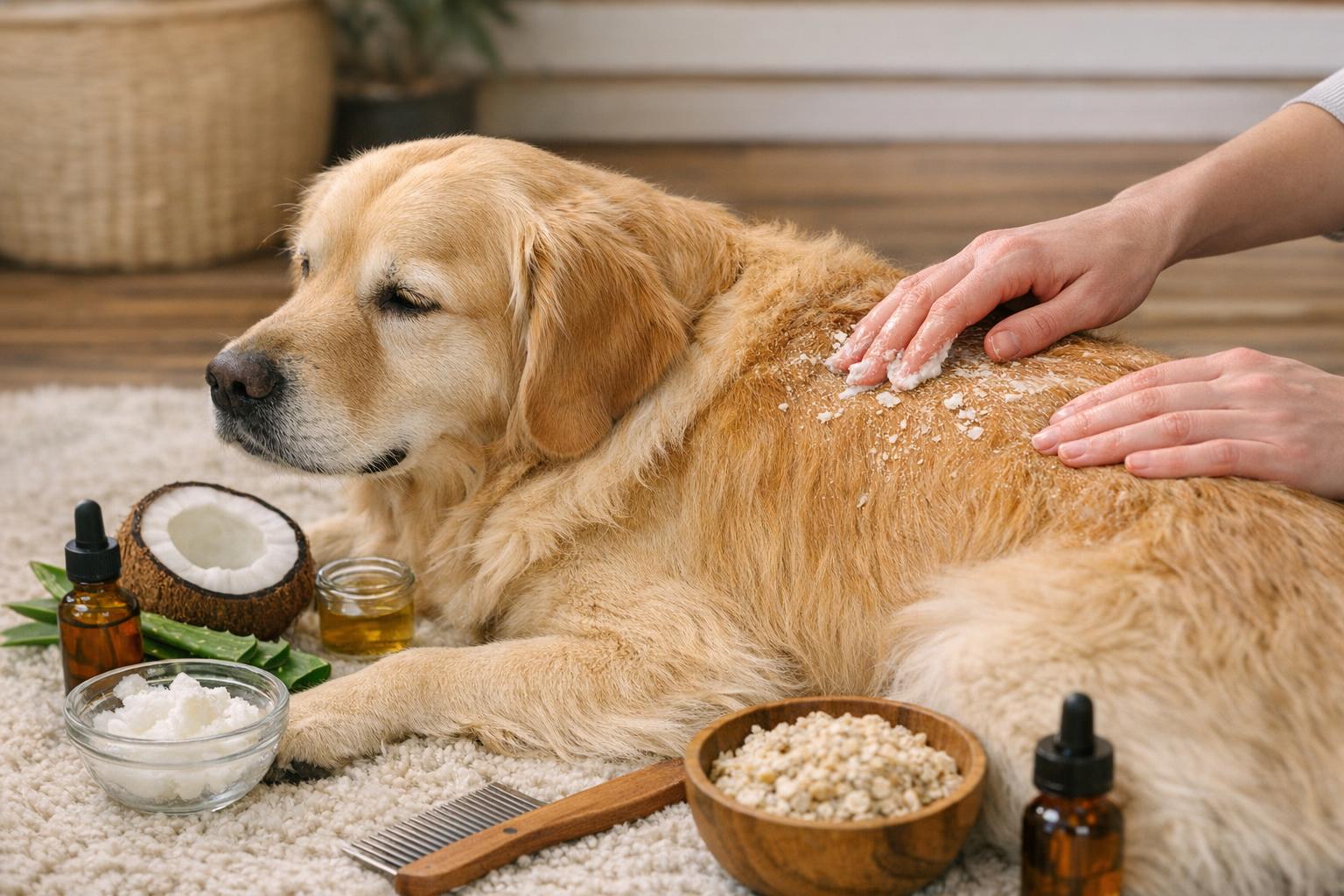
## 2. Coconut Oil Topical Treatment For Dry Patches
Coconut oil contains medium-chain triglycerides with emollient and mild antimicrobial properties. Applied properly, it can reduce flaking and improve coat sheen.
Ingredients / Materials:
– Organic, virgin coconut oil
– Clean fingertips or a small soft brush
– A towel to protect furniture
Step-by-Step Creation and Application:
1. Warm a small amount of coconut oil between your palms until it liquefies.
2. Using fingertips or a soft brush, apply a thin layer to localized dry patches. For larger areas, distribute sparingly to avoid greasiness.
3. Massage gently into the skin for one to two minutes to aid absorption.
4. Allow your dog to rest on a towel for 10–20 minutes while absorption occurs; avoid heavy application before walks or bedding contact.
5. Apply once daily for up to two weeks while monitoring for improvement.
Note: Some dogs may lick the oil off; coconut oil is generally safe in small amounts, but excessive ingestion can cause digestive upset. Use in moderation.
## 3. Apple Cider Vinegar Rinse For Itchy, Oily Scales
Apple cider vinegar (ACV) is sometimes useful for balancing skin pH and discouraging opportunistic microbes. Do not use ACV on raw or open wounds.
Ingredients / Materials:
– Raw, unfiltered apple cider vinegar
– Clean water
– Spray bottle or basin
Step-by-Step Creation and Application:
1. Dilute ACV with water at a ratio of 1 part ACV to 3–4 parts water (adjust weaker for sensitive dogs).
2. For spot treatment, pour a small amount over affected areas or apply with a spray bottle, avoiding broken skin.
3. Leave on for a few minutes and then rinse with lukewarm water; for a quick refresh, a light spray followed by towel drying is acceptable.
4. Use this rinse once or twice weekly; discontinue if your dog shows irritation.
ACV is intended for mild scales and oily flaking associated with superficial microbial imbalance. If the skin is dry and flaky due to loss of oils, pair ACV use sparingly with moisturization strategies.
## 4. Omega-3 Supplementation For Systemic Skin Health
Dietary omega-3 fatty acids (EPA and DHA) support skin barrier repair and reduce inflammation. This is a systemic approach rather than a topical fix.
Ingredients / Materials:
– High-quality fish oil or algal oil supplement formulated for dogs
– Measuring dropper or capsules
– Food to mix supplement into
Step-by-Step Creation and Application:
1. Choose a reputable veterinarian-recommended omega-3 product with clear dosing instructions for your dog’s weight.
2. Start at the manufacturer’s recommended dose or your veterinarian’s instruction; do not exceed recommended amounts.
3. Administer the oil by mixing into food or using capsules. Monitor for tolerance and palatability.
4. Continue supplementation for 8–12 weeks to assess improved coat condition; improvements often take weeks to become apparent.
Formal note: Omega-3 dosing must be precise — excessive supplementation can cause bleeding tendencies in some animals. Consult your veterinarian for dogs on medications or with concurrent health issues.
## 5. Environmental And Grooming Adjustments To Prevent Recurrence
Often the simplest interventions reduce recurrence of dog dry skin. Changes are low-cost and effective for many households.
Materials / Considerations:
– Humidifier for dry indoor environments
– Pet-safe moisturizing shampoo (mild, fragrance-free)
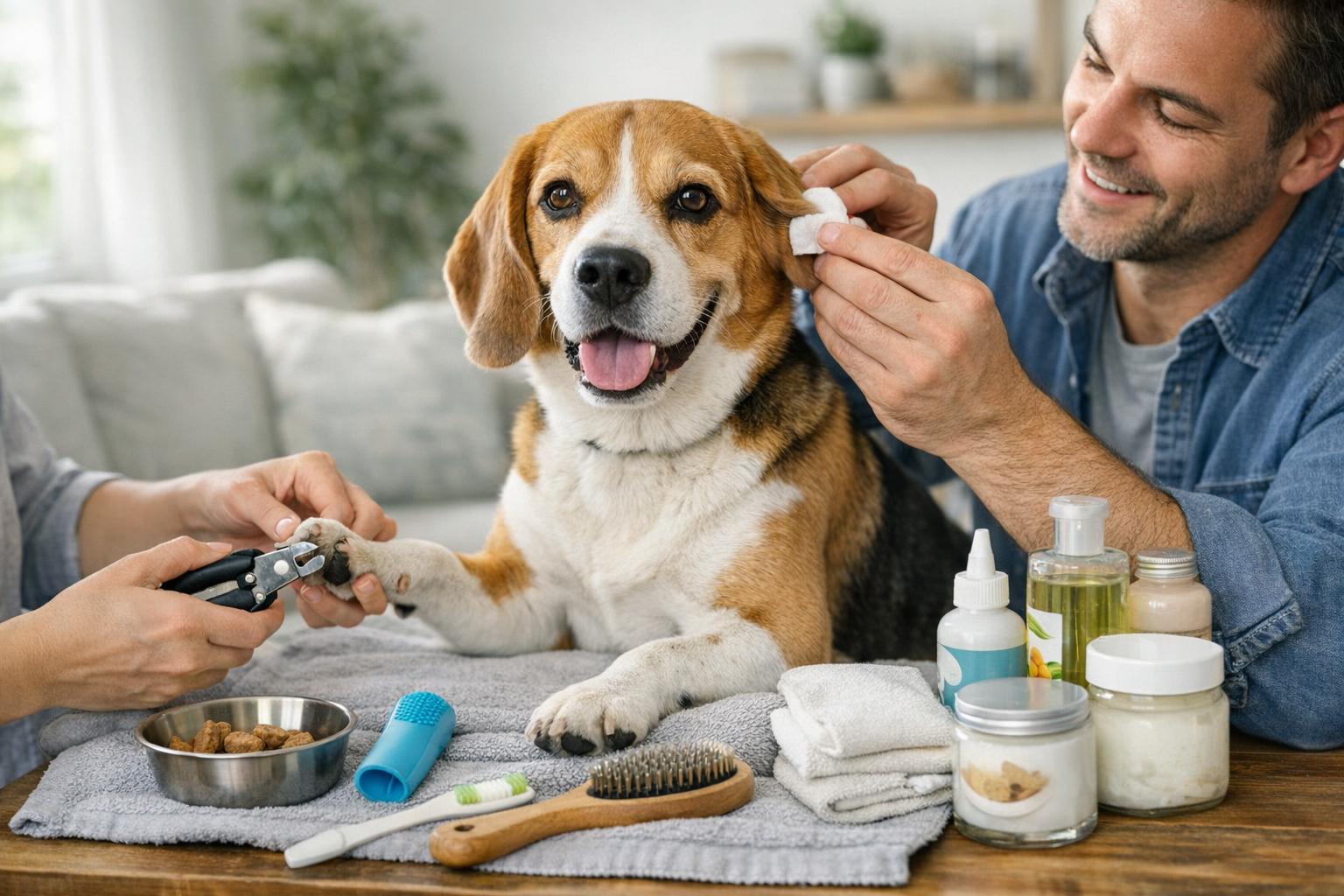
– Soft-bristled brush and grooming routine
– Balanced diet appropriate for life stage
Step-by-Step Implementation:
1. Maintain indoor humidity between 40–60% during dry months using a humidifier.
2. Reduce bathing frequency and switch to a gentle, hypoallergenic shampoo formulated to preserve skin oils.
3. Implement a regular, gentle brushing routine to distribute natural skin oils through the coat.
4. Ensure your dog’s diet includes high-quality proteins and appropriate fatty acid profiles; adjust under veterinary guidance.
5. Evaluate and remove potential irritants (fabric softeners, strong household cleaners) from your dog’s environment.
These preventive measures address the underlying factors that contribute to chronic canine dry skin and help sustain results achieved by topical or dietary treatments.
### When To See A Veterinarian
If natural home strategies fail to improve symptoms within two to four weeks, or if lesions, severe itching, or systemic signs appear, seek veterinary care. Diagnostic testing (skin scraping, cytology, allergy testing, blood work) may be necessary to identify underlying disease. A veterinarian can prescribe medicated shampoos, topical agents, or targeted therapies not available for safe home use.
This guidance on how to treat dry skin in dogs at home emphasizes safe, evidence-aligned remedies and practical prevention. Use the numbered remedies that match your dog’s condition, monitor progress carefully, and consult your veterinarian for persistent or severe cases of canine dry skin.



Leave a Reply