






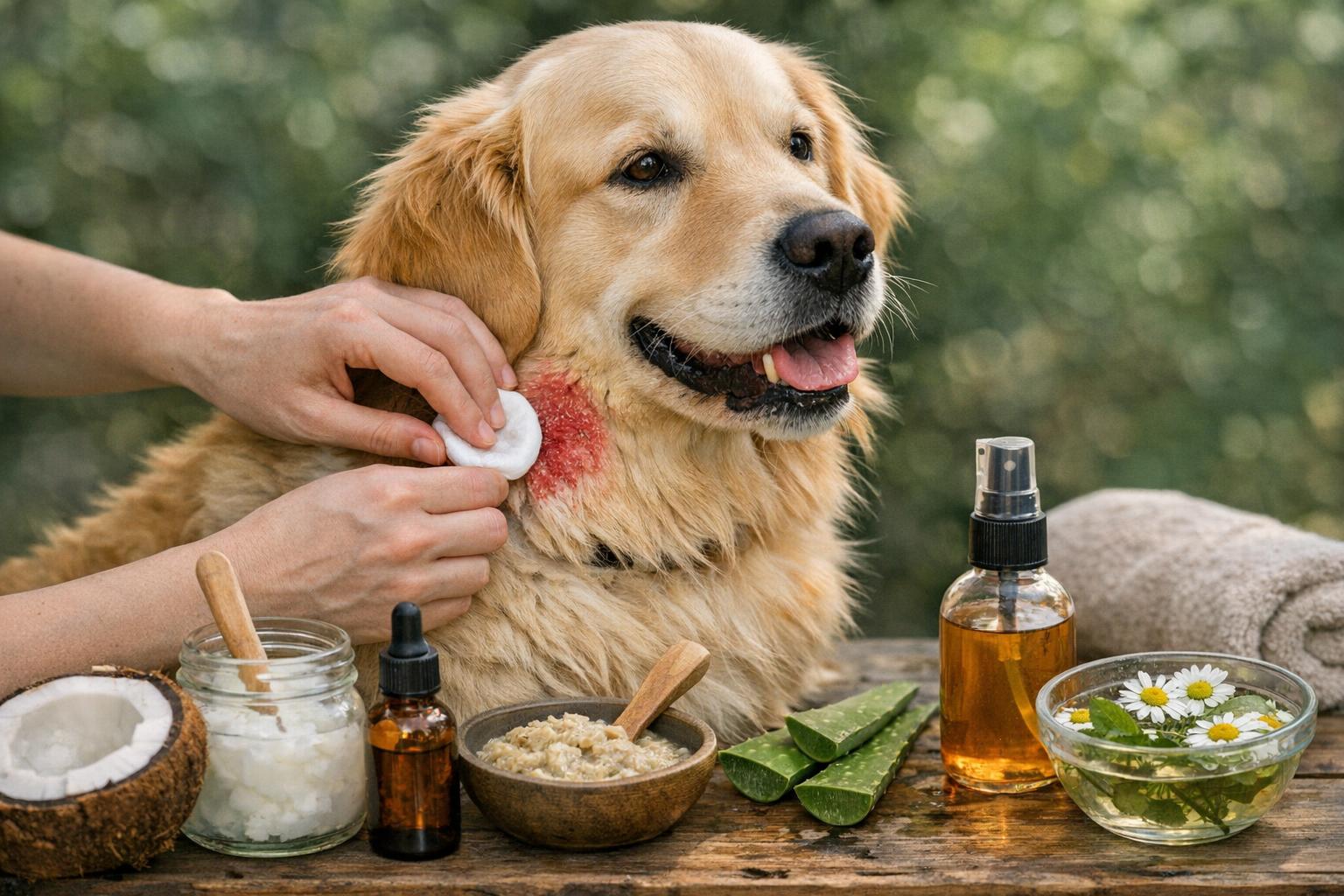
A red, angry blistering patch on your dog’s skin can turn a calm household into a crisis zone in minutes—dogs obsessively lick, scratch and chew at these lesions, and owners scramble for answers. If you’ve ever watched your pet spin in circles trying to soothe a burning sore, you’re not alone. This piece rips the lid off conventional advice with sensational urgency and then gives precise, formal, evidence-informed DIY solutions that you can make at home safely.
## Hot Spot Treatment For Dogs: Natural DIY Hacks Unveiled
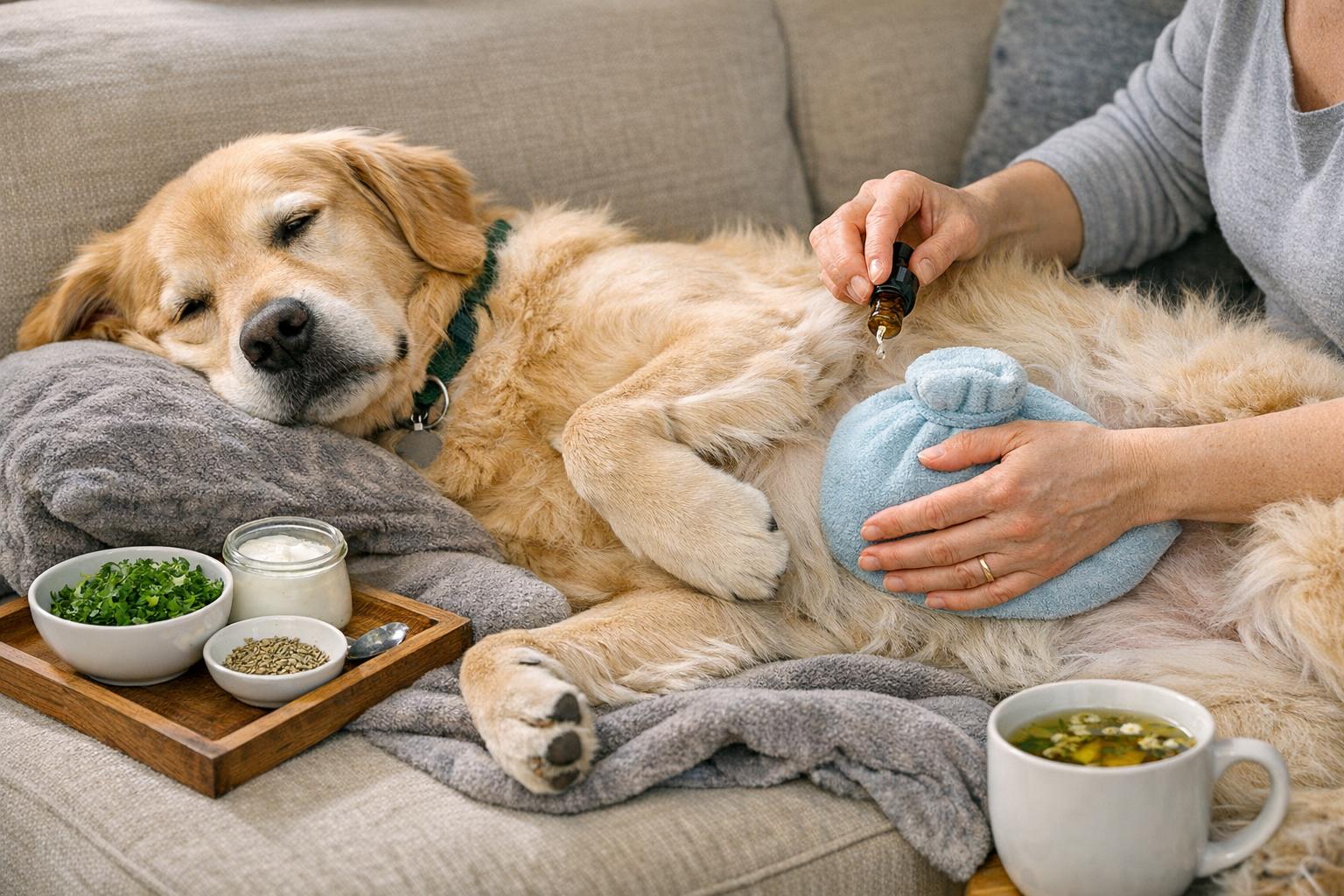
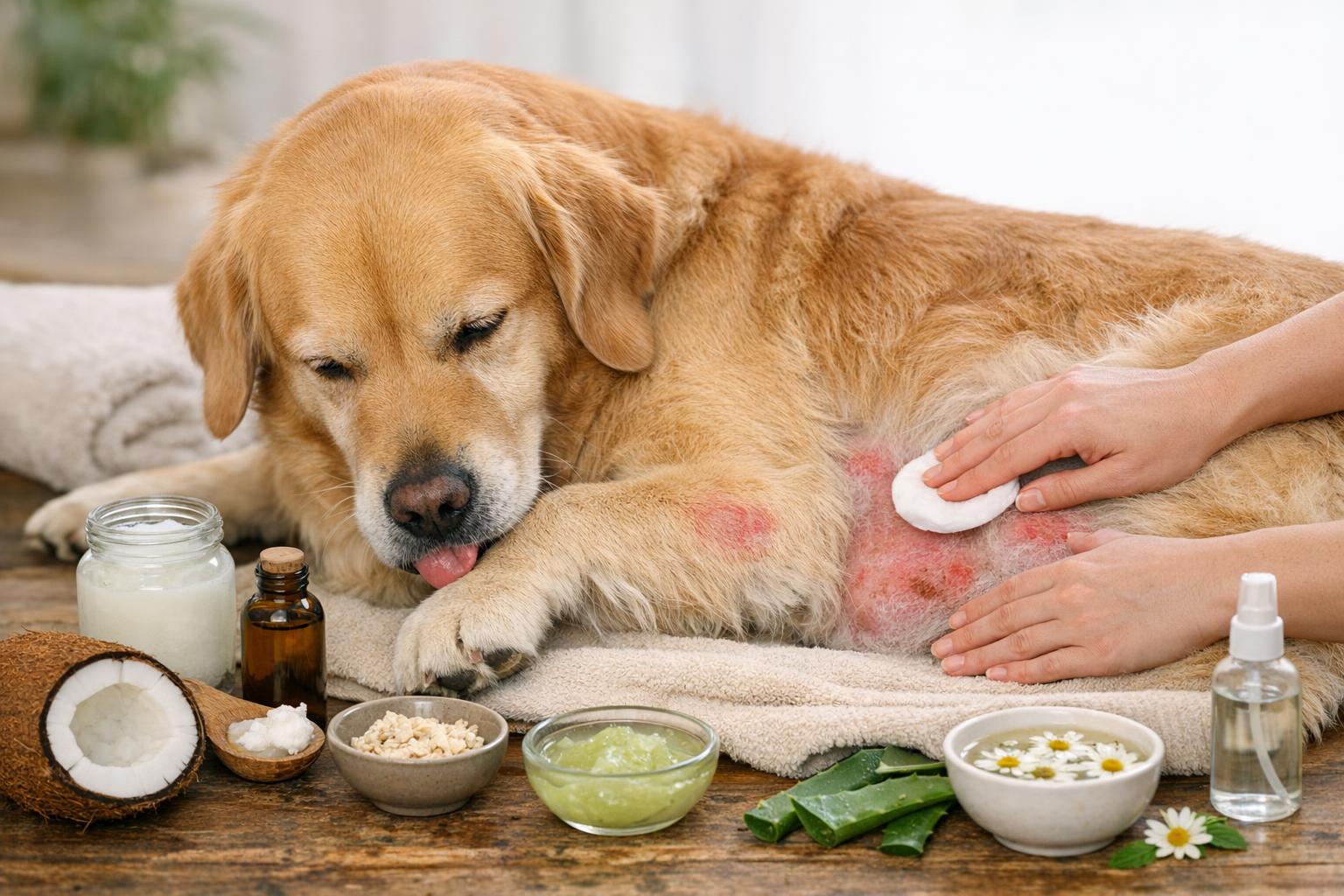
Dogs can develop hot spots suddenly, and the drama they cause is immediate. These lesions, often moist and foul-smelling, are a real emergency for comfort and healing. Whether triggered by a mosquito bite, a tangled coat, or an underlying allergy, quick and correct action makes all the difference in successful hot spot treatment for dogs.
## What Is Happening Under The Fur
Hot spots (acute moist dermatitis) are inflamed, infected areas of skin caused by self-trauma—your dog’s licking, chewing or scratching introduces bacteria and prevents healing. These areas can enlarge rapidly and cause severe discomfort. The term “canine dermatitis” covers a broader set of inflammatory skin issues, and hot spots are one dramatic, acute form of that umbrella.
### Signs To Watch For
– Sudden patch of red, moist, hairless skin.
– Intense scratching, licking or biting at the area.
– Rapid enlargement over hours to days.
– Foul odor or discharge from the lesion.
– Behavioral changes: restlessness, snapping when touched.
### Common Triggers
Fleas, ticks, ear infections, allergies, skin folds, poor grooming, and localized trauma are common precipitating factors. Environmental humidity and heat often worsen the problem. Recognizing triggers is essential because an effective hot spot treatment for dogs includes both immediate care and plans to prevent recurrence.
## When To Seek Veterinary Care
If the lesion is large, spreading rapidly, bleeding, or your dog appears systemically unwell (fever, lethargy, loss of appetite), seek a veterinarian immediately. Pets with underlying allergies or secondary infections may need prescription antibiotics or steroids. For small, fresh hot spots you can try the DIY methods below, but always err on the side of professional care if you’re unsure.
## Remedy 1: Cold Compress And Gentle Cleansing (Immediate First Aid)
This is your first-line emergency method to control pain, reduce inflammation, and stop further licking.
### Ingredients / Materials
### (###)
– Clean, soft cloths or gauze.
– Sterile saline solution (or 1 teaspoon salt in 500 ml boiled, cooled water).
– Cool distilled water.
– Non-toxic antiseptic spray containing chlorhexidine or diluted iodine (povidone-iodine diluted 1:10).
– Elizabethan collar (cone) or alternative restraint.
### Steps
### (###)
1. Calm your dog and muzzle if necessary for safety. Fit an Elizabethan collar to prevent more licking.
2. Clip fur around the hot spot carefully to expose the lesion. Use blunt-tipped scissors and pull hair away from the area; clip small sections at a time.
3. Soak a cloth in cool water and apply as a compress for 5–10 minutes to reduce swelling and heat.
4. Rinse the area with sterile saline to remove debris and crusts. Pat gently; do not rub aggressively.
5. Apply the antiseptic solution with gauze once the area is clean. Allow to air dry if possible.
6. Replace cone and monitor hourly for excessive licking. Repeat cleaning twice daily until you can implement a longer-term topical treatment.
This formal, structured approach reduces bacterial load and inflammation and primes the lesion for further topical therapy.
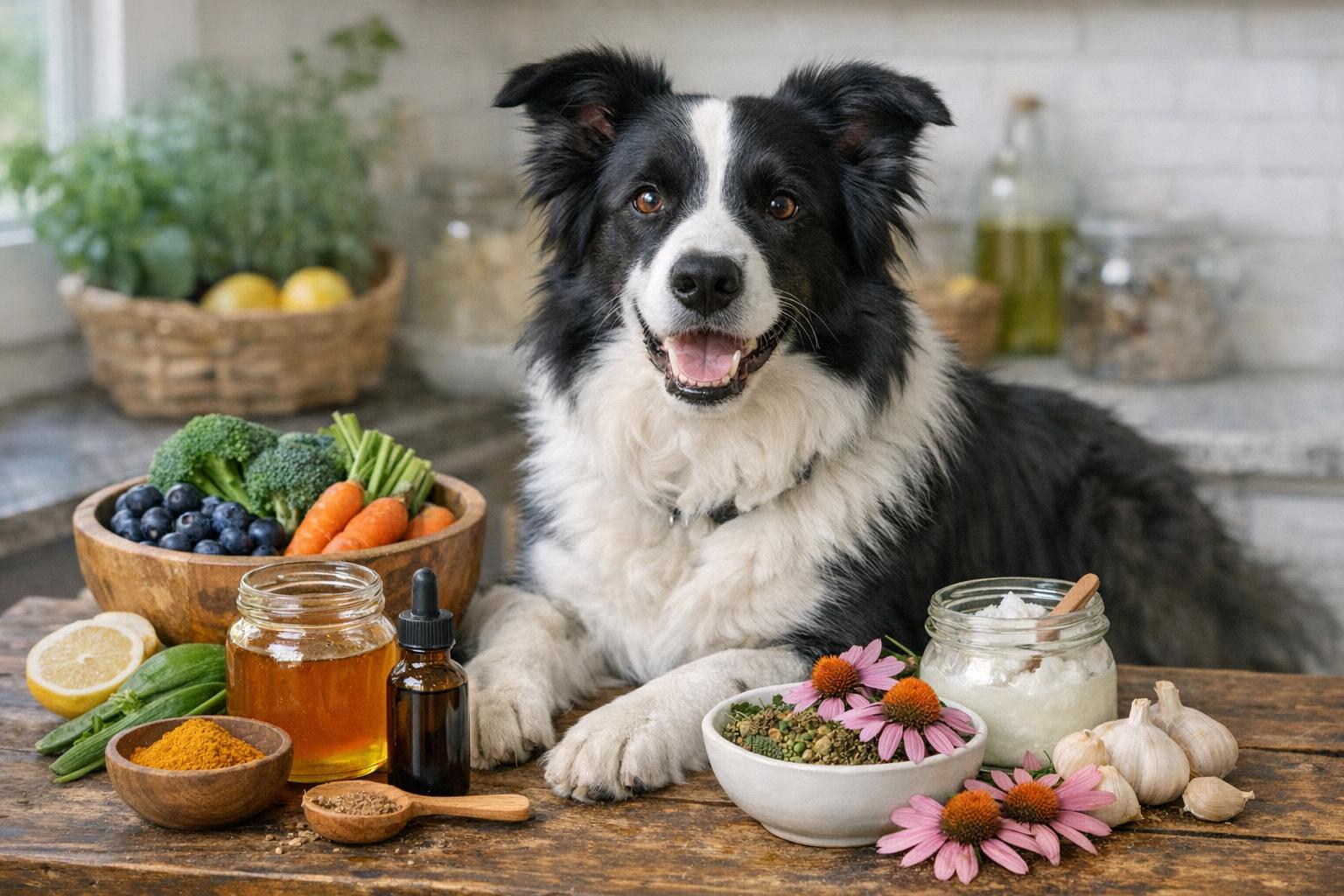
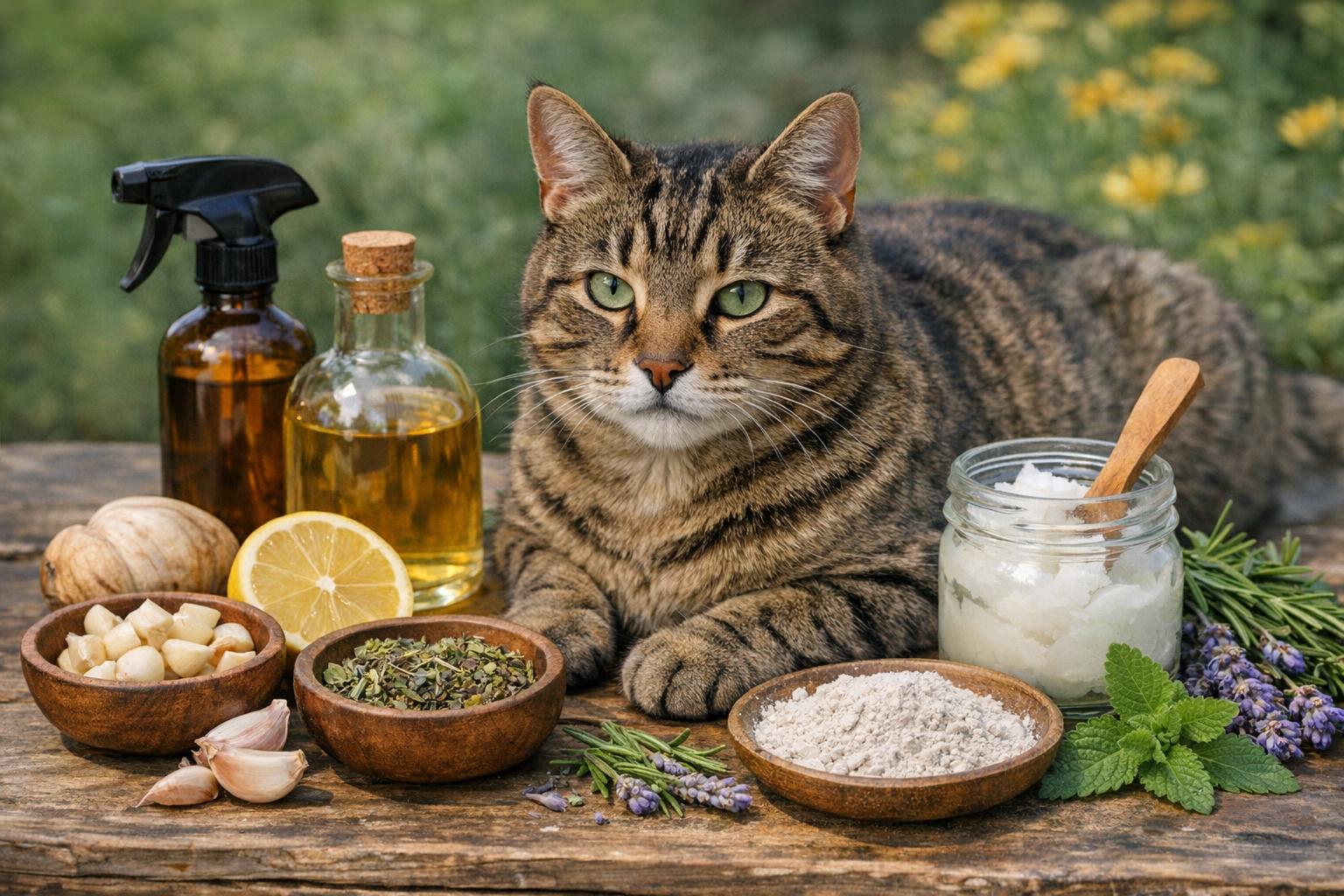
## Remedy 2: Herbal Antibacterial Ointment (Topical Healing)
A gentle, evidence-informed herbal ointment can soothe inflamed tissue and provide lightweight antibacterial action. Use this for small to moderate lesions after cleaning.
### Ingredients / Materials
### (###)
– 2 tablespoons calendula-infused oil (or olive oil infused with calendula petals).
– 1 tablespoon raw coconut oil (solid at room temperature).
– 5 drops lavender essential oil (therapeutic grade) — optional and used sparingly.
– 1 teaspoon beeswax (for thicker consistency).
– Clean jar and double boiler.
### Steps
### (###)
1. In a double boiler, gently warm the calendula oil and coconut oil together until combined.
2. Add beeswax and stir until fully melted and uniform.
3. Remove from heat, allow to cool slightly, then add lavender oil and mix.
4. Pour into a sterilized jar and let solidify.
5. After cleaning the hot spot, apply a thin layer of the ointment to the lesion twice daily.
6. Reapply cone to prevent ingestion and monitor for improvement over 48–72 hours.
Calendula has anti-inflammatory properties and coconut oil provides mild antibacterial activity. This preparation is supportive, not a replacement for antibiotics when indicated.
## Remedy 3: Apple Cider Vinegar Rinse (Antiseptic Toner)
Apple cider vinegar (ACV) is a classic home remedy with acidic antiseptic properties. Use only diluted and avoid open, raw wounds that are oozing heavily—ACV can sting.
### Ingredients / Materials
### (###)
– Raw, unfiltered apple cider vinegar.
– Filtered water.
– Spray bottle or clean cloth.
### Steps
### (###)
1. Mix ACV with water at a 1:3 ratio (one part ACV to three parts water).
2. After initial cleaning and trimming, lightly spray or dab the diluted ACV onto the perimeter of the hot spot—avoid the raw center if it’s deep and oozing.
3. Let the solution air dry. Apply twice daily.
4. Use an Elizabethan collar to avoid licking for at least 30 minutes after application.
ACV can restore skin pH and reduce superficial bacterial growth. If irritation or worsening occurs, cease use.
## Safety, Precautions, And Preventive Notes
#### Always Observe For Signs Of Systemic Infection
Dogs with fever, lethargy, or lesions that expand rapidly require veterinary antibiotics. Never delay professional care for severe cases of canine dermatitis or suspected secondary infection.
#### Monitor For Allergic Reactions
Natural substances can still cause allergies. Test a tiny spot first and watch for increased redness or swelling. If you suspect an allergy, discontinue immediately.
#### Prevent Recurrence
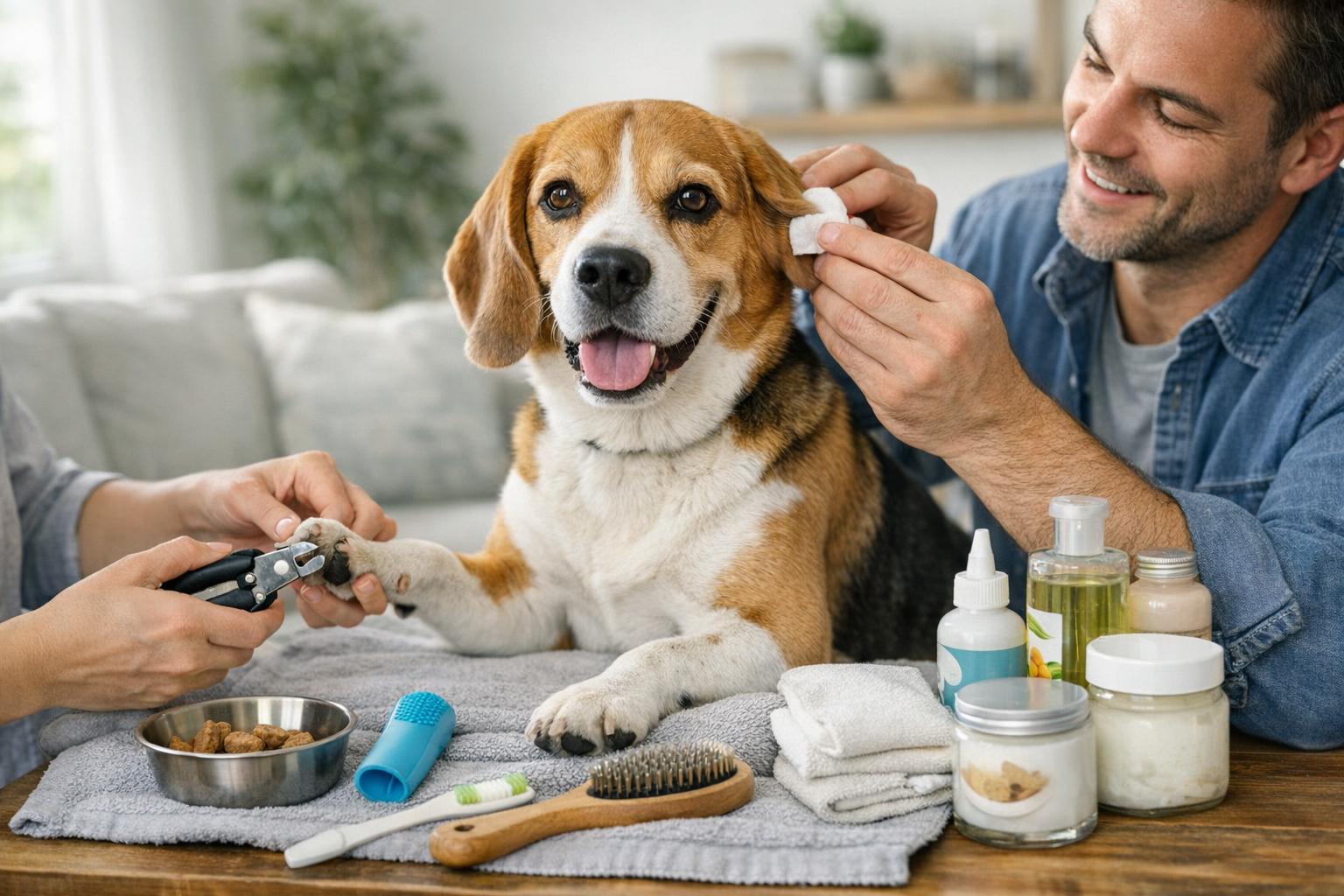
Flea control, regular grooming, treating underlying allergies, and keeping coats trimmed in humid months will dramatically reduce recurrence of hot spot treatment for dogs. Environmental management and routine skin checks are essential.
#### Keep Chemicals Off Food Areas
When using antiseptics or herbal preparations, avoid contamination of your dog’s food and water bowls. Prevent ingestion of concentrated essential oils; they can be toxic if licked in quantity.
## Quick Reference: When To Use Which DIY Method
### If The Hot Spot Is Small And Fresh
Start with Remedy 1 (cold compress and cleansing), then apply Remedy 2 (herbal ointment) for sustained topical care.
### If The Hot Spot Has Strong Odor Or Moderate Moisture
Use Remedy 1 for initial cleaning and consider Remedy 3 (ACV rinse) on the margins if there is no open bleeding.
### If The Hot Spot Is Large, Deep, Or Worsening
This is beyond simple home care—seek veterinary treatment promptly for systemic therapy and possible debridement. Hot spot treatment for dogs at this stage usually requires prescription antibiotics and professional wound management.
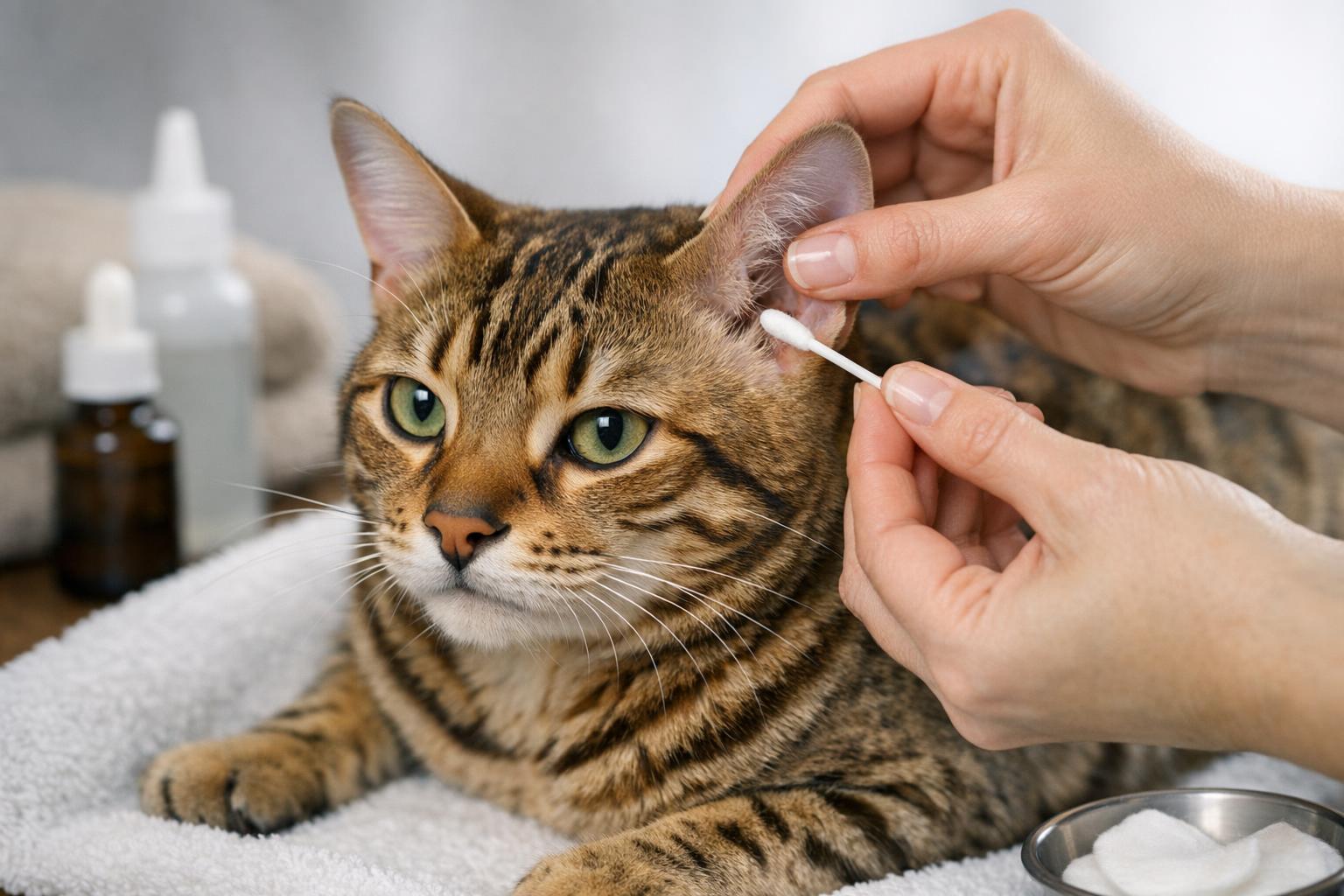
Keep an eye out for hidden causes: ear infections, anal gland issues, parasites, and anxiety-related over-grooming can all drive recurring lesions. Addressing those root causes will make your hot spot treatment for dogs successful long-term and reduce the drama next time a sore appears.













Leave a Reply